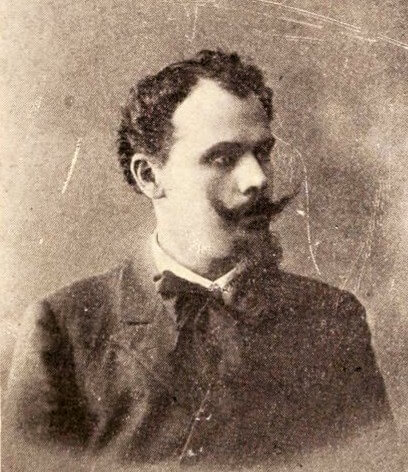
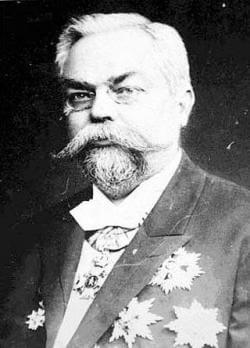
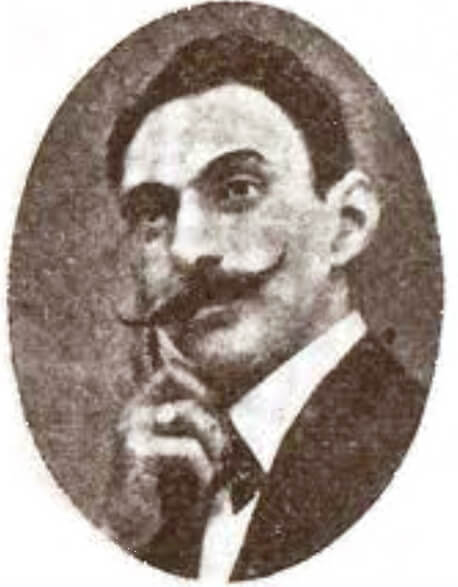
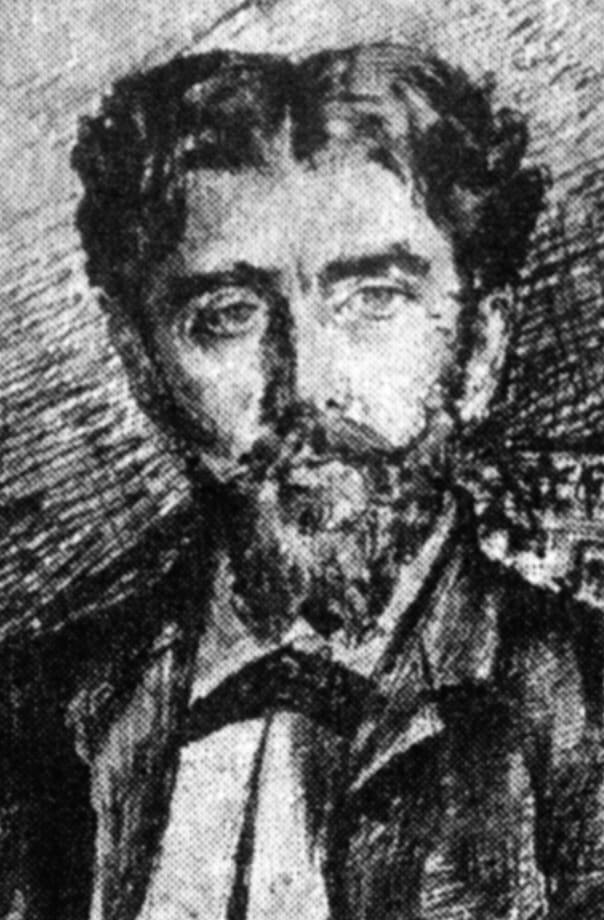
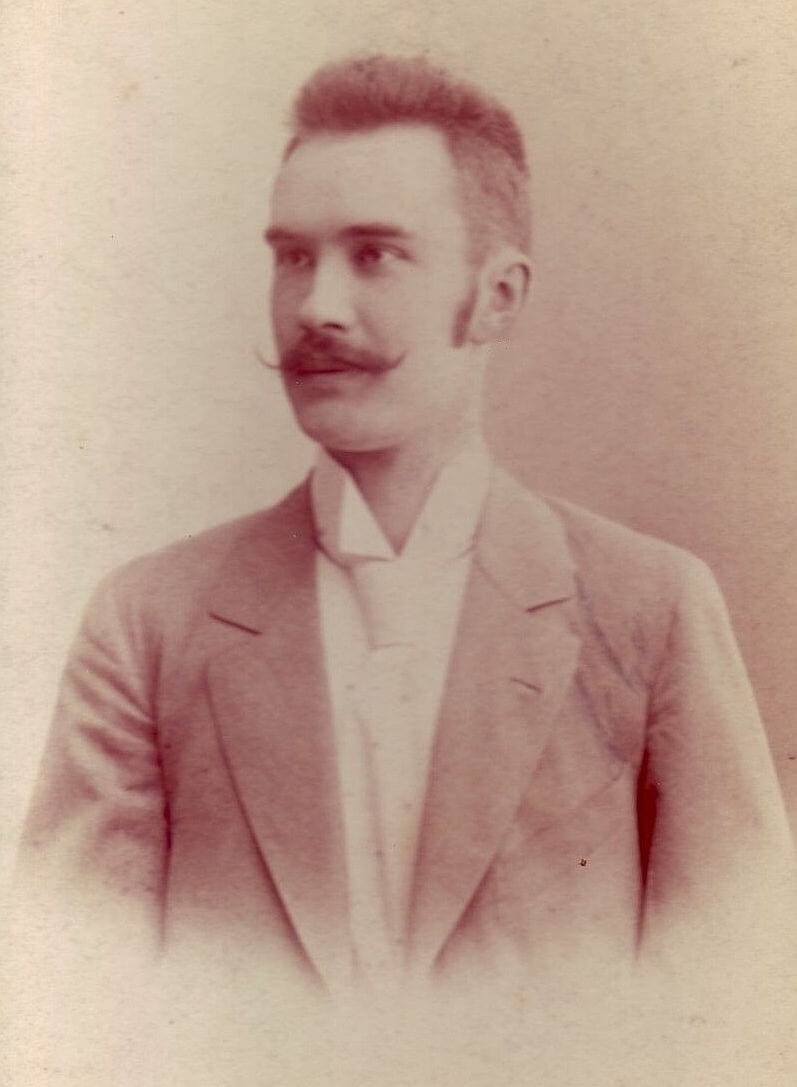
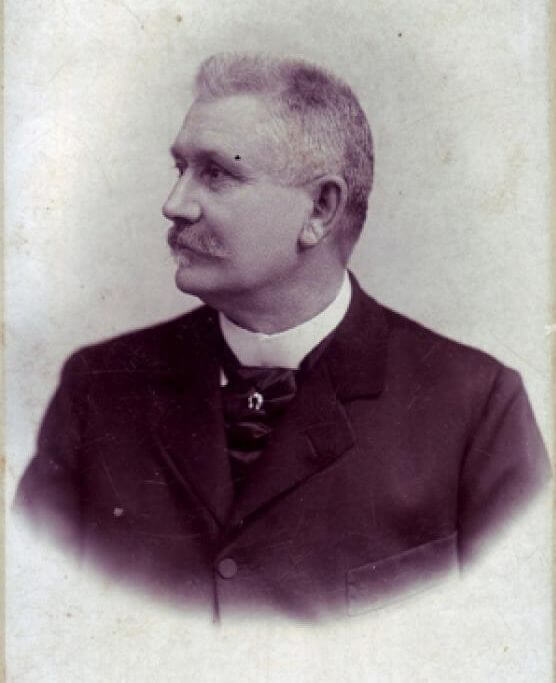
Ion D. Berindey (1871-1928) was a Romanian architect and professor whose work helped shape the elegant residential and institutional architecture of Bucharest around 1900. Trained at the École des Beaux-Arts in Paris, he brought a refined French academic influence to Romania while also working with elements of the emerging Neo-Romanian style, leaving behind some of the most distinctive houses and palaces of the period.
Berindey was born into an architectural family in Bucharest. His father, Dimitrie Berindei, had also studied architecture in Paris and was among the first Romanian architects trained there, so the profession was already part of the family background when Ion began his own studies. After briefly considering engineering at the School of Bridges and Roads, he moved to Paris and entered the École des Beaux-Arts, where he studied architecture during the 1890s.
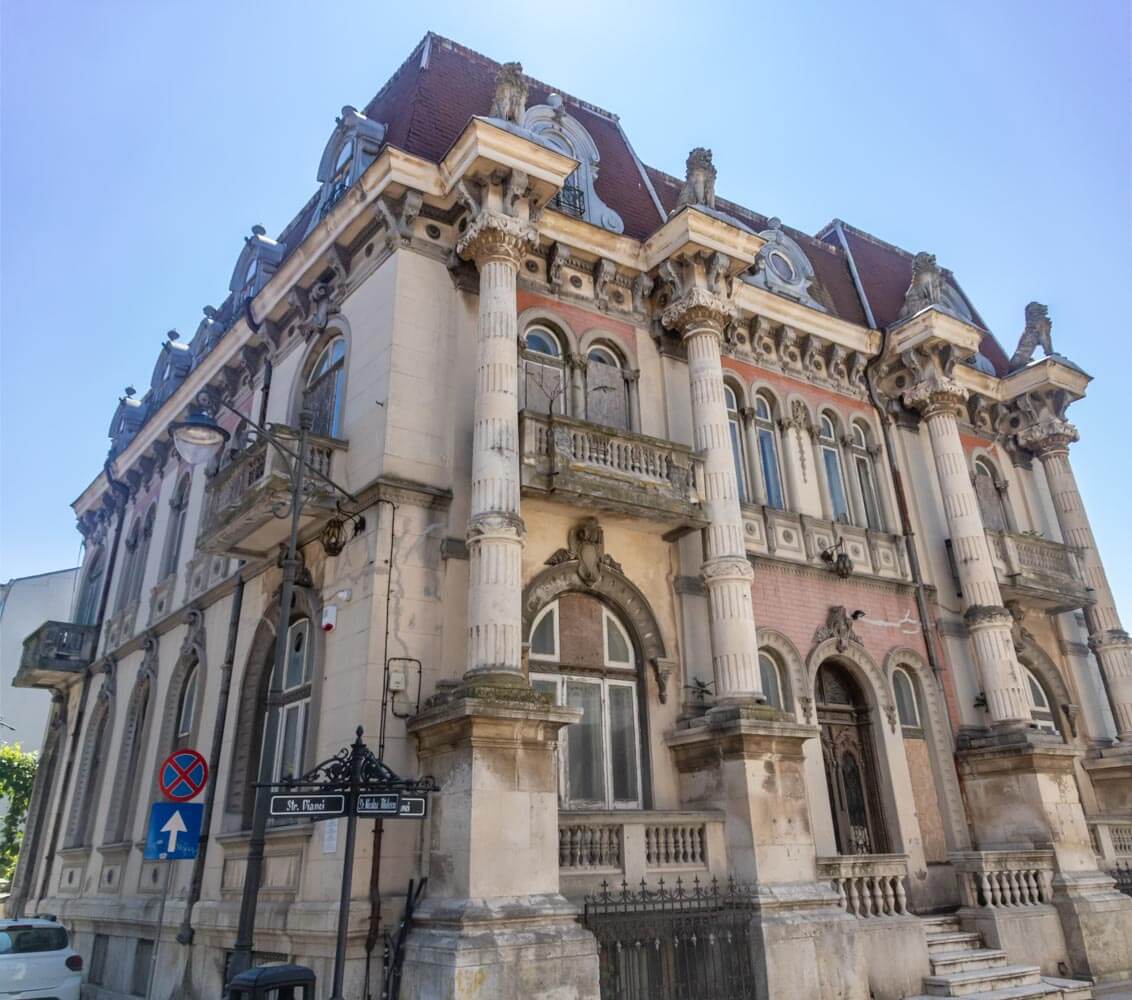
Returning to Romania placed him in the middle of a building boom driven by wealthy families, public institutions, and a capital eager to present itself as a modern European city. His Parisian training suited that environment well, and many of his early commissions were private residences for members of the political and social elite. The Heracle Arion House, the Alexandru Florescu House, and the Assan House show the range of that work, from restrained French-inspired urban villas to much richer compositions influenced by Louis XV and other historicist styles.
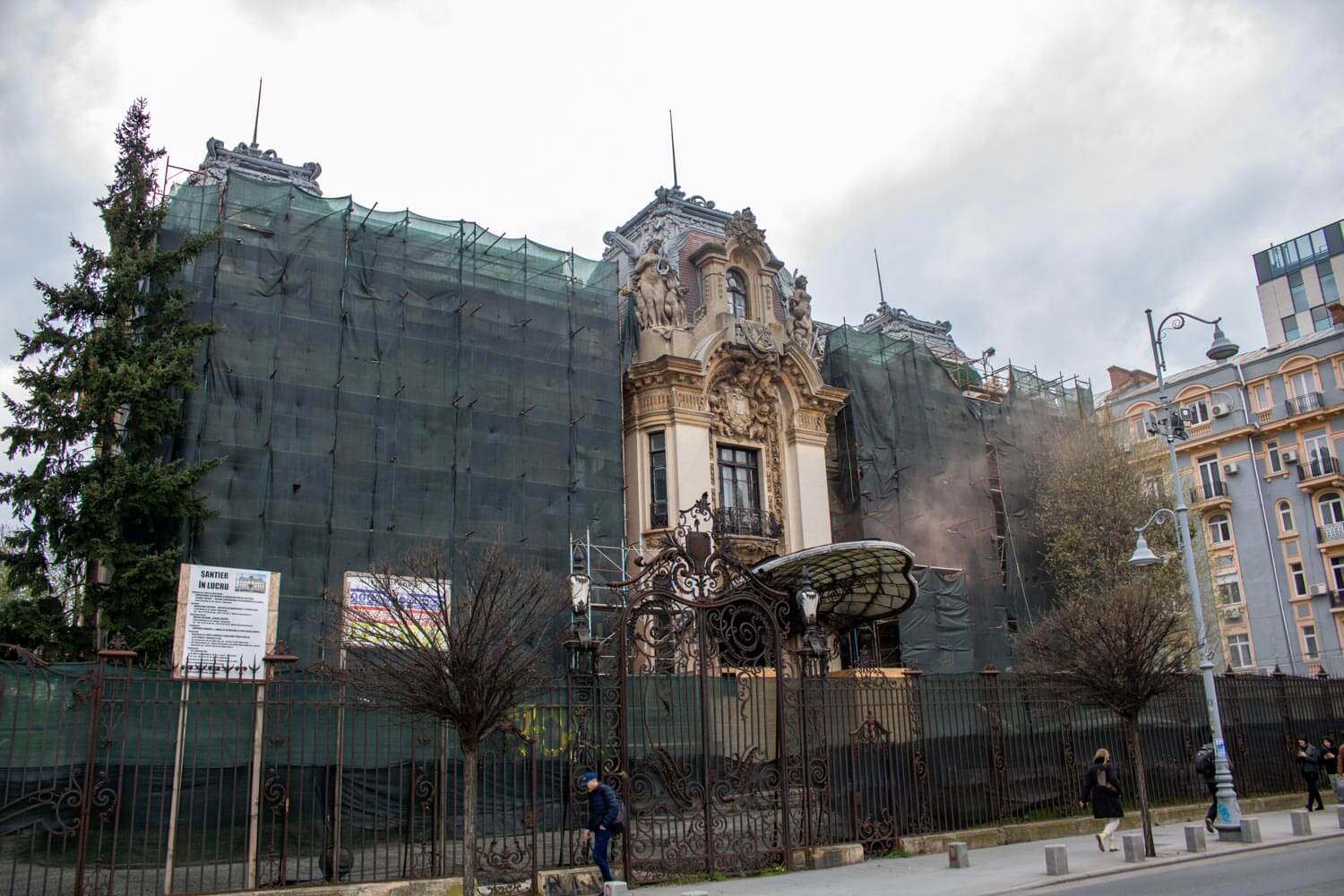
His best-known Bucharest commission is the Cantacuzino Palace on Calea Victoriei, designed for Gheorghe Grigore Cantacuzino and built in the early 1900s. Berindey combined an imposing Beaux-Arts composition with elaborate sculptural decoration and luxurious interiors, creating one of the most theatrical aristocratic residences in the city. The palace later passed to Maruca Cantacuzino, who married George Enescu in 1937, and Enescu lived there for periods before the building became the George Enescu National Museum.
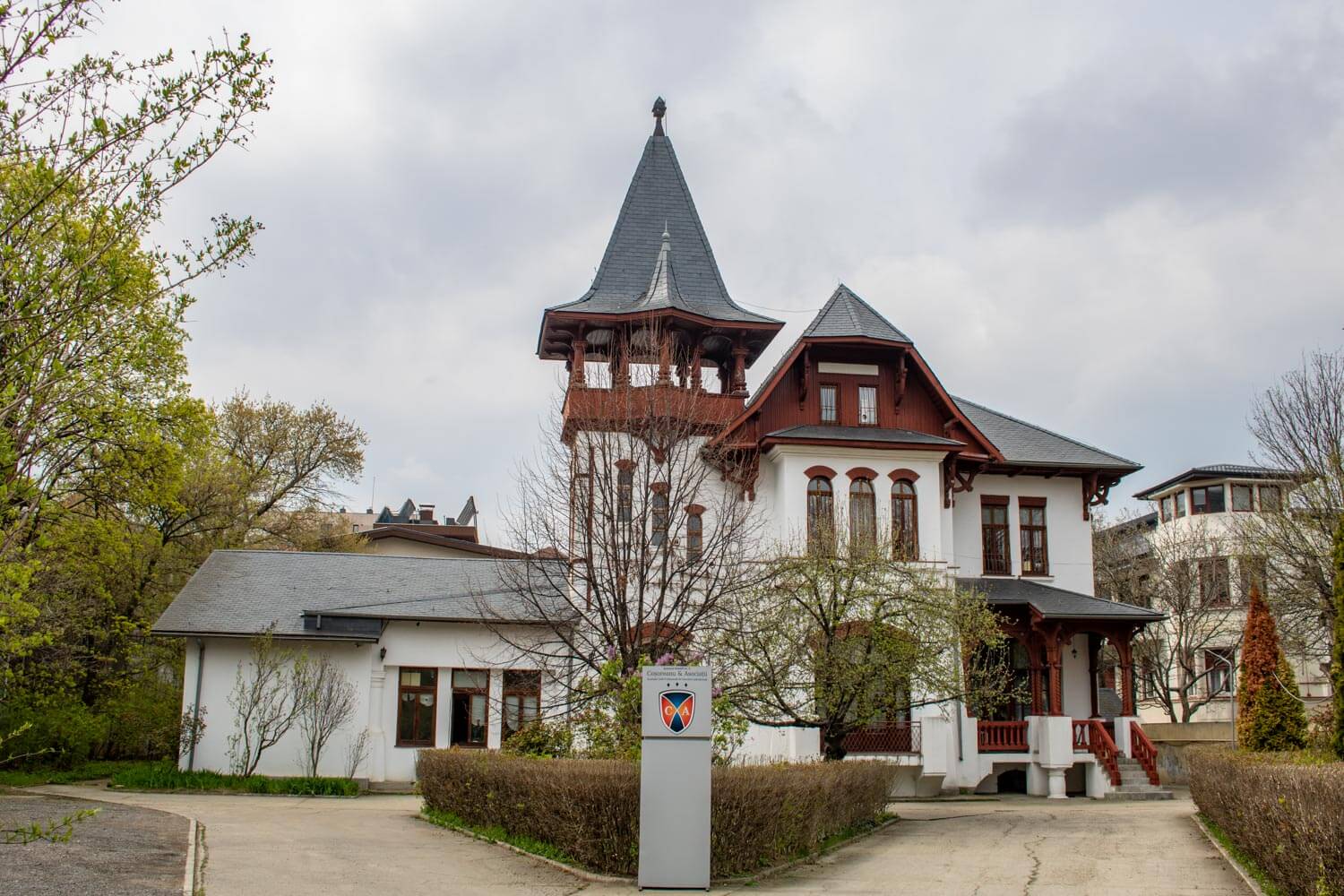
Berindey’s work was not limited to private palaces. He also designed public and institutional buildings and taught at the School of Architecture, while serving in several technical and professional bodies. Over time, his architecture became increasingly varied, and alongside French academic and eclectic designs he also worked with Neo-Romanian forms, reflecting the broader search for a national architectural language that was developing in Romania at the same time.
That breadth is especially visible in the contrast between his Bucharest residences and the Palace of Culture in Iași, one of the largest and most ambitious projects connected with his name. Designed in a monumental Neo-Gothic style and completed in the 1920s, it shows how far his work could move beyond the French-inspired urban palaces for which he is often best remembered.
Berindey died in 1928 after a career that crossed private architecture, public commissions, teaching, and professional administration. His surviving work remains especially visible in Bucharest, where several of his houses and palaces still define parts of the city’s late nineteenth- and early twentieth-century architectural character, while the Palace of Culture in Iași extends that legacy far beyond the capital.