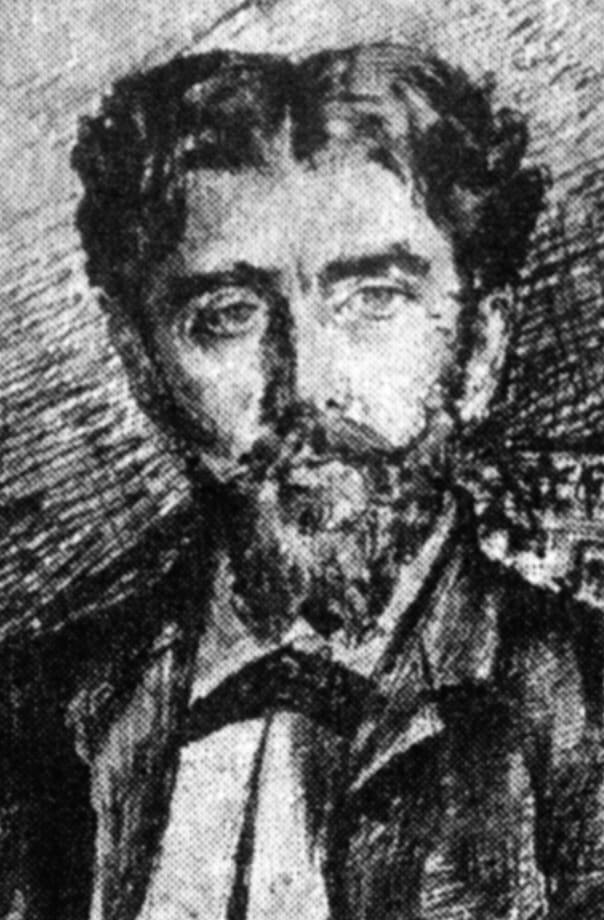
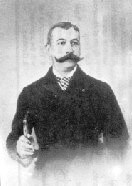
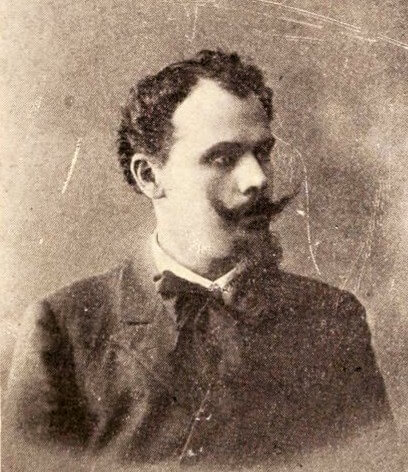
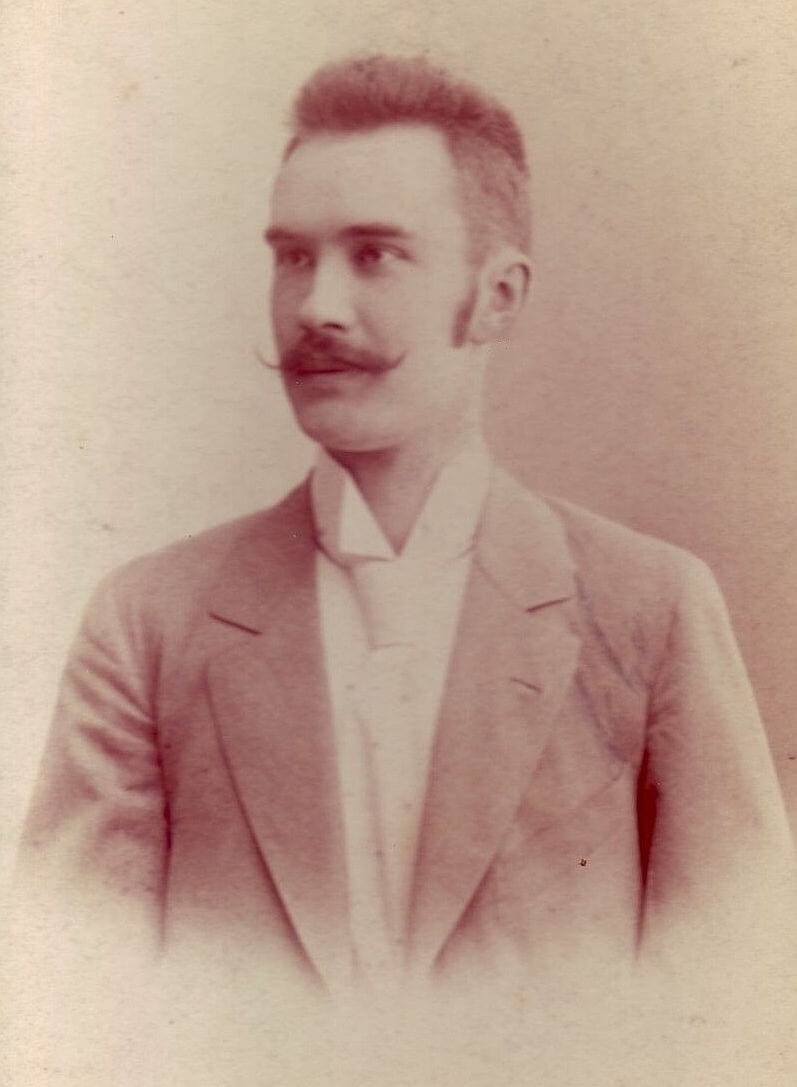
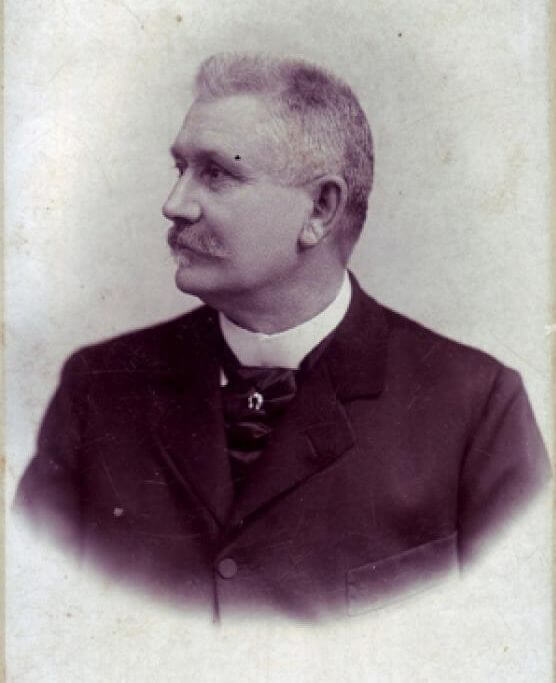
Ion Mincu (1852-1912) was a Romanian architect, engineer, professor, and politician who played a central role in the development of a modern Romanian national style of architecture. Drawing on traditional houses, monasteries, churches, and historic urban architecture, he created a new architectural language that later became known as Neo-Romanian architecture and strongly influenced the generation of architects who followed him.
Born in Focșani, Mincu first trained as an engineer, graduating from the National School of Bridges and Roads in Bucharest in 1875. He then turned toward architecture and continued his studies in Paris at the École des Beaux-Arts, where he was exposed to the academic architectural traditions that dominated European training at the time. When he returned to Romania in the 1880s, however, his work increasingly looked for inspiration closer to home rather than simply reproducing foreign historical styles.
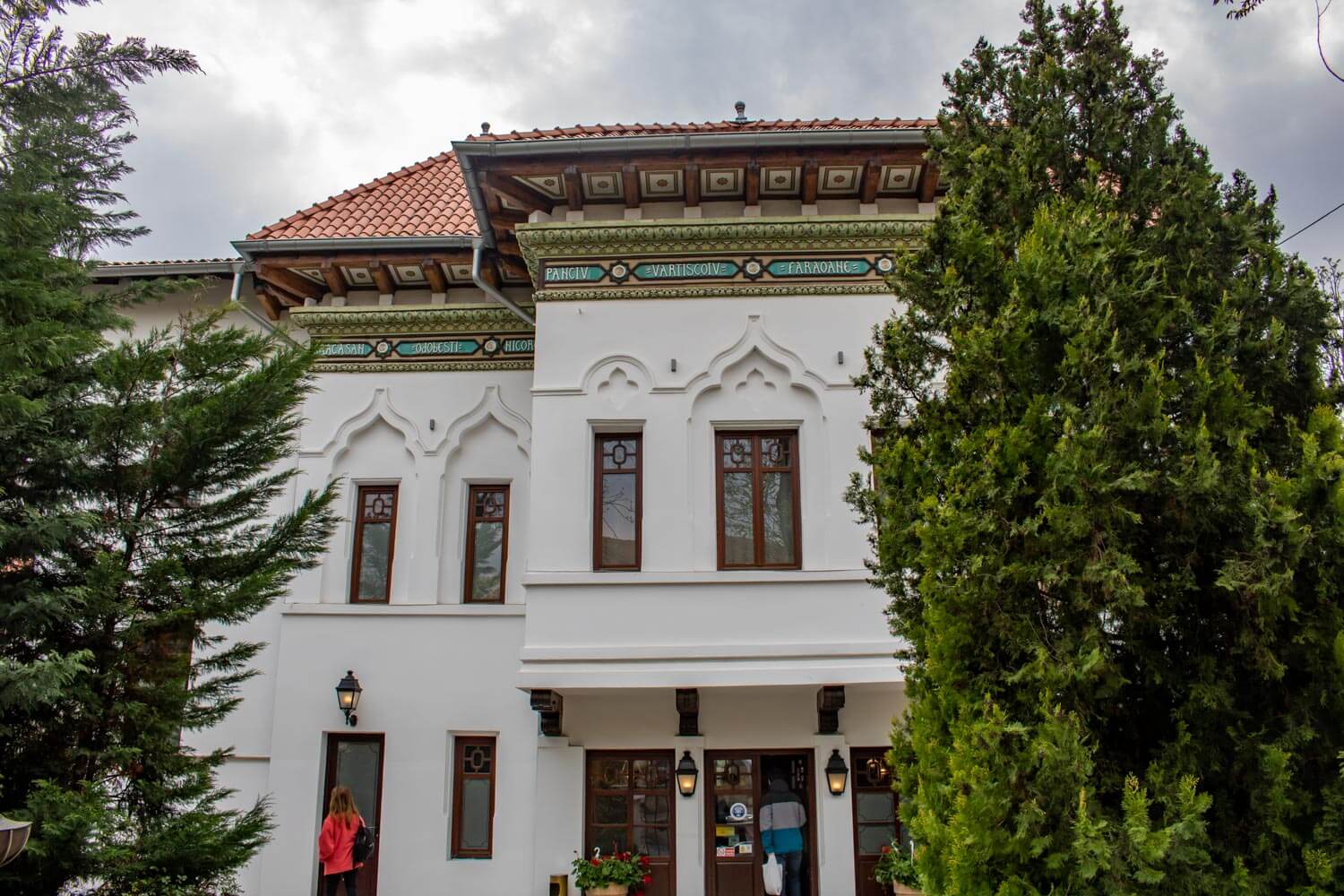
That search can already be seen in the Lahovary House in Bucharest, one of his earliest important works, where elements inspired by traditional Romanian architecture were reinterpreted for an urban residence. He developed the idea further in the Bufetul de la Șosea, with its prominent veranda, arches, decorative woodwork, and ceramic ornament, creating a building that drew from vernacular forms without simply copying a traditional house. Together, these projects helped establish the foundations of a new Romanian architectural direction.
Mincu brought those ideas to a larger and more complex scale in the Central School for Girls in Bucharest, built around an internal courtyard and inspired in part by the spatial character of old Romanian monastic complexes. Its arcades, carved stone details, ceramics, and carefully balanced façades showed how traditional references could be incorporated into a substantial institutional building rather than used merely as decoration. The school is generally regarded as one of the clearest expressions of his mature architectural approach.
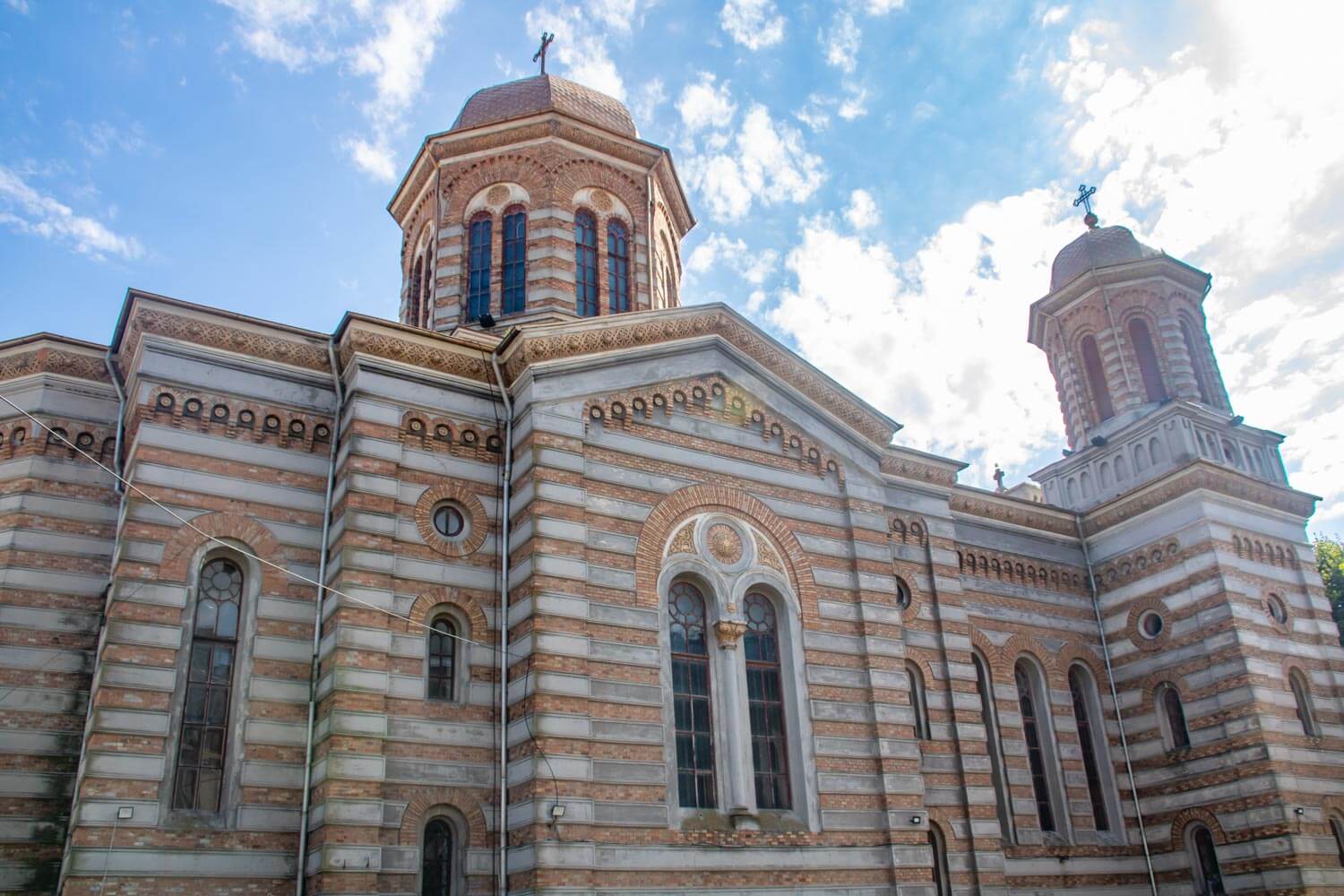
His work was not limited to new buildings. Mincu also worked on the restoration of the Stavropoleos Monastery in Bucharest and designed interiors, houses, and funerary monuments, including works at Bellu Cemetery. These projects allowed him to study historic Romanian architecture directly and further develop the combination of vernacular, ecclesiastical, and urban influences that characterized his work.
Mincu’s influence reached far beyond the relatively small number of buildings he designed himself. As a teacher, he helped shape a younger generation of Romanian architects who continued developing the national style he had helped establish, and many of the ideas visible in his own work became defining features of Neo-Romanian architecture in the decades that followed.
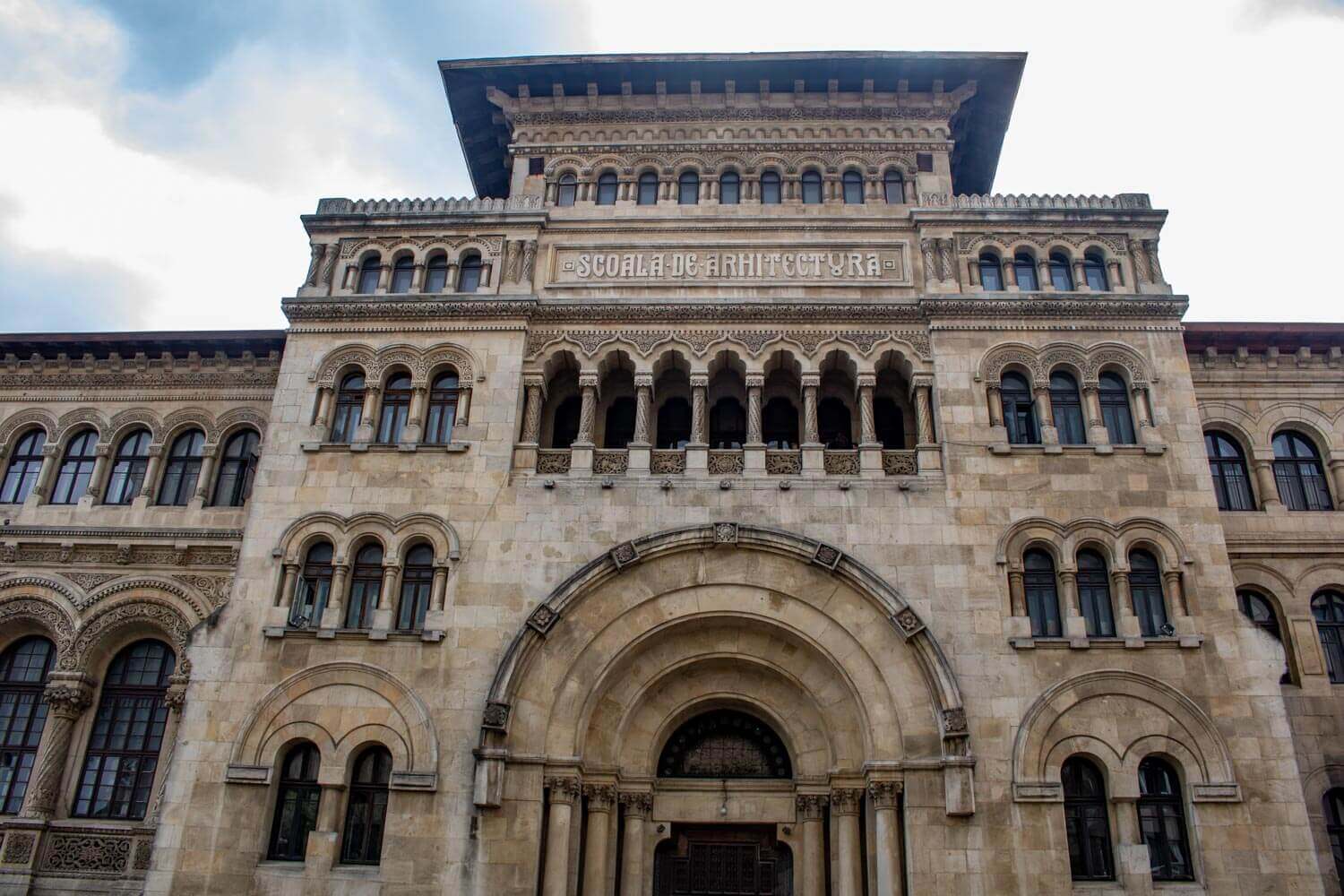
That influence explains why his name remains so prominent in Romanian architecture today. The country’s leading architecture university in Bucharest was later named the Ion Mincu University of Architecture and Urbanism in his honor, while his surviving houses, schools, restorations, and decorative work continue to show how decisively he changed the direction of Romanian architectural design.