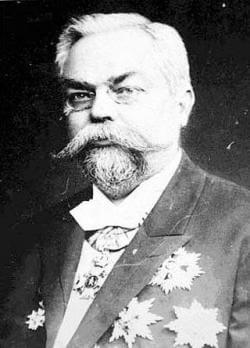
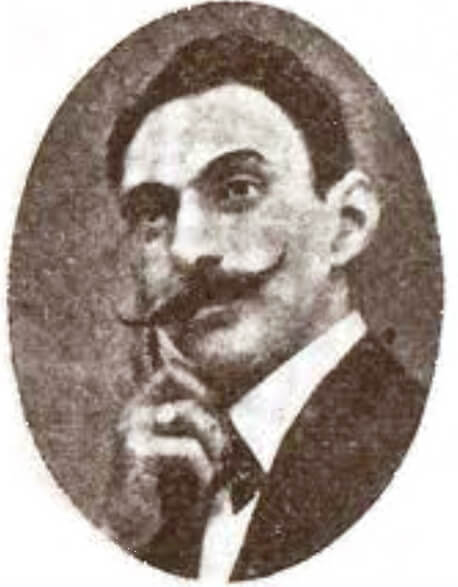
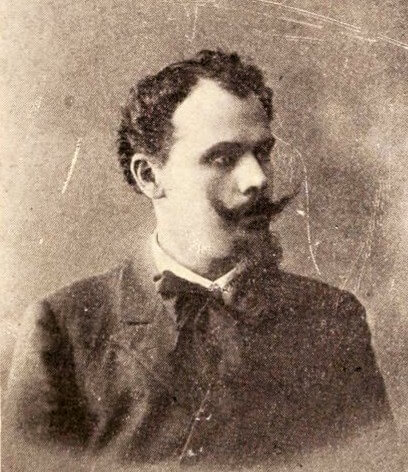
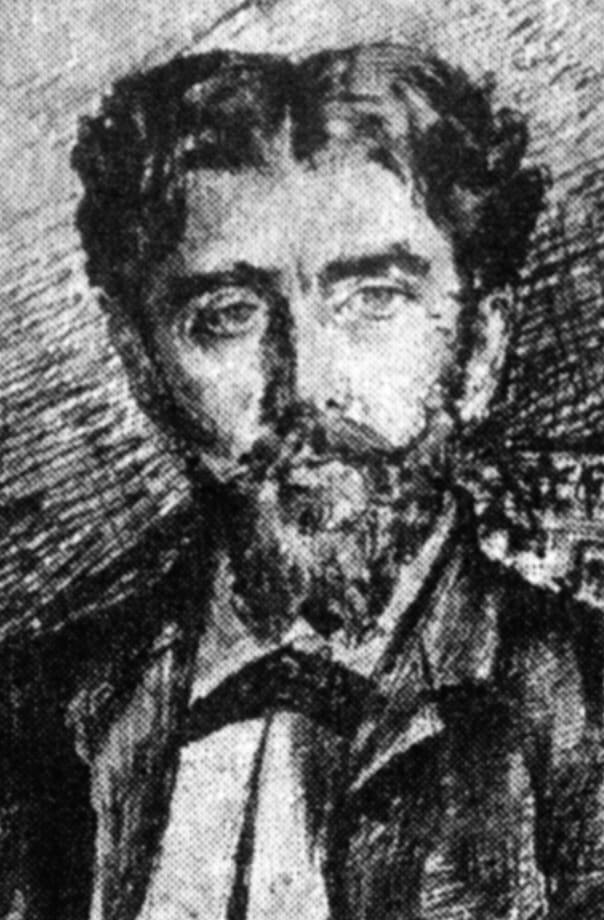
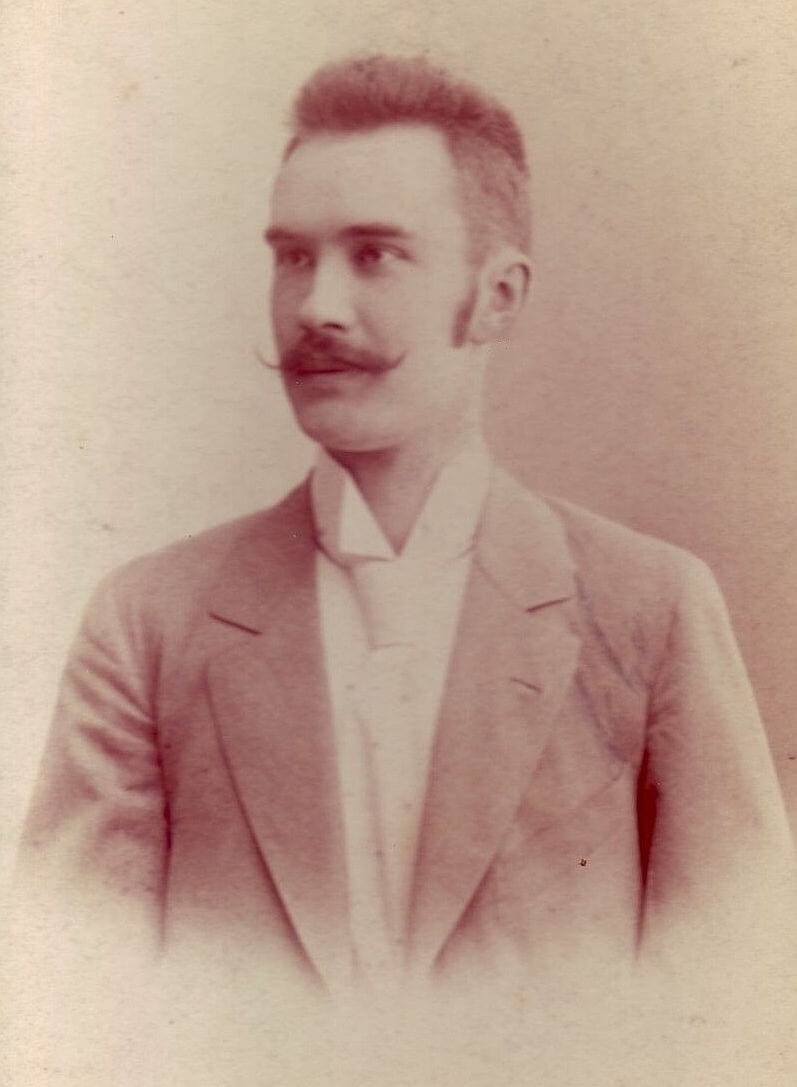
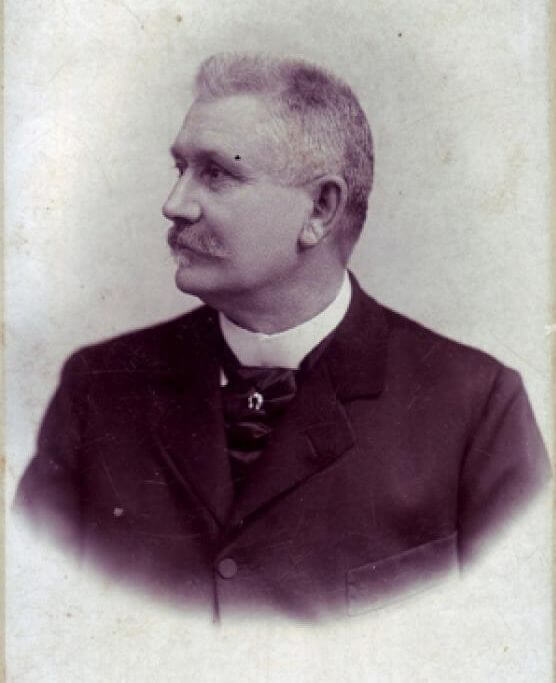
Ferenc Sztarill (1859-1943) was a Hungarian architect, master builder, and contractor who became one of the most prolific local figures in the transformation of Oradea around 1900. His work ranged from eclectic and Neo-Gothic buildings to the more decorative Secession style then spreading through the city, while his construction business also played an important role in realizing projects designed by other architects.
Sztarill built his career almost entirely in Oradea, where he became active during a period of rapid urban growth and rising demand for apartment houses, hotels, shops, and entertainment venues. He worked for many years as a builder and contractor before receiving his formal architectural qualification in Budapest in 1906, by which time he was already responsible for several substantial projects in the city.
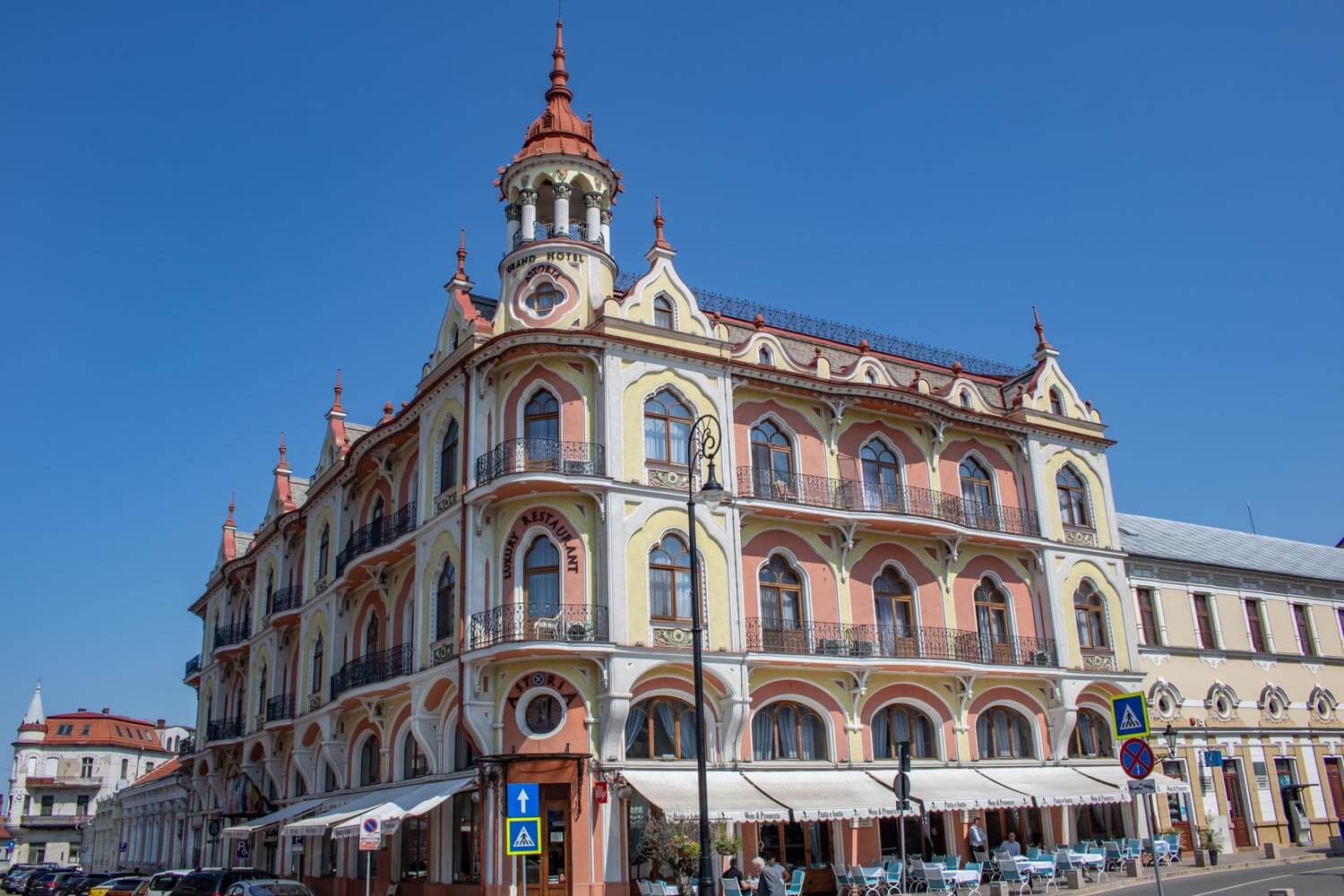
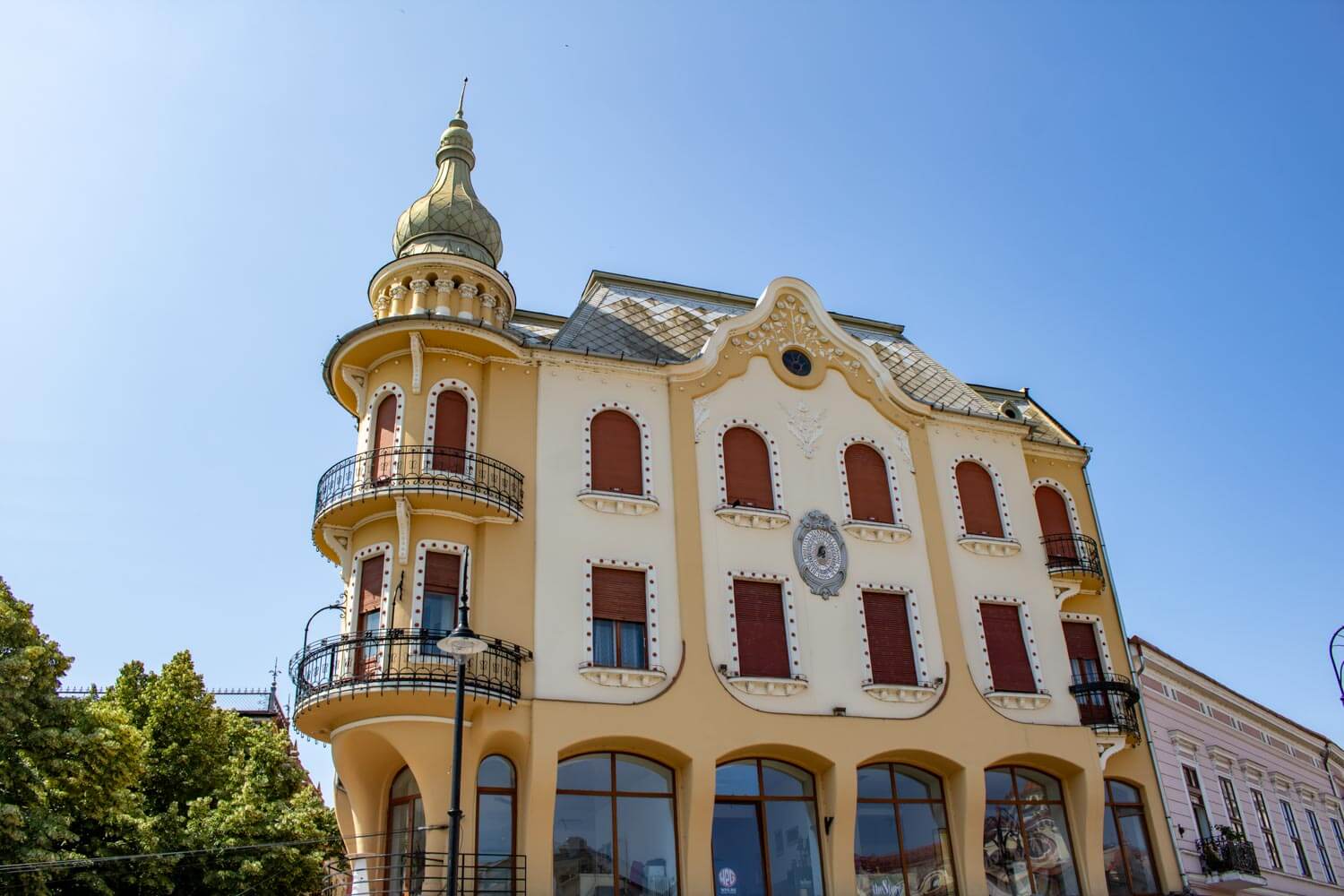
One of the clearest expressions of his own architectural style is the Sztarill Palace, built in 1902 on what is now King Ferdinand I Square. Designed as an income-producing property for Sztarill himself, it combined apartments on the upper floors with the famous EMKE Café below and used a Neo-Gothic composition enriched with Secession details. The building later became the Astoria Hotel, which still occupies the palace today.
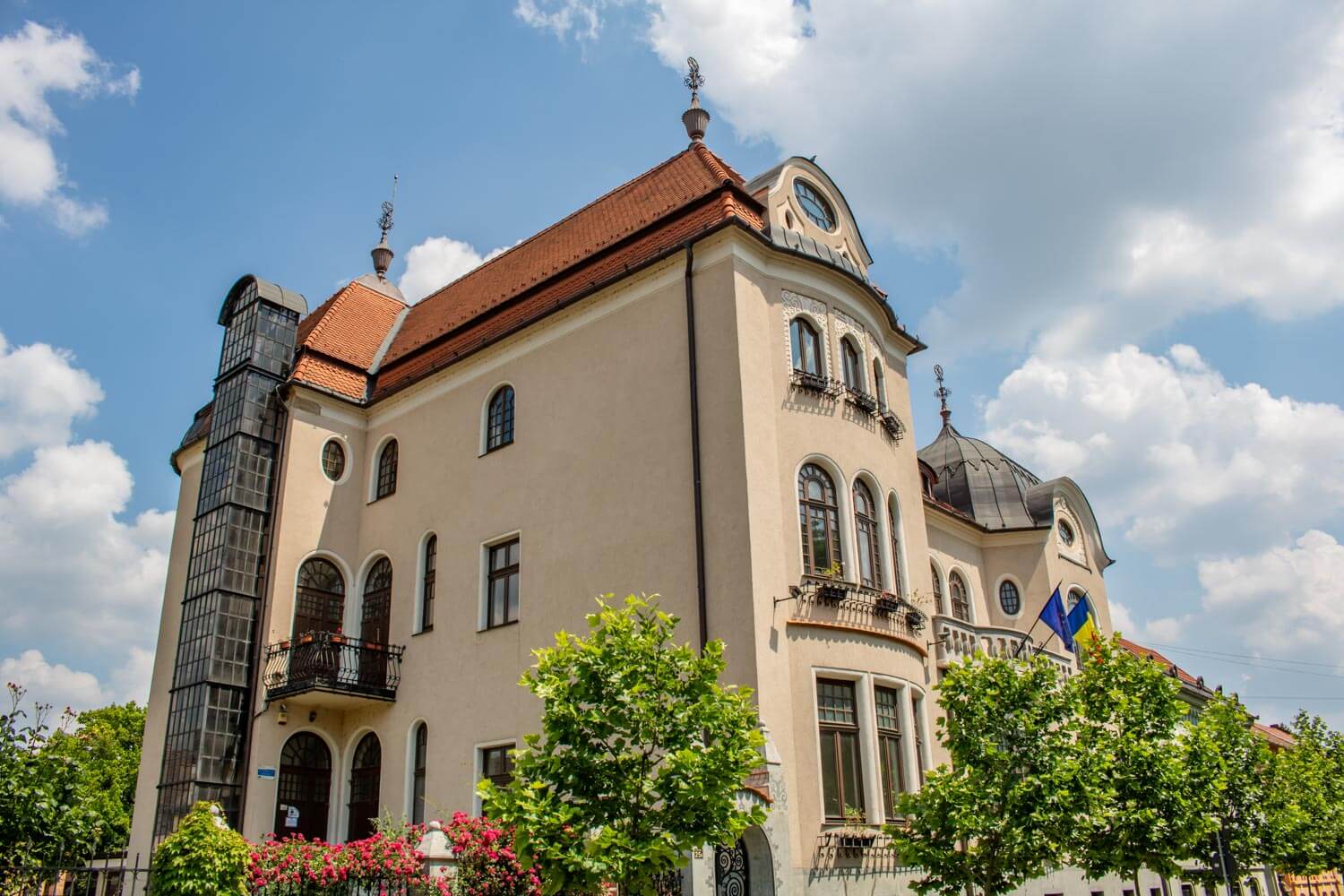
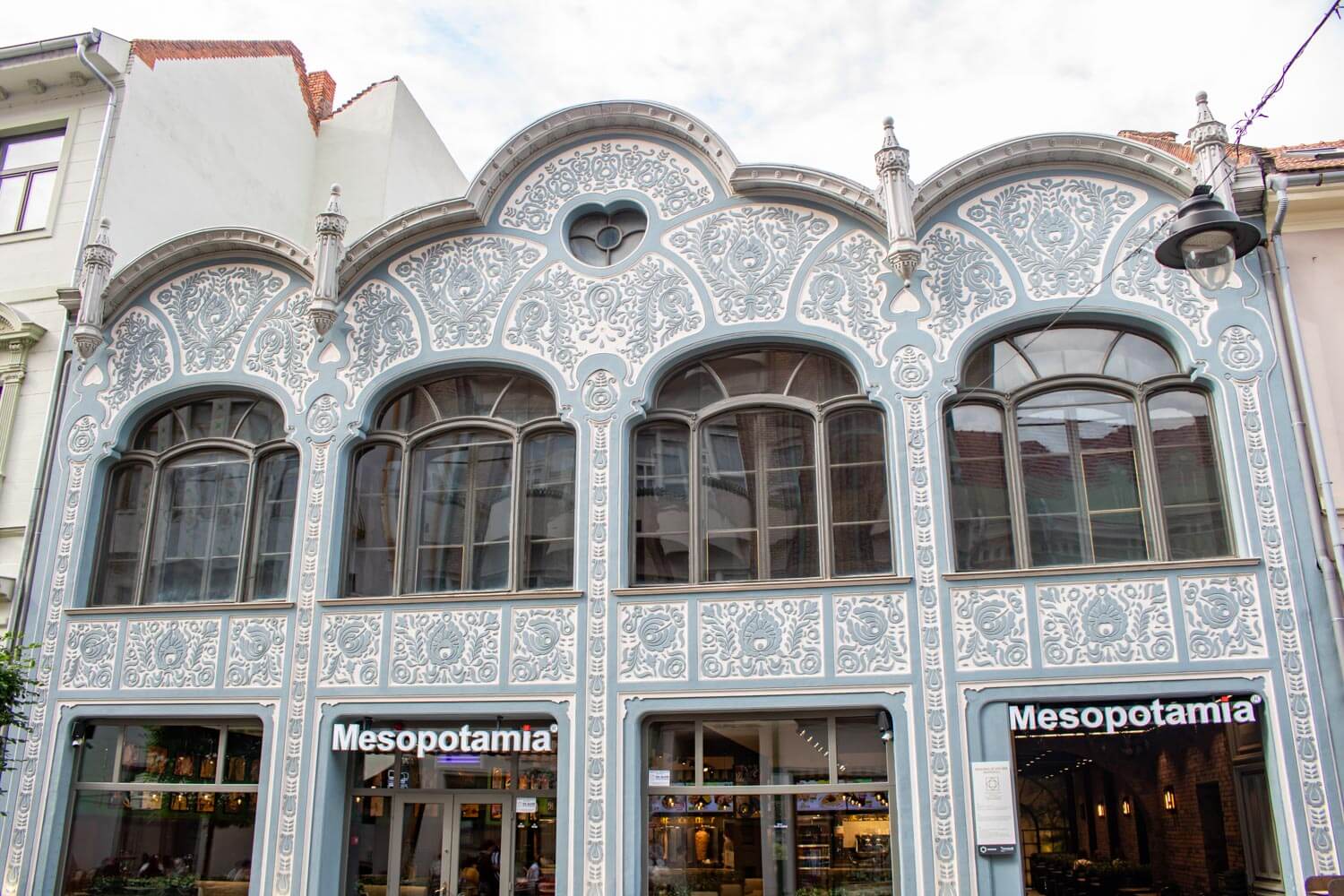
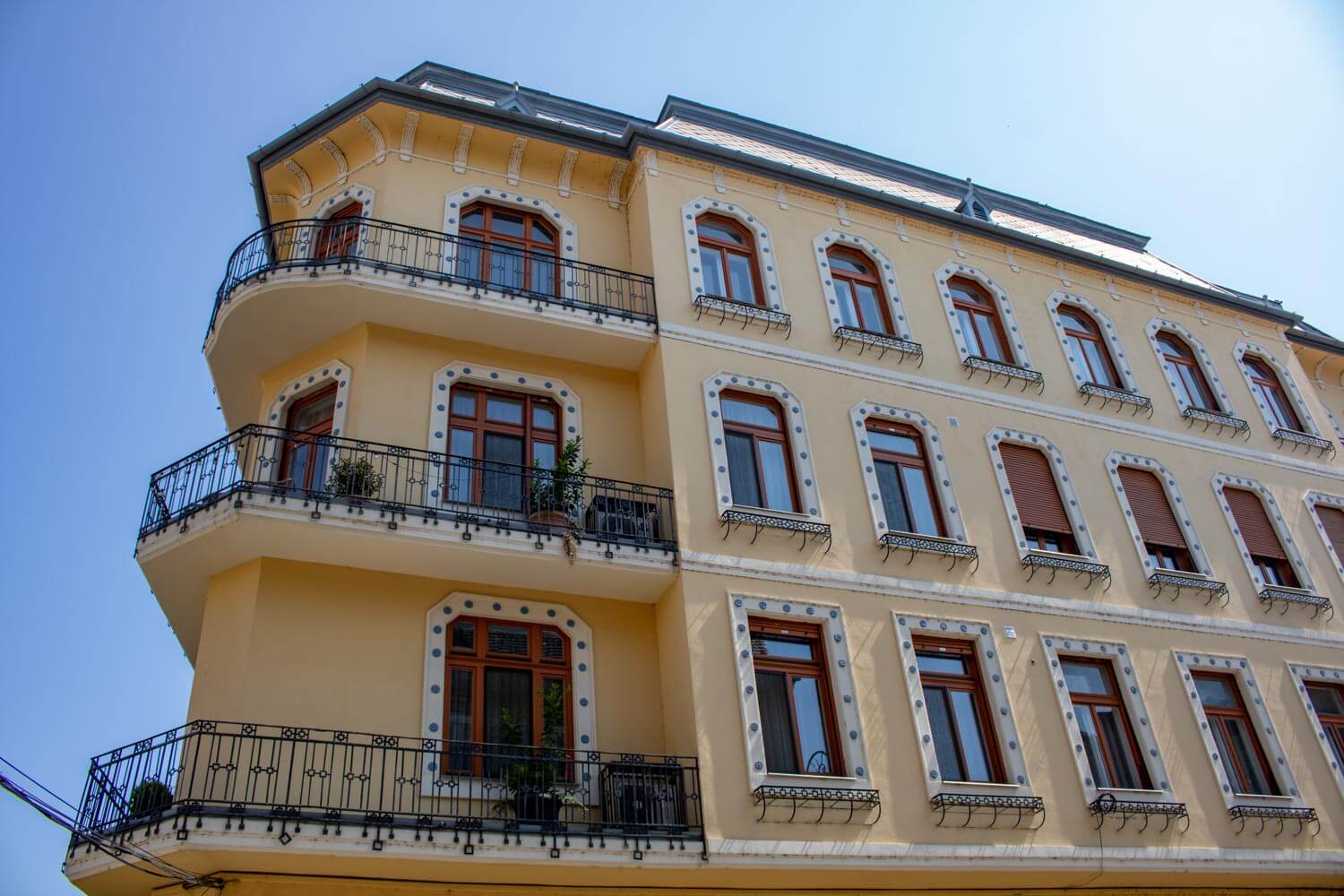
His other designs spread through the streets around the historic center and included the Poynár House, Kolozsváry House, Gerliczy residences, and a number of private houses and commercial buildings. Together they show the more local and practical side of Oradea’s Secession architecture: less experimental than the work of architects such as Komor and Jakab, but important in giving the style a much wider presence across the city.
Sztarill’s contribution was not limited to buildings he designed himself. As a contractor he worked on major projects by other architects, including the Adorján Houses, the Oradea City Hall, and the Black Eagle Palace. The City Hall was designed by Kálmán Rimanóczy Jr., while Sztarill carried out the construction, and he also worked on important parts of the Black Eagle complex designed by Marcell Komor and Dezső Jakab. These projects show how central his construction business was to Oradea’s transformation around 1900, even when another architect was responsible for the design.
The Black Eagle project also marked a difficult turning point in his career, as labor disputes and rising construction costs reportedly caused serious financial losses. Even so, Sztarill remained one of the names most deeply embedded in Oradea’s building history, both through his own designs and through the large projects he helped construct.
Sztarill died in Oradea in 1943, leaving behind a body of work that is less famous internationally than the city’s major Komor, Jakab, or Rimanóczy landmarks, but no less important to the texture of the historic center. His palaces, houses, and contracting work helped turn the architectural ideas of the period into the dense urban streetscape that still gives central Oradea much of its character today.