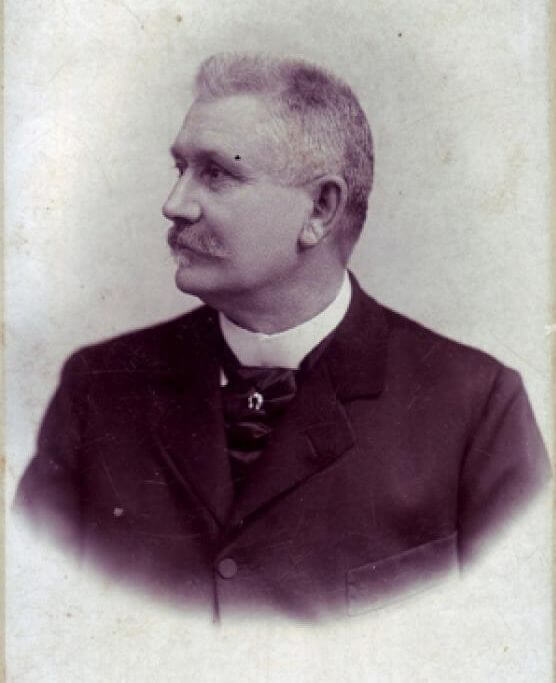
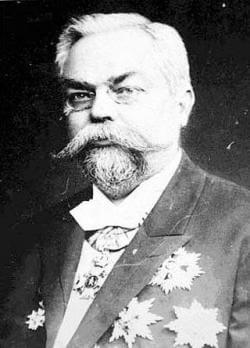
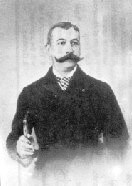
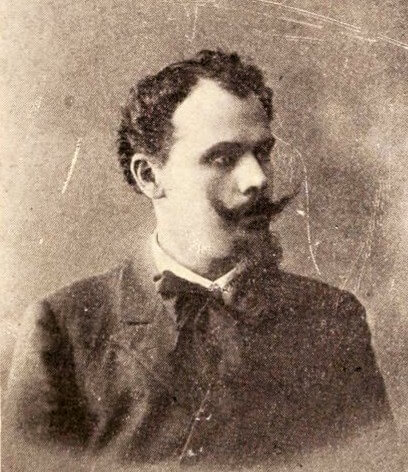
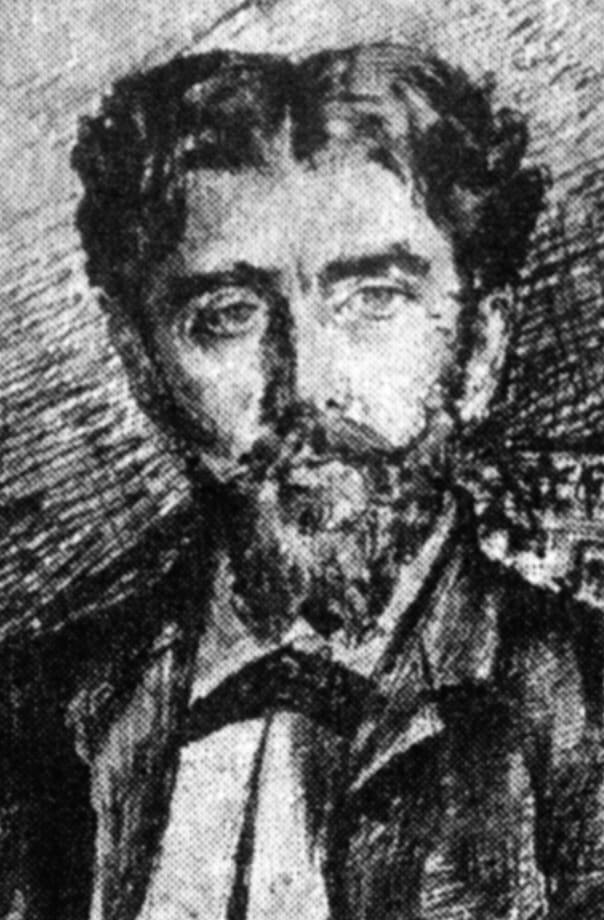
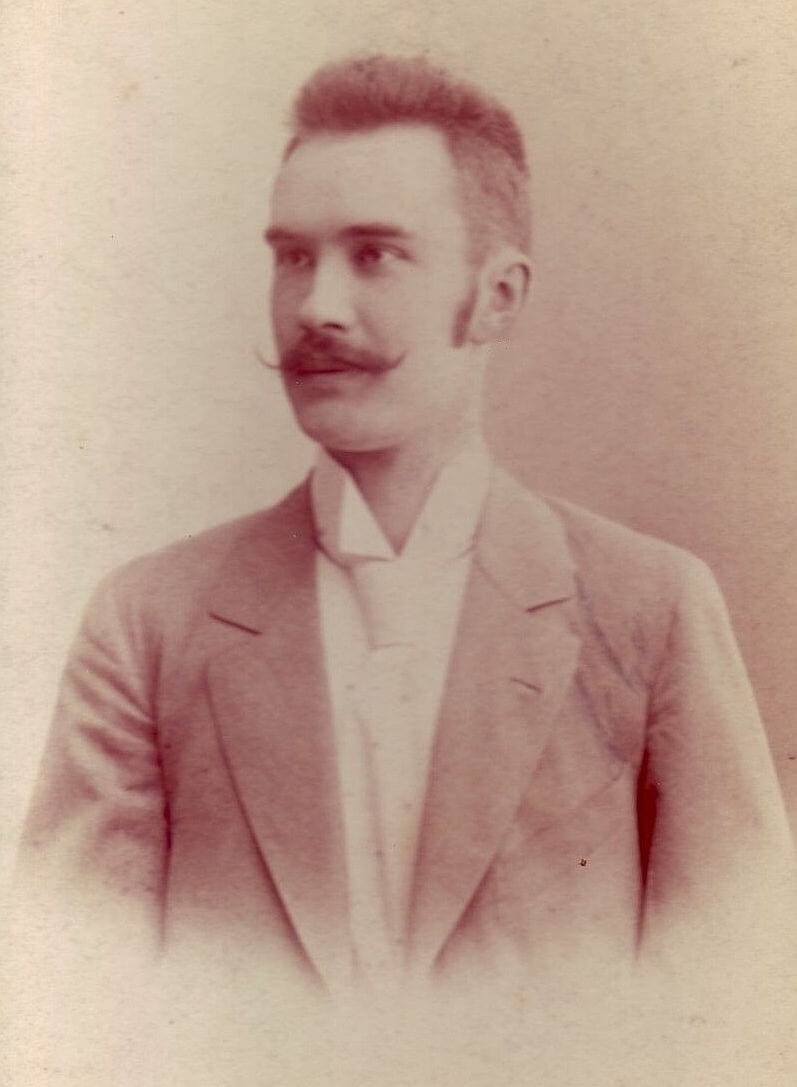
Kálmán Rimanóczy Sr. (1840-1908) was a Hungarian master builder, contractor, and designer who became an important figure in the late nineteenth-century development of Oradea, then known as Nagyvárad. Working mainly in the eclectic architecture of the period, he built up a successful construction business in the city and laid the foundations for a family architectural tradition that was continued on a much larger scale by his son, Kálmán Rimanóczy Jr.
Born in Kapuvár in the Kingdom of Hungary, Rimanóczy began his career from the practical side of construction, first training as a mason before qualifying as a master builder. He worked as a contractor in places including Szolnok and Budapest until an opportunity brought him to Oradea in 1867. His work there was well received, and instead of moving on he settled permanently in the city and established his own construction business.
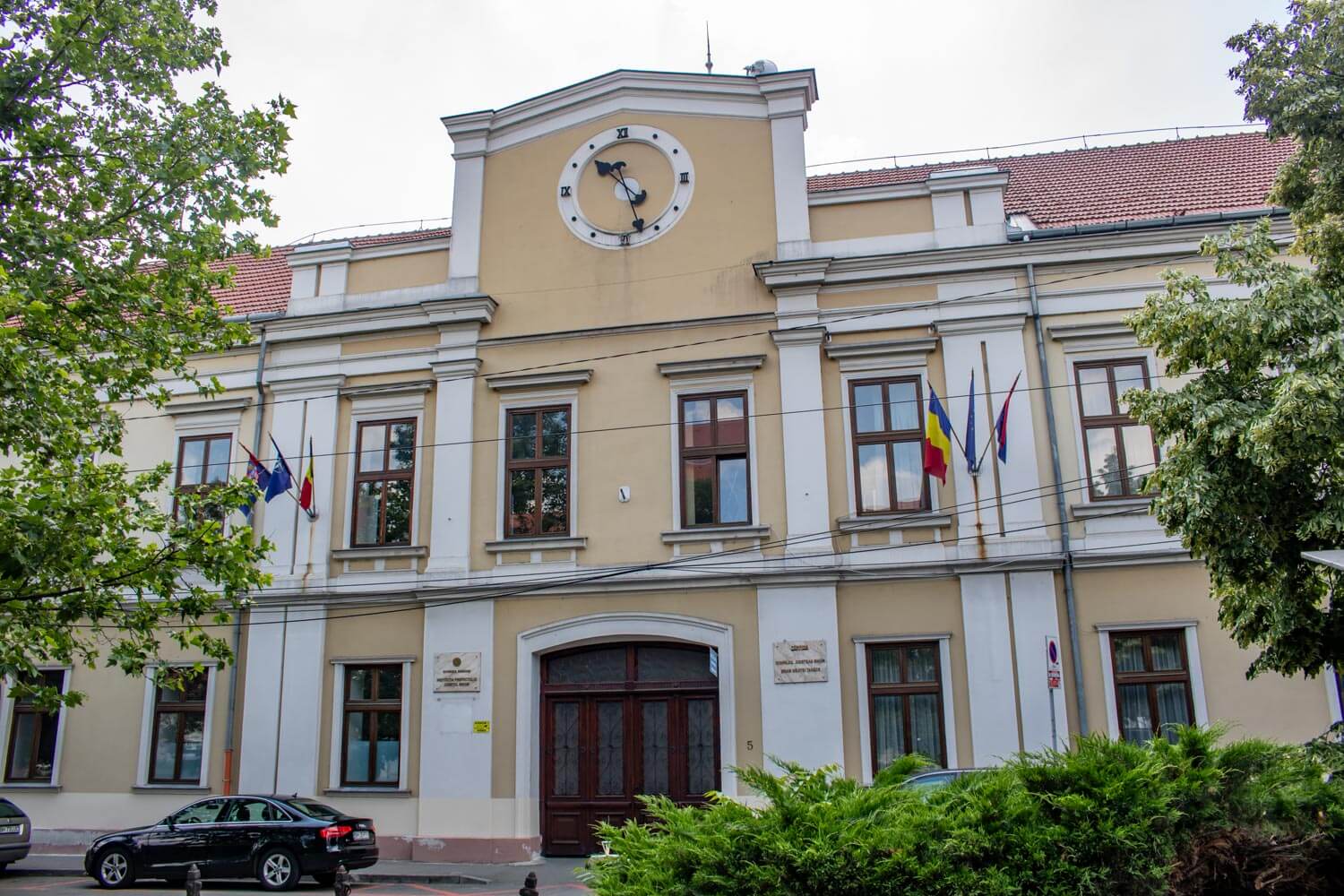
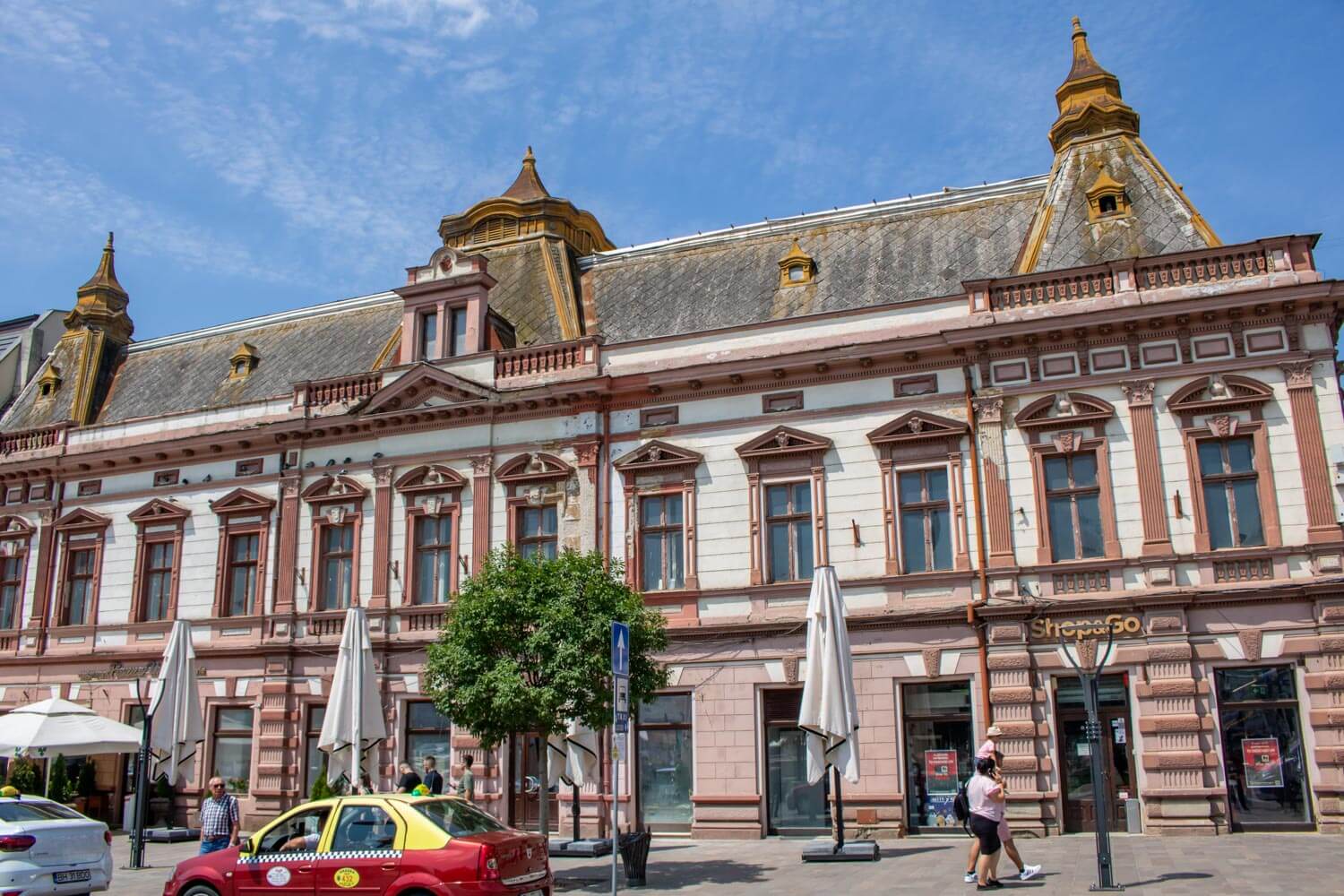
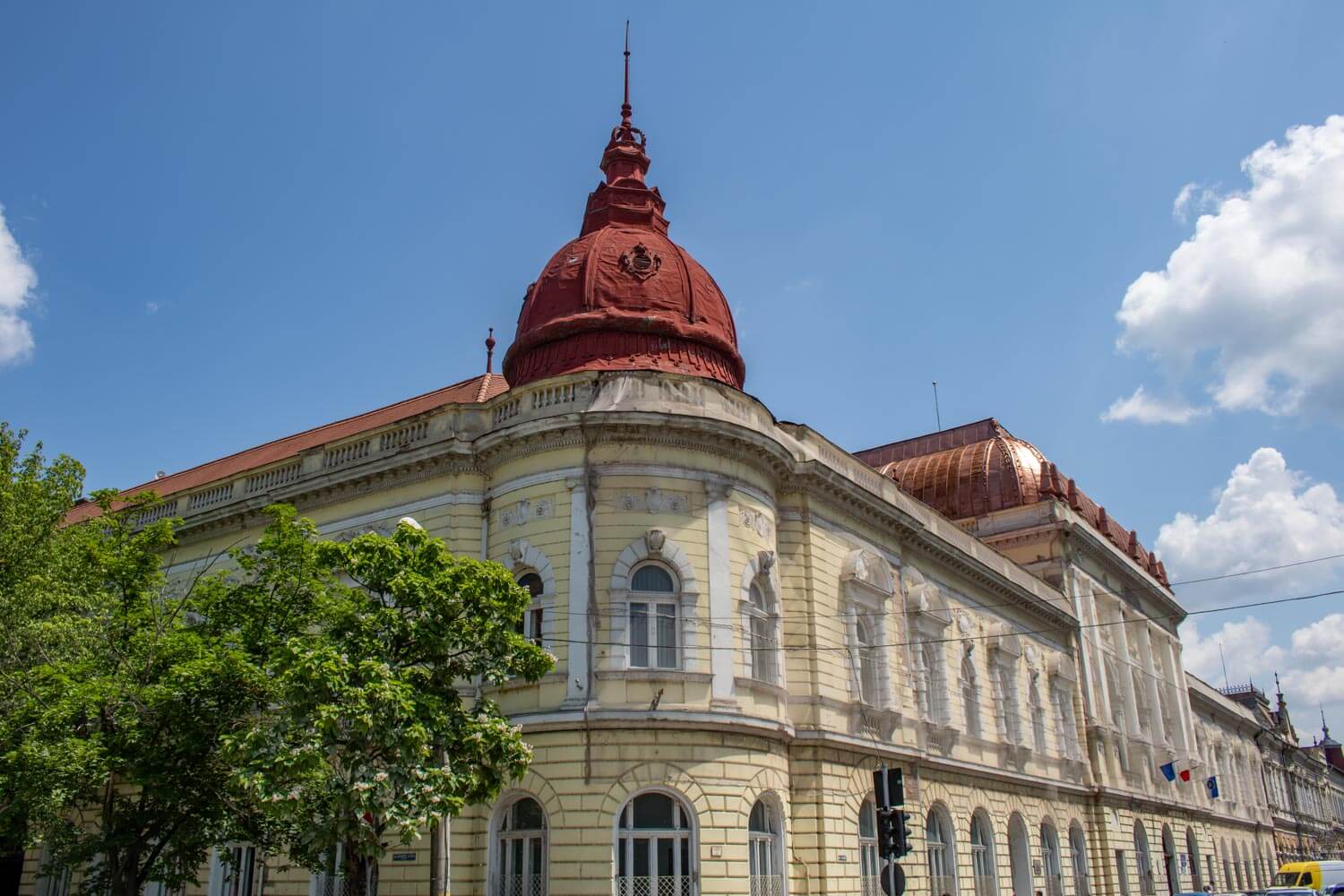
Over the following decades, Rimanóczy became part of the building boom that was transforming Oradea from a provincial town into a more prosperous and increasingly urban center. His career coincided with the dominance of historicist and eclectic architecture, and he worked both as a builder and as a designer at a time when the distinction between architect and construction entrepreneur was often less rigid than it became later.
His best-known personal project was the Rimanóczy Hotel and Baths, begun on the bank of the Crișul Repede in 1891 and enlarged around the turn of the century. The complex combined a hotel, restaurant, café, bathing facilities, and steam baths and was among the most modern hospitality establishments in Oradea at the time. Rimanóczy not only designed and developed the complex but also owned it, eventually leaving it to the city on the condition that it retain his name and that its income help support the poor.
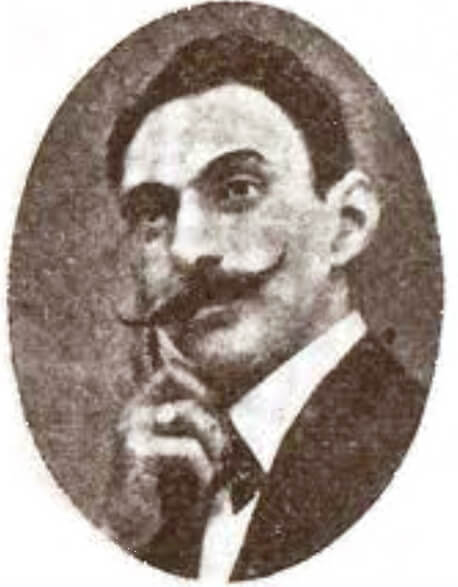
By then, architecture had also become a family profession. His son Kálmán Rimanóczy Jr., born in Oradea in 1870 and formally trained in Berlin and Budapest, returned to the city in the 1890s and went on to design some of its most important public and private buildings. Father and son occasionally worked within the same family building enterprise, and their careers overlap in several projects, making the Rimanóczy name particularly prominent in Oradea’s architectural history.
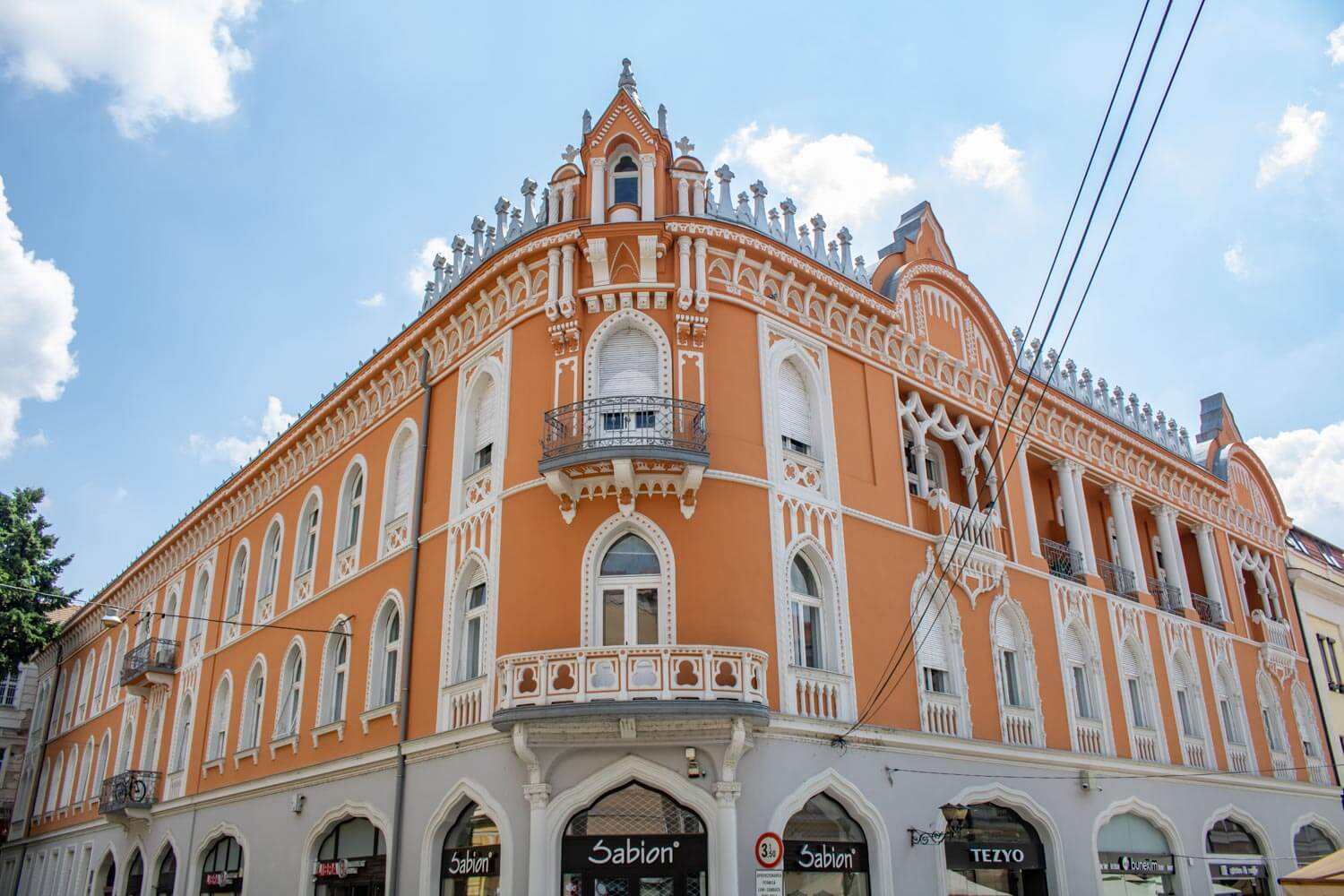
One of the clearest examples of that relationship survives on today’s Republicii Street. The Rimanóczy Palace, built in 1905 as the elder Rimanóczy’s own property, was designed by his son as a simplified interpretation of Venice’s Ca’ d’Oro. The building therefore brings the two generations together in a single project: the father as owner and builder, and the son as architect.
Rimanóczy Sr. died in 1908 after more than four decades in Oradea. His own surviving buildings form only part of his legacy, because the construction business he established and the career of his son helped make the Rimanóczy family one of the names most closely tied to the city’s architectural transformation around 1900.