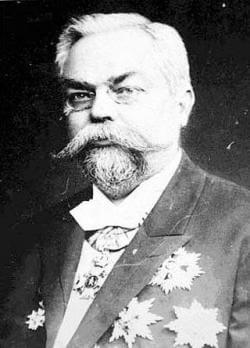
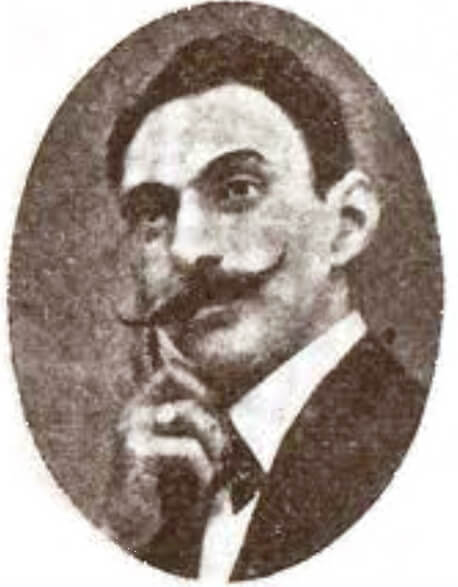
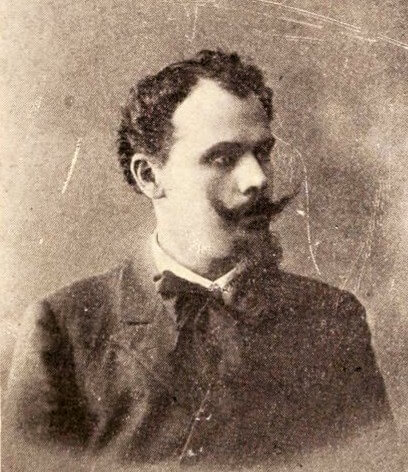
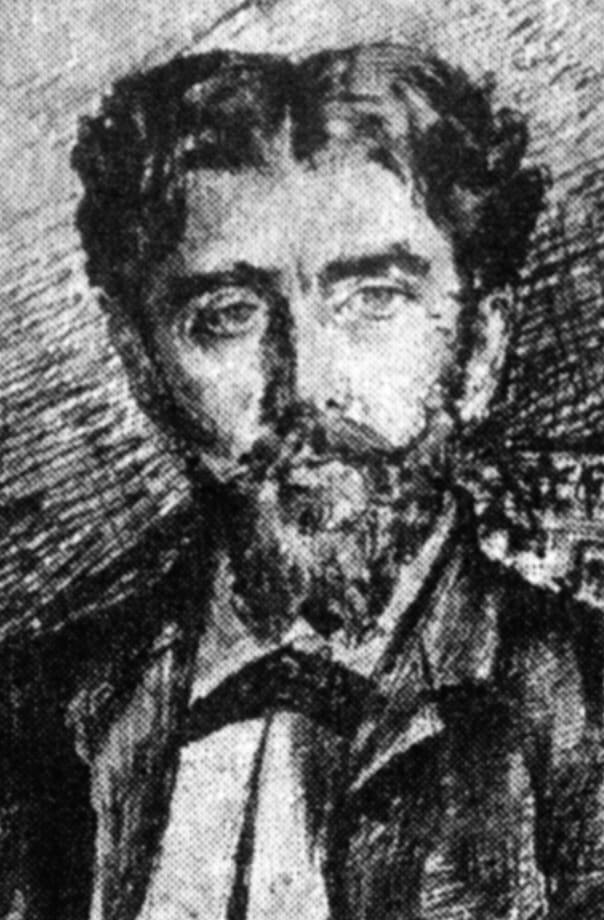
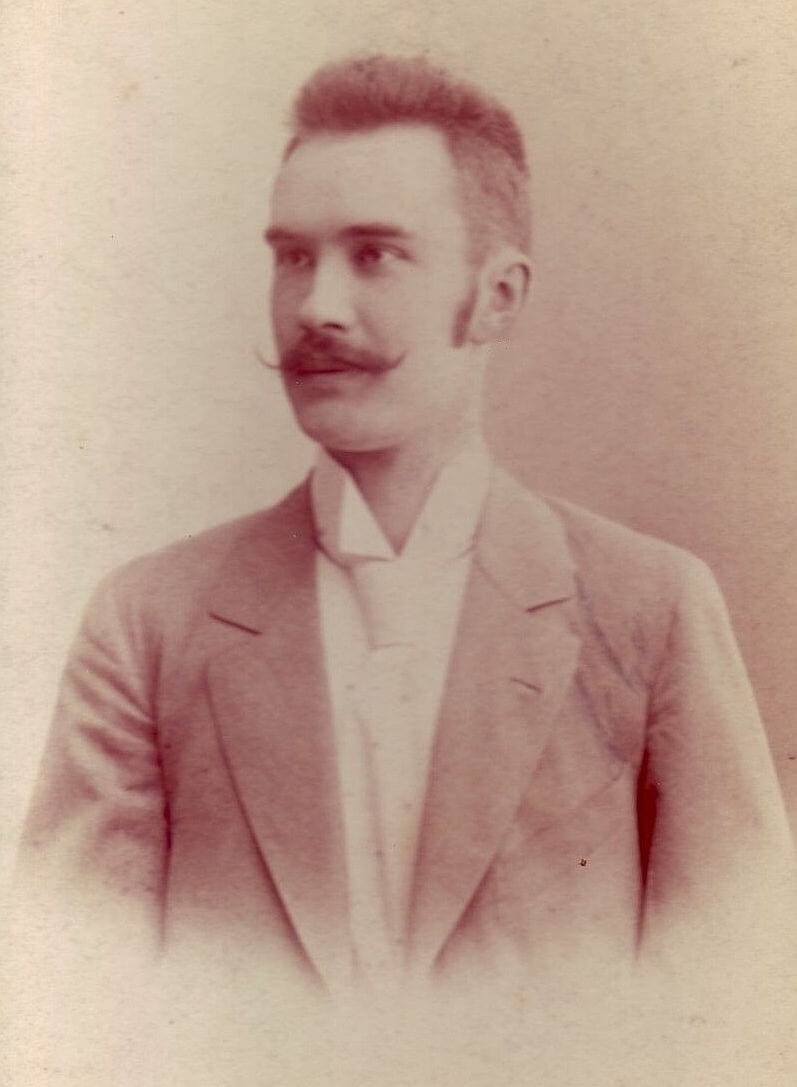
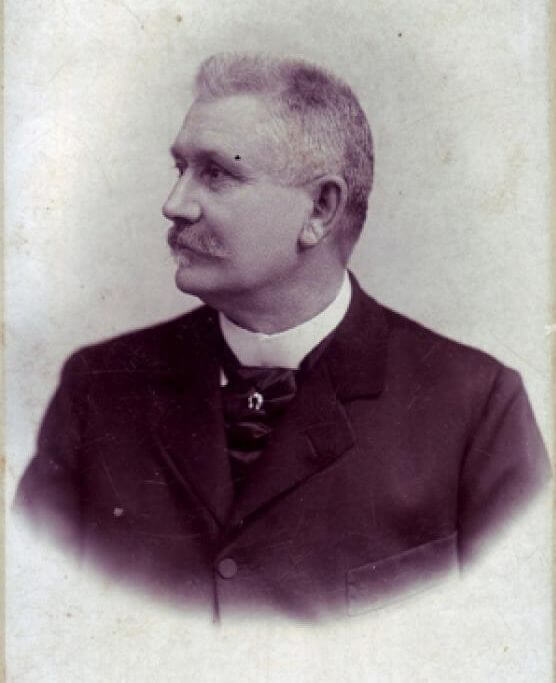
Anghel Saligny (1854-1925) was a Romanian civil engineer who played a major role in the development of the country’s railways, bridges, ports, and modern engineering profession. Best known for the King Carol I Bridge across the Danube at Cernavodă, he also pioneered new uses of steel and reinforced concrete and helped create some of the infrastructure that connected the rapidly modernizing Romanian state during the late nineteenth and early twentieth centuries.
Born in Șerbănești in Galați County, Saligny studied in Focșani before continuing his education in Germany, first in Potsdam and Berlin and later at the Technical University of Charlottenburg. After returning to Romania in the 1870s, he joined the state bridge and road service and began working on railway construction, including the Ploiești-Predeal line. From there, increasingly important commissions brought him into the expansion of the national rail network, where he designed bridges and helped develop lines such as Adjud–Târgu Ocna and Bârlad–Vaslui.
His work soon extended beyond railways into the infrastructure of the Danube ports. Between the 1880s and the beginning of the twentieth century, Saligny directed major works at Brăila and Galați, designing docks, quays, warehouses, and grain silos. The silos were particularly innovative because they used prefabricated reinforced-concrete elements at a time when the material was still relatively new, placing Saligny among the early engineers experimenting with concrete on a large industrial scale.
The project that defined his career began in 1887, when he was placed in charge of the studies for the railway connection between Fetești and Cernavodă. Romania needed a permanent rail link across the Danube to connect Bucharest and the rest of the country more directly with Constanța and the Black Sea, and Saligny developed an ambitious system of bridges and viaducts to carry the line across the river and the surrounding wetlands.
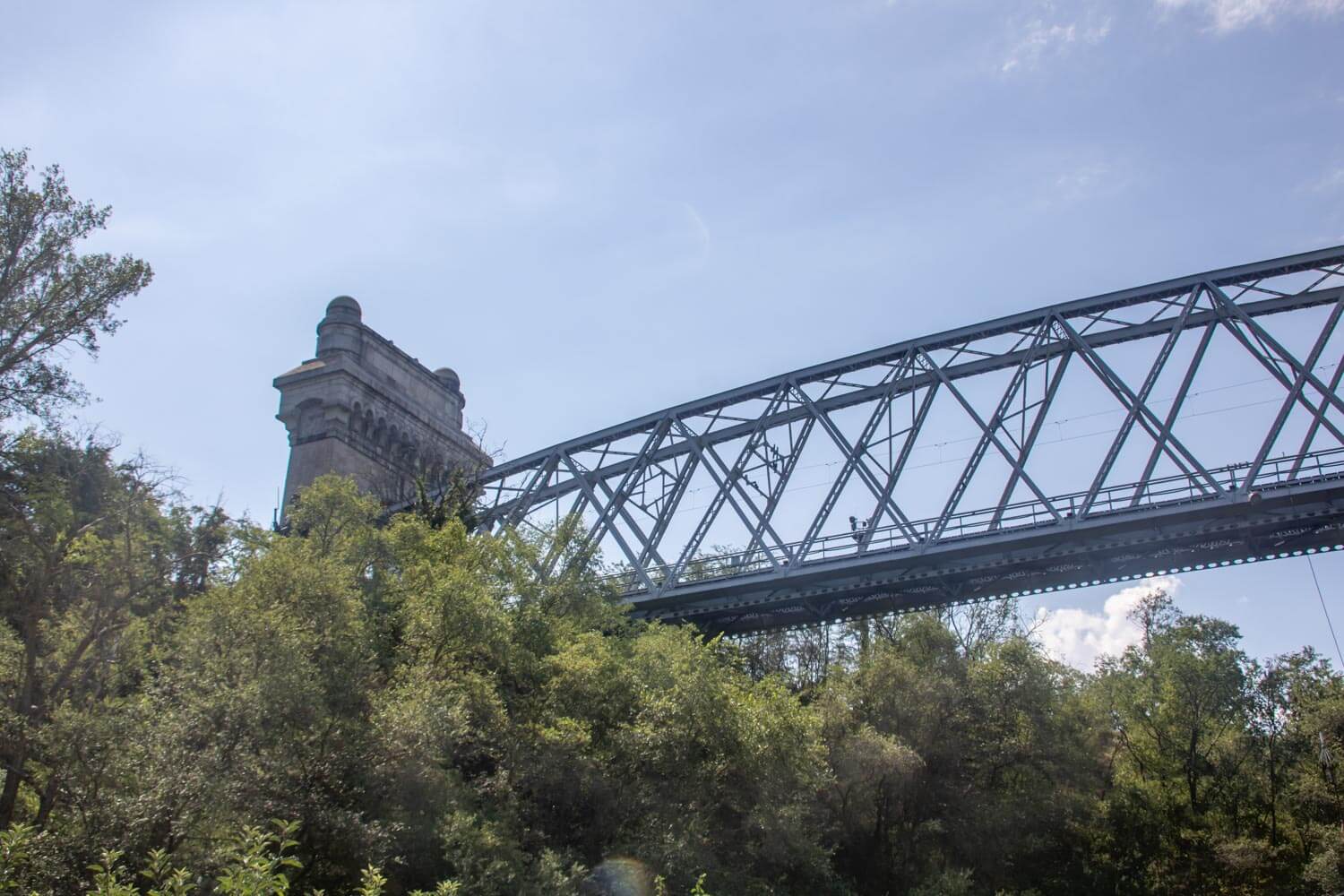
Completed in 1895, the bridge at Cernavodă was the centerpiece of that system and one of the most impressive engineering works of its time. It was then the longest bridge in Europe and the third longest in the world, while its design introduced important structural solutions, including the use of cantilevered steel girders and mild steel rather than the wrought iron commonly used in earlier bridge construction. The project gave Romania a direct railway connection to its main Black Sea port and made Saligny internationally known as an engineer.
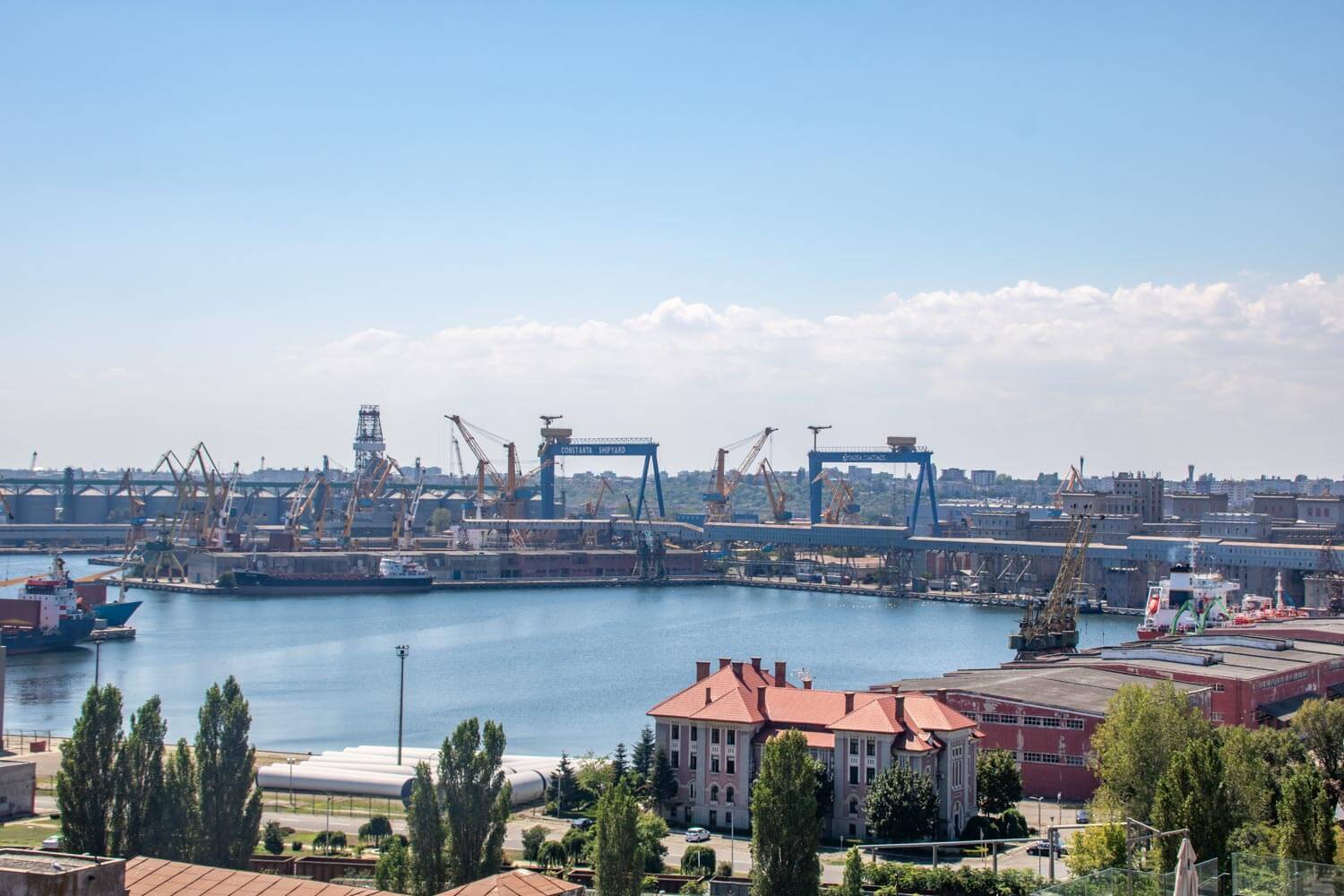
That success led to further responsibility for the country’s transport infrastructure. Saligny became involved in the development of the Port of Constanța, served in senior positions within the railway and public works administration, and taught bridge engineering for decades at the National School of Bridges and Roads in Bucharest. Through both his projects and his teaching, he helped train and influence the generation of Romanian engineers who continued the country’s large infrastructure programs into the twentieth century.
His standing within Romanian science and engineering was also reflected in his election to the Romanian Academy, where he became a full member in 1897 and served as president from 1907 to 1910. He later served briefly as Minister of Public Works in 1918-1919, after a career that had already placed him at the center of several decades of railway, port, and bridge construction.
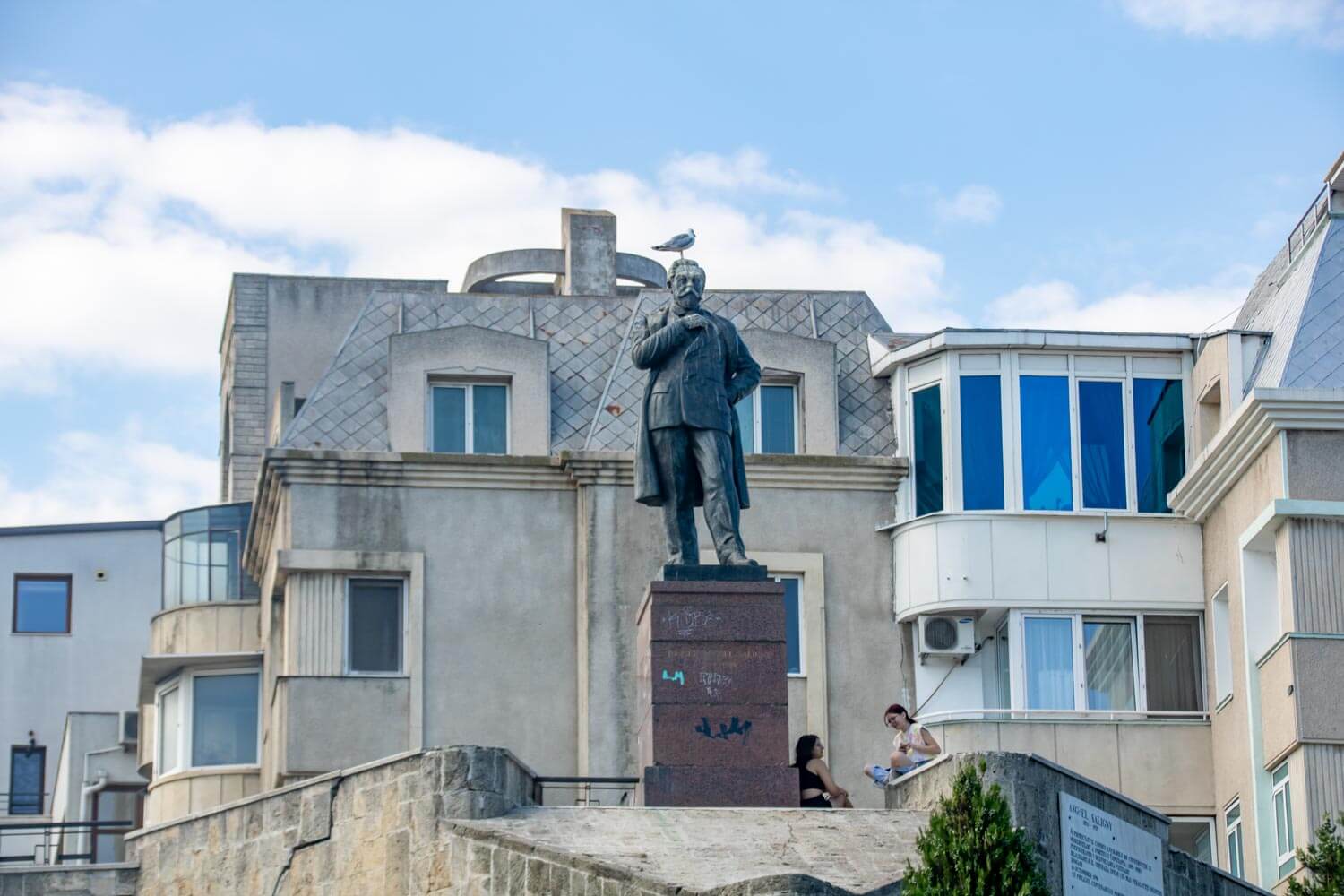
Saligny died in Bucharest in 1925, but the infrastructure he created remained an unusually visible part of his legacy. The King Carol I Bridge at Cernavodă, the port works at Brăila, Galați, and Constanța, and the railway structures connected with his career preserve the physical record of an engineer whose work helped tie Romania’s regions, cities, and ports more closely together. His name has since been given to engineering institutions, streets, and transport infrastructure, reflecting the lasting place he occupies in the history of Romanian engineering.