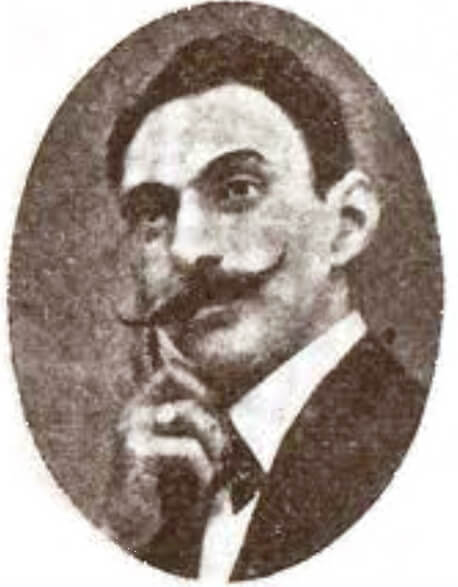
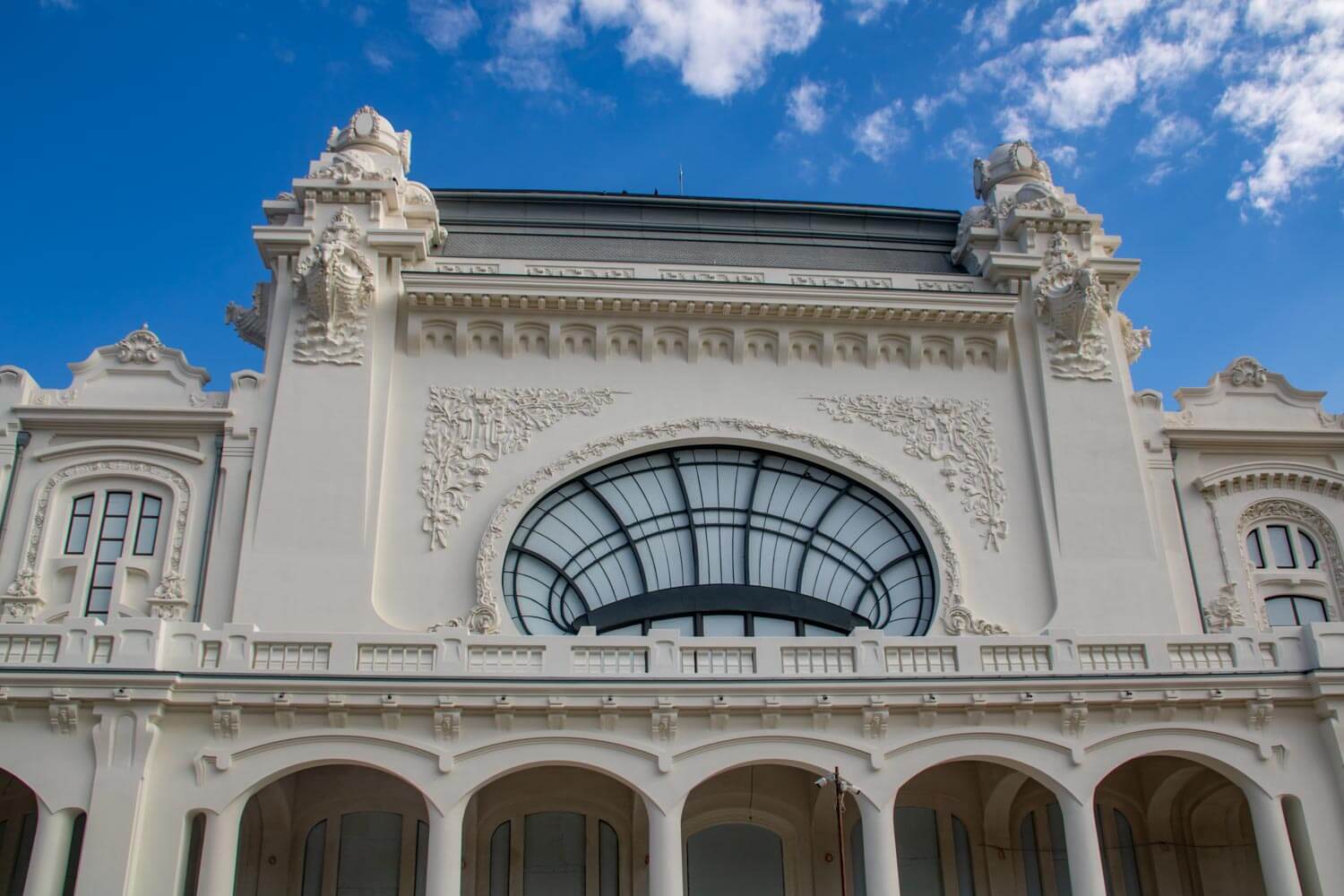
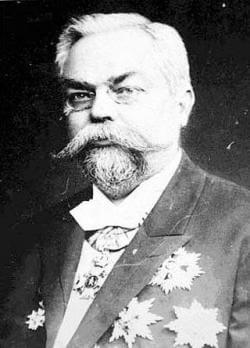
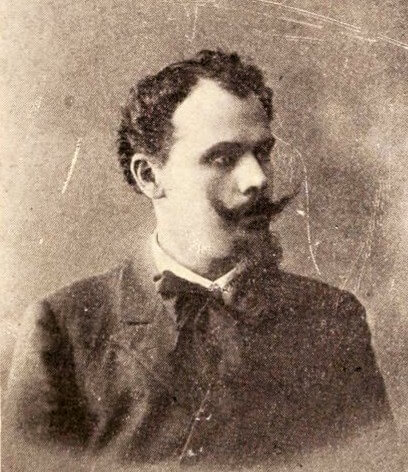
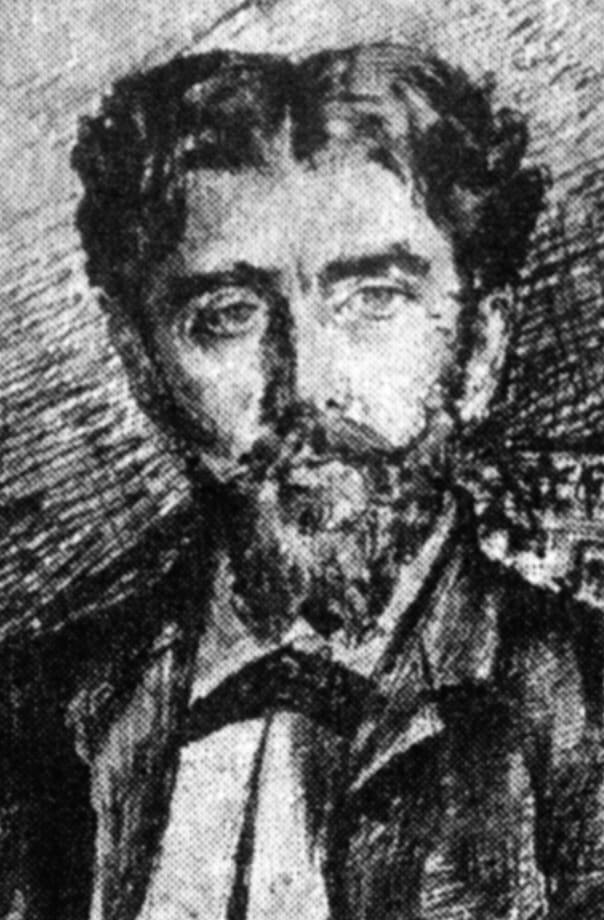
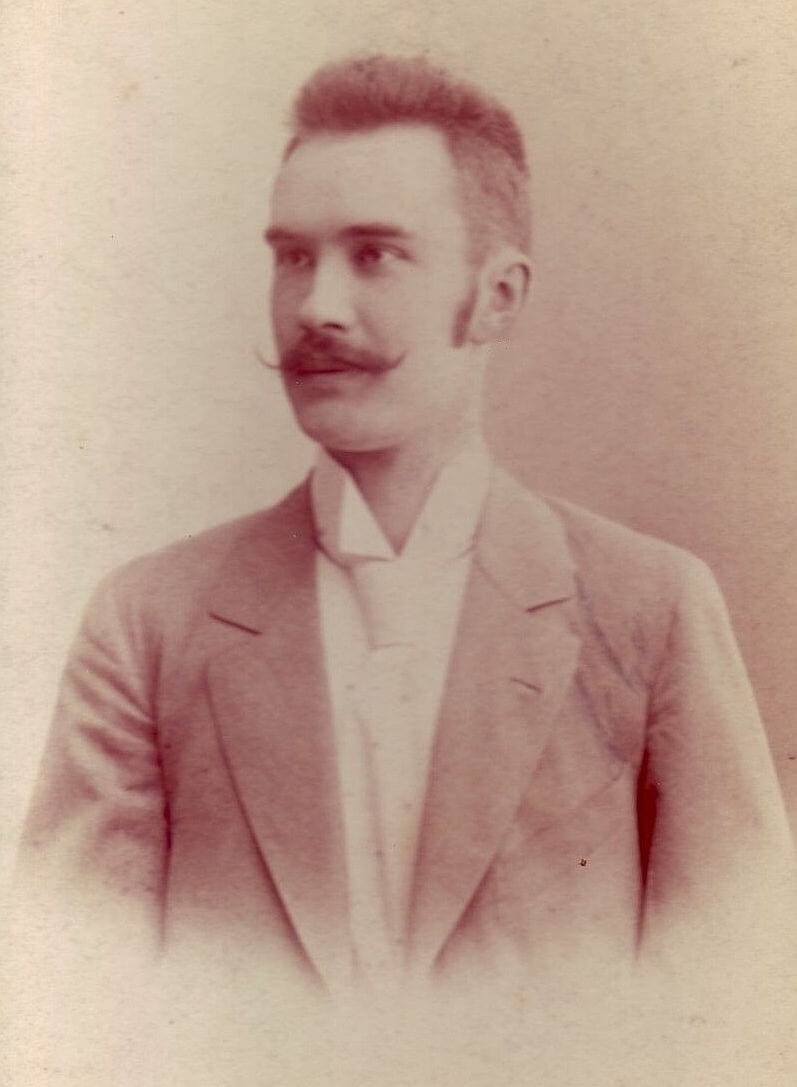
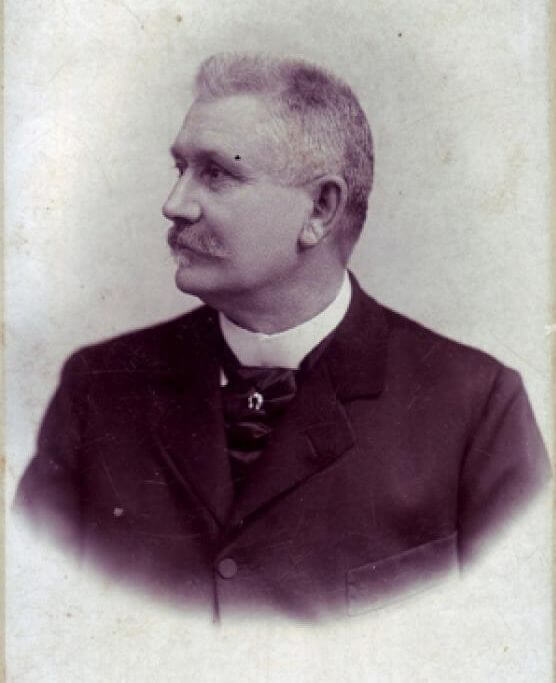
Daniel Renard (1871-1954) was a Romanian architect of Swiss descent who became one of the most distinctive Art Nouveau designers working in early twentieth-century Constanța. His career is remembered above all for the Constanța Casino, whose flowing ornament, maritime setting, and dramatic silhouette made it one of the most recognizable buildings on the Romanian Black Sea coast.
Renard was born in Dragomirești, Dâmbovița County, to a Romanian mother and Swiss father and later studied architecture in Paris. After completing his studies around 1900, he returned to Romania and worked first in Bucharest before becoming increasingly involved in projects in Constanța, where the city was expanding rapidly as both a port and a seaside resort.
That development created the opportunity for the commission that defined his career. In 1903, Constanța’s municipal authorities appointed Renard to design a new casino on the seafront, replacing the earlier wooden buildings used for entertainment and social events. His decision to use an exuberant Art Nouveau style was controversial in a country where Neo-Classical and emerging Neo-Romanian architecture were far more familiar, and a change in local government temporarily removed him from the project.
Petre Antonescu was briefly brought in with a completely different Neo-Romanian proposal, but when the Liberals returned to power Renard was reinstated and construction resumed according to his original concept. The Constanța Casino was completed in 1910 and inaugurated that August, giving the city a landmark whose architecture was unlike almost anything else being built in Romania at the time.
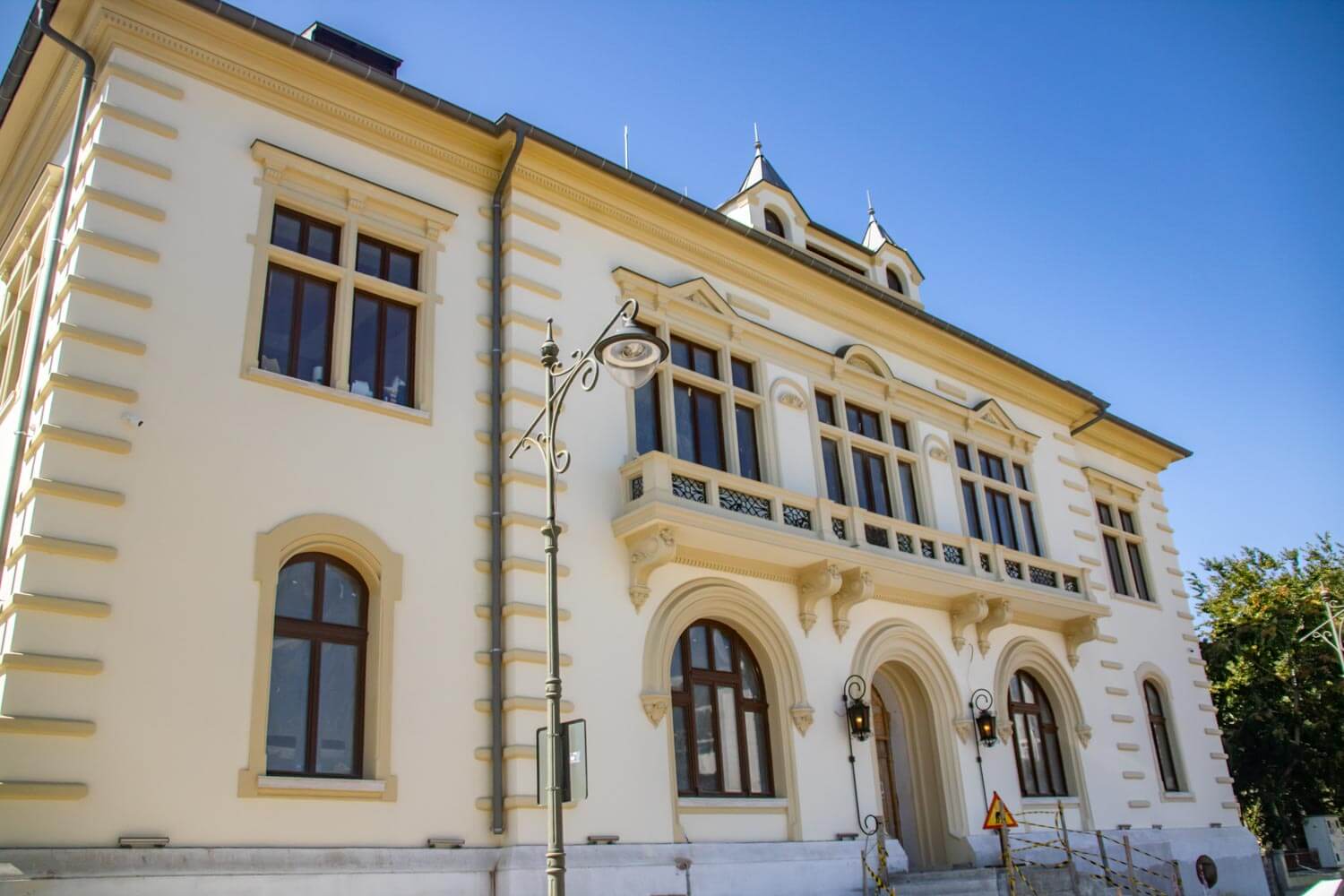
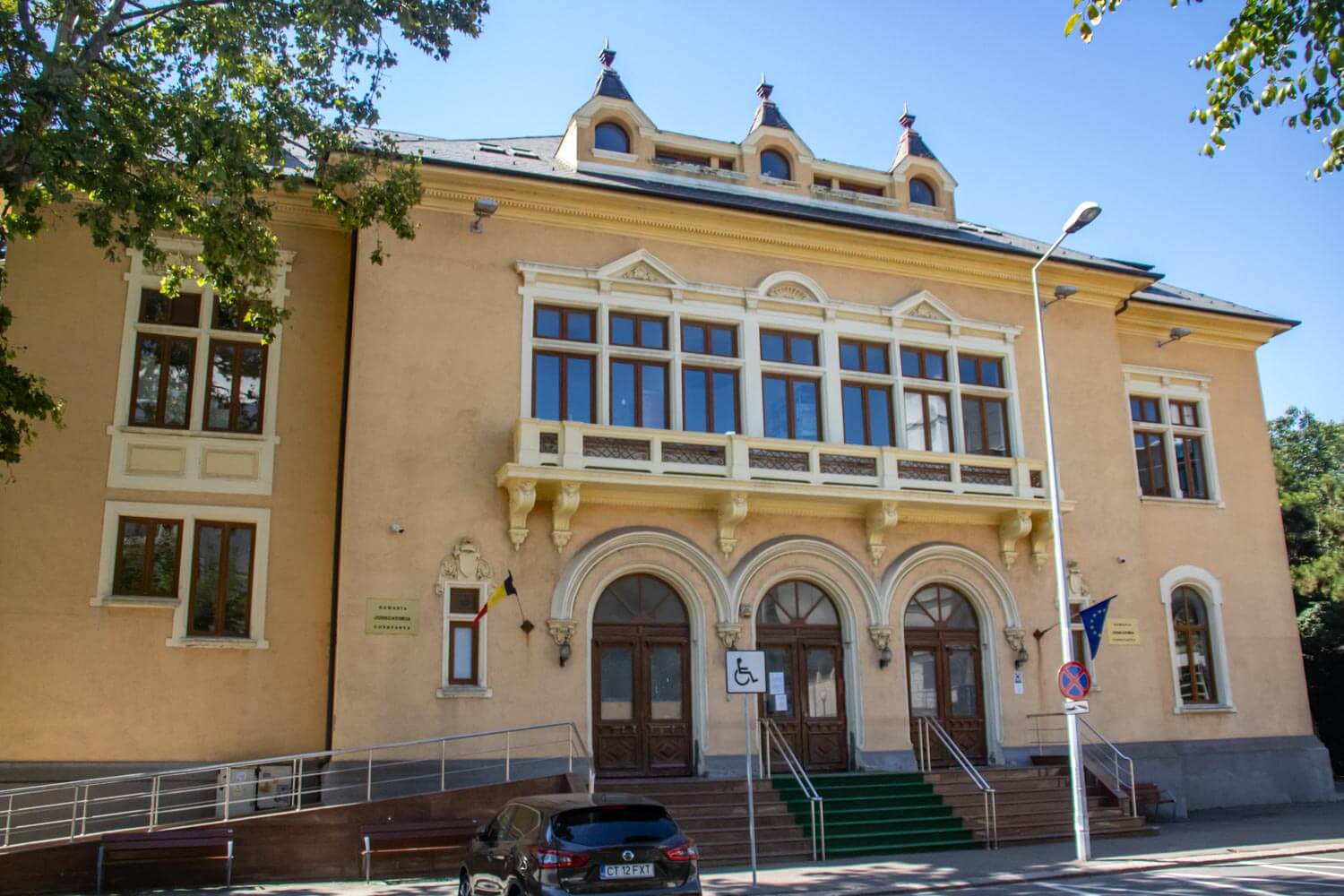
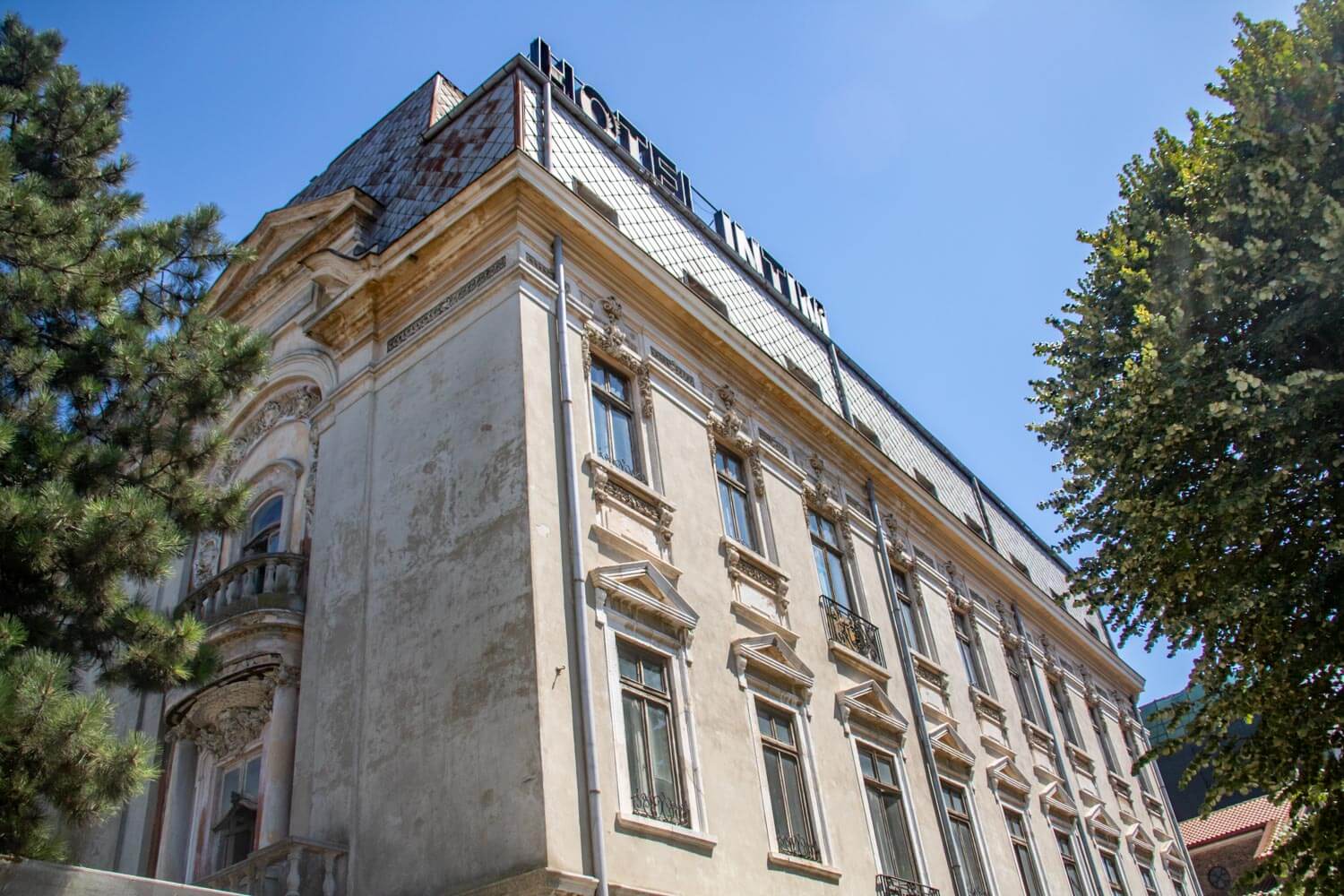
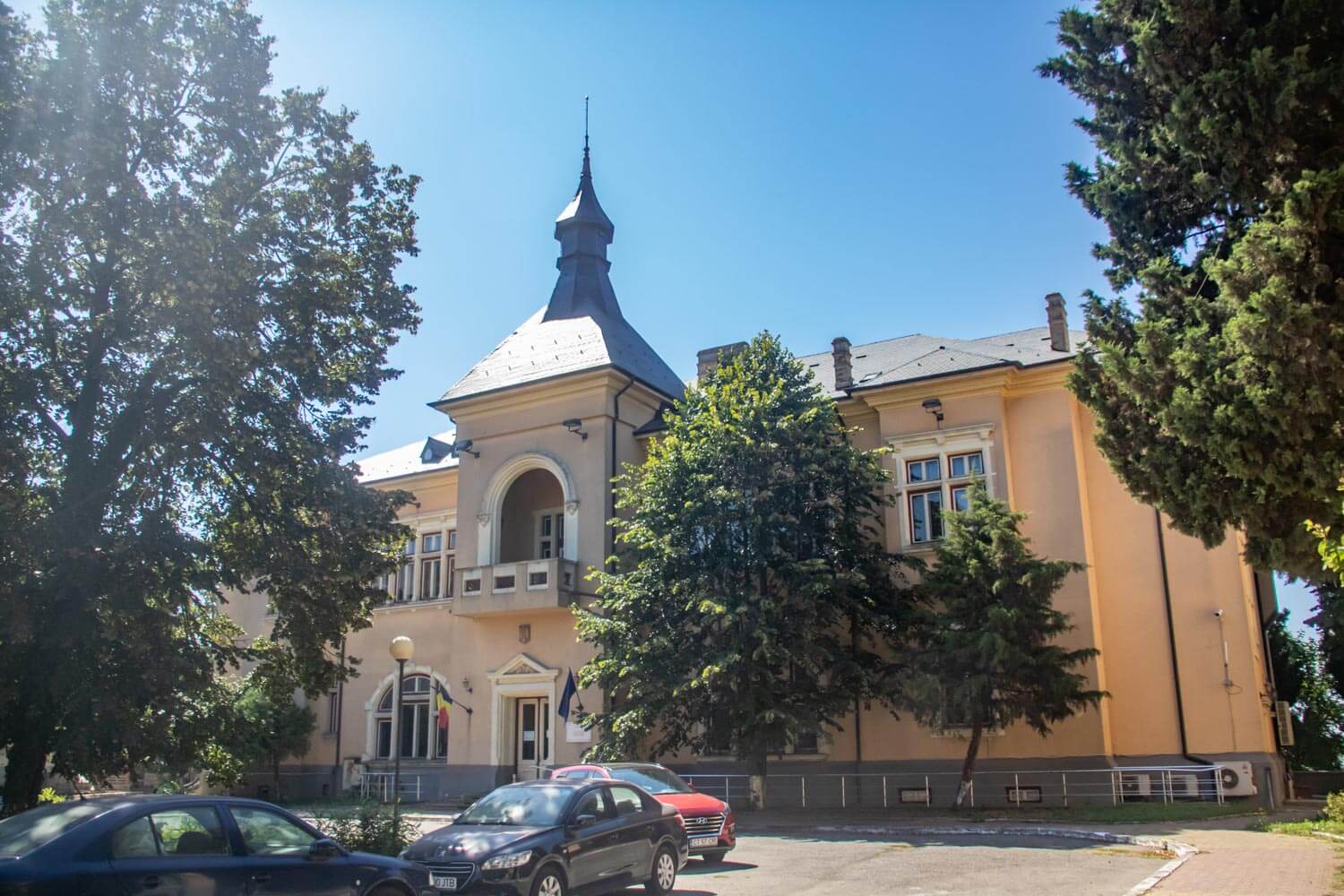
Renard’s work in Constanța extended beyond the Casino itself. He was involved with the pavilion opposite it, today the Constanța Aquarium, as well as Hotel Regina, the former market hall, administrative buildings near the old railway station, and other projects in Constanța and Dobrogea. These commissions tied much of his professional career to the modernization of the city during the decades around 1900.
The Casino remained Renard’s defining work, and he returned to it after the First World War to assist with repairs following wartime damage. Its survival has ensured that his contribution remains unusually visible: while many of his other Constanța projects have disappeared or changed use, the Casino still preserves the bold Art Nouveau vision that made Daniel Renard stand apart from many of his Romanian contemporaries.