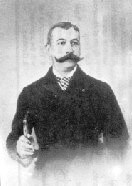
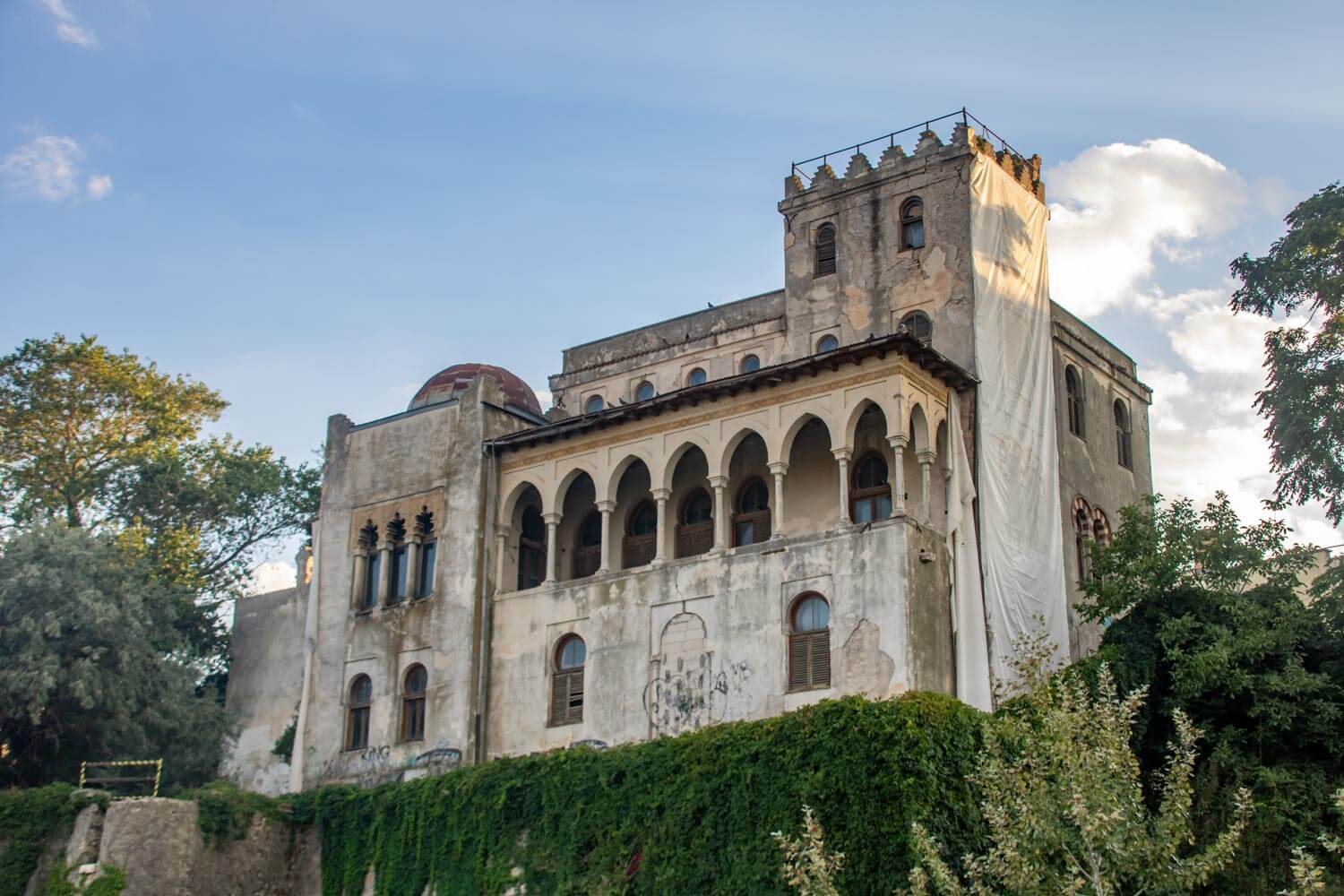
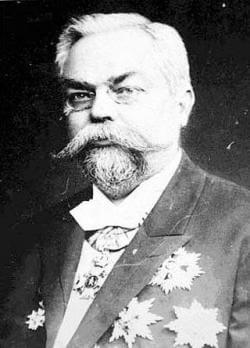
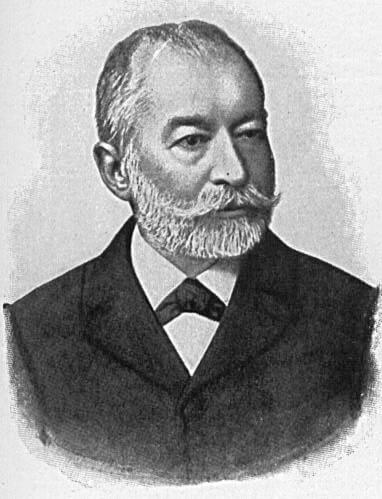
Grigore Cerchez (1850-1927) was a Romanian architect, engineer, and professor who became an important figure in the development of Neo-Romanian architecture and in the modernization of Bucharest. His career combined architectural design with engineering, urban planning, restoration, and teaching, while buildings such as Cantacuzino Castle in Bușteni, the present Ion Mincu University of Architecture and Urbanism, and the Odeon Theatre remain among his best-known works.
Born in Oșești in Moldavia, Cerchez studied engineering in Paris at the École Centrale des Arts et Manufactures before returning to Romania. His early career was shaped as much by engineering as by architecture, and during the 1870s he became chief engineer of Bucharest. In that role he was closely involved with plans to regulate and deepen the Dâmbovița River and with some of the first systematic attempts to organize the city’s future development.
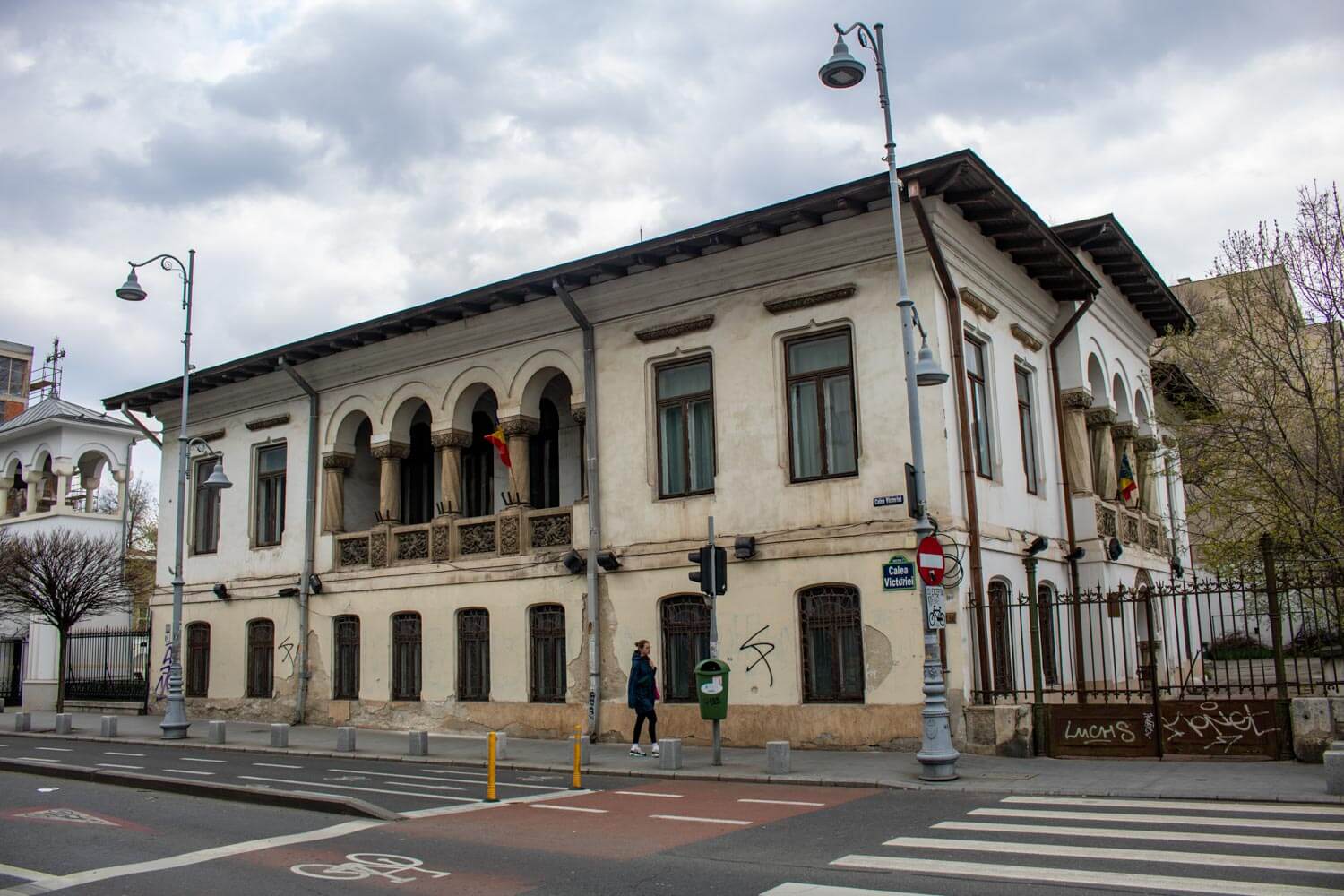
As his architectural work expanded, Cerchez became one of the designers who looked increasingly toward Romanian medieval and Brâncovenesc architecture for inspiration. Rather than simply reproducing historical buildings, he adapted elements such as loggias, arcades, carved stonework, columns, and richly modeled façades to the needs of modern residences and institutions, helping establish the broader architectural movement now known as Neo-Romanian architecture.
One of the clearest expressions of that approach is Cantacuzino Castle in Bușteni, commissioned by Gheorghe Grigore Cantacuzino and completed in 1911. Cerchez combined Neo-Romanian and Neo-Brâncovenesc forms with the scale and comforts expected of a wealthy aristocratic residence, using arcades, carved stone, decorative woodwork, stained glass, and elaborate interior finishes to create one of the most ambitious private buildings of the period.
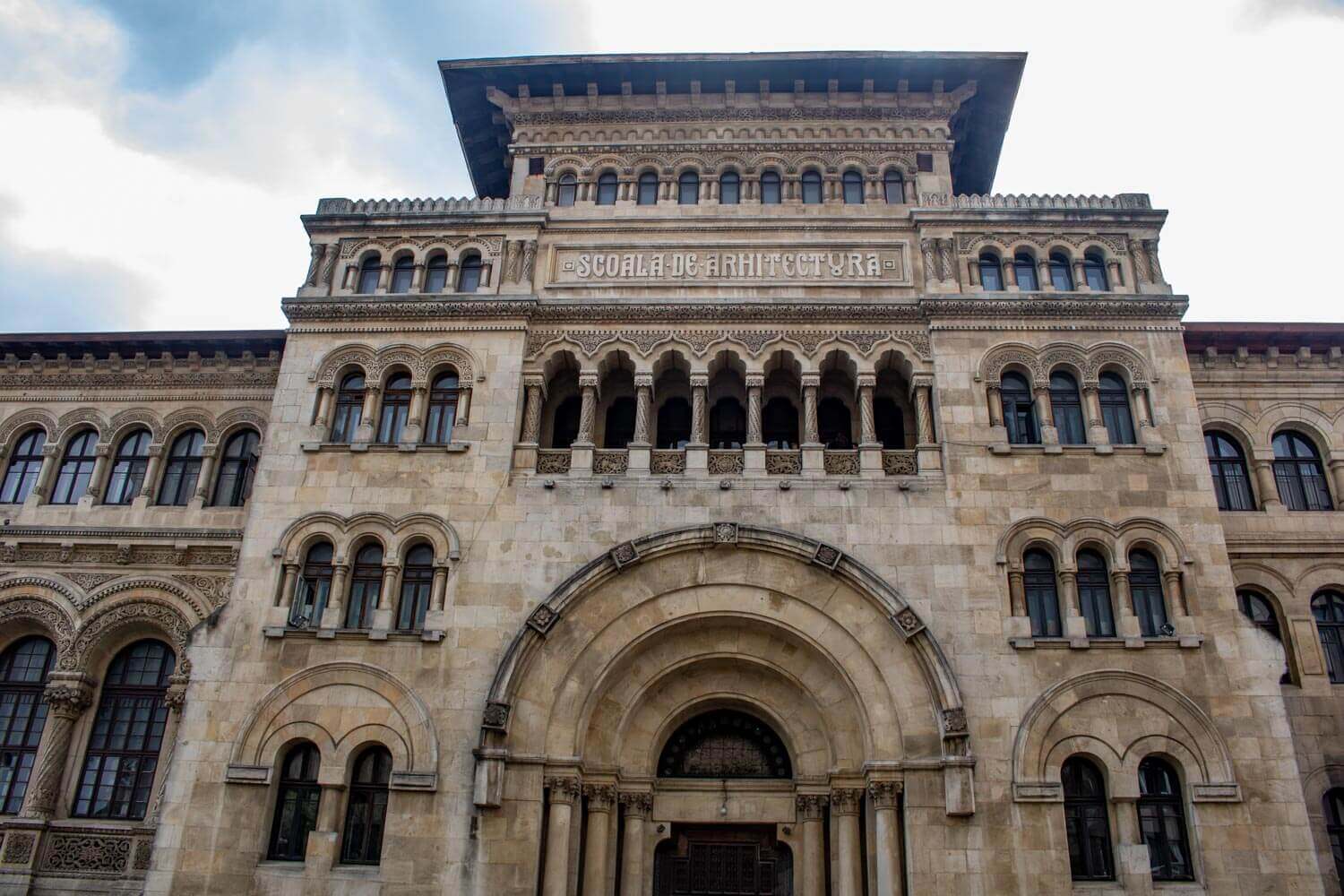
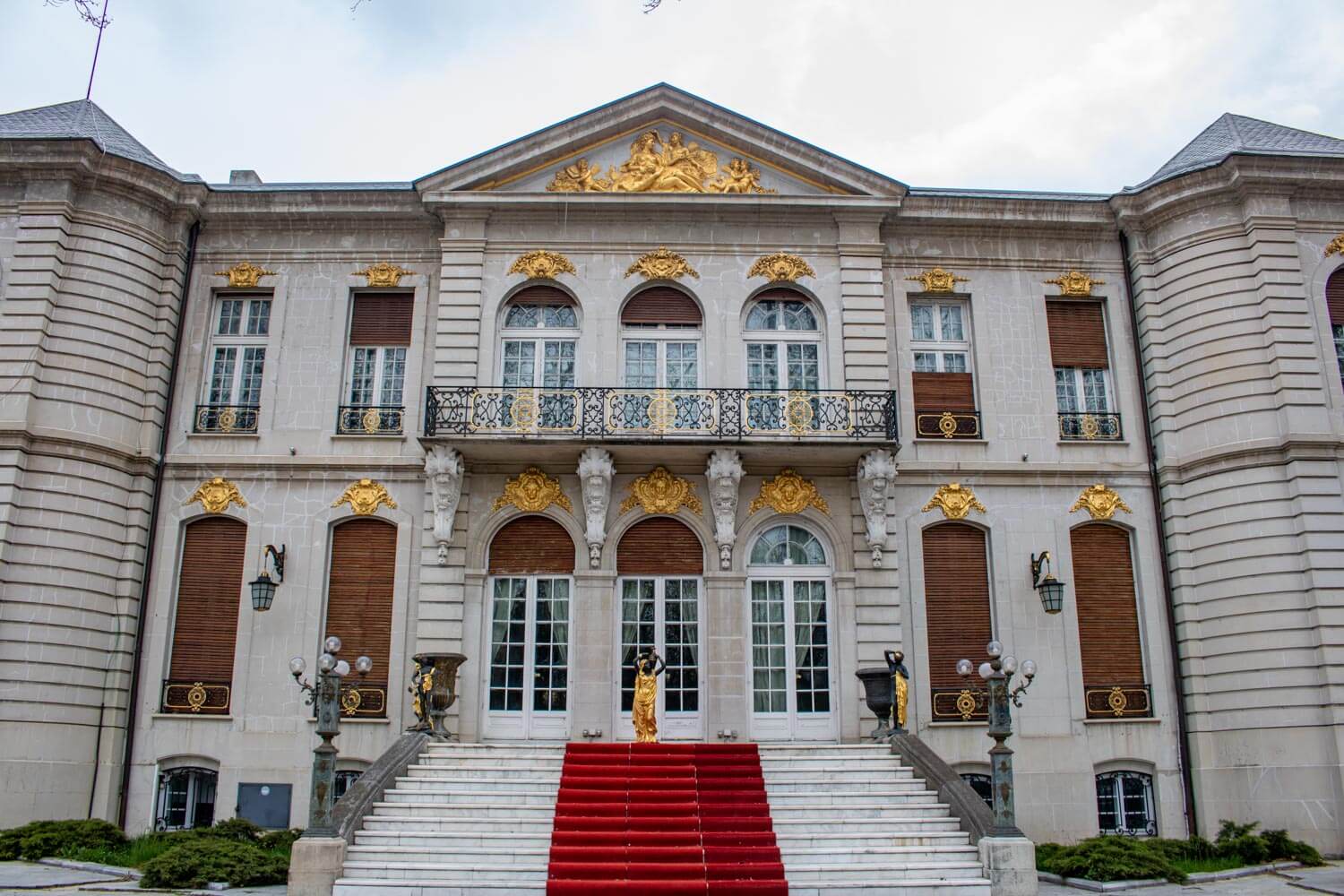
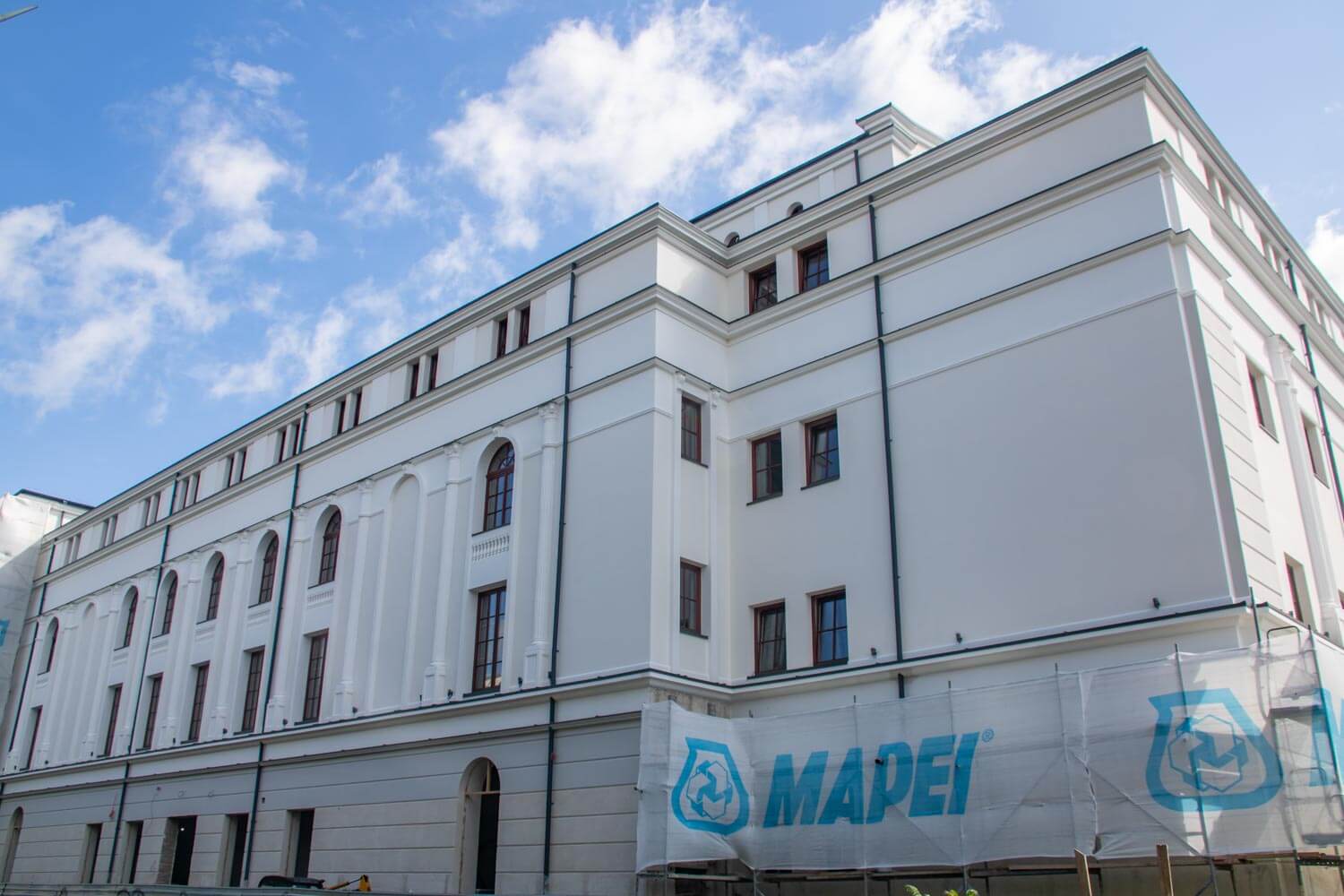
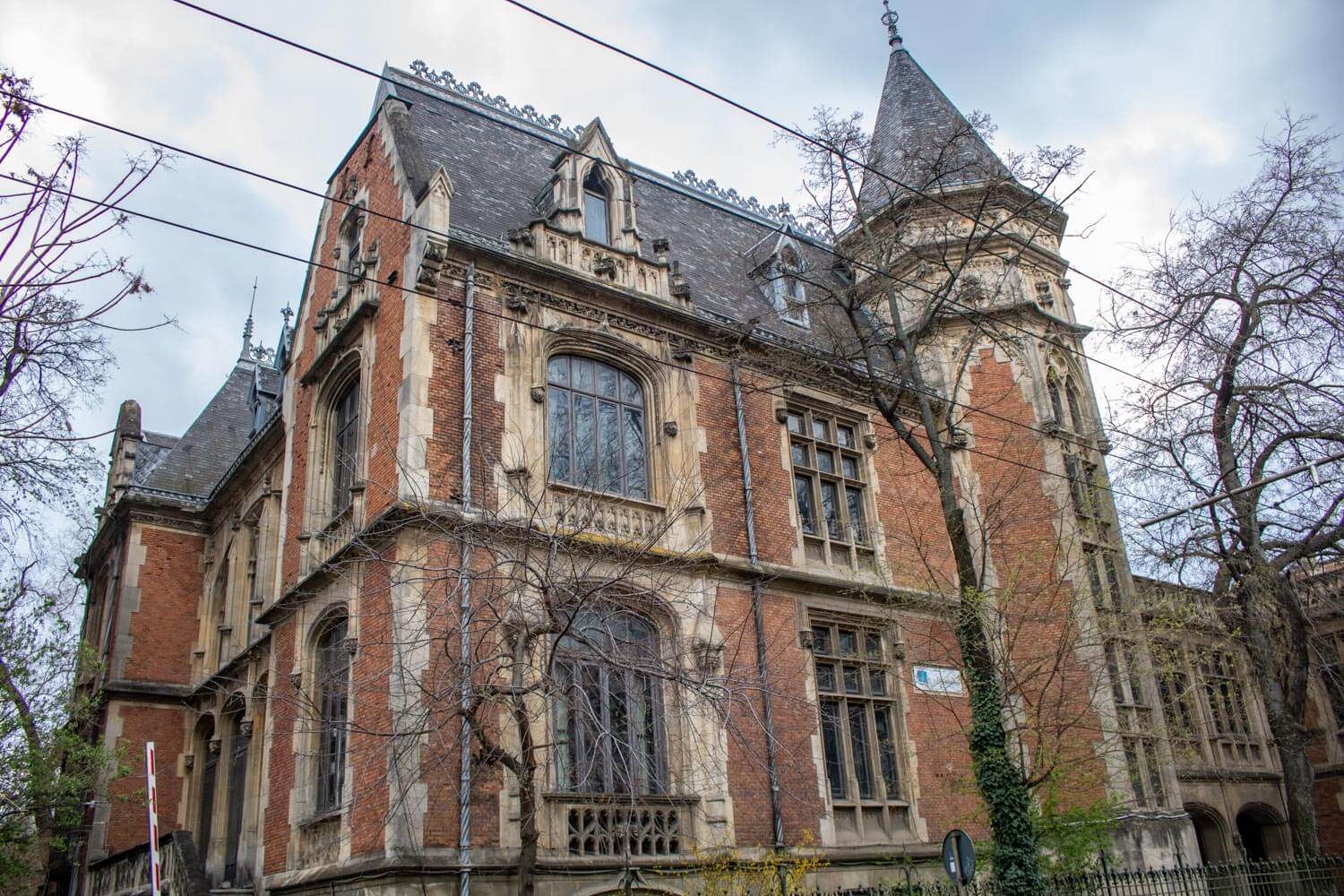
His work in Bucharest ranged from public buildings to theaters, residences, and additions to existing royal complexes. He designed the Comedia Theatre, now the Odeon Theatre, worked on parts of Cotroceni Palace, and was responsible for the building created for the Higher School of Architecture, today part of the Ion Mincu University of Architecture and Urbanism. The latter, begun in 1912 and completed after his death, became one of the most prominent institutional expressions of the Neo-Romanian style.
Cerchez also took restoration seriously at a time when attitudes toward historic monuments were still evolving. He argued for preserving and consolidating historic buildings rather than rebuilding them freely according to an idealized version of the past, an approach that placed him among the early Romanian architects to think systematically about architectural conservation.
That concern with the profession extended into education as well. Cerchez taught for decades at the School of Bridges and Roads and later at the School of Architecture, while also taking an active role in the Society of Romanian Architects, which he helped establish and later served as president. Through both his teaching and professional work, he became part of the generation that turned architecture in Romania into a more organized and formally defined profession.
Cerchez died in Bucharest in 1927, leaving behind a career that crossed several fields rather than fitting neatly into architecture alone. His buildings, engineering work, teaching, and ideas about restoration all contributed to the transformation of Romanian architecture around 1900, while his surviving Neo-Romanian works remain the most visible expression of that legacy.