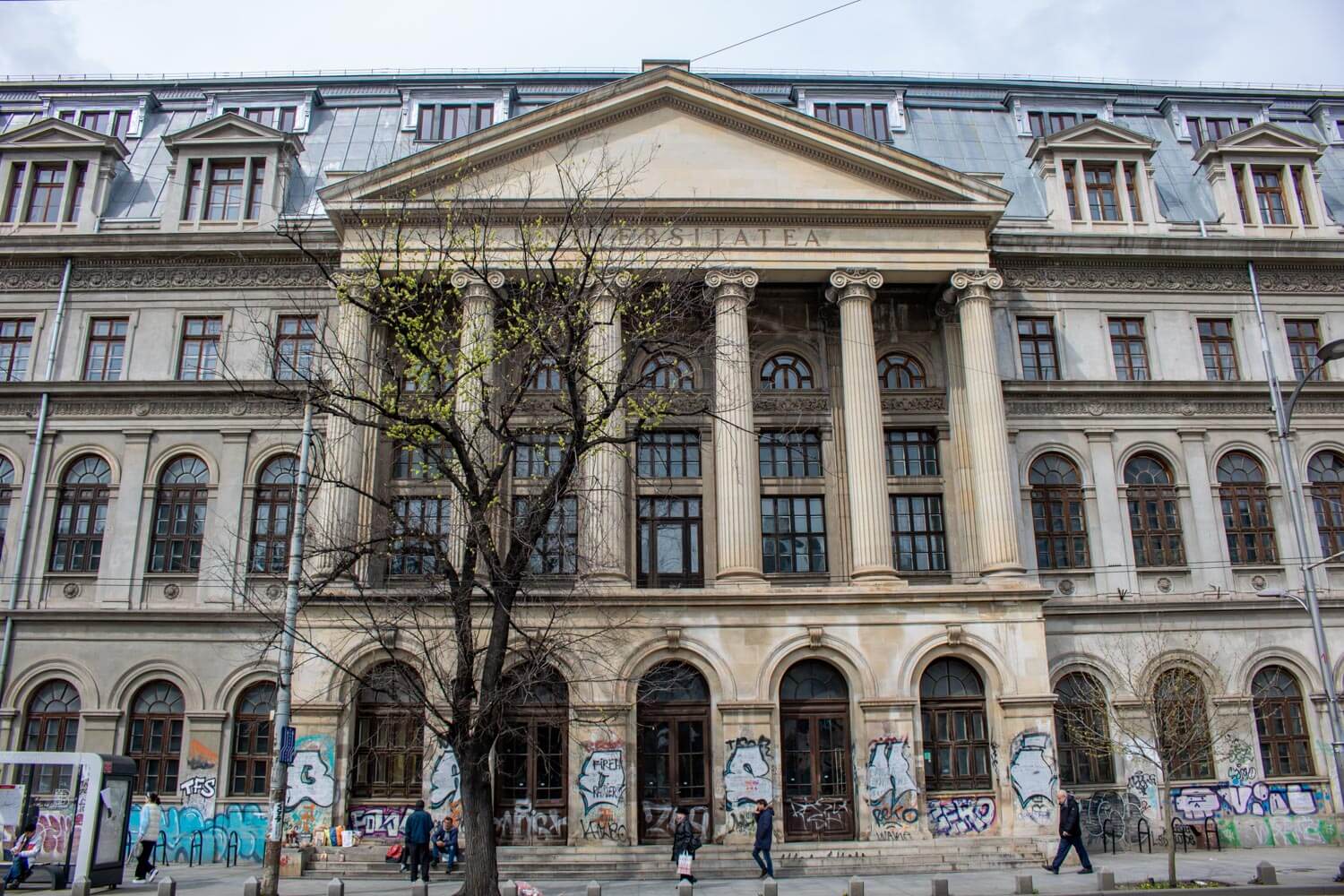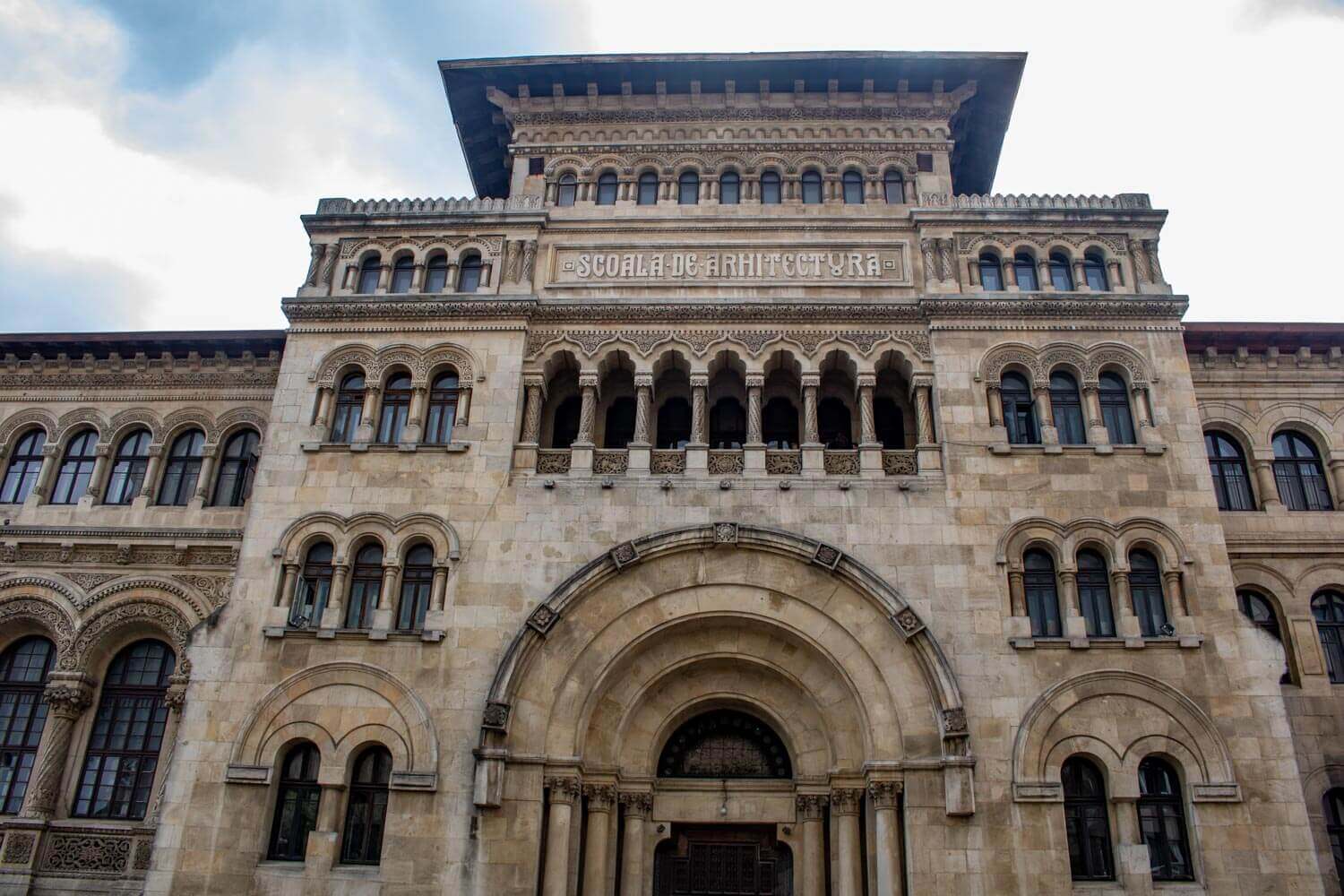
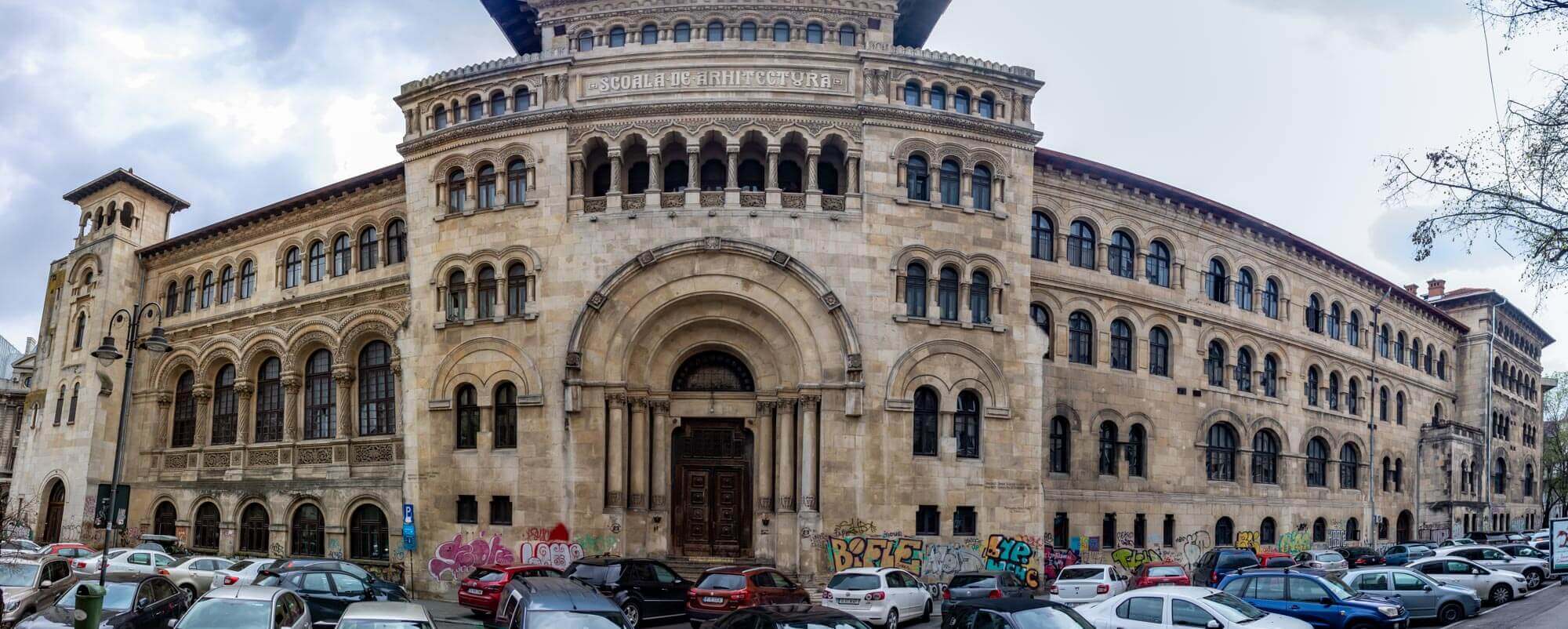
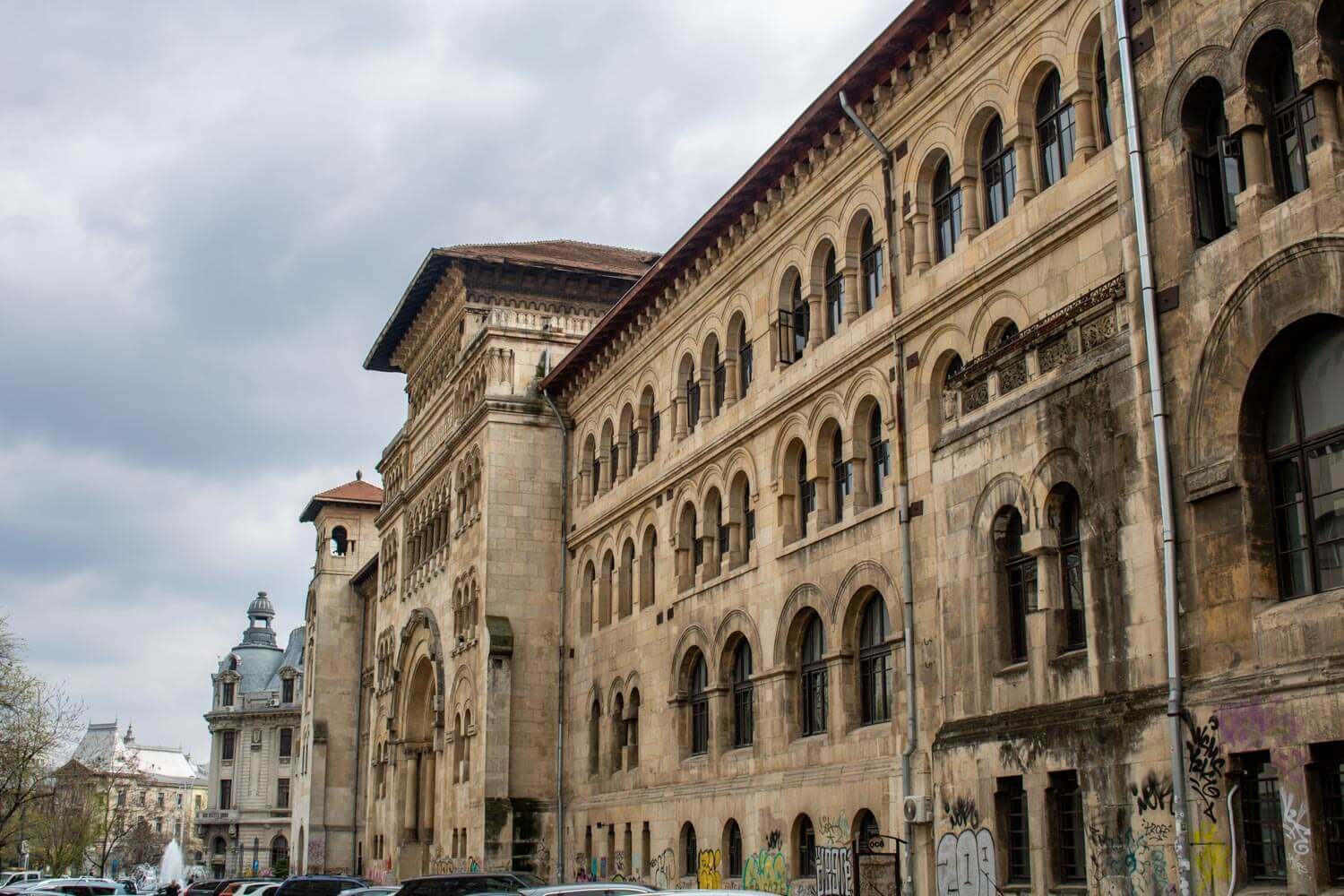
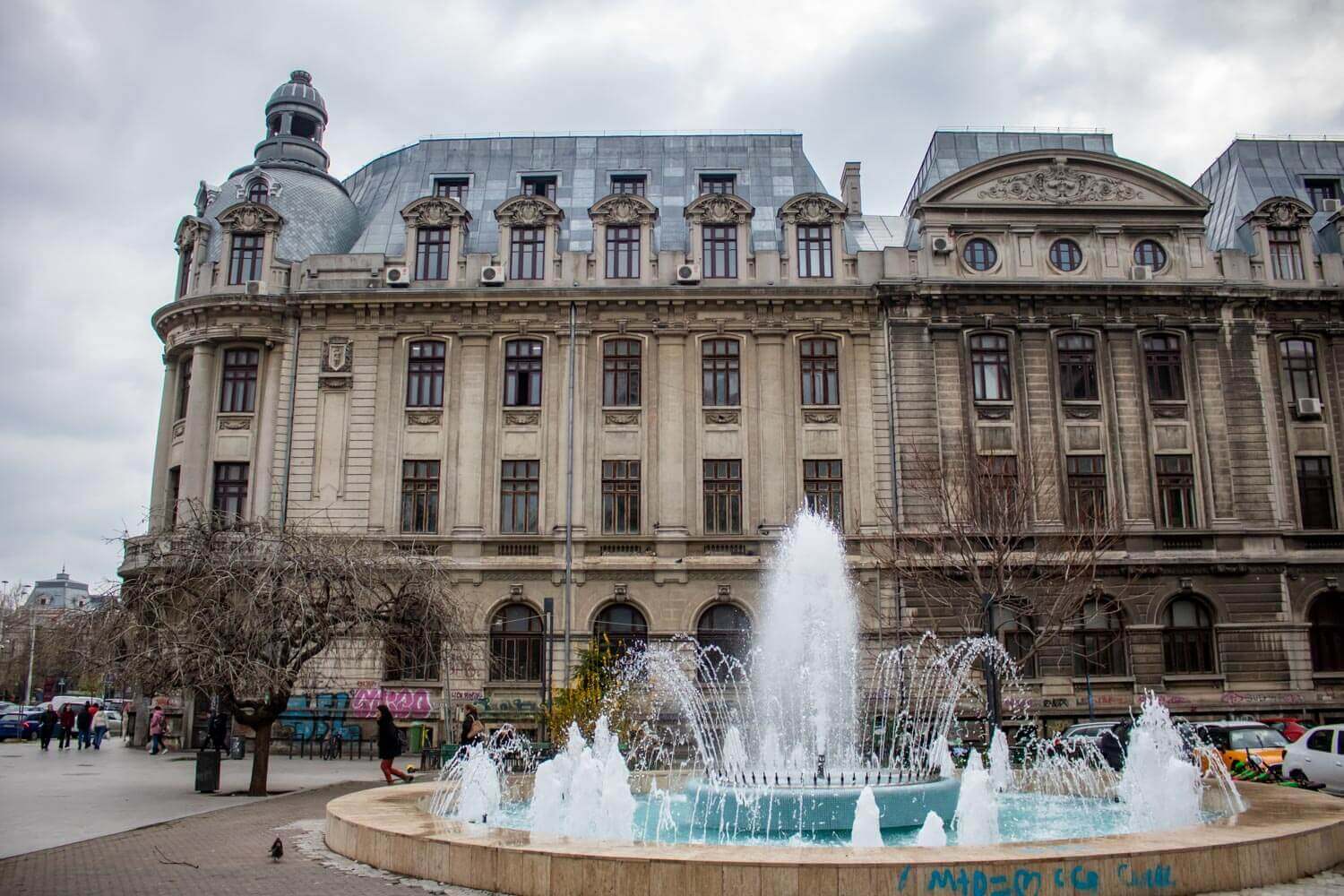
The Ion Mincu University of Architecture and Urbanism (Universitatea de Arhitectură și Urbanism Ion Mincu) is a public university in the center of Bucharest. The university specializes in architectural and urbanism studies and is named after the famous Romanian architect Ion Mincu, who had a leading role in the development of the Romanian Revival style.
History Of The Ion Mincu University Of Architecture And Urbanism
The first school of architecture education in Bucharest was the School of Bridges and Roads, Mines, and Architecture, founded by the decree of Alexander Ioan Cuza in 1864. The school was however disbanded after a few years already, due to a lack of funds and students.
In 1892, the Society of Romanian Architects founded a private school of architecture. Five years later, in 1897, it became the National School of Architecture and operated under the auspicies of the National School of Fine Arts (now the Bucharest National University of Arts).
From 1904, the school operated as an independent institution again until it was integrated into the Polytehnica University of Bucharest as the Faculty of Architecture. After the educational reform of 1948, the school became a faculty of the Construction Institute.
In 1952, the faculty became independent again under the name Institute of Architecture and in 1953 it was named after Ion Mincu. In 2000, the institute got its current full name Ion Mincu University of Architecture and Urbanism.
History Of The Building
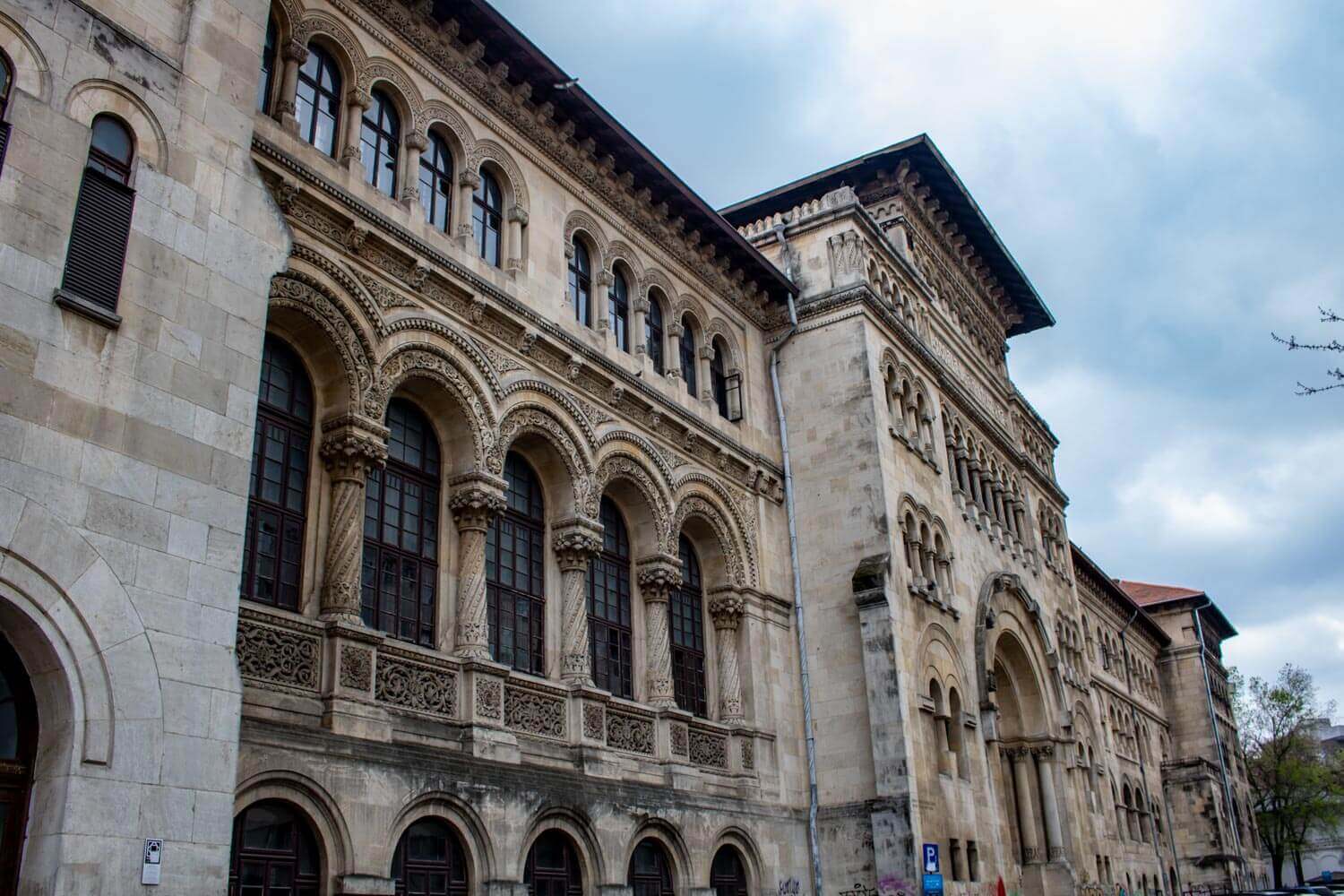
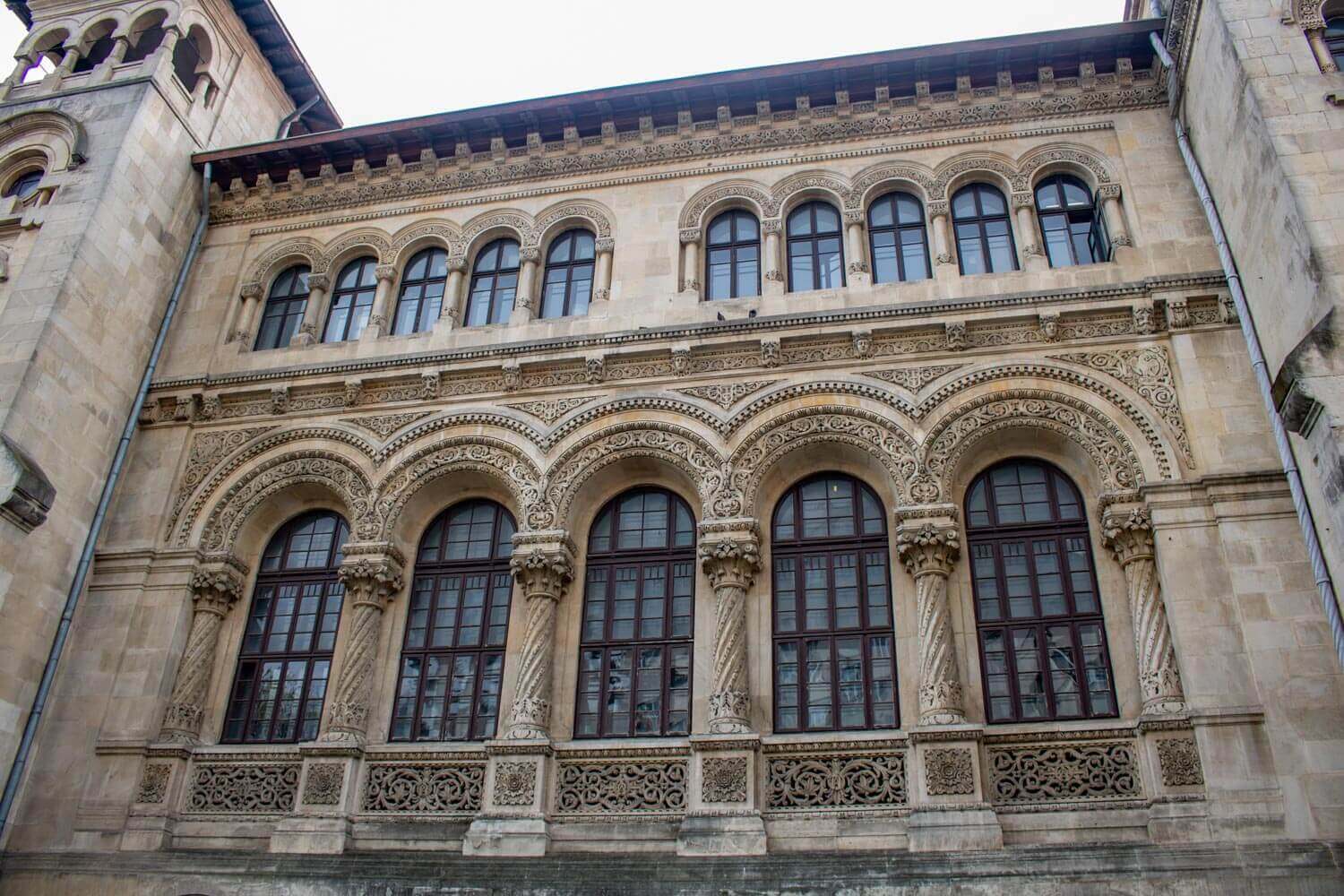
The monumental building of the Ion Mincu University of Architecture and Urbanism on Strada Biserica Enei was constructed between 1912 and 1927. The building was designed by the famous architect Grigore Cerchez and has a Neo-Romanian style with Brâncovenesc style decorations.
Museum Of The School Of Architecture
Inside the university there’s an exposition center that you can visit. The Museum of the School of Architecture was already founded in 1916, but over time the collection has grown gradually and the exposition has been modernized several times. The permanent exhibition reflects the history of architecture in Romania and it is the only museum of its kind.