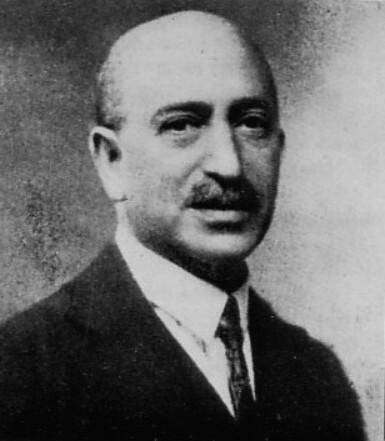
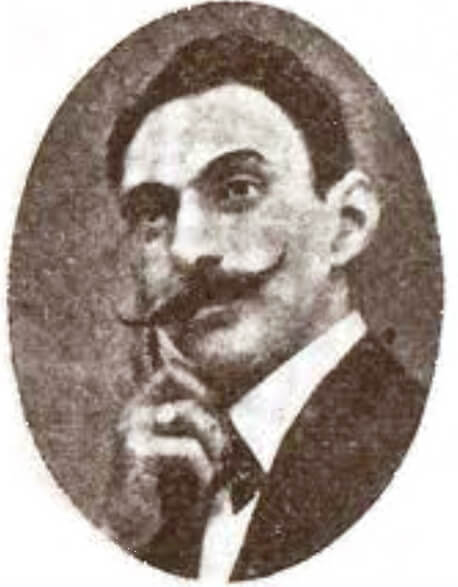
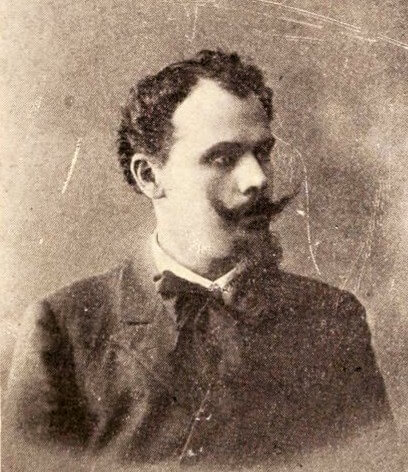
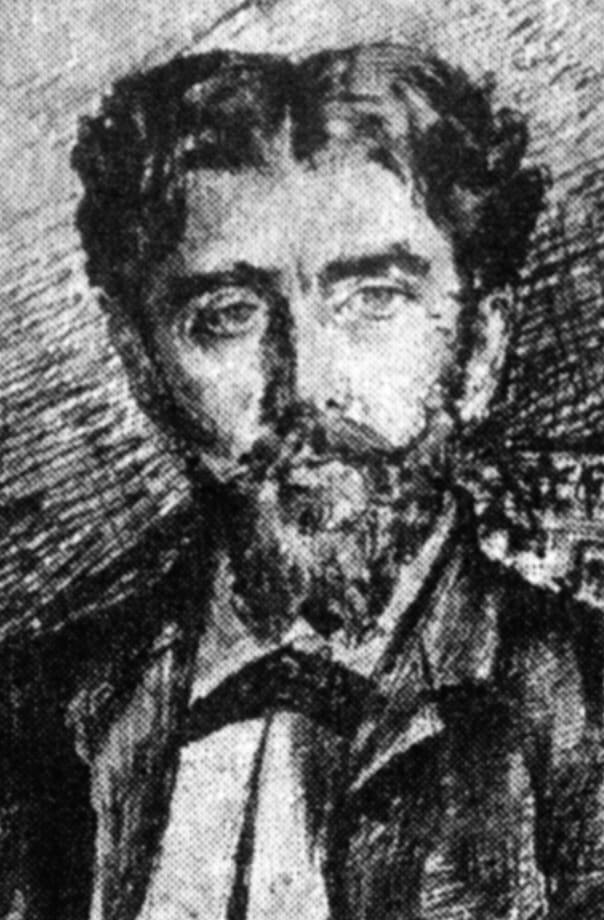
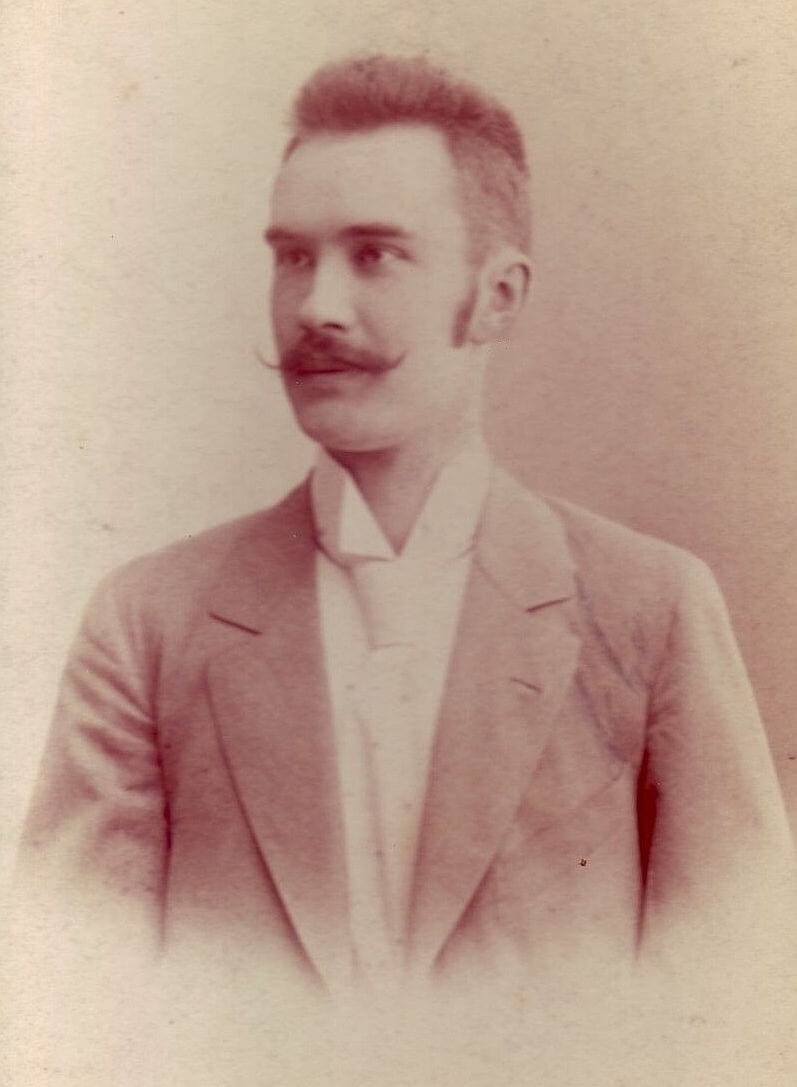
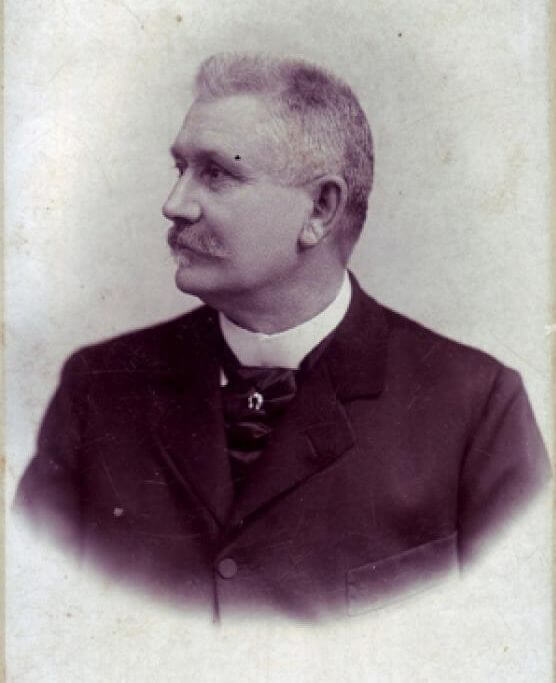
Marcell Komor (1868-1944) was a Hungarian architect, writer, and architectural critic who, together with Dezső Jakab, became one of the leading figures of Hungarian Secession architecture around 1900. Their partnership produced major civic buildings, palaces, hotels, and cultural institutions across the Austro-Hungarian Empire, with the Black Eagle Palace in Oradea and the Palace of Culture in Târgu Mureș among their most celebrated works.
Born in Pest, Komor studied architecture in Budapest and became a disciple of Ödön Lechner, whose search for a modern Hungarian architectural style strongly influenced his own development. Lechner rejected simple imitation of established Western European historical styles and instead experimented with vivid ceramics, curving ornament, and motifs drawn partly from Hungarian folk traditions, an approach that Komor and Jakab would later adapt to their own large-scale projects.
Komor began working with Dezső Jakab in 1897, starting a partnership that continued for more than twenty years. Their office became particularly successful in architectural competitions, allowing them to work on public buildings and large commercial projects in cities undergoing rapid modernization. Because most of their major works were designed jointly, it is often impossible, and not especially useful, to assign individual stylistic elements to one partner or the other.
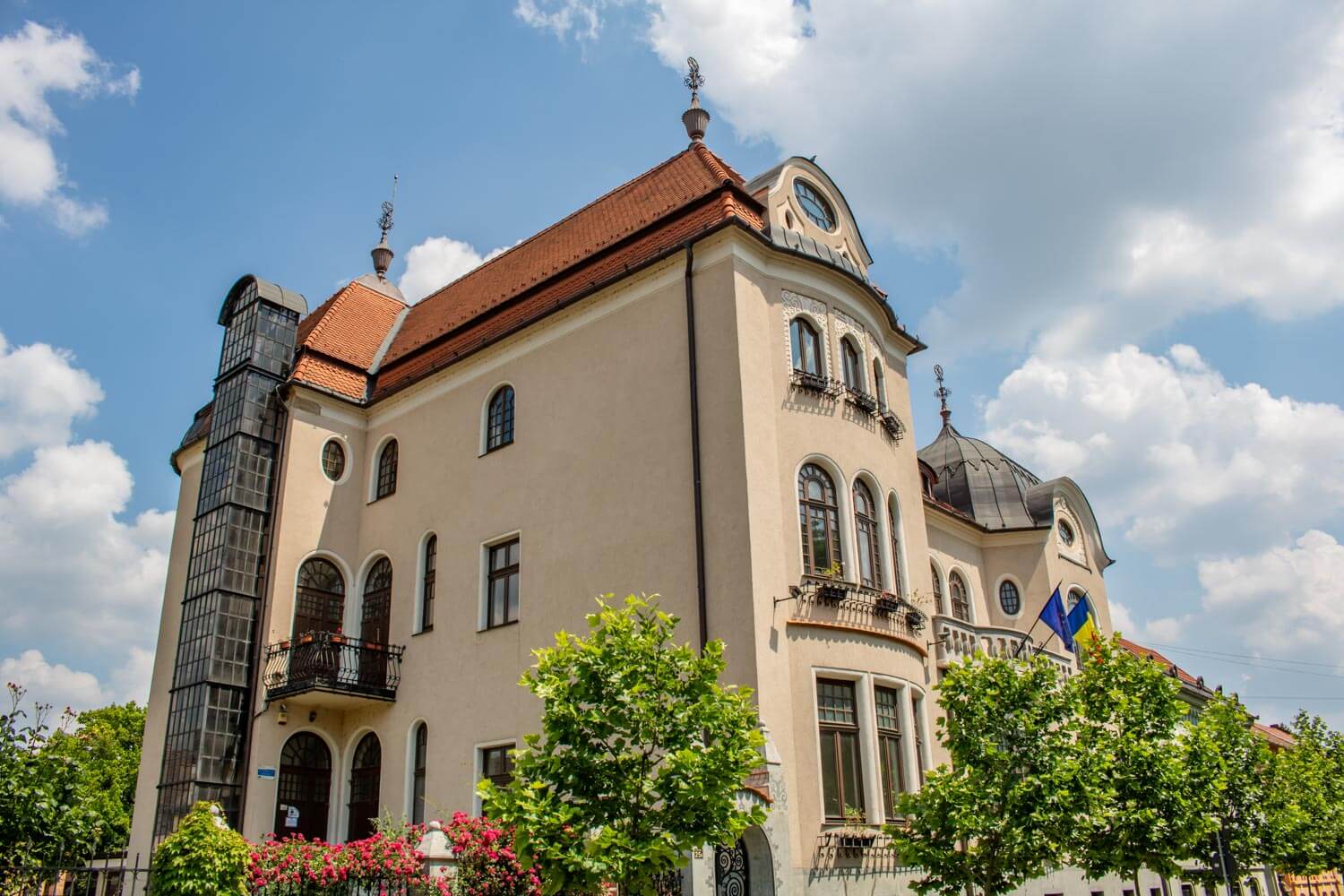
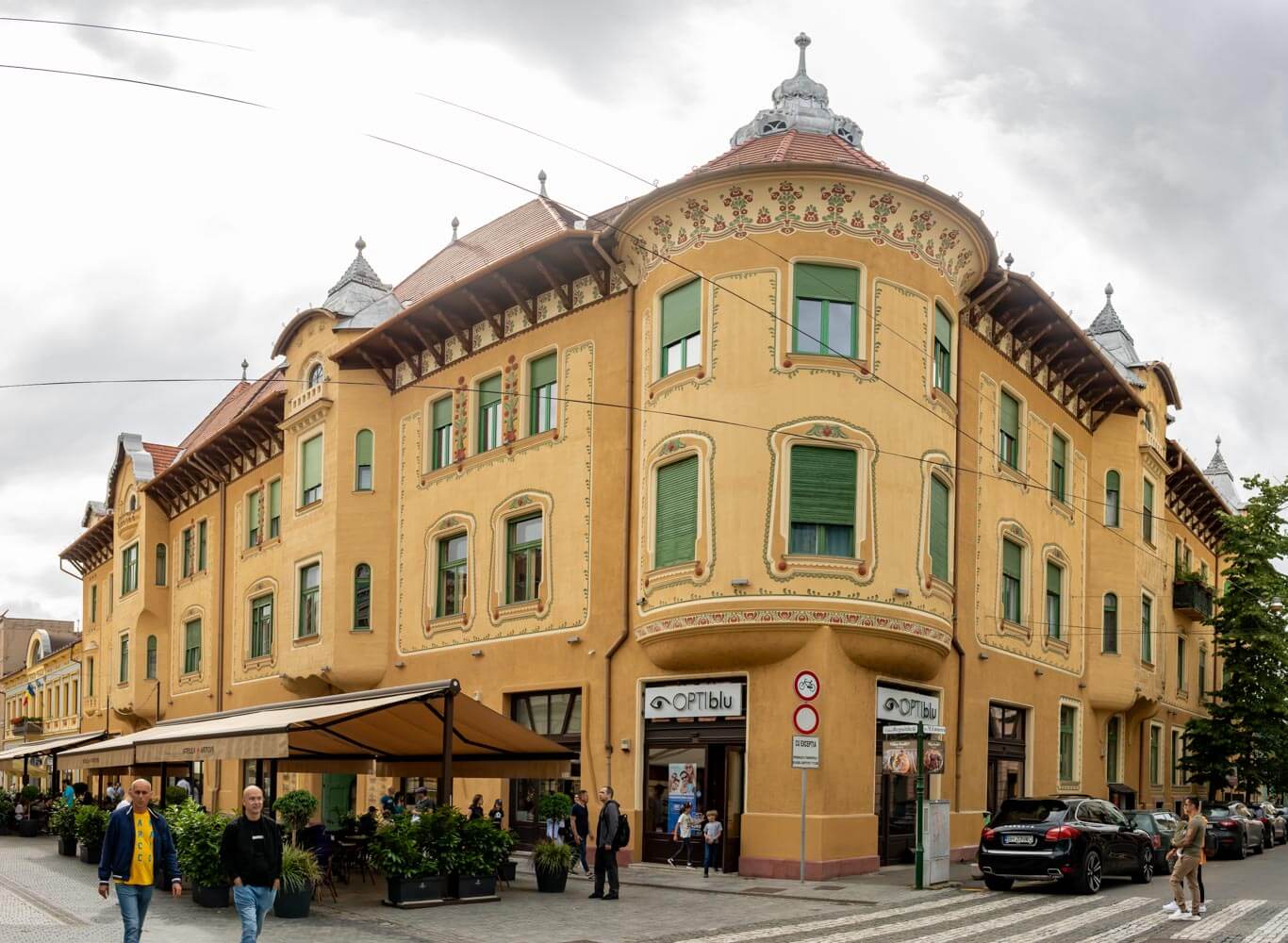
Their work in Oradea began with the Adorján Houses, where the influence of Lechner’s architectural ideas is already clearly visible in the continuous decorated façades. Further commissions followed, including the Stern Palace, before the partnership won the competition for what became the Black Eagle Palace.
Completed in 1908, the Black Eagle brought together many of the qualities that made Komor and Jakab’s architecture distinctive. Instead of a single monumental block, they created a complex of buildings linked by a glazed passage, combining a hotel, shops, restaurants, entertainment spaces, and apartments beneath richly decorated façades. The result became one of the architectural symbols of Oradea and one of the most important surviving Secession complexes in Transylvania.
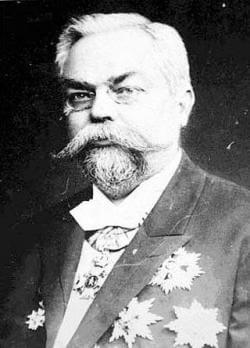
The scale of their work grew further in Târgu Mureș, where mayor György Bernády commissioned them to help reshape the civic center. Their City Hall was followed by the much more elaborate Palace of Culture, completed in 1913 with colorful mosaics, stained glass, ceramics, and decorative motifs that turned the building into one of the richest expressions of the Hungarian national variant of Art Nouveau.
Komor’s contribution to architecture also extended beyond designing buildings. He wrote extensively about architecture and was active in debates about modern Hungarian design, helping promote the same search for a distinctive national style that shaped his built work. That intellectual role gave him a somewhat broader public profile than many architects whose careers were confined mainly to commissions and construction.
The partnership with Jakab ended in 1918, after which Komor continued to work independently and with other architects. His later career never recreated the extraordinary concentration of major commissions that had defined the years before the First World War, but the buildings from that earlier period had already secured his place among the principal architects of Hungarian Secession.
Komor’s life ended tragically during the Holocaust. In 1944, at the age of seventy-six, he was deported by the Hungarian authorities and died near Criț in Transylvania while being transported. His surviving buildings remain a much more visible legacy: together with Jakab, he helped give Oradea, Târgu Mureș, and several other Central European cities some of their most distinctive architecture from the years around 1900.