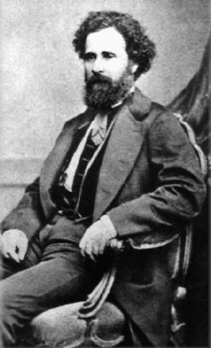
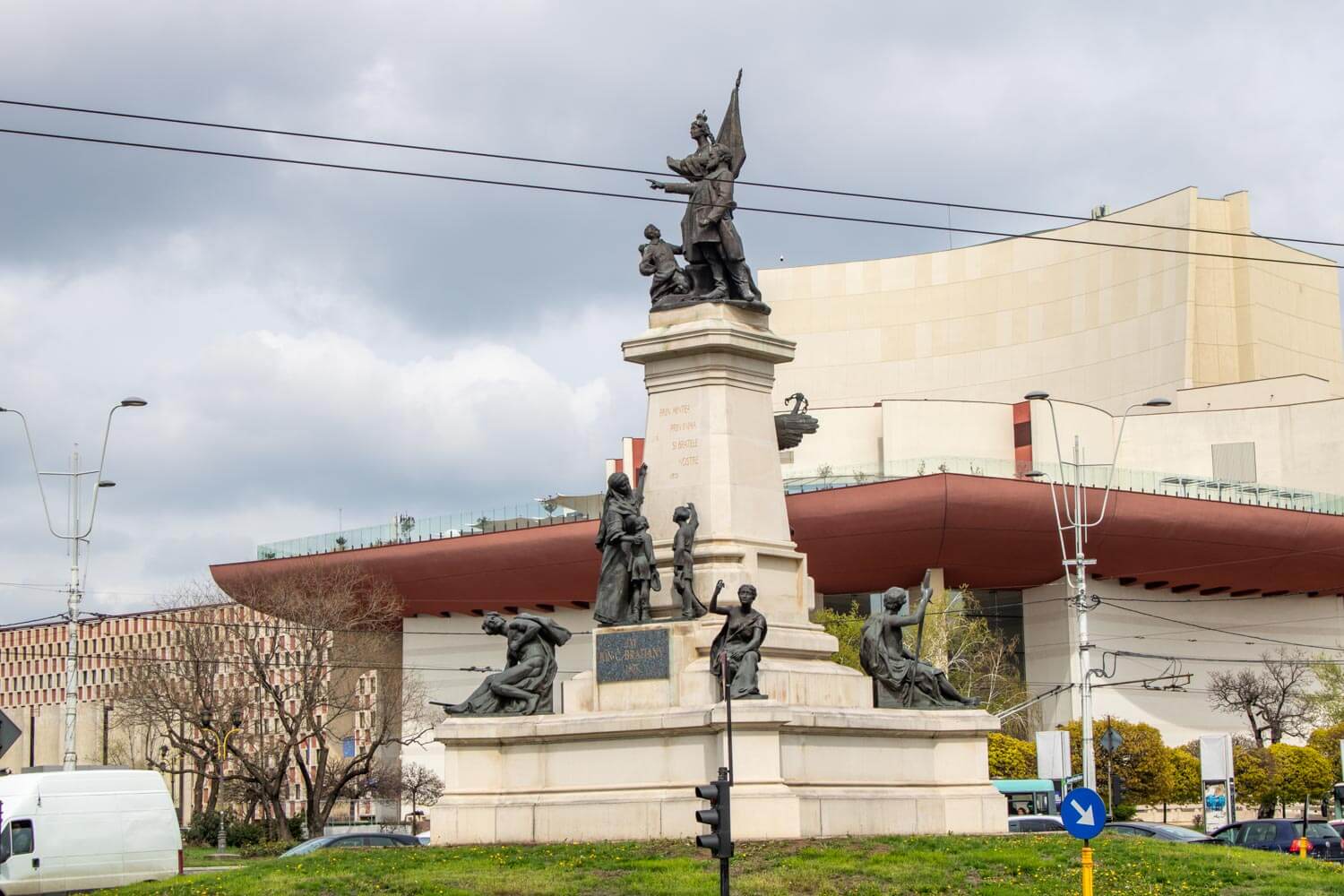
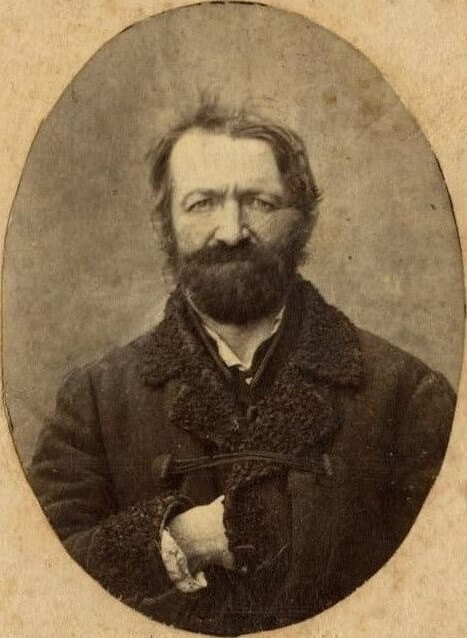
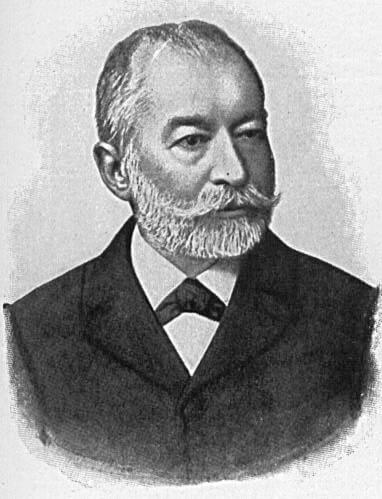
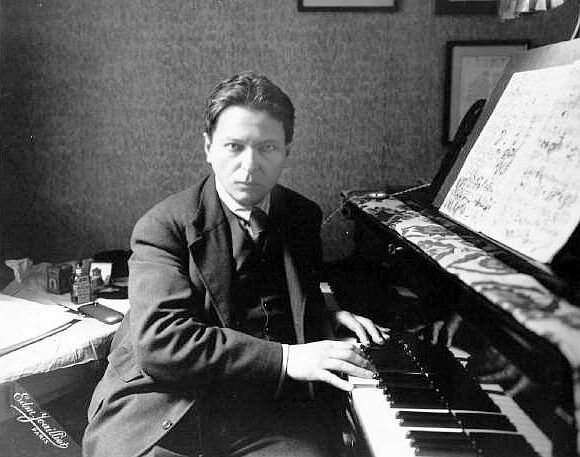
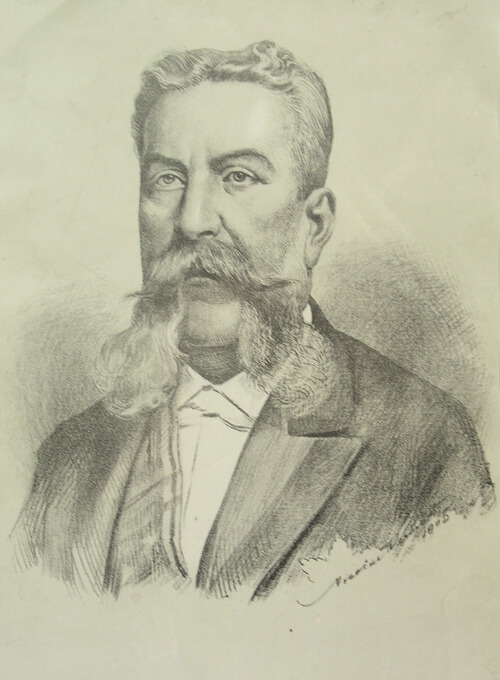
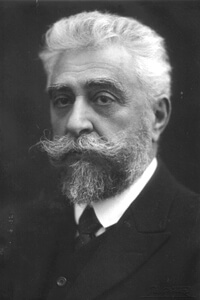
Ion C. Brătianu (1821-1891) was a Romanian politician and revolutionary who became one of the principal architects of the modern Romanian state. A participant in the Revolution of 1848, supporter of the Union of the Principalities, founder and first leader of the National Liberal Party, and long-serving prime minister under Carol I, he played a central role in Romania’s independence, its proclamation as a kingdom, and the consolidation of the country’s political and economic institutions.
Brătianu was born in Pitești into a boyar family from Argeș and continued his education in Paris, where he became involved with the generation of young Romanians influenced by liberal and nationalist ideas. When revolution broke out in Wallachia in 1848, he returned and joined the movement that demanded political rights, administrative reform, and greater national autonomy. After the revolution was defeated, he went into exile and continued campaigning abroad for the Romanian cause.
During the 1850s, Brătianu became one of the active supporters of the union between Moldavia and Wallachia. He backed the election of Alexandru Ioan Cuza in 1859, which created the personal union of the two principalities, but later joined the opposition to Cuza as the ruler concentrated more power in his own hands. In 1866, Brătianu was one of the politicians involved in bringing Carol of Hohenzollern-Sigmaringen to Romania after Cuza’s abdication, helping establish the dynasty that would rule the country until 1947.
Brătianu soon became one of the dominant figures of Romanian liberal politics. Together with other liberal leaders, including C.A. Rosetti, Mihail Kogălniceanu, and Alexandru G. Golescu, he helped bring the different liberal groupings together in 1875 to form the National Liberal Party. Brătianu became its first president and remained at the head of the party until his death.
His most important period in government began in 1876, when he became prime minister. The following year, as war broke out between Russia and the Ottoman Empire, Romania moved toward full independence. Foreign Minister Mihail Kogălniceanu declared in parliament in May 1877 that the country considered itself independent, and the legislature endorsed the declaration. Brătianu’s government then directed Romania through the war, while Carol I took command in the field. Romanian forces fought major battles south of the Danube, and independence was internationally recognized after the conflict.
Brătianu and Kogălniceanu represented Romania at the Congress of Berlin in 1878, where they argued for recognition of independence and defended the country’s territorial interests. Romania emerged as an internationally recognized sovereign state, although the settlement also forced it to give southern Bessarabia back to Russia while receiving Northern Dobrogea in return.
The political transformation continued under Brătianu’s government. In 1880, the National Bank of Romania was founded, creating one of the central financial institutions of the new state. A year later parliament proclaimed Romania a kingdom, and Carol I was crowned king. The Romanian Orthodox Church also declared its autocephaly during Brătianu’s long period in power, while railways, industry, banking, administration, and public institutions continued to expand.
Brătianu remained prime minister for most of the period from 1876 to 1888, making his government one of the longest-lasting in Romanian history. That longevity gave the National Liberal Party enormous influence over the state but also generated increasingly strong opposition. Critics accused Brătianu of concentrating too much political power around himself and his party, and his dominant style earned him the nickname “the Vizier.” By the late 1880s, opposition from conservatives and dissident liberals had grown strong enough to force him from office.
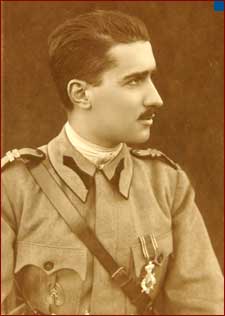
His private and family life became closely tied to Florica, the estate near Ștefănești in Argeș County that developed into the principal home of the Brătianu family. The property later grew into the Villa Florica complex, which became the center of a political dynasty: several of Brătianu’s children and descendants would themselves become major figures in Romanian public life, most notably his son Ion I. C. Brătianu, who later led Romania through World War I and the creation of Greater Romania. Villa Florica is now home to the Brătianu National Museum.
Brătianu died in 1891 at Florica and was buried on the family estate. His career had begun in the revolutionary politics of 1848 and ended after Romania had become an independent kingdom with its own central bank, established political parties, and increasingly modern institutions. The combination of revolutionary activism, party organization, state-building, and long government service made Ion C. Brătianu one of the defining political figures of nineteenth-century Romania.