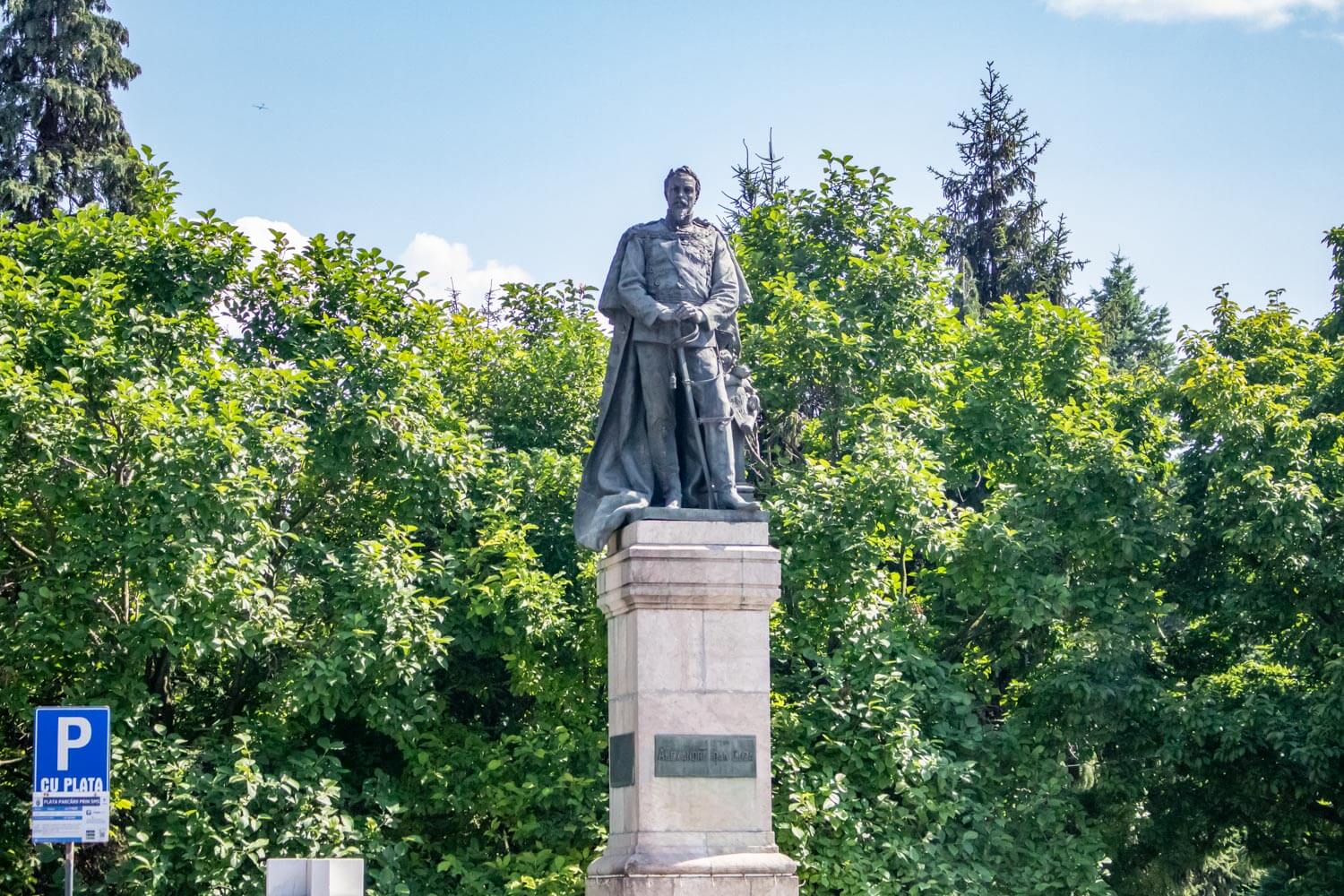
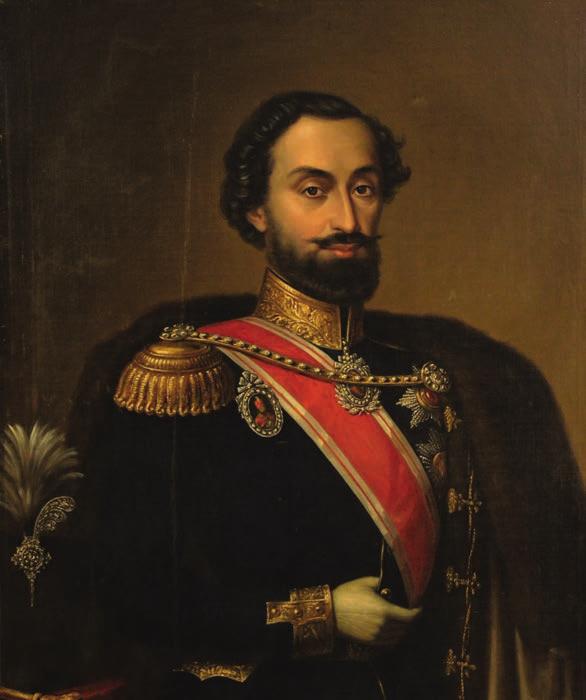
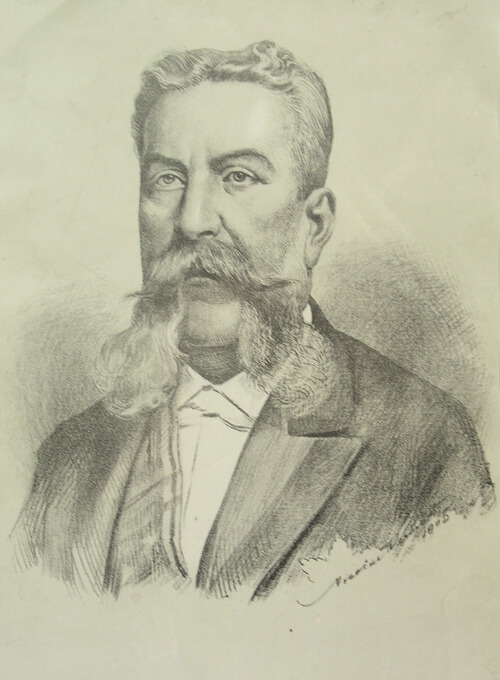
Alexandru Ioan Cuza (1820-1873) was the first ruler of the United Principalities of Moldavia and Wallachia and one of the central figures in the creation of modern Romania. Elected prince of Moldavia in January 1859 and then of Wallachia later that same month, he turned a political compromise into an effective union and spent the next seven years building common institutions, reforming land ownership, education, law, and administration, and laying much of the institutional foundation on which the Romanian state developed.
Cuza was born in Bârlad into a Moldavian boyar family and received part of his education in Paris. He entered public service and the army, gradually becoming involved in the unionist movement that sought to bring Moldavia and Wallachia together. In 1857, while serving as pârcălab of Galați, he resigned in protest against attempts by the Moldavian authorities to manipulate elections for the ad hoc assembly. The new elections produced a strong victory for the unionist movement, and Cuza himself was elected as a deputy.
The political breakthrough came in 1859. Cuza was elected prince of Moldavia on January 5, and on January 24 the Wallachian assembly in Bucharest also chose him as its ruler. The double election exploited a gap in the international agreement governing the principalities and effectively placed both under one prince. The arrangement was initially still fragile: Moldavia and Wallachia retained separate governments, assemblies, and administrations, and the Great Powers did not immediately accept a permanent union.
Cuza spent the first years of his reign turning that personal union into a functioning state. Customs, postal services, telegraphs, and other institutions were gradually unified, while diplomacy secured wider recognition of the new political arrangement. By 1862, a single government and parliament had been created, Bucharest became the capital, and the united country increasingly operated simply as Romania.
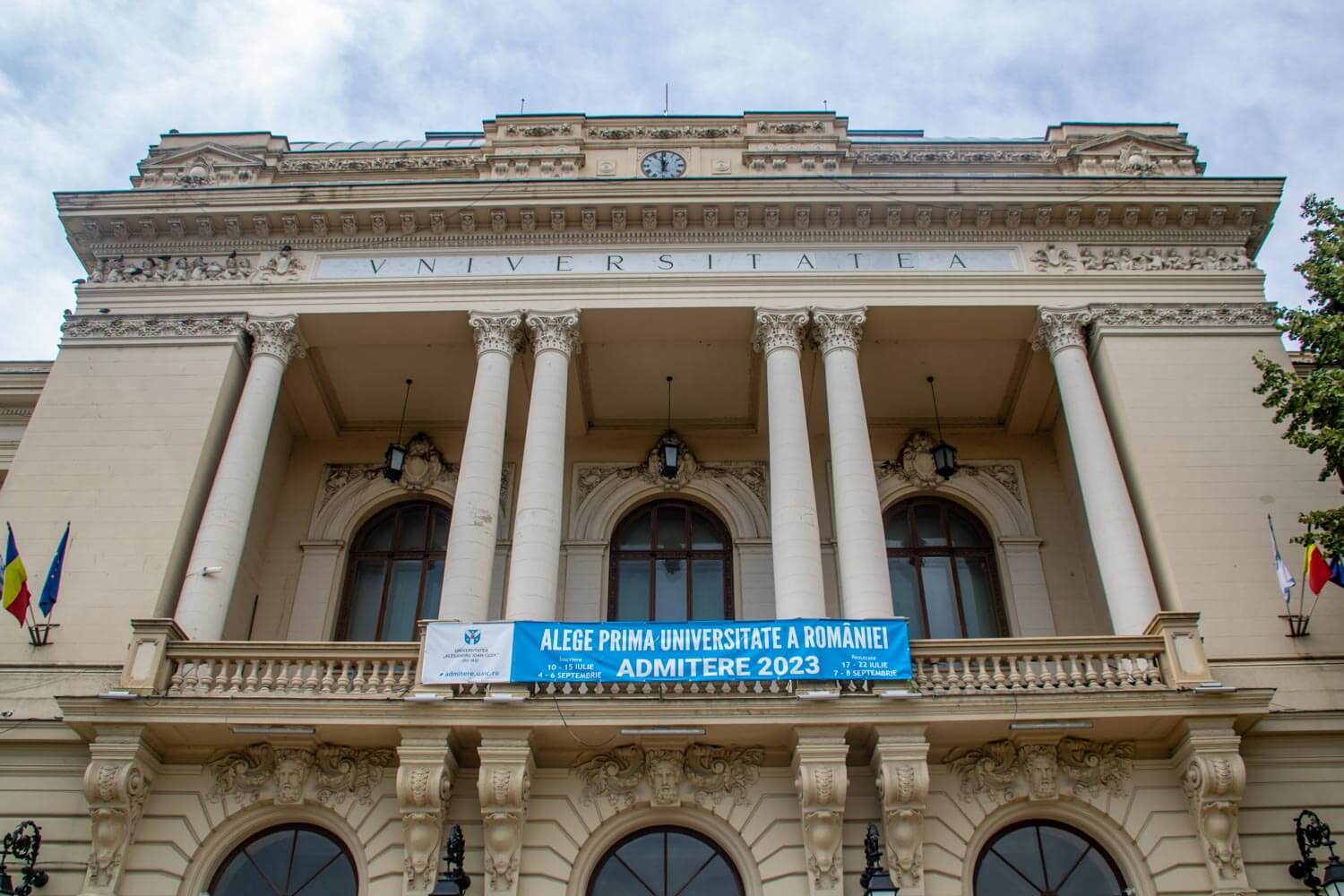
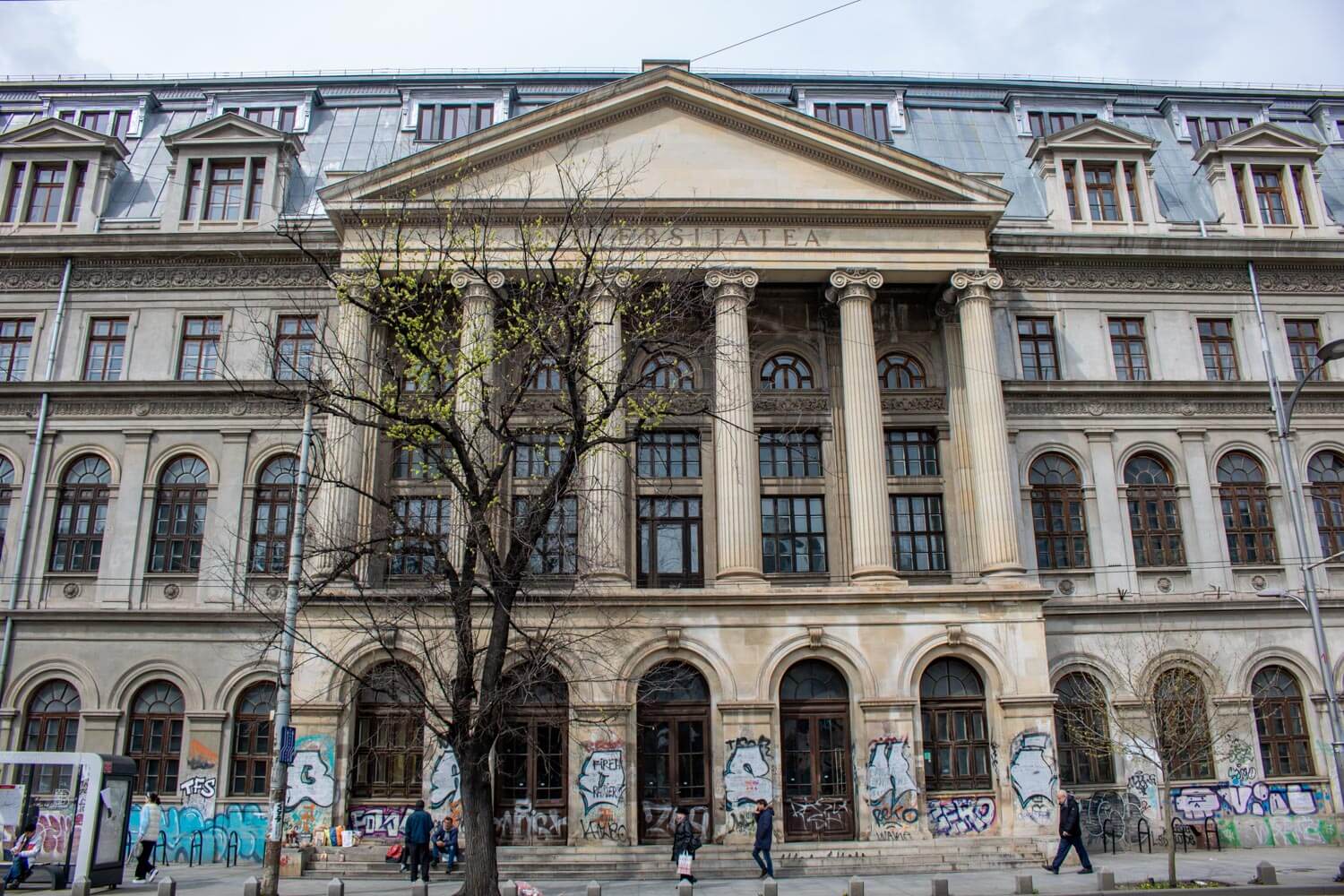
The most far-reaching phase of his reign came through his partnership with Mihail Kogălniceanu, who became prime minister in 1863. Their government secularized the enormous estates held by monasteries, bringing a large share of the country’s land under state control. It also expanded education, reorganized administration, introduced modern legal codes, strengthened the army, and created institutions such as the Court of Accounts and Council of State. The universities of Iași and Bucharest also developed under Cuza’s rule as part of a broader effort to modernize education.
The most contentious reform was the agrarian law of 1864. Large numbers of peasants still owed labor obligations to landowners, and the government wanted to abolish these duties and provide peasant households with land. Conservative opposition blocked the program in parliament, prompting Cuza to dissolve the assembly and introduce a new constitutional framework that greatly increased his own authority. The land reform then went ahead, freeing peasants from feudal labor obligations and distributing land to many rural families.
These measures made Cuza popular among many peasants but increasingly isolated him politically. Conservatives resented the agrarian reforms and seizure of monastic estates, while radical liberals objected to his authoritarian turn and the concentration of power after 1864. Economic difficulties, administrative abuses, and growing dissatisfaction brought former political enemies together in the coalition later nicknamed the Monstrous Coalition.
In February 1866, officers entered the palace and forced Cuza to sign an act of abdication. He left the country without attempting armed resistance. A provisional regency took power, and within months the German prince Carol of Hohenzollern-Sigmaringen arrived as the new ruler, beginning the dynasty that would later turn Romania into a kingdom.
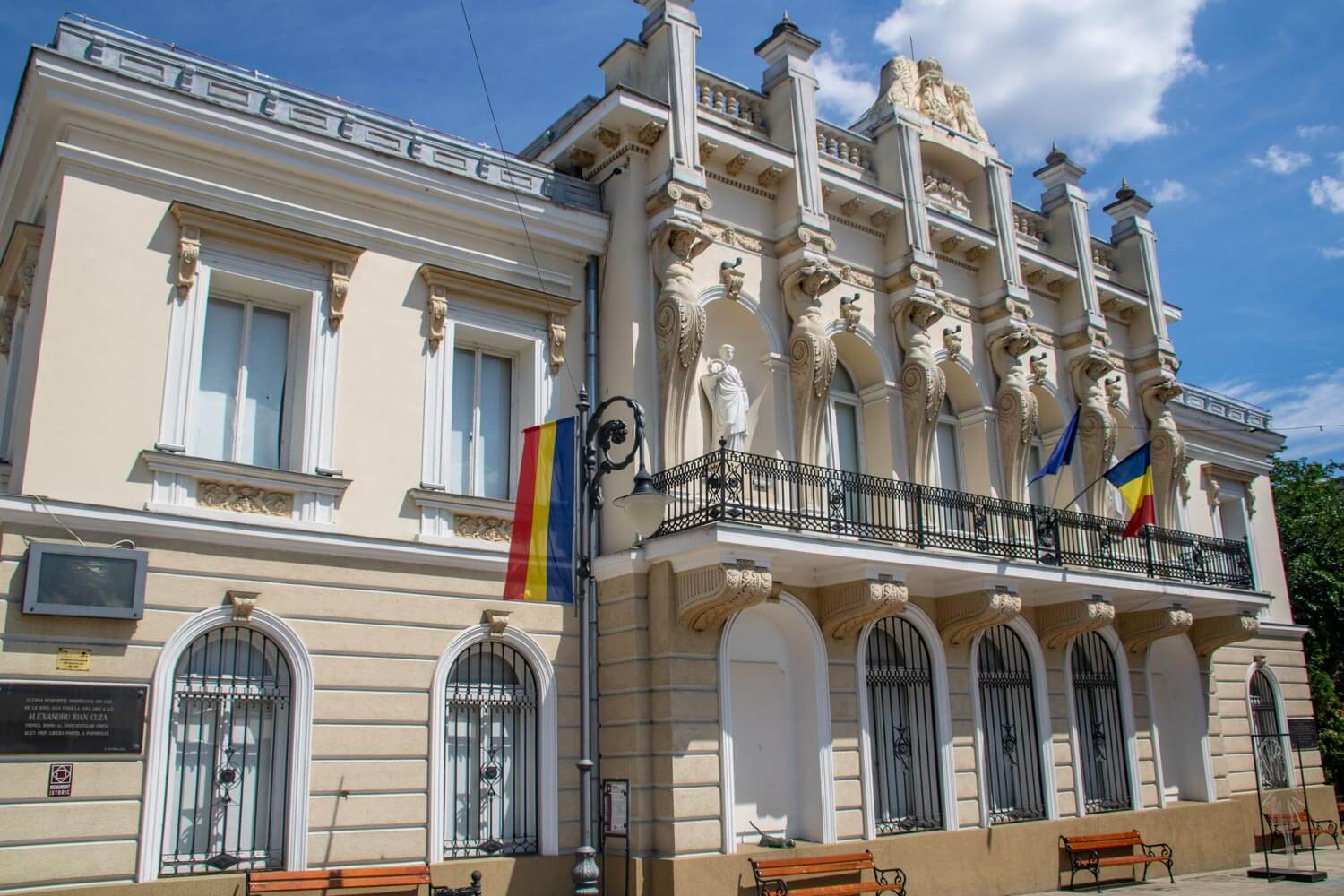
Several places still preserve Cuza’s life particularly clearly. In Iași, the building that now houses the Union Museum served as his princely residence from 1859 to 1865. It was from here that he governed during the crucial first years of the Union, and the palace later became a museum devoted to the creation of the United Principalities and to Cuza’s reign.
Cuza also purchased Ruginoasa Palace in 1862 as a country residence for his family. Elena Cuza furnished the house, and the estate became the family’s principal private home away from political life. The palace now houses the Alexandru Ioan Cuza Memorial Museum, with reconstructed interiors and objects connected with the ruler and his family.
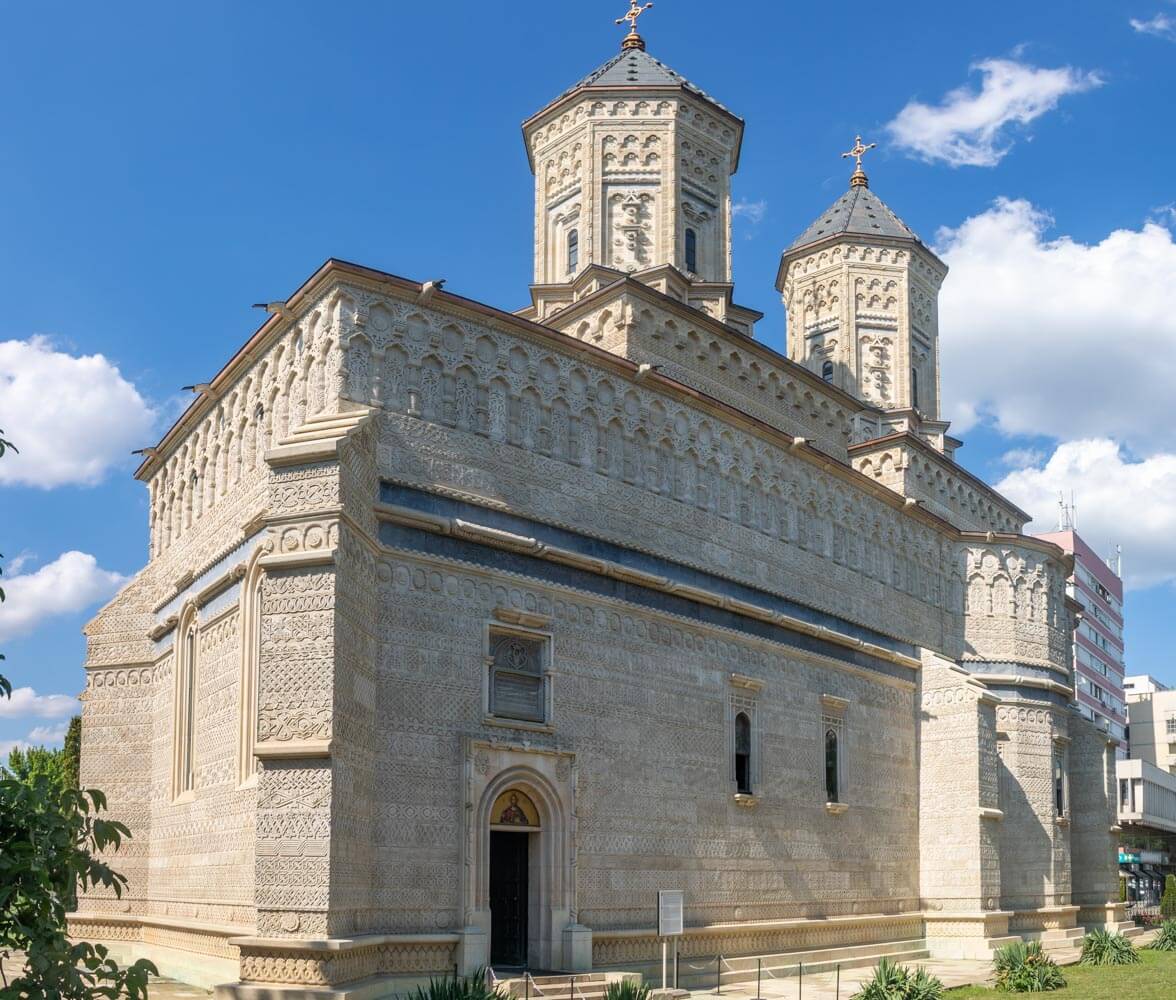
After his abdication, Cuza spent the rest of his life in exile, living in places including Vienna, Florence, and Heidelberg, where he died in 1873. His body was brought back to Romania and initially buried at Ruginoasa, but during World War II his remains were moved for safety. They were eventually placed in the Three Hierarchs Monastery in Iași, where his tomb remains today beside those of other major figures in Moldavian and Romanian history.
Cuza’s reign lasted only seven years, but the changes introduced during that period permanently altered the political and social structure of the country. The union became an effective state, modern legal and administrative institutions were created, education expanded, monastic landholdings were transformed, and the agrarian system was fundamentally changed. His short reign therefore stands as the bridge between the old principalities of Moldavia and Wallachia and the Romanian state that Carol I inherited in 1866.