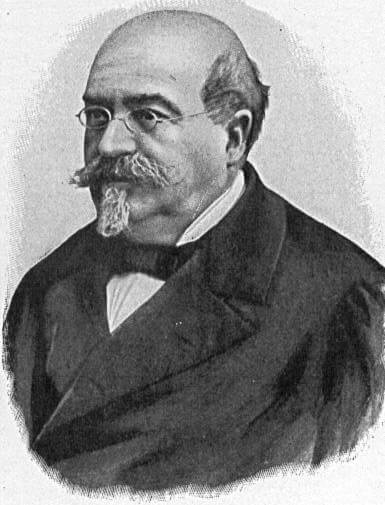
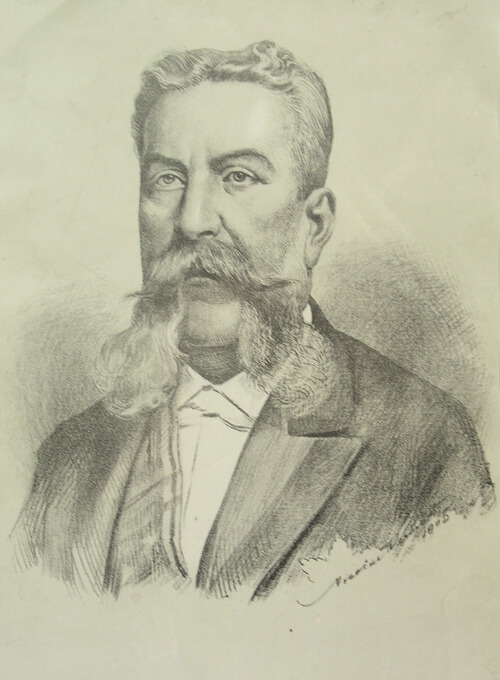
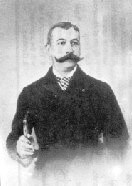
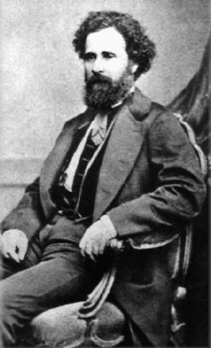
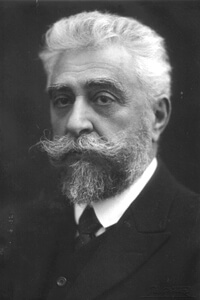
Mihail Kogălniceanu (1817-1891) was a Romanian historian, writer, journalist, statesman, and diplomat who became one of the central political figures in the creation of modern Romania. He helped shape the reform movement of 1848, campaigned for the union of Moldavia and Wallachia, served as prime minister under Alexandru Ioan Cuza, pushed through major land and administrative reforms, and later played a leading role in the declaration and international recognition of Romanian independence.
Kogălniceanu was born in Iași into a Moldavian family that had risen into the boyar elite. After studying locally, he continued his education in France and Berlin, where he attended courses in history and law and absorbed many of the liberal and reformist ideas circulating in Europe at the time. He returned to Moldavia with a strong interest in history, politics, and the development of Romanian culture.
During the 1840s he became increasingly active as a writer, historian, and publisher. He helped launch Dacia literară, a journal that encouraged Romanian writers to draw inspiration from local history, folklore, and society rather than simply imitate foreign models. His historical work also sought to recover chronicles and documents from the Romanian principalities and helped establish a more critical approach to writing Romanian history.
The political upheavals of 1848 brought those cultural ideas into direct contact with reform. Kogălniceanu became one of the principal voices of the Moldavian revolutionary movement and, after leaving the country, drafted Dorințele partidei naționale în Moldova, a program calling for political reform, equality before the law, wider civil rights, and the abolition of feudal obligations. The movement was suppressed, but many of its demands remained central to Romanian politics during the following decade.
After returning to Moldavia, Kogălniceanu became one of the strongest advocates for the union of Moldavia and Wallachia. He joined the Union movement, served in the ad hoc assembly of 1857, and helped formulate the demand for the two principalities to become a single state. When Alexandru Ioan Cuza was elected prince of Moldavia in January 1859, Kogălniceanu addressed him in one of the defining speeches of the moment, presenting the new ruler as the beginning of a new political era. Cuza’s subsequent election in Wallachia created the personal union that became the foundation of modern Romania.
Kogălniceanu became one of Cuza’s most important political partners. He served first as prime minister of Moldavia and later, from 1863 to 1865, as prime minister of the united Romanian state. His government oversaw some of the most important reforms of Cuza’s reign, including the secularization of monastic estates, the creation of the Court of Accounts, military reorganization, and major changes to education and public administration.
The issue closest to Kogălniceanu’s political program was land reform. Much of Romania’s rural population still depended on large landowners and owed labor obligations inherited from the old feudal system. Kogălniceanu argued that political modernization would remain incomplete without freeing peasants from those obligations and giving them land. Resistance in parliament led to a major confrontation in 1864, after which Cuza dissolved the assembly and pushed through a broader reform program. The resulting rural law abolished compulsory labor dues and transferred land to large numbers of peasant households, becoming one of the most consequential social reforms of the period.
Kogălniceanu remained active after Cuza was forced to abdicate in 1866 and continued to hold senior office under Carol I. His next defining role came during the Romanian War of Independence. As foreign minister in 1877, he negotiated the convention that allowed Russian troops to cross Romanian territory during the war with the Ottoman Empire and stood before parliament in May to declare that Romania now considered itself an independent state. Parliament subsequently voted for independence, and Romanian forces entered the war against the Ottoman Empire.
After the war, Kogălniceanu joined Prime Minister Ion C. Brătianu in representing Romania at the Congress of Berlin in 1878, where they argued for international recognition of the country’s independence and defended its territorial interests. Romania’s independence was recognized, although the settlement also forced the country to accept territorial and political conditions imposed by the Great Powers.
His cultural work continued alongside politics. Kogălniceanu became a member of the Romanian Academic Society in 1868 and later served as president of the Romanian Academy from 1887 to 1890. He donated manuscripts, letters, and historical documents to the institution, reflecting the lifelong interest in historical research that had begun well before his political career reached its height.
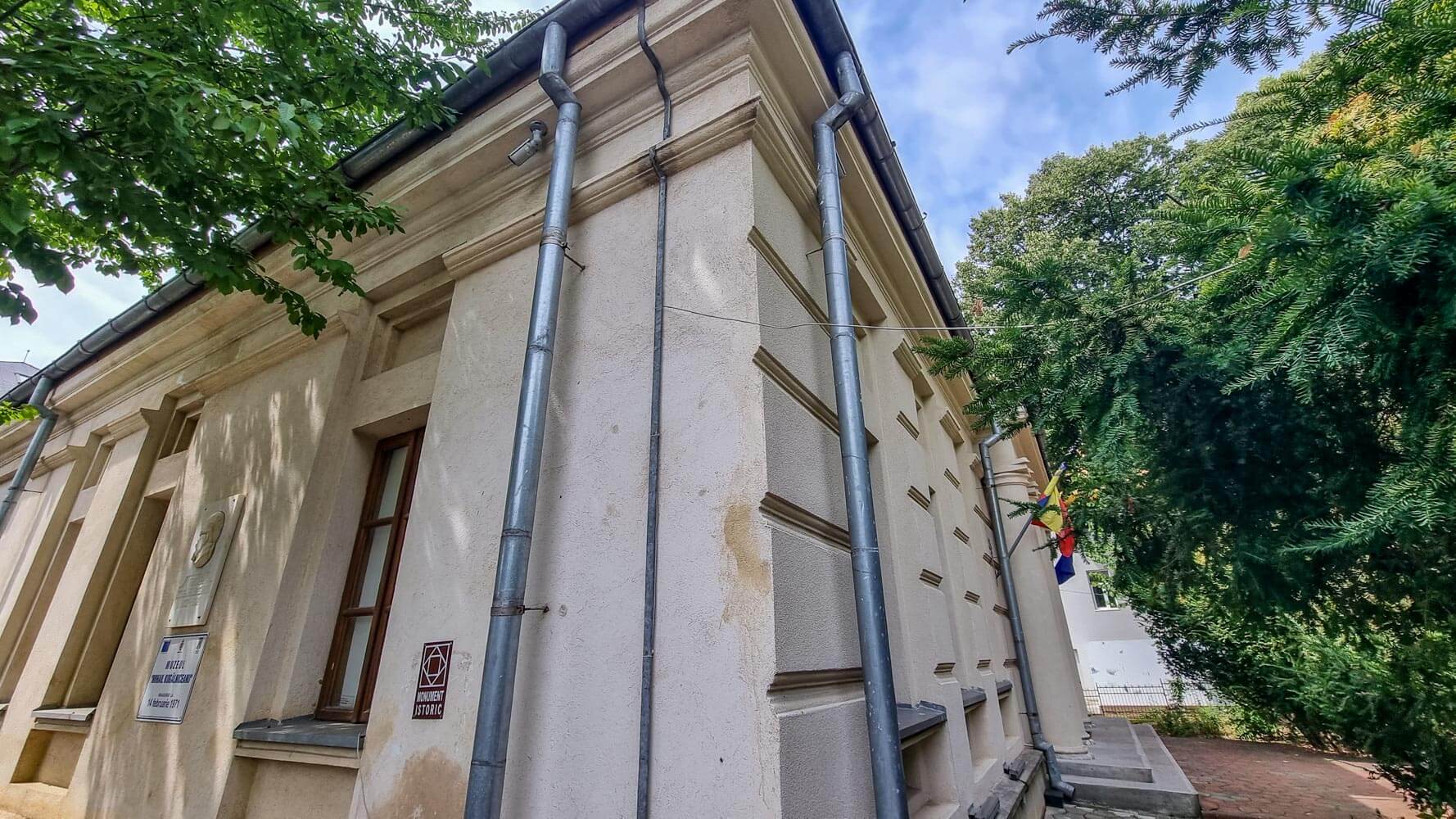
Kogălniceanu died in Paris in 1891 and was buried at Eternitatea Cemetery in Iași. His strongest personal memorial survives in the same city at the Mihail Kogălniceanu Memorial Museum, housed in the family home where he was born and lived. The house also became a meeting place for members of the 1848 generation and today preserves documents, furniture, and objects connected with his work as historian, journalist, reformer, and statesman.
His name remains highly visible across Romania, carried by streets, schools, institutions, monuments, and Mihail Kogălniceanu International Airport near Constanța. Together with his memorial house in Iași, these reminders reflect the unusually broad reach of a career that stretched from historical scholarship and revolutionary politics to the Union, Cuza’s reforms, Romanian independence, and diplomacy.