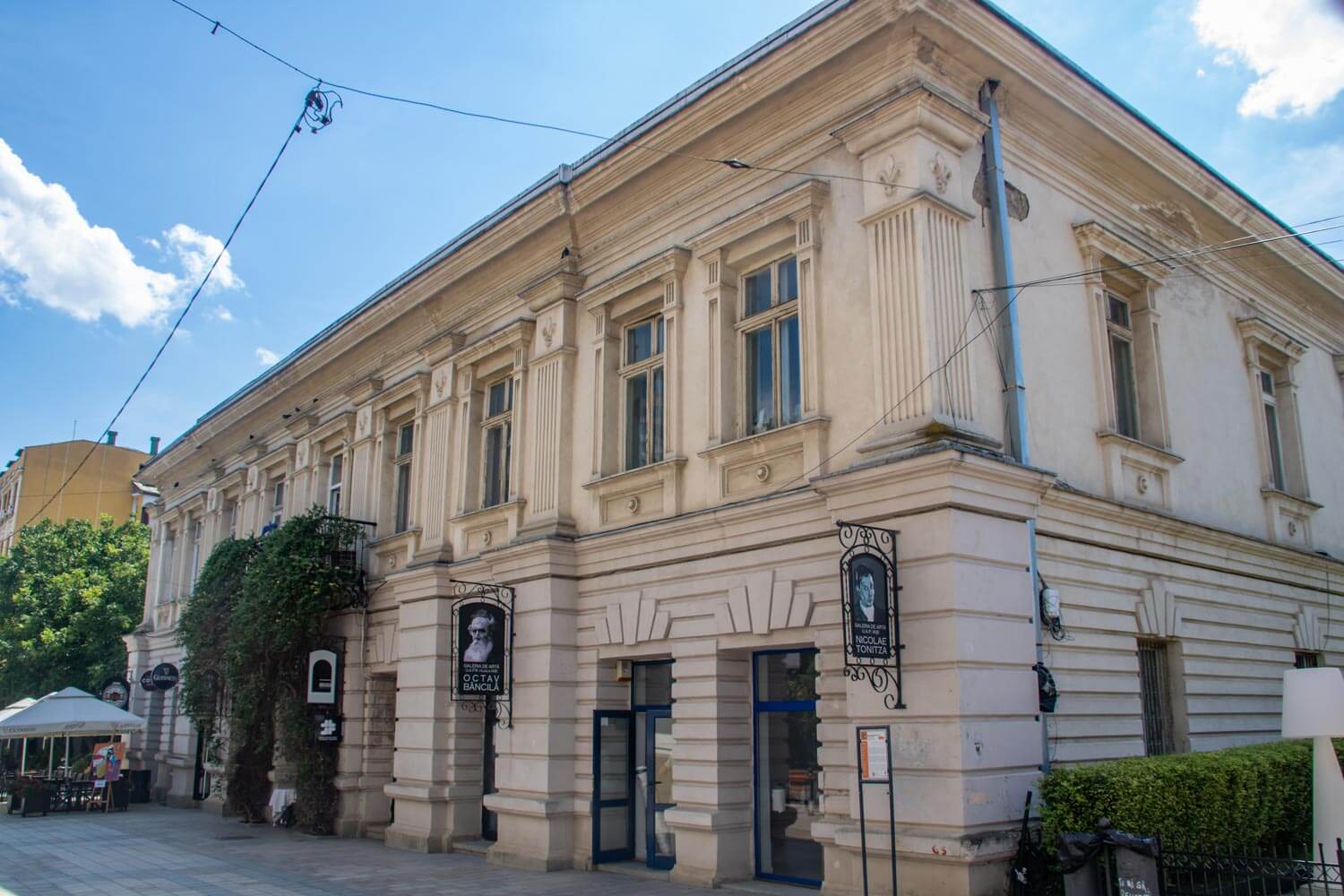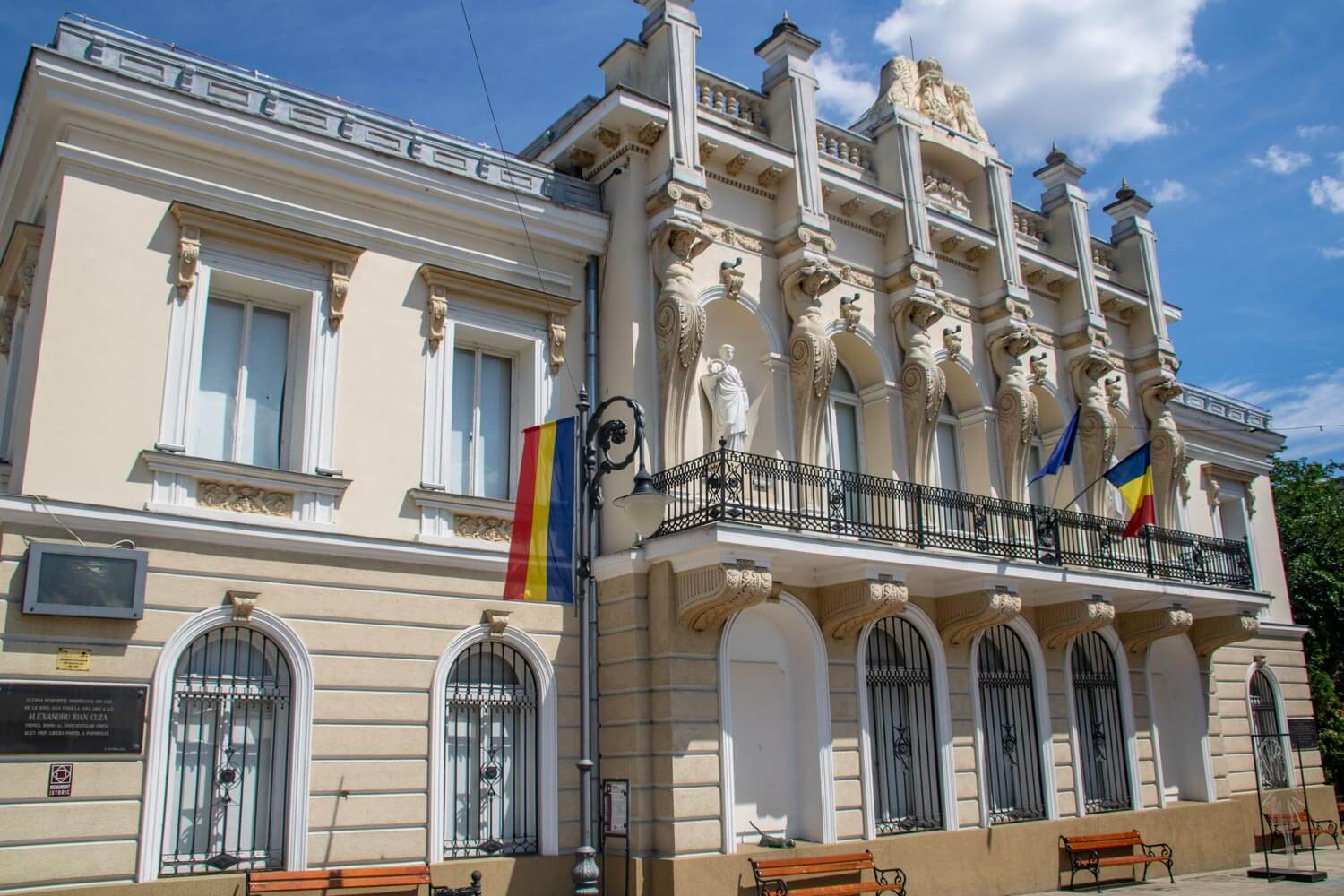
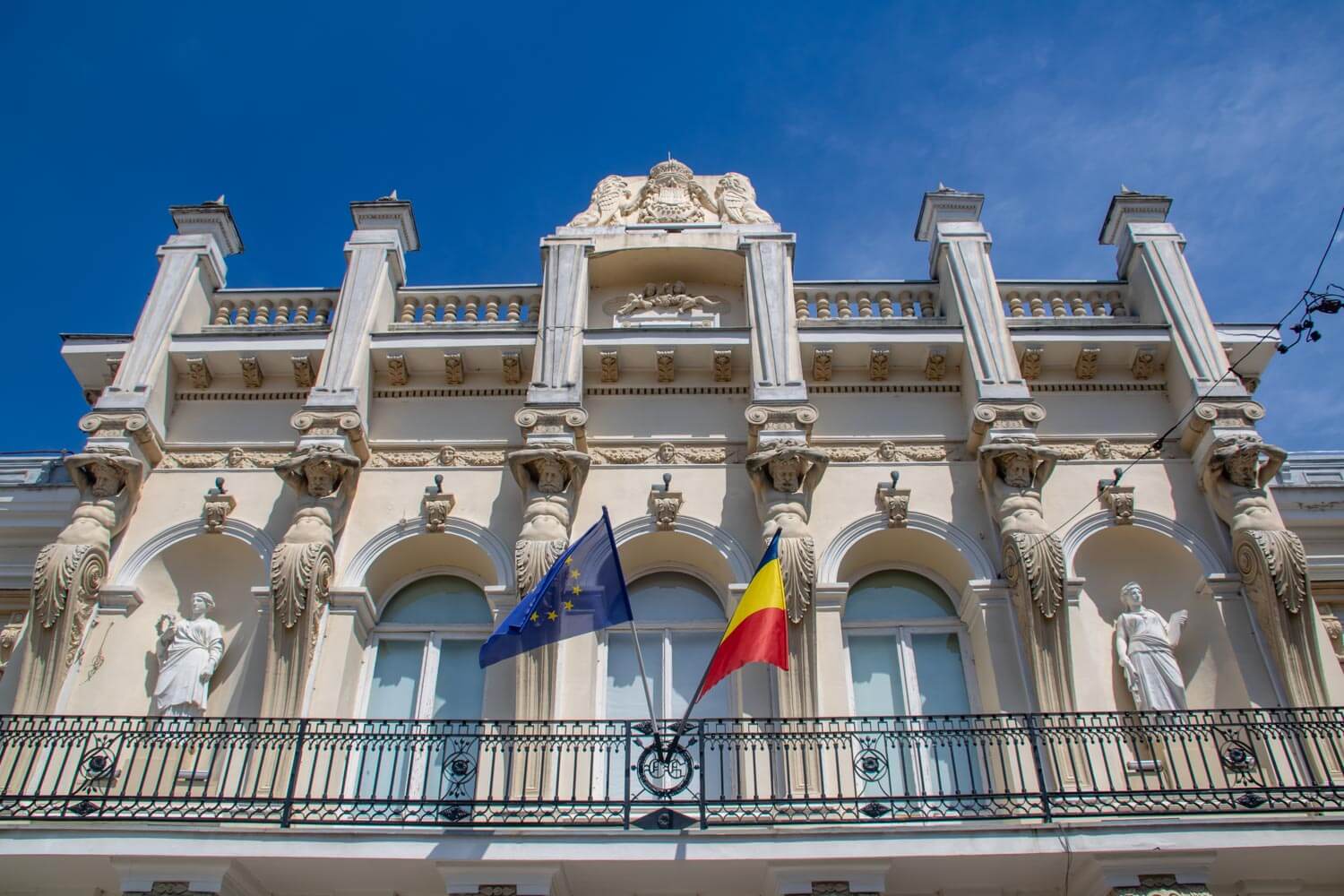
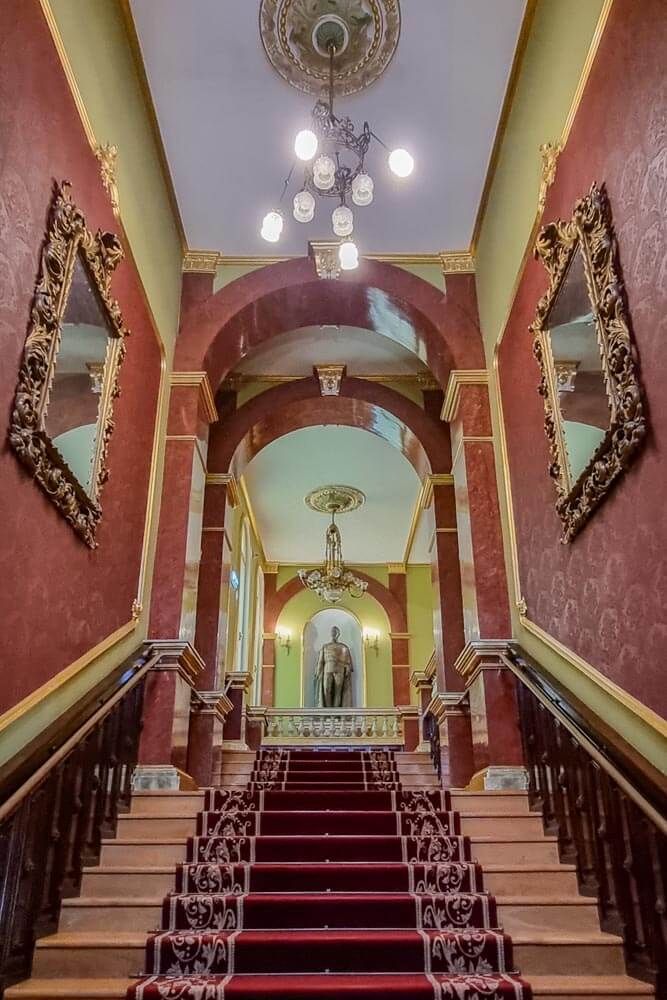
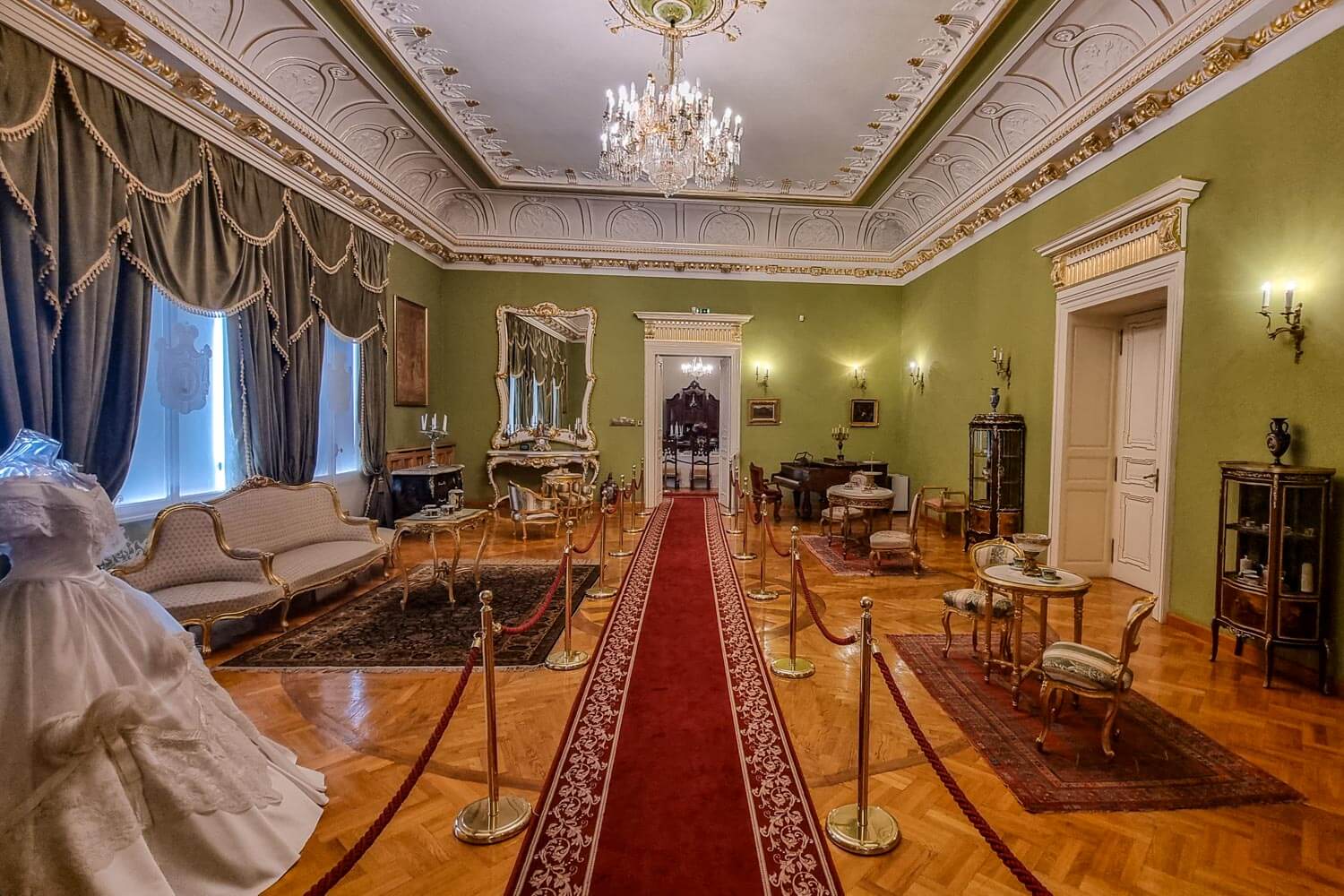
The Union Museum (Muzeul Unirii) is a history museum in Iași devoted to the 1859 Union of Moldavia and Wallachia and to the reign of Alexandru Ioan Cuza. It occupies the former Cuza Palace, a Neoclassical residence that served as the ruler’s home in Iași and later as a wartime residence of King Ferdinand I.
Built in the early 19th century, the house passed through several prominent Moldavian families before becoming an important meeting place for supporters of the unionist movement. Figures such as Vasile Alecsandri, Costache Negri, and Mihail Kogălniceanu gathered here during the political campaign that eventually led to the election of Alexandru Ioan Cuza as ruler of both Moldavia and Wallachia in 1859.
Cuza used the palace as his Iași residence during the first years of the United Principalities. One of the most significant moments associated with the house came in December 1861, when he signed the declaration announcing the administrative unification of Moldavia and Wallachia after international recognition of the union. The building consequently became known as Cuza Palace.
After Cuza’s reign, the property returned to private ownership and was later acquired by the Iași Urban Credit Society. Its political importance resurfaced during World War I, when the Romanian government and royal court withdrew to Iași after the occupation of Bucharest. King Ferdinand I used the building as a residence and royal headquarters during this period.
The state acquired the house in 1937, when a museum dedicated to Cuza was established on the upper floor at the initiative of Nicolae Iorga. The present Union Museum opened on 24 January 1959, marking the centenary of the Union of the Principalities.
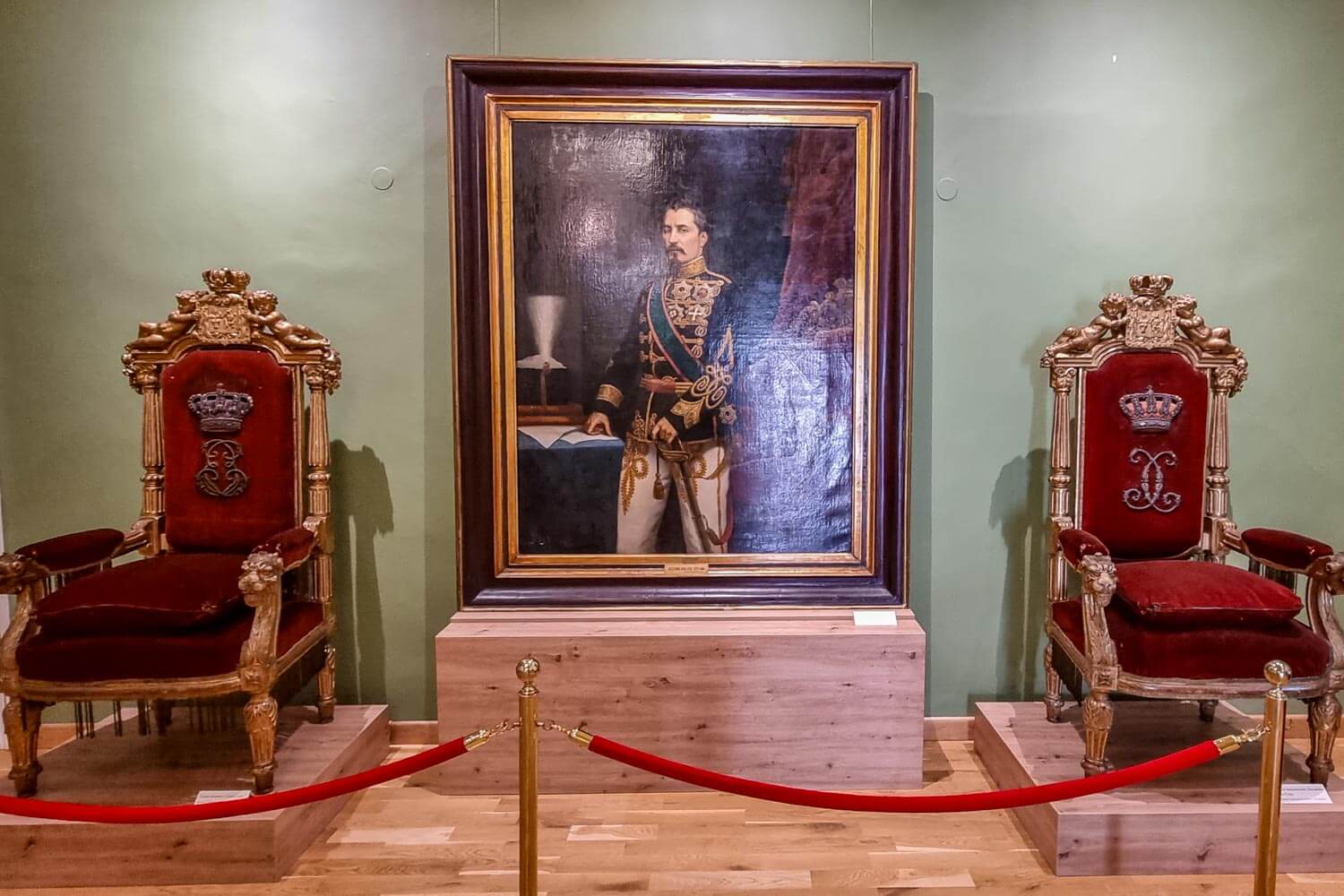
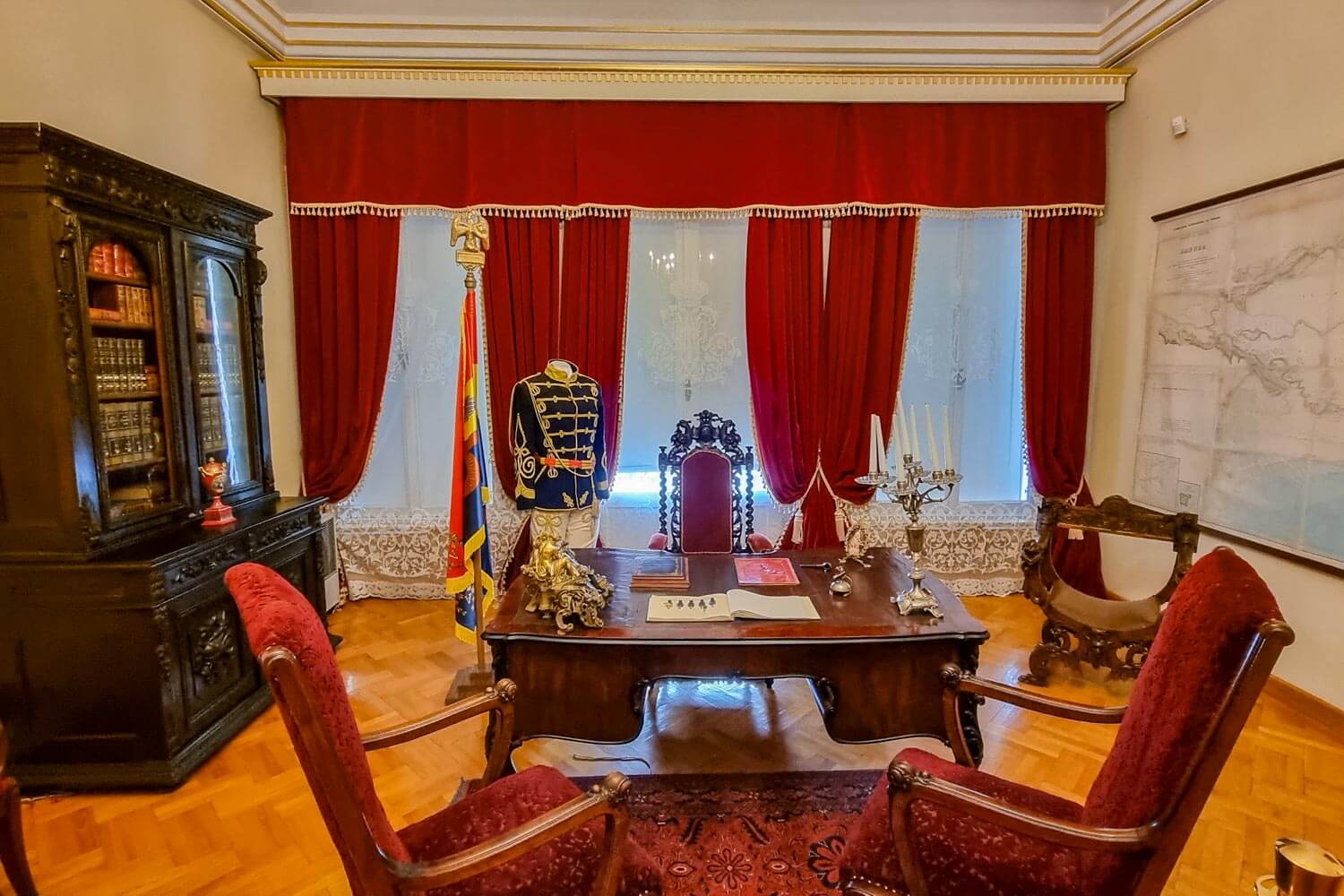
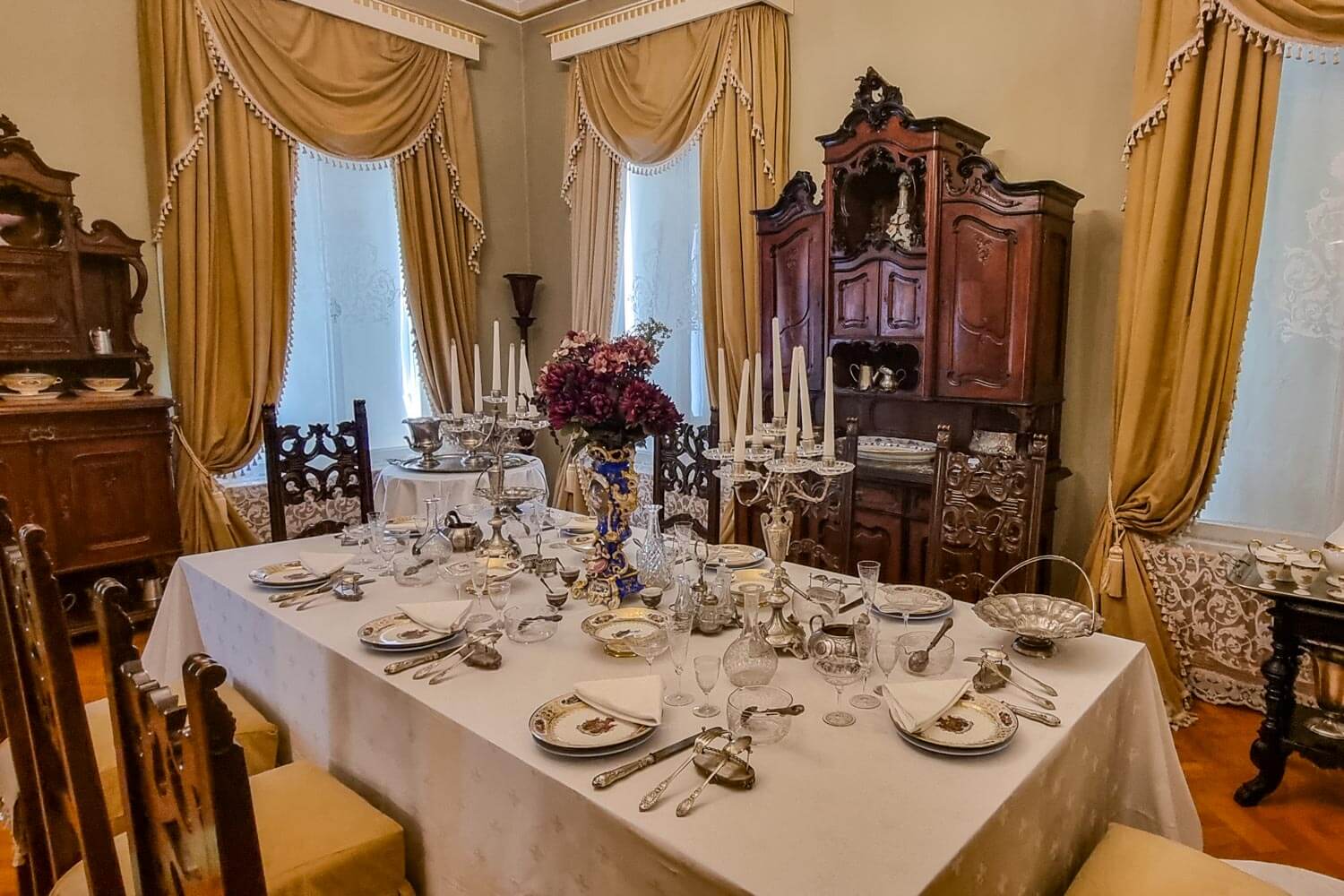
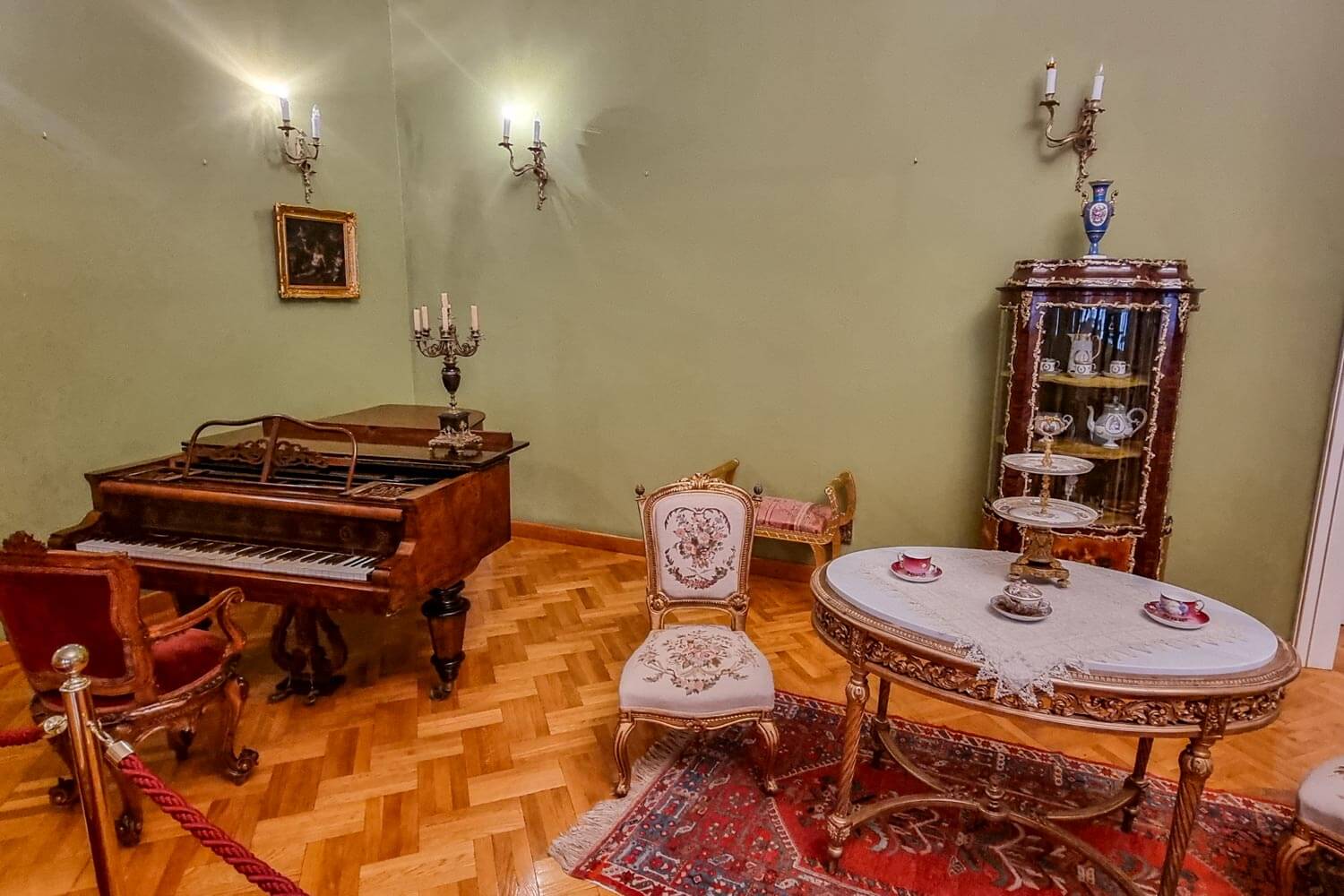
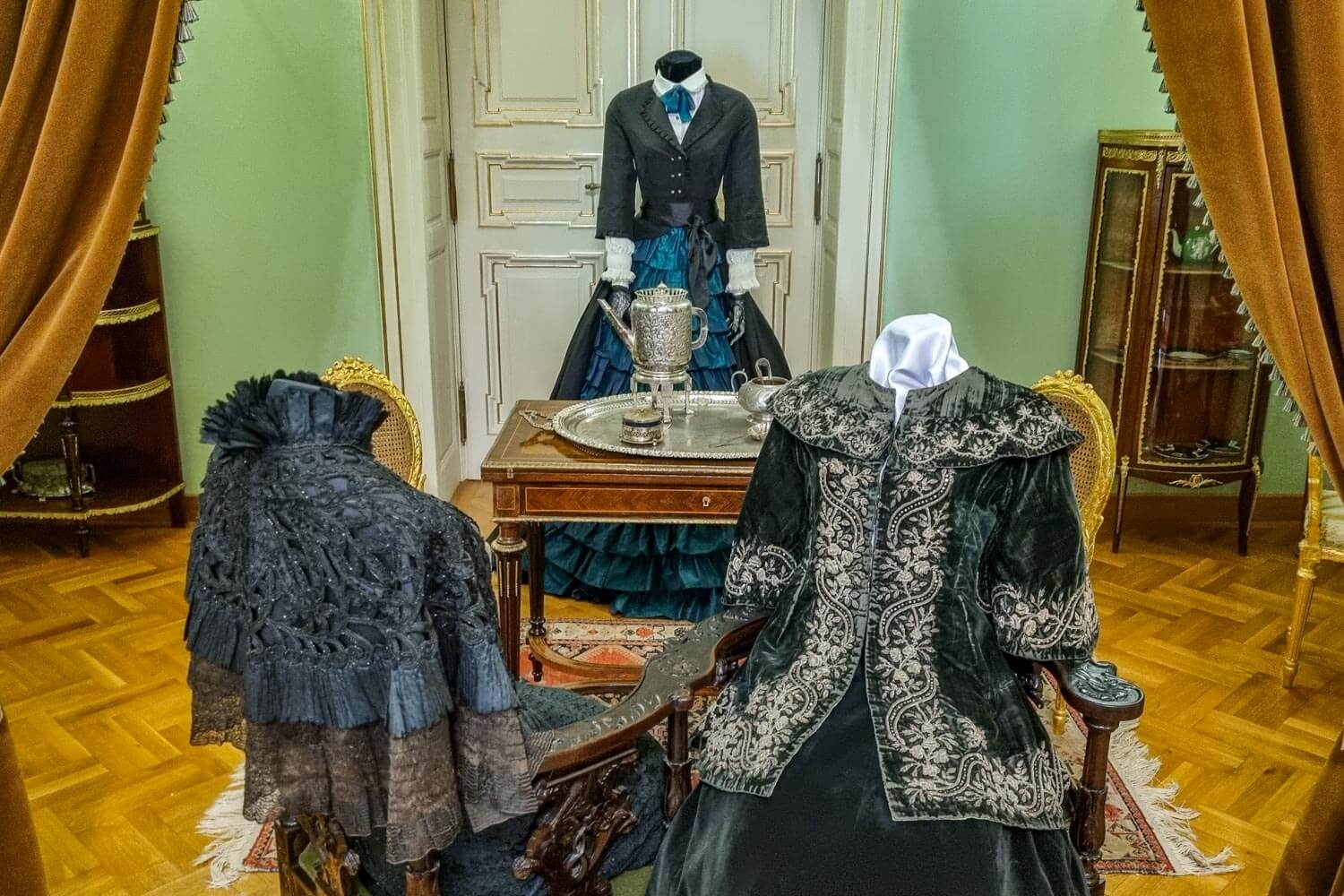
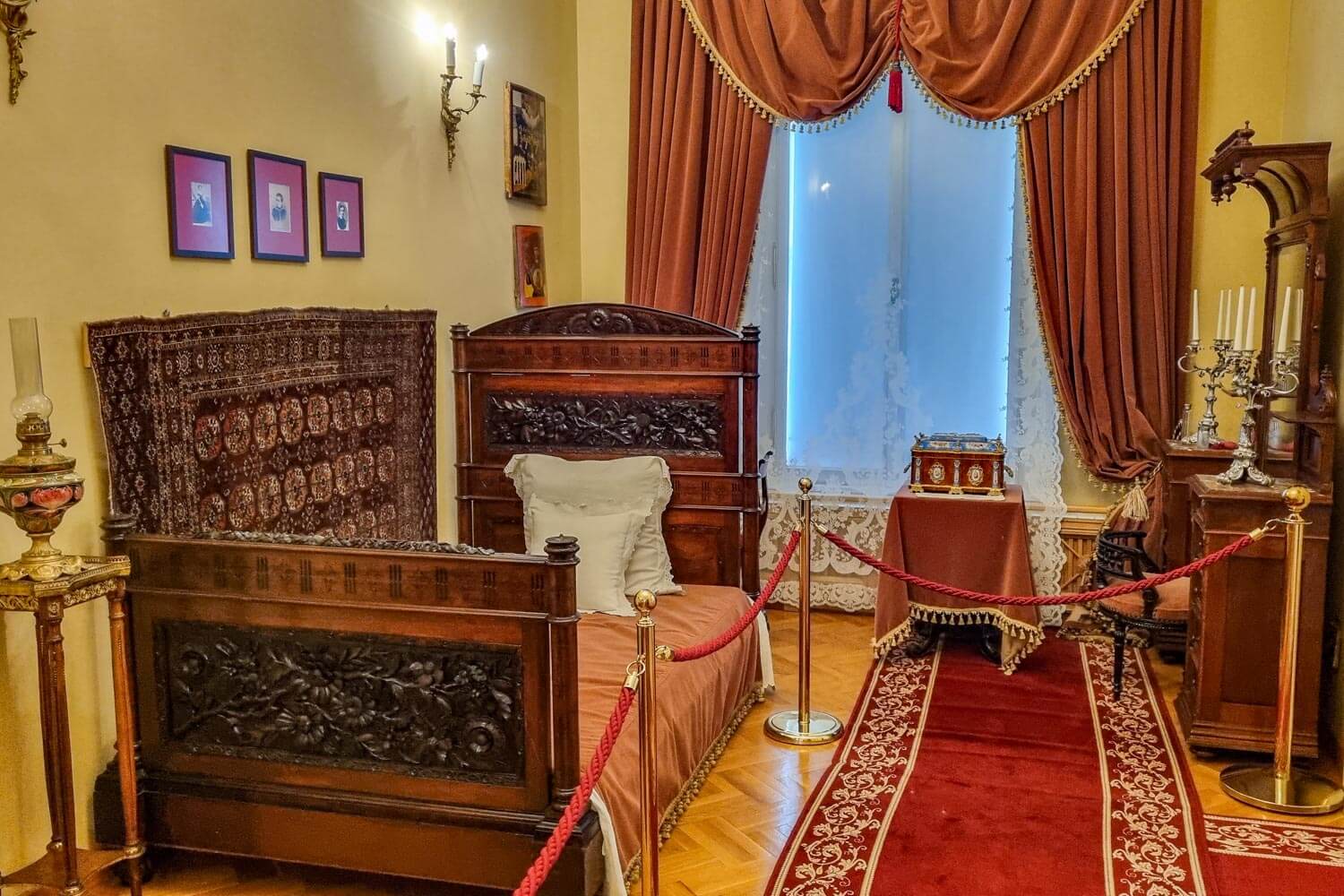
The ground floor presents the political background to the union, Cuza’s double election, the people involved in the movement, and the reforms introduced during his reign. Upstairs, the former princely apartments recreate the atmosphere of a mid-19th-century residence through Cuza’s study, Elena Cuza’s rooms, the dining room, salon, billiard room, and bedroom. Furniture, porcelain, silverware, clocks, textiles, photographs, documents, old maps, rare books, coins, and medals include objects that belonged to the Cuza family and other members of the period’s aristocracy.