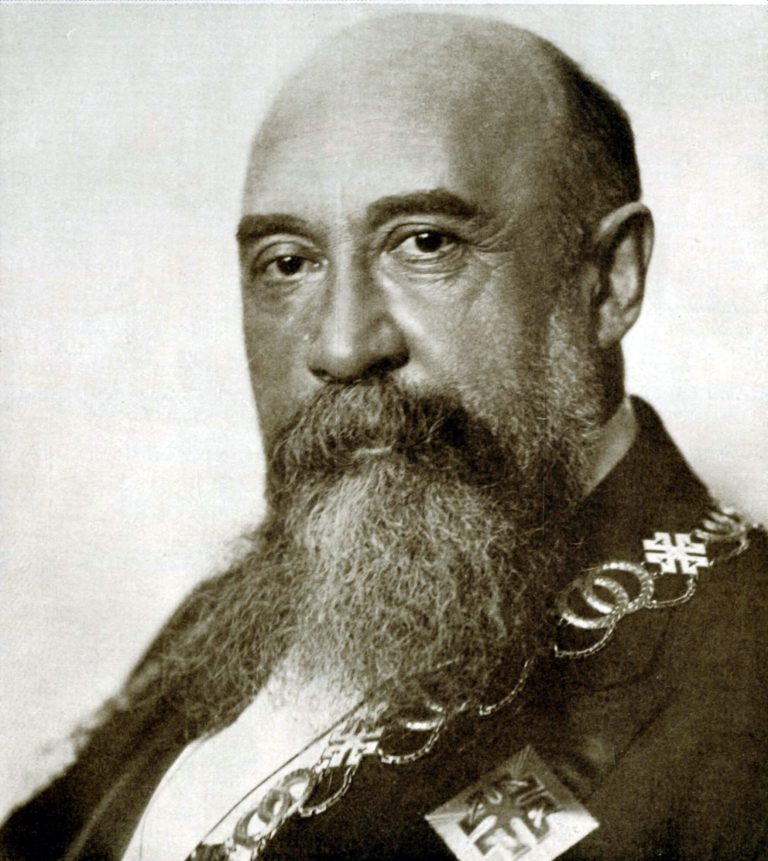
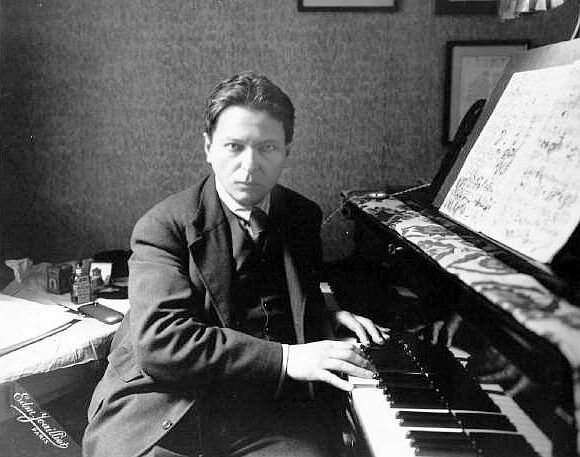
Nicolae Iorga (1871-1940) was a Romanian historian, writer, professor, journalist, and politician whose work ranged across almost every period of Romanian history. He combined an extraordinary academic career with an equally public life, using books, newspapers, lectures, schools, and political office to shape how Romanians understood their past and their place in Europe. His name remains attached to museums, monuments, streets, schools, and one of Romania’s principal historical research institutes.
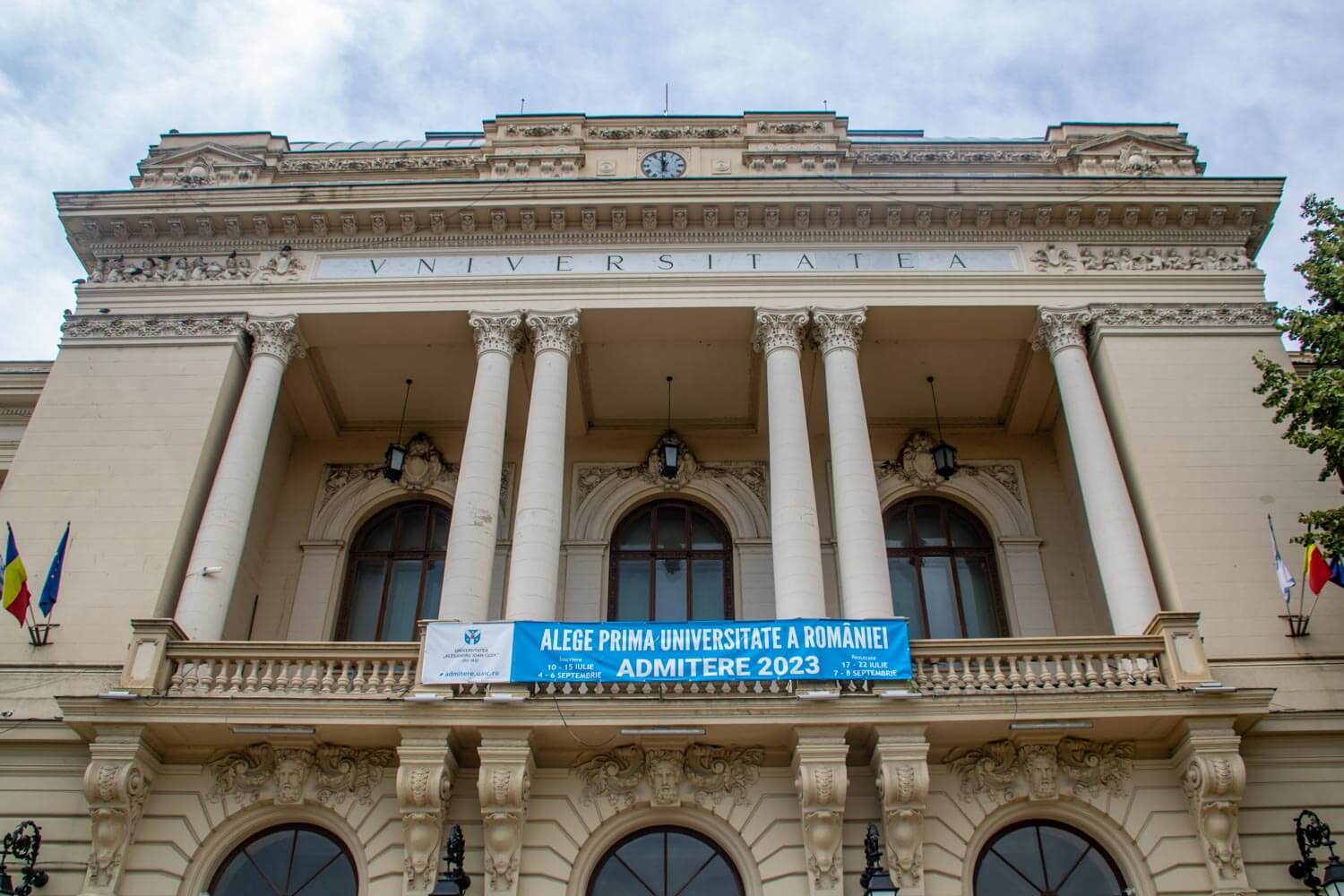
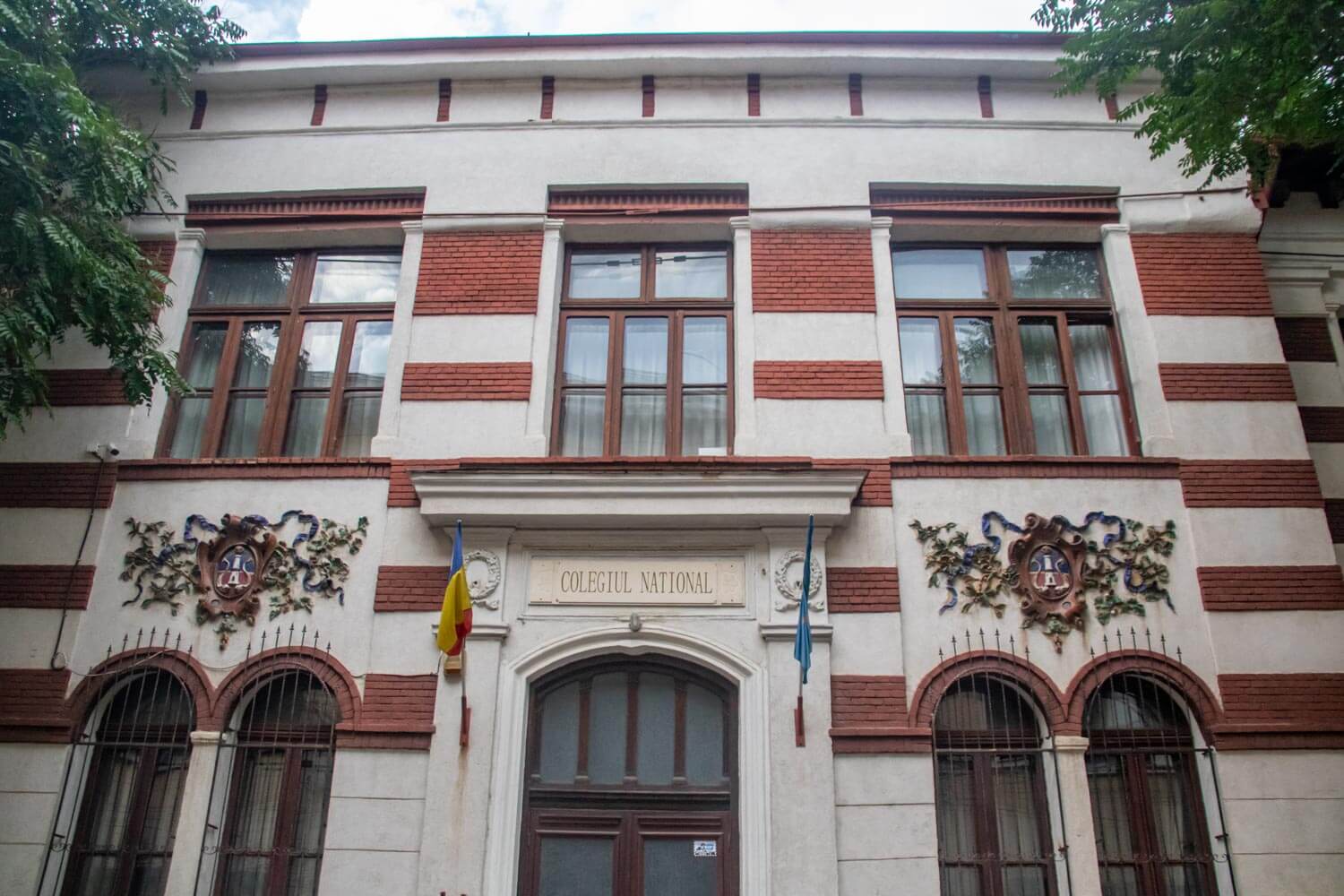
Iorga was born in Botoșani in 1871 and showed unusual intellectual ability from an early age. After completing his secondary education at the National High School in Iași, he entered the University of Iași, where he progressed rapidly before continuing his studies in France and Germany. There he worked with medieval documents and developed the research methods that would shape his later historical work.
At only 23, he became professor of world history at the University of Bucharest, beginning a teaching career that made him one of the most influential Romanian scholars of his generation. He later became a full member of the Romanian Academy and received recognition from universities and academic institutions across Europe.
His output was enormous. Iorga wrote histories of Romania, the Byzantine and Ottoman worlds, southeastern Europe, literature, art, and political institutions, while also publishing editions of documents, newspaper articles, plays, memoirs, and travel writing. Rather than treating Romanian history in isolation, he placed it within the wider development of the Balkans and Europe. He also founded research and educational institutions, including the popular summer university at Vălenii de Munte and the Institute for the Study of Universal History, now the Nicolae Iorga Institute of History in Bucharest.
His interest in the past was closely connected with his ideas about the Romanian nation. Iorga promoted education, cultural unity, and the preservation of historic monuments, traditions, and documents. He believed that history should reach beyond universities and become part of public life, which explains the importance he placed on public lectures, newspapers, cultural associations, and schools. His historical writing helped shape Romanian national consciousness during the decades before and after the creation of Greater Romania in 1918.
That nationalism also contained more troubling elements. At different stages of his career, Iorga used antisemitic language and supported political movements that restricted the place of Jewish citizens within Romanian society. Although his views changed over time and he later condemned the violence and revolutionary fascism of the Iron Guard, this part of his public record cannot be separated from his wider political influence.
Iorga entered parliament in 1907 and remained involved in politics for much of his life. He founded the Democratic Nationalist Party, held ministerial posts, and served as prime minister from 1931 to 1932, during the economic and political difficulties of the Great Depression. His government proved short-lived, and his strengths as a scholar and public speaker did not translate easily into stable political leadership. During the 1930s, he increasingly opposed the Iron Guard and its use of political violence, while remaining close to the authoritarian royal regime of King Carol II.
That conflict ultimately led to his death. On November 27, 1940, members of the Iron Guard abducted Iorga from his home and murdered him near Strejnic, outside Ploiești. The killing of one of Romania’s best-known scholars caused outrage inside and outside the country and became one of the most notorious crimes of the Legionary period. The historical institute he had founded was led by him until the month of his assassination and continues to bear his name.
Iorga’s research also created connections far beyond Romania. In Florence, he identified and published the 1462 baptismal formula written by Archbishop Pal Engjëlli, one of the earliest surviving texts in the Albanian language. His work on Albanian history later led King Zog to grant him land in Sarandë, where a Romanian research institute was established.
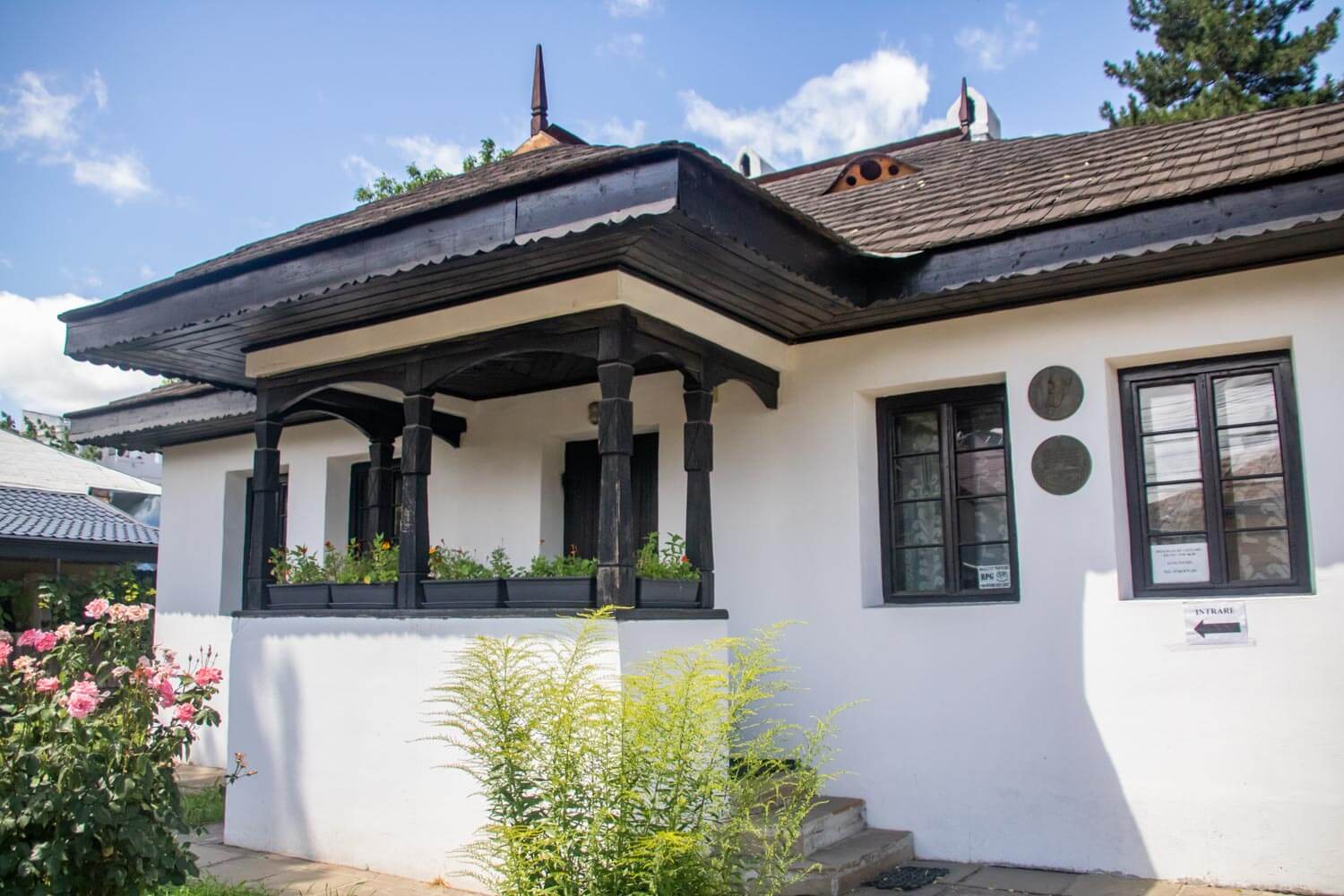
In Romania, the strongest places connected with his life are the Nicolae Iorga Memorial House in Botoșani, preserving the only surviving home occupied by his family during his childhood, and the memorial museum at Vălenii de Munte, where he lived and built much of his cultural and educational work. The Botoșani house recalls his beginnings, while the institutions and collections created around the country reflect the unusually broad legacy of a man who moved constantly between scholarship, culture, and political life.