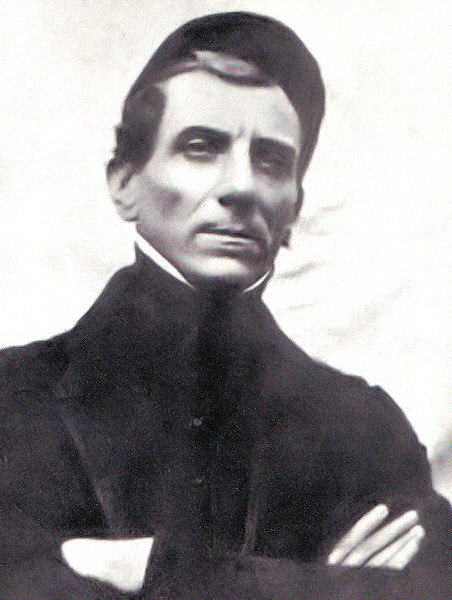
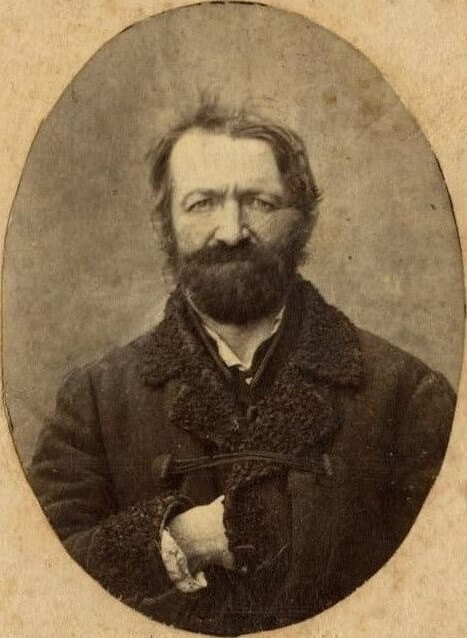
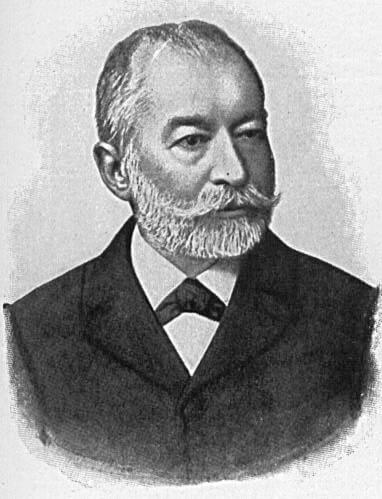
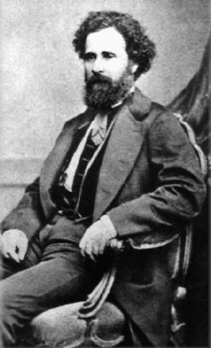
Stephan Ludwig Roth (1796-1849) was a Transylvanian Saxon educator, Lutheran pastor, writer and political thinker whose career moved from school reform into the increasingly tense debates over language, nationality and political rights in 19th-century Transylvania. Born in Mediaș, he became one of the most prominent Saxon public figures of his generation and was executed in Cluj during the revolutionary conflicts of 1848-1849.
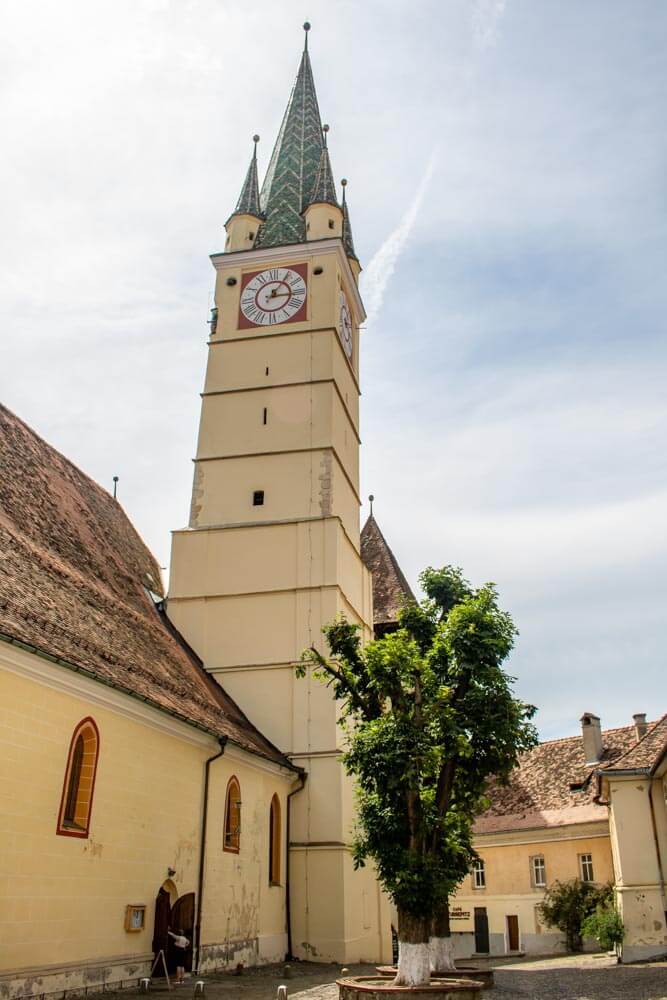
Roth was born in a house within the fortified enclosure around Saint Margaret’s Church, beside the Ropemakers’ Tower. After studying in Mediaș and Sibiu, he continued with theology and philosophy at the University of Tübingen, where his interest in education eventually brought him into contact with the ideas of the Swiss reformer Johann Heinrich Pestalozzi. Roth traveled to Pestalozzi’s institute at Yverdon, worked there as a teacher and returned to Transylvania convinced that schooling should become broader, more practical and more accessible.
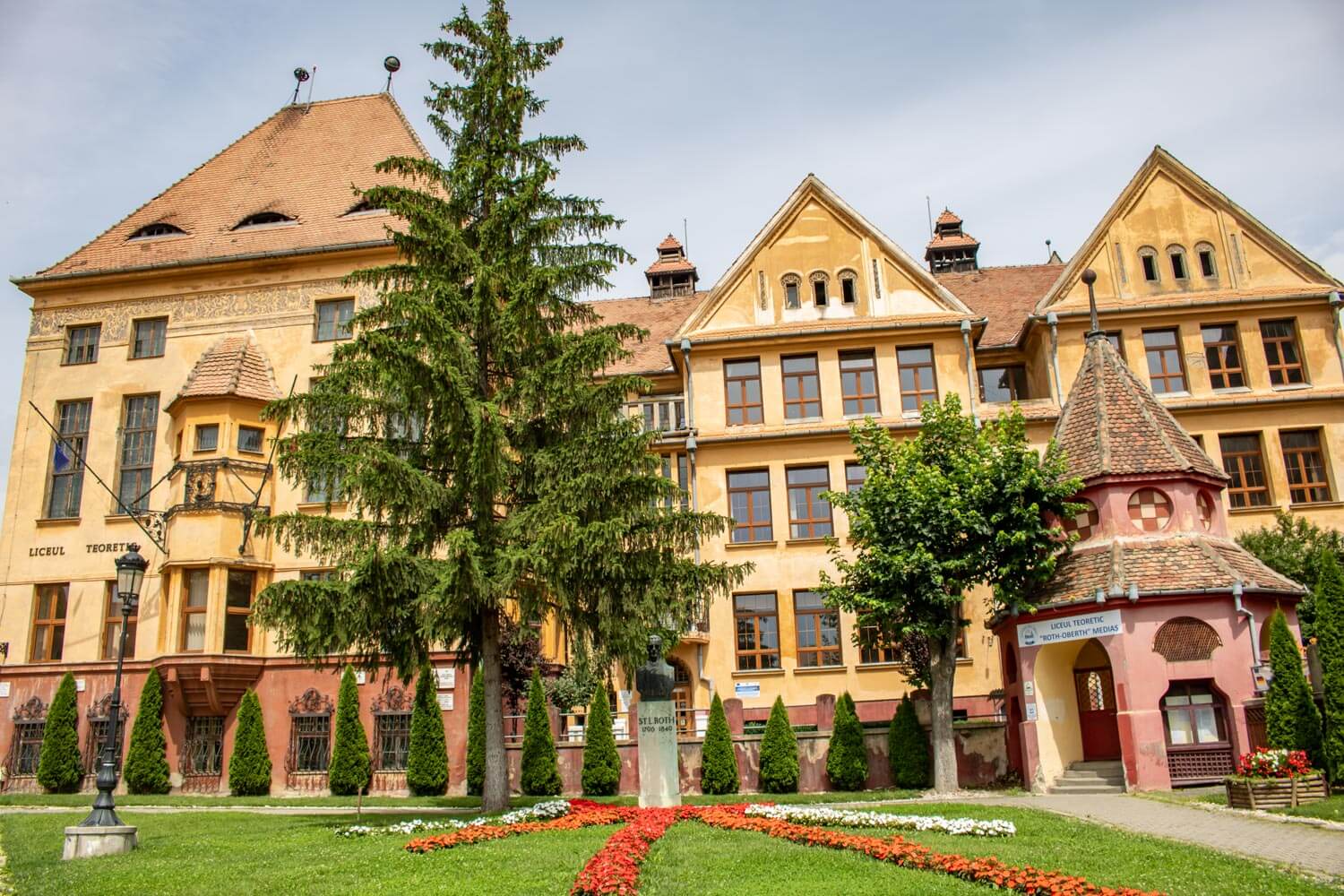
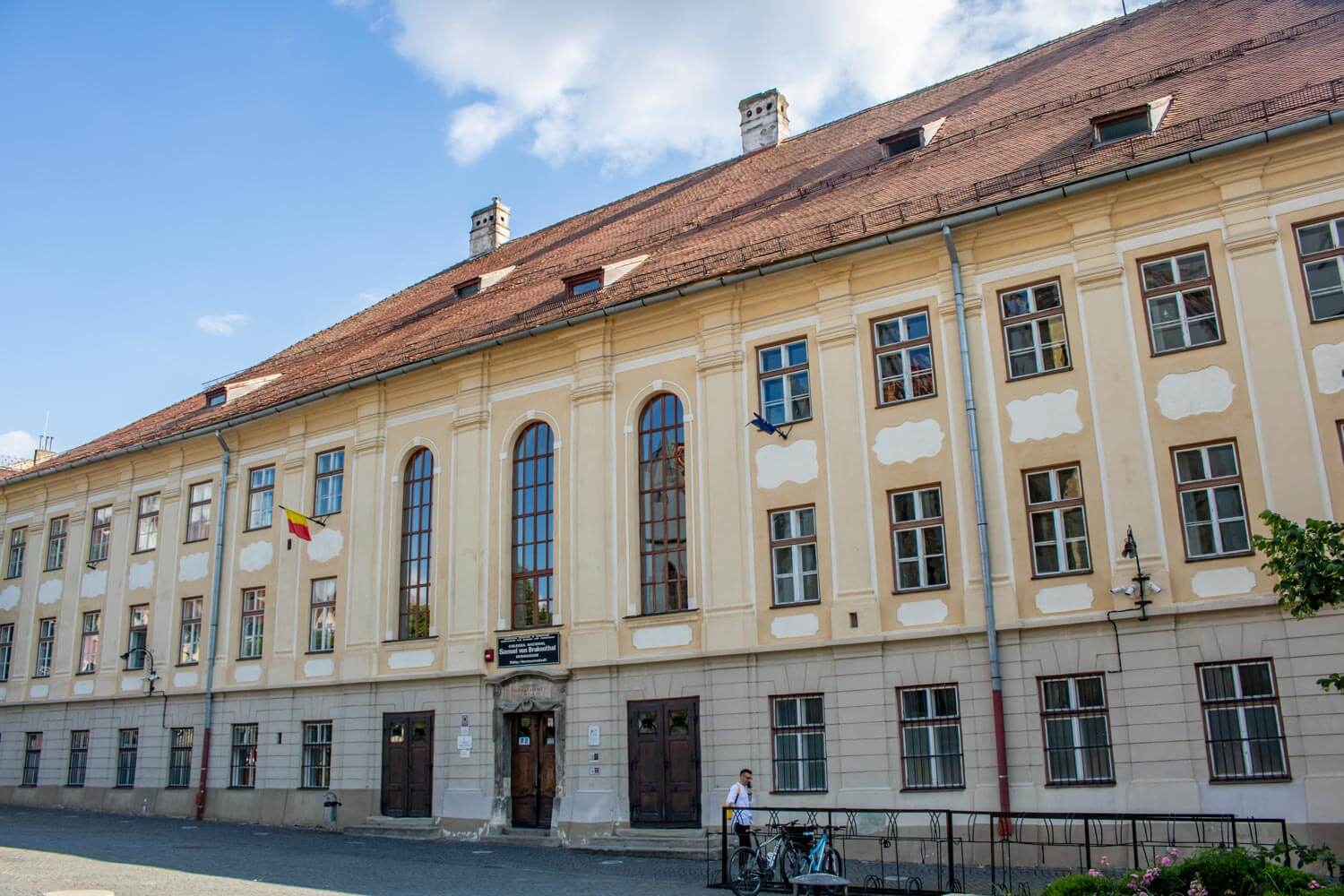
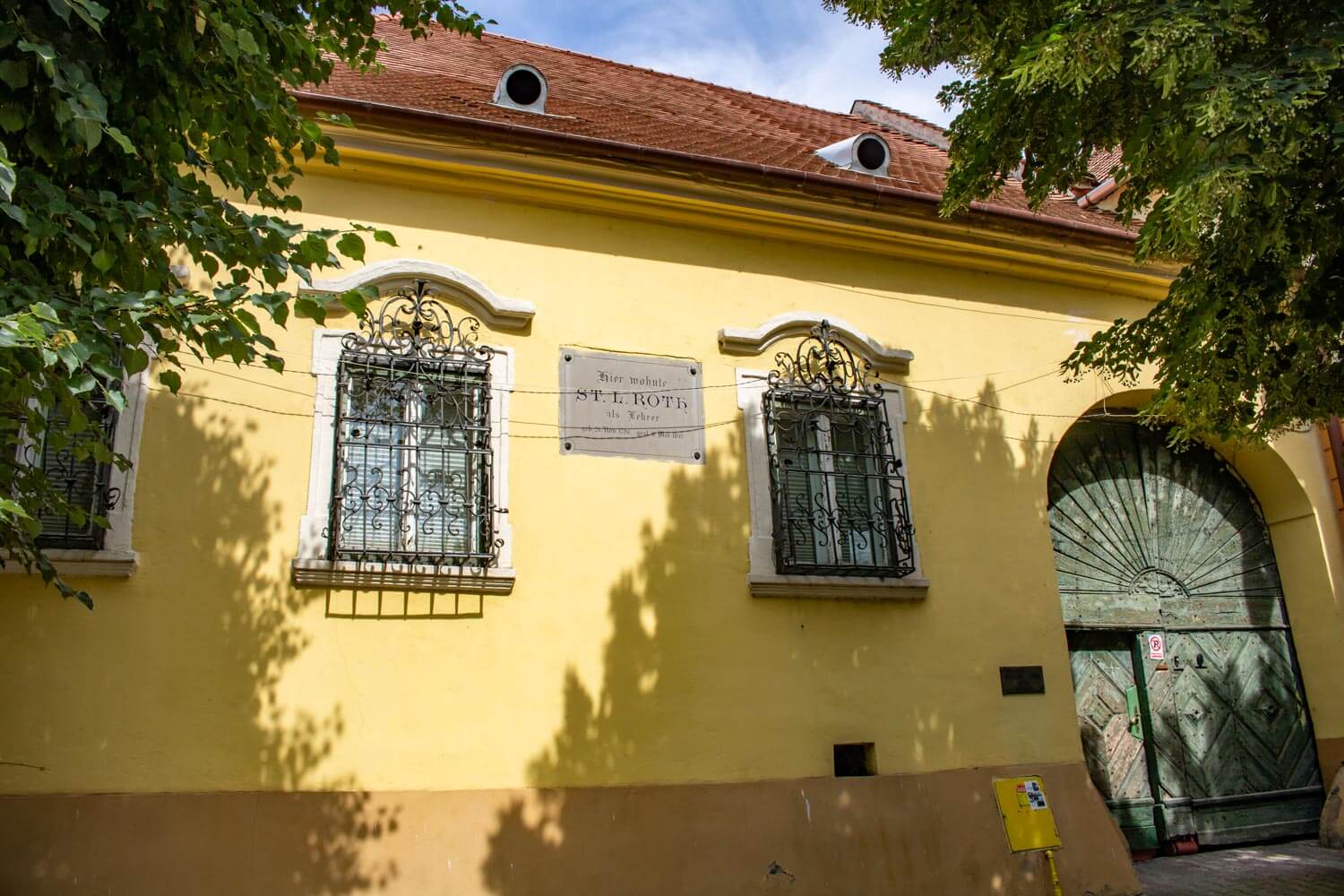
Back in Mediaș in 1821, he joined the town’s Evangelical gymnasium and tried to put those ideas into practice. He promoted new teaching methods, physical education and music, while also arguing for better preparation of teachers working in rural communities. During these years he lived in a house on today’s Strada Johannes Honterus, which now serves as the Stephan Ludwig Roth Memorial House. The school where he taught later took his name and survives today as Roth-Oberth High School.
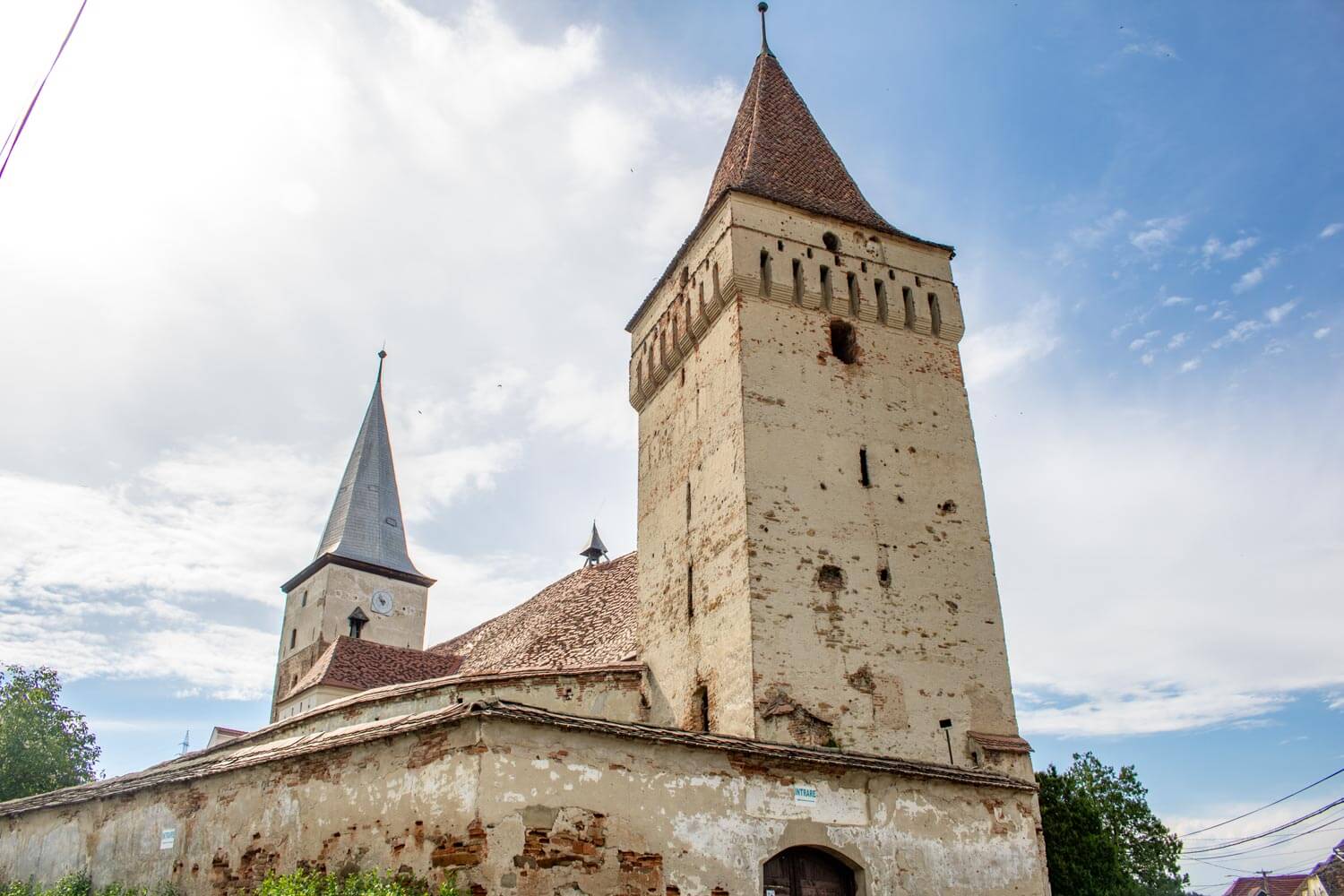
After leaving teaching in 1834, Roth entered the Lutheran ministry and spent the next two years as city preacher at Saint Margaret’s Church. He then became pastor in Nemșa and later in Moșna, where parish life brought him into closer contact with the social and economic problems of rural communities. His writing increasingly expanded beyond education to agriculture, poverty, guilds, language and political representation.
One of his best-known interventions came in 1842, during the dispute over plans to make Hungarian the official language of Transylvania. Roth argued that Romanian was already the language most widely spoken in everyday life and rejected attempts to impose a single national language on the province. More broadly, he defended the idea that Transylvania’s Romanians, Saxons and Hungarians had to coexist within the same political order rather than dominate one another.
These ideas became especially important during the revolutions of 1848. Roth attended the Romanian national assembly at Blaj and supported demands for recognition of Romanian political rights. As conflict spread through Transylvania, he became involved in efforts to coordinate Saxon and Romanian interests and was appointed to an Austrian-backed pacification committee. In November 1848 he became imperial commissioner for thirteen Saxon villages in Târnava County, placing him directly inside the struggle between the Habsburg authorities and the Hungarian revolutionary government.
When Hungarian forces regained control of much of Transylvania in early 1849, Roth returned to Moșna. Despite holding a letter of protection issued under General Józef Bem’s amnesty, he was arrested in April on the orders of Hungarian government commissioner László Csányi and taken to Cluj. A military tribunal accused him of supporting the Habsburg administration and acting against the Hungarian revolutionary government. He was sentenced to death and executed by firing squad on May 11, 1849.
Roth was initially buried right beside the place where he was shot on Fortress Hill in Cluj, but in April 1850 his remains were exhumed and brought back to Mediaș, where he was reburied in the Schülergarten beside the Evangelical cemetery.
His death made him an enduring figure in Transylvanian Saxon history, but his legacy reaches well beyond the circumstances of his execution. His educational reforms, writings on language and nationality, pastoral work and efforts to defend cooperation between Transylvania’s different communities made him an important voice in the political and social debates that shaped the region during the first half of the 19th century.