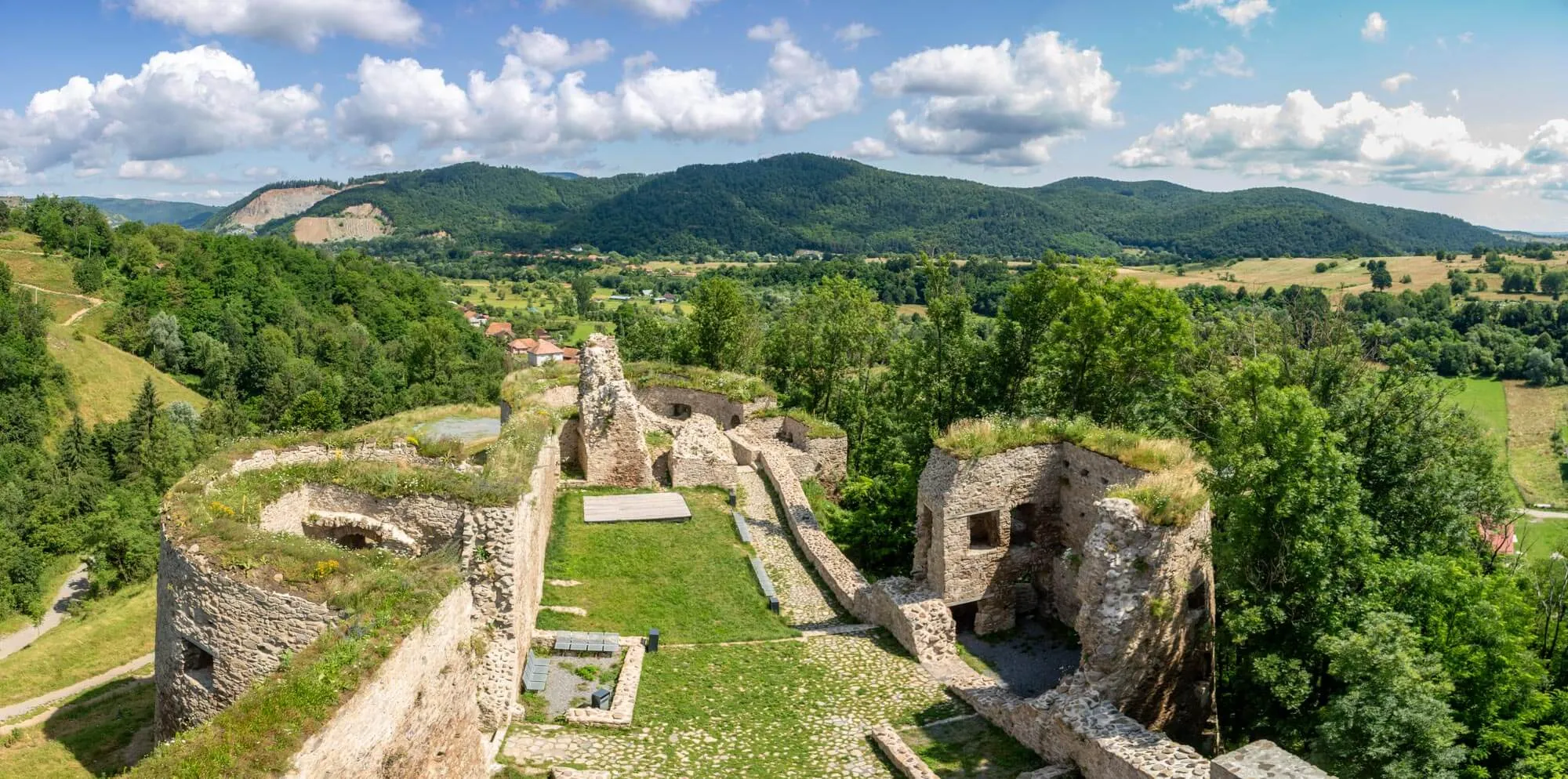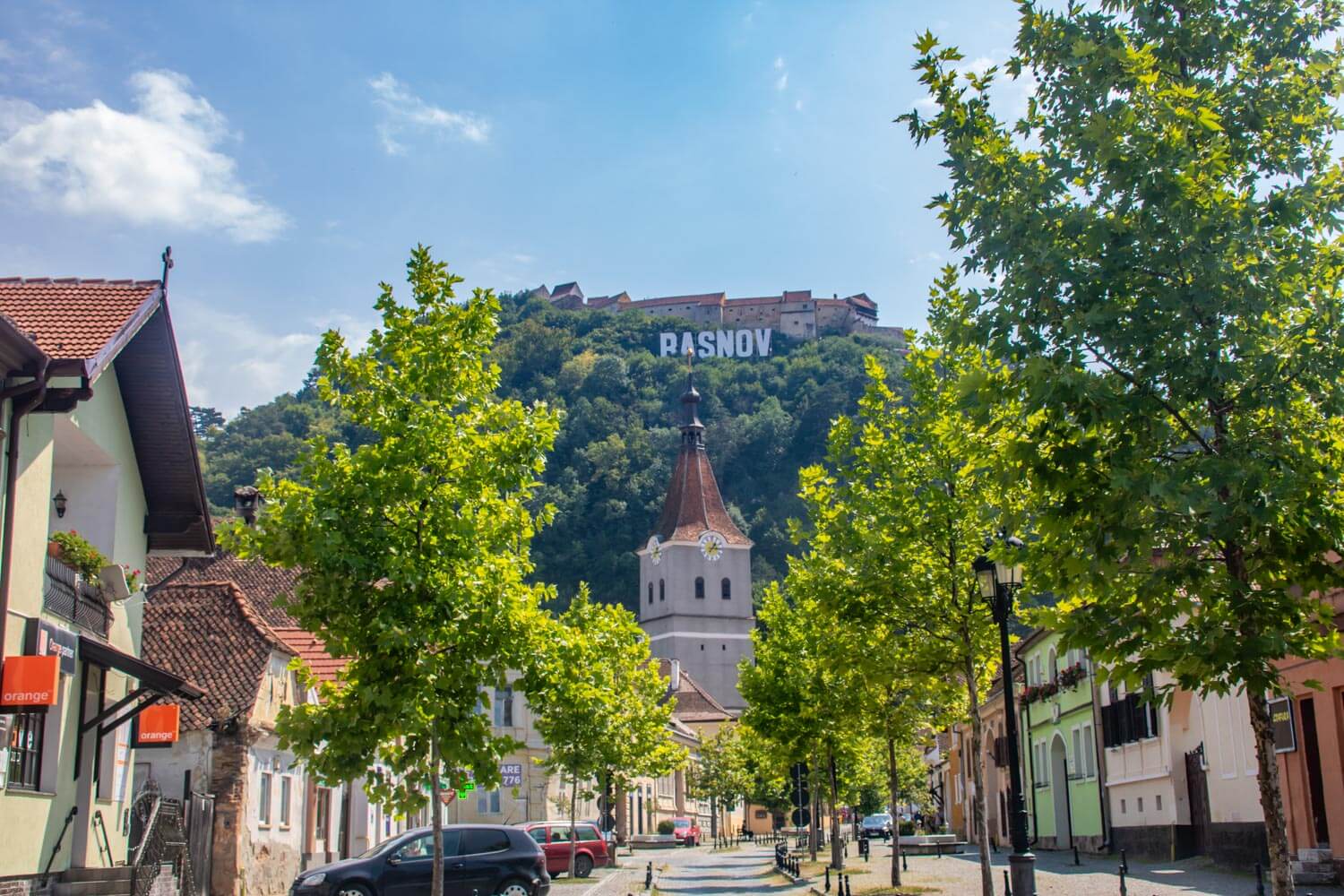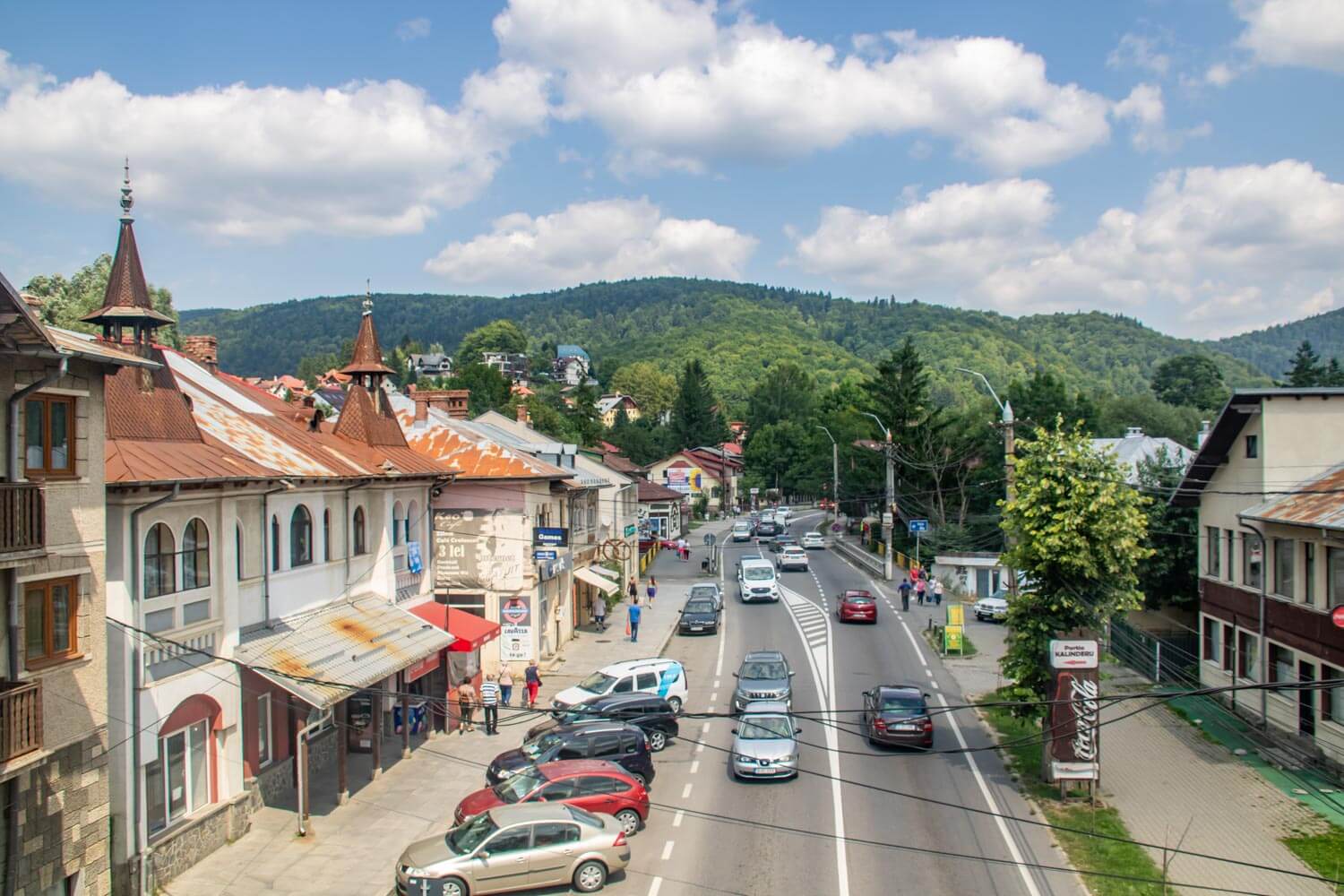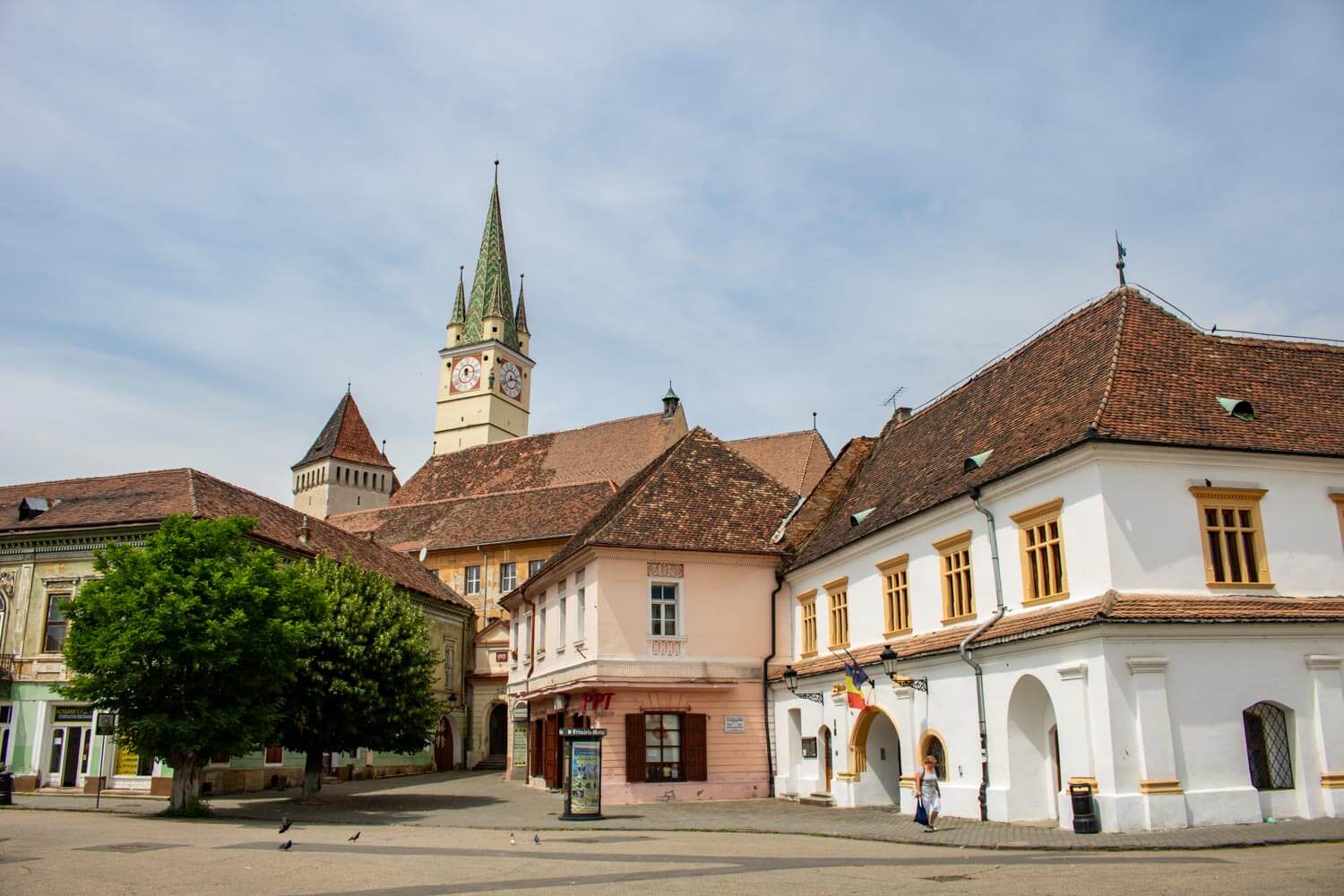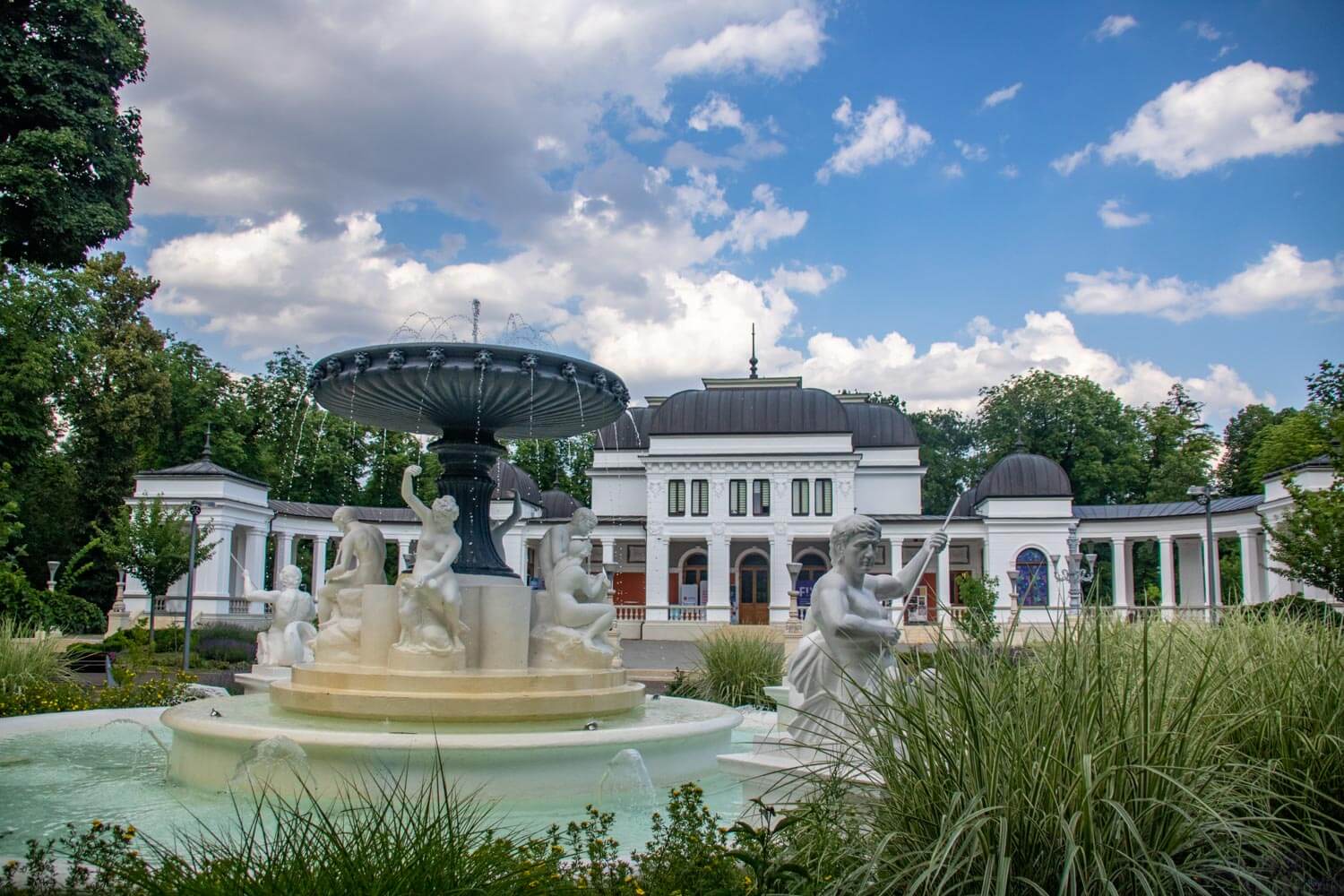
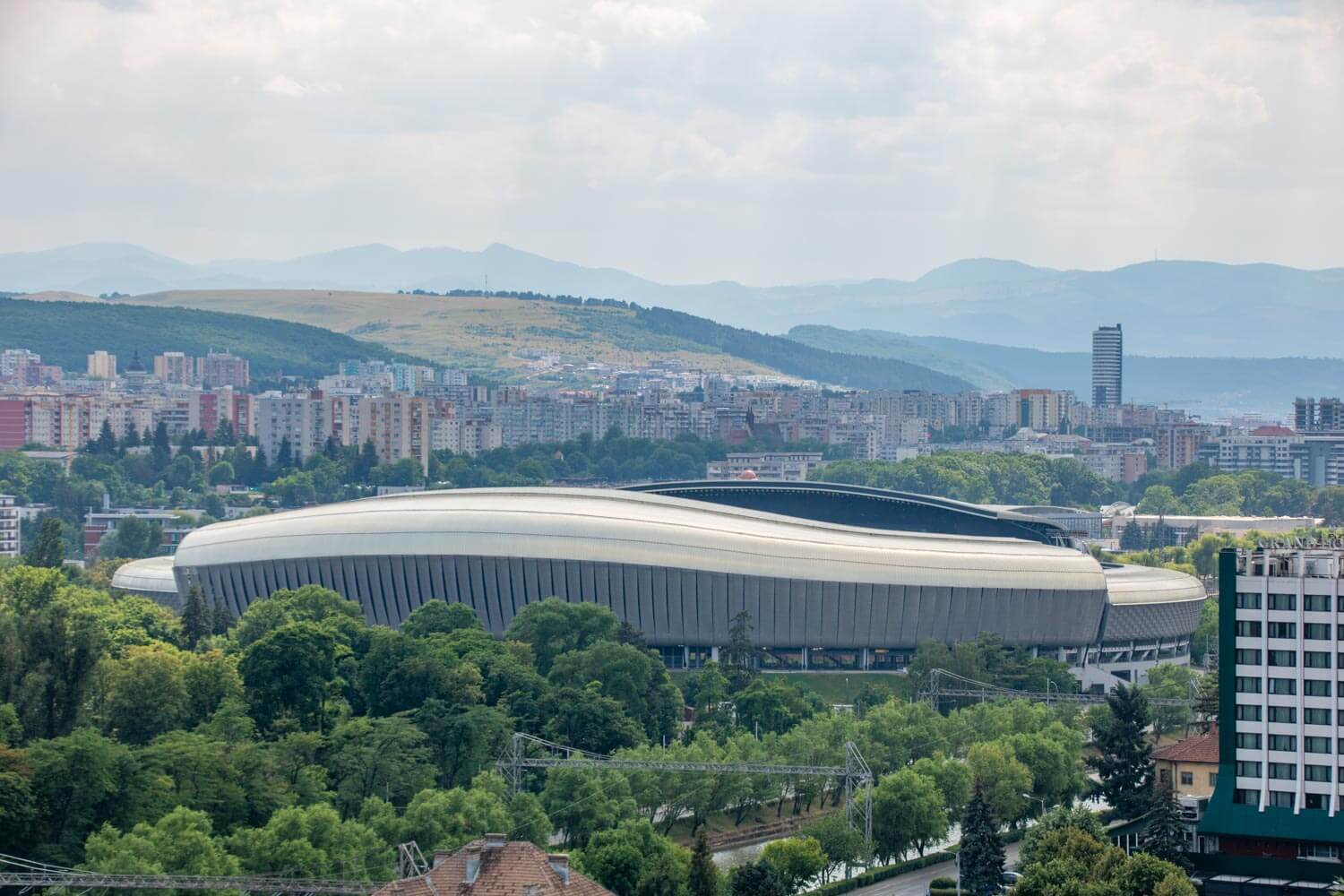

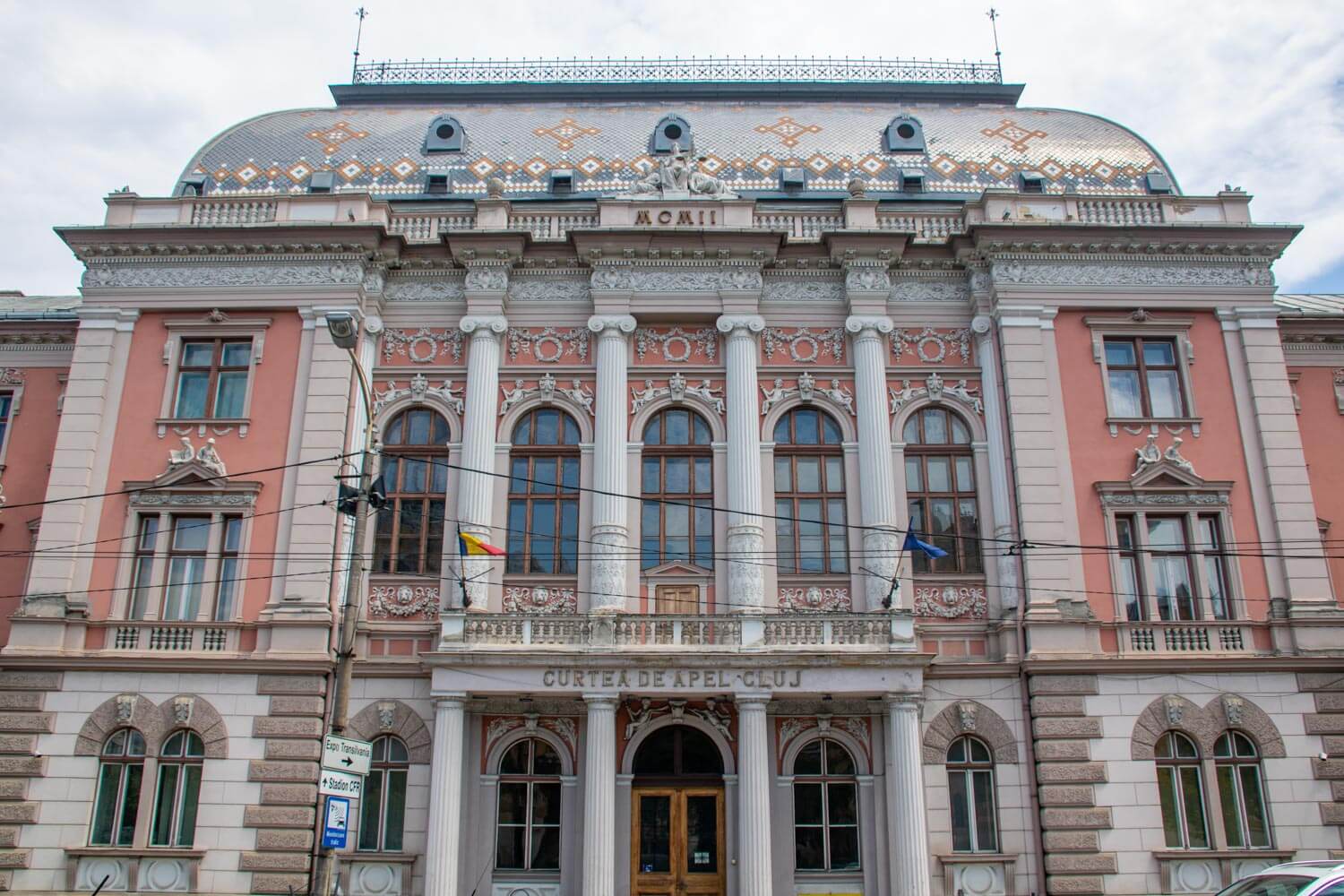
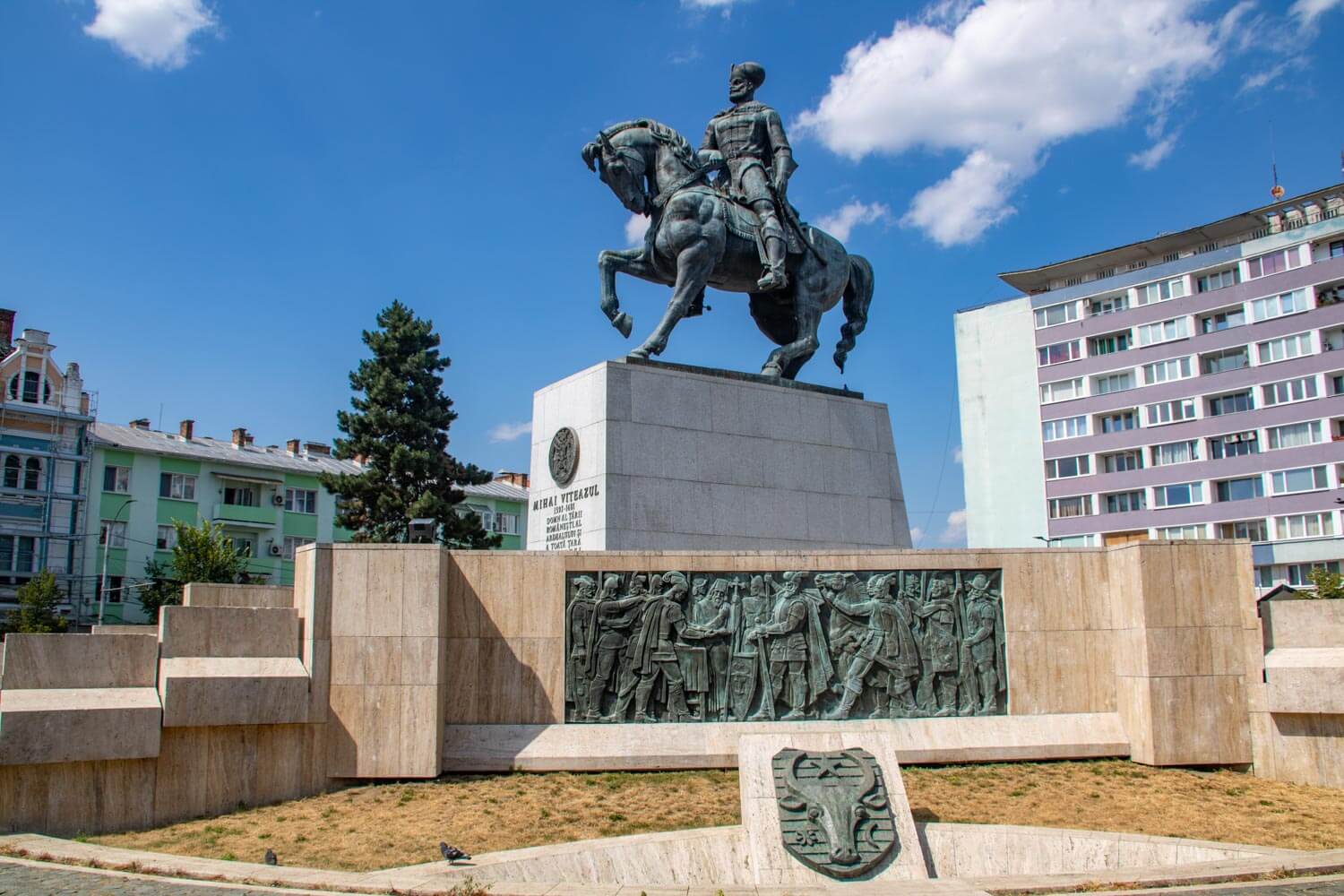

Cluj-Napoca is the capital of Cluj County and the second-largest city in Romania. It is located in the Someșul Mic river valley in the historical region of Transylvania, of which it was also the capital.
Getting There And Around
Getting To Cluj-Napoca
Cluj-Napoca is located in central Romania and can be reached by air, car, train, bus, or private transfer.
- By air: Cluj-Napoca can be reached by air via Cluj-Napoca International Airport – Avram Iancu, which is located 9 kilometers east of the city’s center. The airport can be reached by direct flights from about 50 destinations around Europe, and from more destinations via connecting flights at Bucharest International Airport.
- By car: Cluj-Napoca is easily accessible by car via the A3 motorway and several other important roads. The city is a 450-kilometer drive away from the capital Bucharest, 105 kilometers from Târgu Mureș, 140 kilometers from Baia Mare, 180 kilometers from Sibiu, and 155 kilometers from Oradea. Car rental is available at all airports and in most cities in Romania. Be aware though, that paid parking is applicable in the central areas of the city.
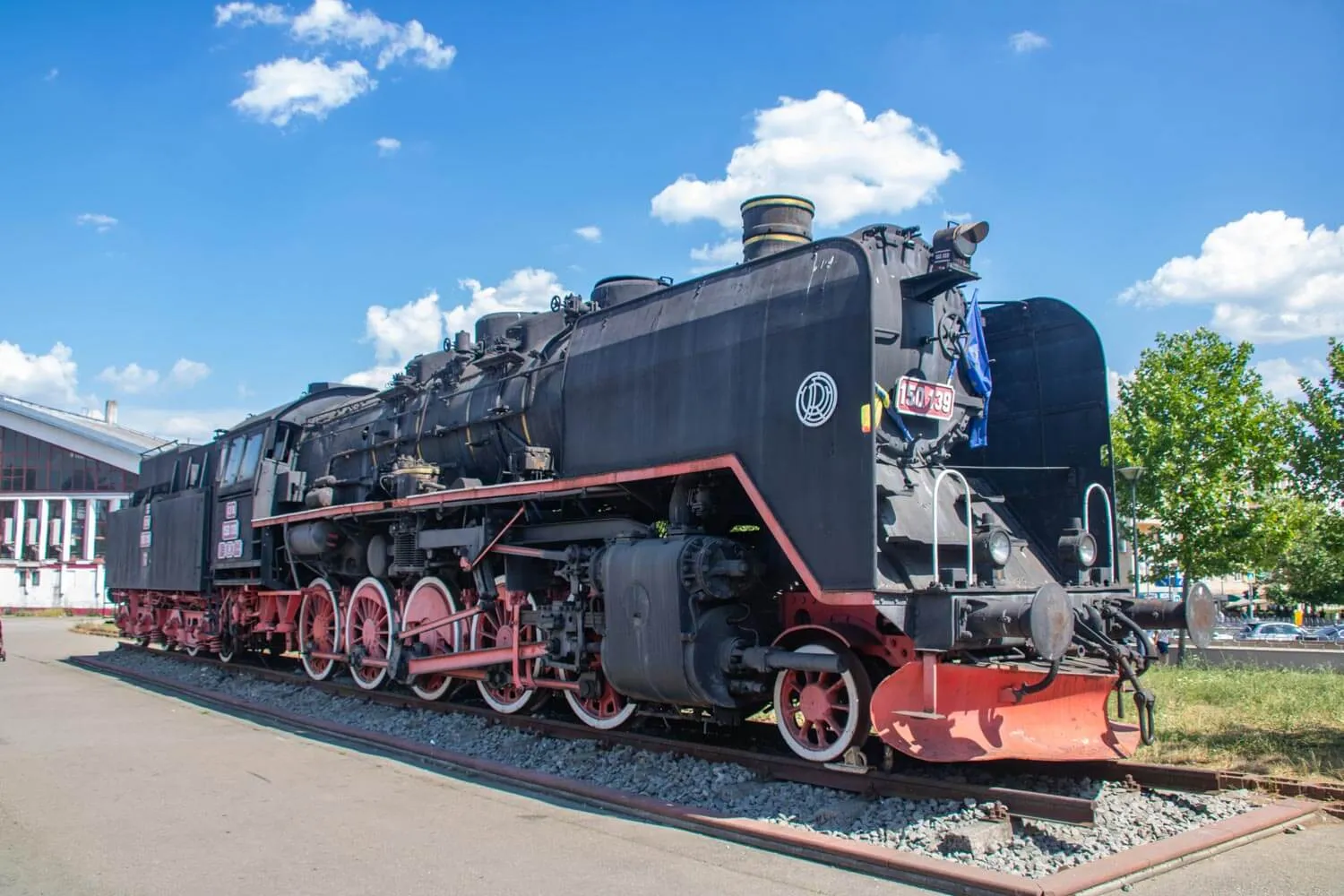
- By train: Cluj-Napoca is also well-connected to other cities in Romania by rail via Cluj-Napoca Train Station in the north of the city. This is one of the busiest train stations in the country with direct trains to many cities in Romania and abroad, including Bucharest, Iași, Sibiu, Timișoara, and Budapest (Hungary).
- By bus: There are also plenty of buses connecting Cluj-Napoc with nearby towns and other cities around Romania and abroad. Be awre though, that there are multiple intercity bus stations and other departure points and many different private bus companies operating these lines, so it’s best to check which route best suits your travel plans.
- By private transfer: You can also get to Cluj-Napoca with a private transfer, for example from the airport or train station, or from another city. Pre-booking a private transfer to your hotel or other destination guarantees the availability of a ride while you can skip the taxi queue.
Getting Around In Cluj-Napoca
Cluj-Napoca is the second-largest city in Romania, so expect a lot of traffic. However, the city is still very easy to navigate as it’s pretty much stretched out along the main boulevard that crosses through the center from west to east and onwards to the airport, which offers an easy reference for directions. Within the historic center you can easily get around by foot, but there are also other options including public transport, taxis, ridesharing, and shared bikes and electric scooters.
- By foot: Most of the tourist sights are easily reached by foot as they are located within the historic center. Getting around by foot is easy as the city is mostly flat, has wide boulevards and walkways, and some car-free streets and squares. There are also plenty of crosswalks, although you often have to wait for red lights as there is a lot of traffic.
- By public transport: Cluj-Napoca has an extensive public transport network to get around the city and into the suburbs, including links to the airport and train station. The transport system consists of 4 tram lines and over 50 bus and trolleybus lines. Public transport tickets can be purchased from the ticket kiosks and vending machines across the city, but you can also pay contactless with your bank card inside the tram or bus, via the mobile app 24Pay, or via SMS. A single-journey ticket for use on one line costs 3 lei, but you can also buy tickets which are valid for 30 minutes (3 lei) or 60 minutes (6 lei) on all lines. Full day and multi-day tickets and monthly subscribtions are also available. For more information about the transport routes and timetables, you can visit the website of CTP Cluj-Napoca.
- By taxi and ridesharing: Taxis are also a relatively cheap and convenient alternative to get around in the city and ridesharing apps Bolt and Uber are is also available for rides in Cluj-Napoca.
- By bicycle: Another great way to explore the city is by picking up a bycicle from one of the ClujBike bike rental stations across the city. However, in order use the bike sharing system, you first need to register yourself by creating an account on the website of ClujBike and then validate your identity at the city hall (primaria) and sign the terms and conditions. Once you receive your contactless card and PIN number, you can use this to pick up a bike at any of the ClujBike stations and use it for free for the first 60 minutes each time.
- By electric scooter: E-scooters are also a fun way to get around and both Lime and Bolt have a fleet available for rent in Cluj-Napoca. You can find and book the scooters via their respective mobile apps.
Transportation Hubs And Operators

Weather & Climate
Nestled in the heart of Transylvania, Cluj-Napoca experiences a temperate continental climate with four beautifully distinct seasons.
Summers (July and August) are warm and pleasant, averaging 25°C to 27°C, the perfect season for attending outdoor music festivals or relaxing in the shaded paths of Central Park.
Spring and autumn bring mild, crisp weather averaging 12°C to 19°C, ideal for exploring bustling Unirii Square or visiting the Alexandru Borza Botanical Garden.
Winters are cold and snowy, averaging 1°C, transforming the city’s stunning Gothic architecture into a cozy, festive backdrop for one of Romania’s most charming Christmas markets.
| Daily Avg. High | Daily Avg. Low | |
| January | 1°C | -5°C |
| February | 4°C | -4°C |
| March | 10°C | -1°C |
| April | 16°C | 4°C |
| May | 21°C | 9°C |
| June | 24°C | 12°C |
| July | 26°C | 14°C |
| August | 27°C | 13°C |
| September | 21°C | 9°C |
| October | 16°C | 4°C |
| November | 9°C | 0°C |
| December | 3°C | -3°C |
| Monthly Avg. Rainfall | Avg. Number of Rainy Days | |
| January | 29 mm | 9 days |
| February | 25 mm | 7 days |
| March | 35 mm | 8 days |
| April | 49 mm | 8 days |
| May | 67 mm | 12 days |
| June | 87 mm | 12 days |
| July | 88 mm | 10 days |
| August | 61 mm | 6 days |
| September | 52 mm | 6 days |
| October | 42 mm | 5 days |
| November | 35 mm | 5 days |
| December | 36 mm | 8 days |
Things To Do
See the top attractions below or click here for a list of all attractions in Cluj-Napoca.
Top Attractions
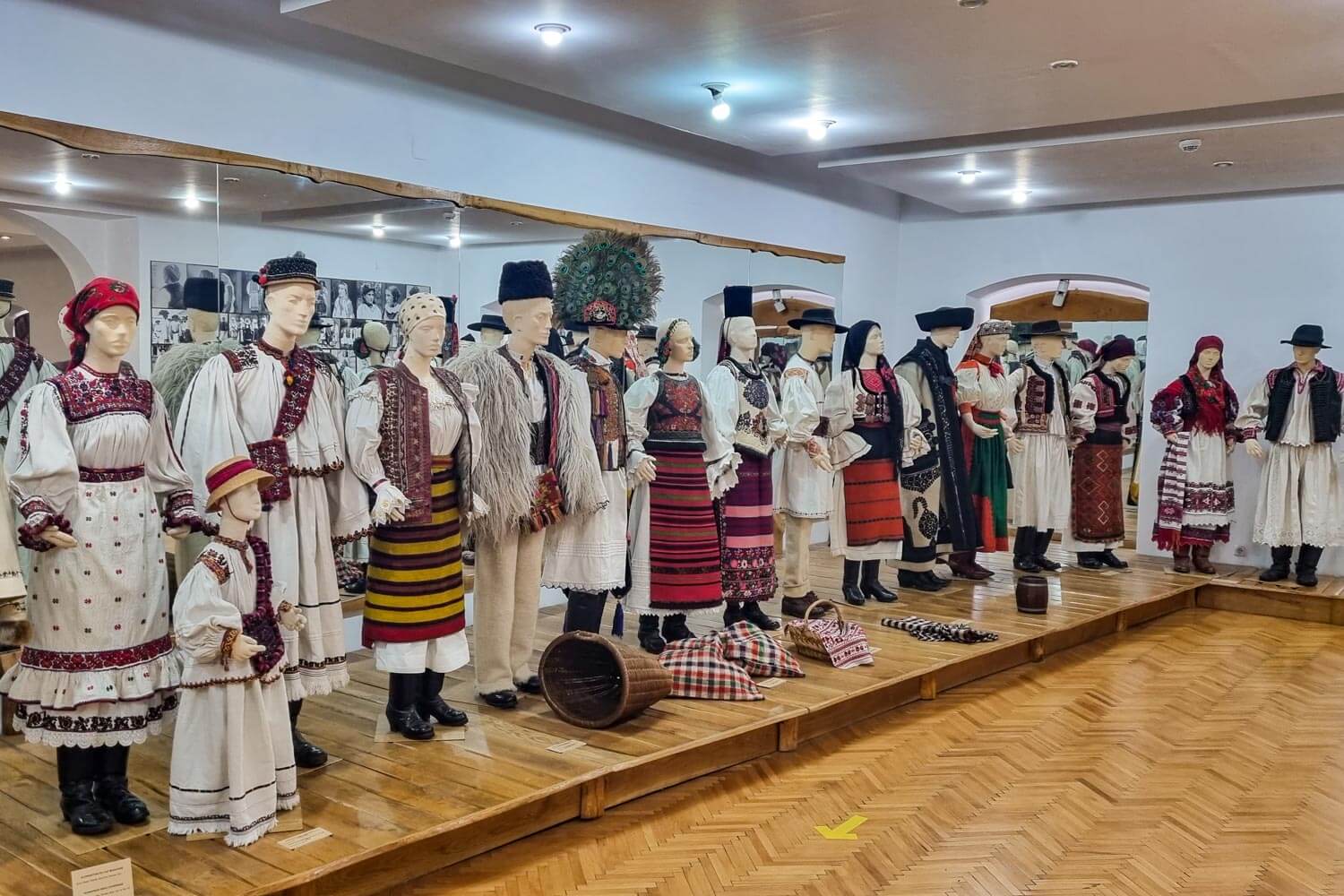
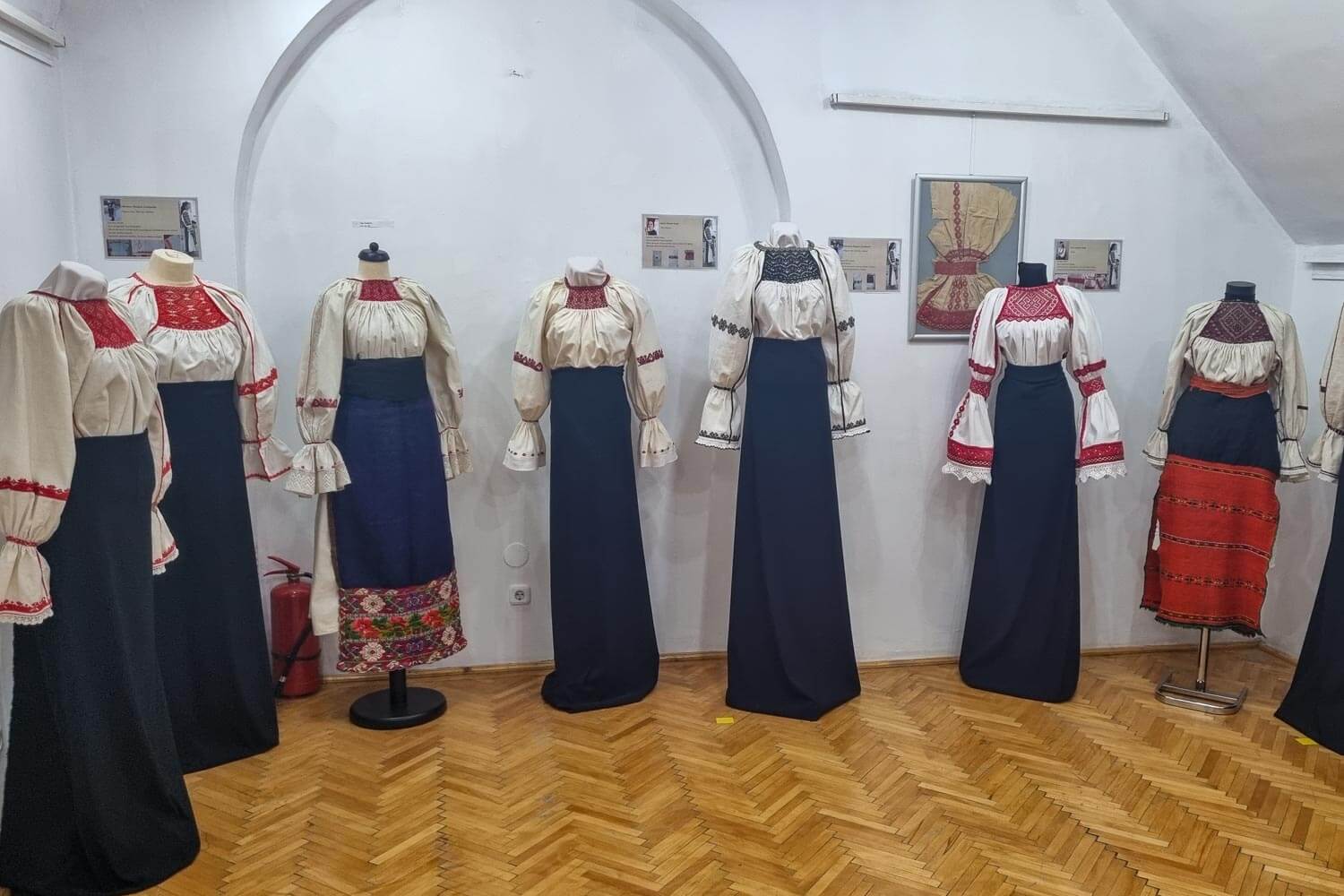
The Transylvanian Museum of Ethnography (Muzeul Etnografic al Transilvaniei) is located in the Reduta Palace, one of the oldest buildings…
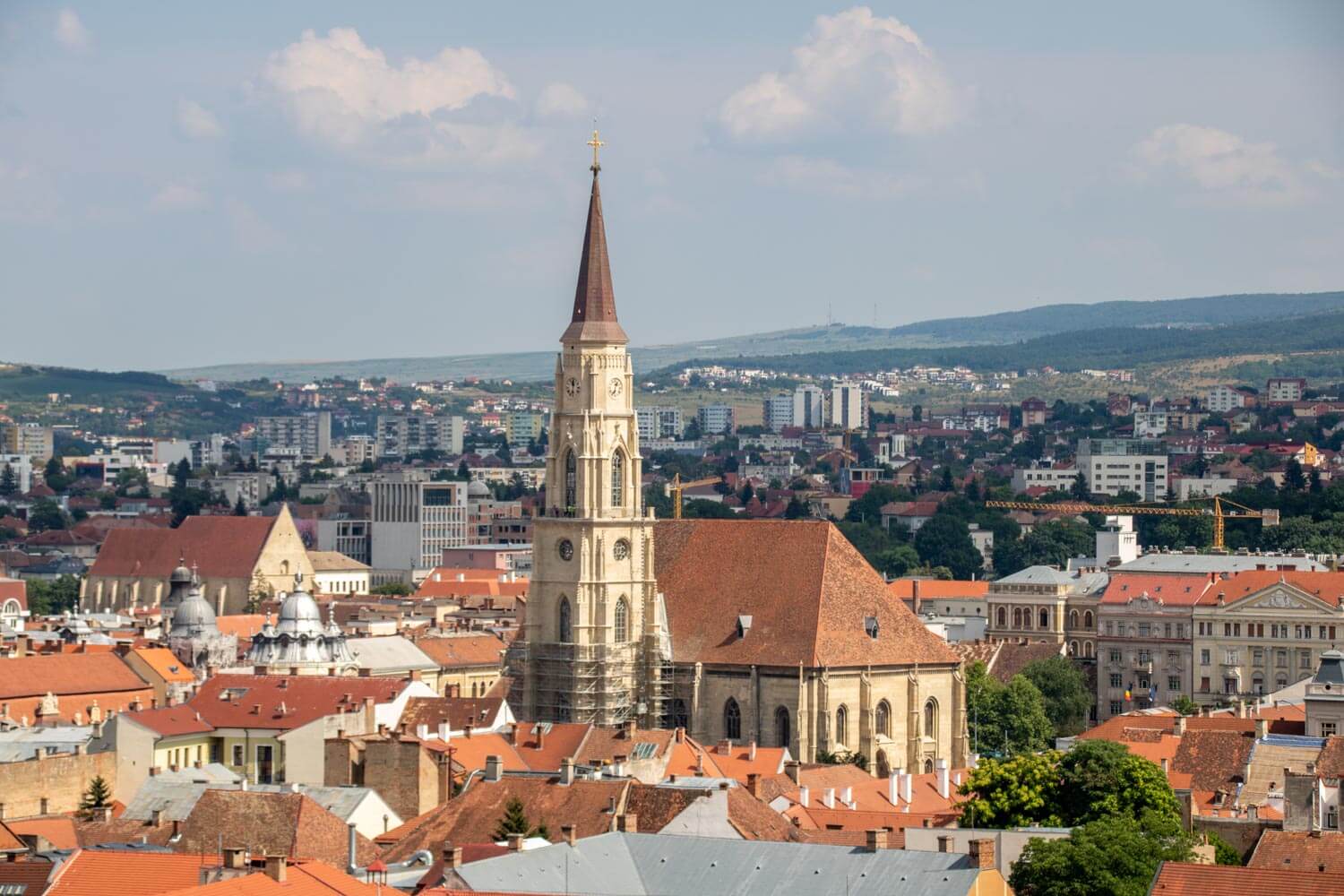
The Saint Michael's Church (Biserica Sfântul Mihail) is a Roman Catholic church on Union Square (Piața Unirii) in Cluj-Napoca and…

Fortress Park (Parcul Cetățuia) is a park located on Fortress Hill in Cluj-Napoca which provides the most beautiful panoramic views…

The National Theater Lucian Blaga (Teatrul Național Lucian Blaga) is located on Piața Ștefan cel Mare in the center of…

The Memorandists Monument of Cluj-Napoca (Monumentul Memorandiştilor din Cluj-Napoca) is a monument commemorating the signers of the Transylvanian Memorandum, located…
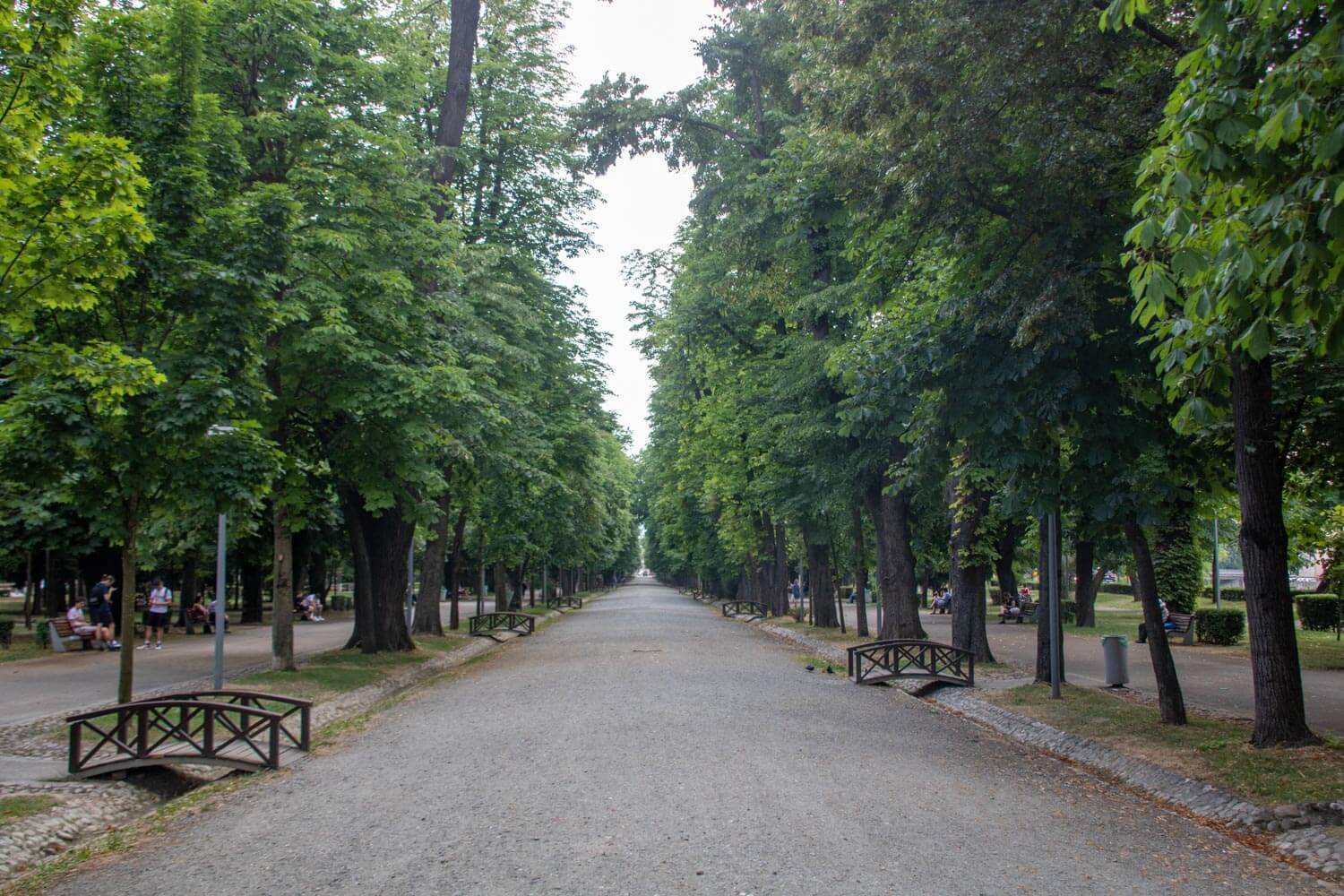
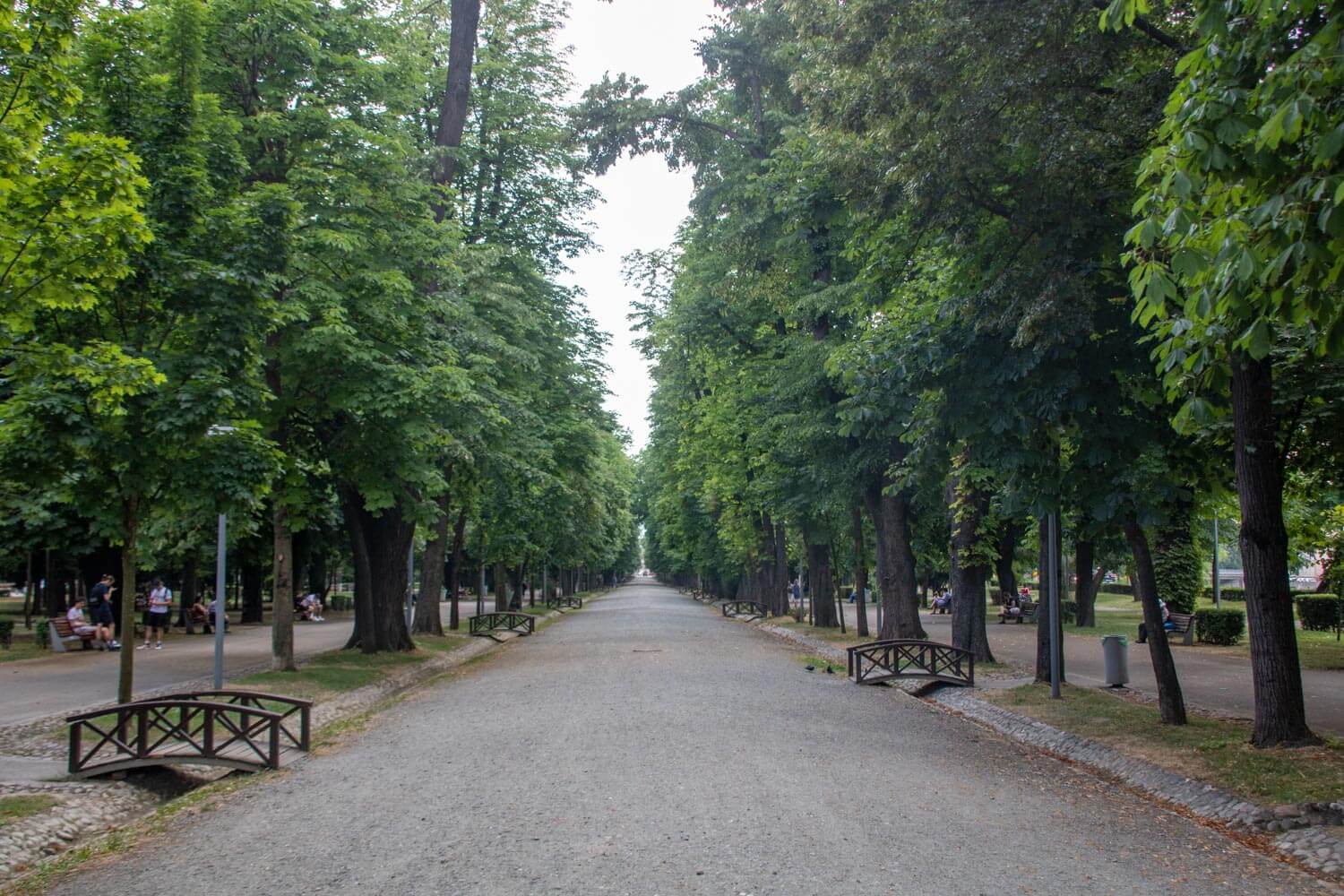
Central Park Simion Bărnuțiu (Parcul Central Simion Bărnuțiu), also called the Great Park, is a large urban park alongside the…
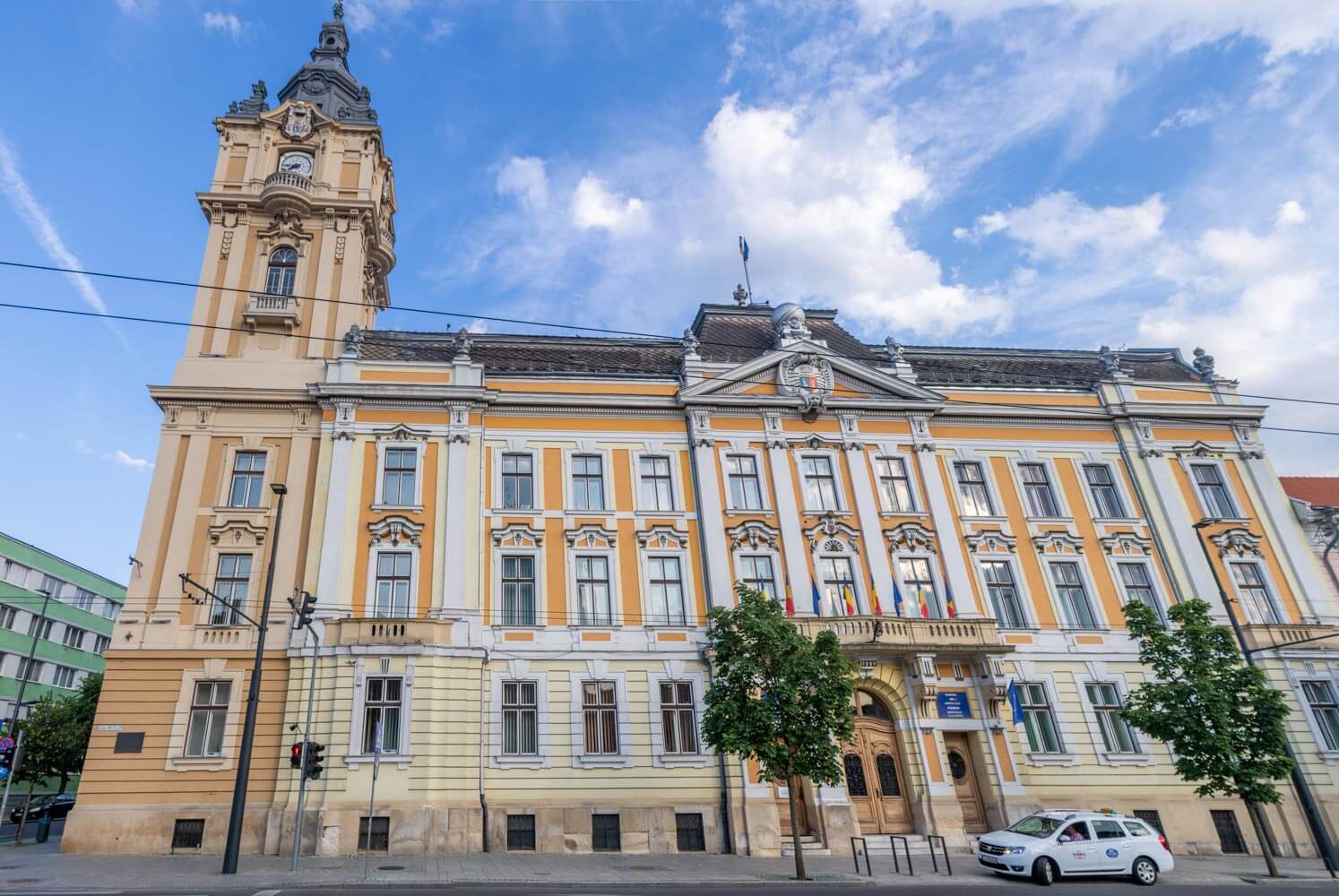
The Cluj-Napoca City Hall (Primăria Municipiului Cluj-Napoca) is the seat of the municipality of Cluj-Napoca and is located in a…
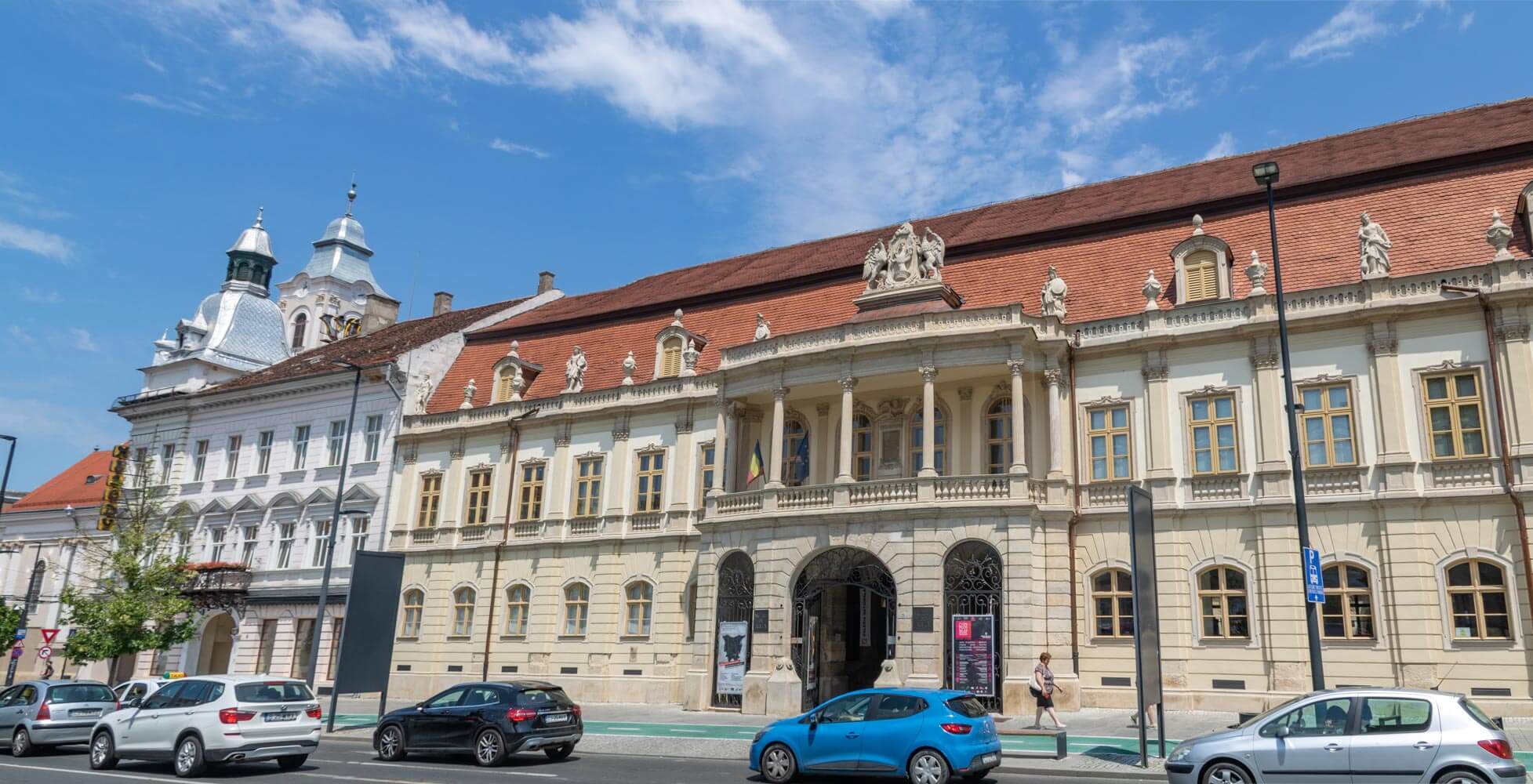
The Cluj-Napoca Art Museum (Muzeul de Artă Cluj-Napoca) is an art museum located in the historic Bánffy Palace on Union…

The Alexandru Borza Botanical Garden (Grădina Botanică Alexandru Borza) is a botanical garden located in the south of Cluj-Napoca. The…
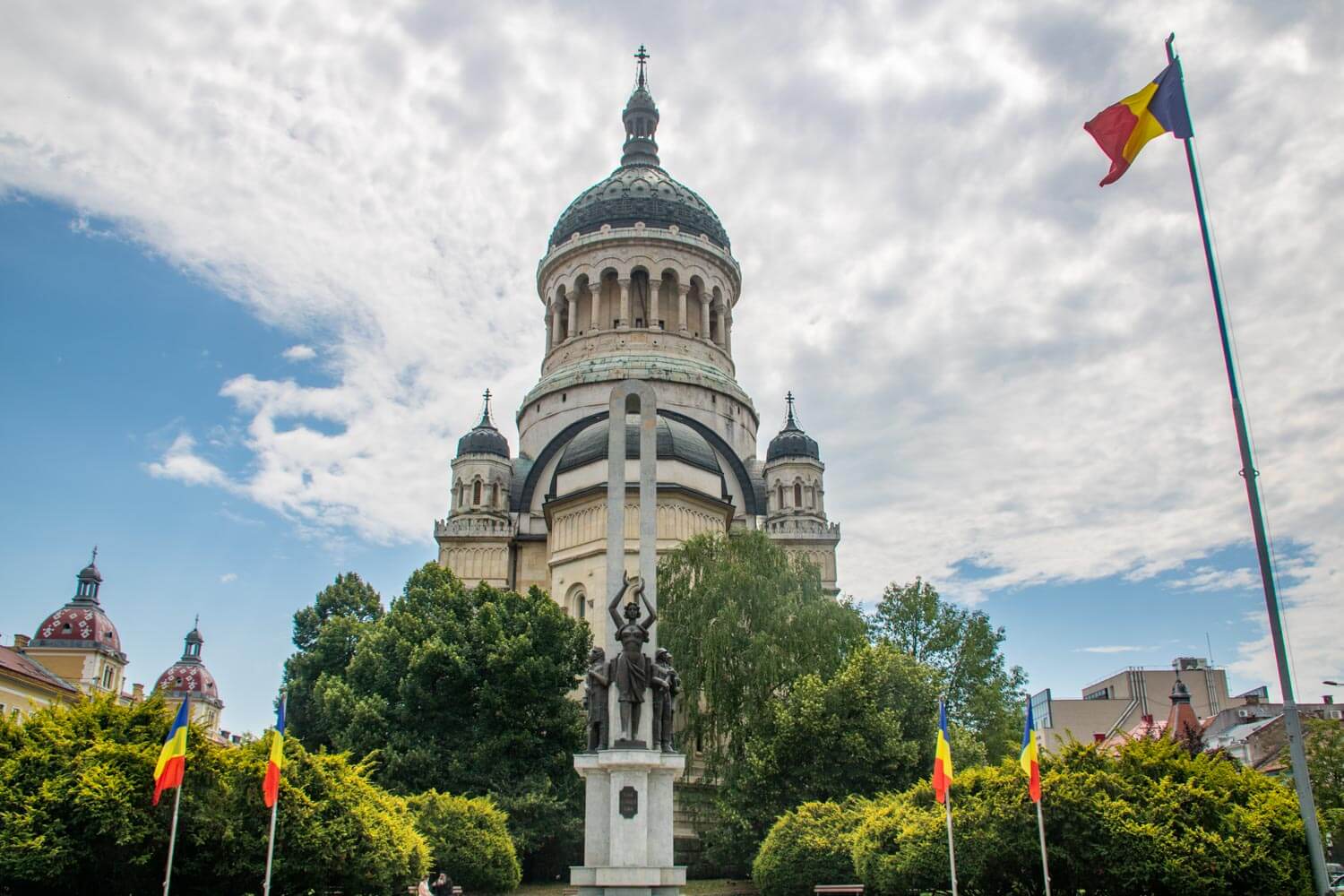
The Dormition of the Theotokos Cathedral (Catedrala Adormirea Maicii Domnului), also called the Metropolitan Cathedral of Clu-Napoca (Catedrala Mitropolitană din…
Powered by GetYourGuide
Where To Stay
Cluj-Napoca provides a balanced range of accommodation that reflects its dual identity as a historical Transylvanian hub and a modern academic and tech center.
The city center, particularly around Piața Unirii and Piața Muzeului, offers the most atmospheric stay, featuring boutique hotels housed in restored 19th-century merchant buildings and stylish, central apartments. This area is ideal for those prioritizing walkability to the city’s major cultural landmarks and vibrant café scene.
Beyond the historic core, neighborhoods such as Mărăști and Gheorgheni cater to travelers seeking contemporary amenities, including modern high-rise apartments and business-grade hotels with reliable parking and gym facilities. These districts are well-connected by efficient public transit and ride-sharing services, making them practical bases for longer stays.
While budget-friendly hostels are concentrated near the universities, visitors should note that demand increases significantly during major festivals, necessitating advance booking to ensure availability.
Video
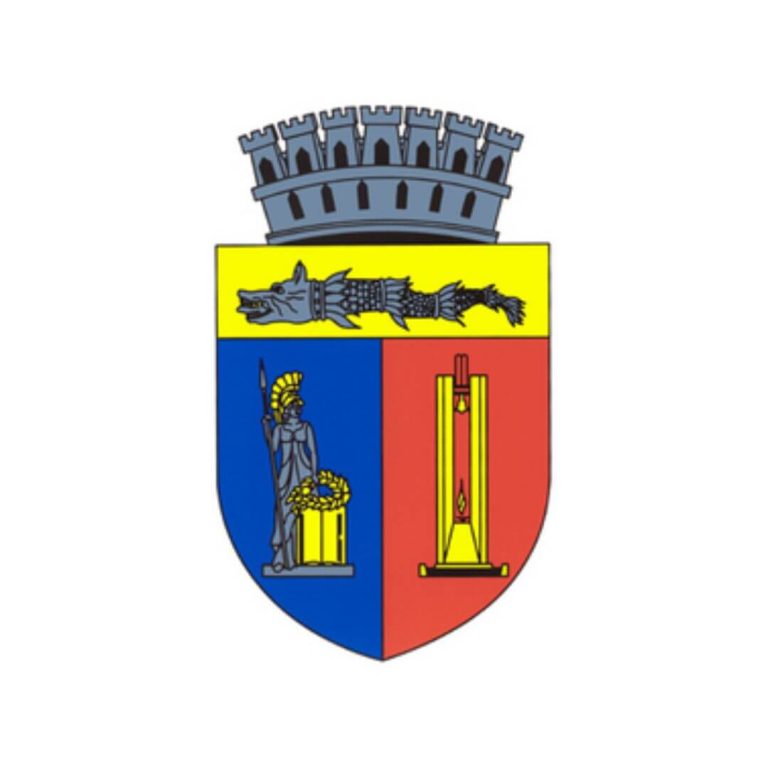
German: Klausenburg
Hungarian: Kolozsvár
Nickname: Treasure City
Population: 286,598
Area: 180 sq km
Elevation: 340 m
Postal code: 400001-400930
Phone code: +40 (0)264 or +40 (0)364