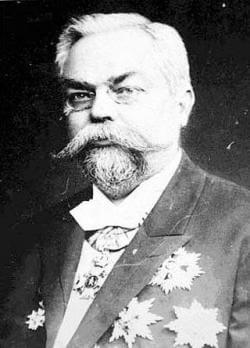
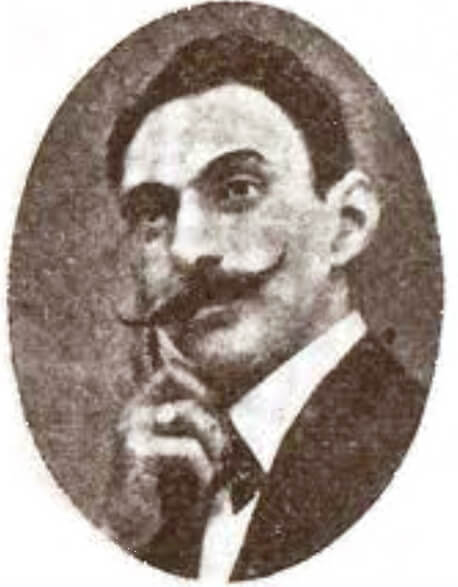
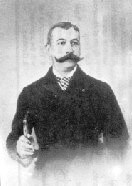
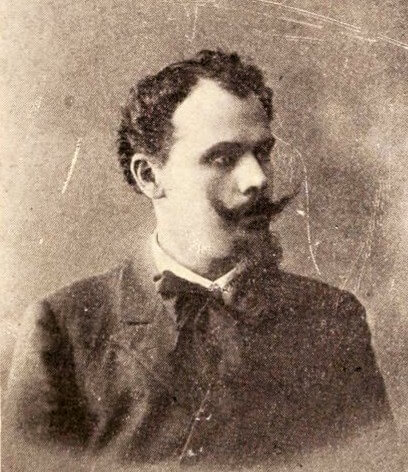
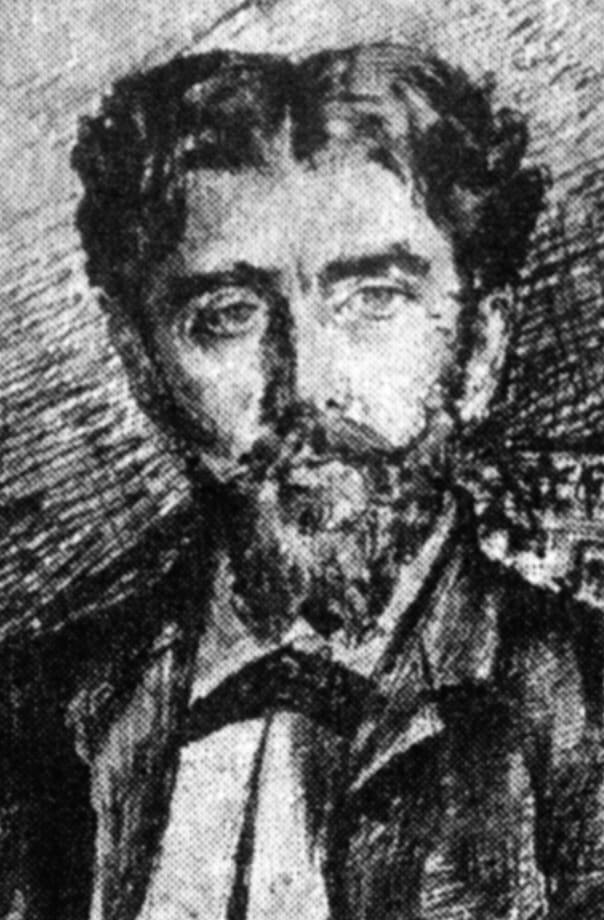
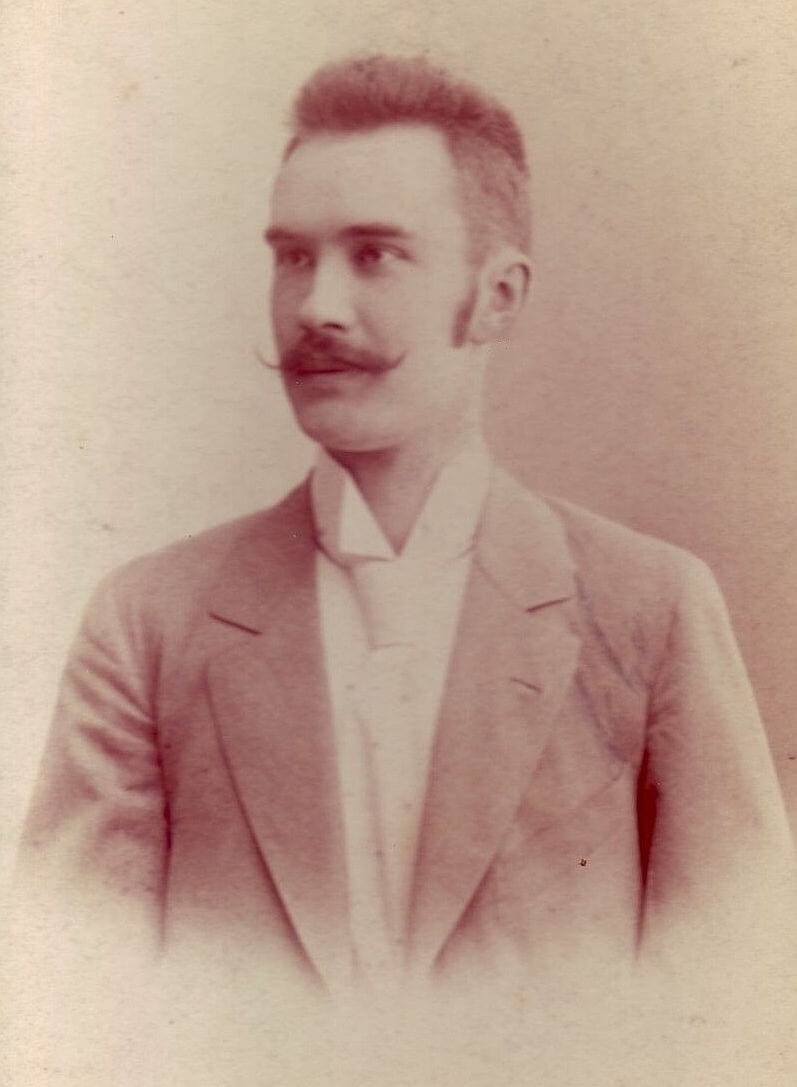
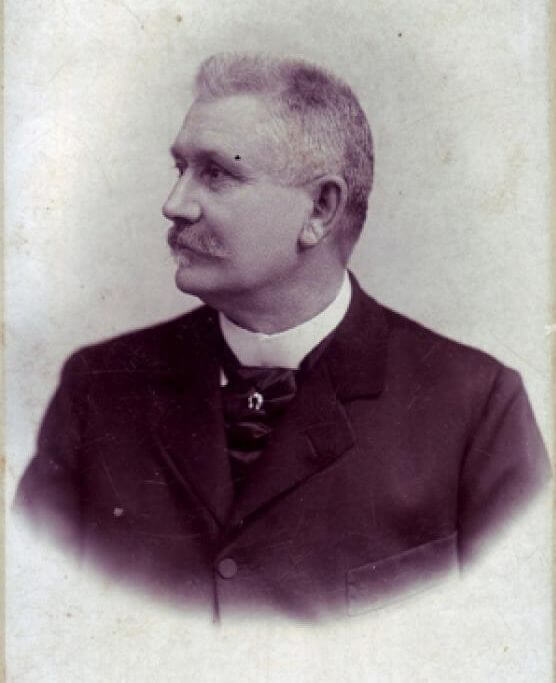
Louis Pierre Blanc (1860-1903) was a Swiss architect who became one of the important designers of public and institutional architecture in Romania during the reign of Carol I. Trained in the French Beaux-Arts tradition, he brought its monumental compositions, classical proportions, and elaborate decoration to a country that was rapidly constructing the institutions and buildings of its new kingdom.
Born in Geneva, Blanc studied at the Polytechnic in Zürich before entering the École des Beaux-Arts in Paris, where he distinguished himself in architectural competitions and completed his studies in 1883. There he became friends with Ion Mincu, who encouraged him to pursue opportunities in Romania. Blanc arrived in Bucharest in 1884, just as the expanding state was commissioning universities, ministries, medical institutions, and other large public buildings.
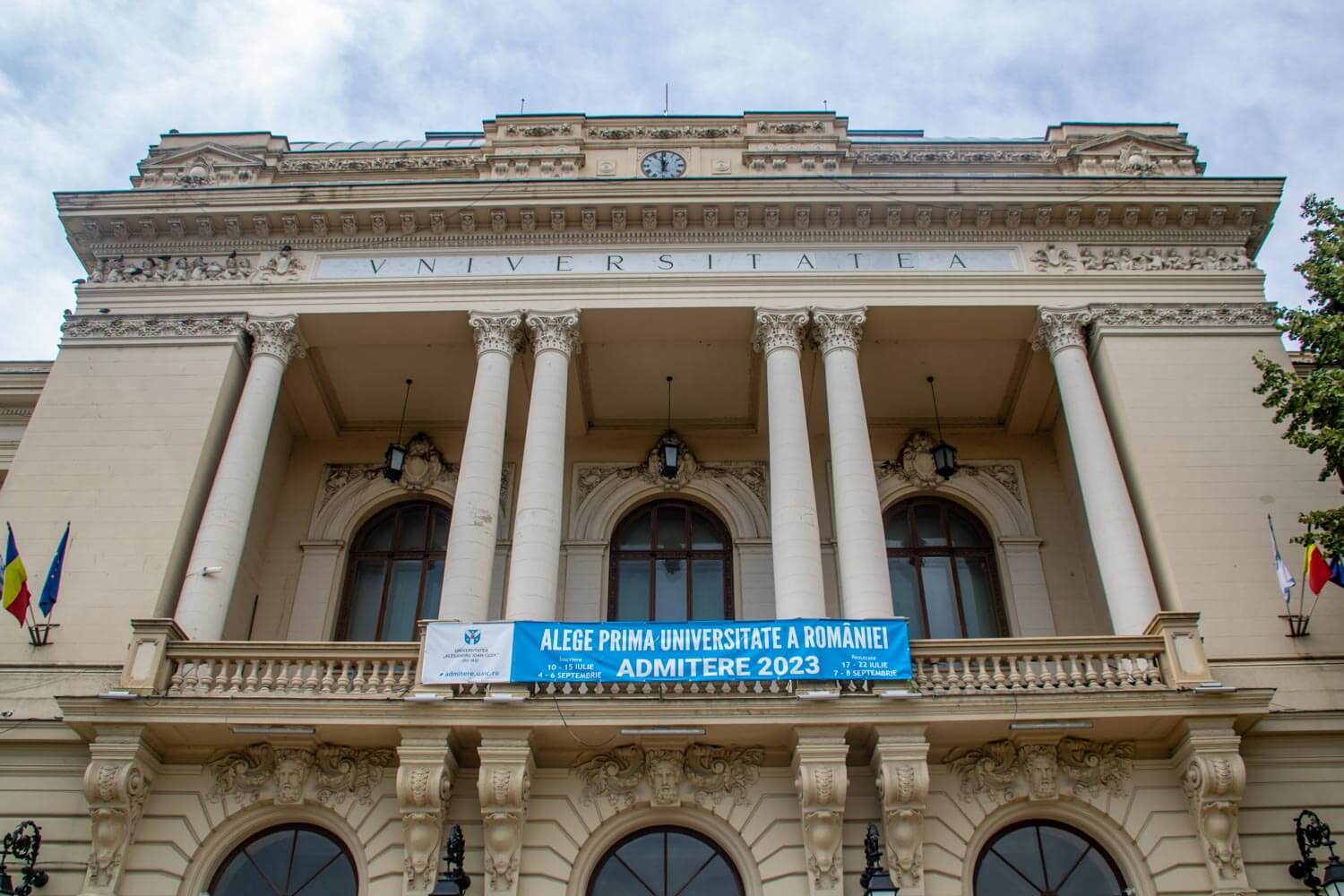
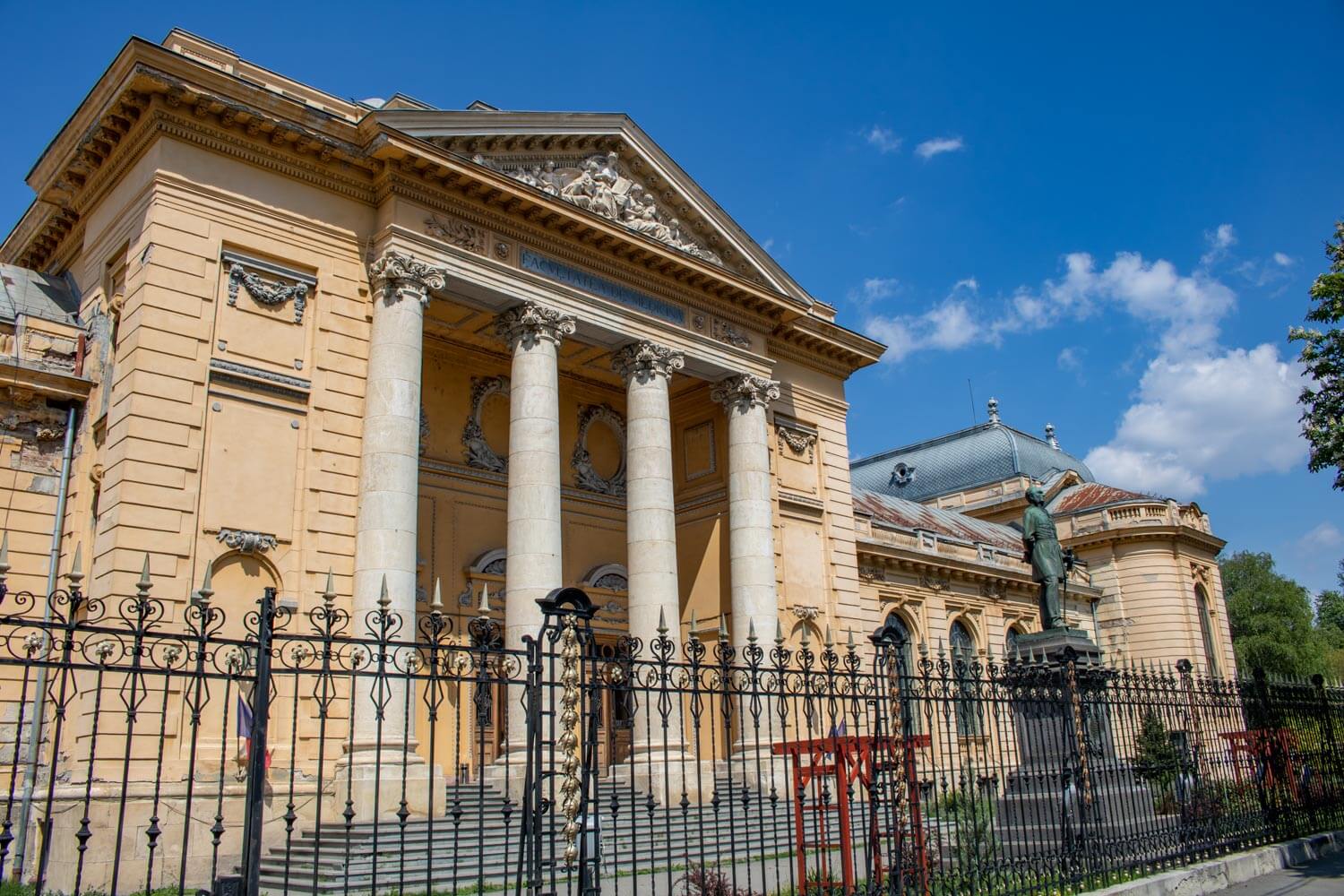
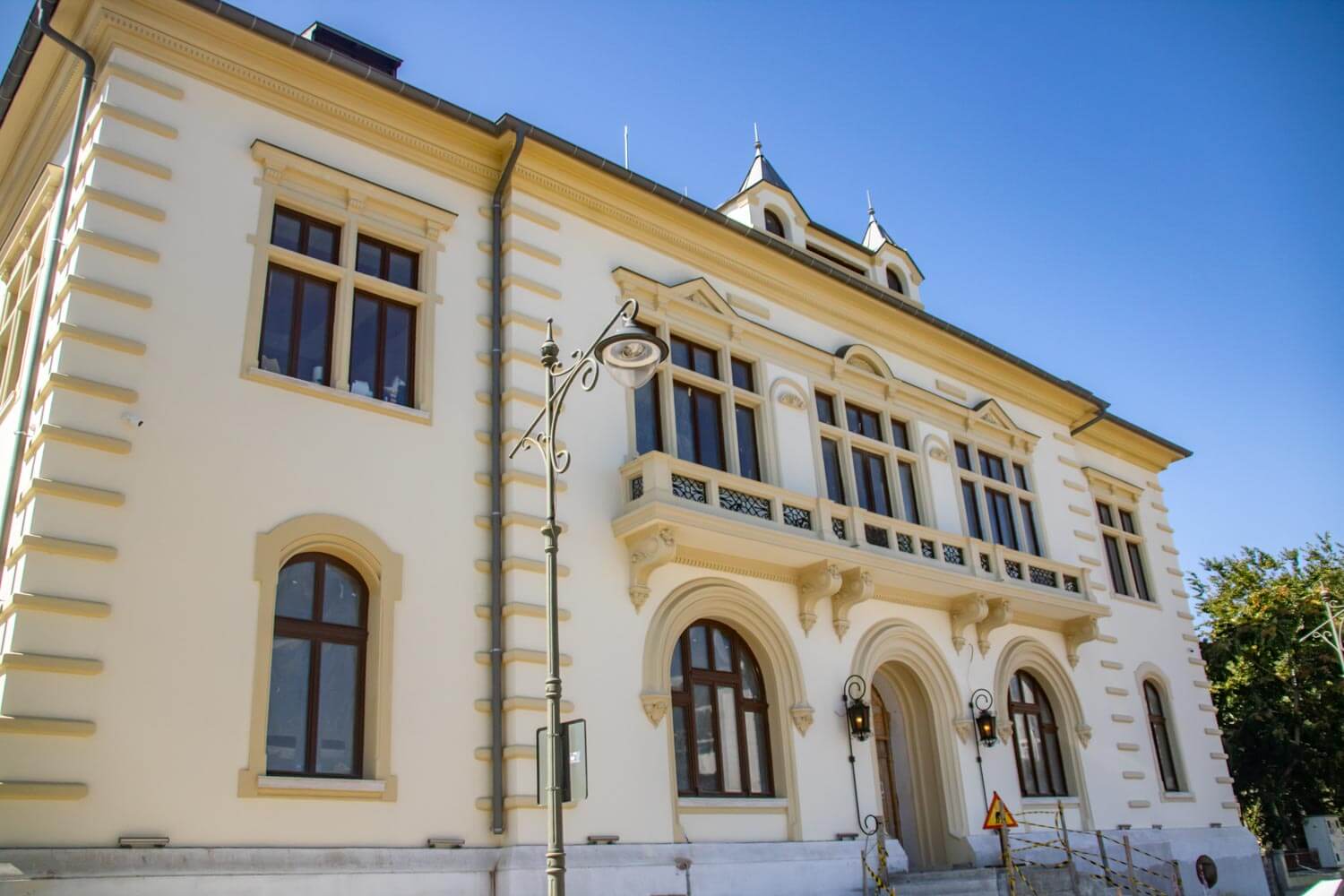
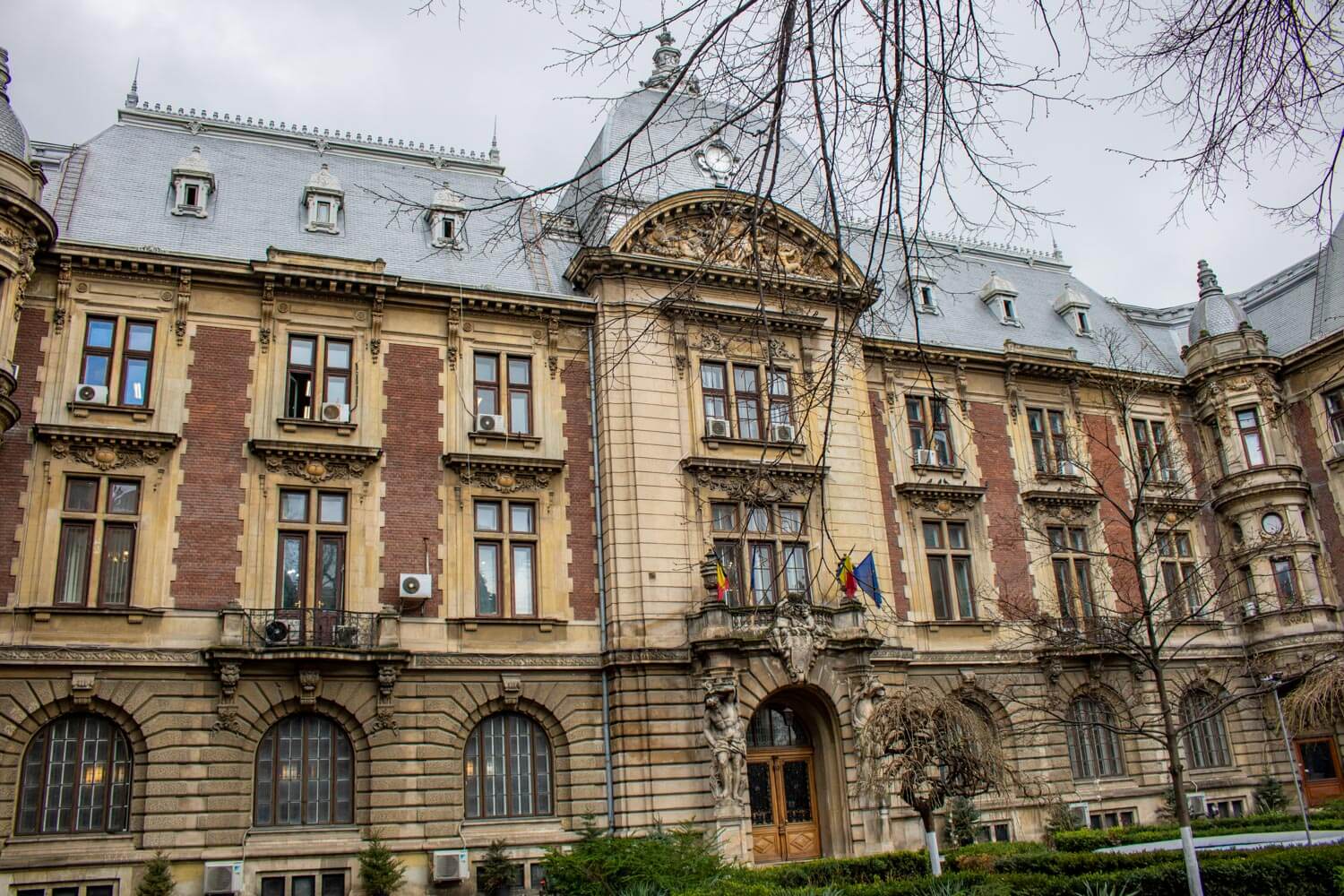
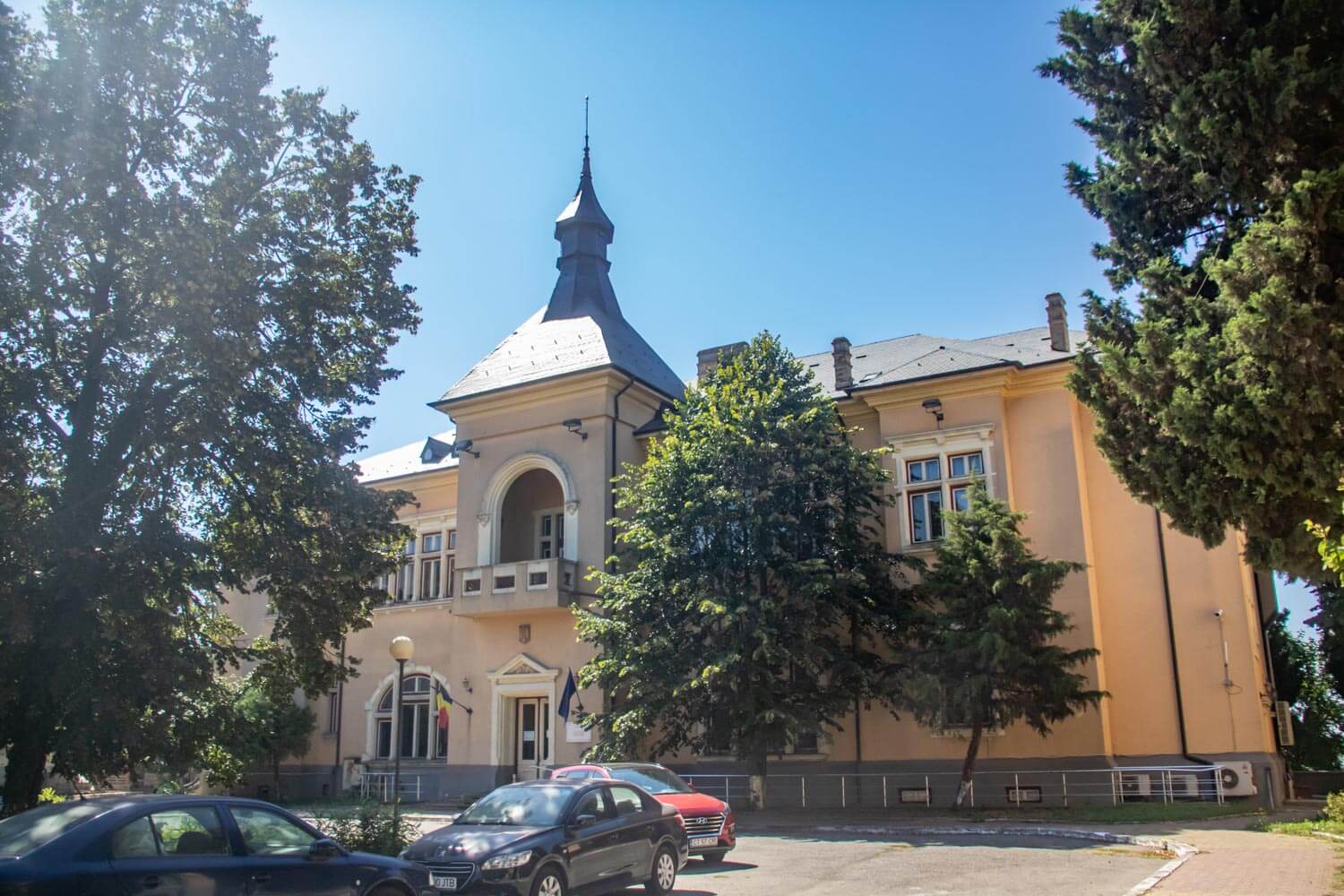
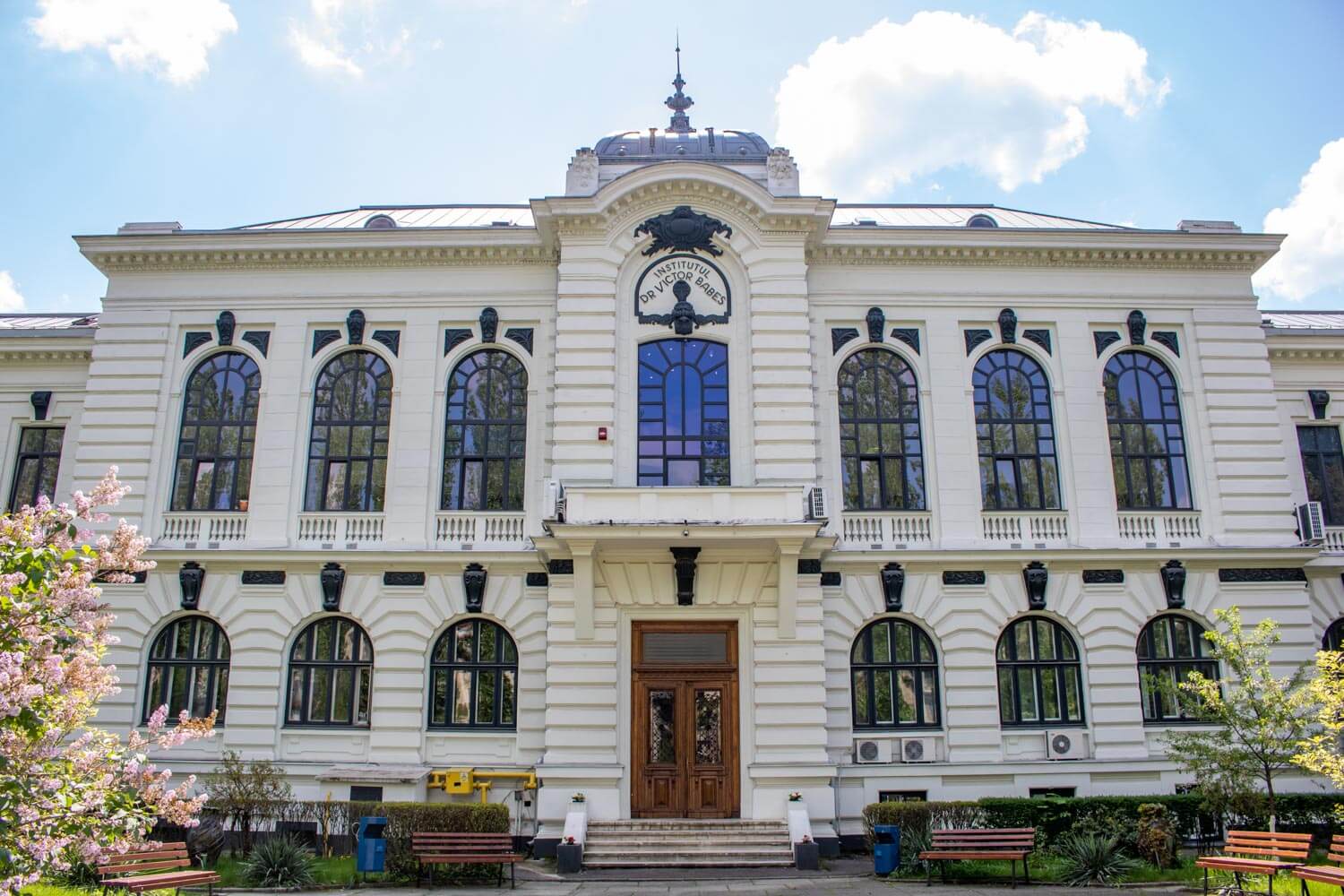
His early work for the Ministry of Cults and Public Instruction quickly placed him among the architects involved in that transformation. Projects included the Botanical Institute in Bucharest and the University Palace in Iași, while later commissions brought some of his most recognizable buildings to the capital. Among them were the Palace of the Ministry of Agriculture and the monumental building created for the Faculty of Medicine, whose grand façades reflected both the importance of the institutions they housed and the architectural ambitions of the period.
Blanc worked primarily within the academic Beaux-Arts tradition in which he had been trained, combining symmetrical planning and classical elements with the richer forms of French Renaissance-inspired architecture. This gave his buildings a noticeably different character from the emerging national style being developed by Mincu at the same time. Rather than searching for a distinctly Romanian architectural language, Blanc helped give Bucharest and other Romanian cities the monumental European appearance sought by many public institutions and wealthy clients at the end of the nineteenth century.
His career in Romania lasted less than two decades before his death in Bucharest in 1903, but it coincided with one of the most intensive periods of construction in the young kingdom. The universities, ministries, medical buildings, and residences he designed remain the clearest record of his contribution, and together they place Louis Pierre Blanc among the foreign-born architects who had a significant role in shaping the appearance of modern Romanian cities.