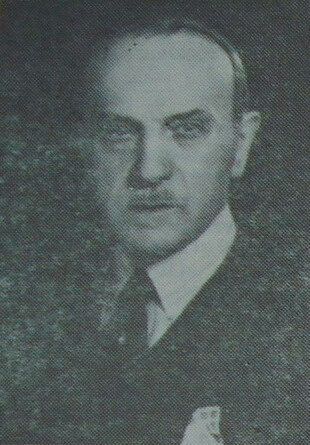
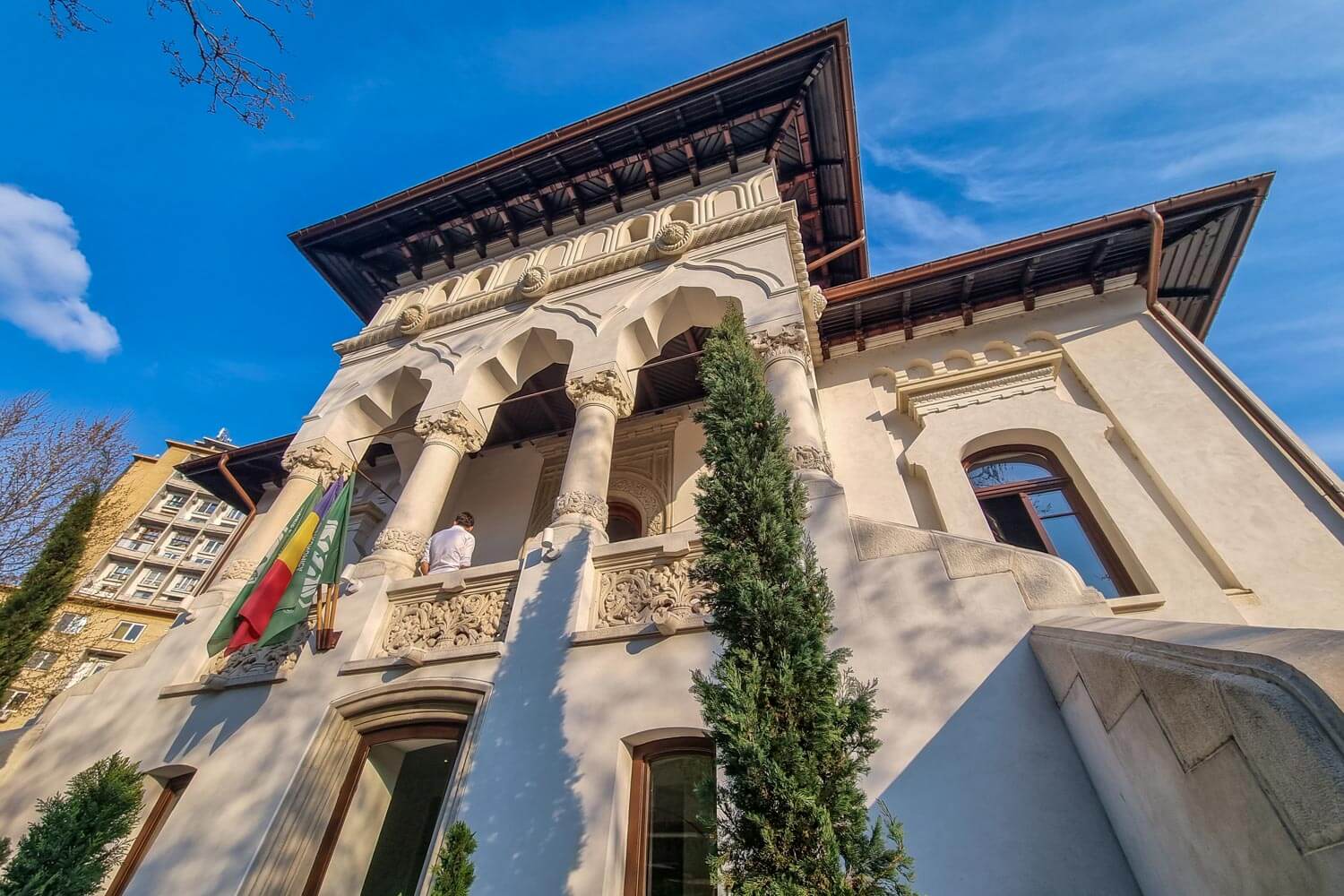
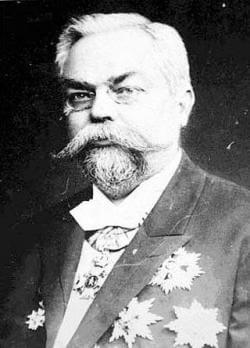
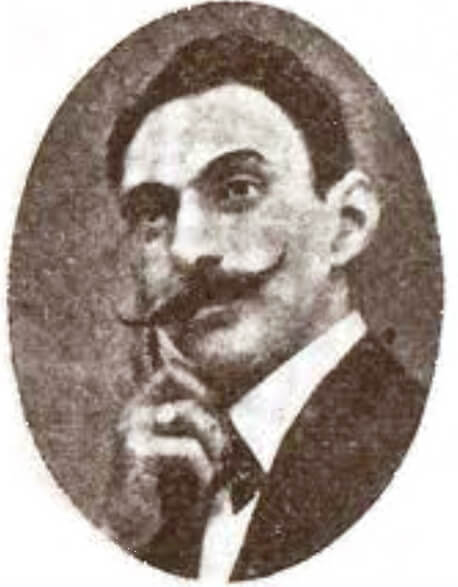
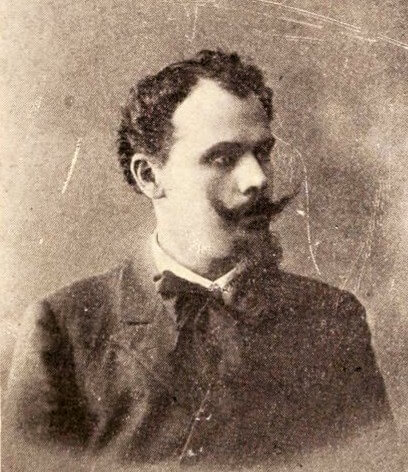
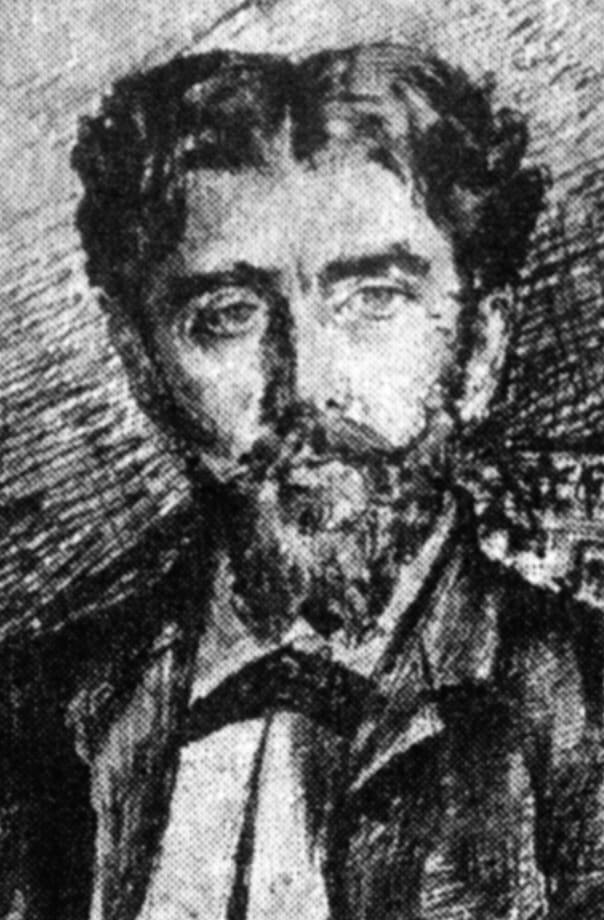
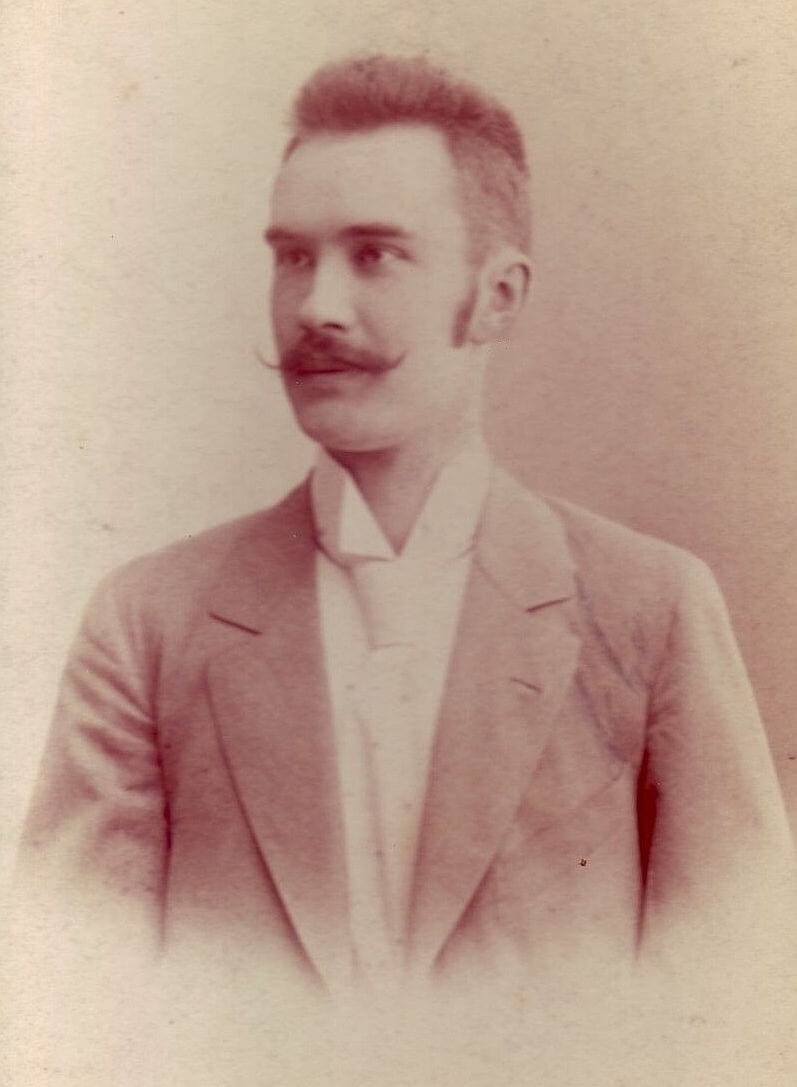
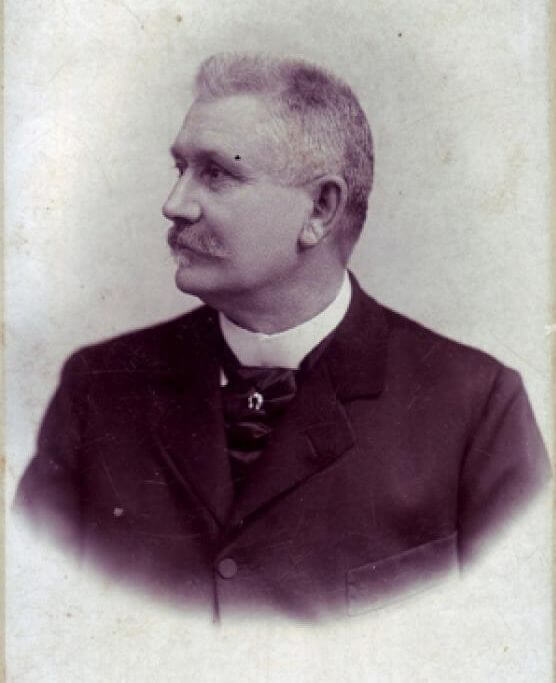
Petre Antonescu (1873-1965) was a Romanian architect, professor, and academic who became one of the leading figures of Neo-Romanian architecture during the early twentieth century. A student of the French academic tradition and an admirer of Ion Mincu’s search for a national architectural language, he adapted Romanian and Brâncovenesc forms to large public buildings, private residences, and monuments, helping turn Neo-Romanian architecture into one of the defining styles of the period.
Born in Râmnicu Sărat, Antonescu initially studied law in Bucharest before abandoning it for architecture and moving to Paris in 1893. He trained at the École des Beaux-Arts and graduated in 1899, returning to Romania just as the Neo-Romanian movement was beginning to expand beyond the pioneering work of Ion Mincu. His early education remained visible in the strong symmetry and monumentality of his designs, but he increasingly combined those academic foundations with arcades, towers, loggias, carved details, and other forms drawn from Romanian historical architecture.
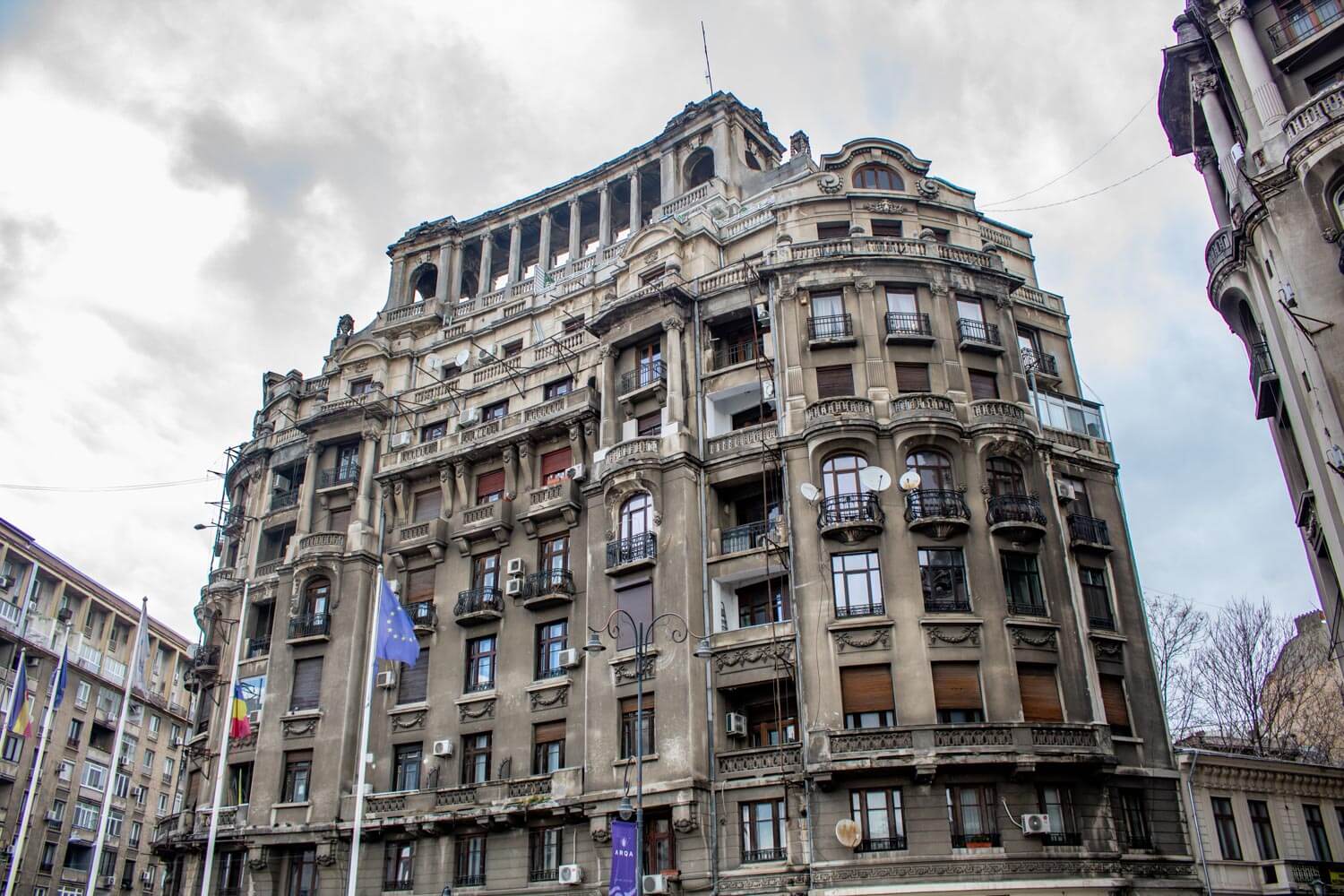
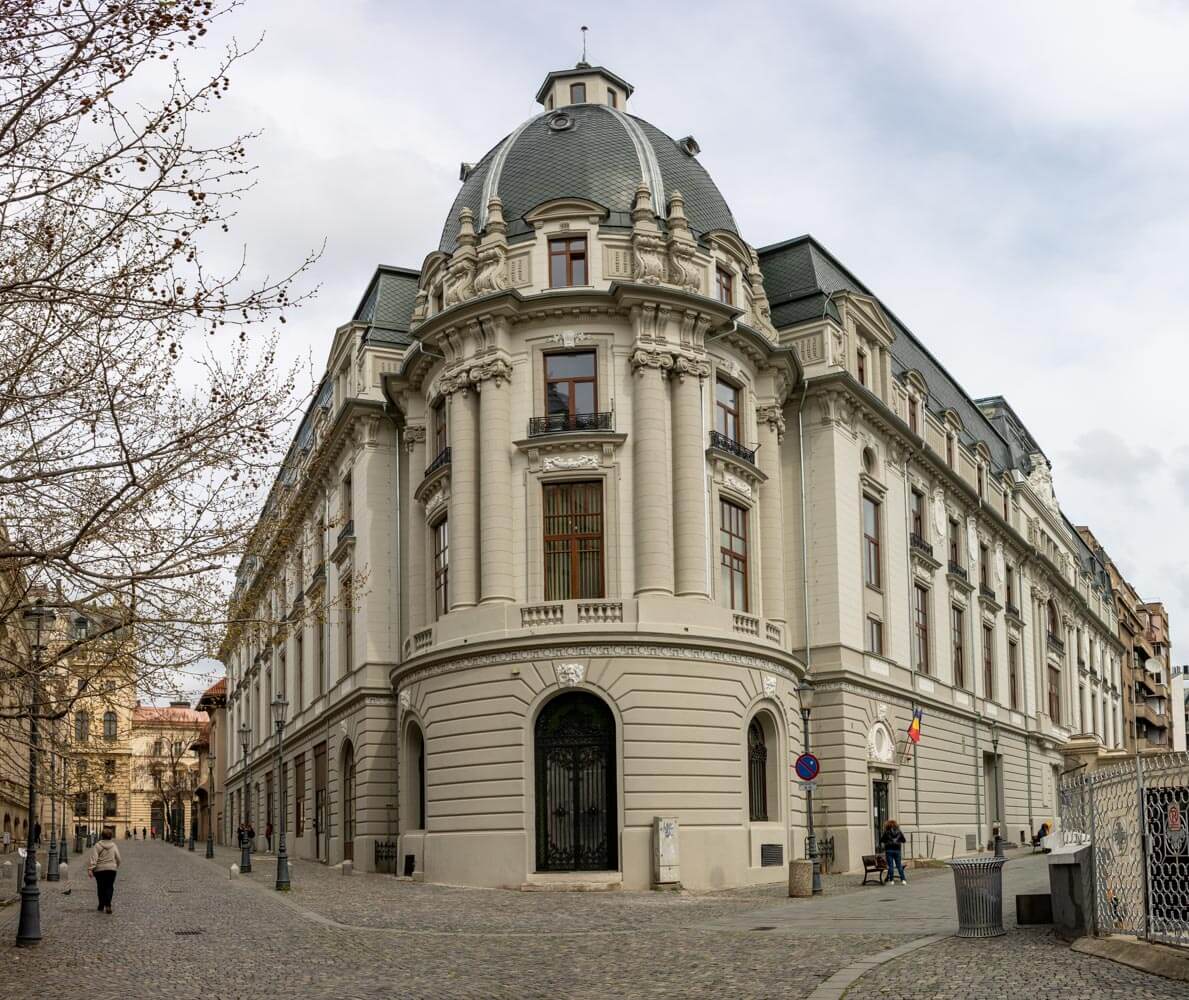
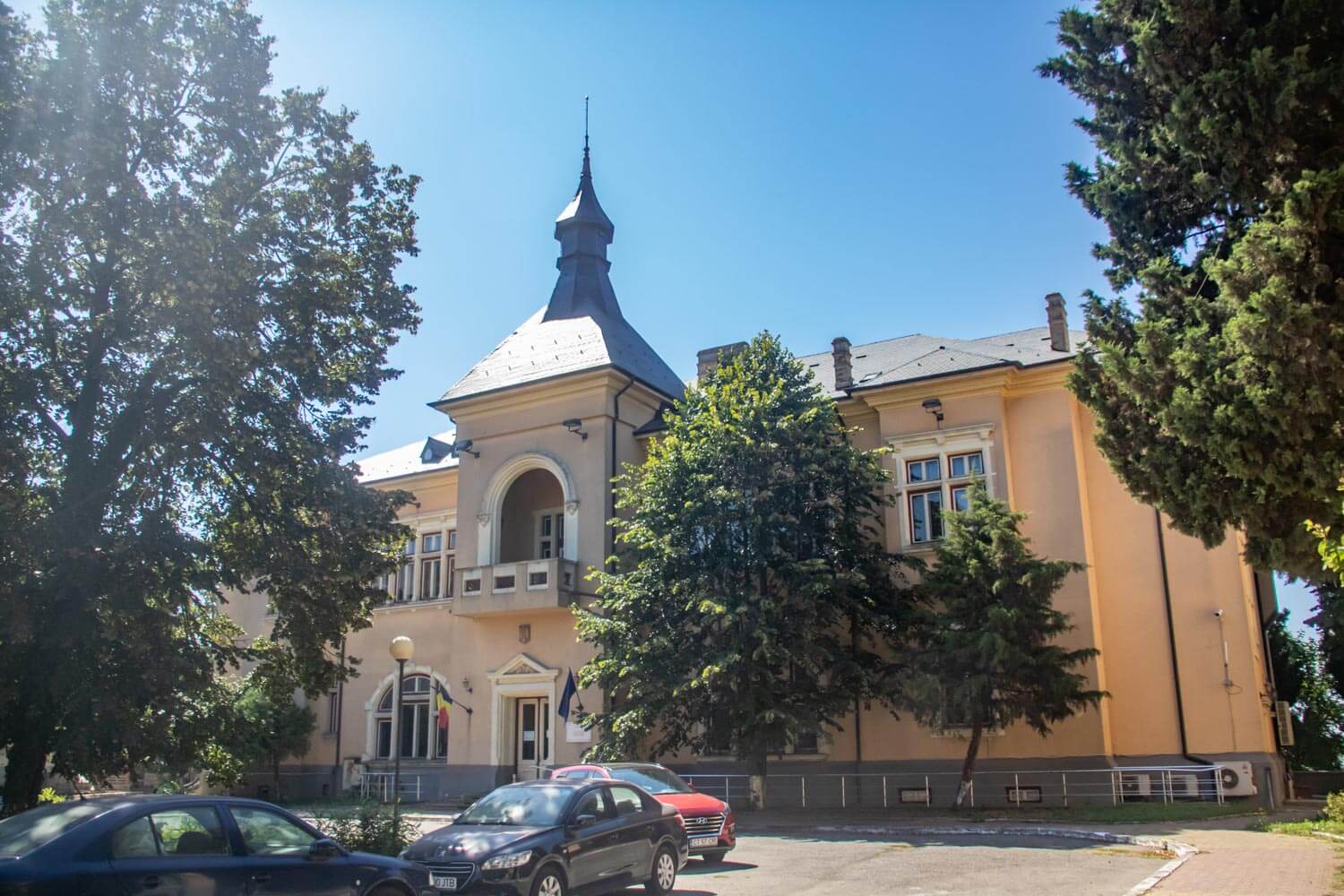
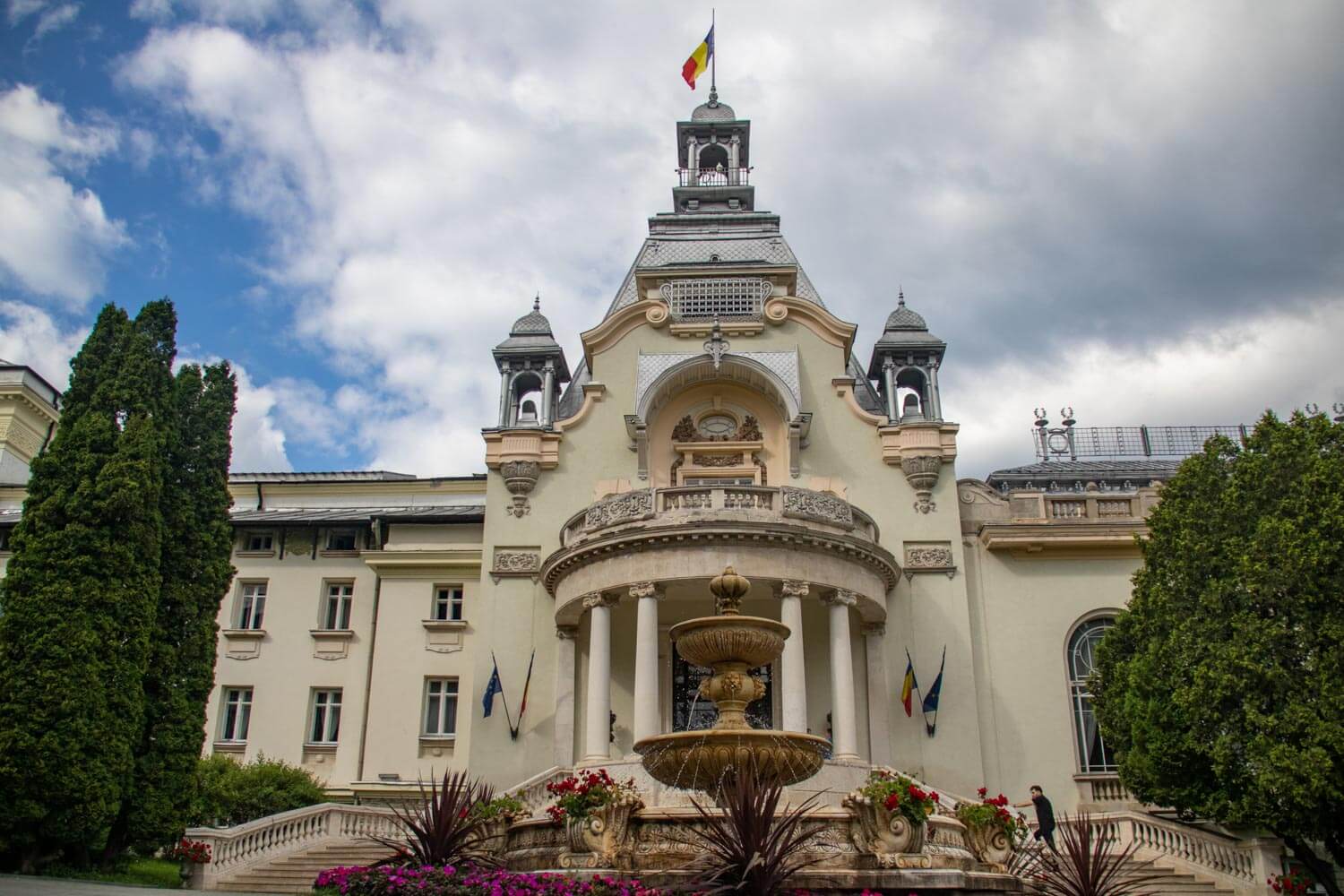
That combination proved particularly effective for the public architecture of the rapidly modernizing Romanian state. The former Ministry of Public Works Palace, today the Bucharest City Hall, and the Administrative Palace of Craiova translated Neo-Romanian motifs onto a much larger institutional scale than the villas and schools in which the style had first developed. Antonescu became especially important in showing that a national architectural language could be used for ministries, administrative headquarters, banks, and other complex urban buildings rather than remaining confined to smaller decorative projects.
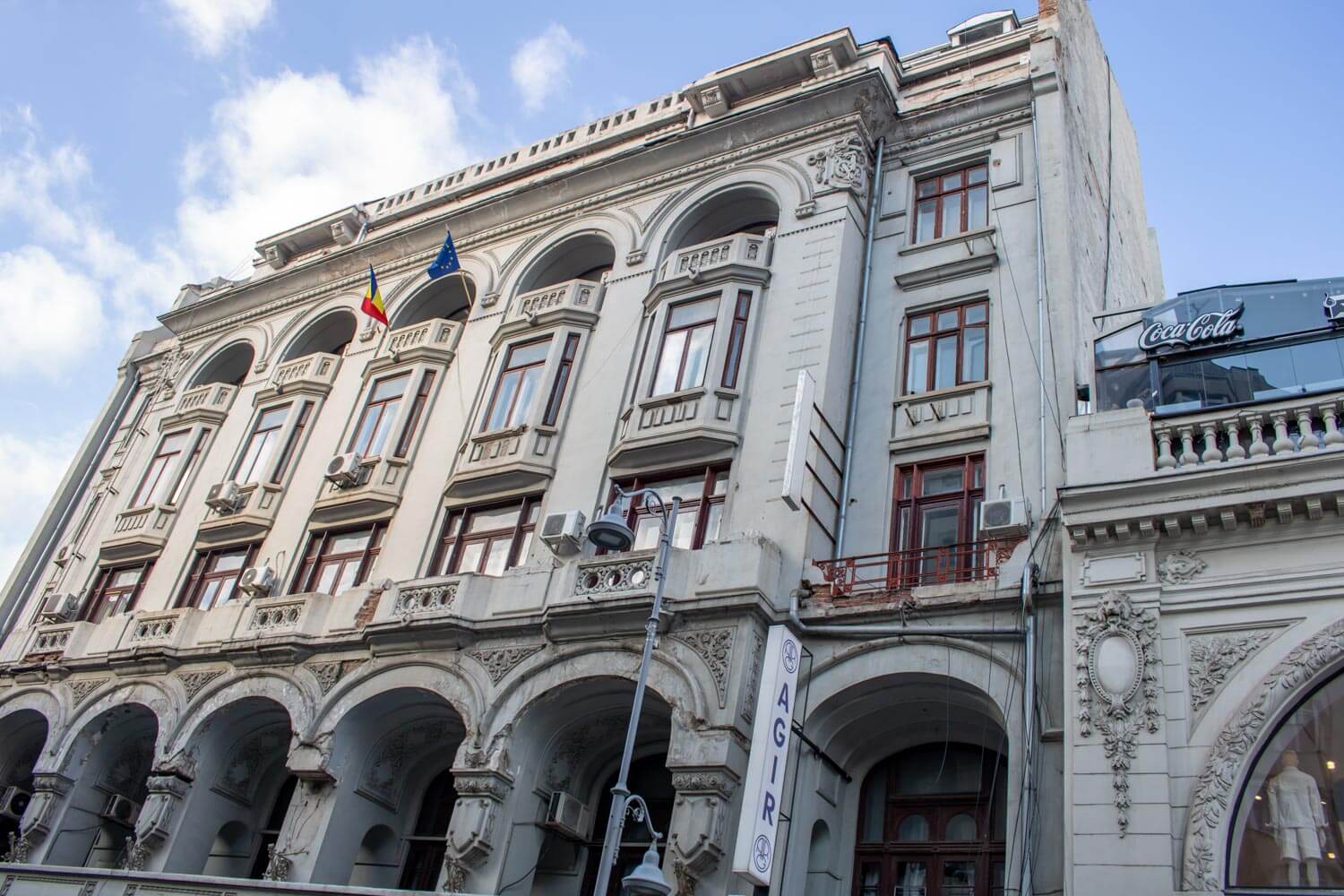
His work nevertheless remained stylistically broader than Neo-Romanian architecture alone. Buildings such as Kretzulescu Palace reflect stronger French academic and eclectic influences, while the Faculty of Law of the University of Bucharest and the Accademia di Romania in Rome moved toward more restrained classical monumentality. This ability to shift between national, academic, and classical forms gave Antonescu a long career that extended well into the interwar period.
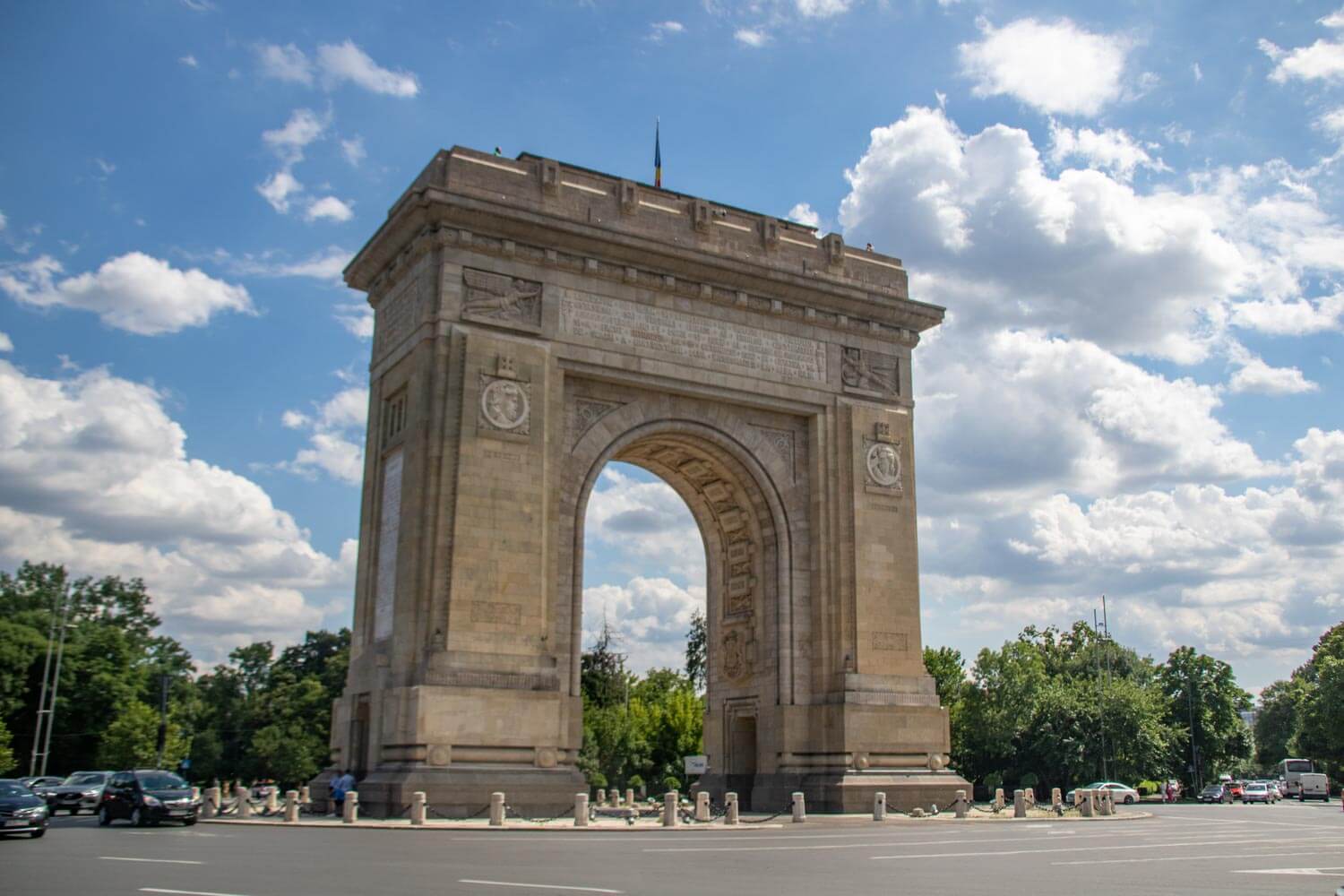
One of his most visible later commissions was the Triumphal Arch in Bucharest. Antonescu first designed the temporary version erected for the coronation celebrations of 1922 and later redesigned the monument in permanent stone in 1935-1936. The result became one of the principal monuments commemorating the 1918 union and one of the most recognizable works of his career.
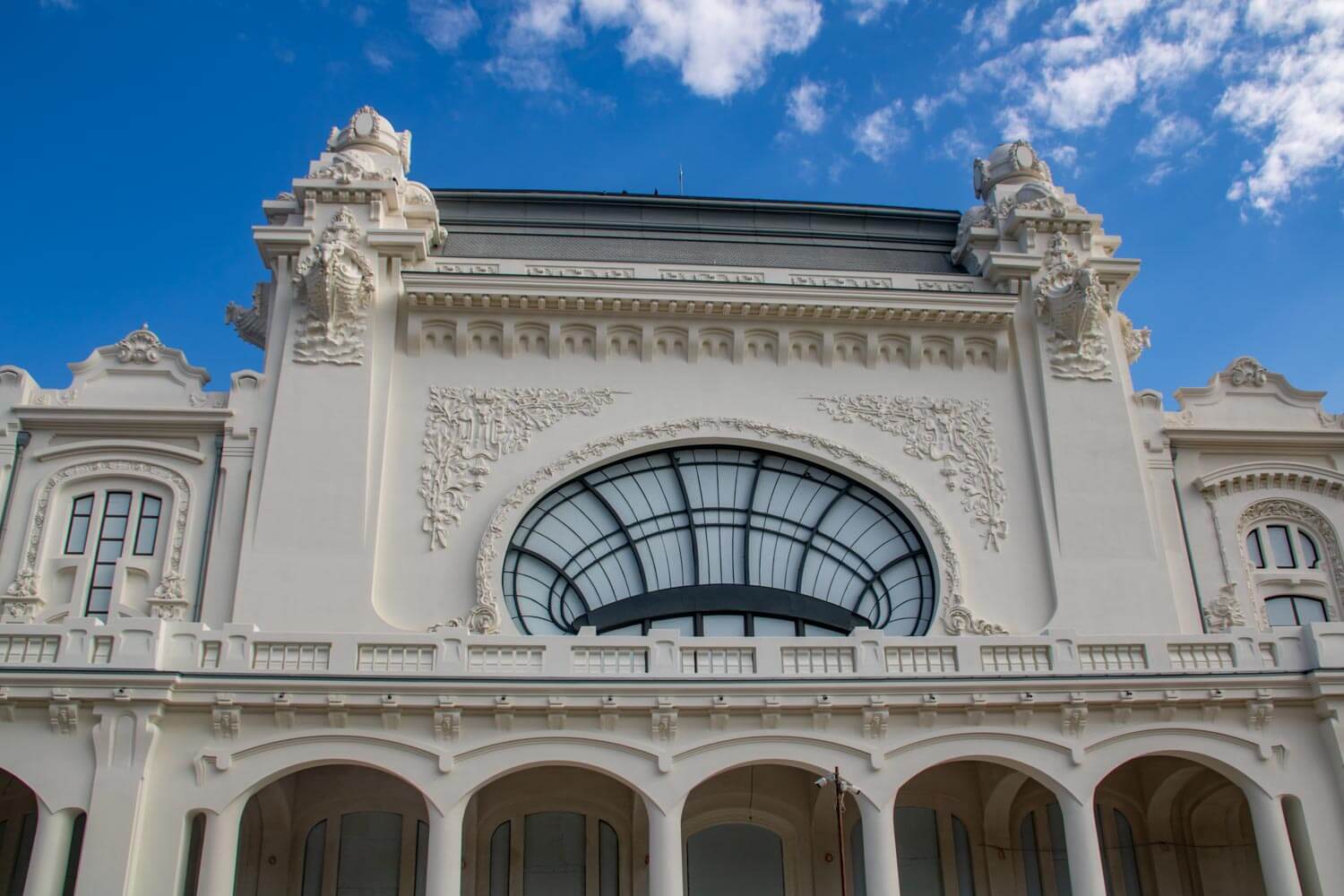
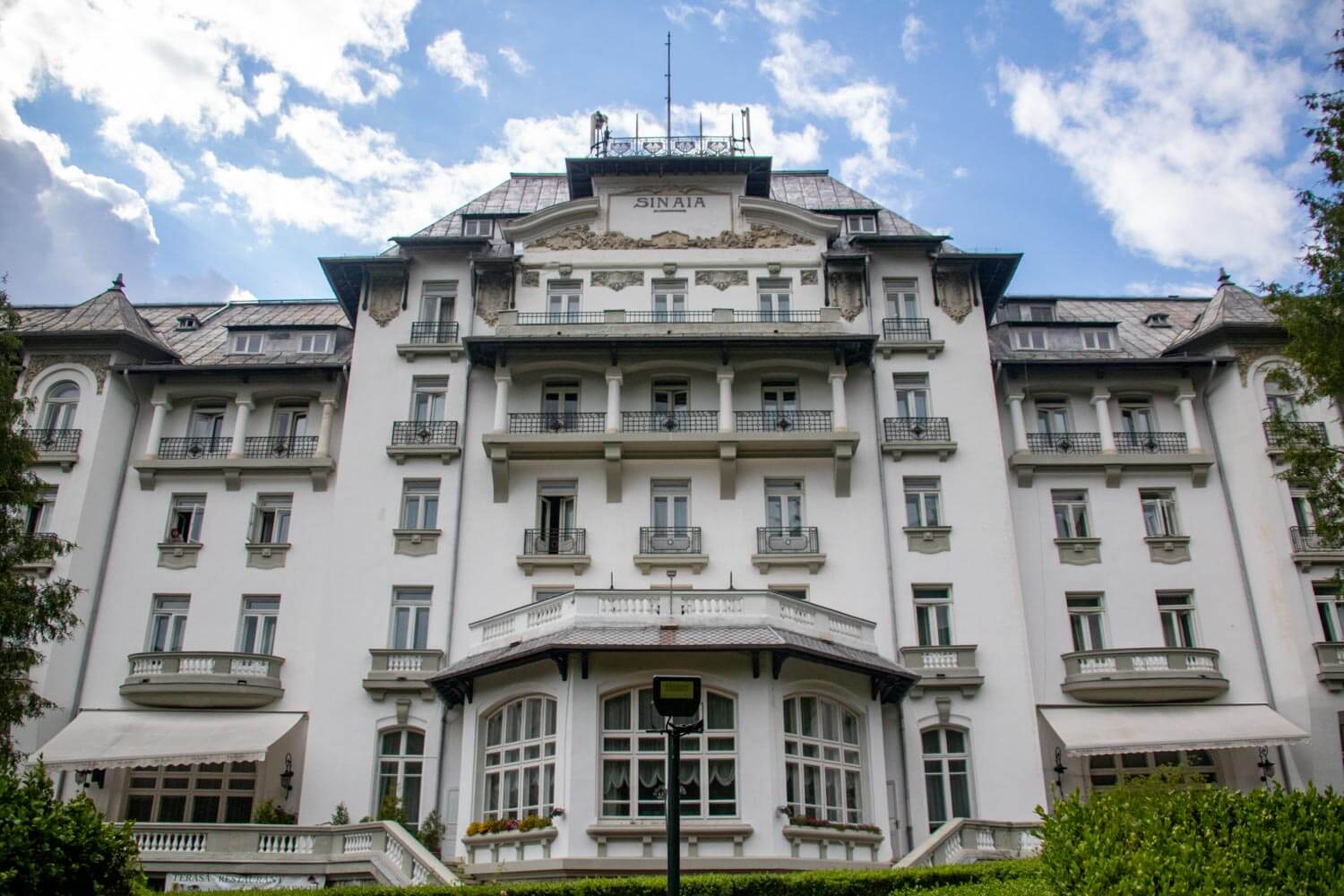
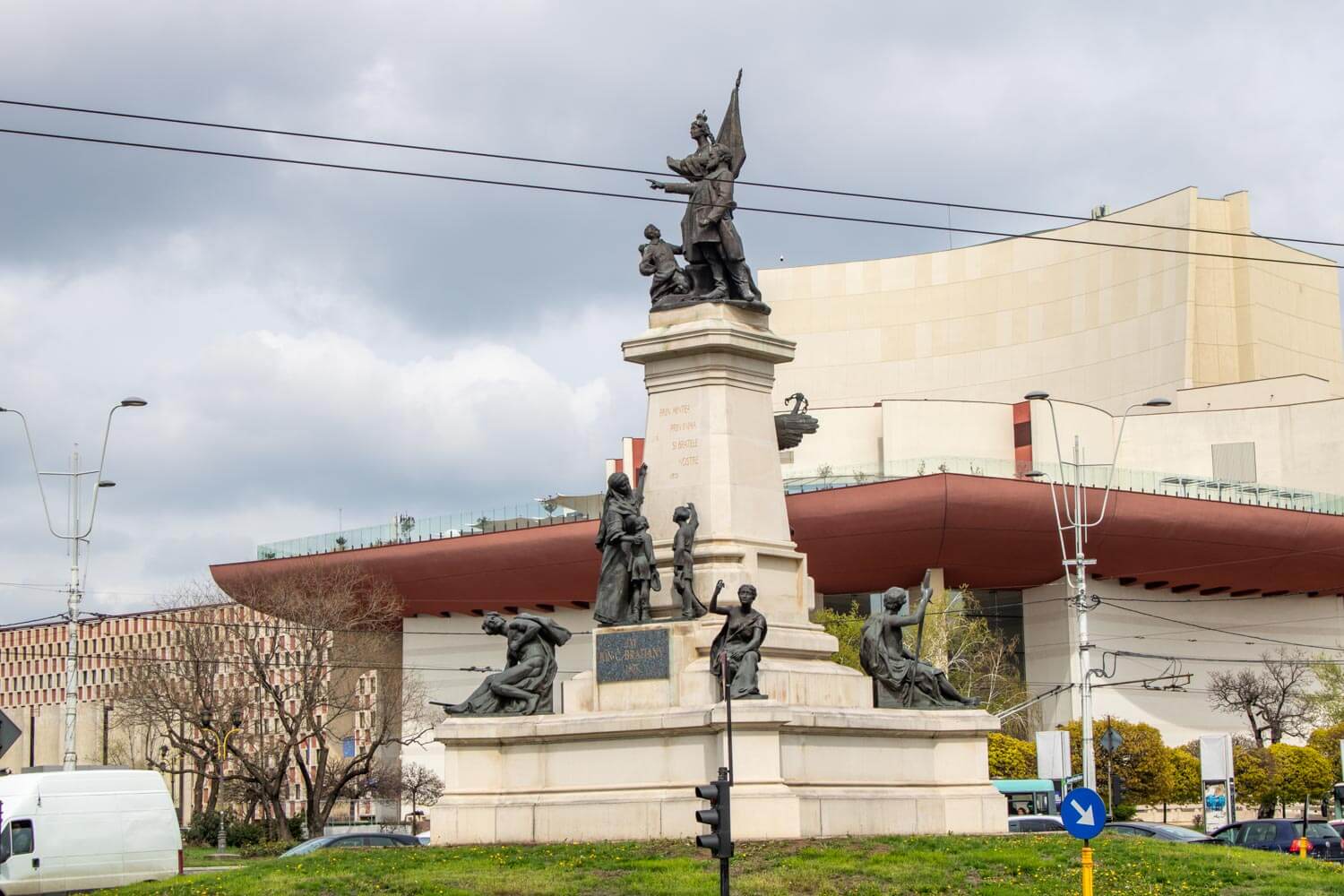
Alongside these major public projects, Antonescu designed villas and residences for some of Romania’s most prominent families, including several commissions for the Brătianus. He also worked on industrial and transport infrastructure, among them the Navigation Palace in Galați and port-related structures, showing that his practice extended well beyond ceremonial architecture.
His influence was amplified through architectural education. Antonescu taught at the School of Architecture in Bucharest from 1900 to 1938 and served as rector between 1931 and 1938, while his work with the Historical Monuments Commission and the Society of Romanian Architects placed him at the center of the profession for decades. He was elected an honorary member of the Romanian Academy in 1936 and became a full member in 1945.
Antonescu died in Bucharest in 1965 after a career spanning more than six decades. His administrative palaces, villas, academic buildings, and the Arch of Triumph show how far Neo-Romanian architecture had developed from its late nineteenth-century beginnings, while his teaching helped pass that architectural language to the generations that followed.