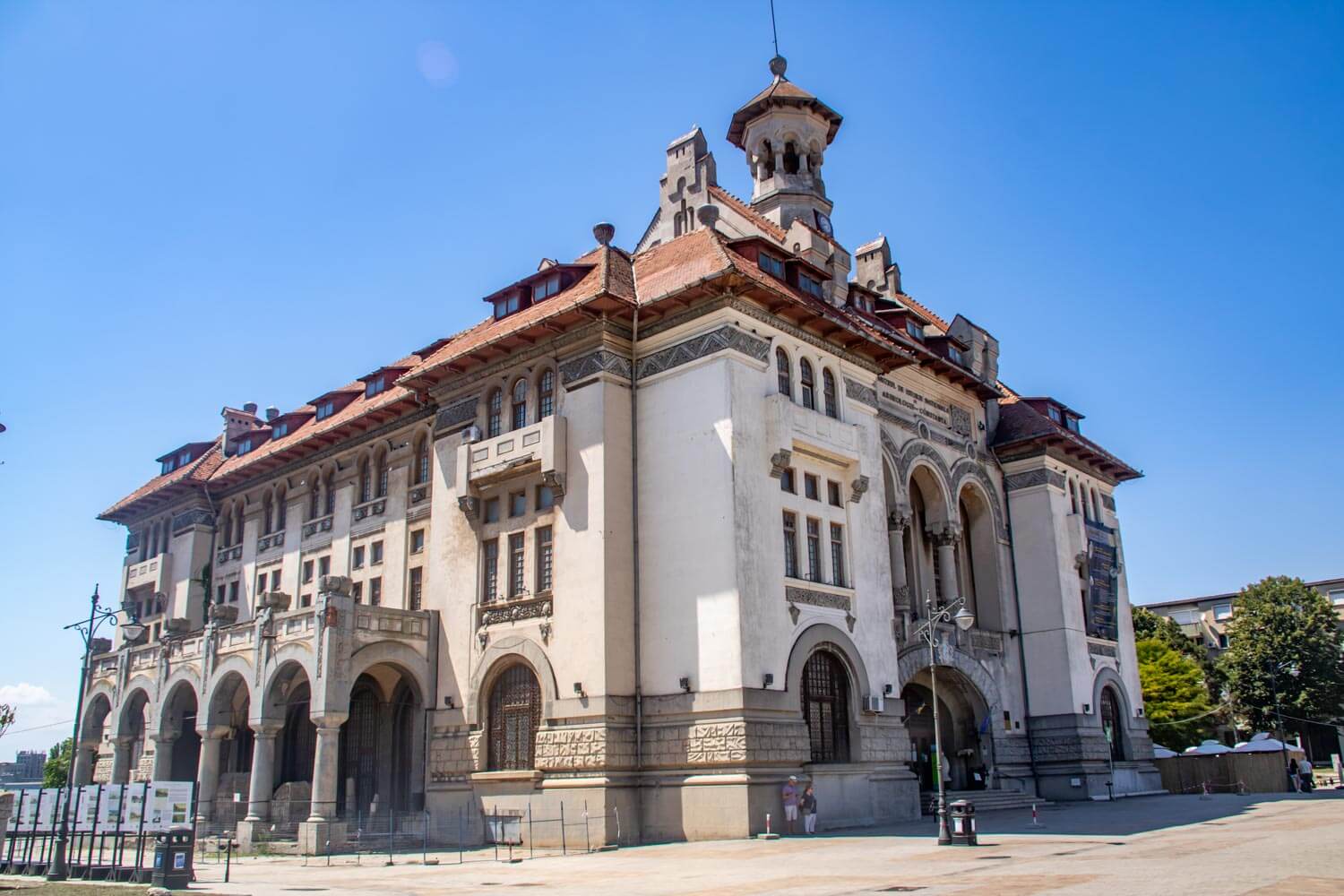
The Museum of National History and Archaeology Constanța (Muzeul de Istorie Națională și Arheologie Constanța) is the principal history and archaeology museum in Constanța, housed in the former City Hall on Ovid Square. Its collections span the history of Dobrogea from prehistoric settlement and ancient Tomis through the medieval and modern periods, with archaeological finds forming a particularly important part of the museum.
History And Architecture Of The Building
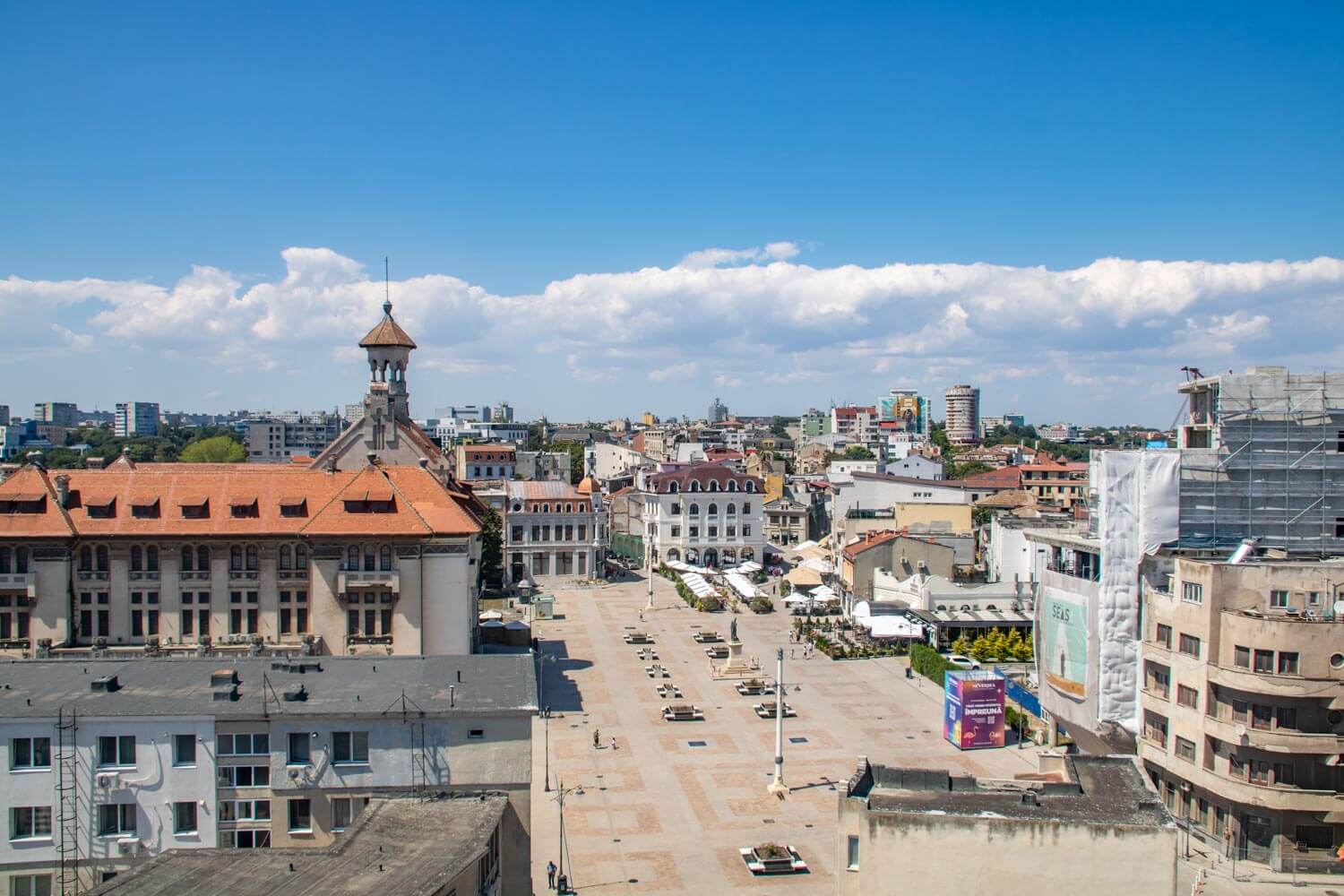
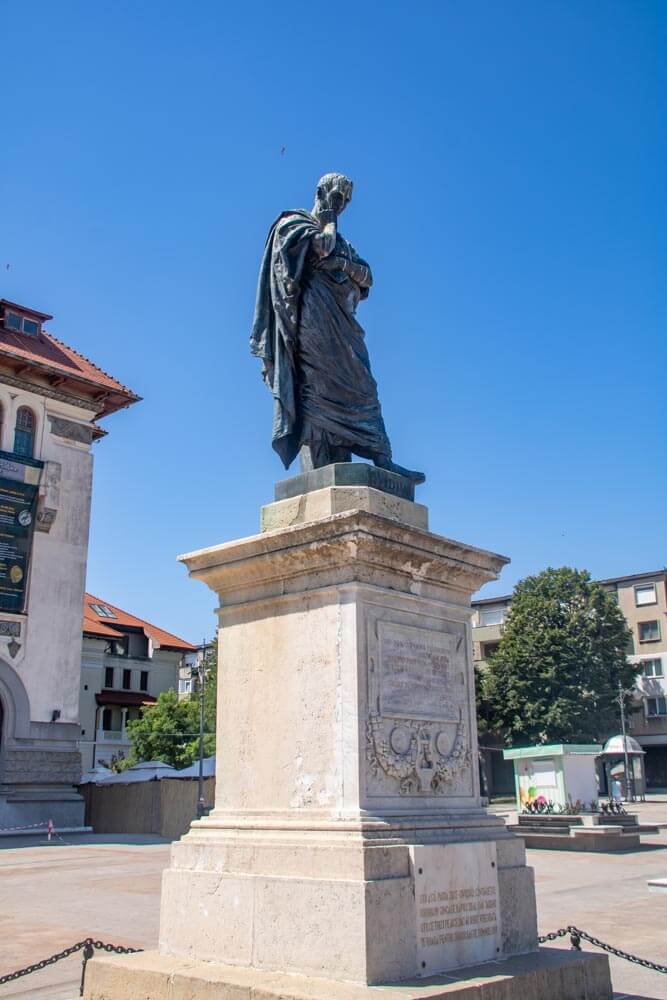
The museum occupies Constanța’s former Communal Palace, built between 1911 and 1921 as the headquarters of the municipal administration. Designed by architect Victor Ștefănescu in the Neo-Romanian style, the monumental building dominates the western side of Ovid Square, with a tall central tower and a symmetrical façade overlooking the statue of Ovid.
Construction was interrupted by World War I, delaying completion until 1921. Inside, municipal offices were arranged around a central courtyard, while the principal rooms occupied the floors facing the square. The first floor contained the council chamber, mayor’s office and marriage hall, with the council chamber opening toward Ovid Square through the prominent central loggia. The building also included commercial spaces on the ground floor, including a restaurant and café, while administrative departments occupied the upper levels.
The City Hall remained here until 1977, when the municipal administration moved to the newly completed Administrative Palace in what is now City Hall Park. The former Communal Palace was then handed over to the history museum, which opened there later that year.
History Of The Museum
Efforts to preserve Constanța’s archaeological discoveries began soon after Dobrogea became part of Romania in 1878. As construction and modernization exposed increasing numbers of ancient objects from Tomis, prefect Remus Opreanu and school inspector Ion Bănescu began gathering finds with the intention of establishing a local museum. The collection moved through several temporary locations during the following decades as the city struggled to provide it with a permanent home.
A more formal foundation came in 1911, when archaeologist Vasile Pârvan supported the establishment of a Museum of Antiquities in Constanța. Archaeological research expanded alongside the growing city, and finds from Tomis continued to enlarge the collection. After further reorganizations, a museum opened in part of the City Hall complex in 1930 before later moving to premises near the Casino.
The institution entered a new phase in 1957 with the opening of the Constanța Museum of Archaeology, which combined public displays with archaeological research, conservation and restoration. Its specialists became increasingly involved in excavations throughout Dobrogea, including major sites such as Histria, Capidava and Adamclisi as well as continuing discoveries beneath Constanța itself.
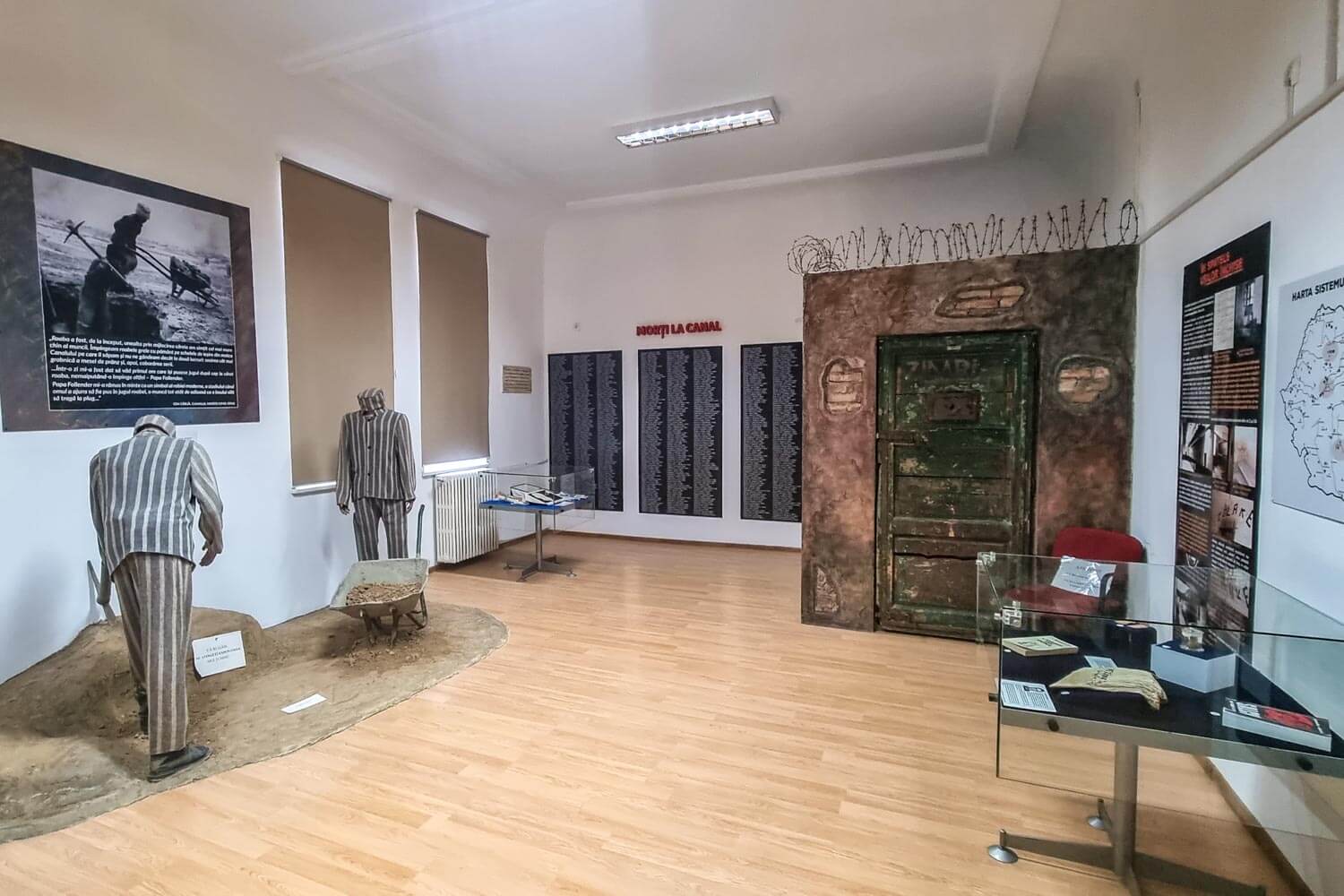
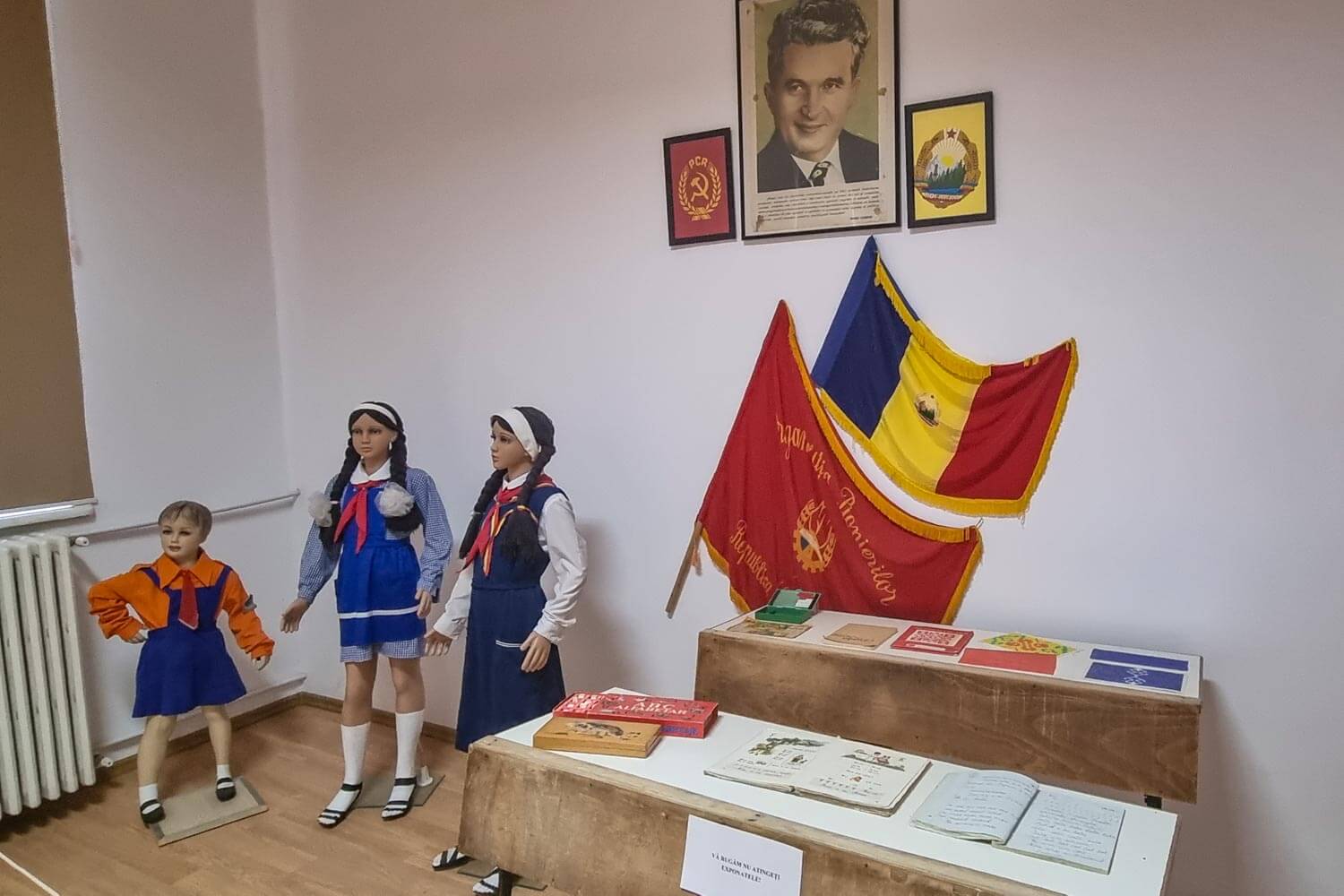
In 1977, the museum returned to the former City Hall and was reorganized as the Museum of National History and Archaeology Constanța. The move provided enough space to extend the story beyond archaeology and the medieval period into the modern history of Dobrogea and Romania. The institution has since developed a collection of around 400,000 objects and also carries out archaeological research and manages a wider network of archaeological monuments and museum sites across Constanța County.
Collections And Visiting The Museum
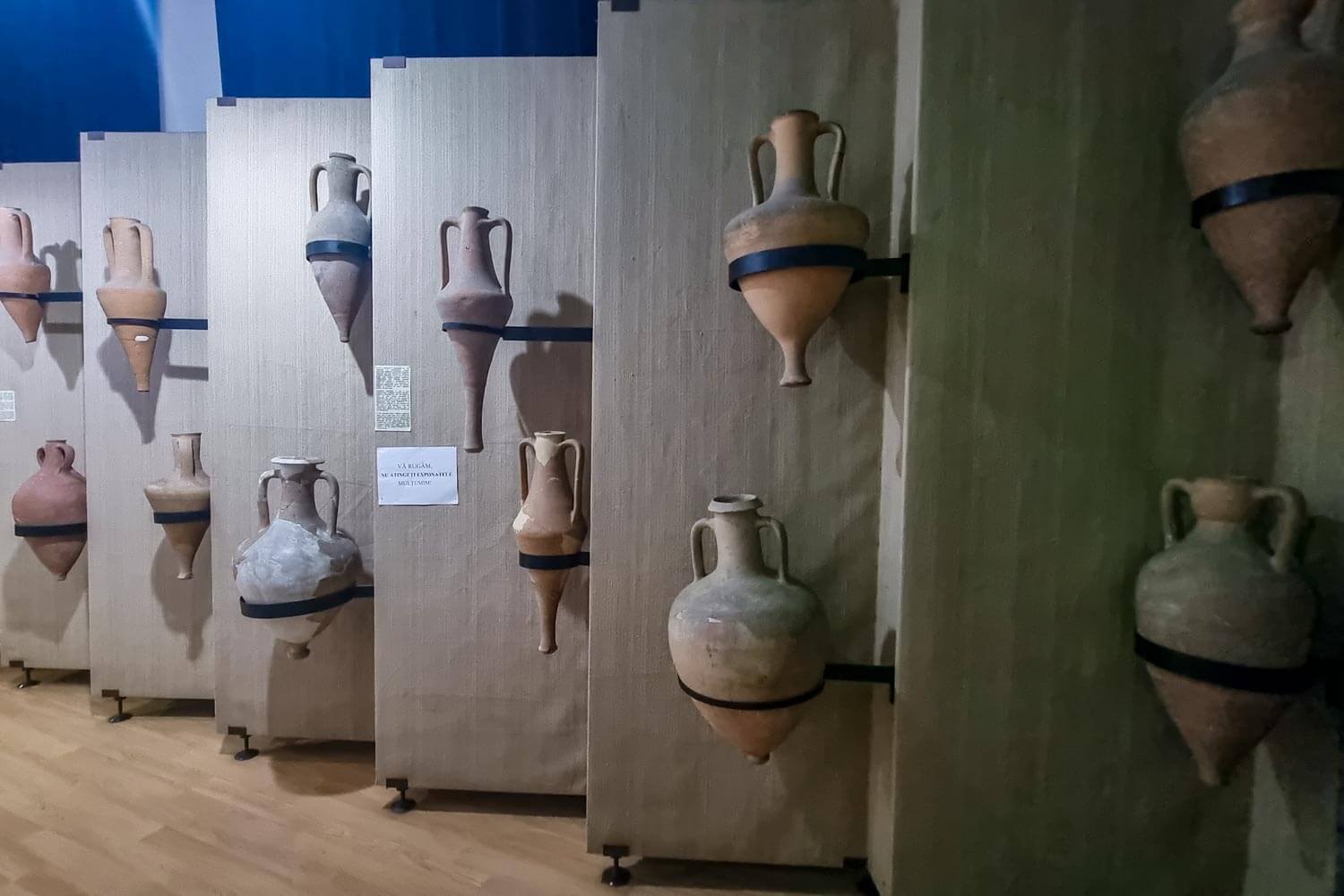
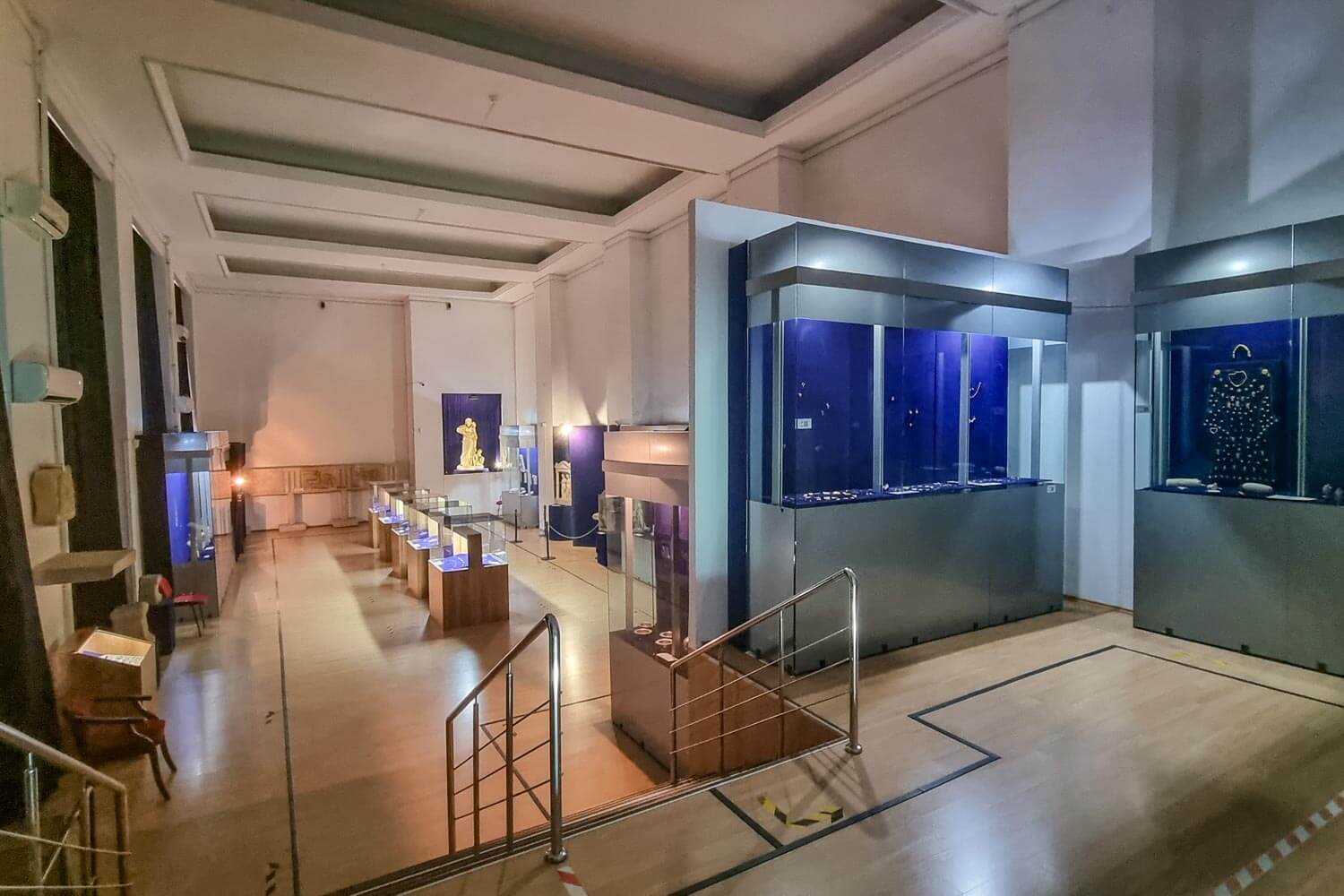
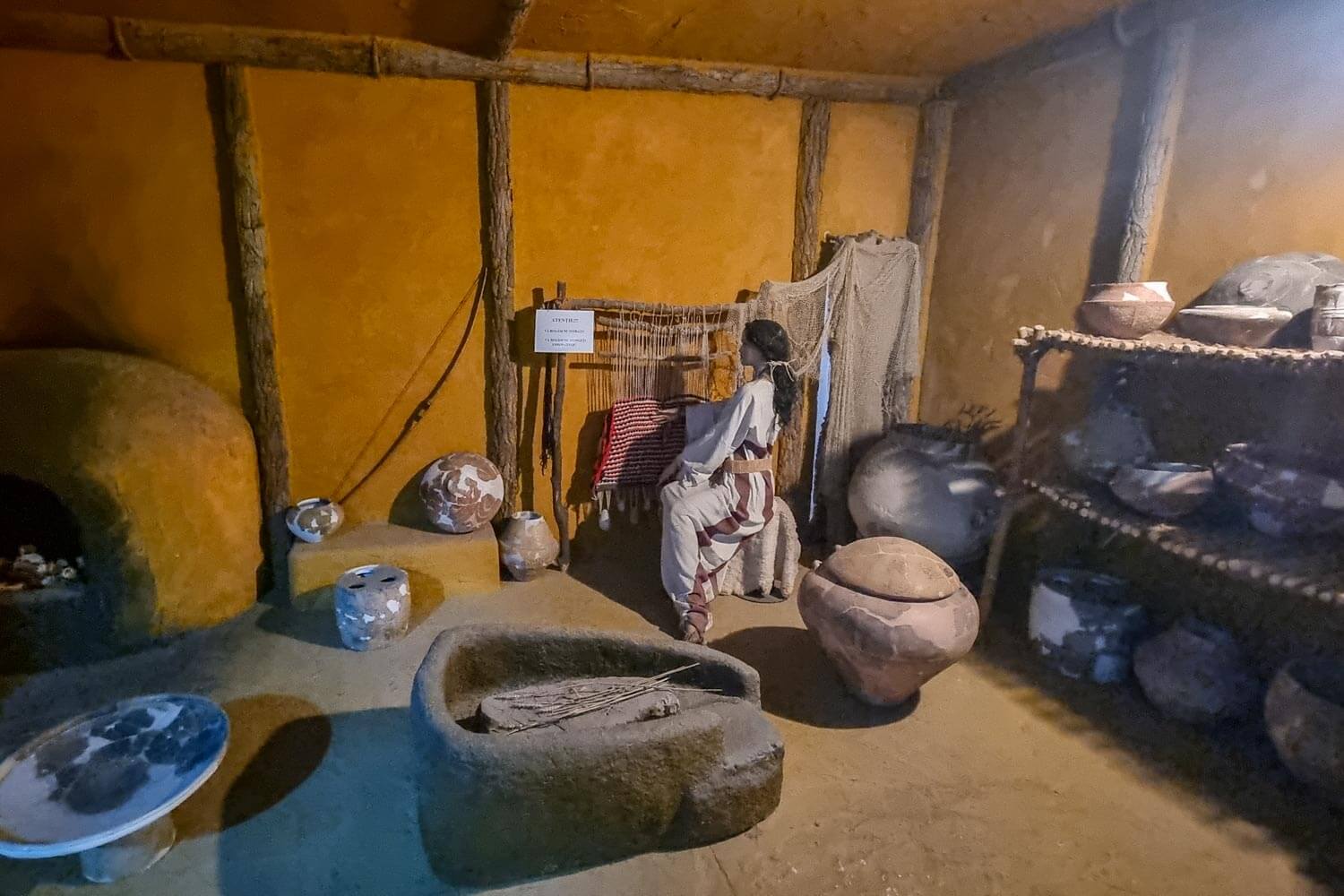
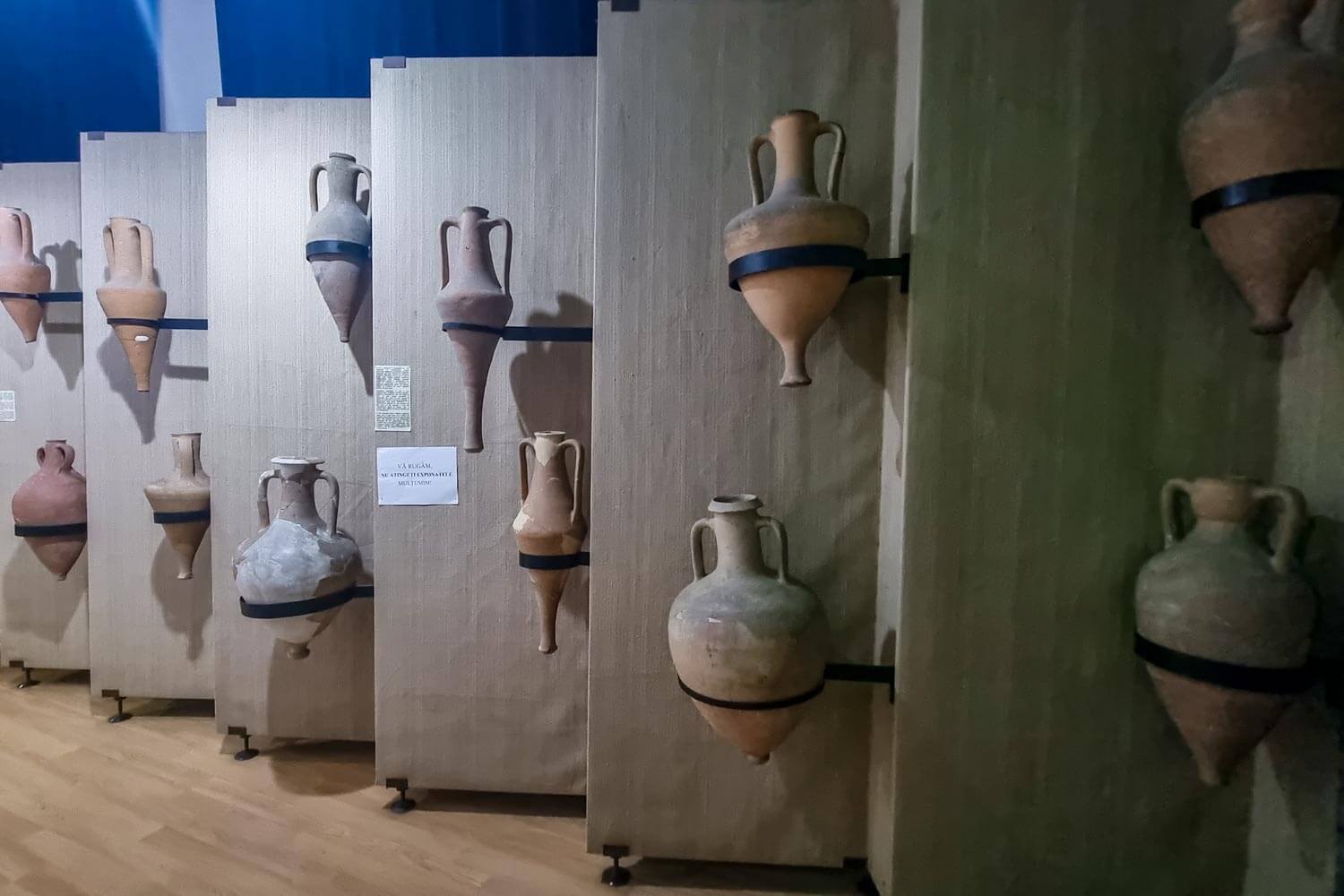
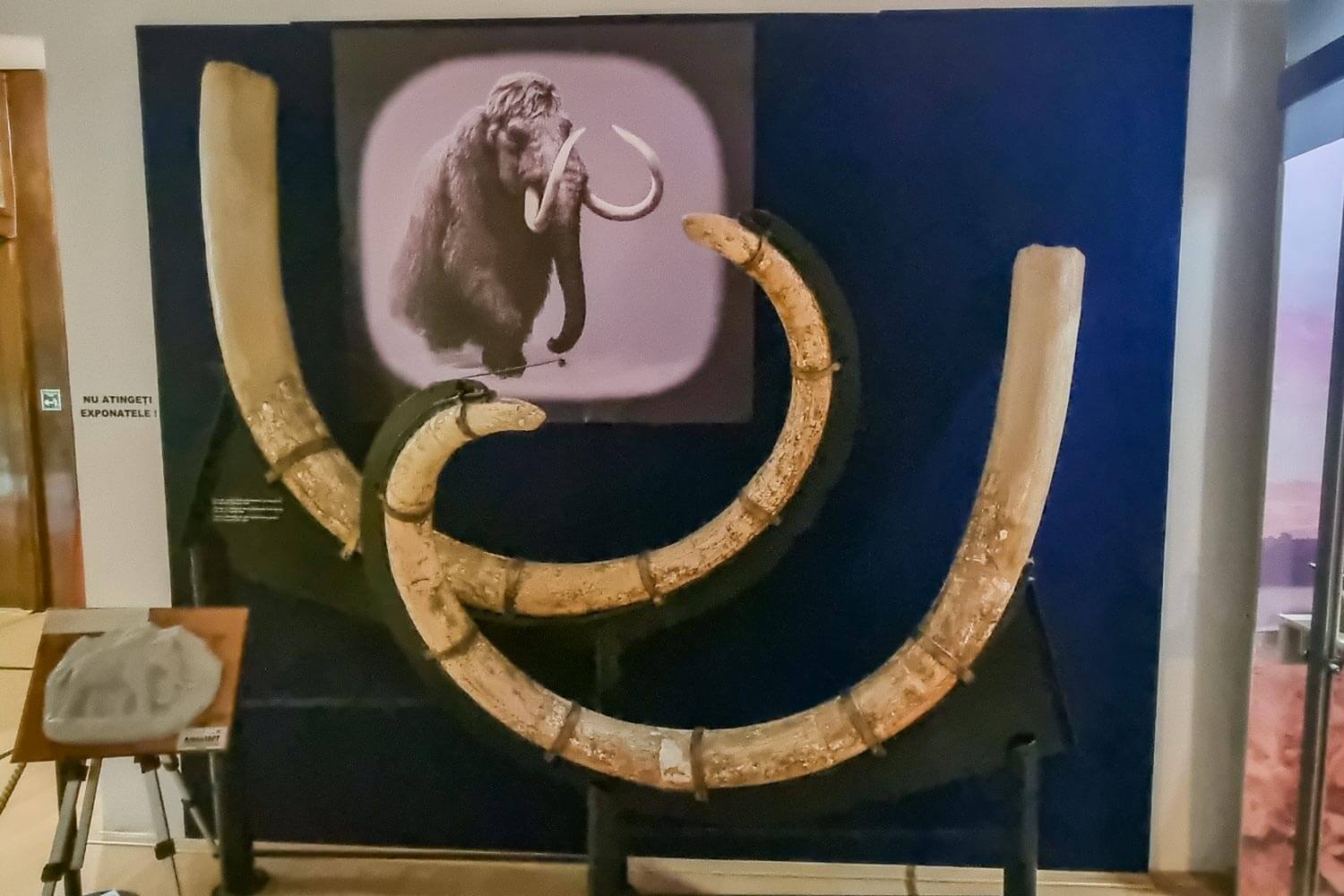
The permanent exhibition follows the history of Dobrogea broadly chronologically. Prehistoric objects introduce the earliest communities of the region before the galleries turn to the Greek colonies established along the western Black Sea and the development of Tomis, Histria and Callatis. Pottery, inscriptions, sculpture, coins, jewelry and everyday objects illustrate trade, religion and daily life as these settlements became part of the Roman world.
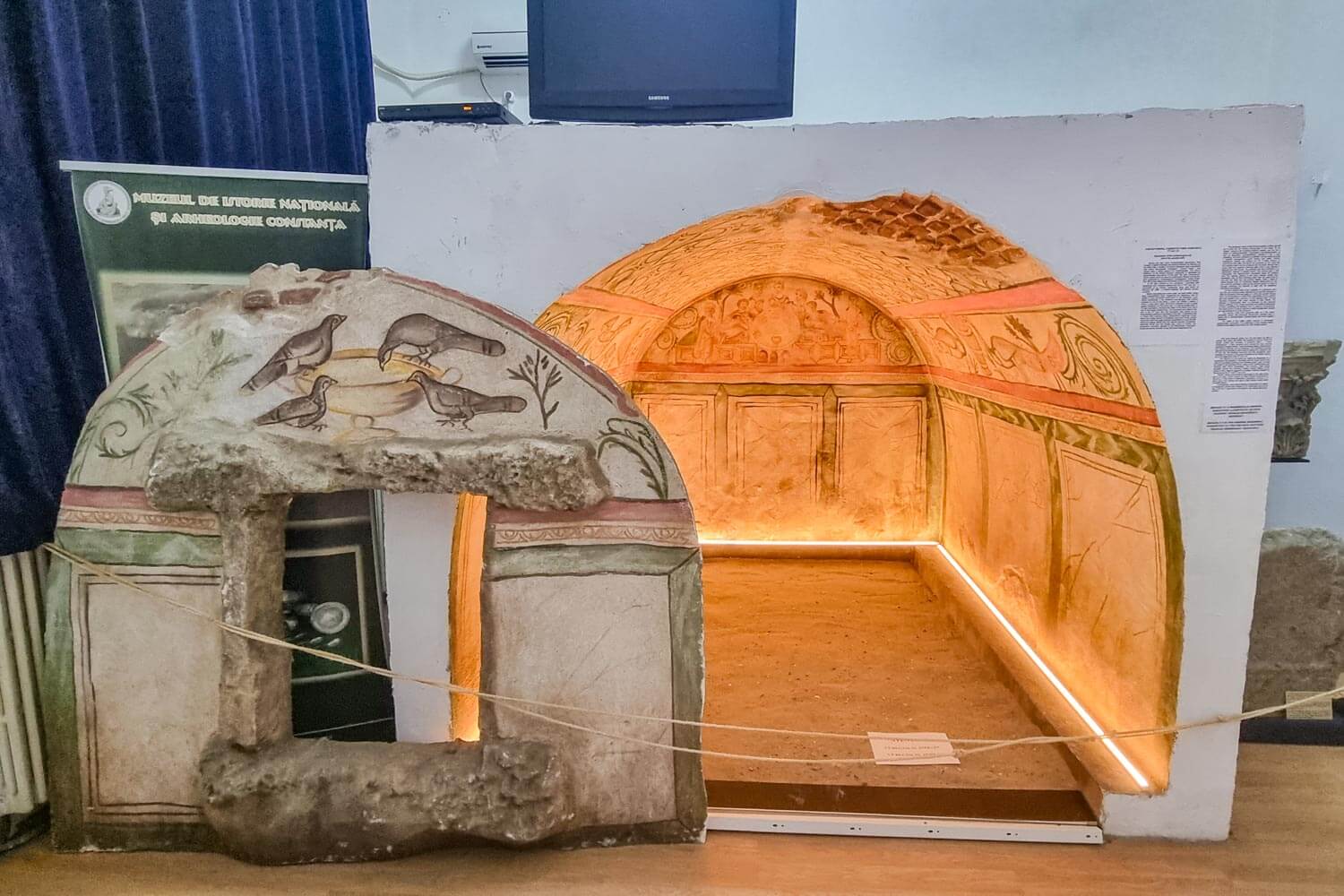
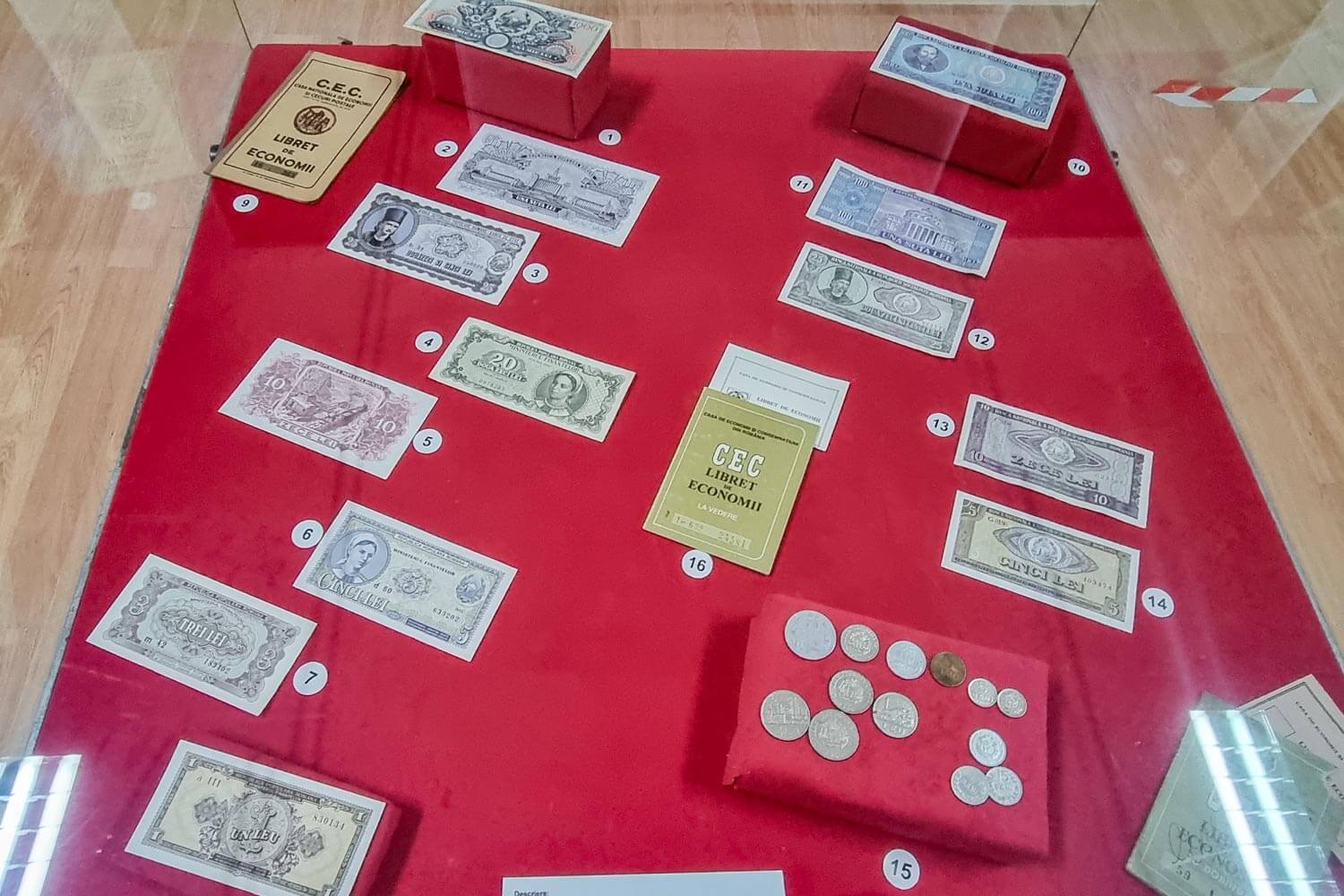
Roman and late antique Tomis form a major part of the collection. Stone inscriptions, statues, architectural elements, funerary objects and smaller finds document the city that lies beneath modern Constanța, while material from elsewhere in Dobrogea places Tomis within the wider province of Scythia Minor. The galleries then continue through the medieval period and into the modern history of the region, including the integration of Dobrogea into Romania and the subsequent development of Constanța.
Among the museum’s best-known displays are its archaeological treasures, including collections of ancient jewelry, coins and precious-metal objects. Larger sculptures and inscribed stones complement the smaller finds, giving the exhibition both monumental pieces and objects connected with everyday life.
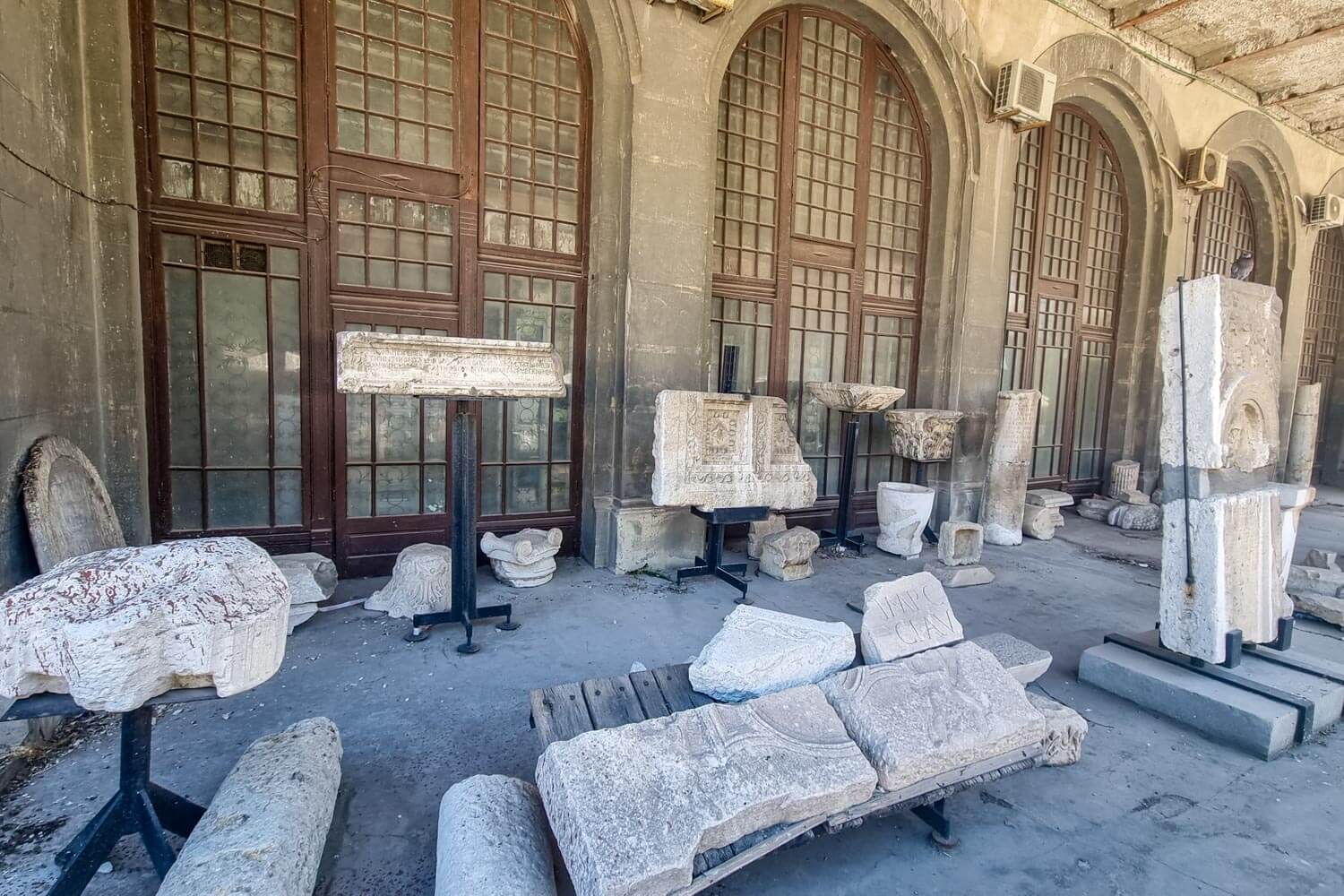
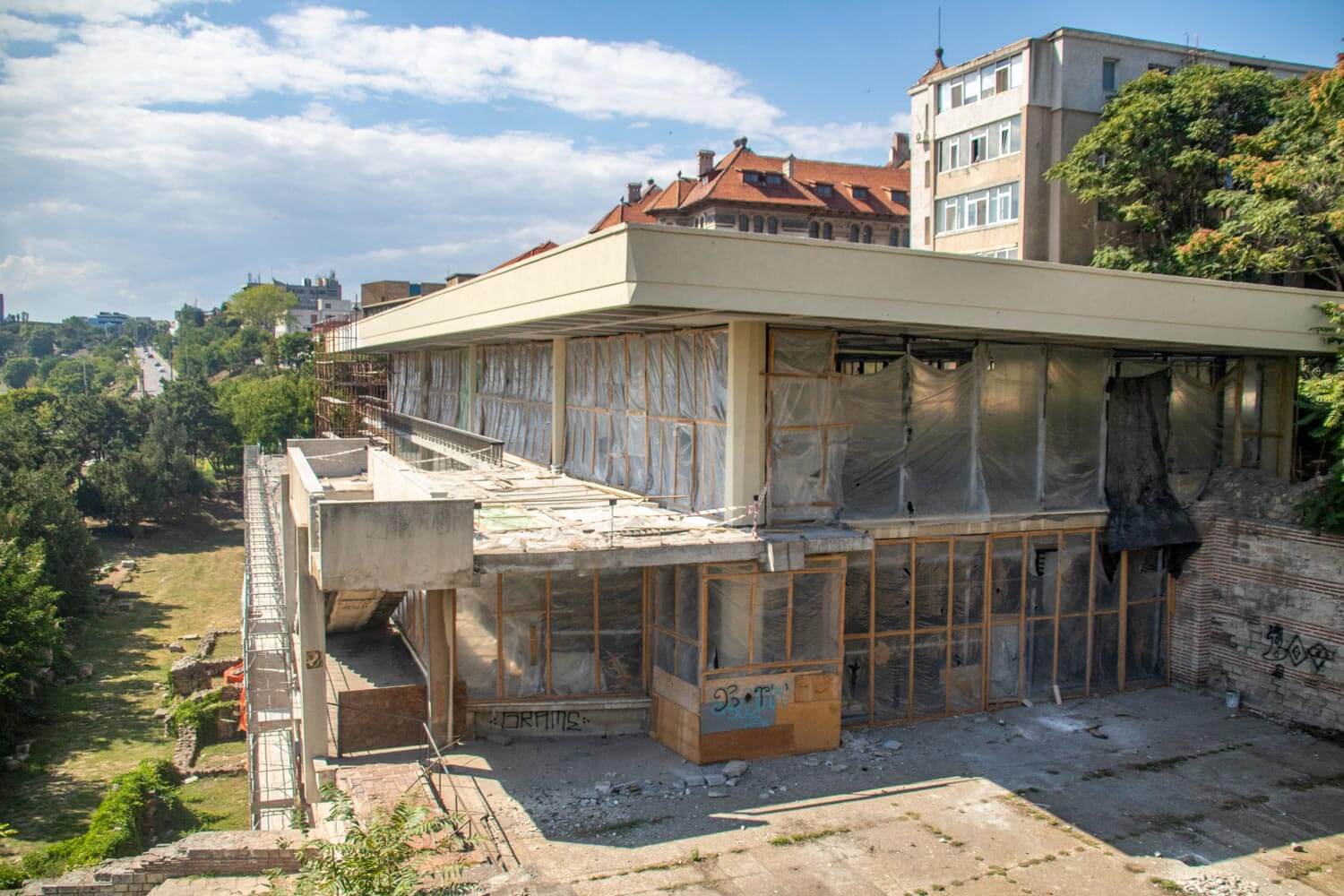
The archaeological collection also extends beyond the galleries. The Constanța Lapidarium beside the museum displays sarcophagi, funerary monuments, inscriptions and architectural fragments in the open air, while the Roman Edifice with Mosaic stands immediately behind the building on the slope toward the port. Preserved where it was discovered, the latter forms a separate archaeological attraction and reveals part of the commercial district that once connected ancient Tomis with its waterfront.