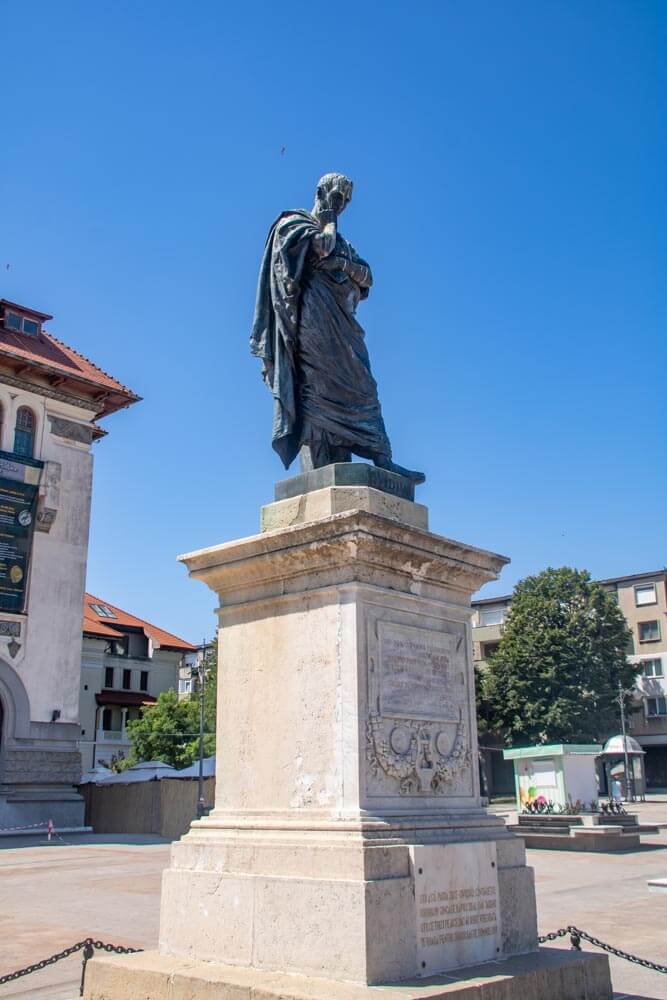
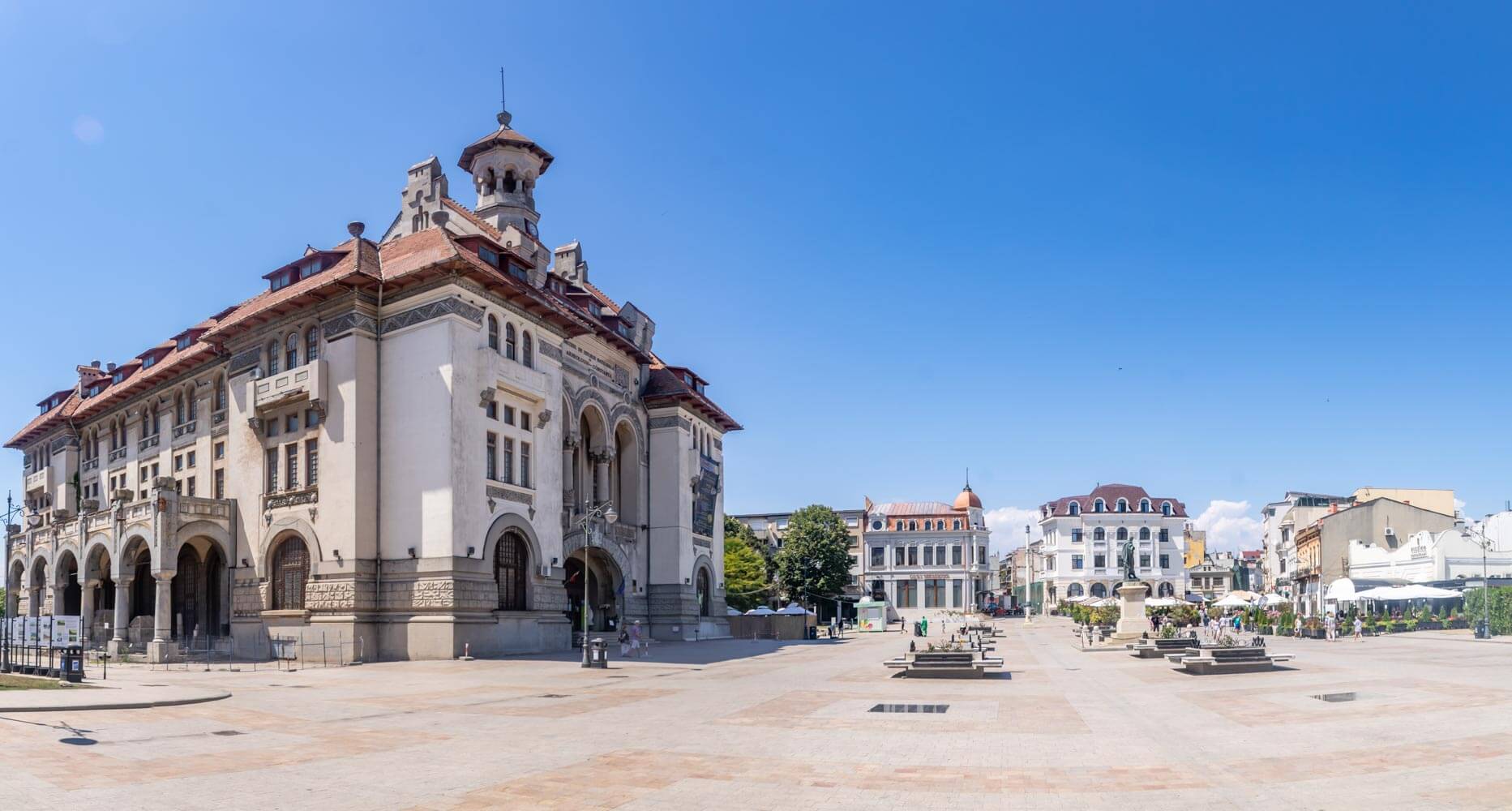
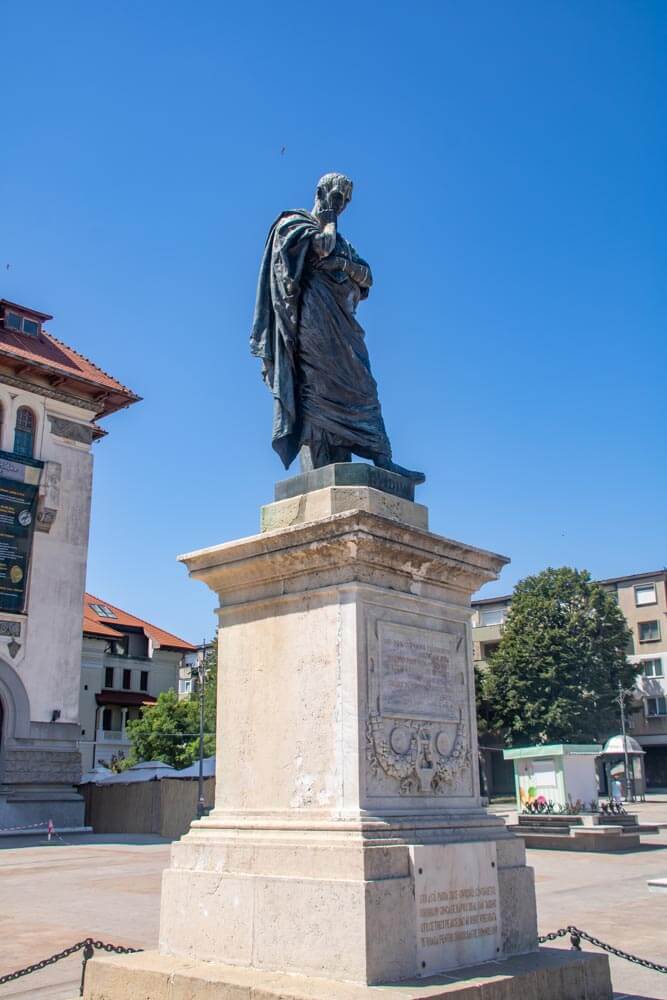
Ovid Square (Piața Ovidiu) is the main historic square of Constanța and the central public space of the old peninsula. Surrounded by late-19th- and early-20th-century buildings and dominated by the former City Hall, it takes its name from the Roman poet Ovid, whose statue has stood here since 1887.
The square developed after Dobrogea became part of Romania in 1878, when Constanța began expanding rapidly as a modern port city. Before its present layout was created, the area was divided into two adjoining spaces: a civic square to the south and a market area to the north. The southern section became the setting for the Statue of Ovid, while the northern part was still used for livestock and other trading on market days. Two streets descended from the square toward the port, emphasizing its position between the upper town and the waterfront.
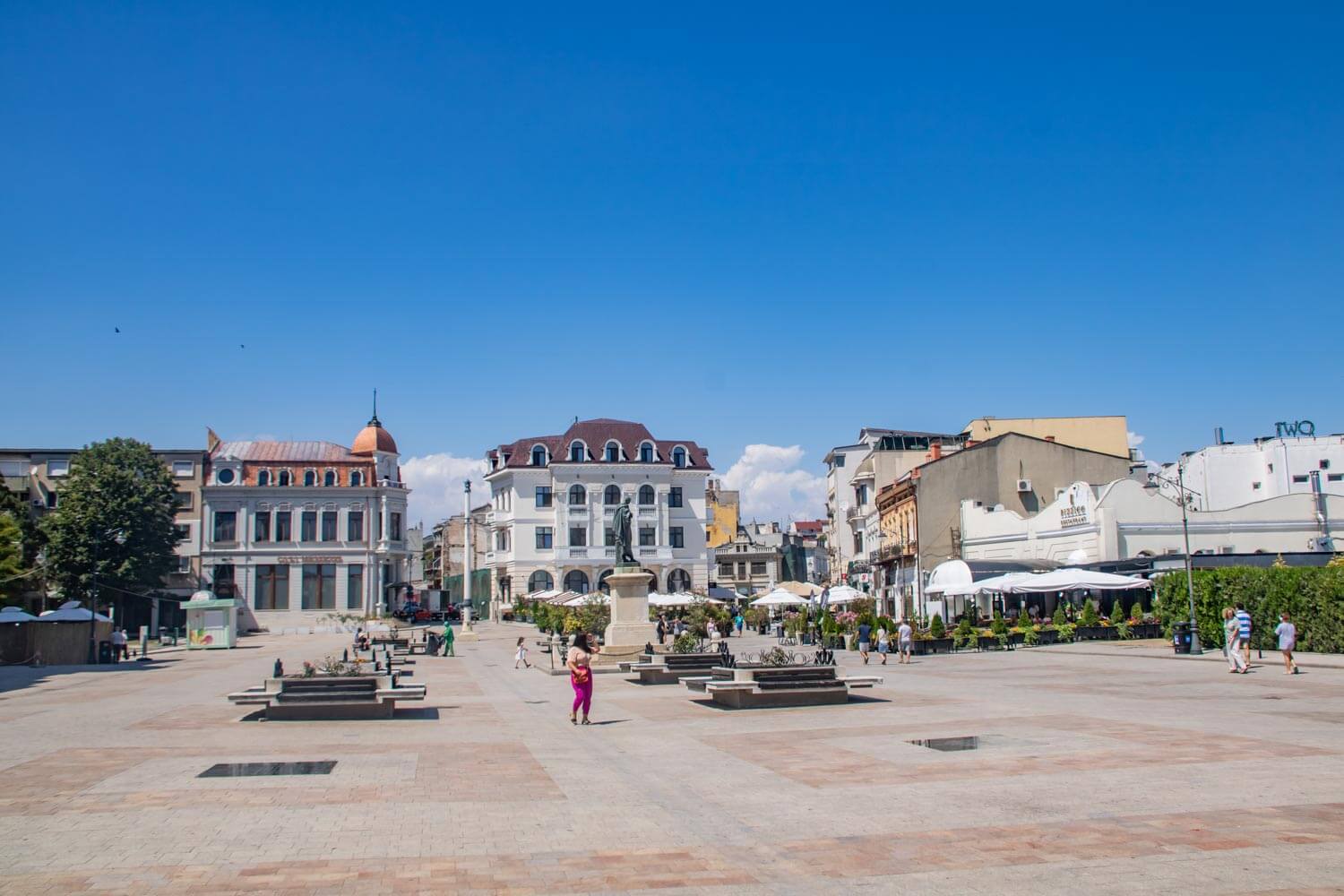
The square was originally known as Independence Square (Piața Independenței), but the installation of Ettore Ferrari’s Statue of Ovid in 1887 gradually gave it a new identity. By 1912, Ovid Square had become the official name. The square briefly became Victory Square during the communist period before the Ovid name was restored.
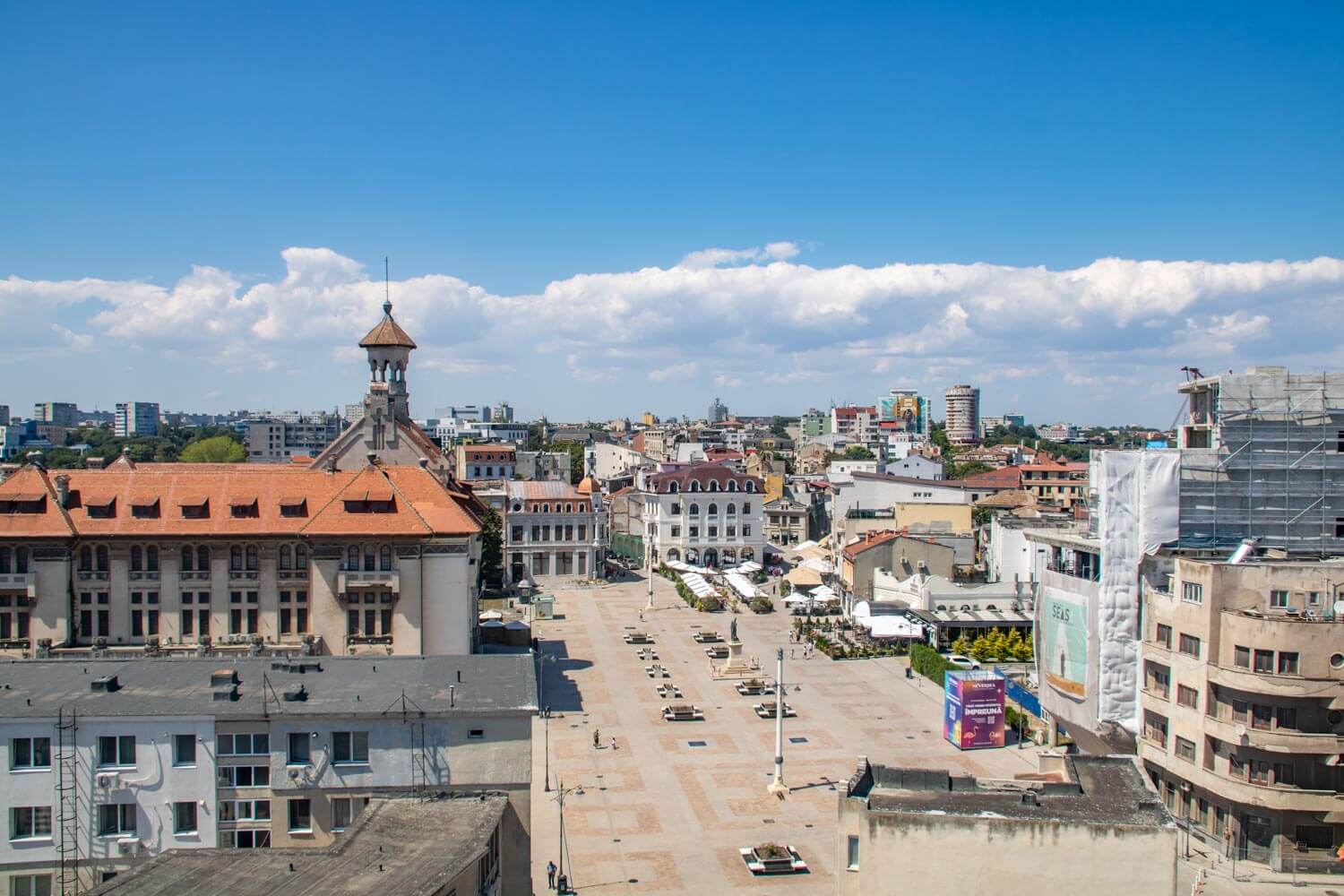
Its present form took shape during the construction of the Communal Palace between 1911 and 1921. Architect Victor Ștefănescu not only designed the new City Hall but also reorganized the surrounding square, joining its previously separate sections into a more unified civic space. The Statue of Ovid was moved to its present position in 1921 and turned toward the sea, creating the arrangement that still defines the square.
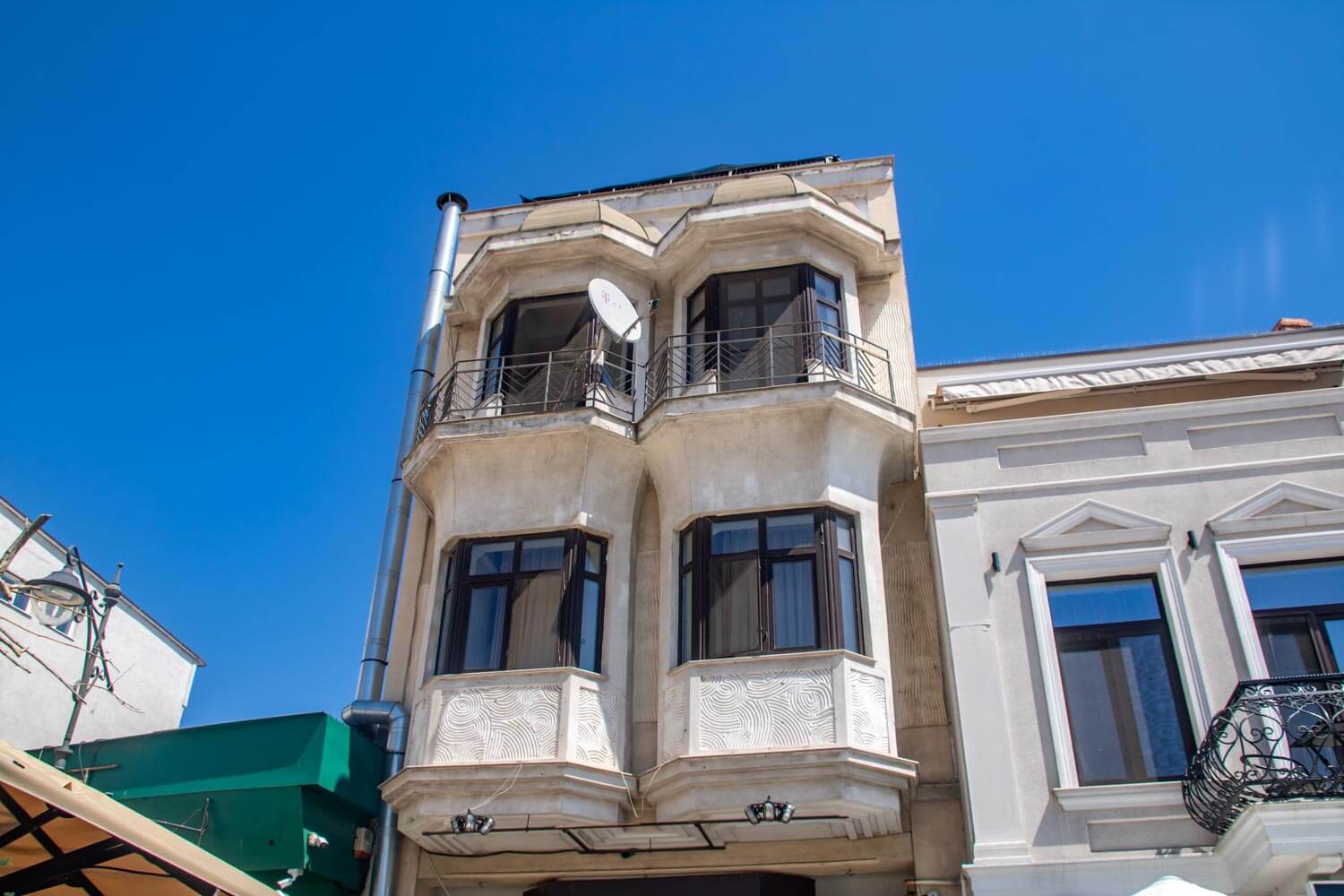
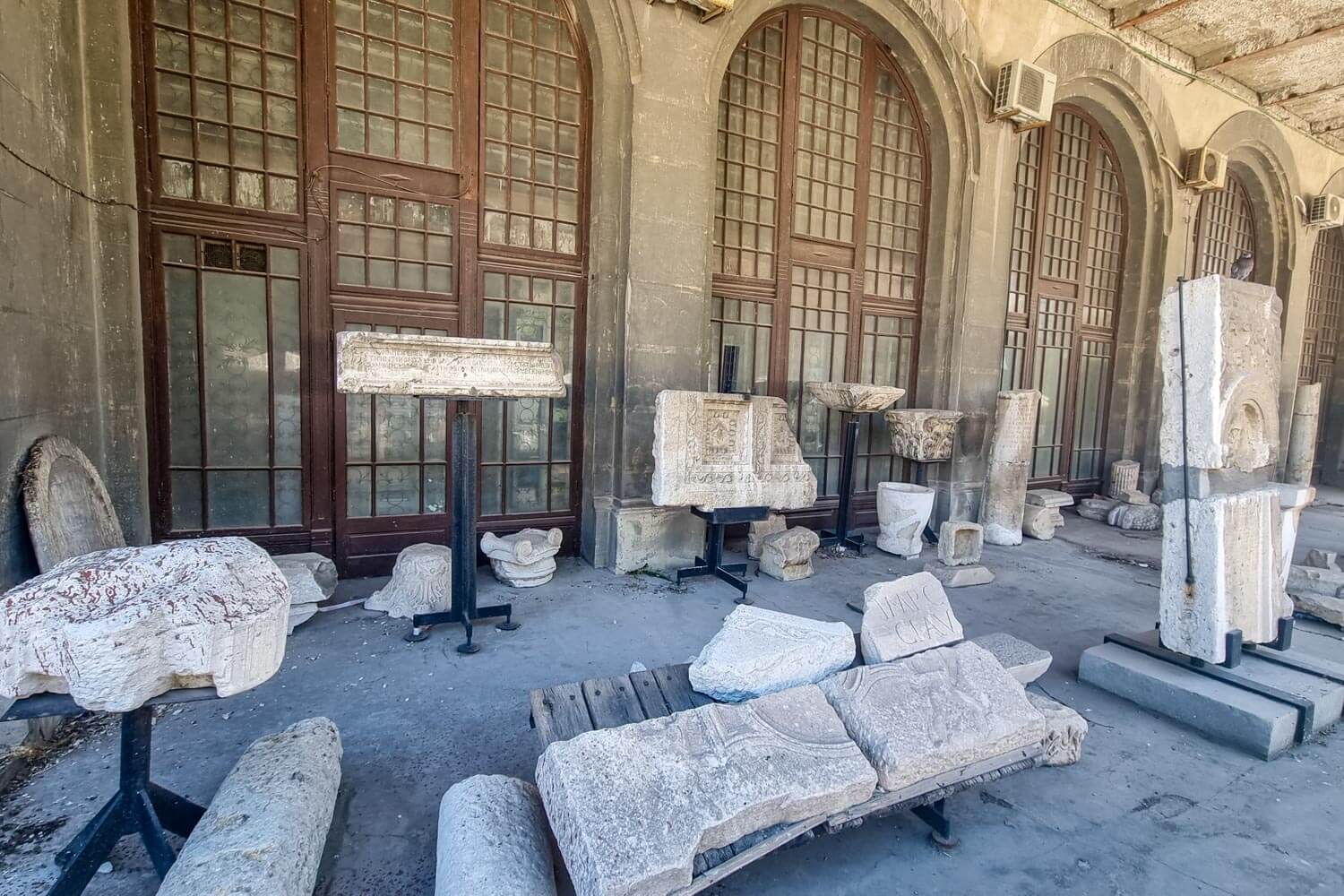
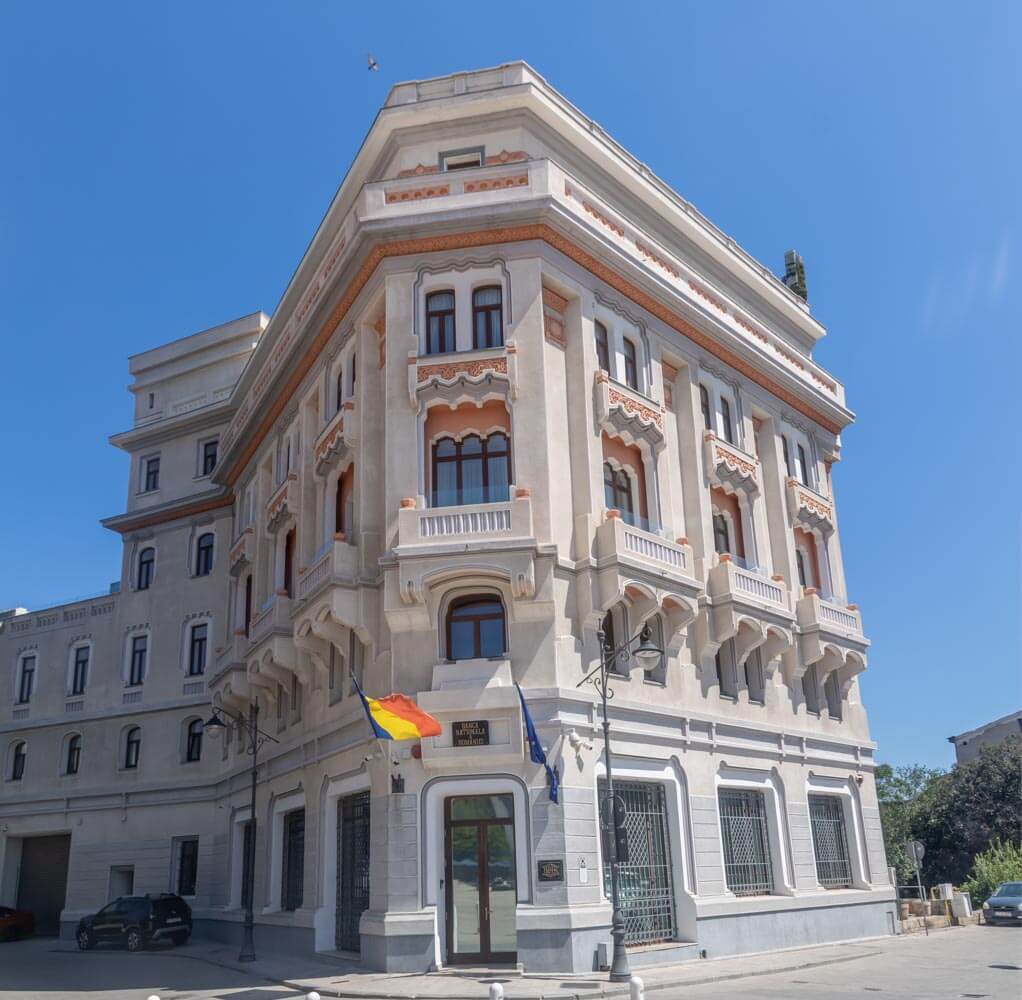
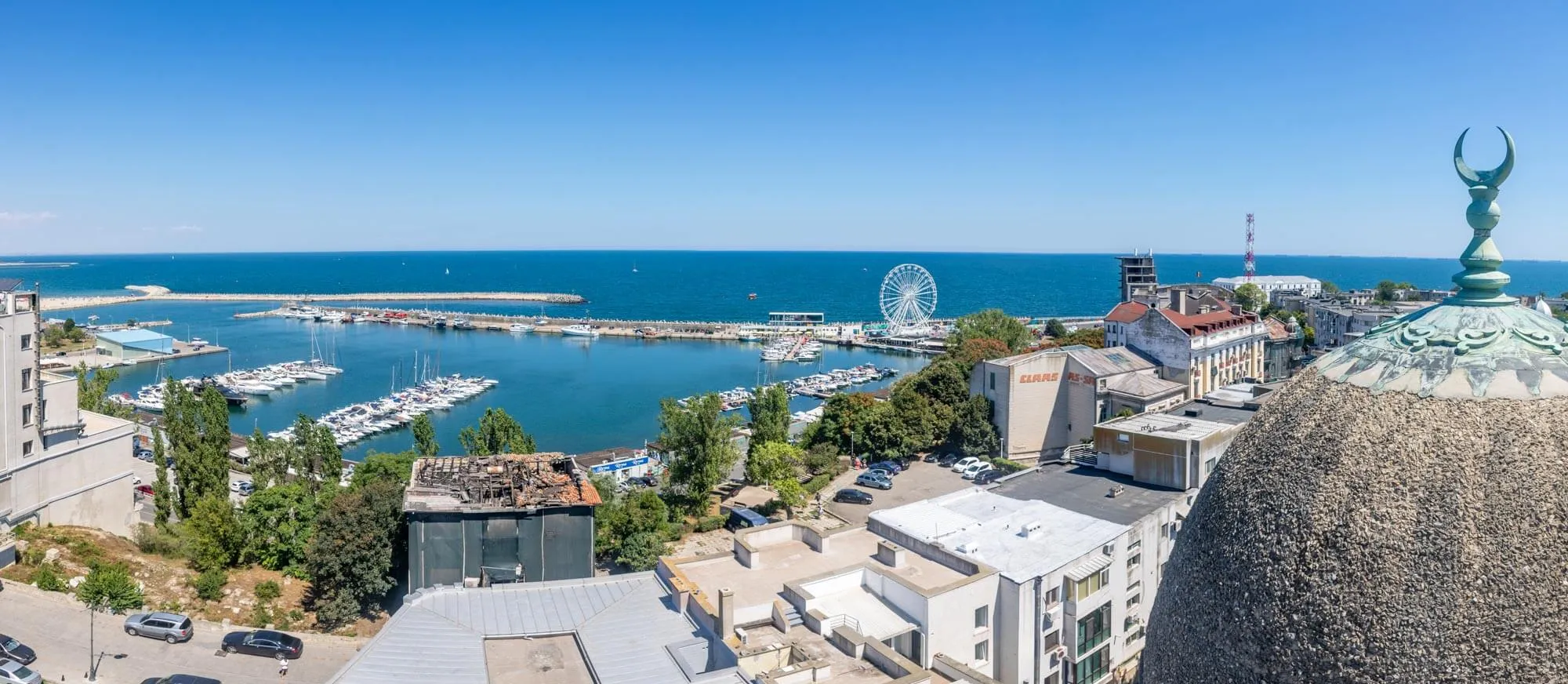
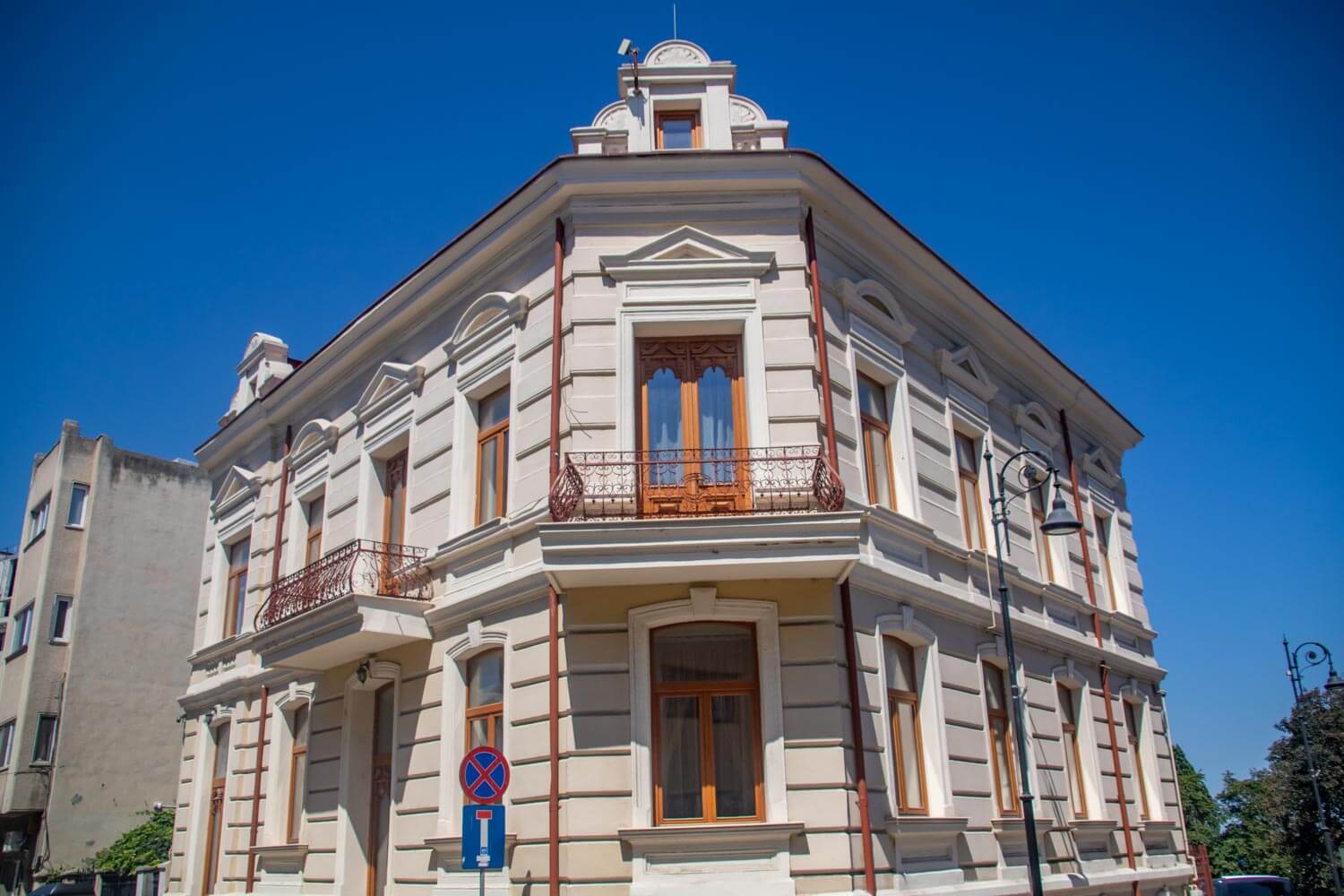
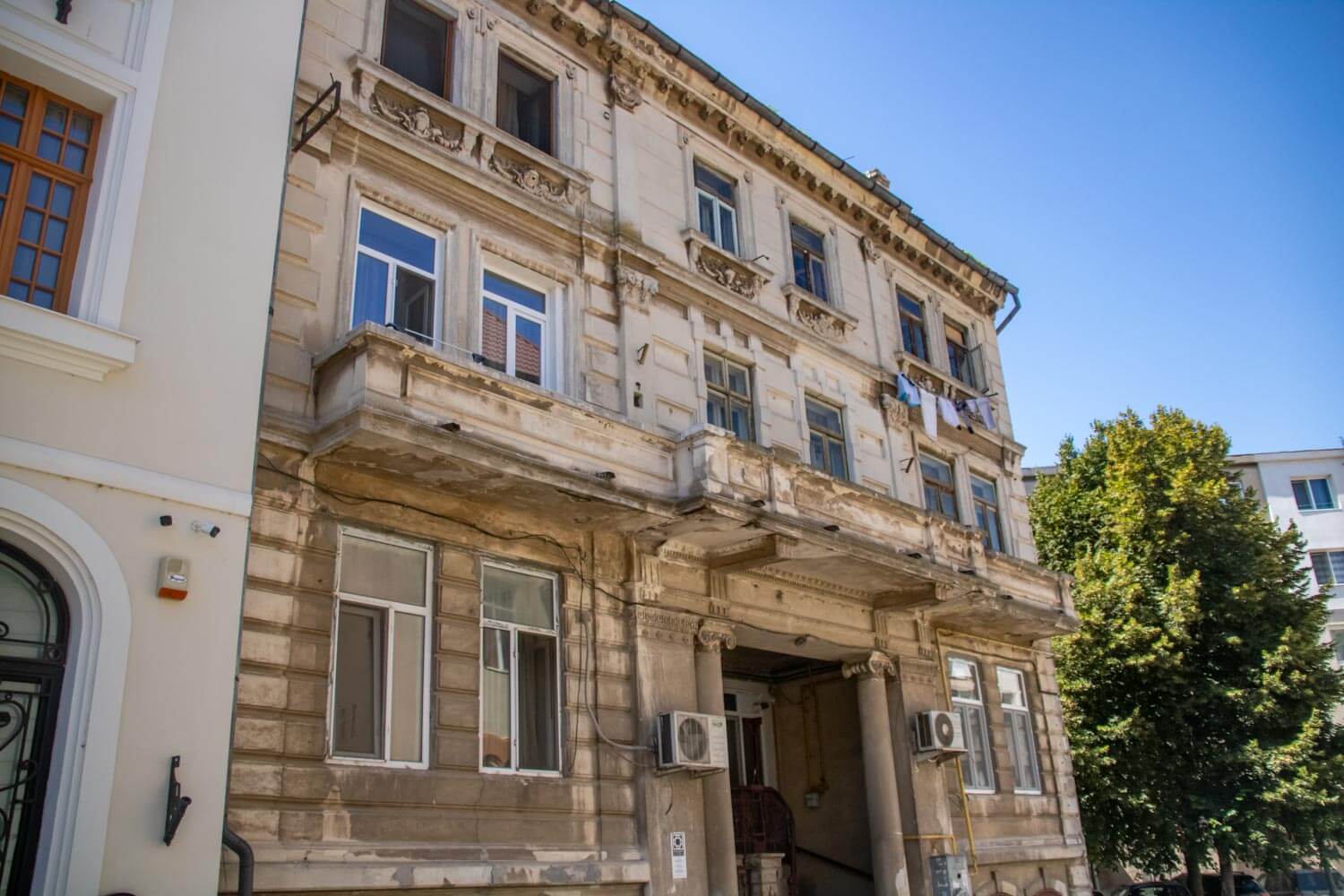
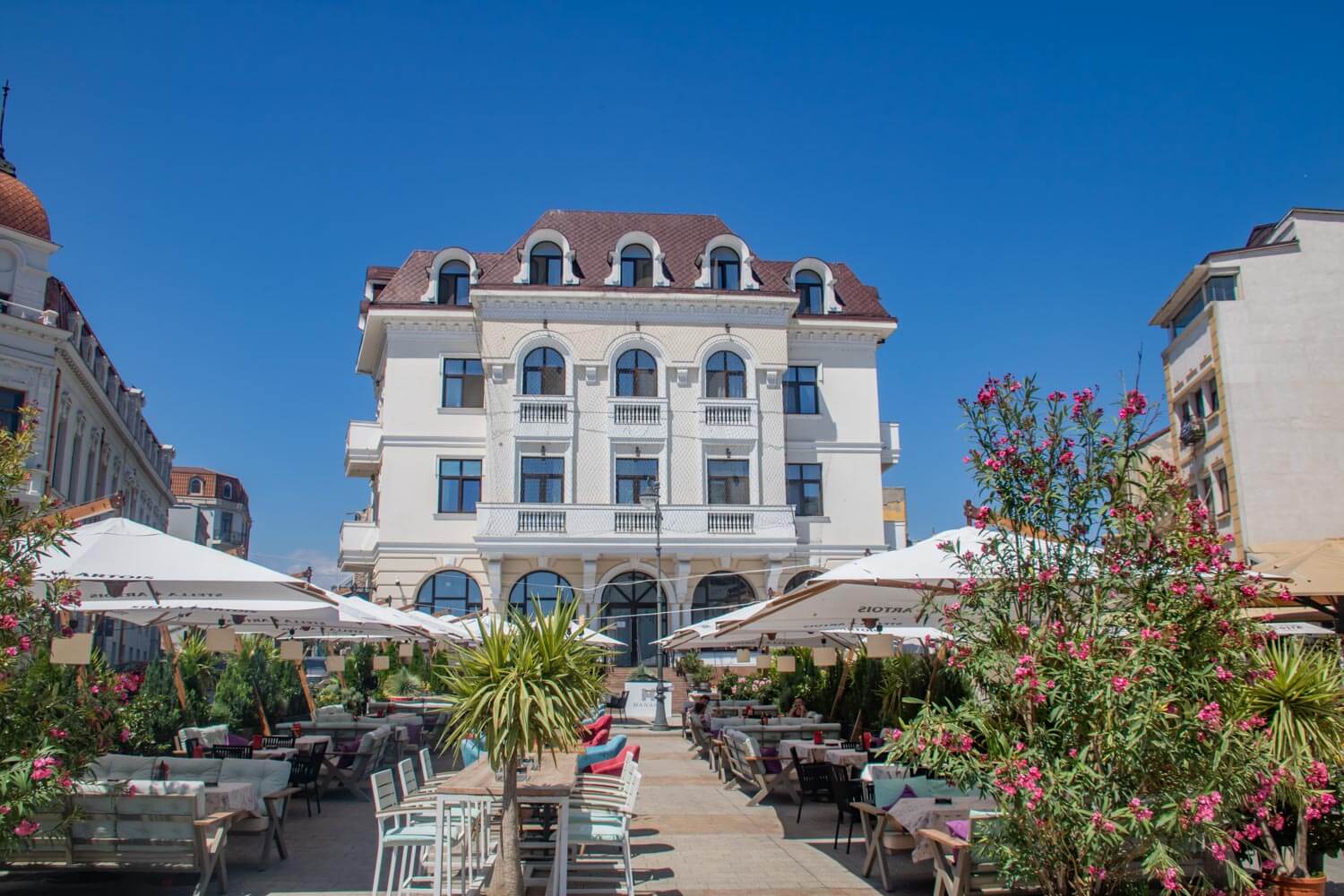
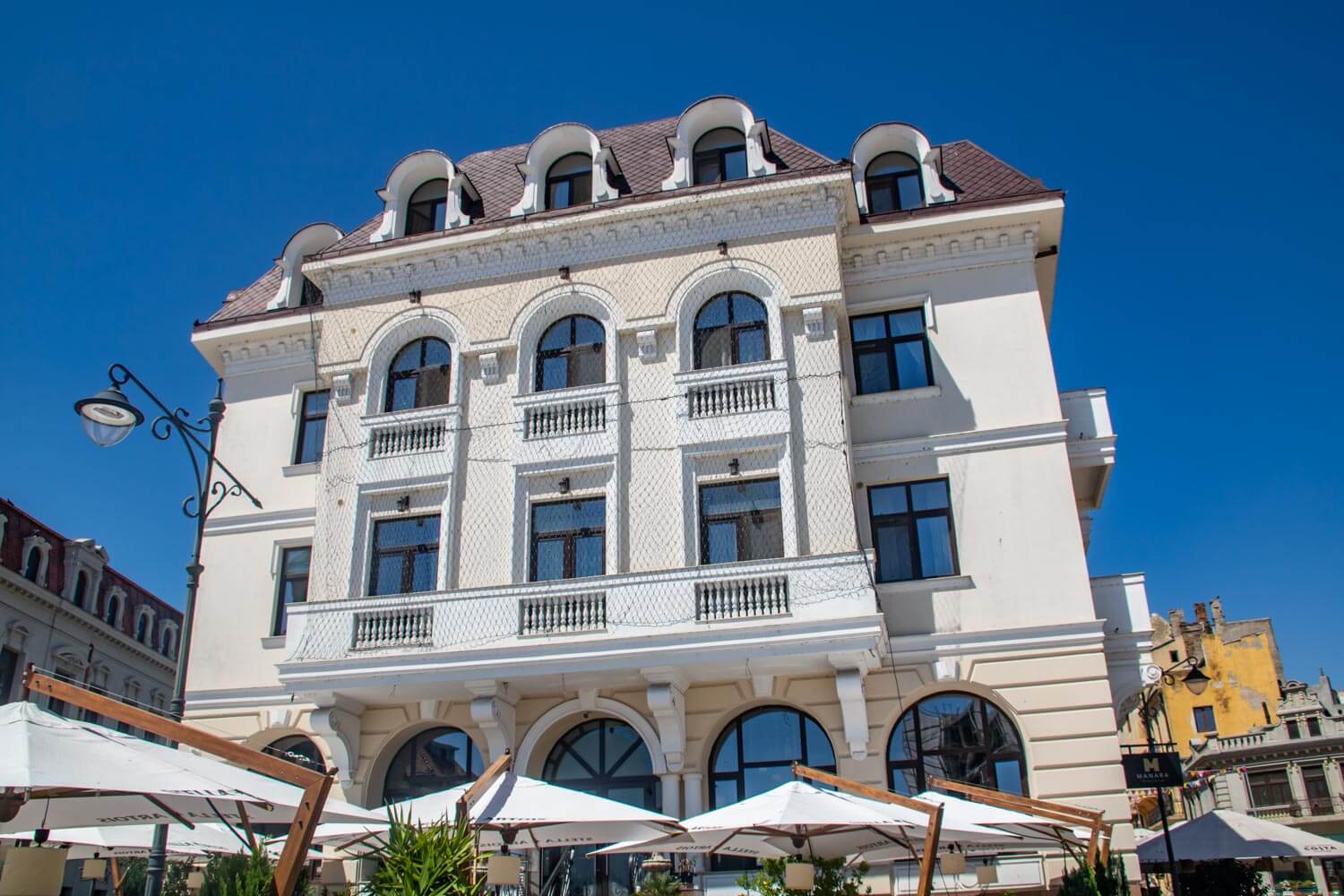
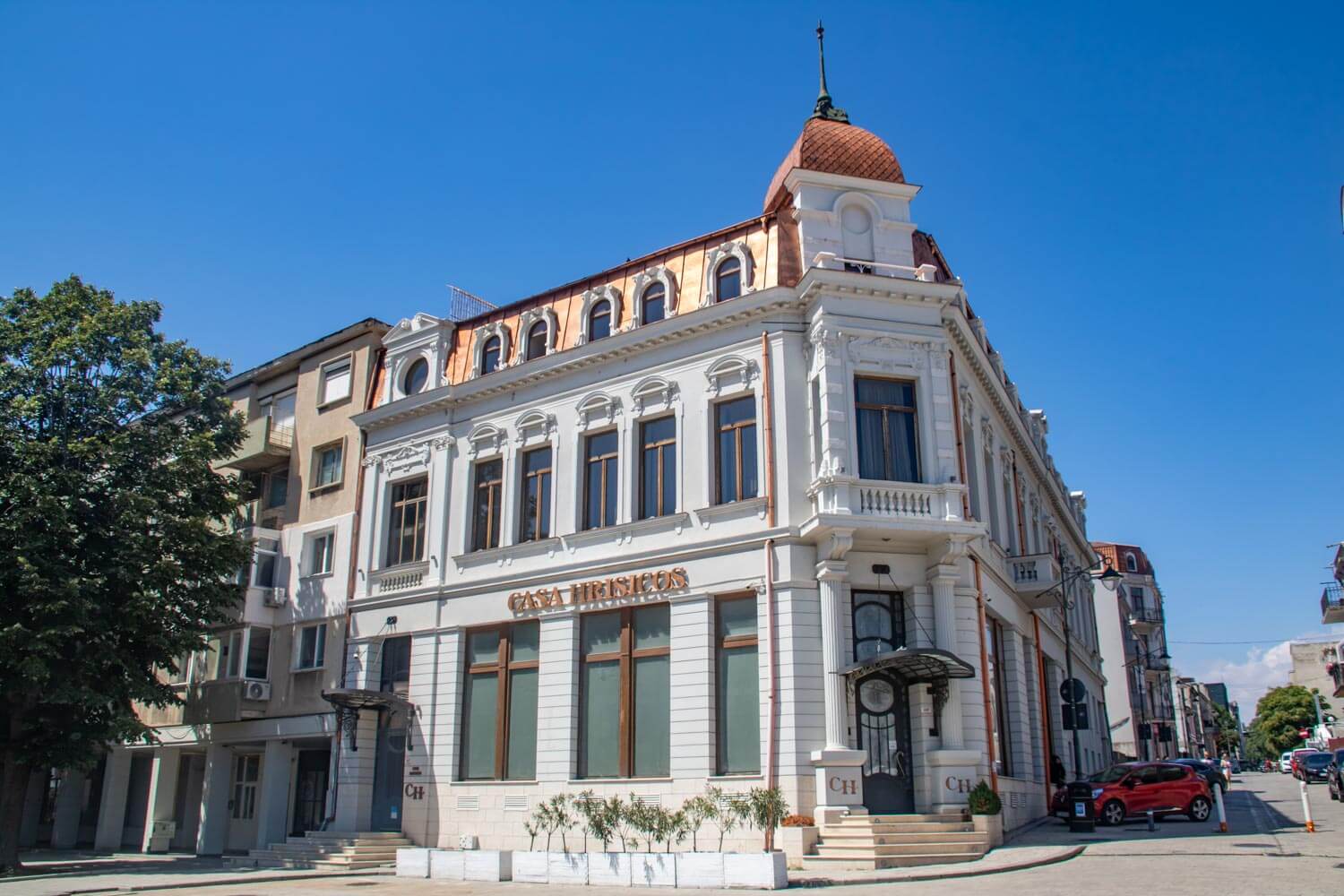
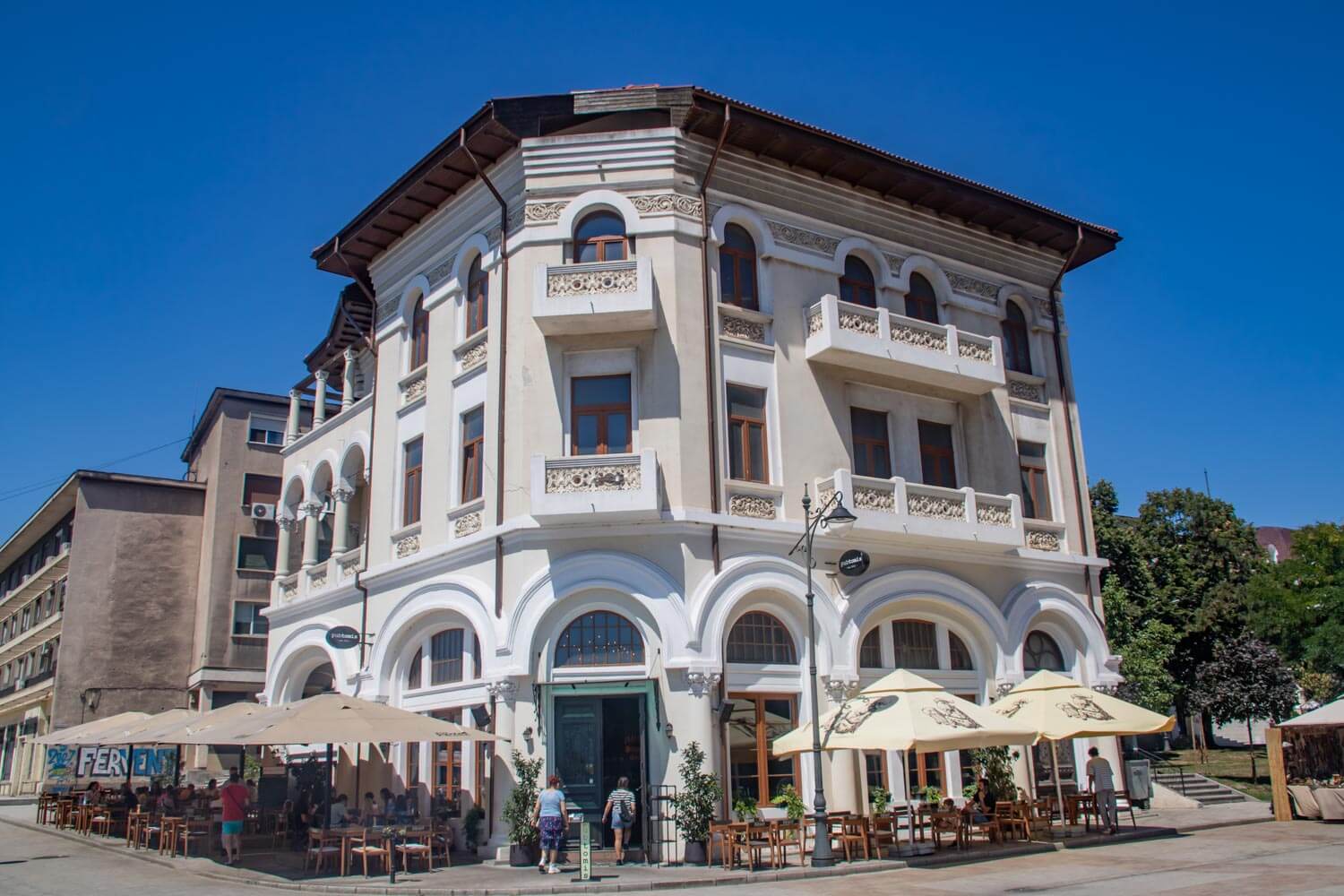
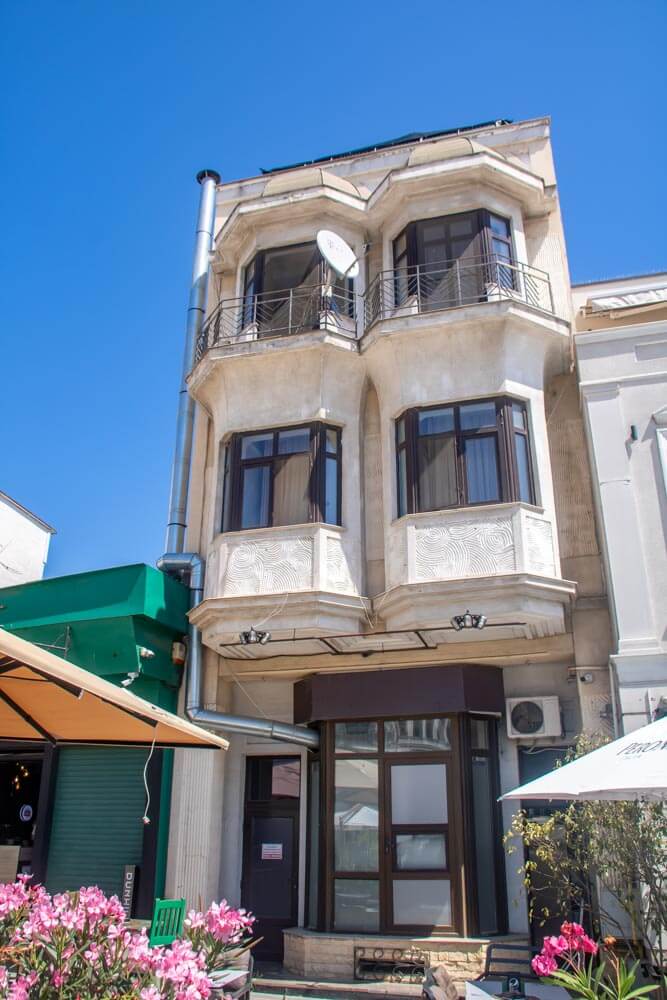
The surrounding architecture reflects Constanța’s transformation during the same period. The former Communal Palace, now the Museum of National History and Archaeology, occupies the western side, while the former Mercur Hotel, now used by the National Bank of Romania, rises above the steep slope toward the port. Historic townhouses and commercial buildings complete the edges of the square, including the distinctive Bow Window House.
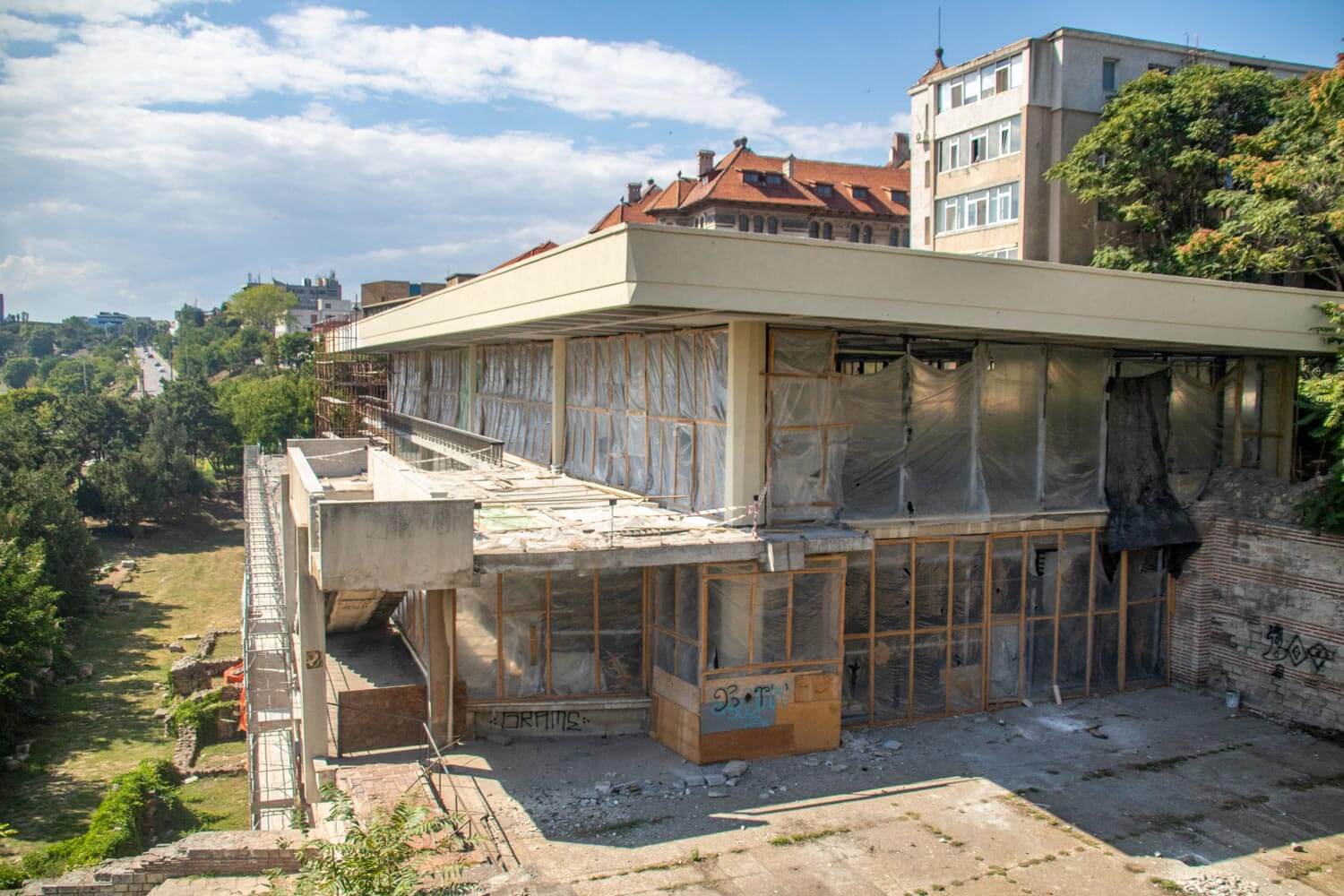
Today Ovid Square is a largely pedestrian public space at the heart of Constanța’s historic center, with cafés and terraces occupying parts of the surrounding buildings. From the square, streets descend toward the old port and Casino waterfront, while the Roman Edifice with Mosaic lies immediately behind the history museum on the slope below. The combination of the ancient remains, Ovid’s statue and the buildings created during Constanța’s modern expansion makes the square one of the clearest places to see the different historical layers of the city together.