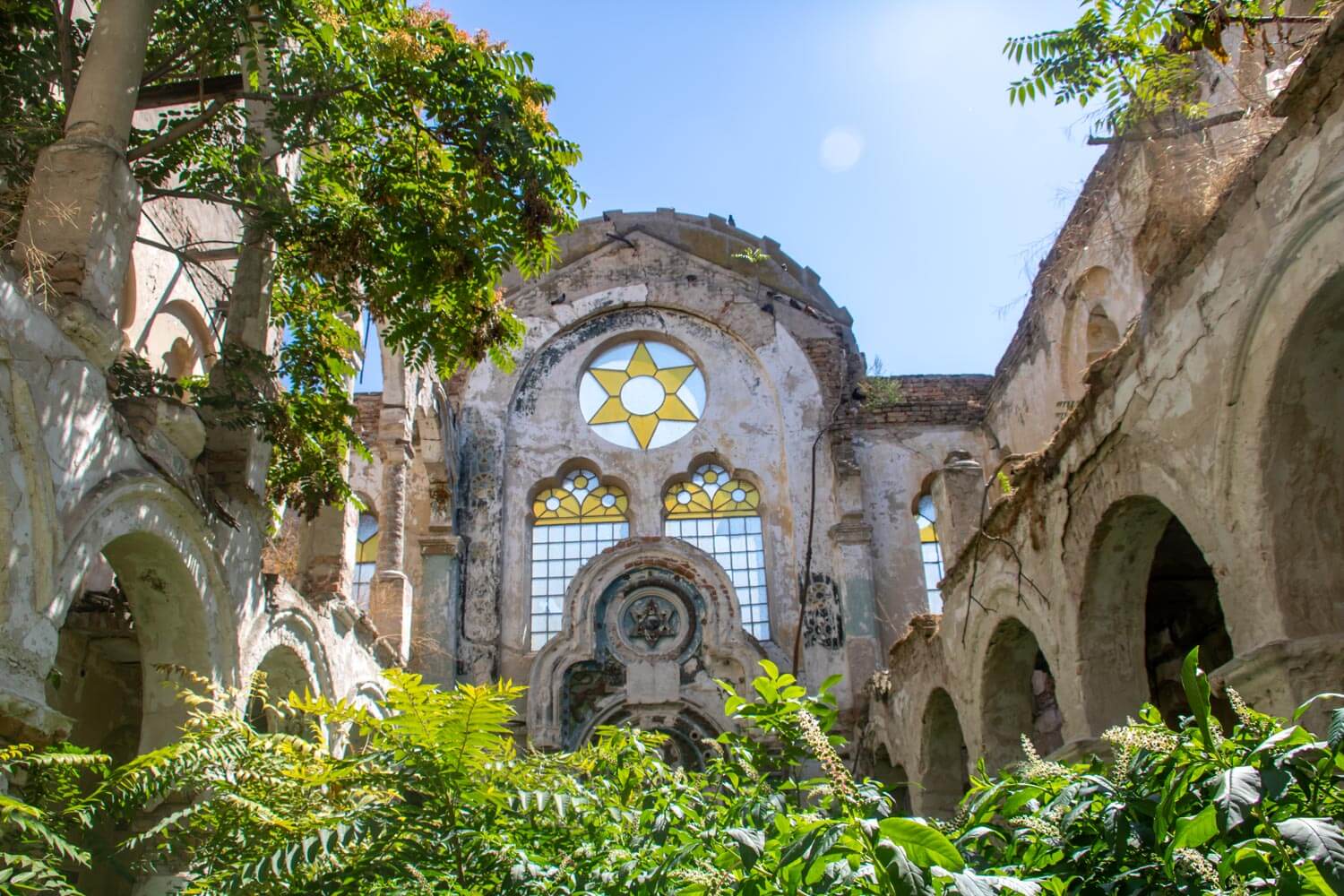
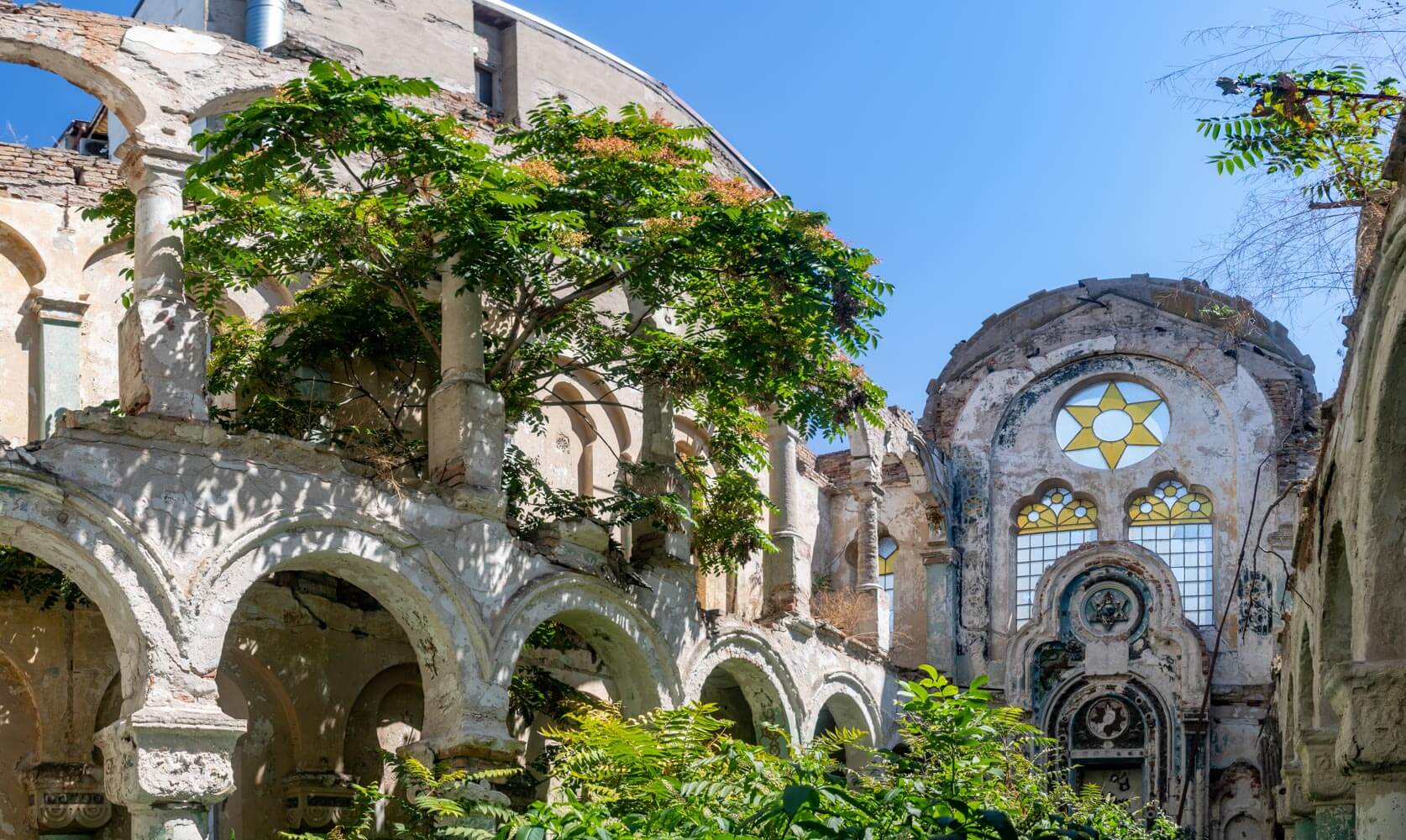
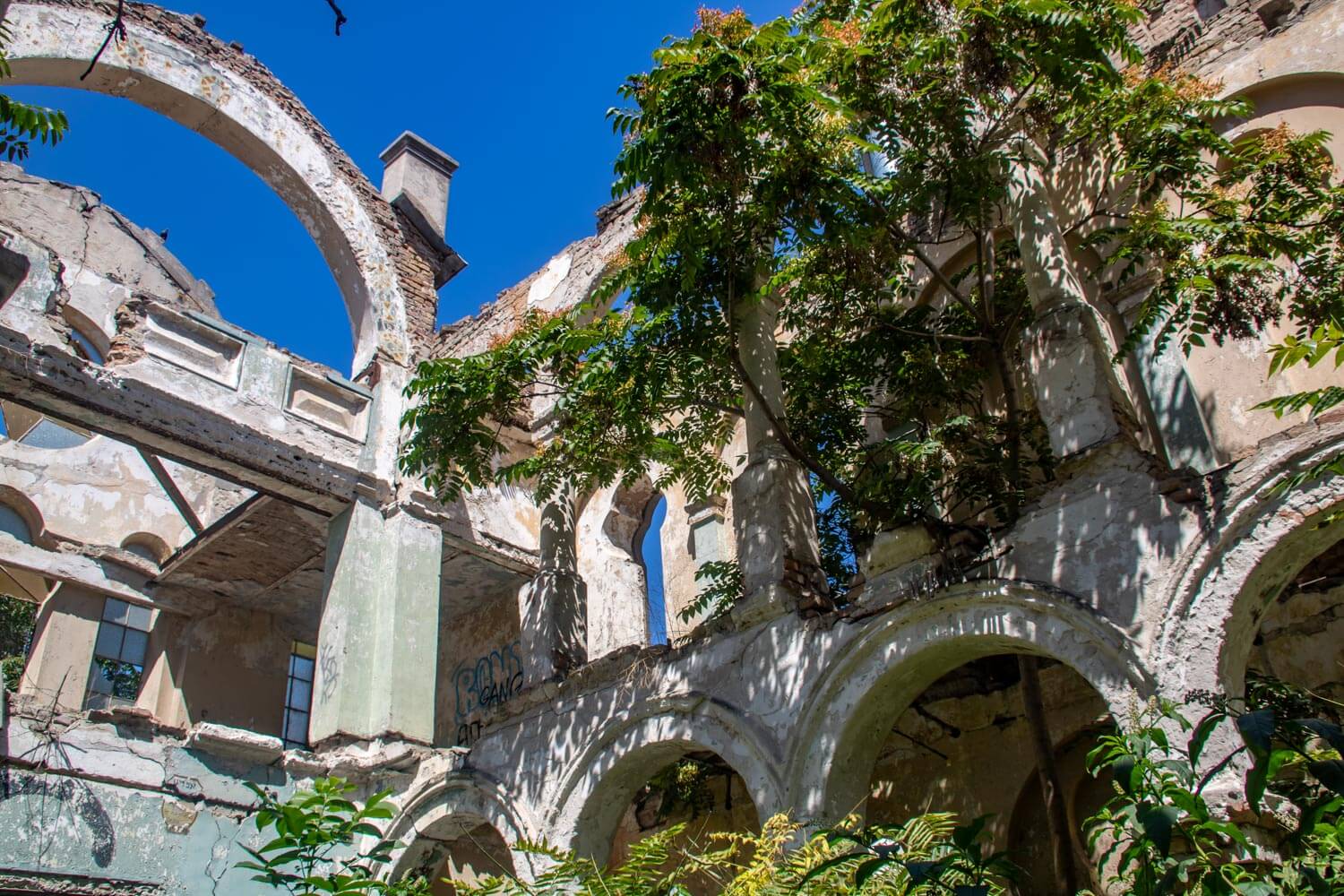
The Great Synagogue of Constanța (Sinagoga Mare din Constanța), also known as the Ashkenazi Synagogue, is a historic Jewish place of worship in the historic peninsula of Constanța and the only surviving synagogue in the city.
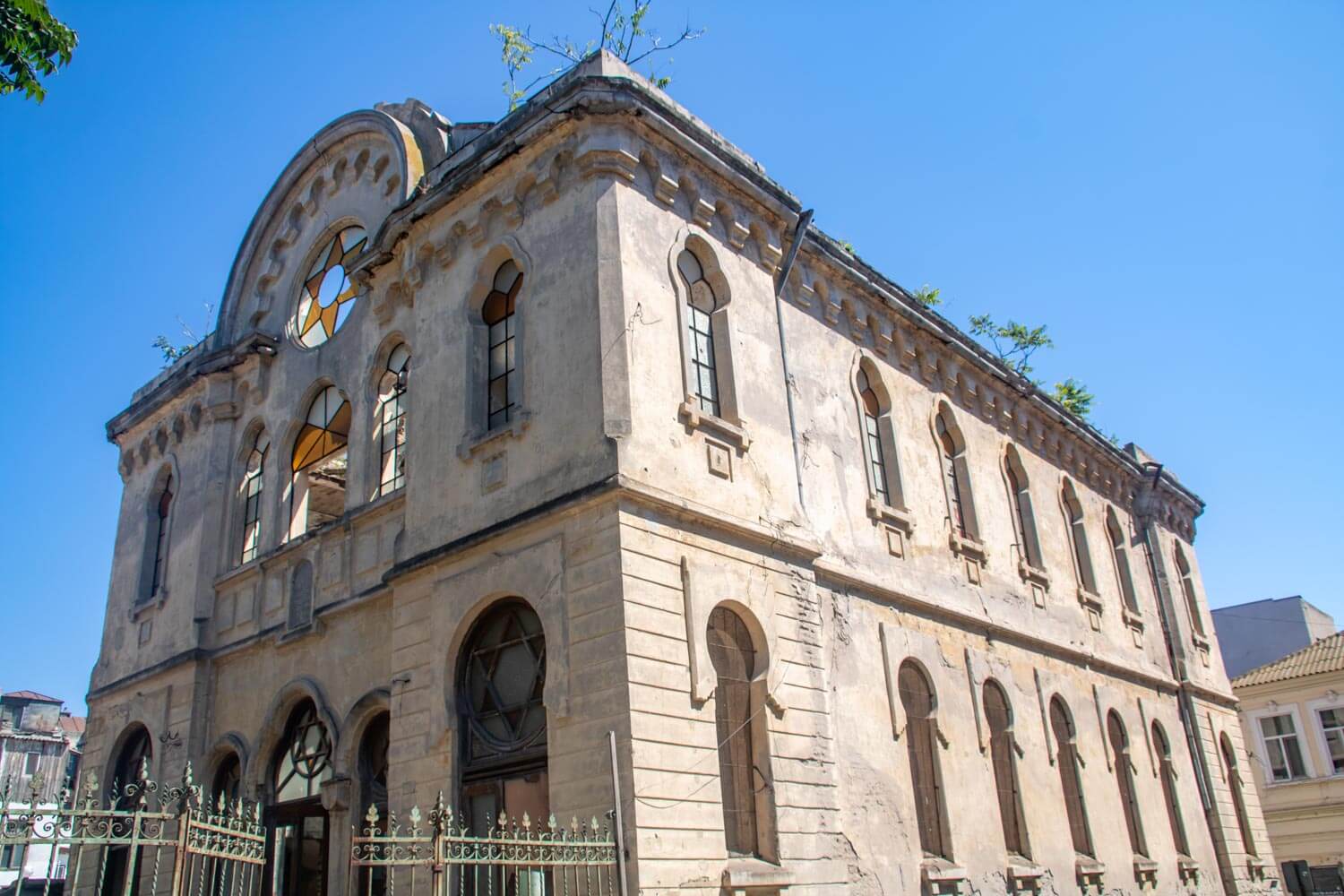
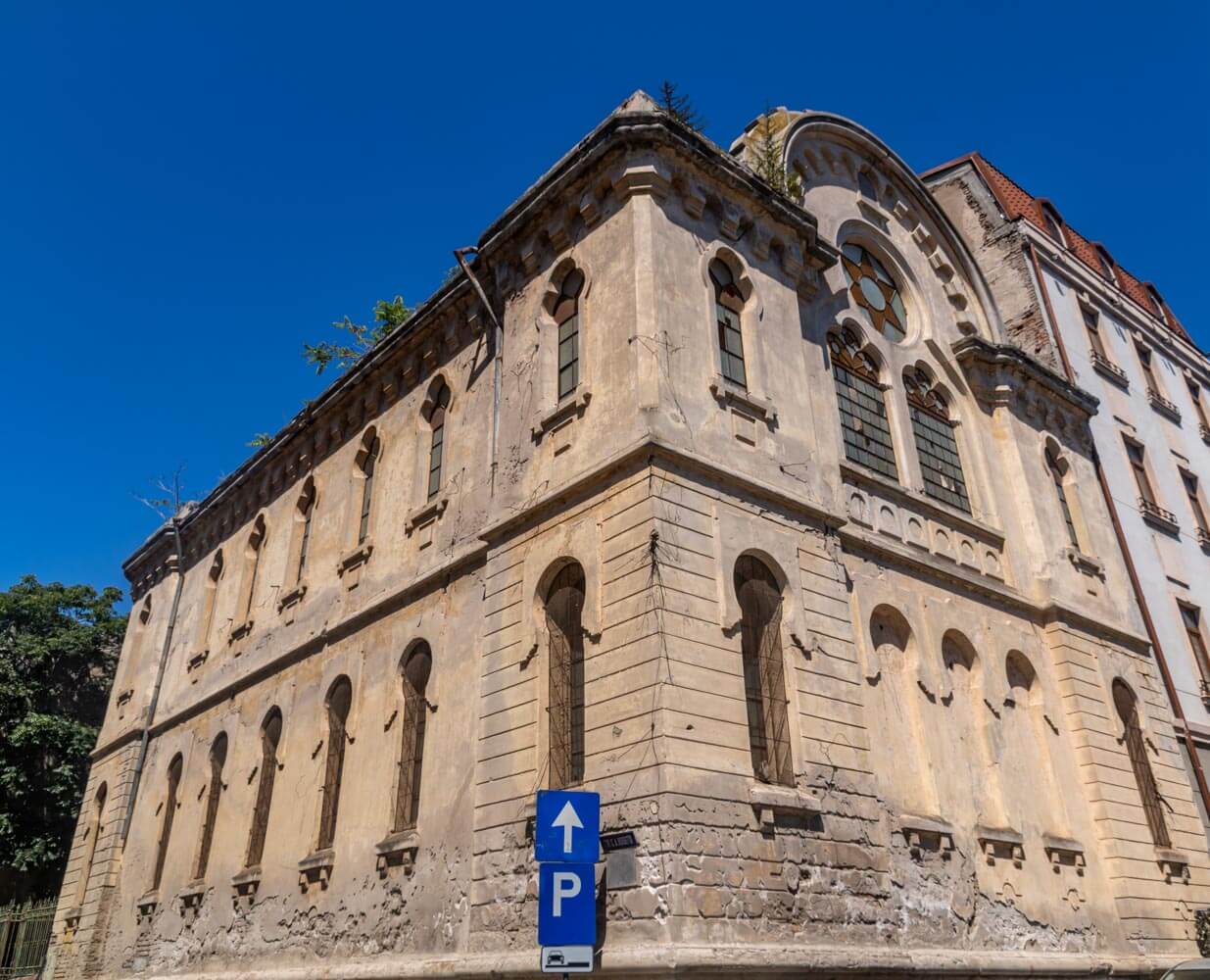
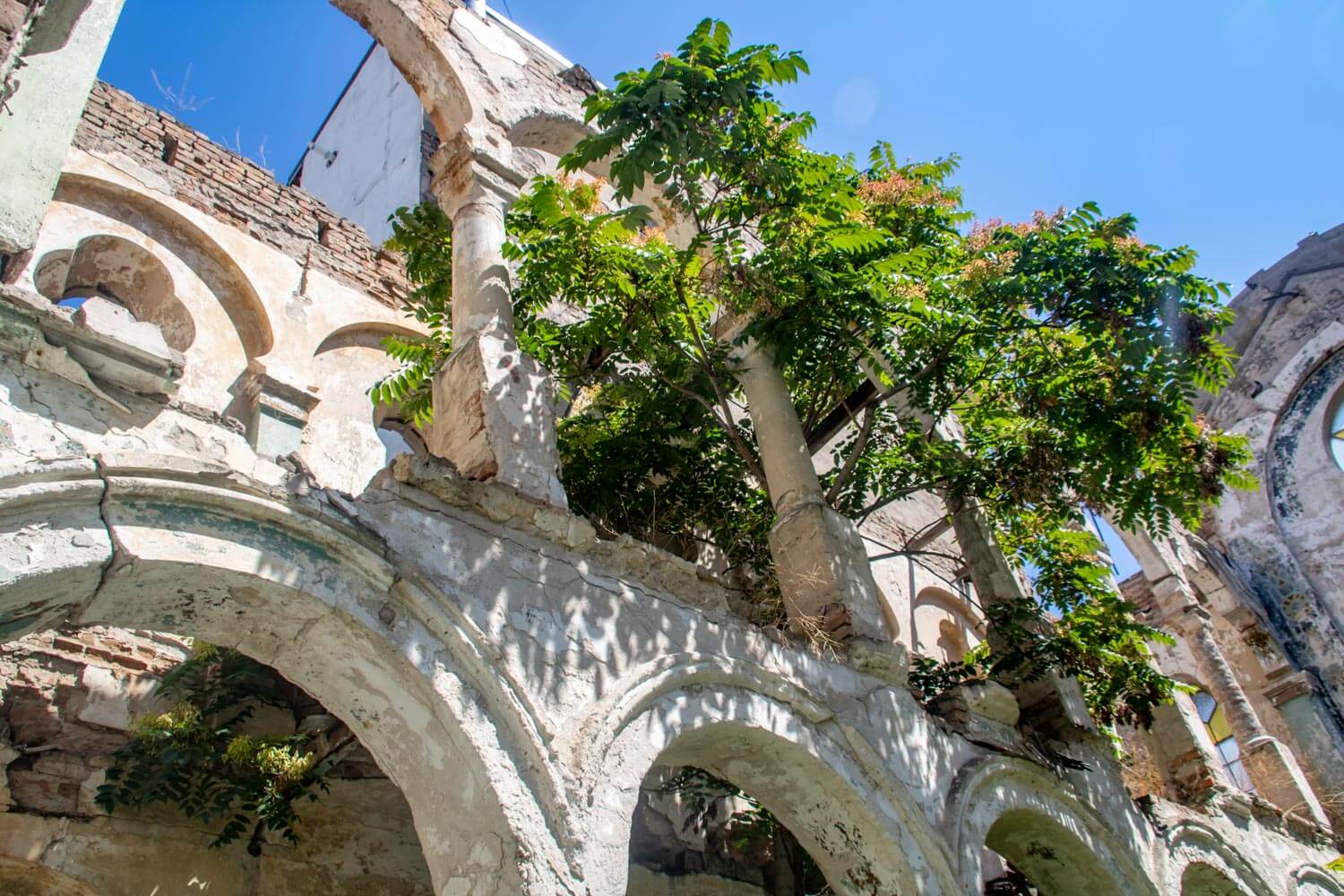
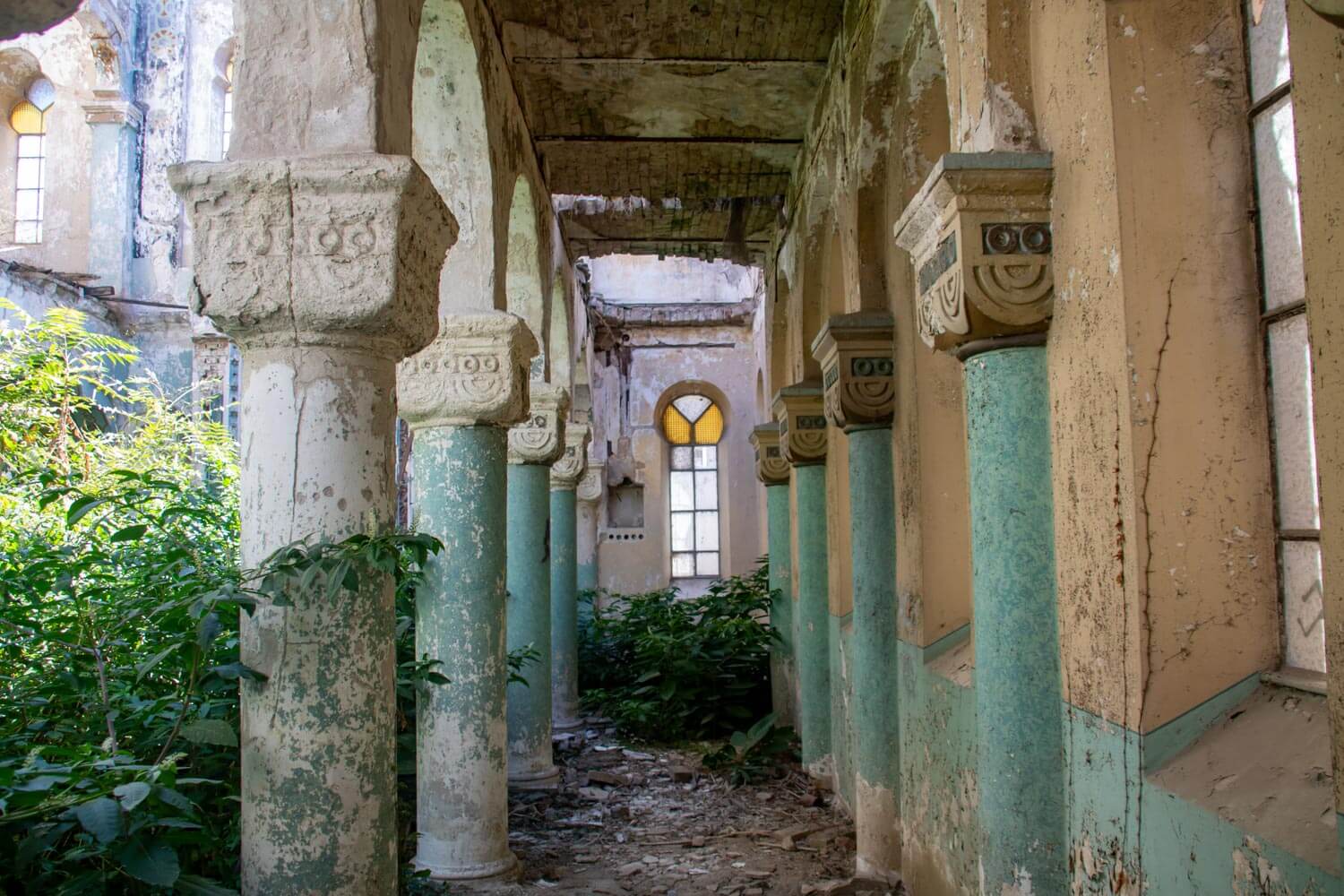
Constanța’s Ashkenazi Jewish community received the site in 1905 and permission to replace an older synagogue here in 1910. The present building was constructed between 1911 and 1914 at the initiative of community leaders M. Bujes and Pincus Șapira, a prominent watch and jewelry merchant who supplied the Romanian Royal Family. Architect Anghel Păunescu designed the synagogue with strong Moorish influences, using decorated arched windows and doors on the exterior and dividing the prayer hall into three naves supported by rows of columns.
Before the Second World War, Constanța also had a large Sephardic synagogue on what is now Strada Mircea cel Bătrân. Both buildings were confiscated during the war, and the Great Synagogue was used by the German military as a warehouse between 1941 and 1944. It returned to religious use after the war, while the Sephardic temple was eventually demolished during the communist period, leaving the Ashkenazi synagogue as the city’s last surviving Jewish house of worship.
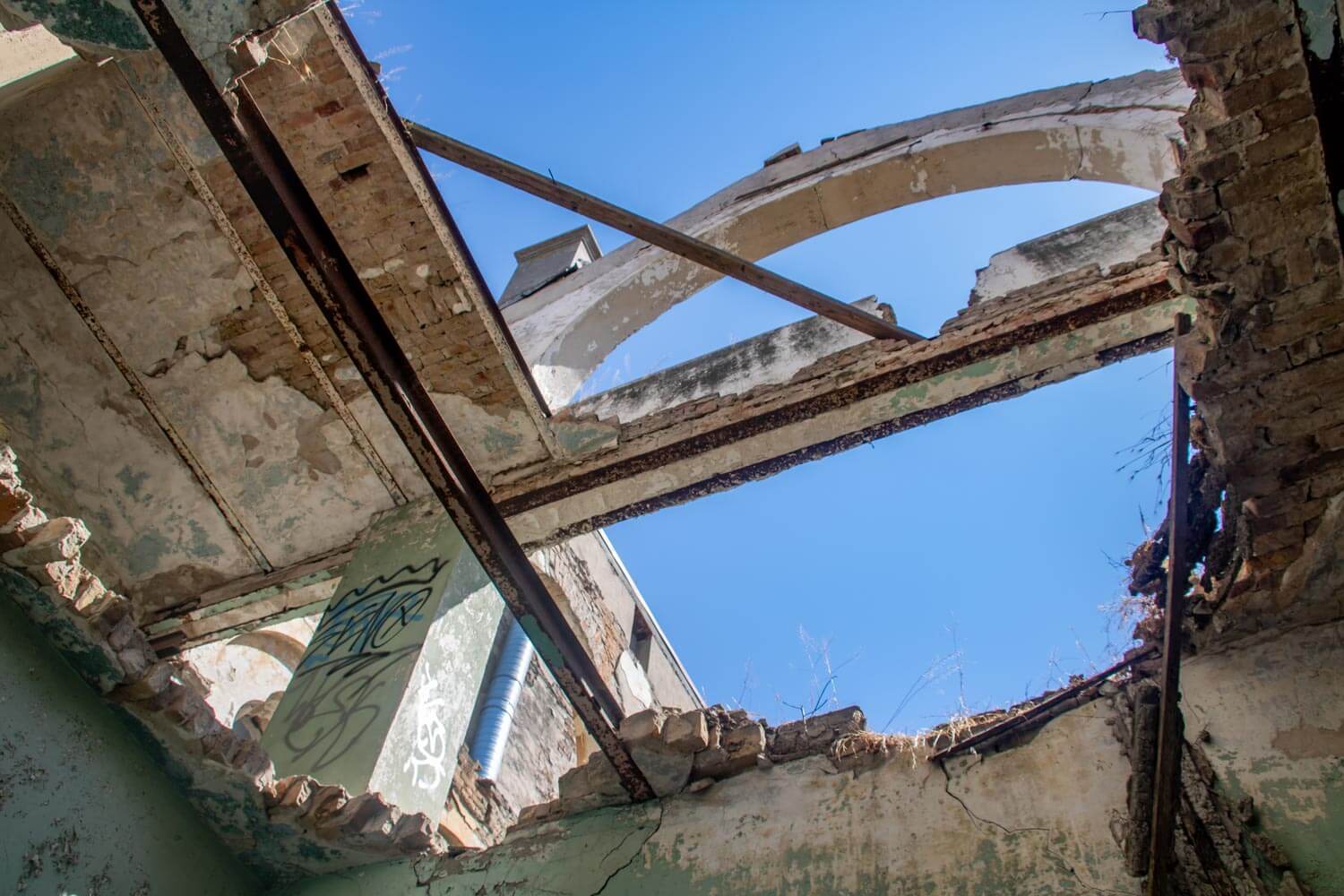
Decades of declining use and neglect eventually left the building without a roof and in danger of collapse, although parts of its colorful arabesque decoration and massive interior columns survived. A major restoration later reconstructed the roof and interior, repaired the façades and restored the decorative details. The synagogue reopened in May 2026 and once again serves as a religious and cultural space, while also welcoming visitors.