The Ancient City of Histria (Orașul Antic Histria) is the archaeological site of a Greek, Roman and early Byzantine city near Istria, on the shore of Lake Sinoe in Constanța County. Founded in the 7th century BC, it developed over roughly thirteen centuries and is generally regarded as the oldest urban settlement established on the territory of present-day Romania.
History
Greek settlers from Miletus founded Histria around 657-656 BC, choosing a position that then lay directly on the Black Sea coast near the mouths of the Danube. From there, the city could trade both across the sea and with communities farther inland, and it gradually developed into one of the most important Greek settlements on the western Black Sea.
As Histria grew into a polis, temples, fortifications and civic buildings appeared alongside residential and commercial quarters. The city also began issuing its own coins, among the earliest produced on the territory of modern Romania, with the eagle and dolphin becoming one of the most recognizable symbols of ancient Histria.
Its prosperity was repeatedly interrupted by warfare and political change, and the city was destroyed and rebuilt more than once. During the 1st century BC it came under the power of the Dacian king Burebista, before the western Black Sea coast was drawn into the Roman world.
Roman rule brought another long period of development. Streets, public buildings, baths and new fortifications reshaped the city, while the older Greek traditions continued alongside Roman administration. The upheavals of the 3rd century AD changed Histria more dramatically, as attacks and destruction led to the construction of a much smaller fortified city within the earlier settlement.
Life continued inside these new defenses for several more centuries. Christianity became increasingly important, and large basilicas were built among the houses and streets, including an episcopal complex that shows Histria had become an important Christian center in the province of Scythia Minor.
During the same broad period, the landscape around the city was also changing. Coastal currents and sediment gradually transformed the former bay and separated Histria from the open Black Sea, leaving it beside the lagoon system that eventually became Lake Sinoe. With maritime access increasingly difficult and the region exposed to repeated attacks, the city declined and was abandoned during the 7th century.
Systematic archaeological excavation began in 1914 under Vasile Pârvan and has continued, with interruptions, ever since. More than a century of research has revealed successive Greek, Roman and early Byzantine layers across an area much larger than the fortified ruins first visible when approaching the site.
What You See
Most of the structures standing above ground belong to the Roman and early Byzantine city. The late defensive wall is among the most imposing remains, with long stretches of masonry, gateways and towers still defining the reduced settlement created after the destruction of the 3rd century.
Inside the walls, ancient streets pass between the foundations of houses, public buildings and churches. Several early Christian basilicas survive clearly enough for their plans to be followed, while the episcopal complex gives a sense of the scale reached by Histria during its final centuries.
The Roman baths are another substantial part of the site, with walls and room divisions preserving the layout of large bathing complexes. Elsewhere, stretches of paving, drainage channels and residential foundations reveal more of the ordinary fabric of the city rather than only its monumental buildings.
The Greek phases are less immediately dominant because later construction was built over much of the earlier settlement, but important remains survive in and around the Sacred Area. Here, foundations and architectural fragments mark temples dedicated to Greek deities including Zeus and Aphrodite, while earlier defensive walls show how the city expanded and changed long before the Roman period.
Because Histria was repeatedly rebuilt, the ruins do not form a single neat city plan. Later walls cross earlier foundations, older masonry was reused in new structures, and neighboring remains can belong to very different centuries. The information panels around the site help distinguish these successive phases and make the development of the city much easier to follow.
Visiting Histria
Histria covers a large archaeological area, although many of the most substantial ruins are concentrated within and around the later fortified city. Other remains lie farther out, so exploring the site involves a fair amount of walking across open ground. Around 1–2 hours is a reasonable amount of time for the archaeological site alone, depending on how closely you want to examine the individual buildings and information panels.
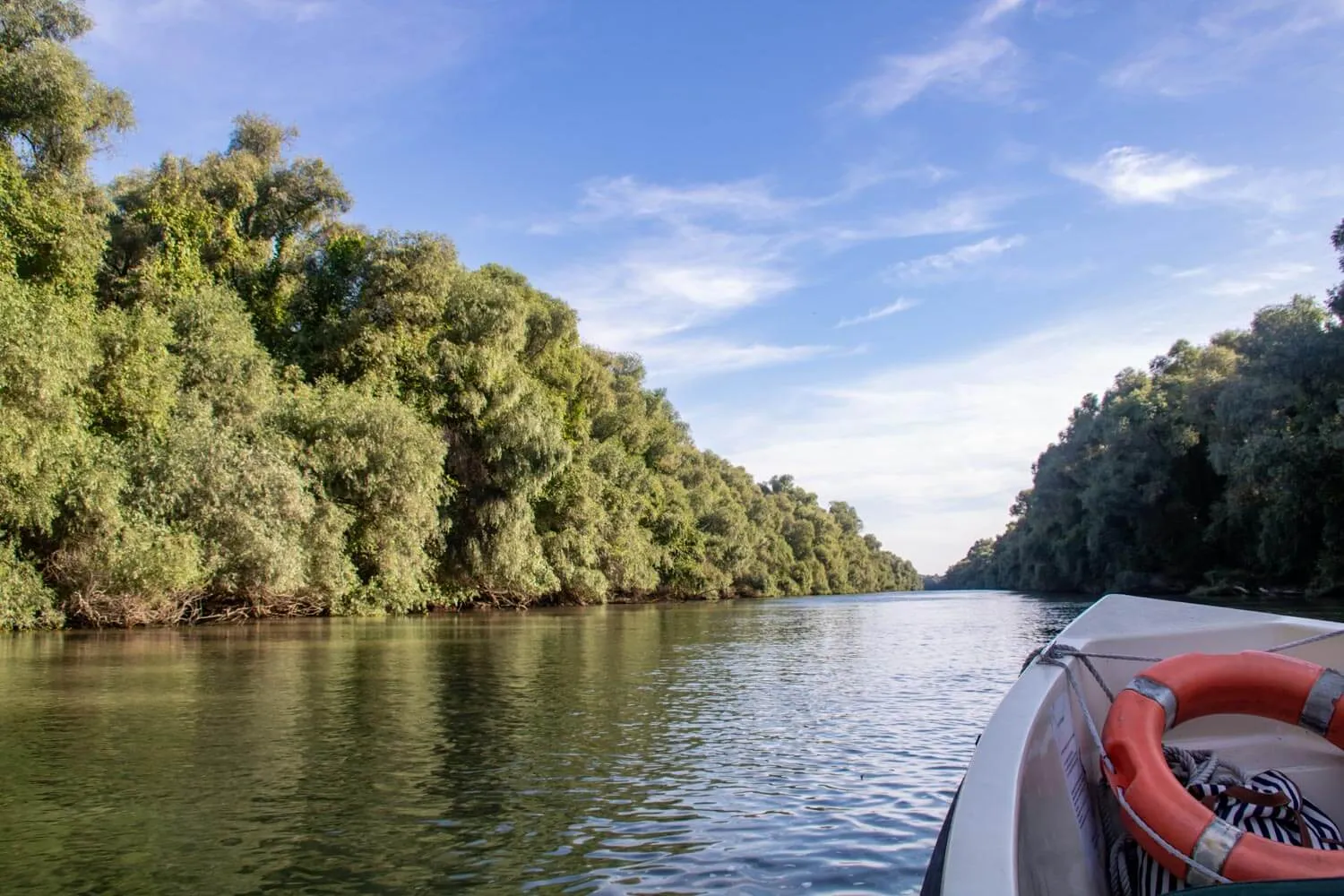
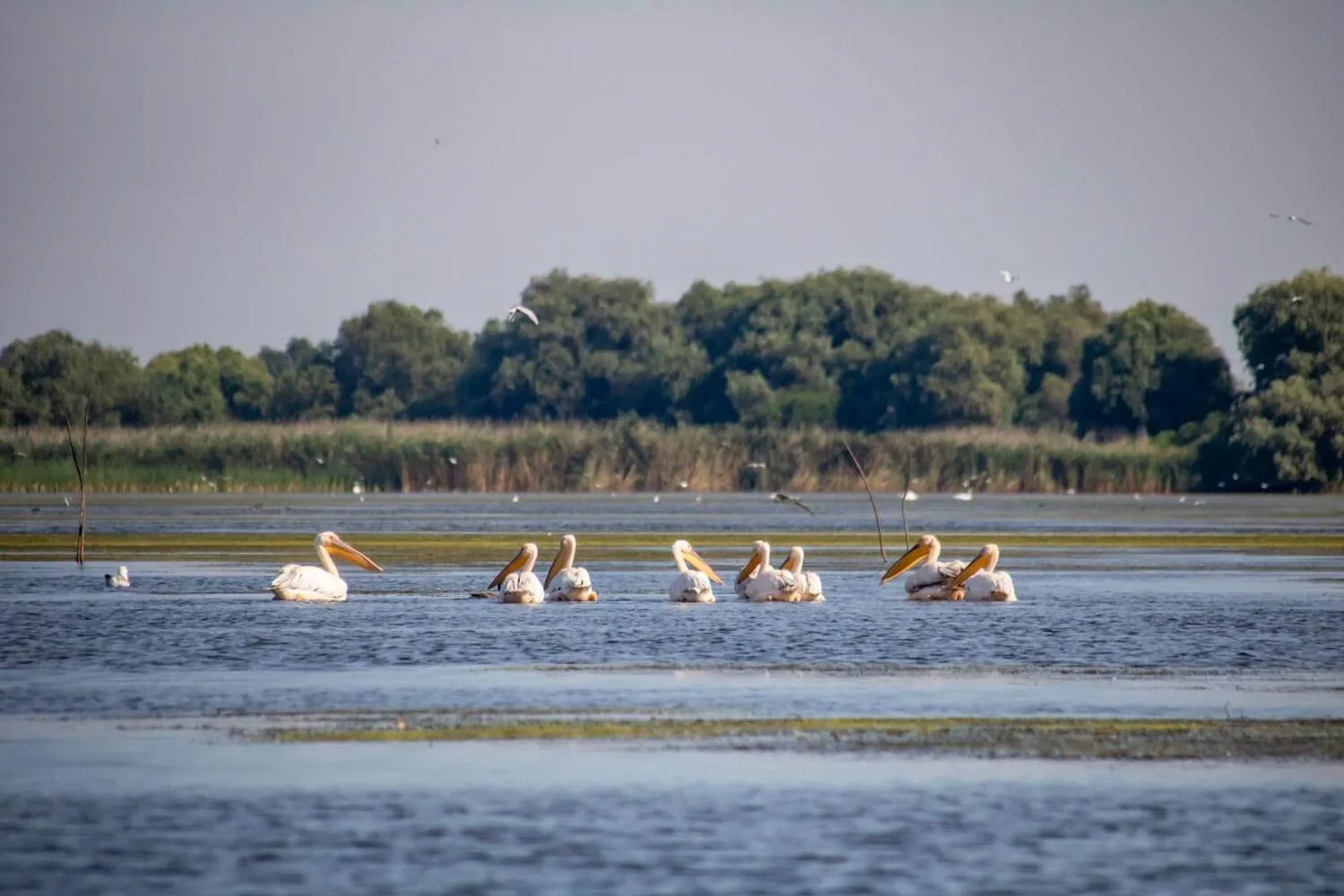
Histria lies within the Danube Delta Biosphere Reserve, beside Lake Sinoe and the wider Razim-Sinoe lagoon system, with reeds, shallow water and open wetlands surrounding the ruins. It is a beautiful setting that adds a strong natural element to a visit otherwise centered on archaeology and history. The openness of the site also means there is very little shade, which is worth keeping in mind during hot summer weather.
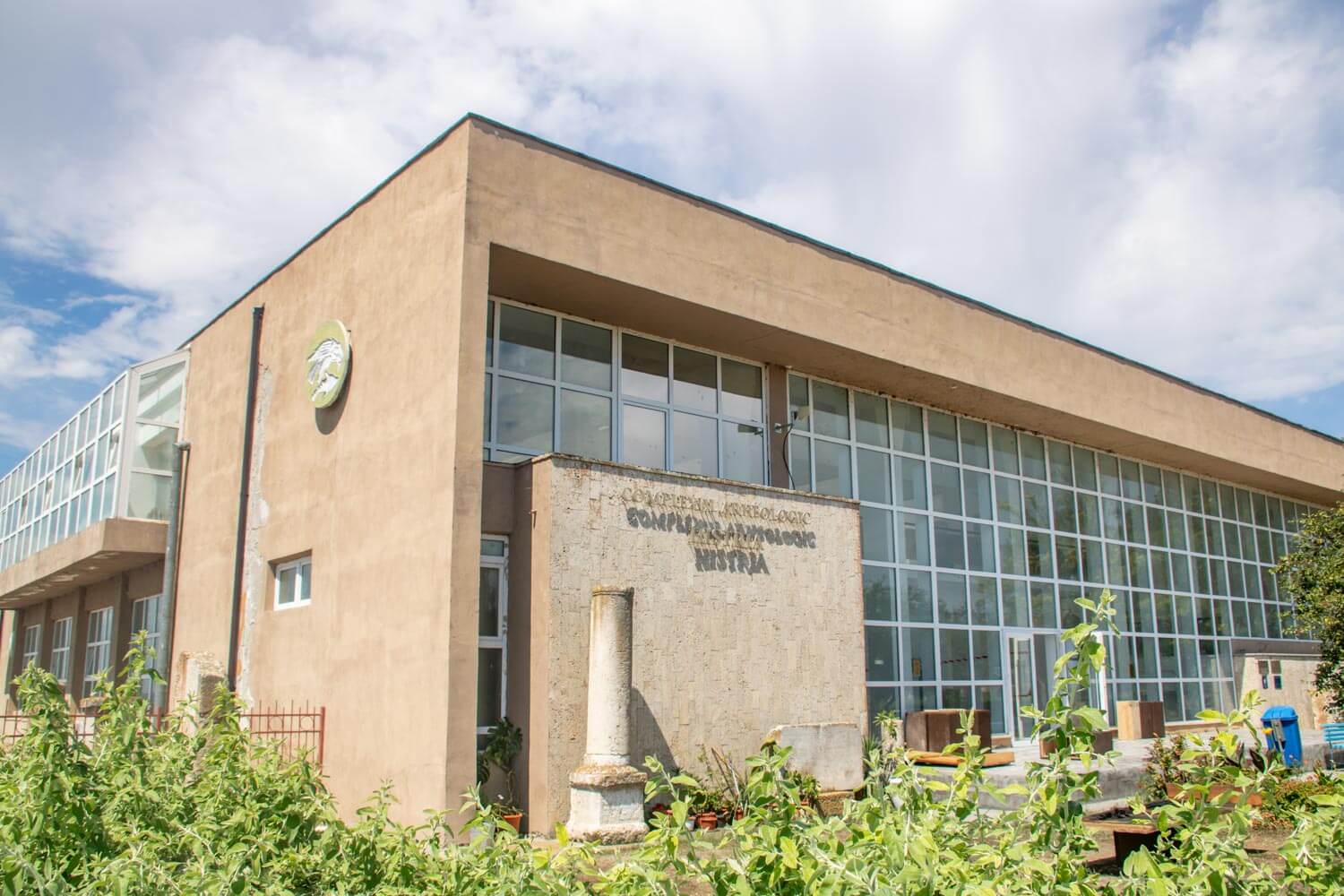
To get a better understanding of the historic city, you can also visit the separate Histria Museum beside the entrance. The museum requires its own ticket and displays finds recovered during more than a century of excavation, including sculpture, inscriptions, pottery, coins and architectural fragments.
Both the archaeological site and museum are administered by the Museum of National History and Archaeology Constanța, which publishes the latest opening hours and ticket prices on its website.