The City Hall Park (Parcul Primăriei), also commonly known as the Archaeological Park (Parcul Arheologic), is a public park in central Constanța surrounding the Administrative Palace. Alongside lawns, trees and walking paths, the park contains monuments, public artworks and one of the most accessible surviving sections of the ancient city wall of Tomis.
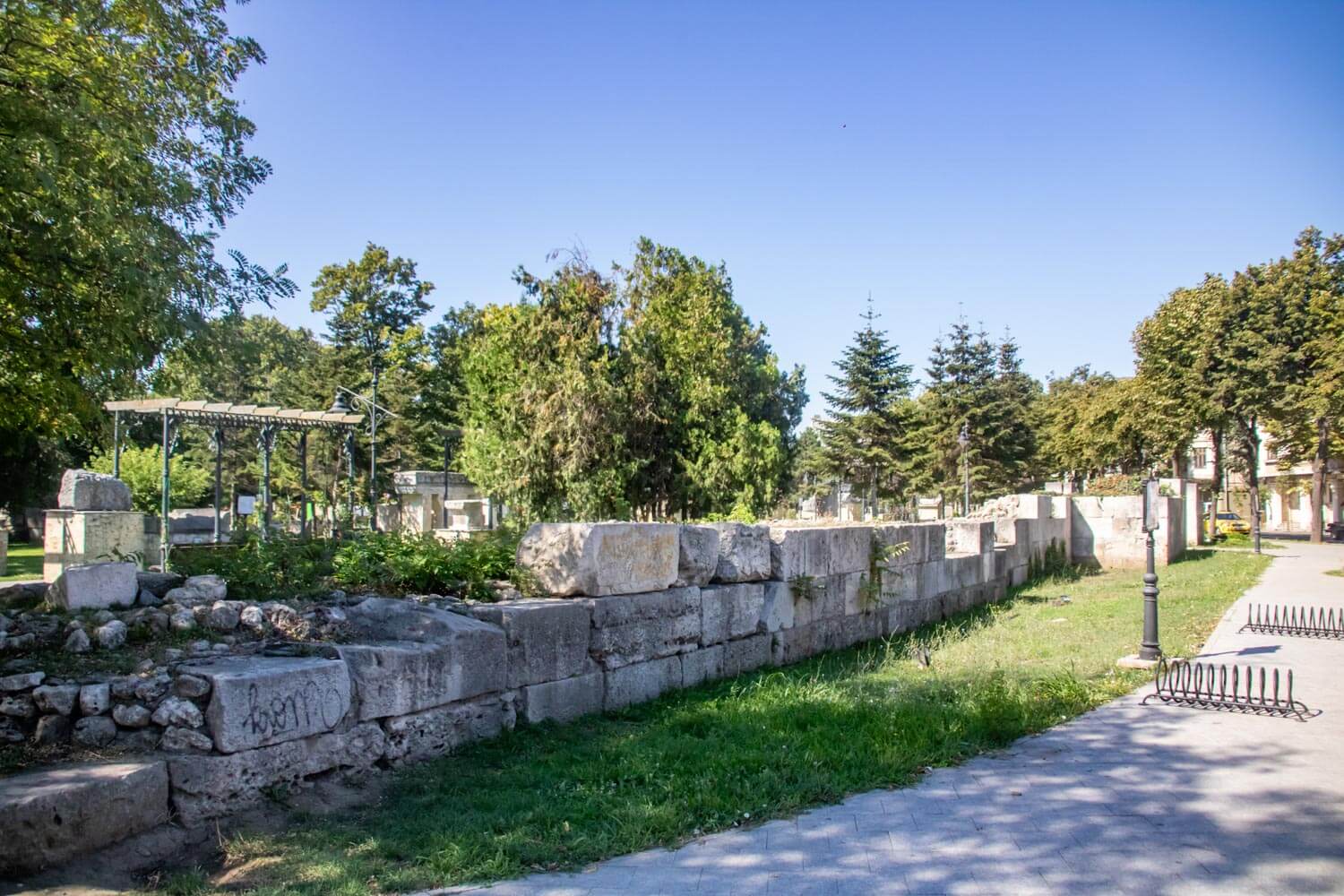
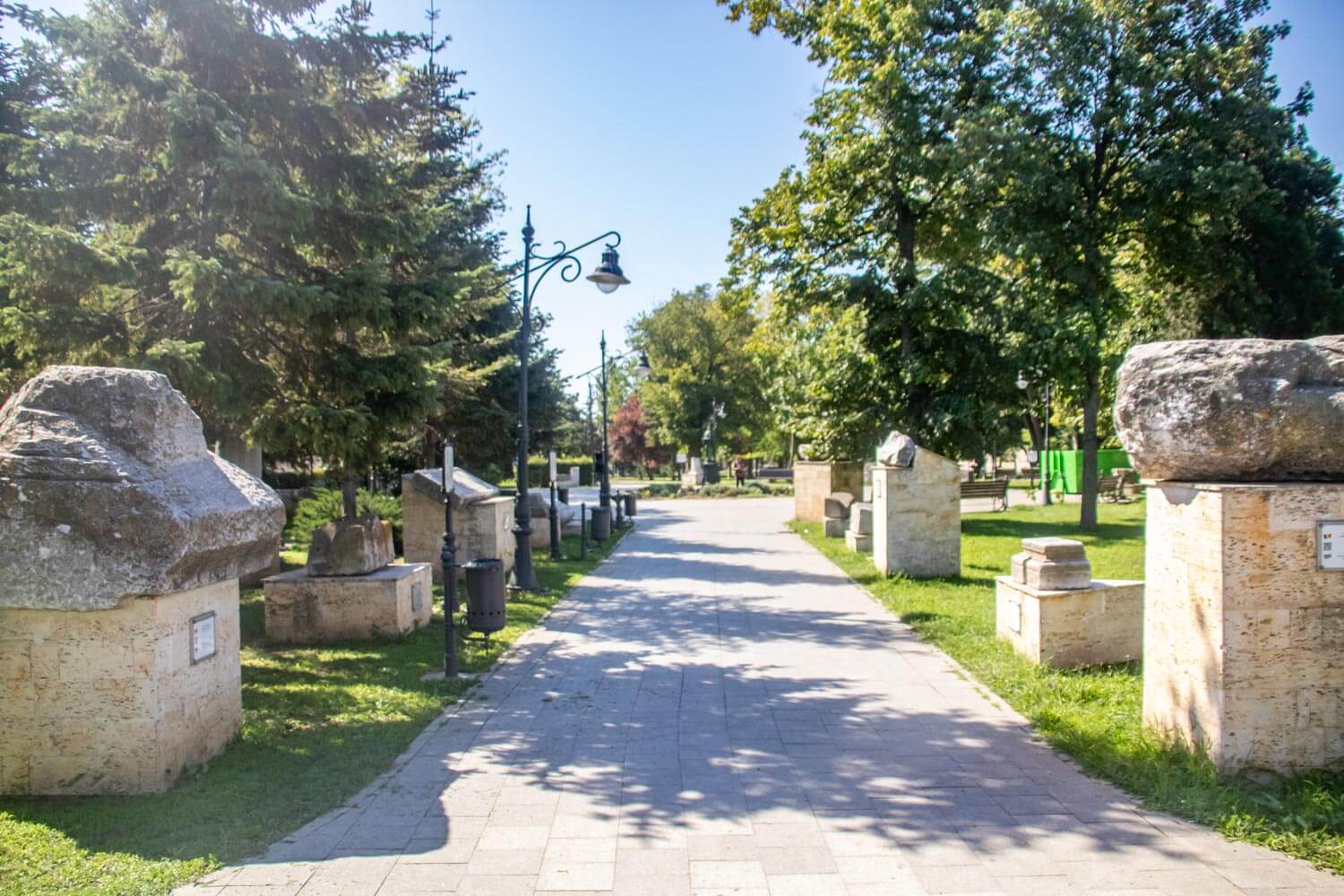
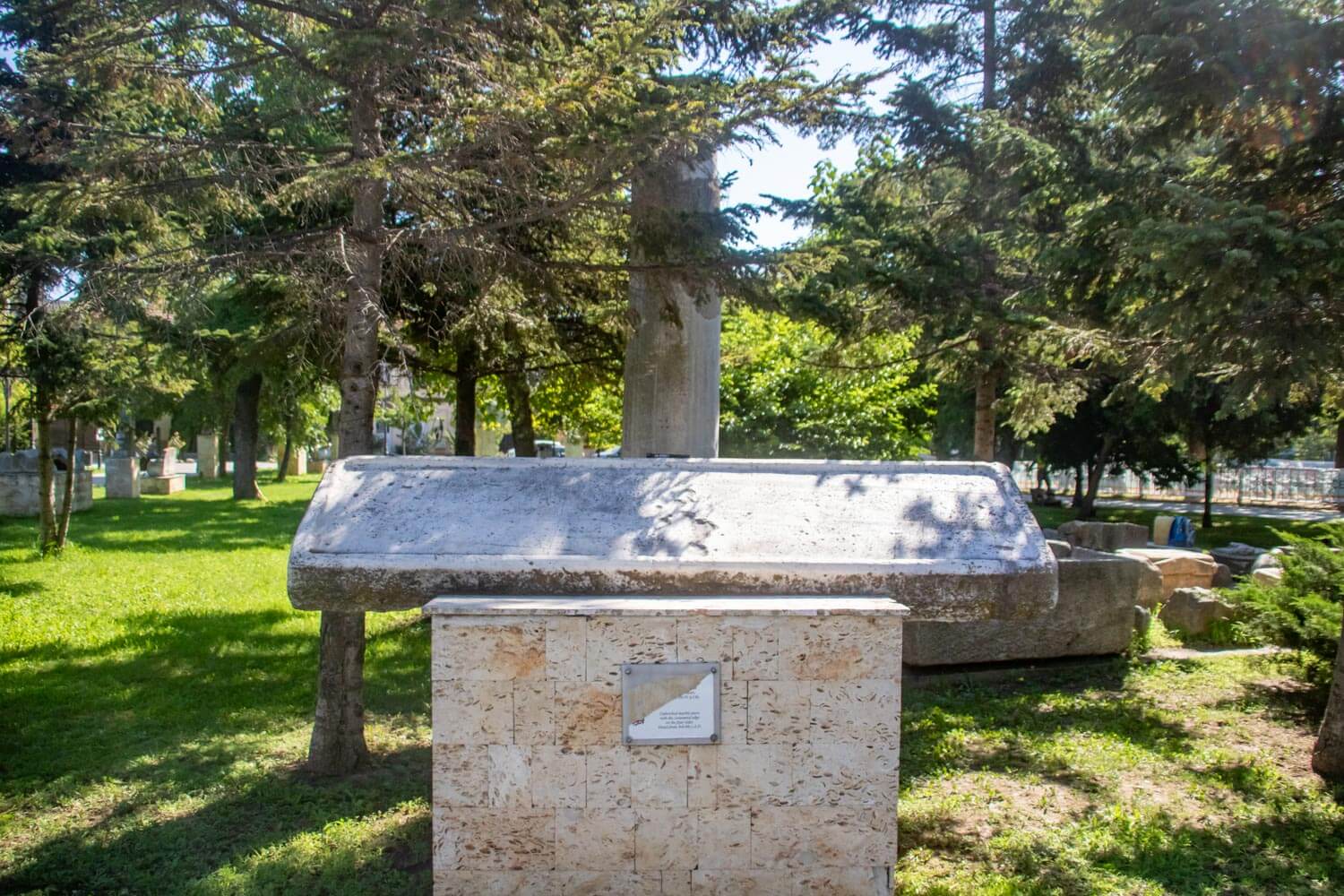
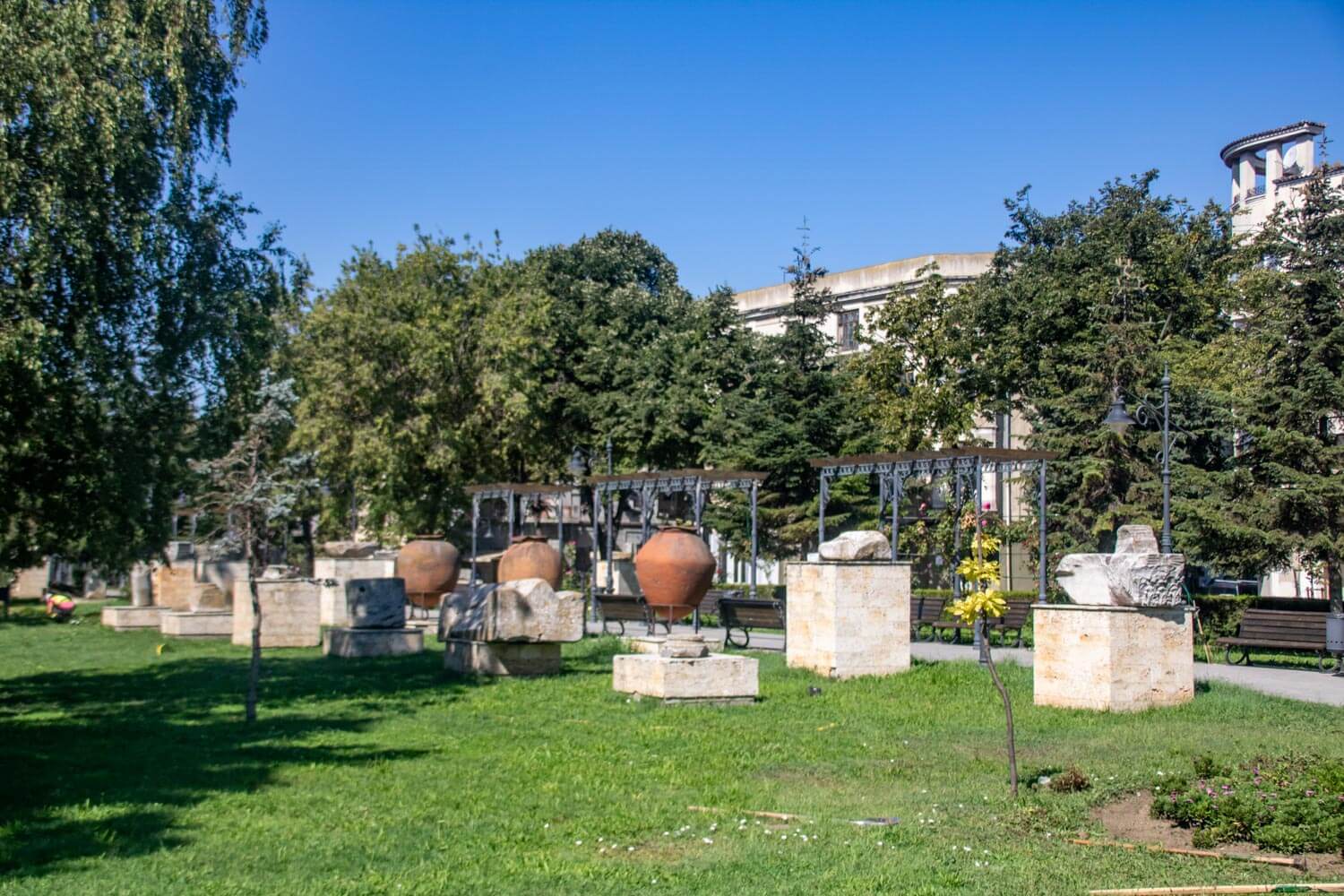
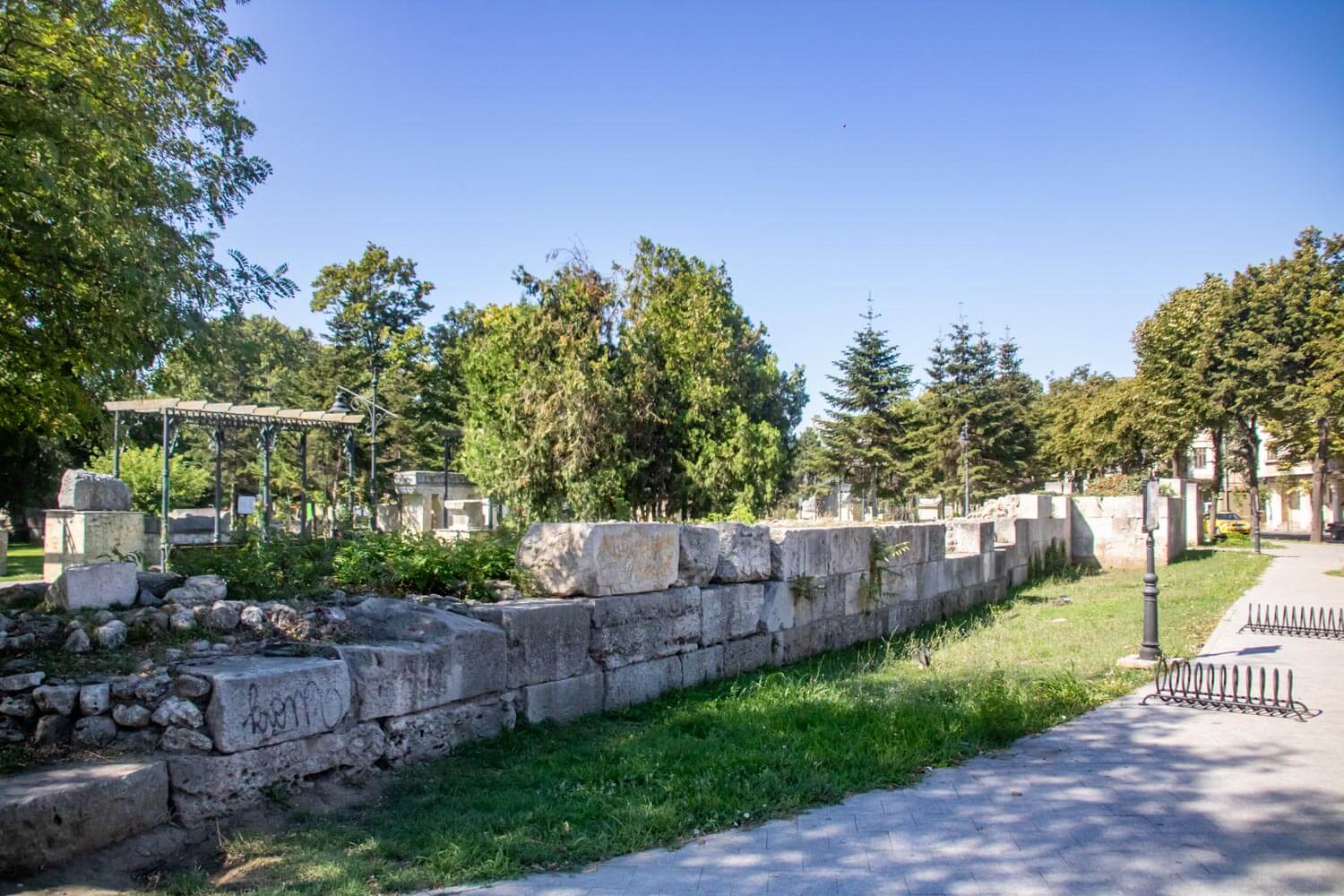
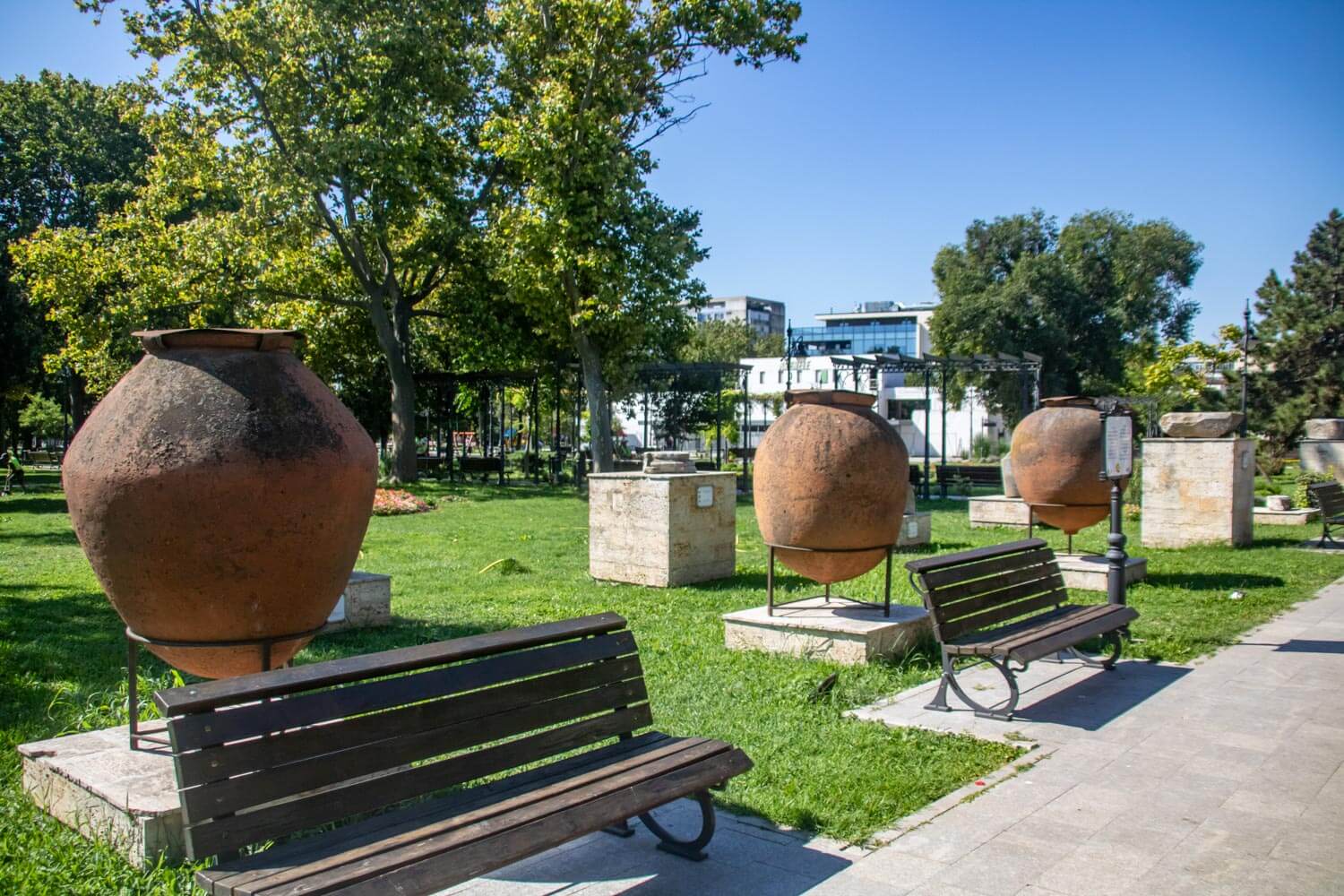
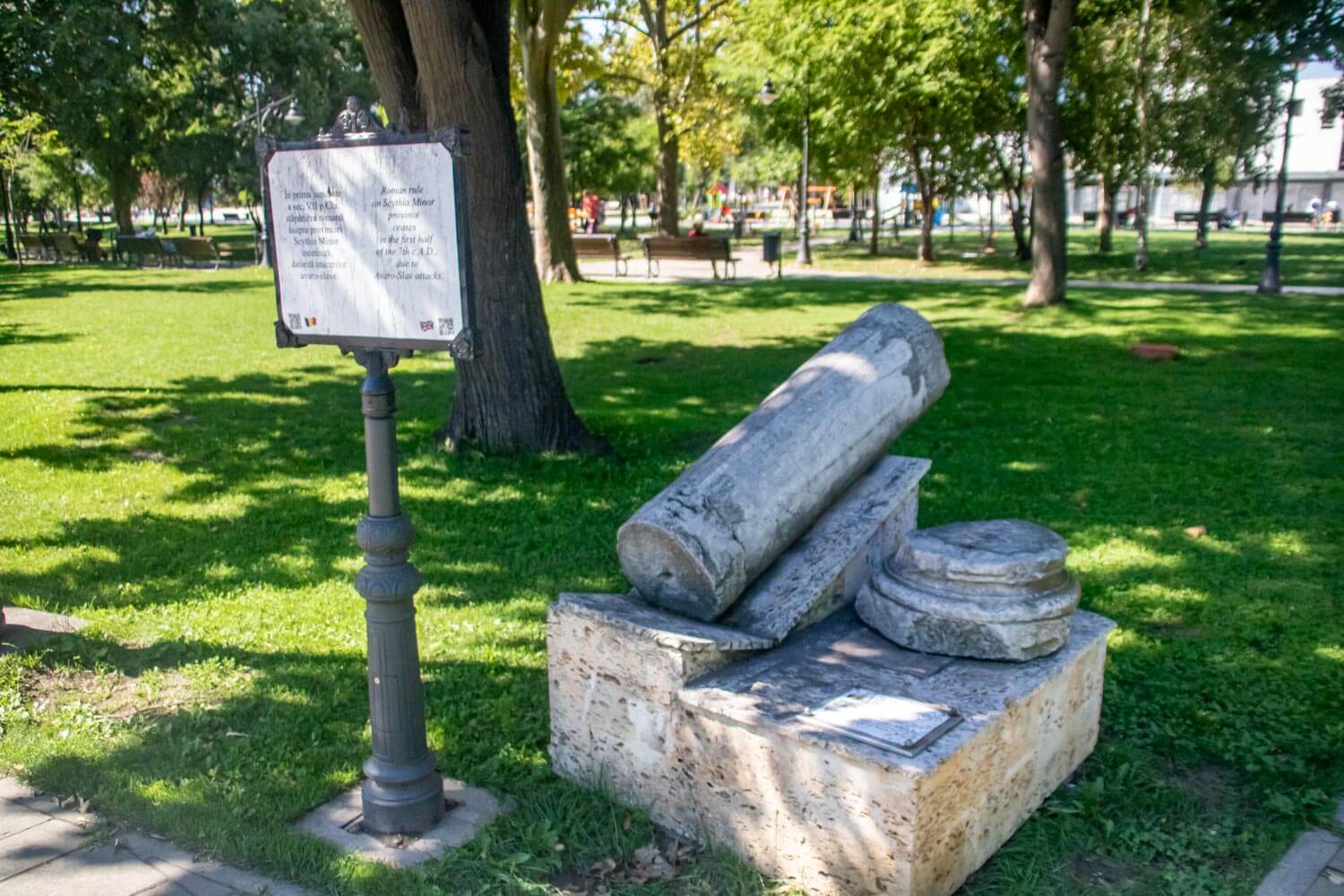
The archaeological character of the park developed in the late 1950s, when excavations exposed a long section of the late Roman fortifications along what is now Bulevardul Ferdinand. After the wall had been investigated and restored, the adjoining green space was arranged as an open-air archaeological display. More than 65 large stone objects from the collections of the regional museum were placed along some of the paths, including columns, capitals, architectural fragments, altars, funerary stelae, sarcophagi and large storage vessels.
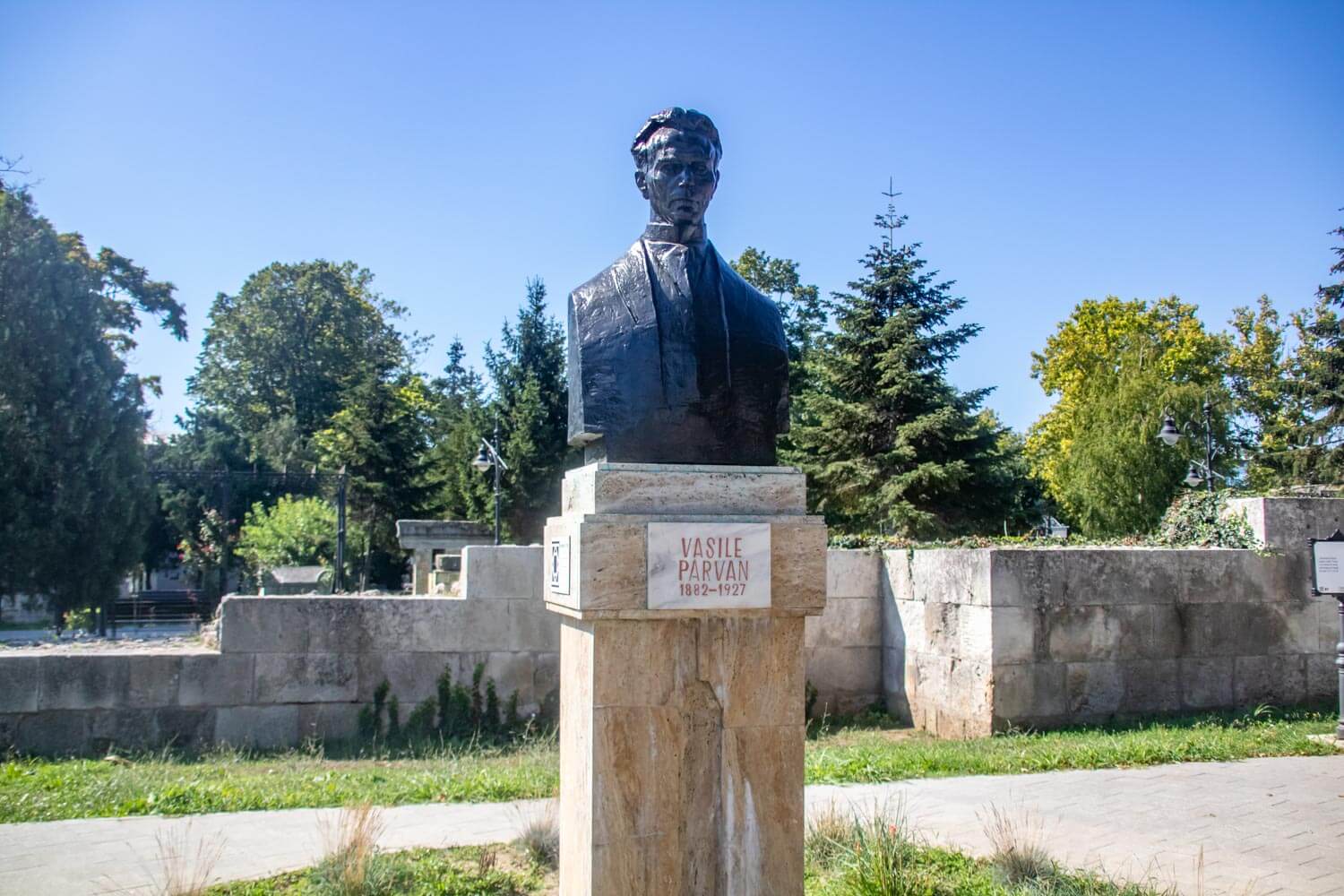
These archaeological displays occupy only part of the larger park. The most substantial ancient remains lie along its northern edge, where sections of the city wall, gates and defensive structures can still be seen. Among them are remains of the so-called Butchers’ Tower, while a bust of archaeologist Vasile Pârvan stands nearby in recognition of his early investigations of the fortifications.
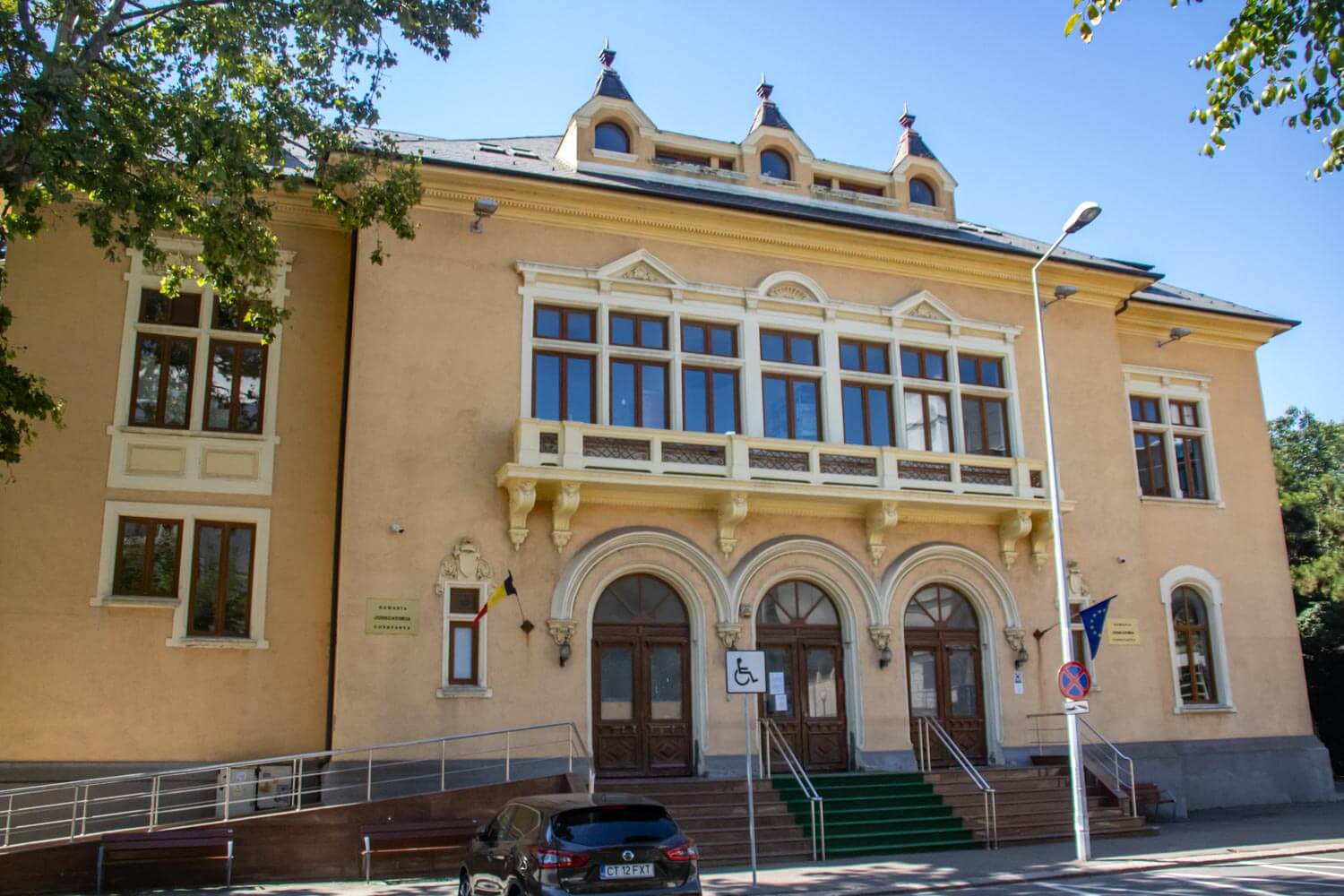
The park took on its present civic role after the Administrative Palace was constructed in the late 1960s. Constanța City Hall later moved here from the former Communal Palace on Ovid Square, and the large modern administrative building now forms the main architectural backdrop to the park.
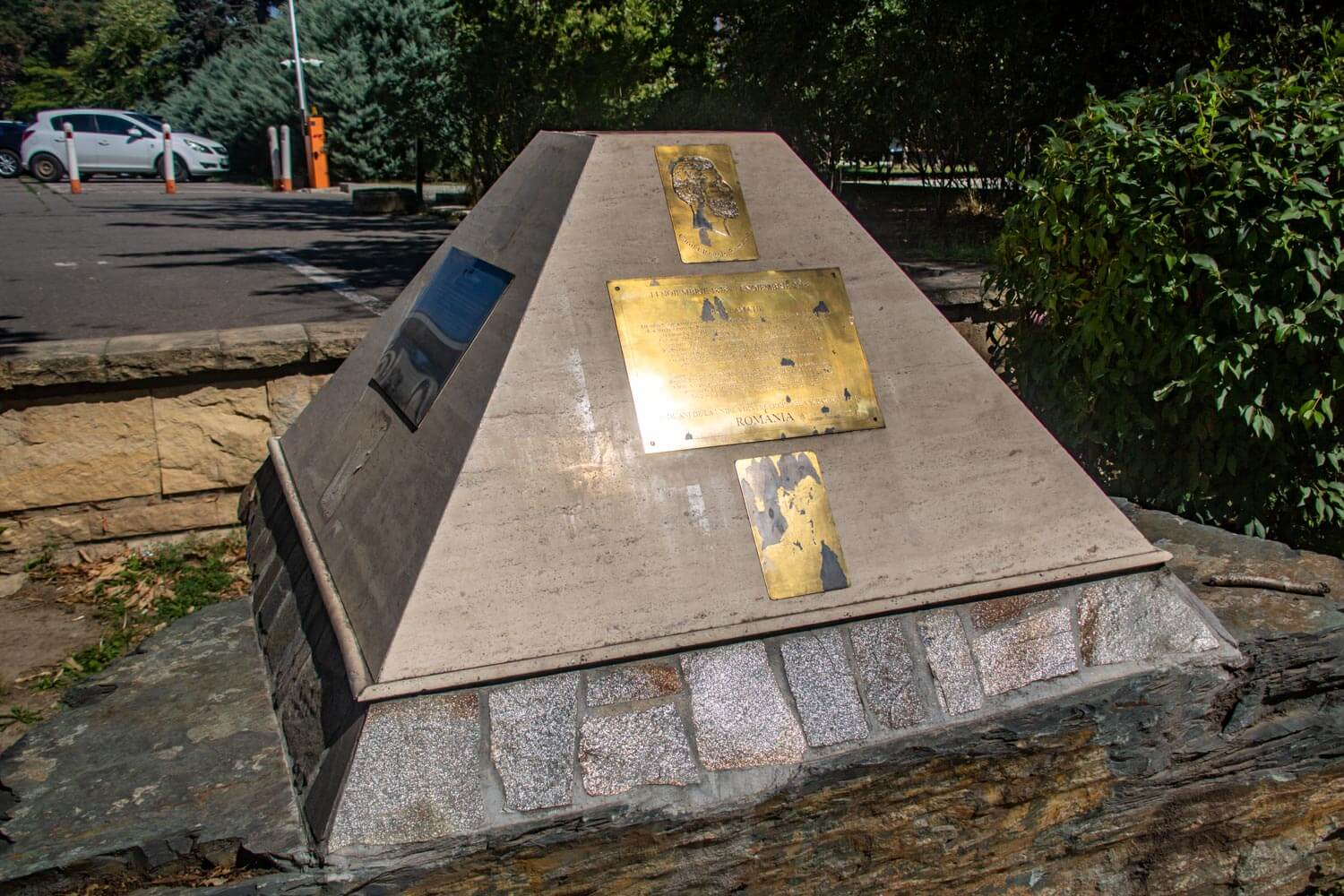
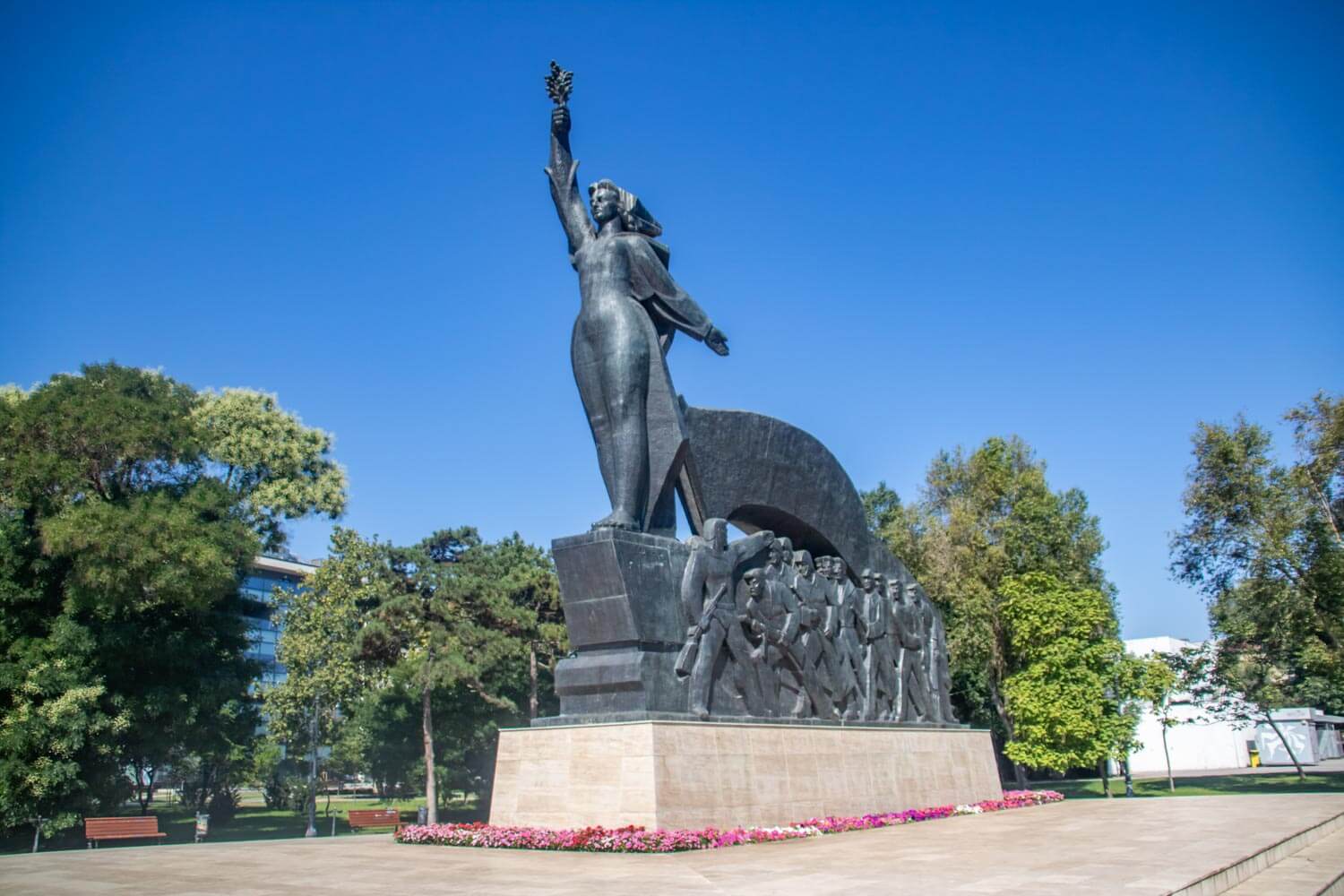
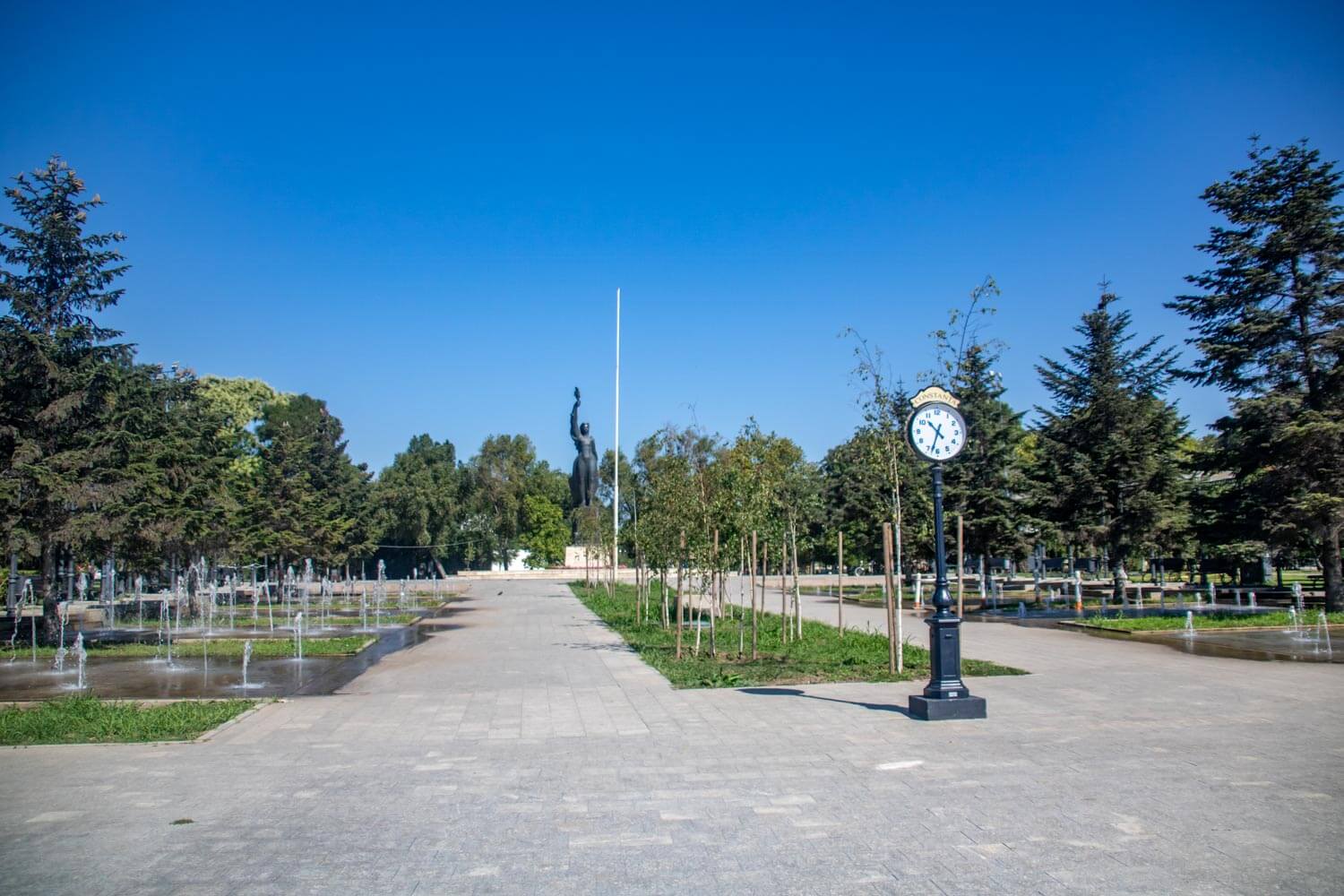
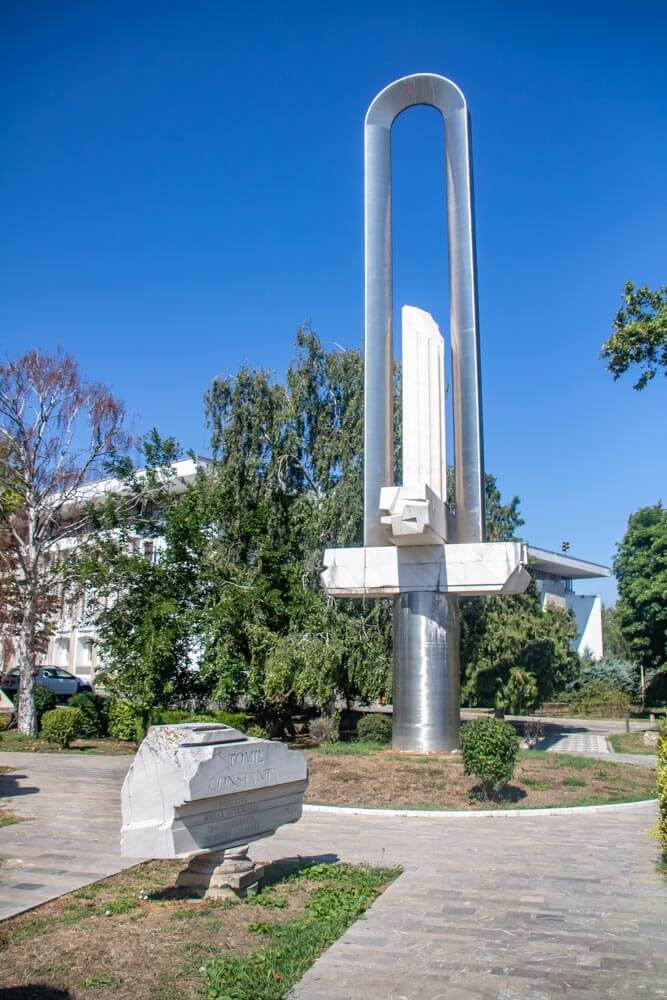
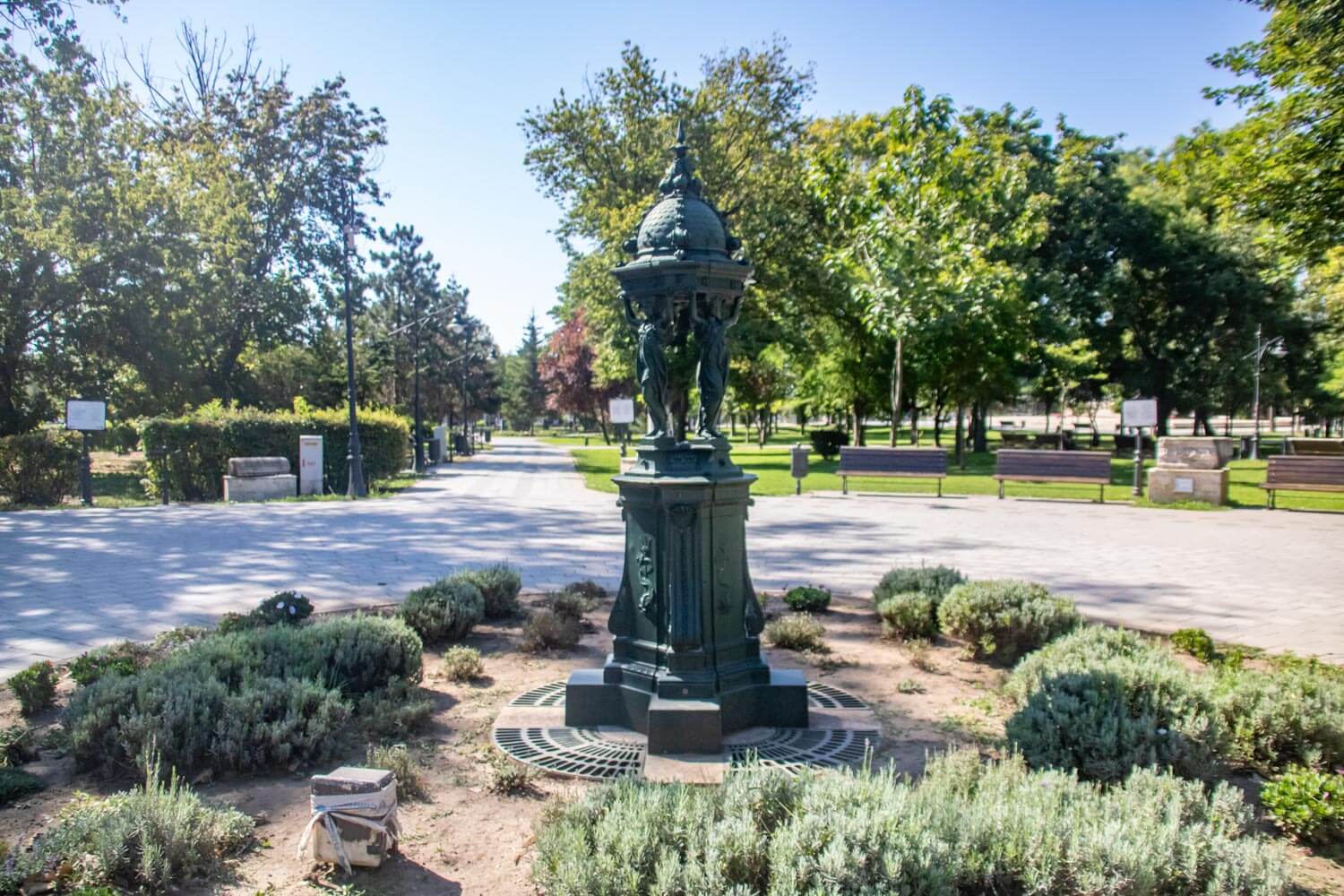
Several monuments and artworks are distributed through the grounds. The large Victory Monument commemorates the defeat of fascism during World War II, while the Arc in Time Monument refers back to the long history of ancient Tomis. Other commemorative works include the Dobrogea Day Memorial Stone and busts of figures connected with the history and archaeology of Constanța.