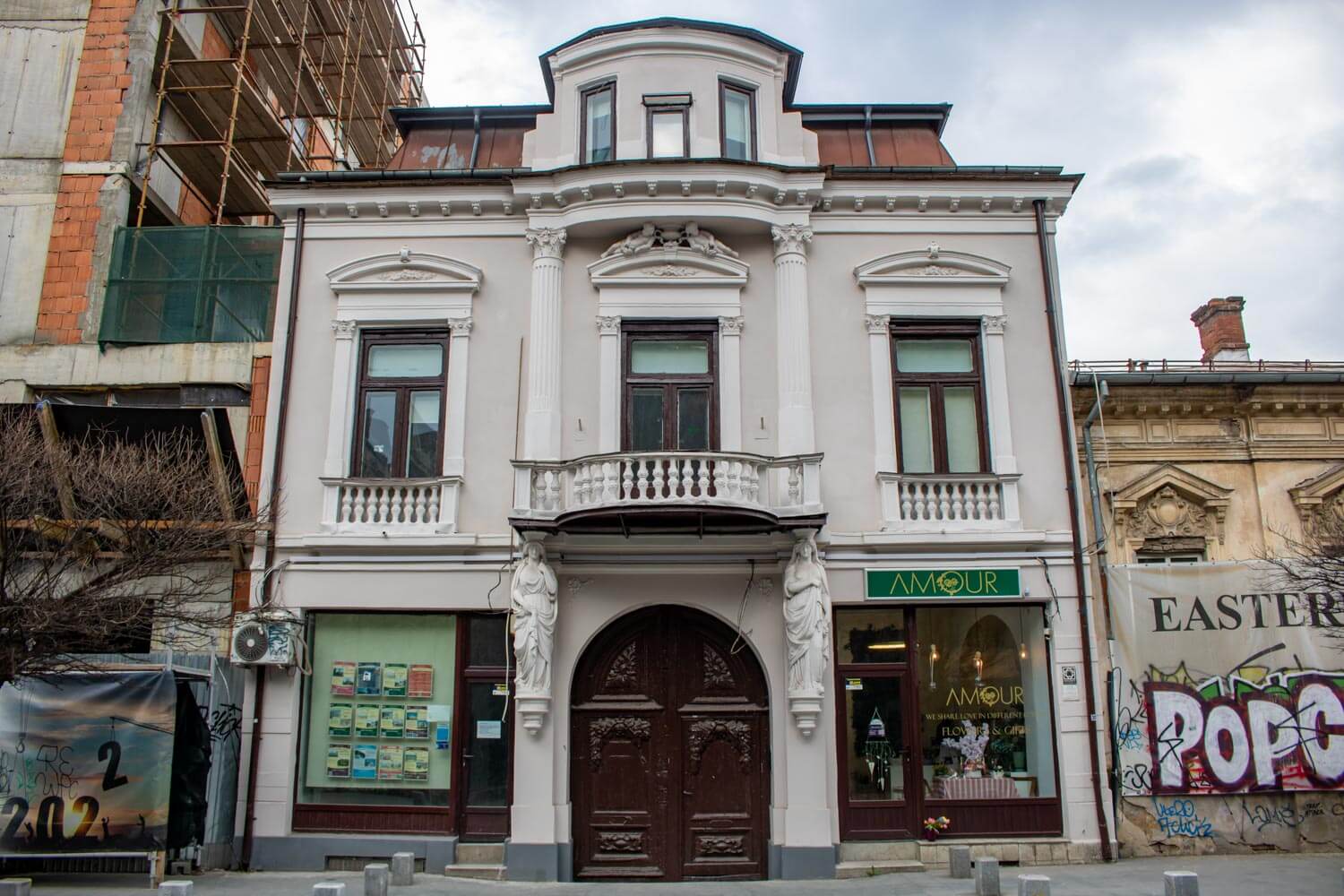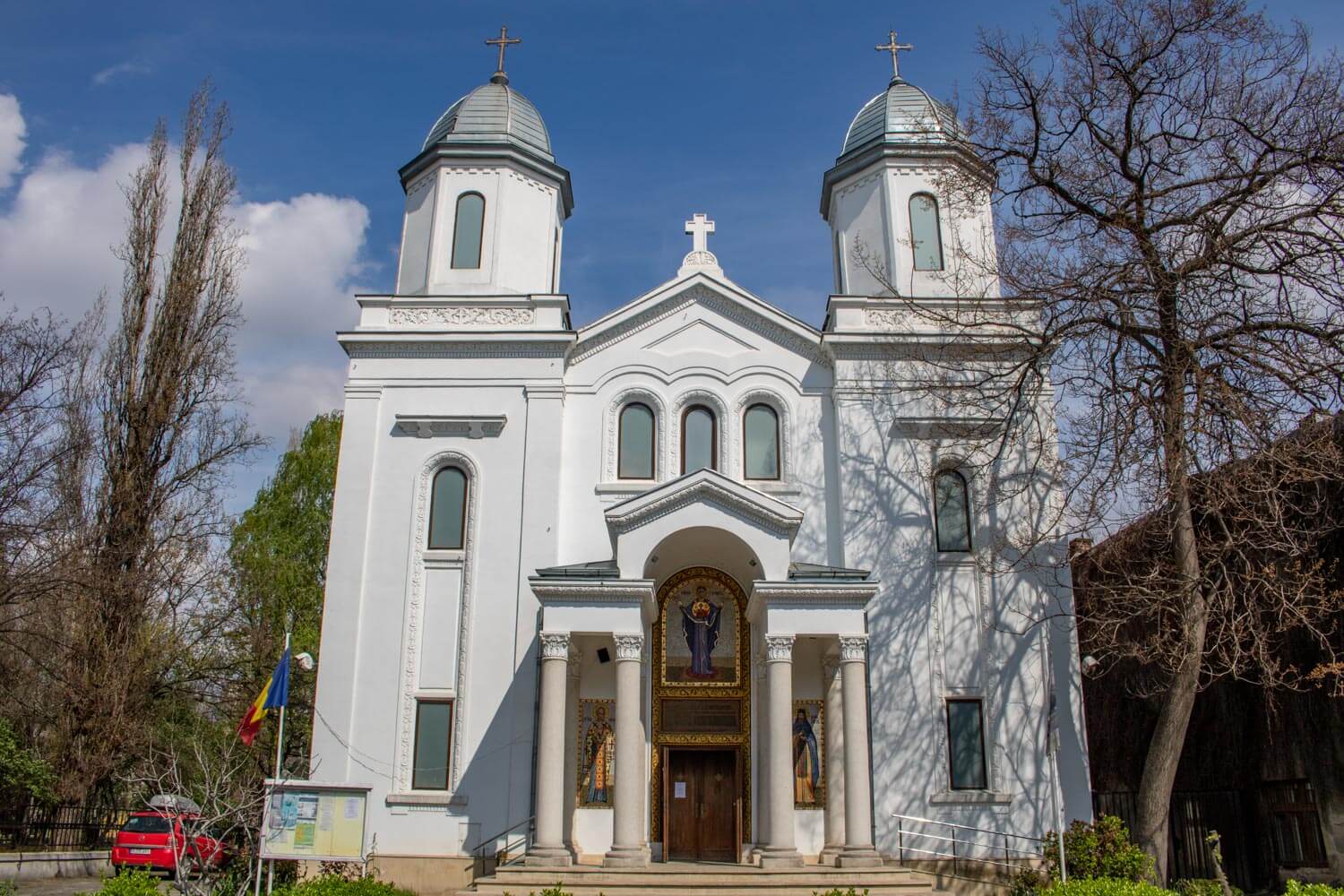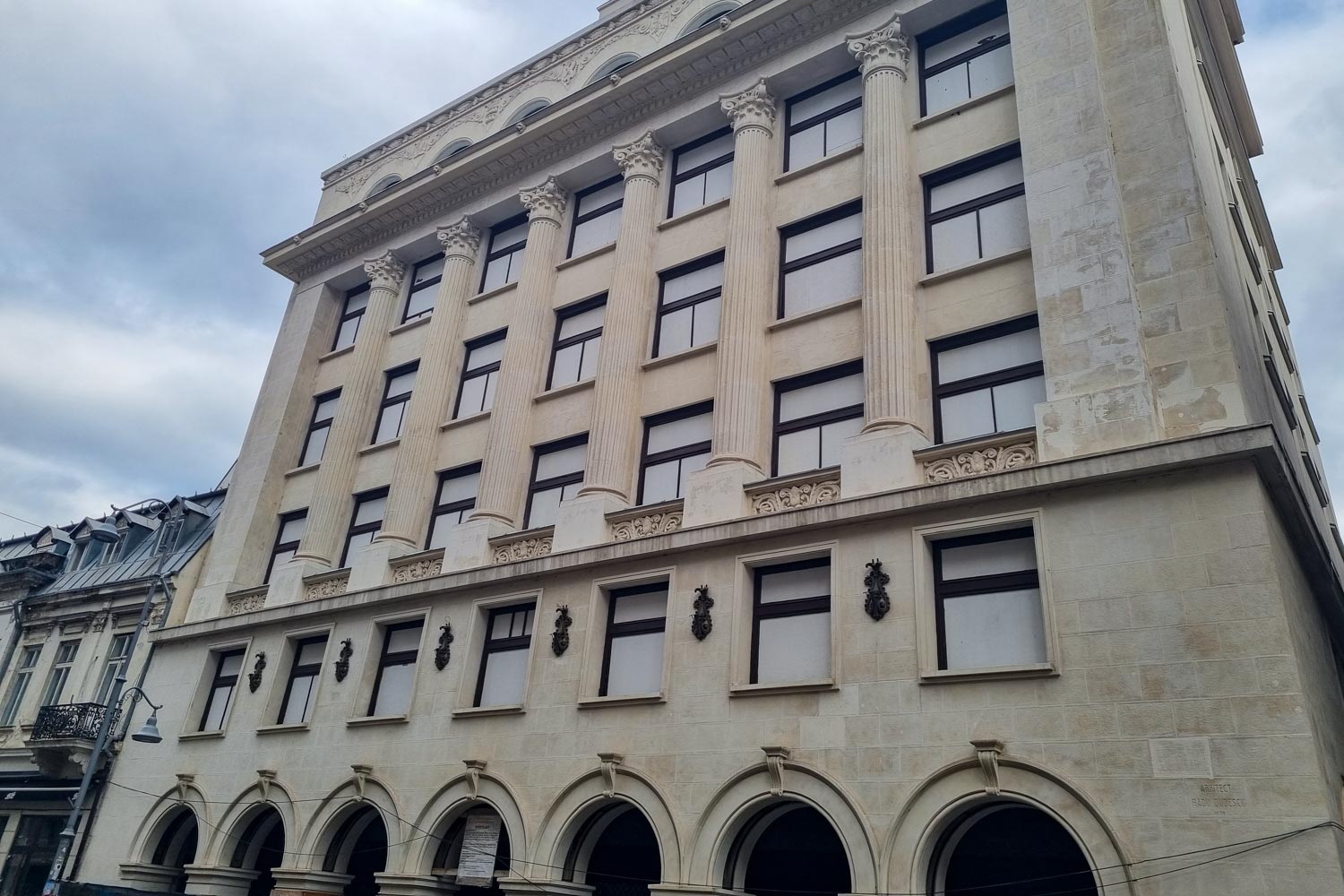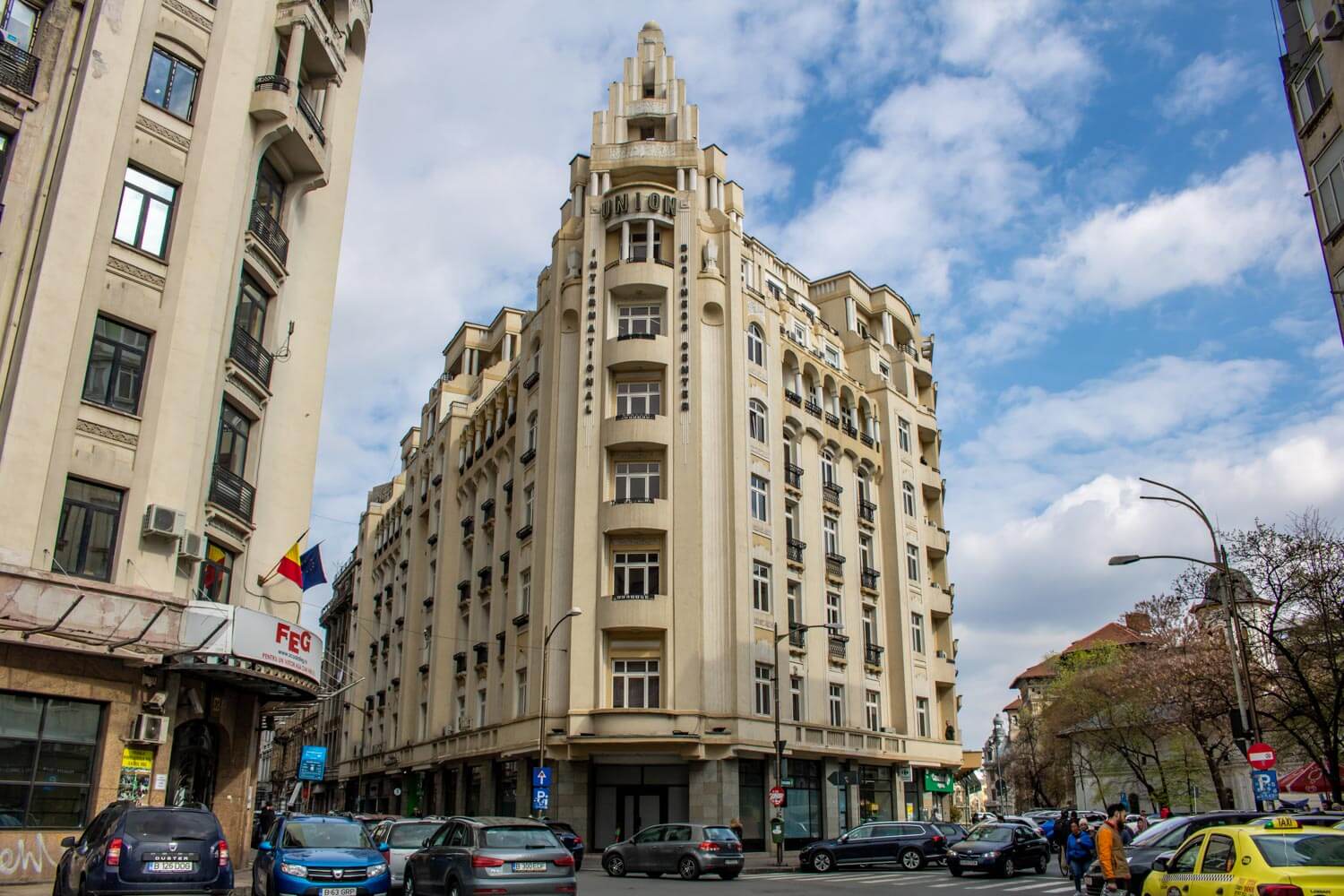
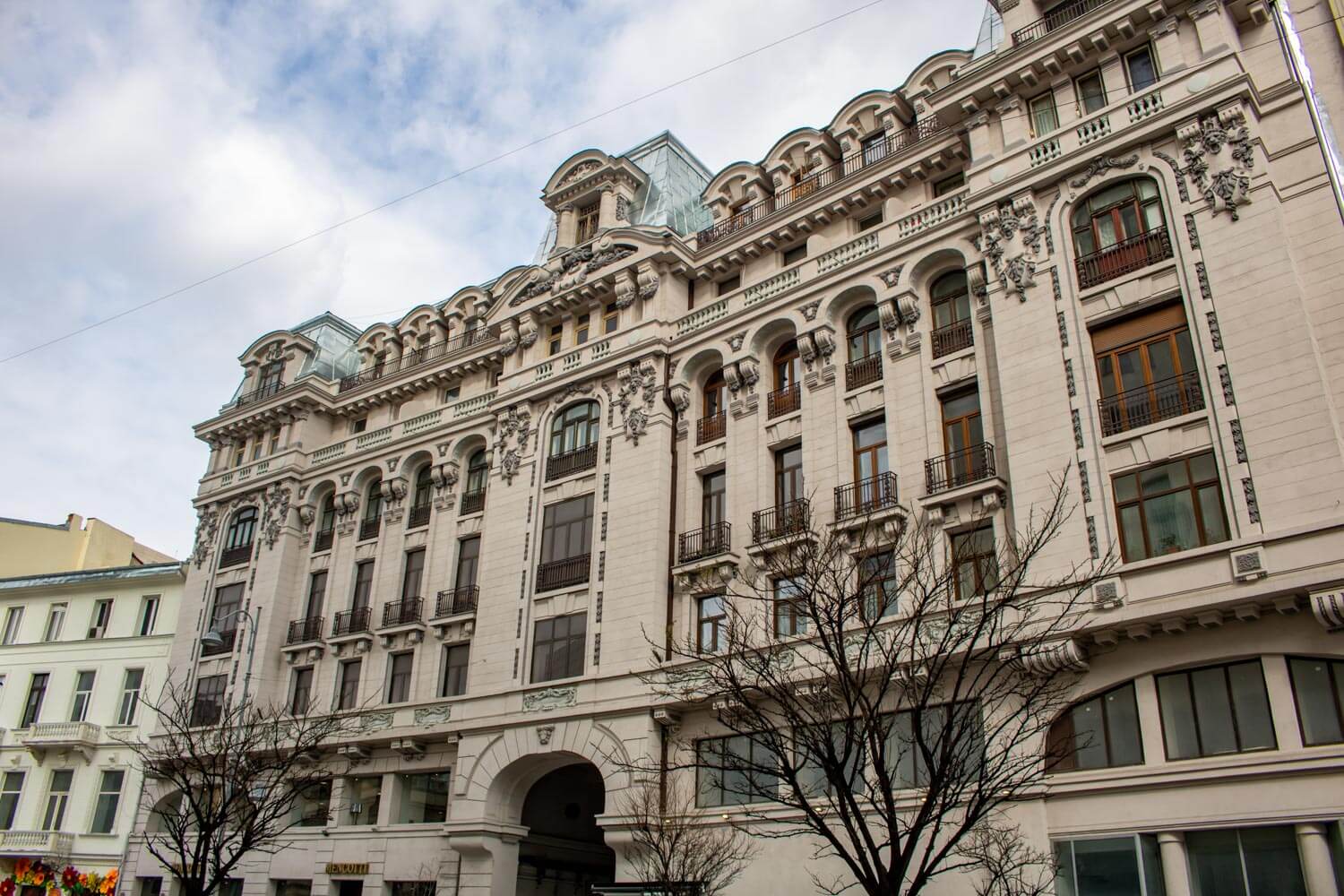
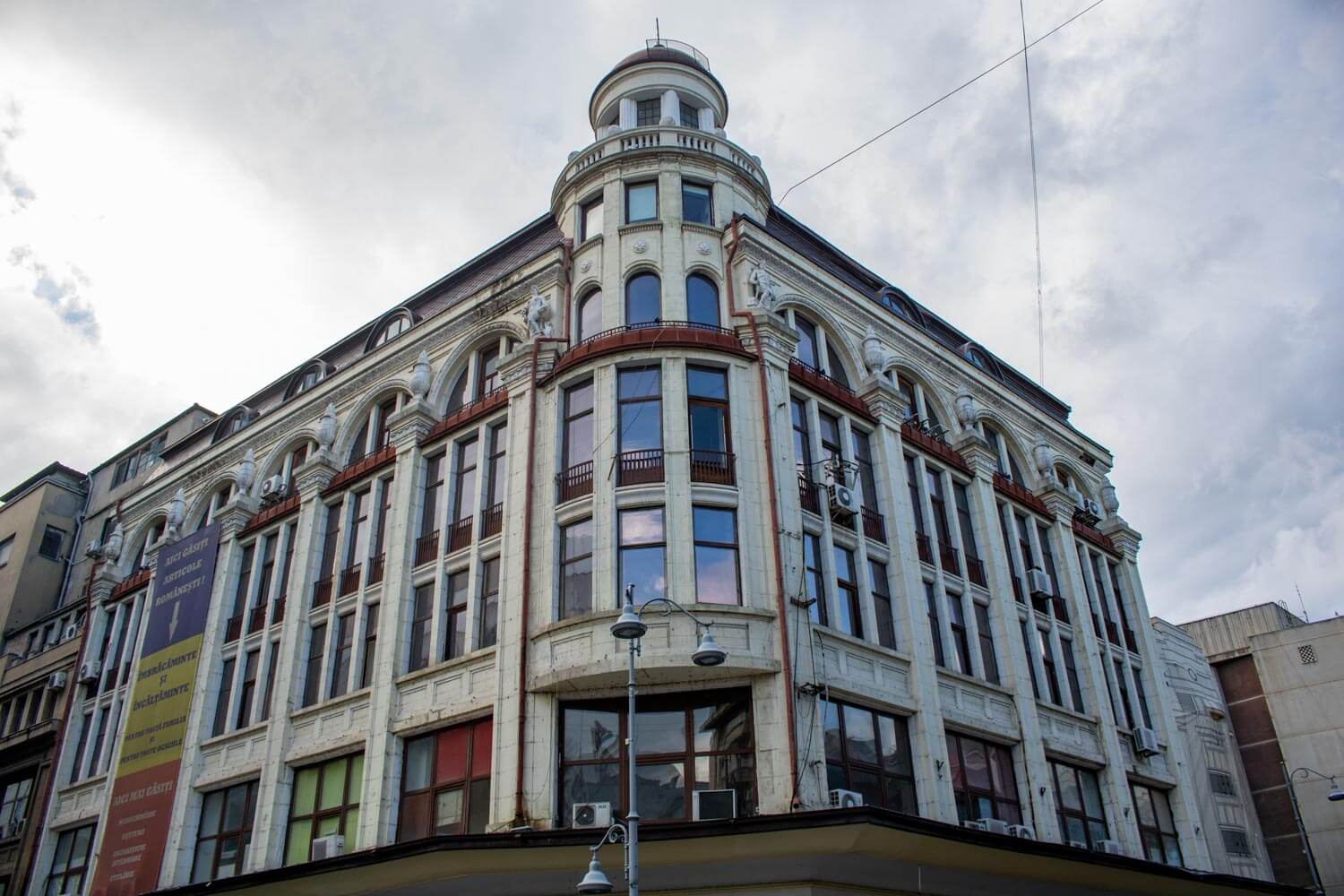
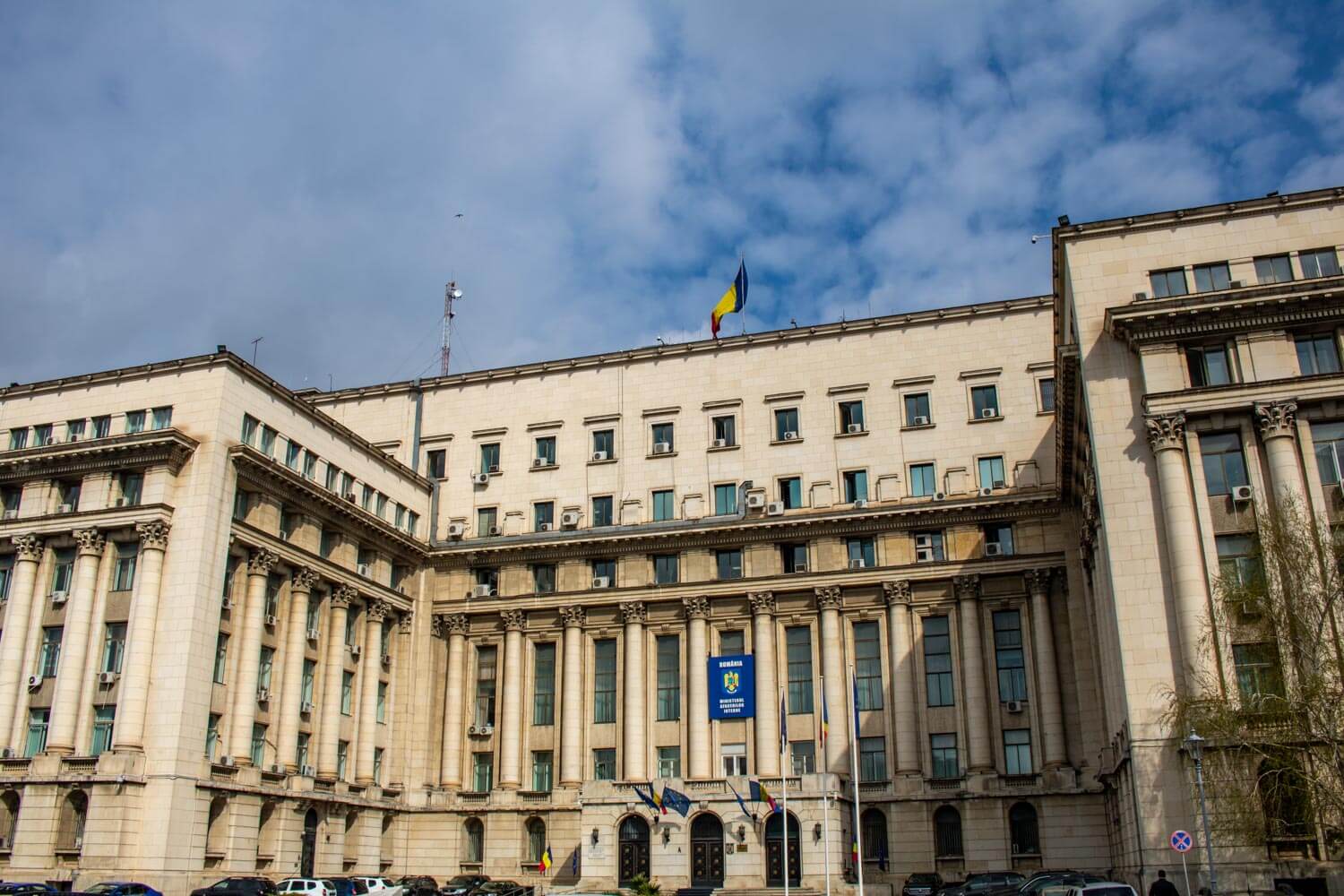
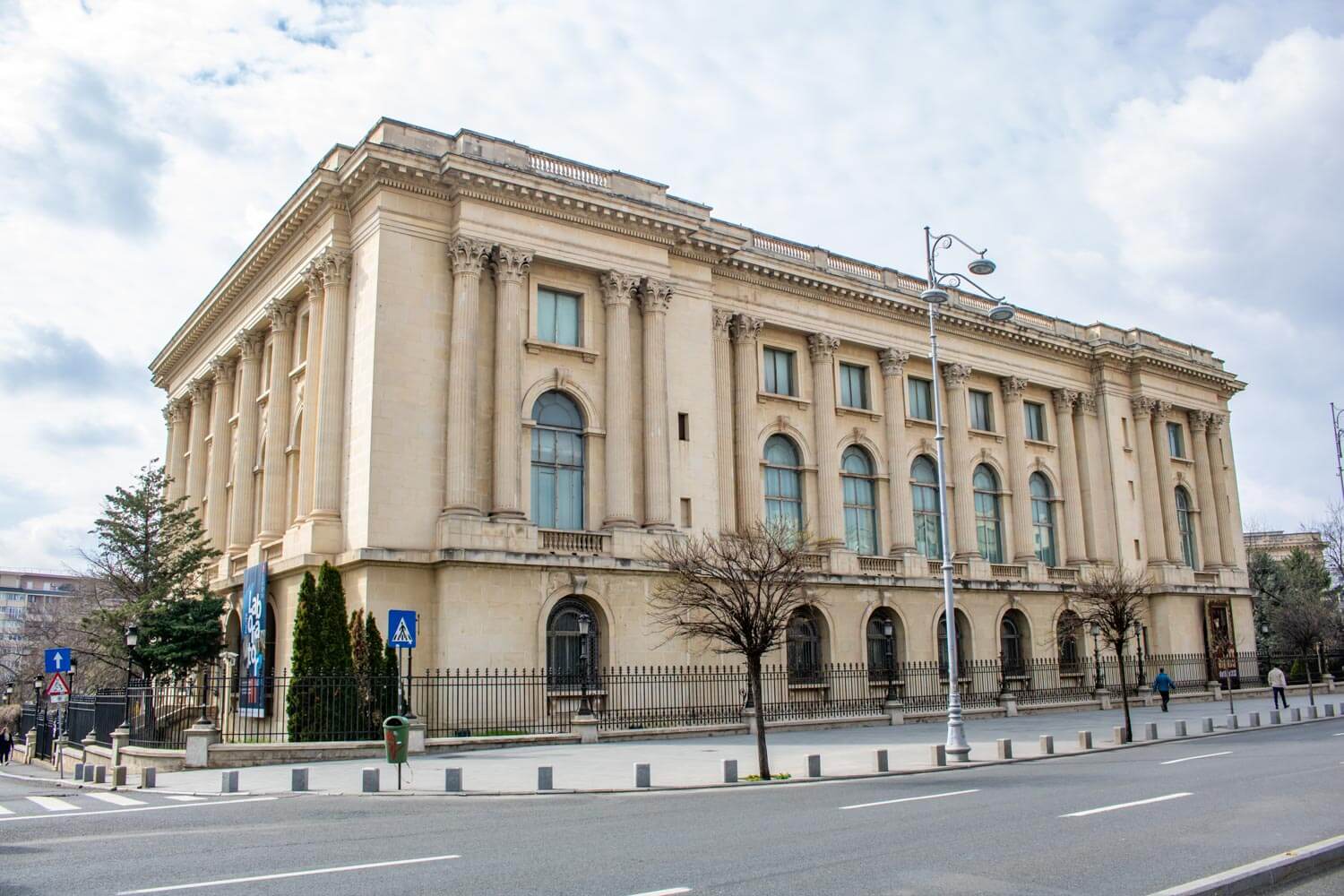
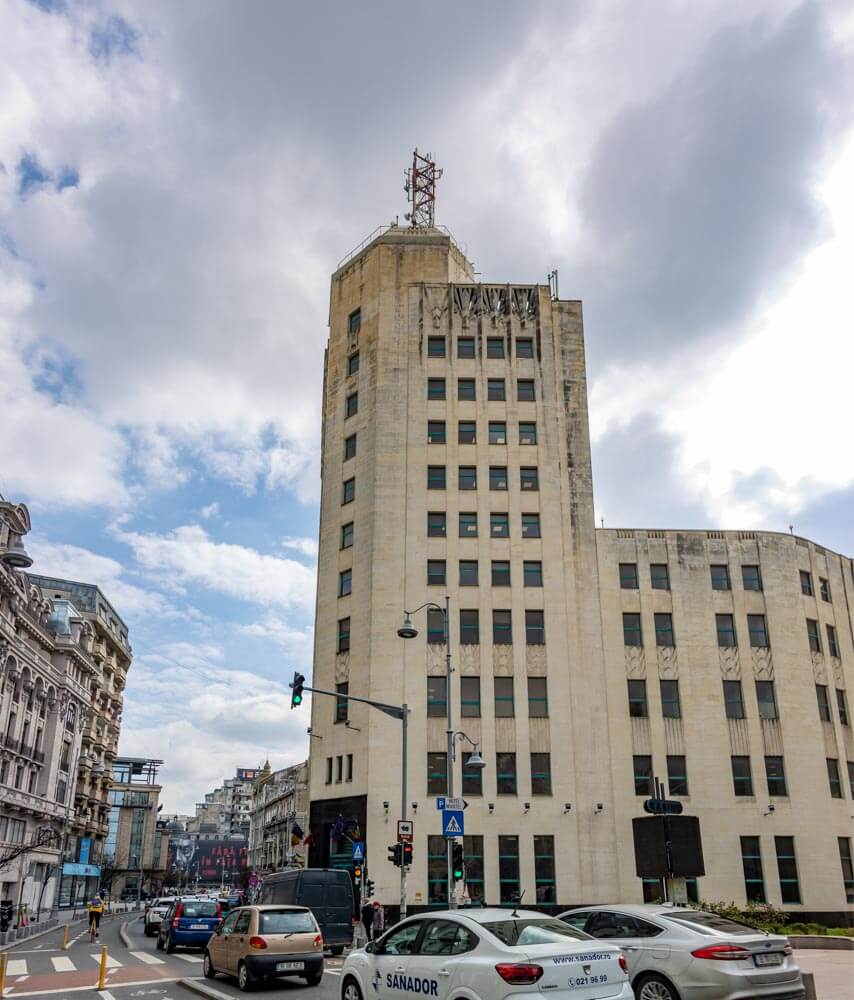

Victory Avenue (Calea Victoriei) is an artery and the oldest paved road in the center of Bucharest. The street stretches from United Nations Square at the Dâmbovița River in northern direction to Victory Square. It is also the most famous street in the city and is well-known for its beautiful architecture and aristocratic buildings and palaces.
History Of Victory Avenue
Victory Avenue is one of the oldest streets in Bucharest, but centuries ago it was named differently. The southern section between United Nations Square and Queen Elisabeth Boulevard was simply known as Large Street to Sărindar (Ulița Mare spre Sărindar) as it led to the Sărindar Church. The section north from there until Victory Square was called Brașov Road (Drumul Brașovului) as it was the main corridor from the commercial center of Bucharest to Brașov.
Under the rule of Constantin Brâncoveanu, both sections of the road were connected and paved with wood. This was done because the road often became very muddy from the rain and amount of traffic. When the prestigious project was completed and the road was reopened in 1692, it was called Mogoșoaia Bridge (Podul Mogoșoaiei), as it connected the Mogoșoaia Palace north of the city with the Princely Court in the center.
Being the only paved road for a while, the Mogoșoaia Bridge became the main road of the city along which noble houses, hotels, inns, churches, and luxury shops were built which led to its aristocratic character it still maintains today.
In 1814, the Mogoșoaia Bridge became the first street in Bucharest to be illuminated with candles at night, and in 1842, the street was paved with cobblestones. After the Romanian victory in the War of Independence (1877-1878) against the Ottoman Empire, the street was renamed Victory Avenue (Calea Victoriei) and in 1882 it became the first street with electric street lights.
Nowadays, the old and the new blends in seamlessly at Victory Avenue as it is one of the most bustling streets in the city. Beautiful historic buildings have been restored and repurposed as museums, hotels, fashion stores and other shops, trendy bars, and restaurants.
Unlike several other major streets and squares, Victory Avenue kept its name during the communist era and even formed some inspiration in the creation of another large avenue, the Boulevard of the Victory of Socialism, now called Union Boulevard.
Since 2023, the municipality has been experimenting with car-free weekends on parts of Victory Avenue, to give more space to pedestrians, outdoor seating, musicians and other street artists. There are calls to pedestrianize the entire avenue permanently, but whether this will ever happen is unsure.
Sights And Landmarks On Victory Avenue
Victory Avenue is one big open-air museum as the street is flanked on both sides by impressive landmarks with beautiful facades, most of which remind of the glory days of the Belle Époque in the late 19th and early 20th century. Here’s a list of all the important sights and landmarks you can see on a walk through Victory Avenue:
Western side (from south to north):
- Bucharest Agricultural Insurance Company
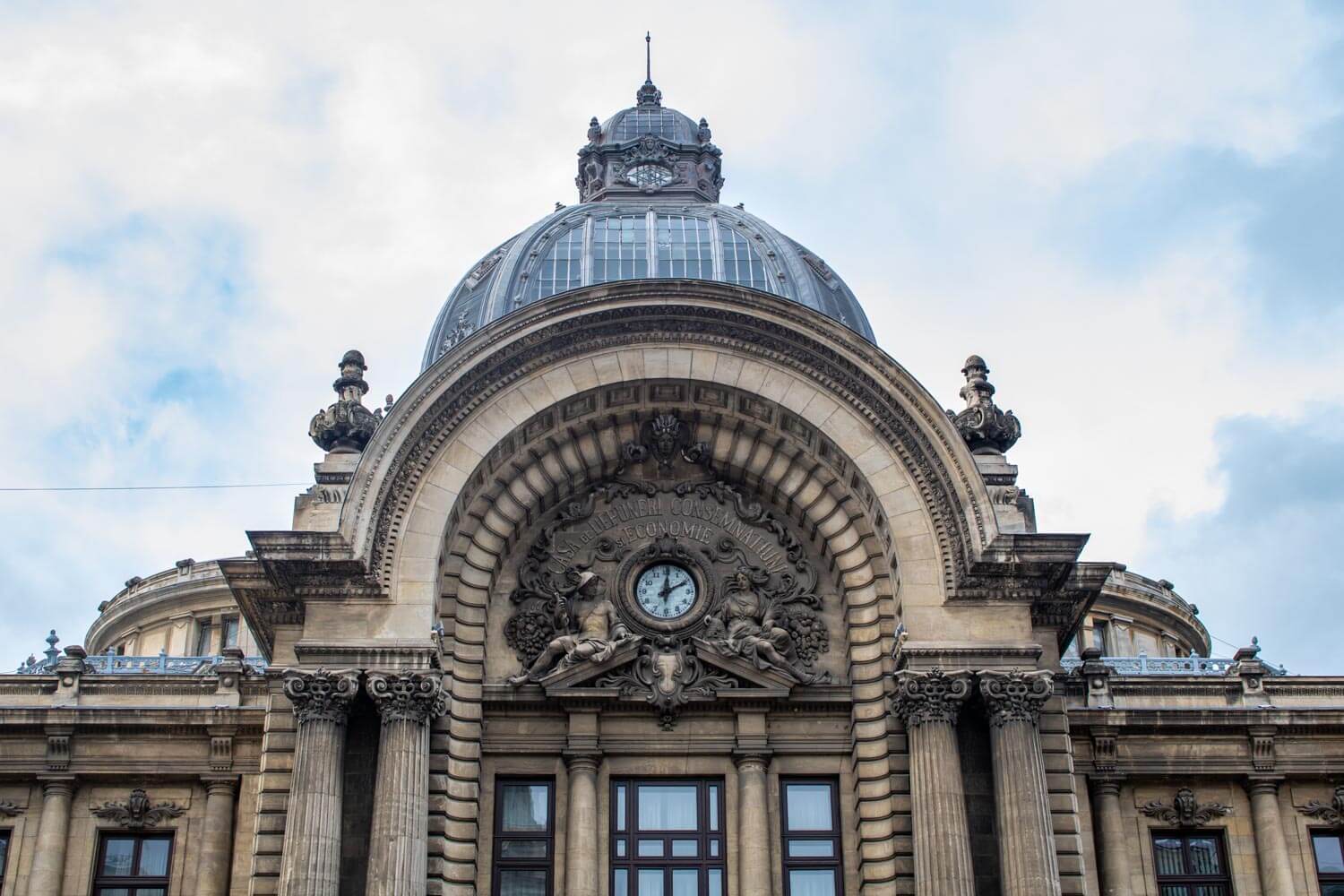
- CEC Palace
- Victoria Department Store
- Grand Hôtel du Boulevard
- National Military Circle
- Hotel Capitol
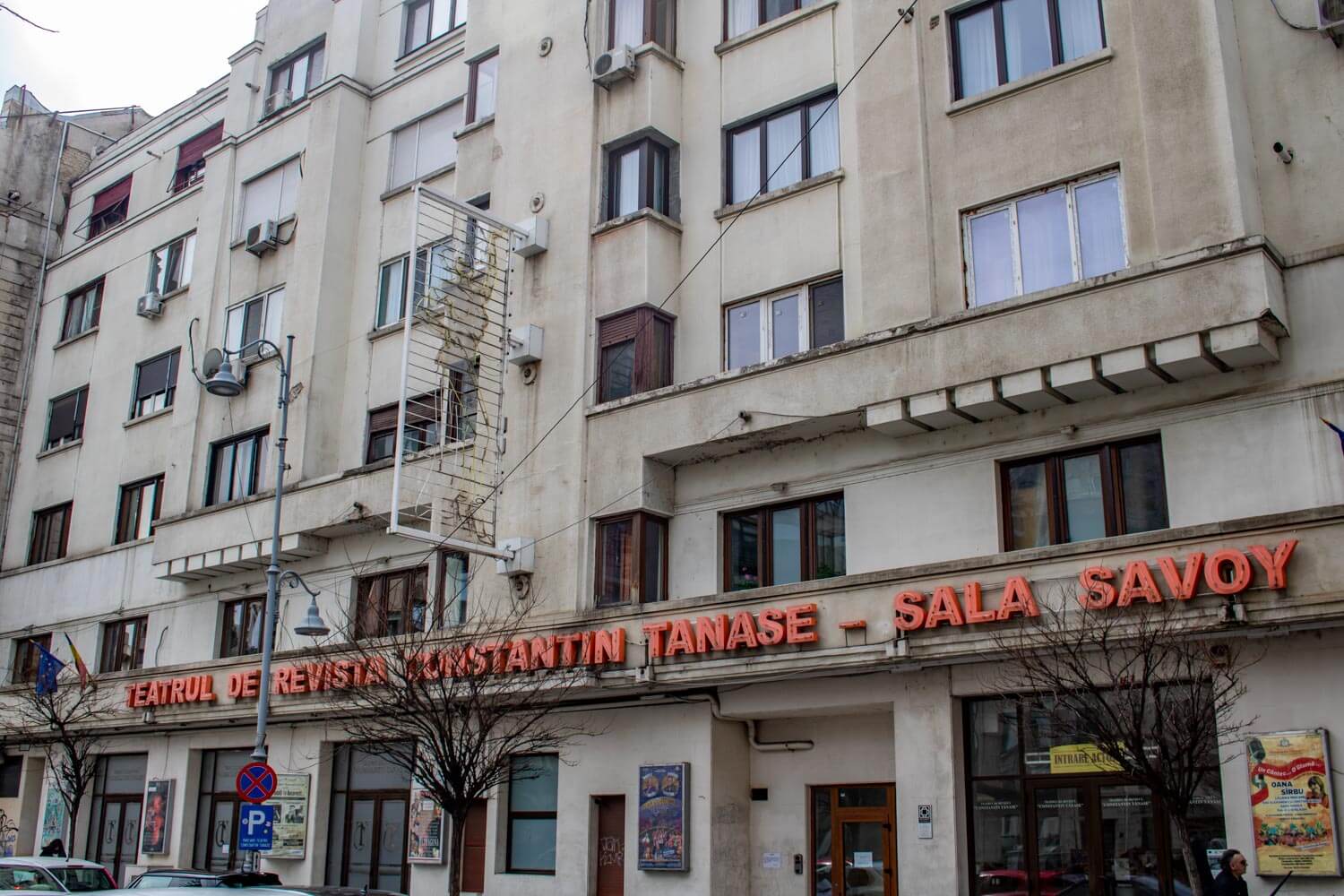
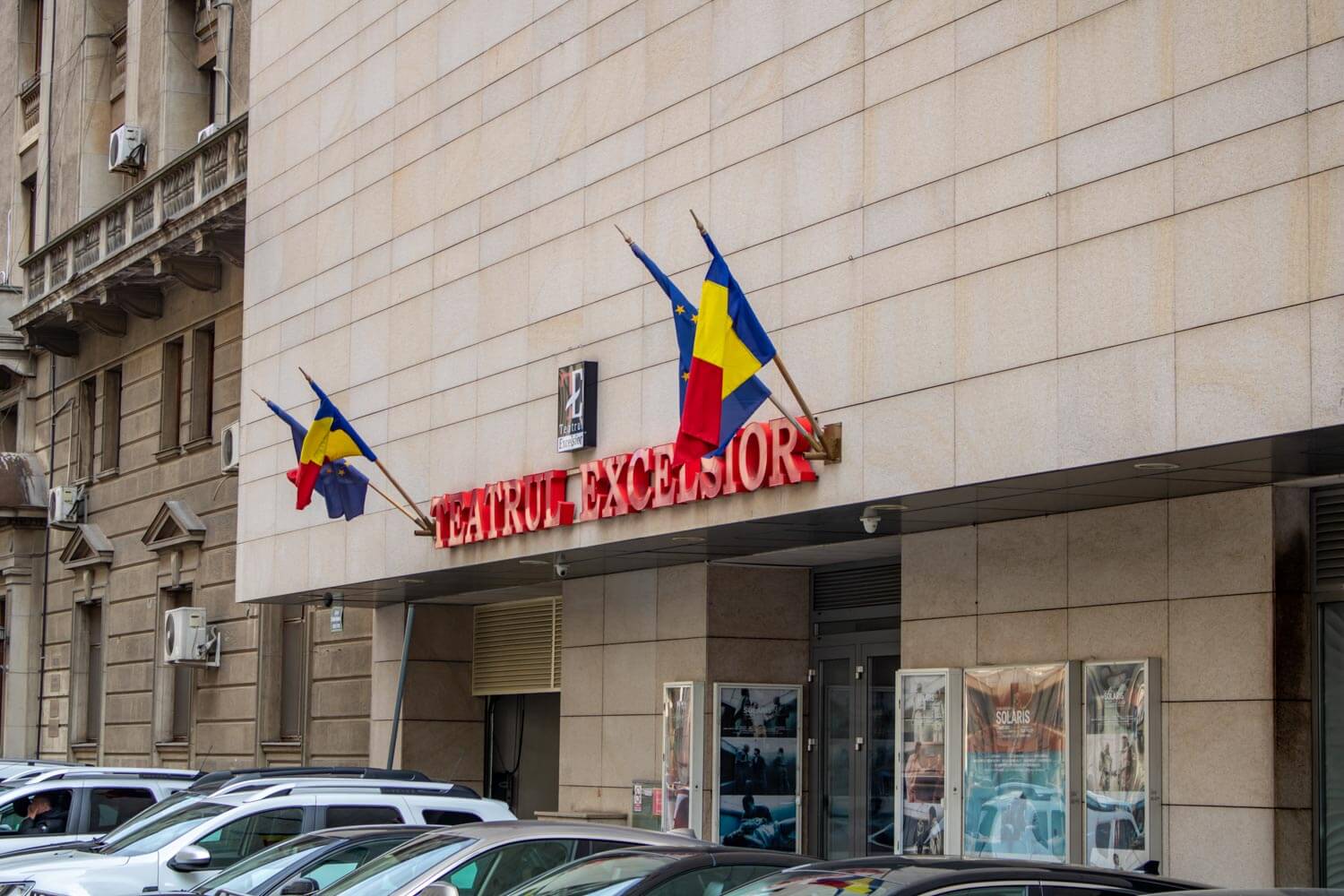
- Constantin Tanase Revue Theater
- Telephone Palace
- Novotel Bucharest City Center
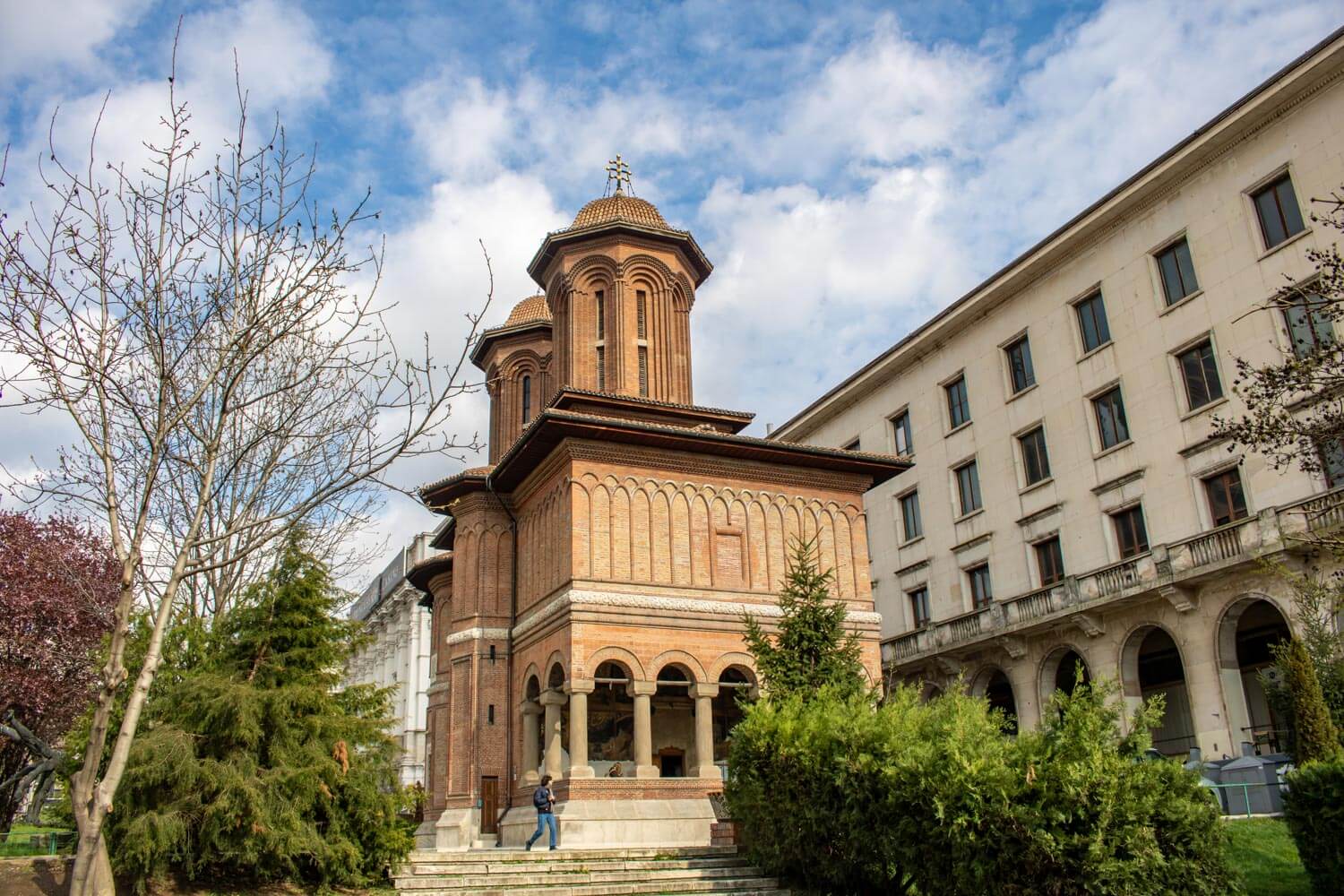
- Kretzulescu Church
- Royal Palace of Bucharest
- Știrbei Palace
- Museum of Art Collections
- Monteoru House
- Romanian Academy
- Hristu House
- Vernescu House
- George Enescu National Museum
- Filipescu-Cesianu House
Eastern side (from south to north):
- Agricola-Fonciera Palace
- Adriatica Society Palace
- National Museum Of Romanian History
- Goldsmiths’ Church
- Macca-Villacrosse Passage
- Foreign Trade Bank
- Lady’s Church
- Casa Capșa
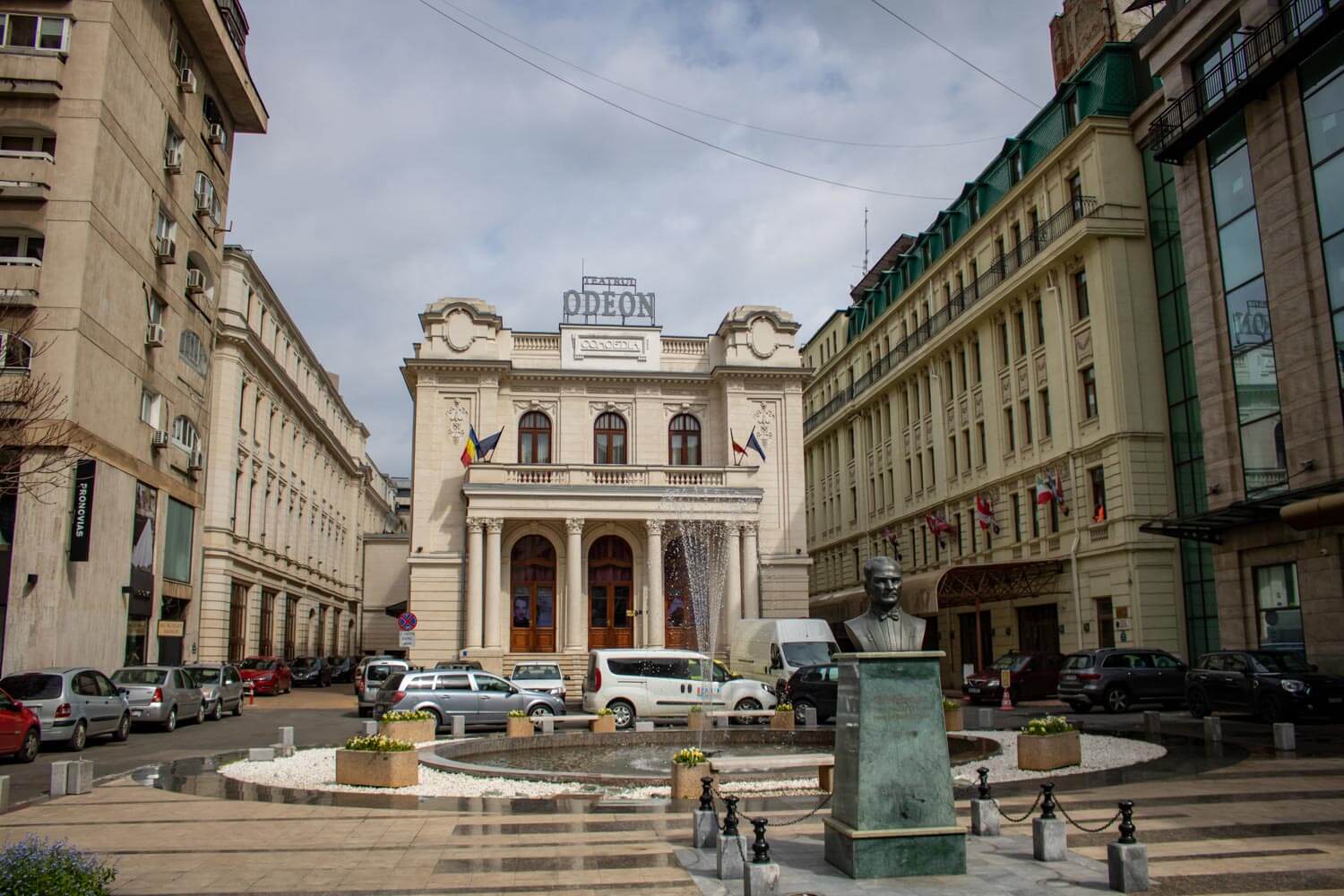
- Odeon Theater
- Victoria Passage
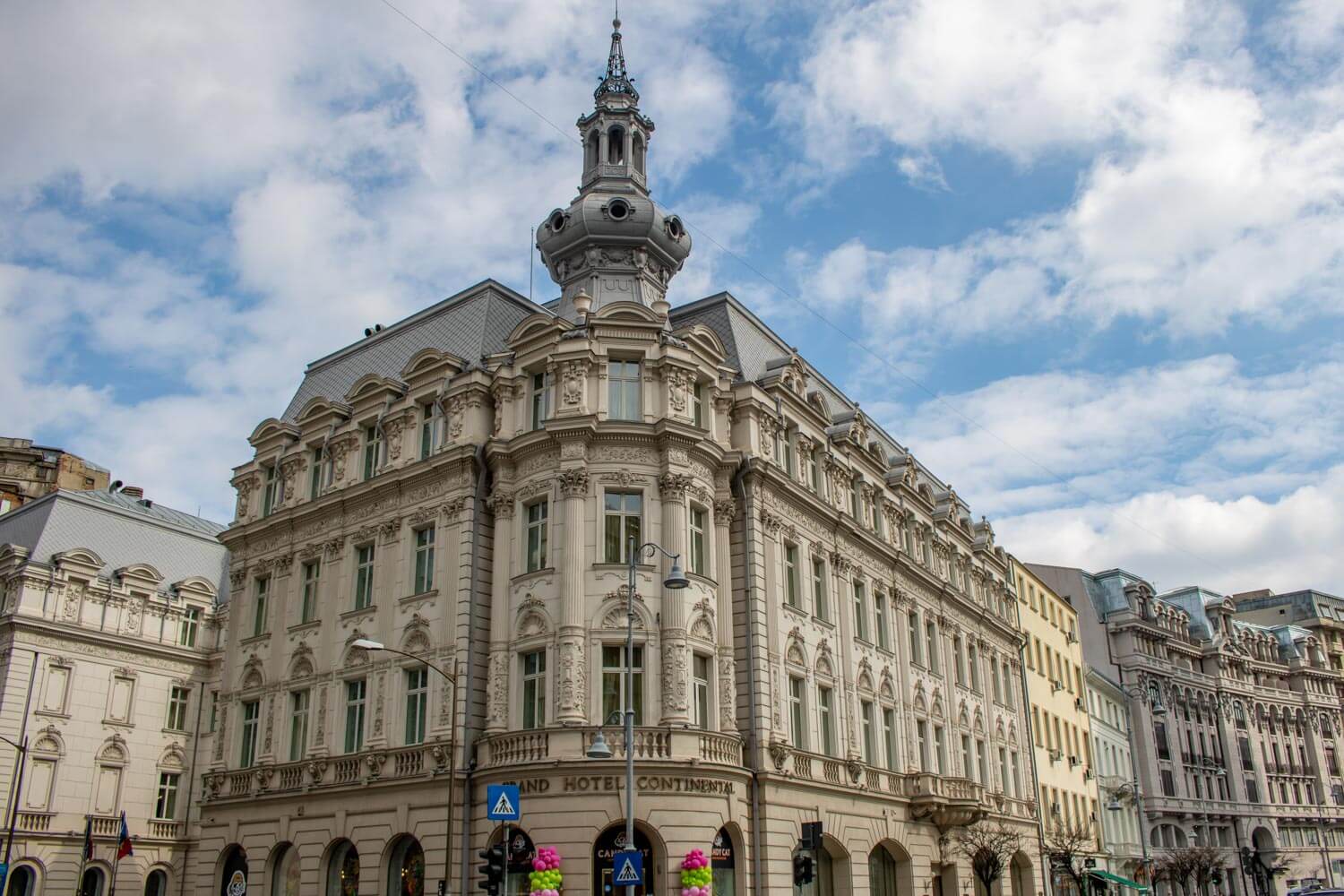
- Grand Hotel Continental
- Memorial of Rebirth
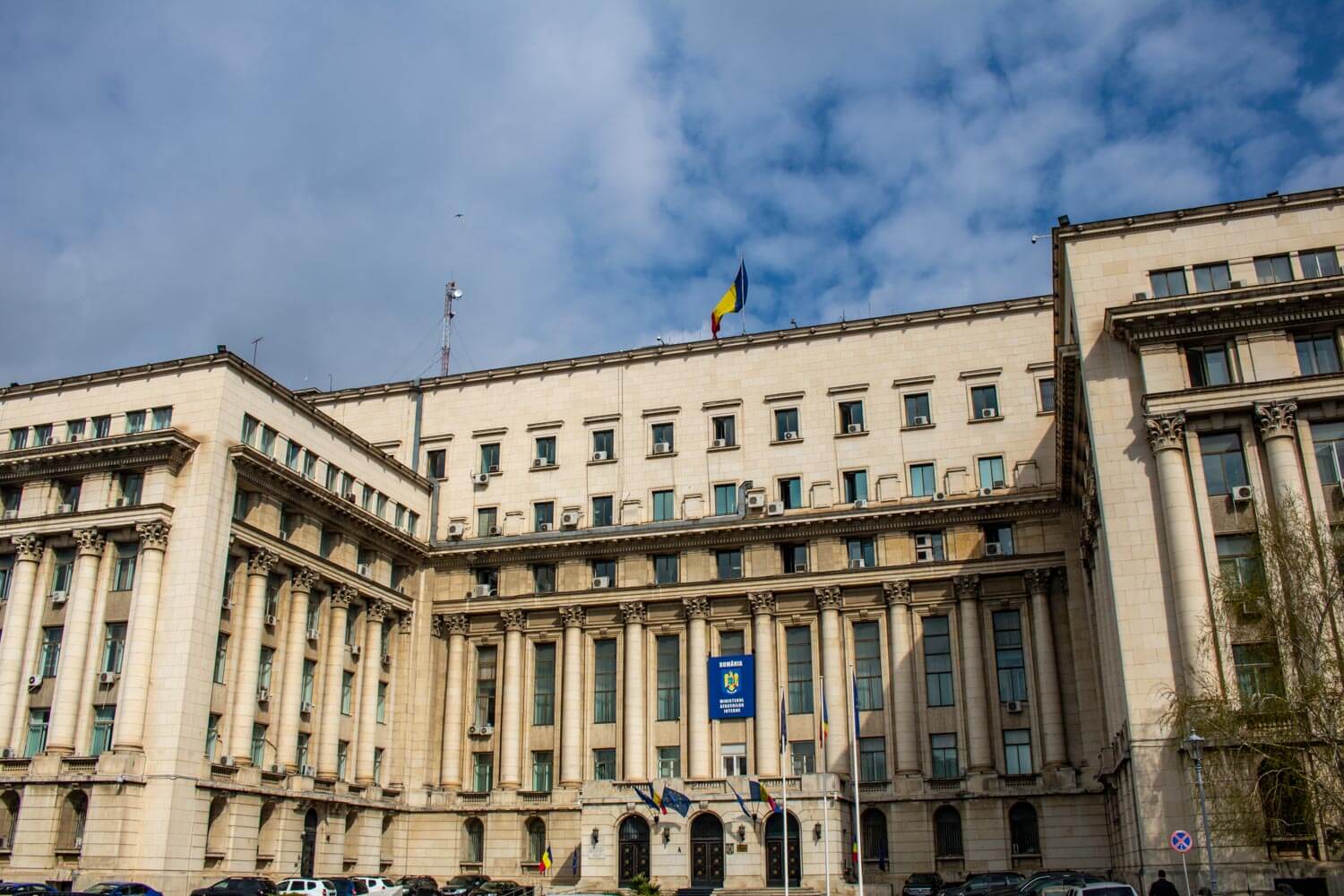
- Palace of the Ministry of the Interior
- Headquarters of the Union of Romanian Architects
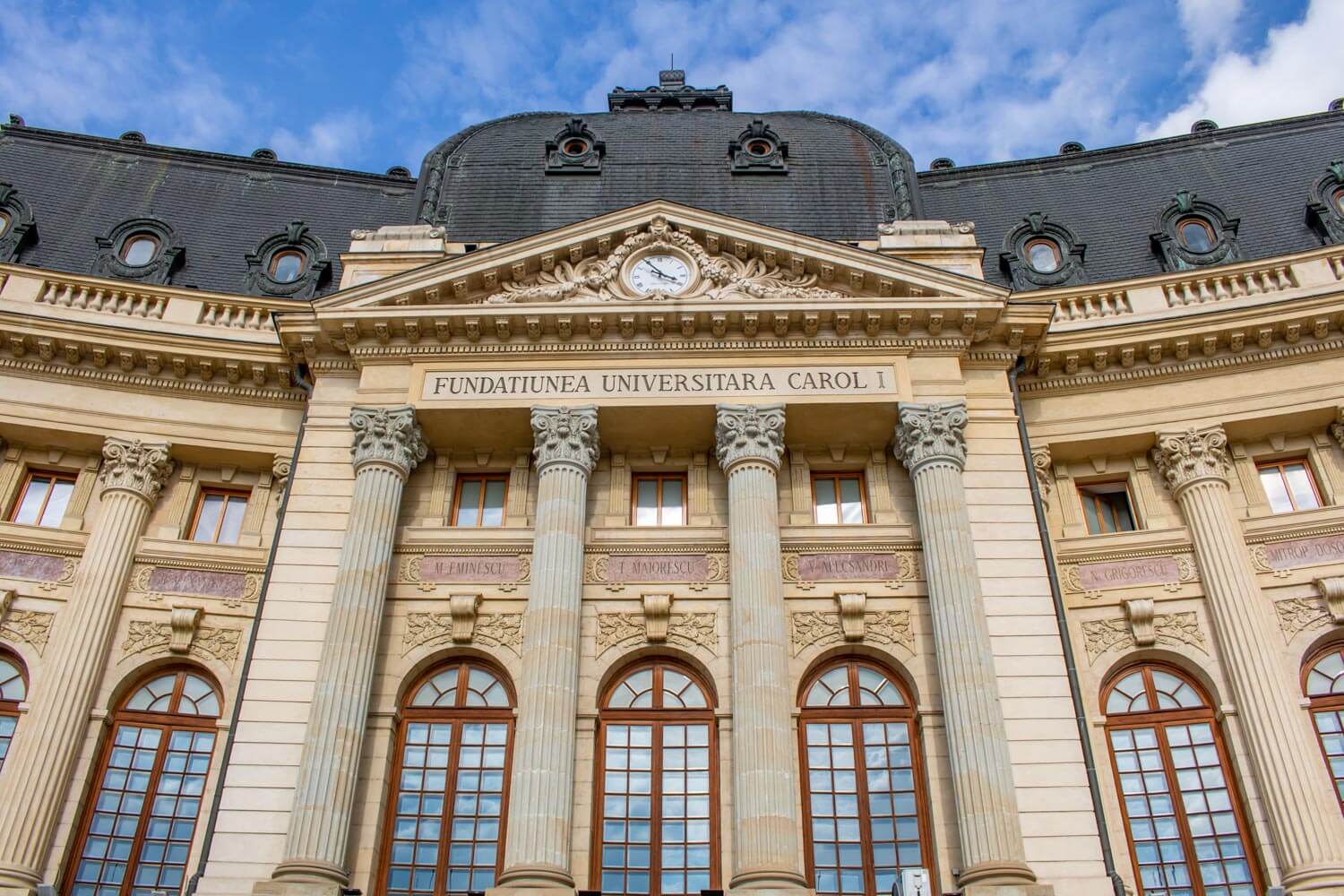
- Central University Library Carol I
- Romanian Athenaeum
- InterContinental Athenee Palace
- White Church
- Polytehnic Society Palace
- Church of Saint Nicolas – Tabacu
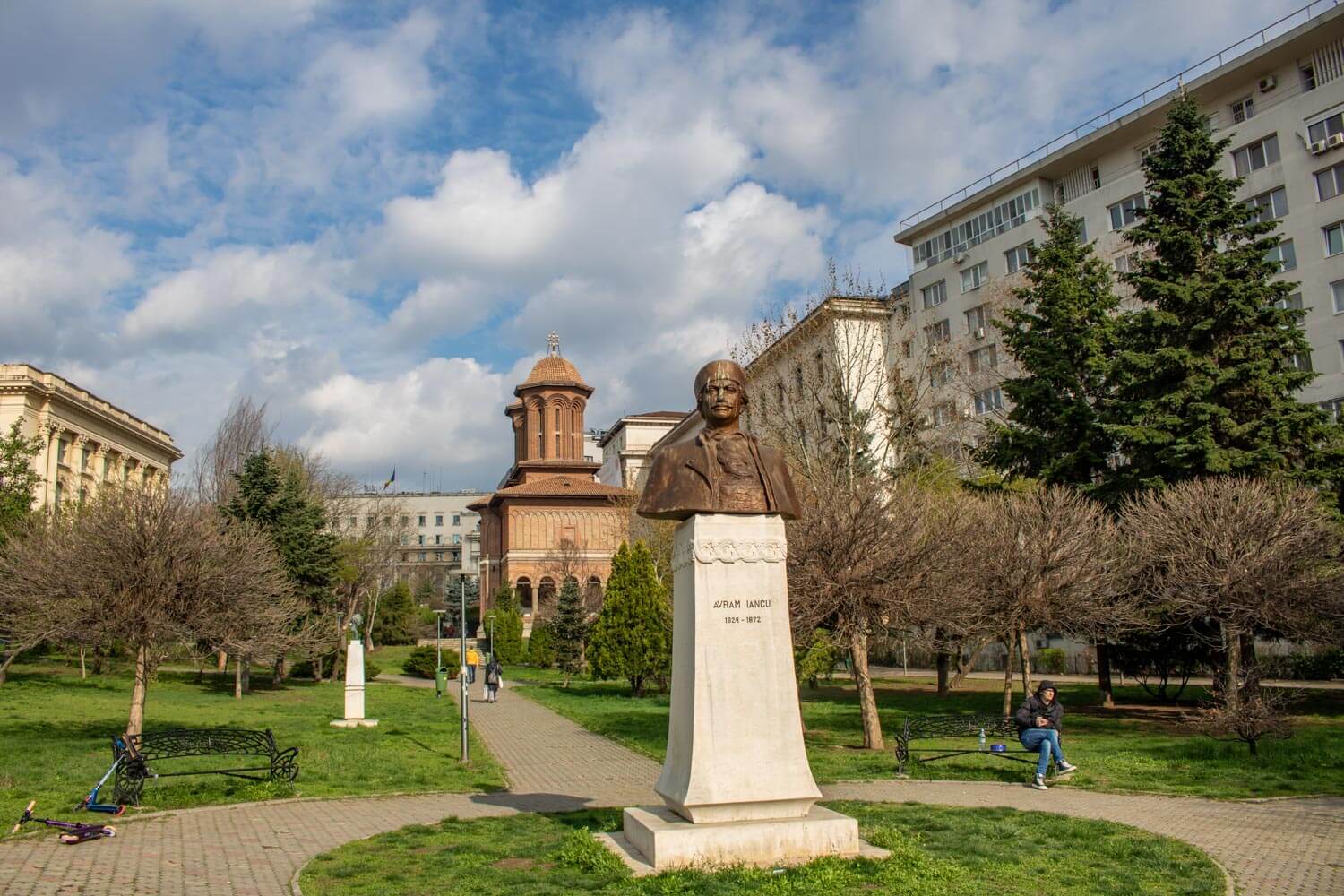
- Nicolae Iorga Park
- Grădișteanu-Ghica House
- Nenciu House
- George Oprescu Institute of Art History
- Church of Saint Basil the Great
- Cartyatid House