
Victory Square (Piața Victoriei) is a large public square and a major traffic intersection to the north of the center of Bucharest. Although not a touristic place itself, the square is a major transportation hub with multiple touristic attractions and other landmarks in its close proximity.
History Of Victory Square
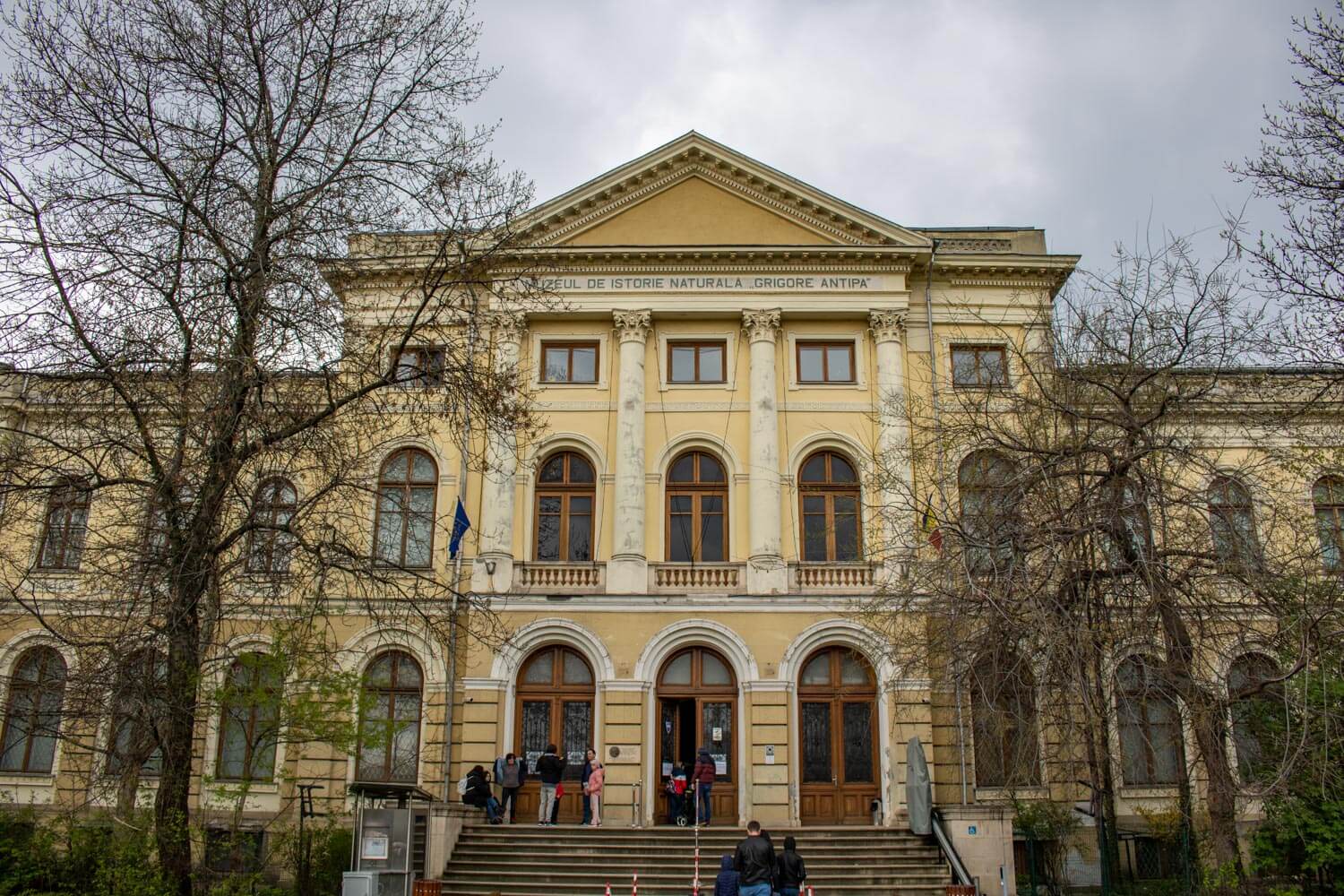
Victory Square started to appear on maps for the first time when the Pavel D. Kiseleff Road was built as an extension of Victory Avenue in the 1830s. In the early 19th century, the square had an almost circular shape, edged by several public buildings including the Grigore Antipa National Museum of Natural History and two buildings that no longer exists, the Sturdza Palace and the Building of the Public Officials Association.
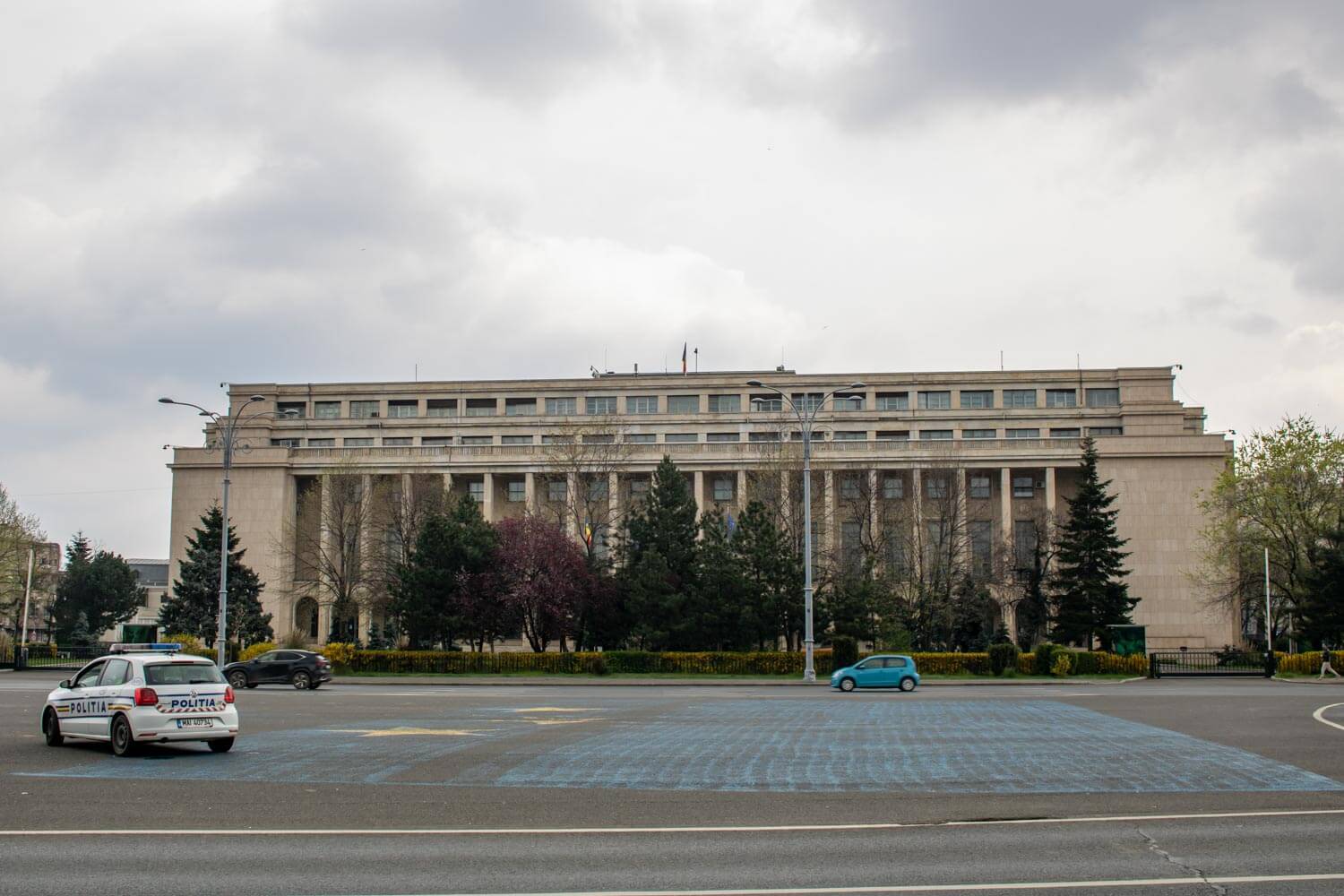
During the interwar period, the Victoria Palace was added and housed the Ministry of Foreign Affairs. During World War II, the ministry became a target of the German air force and thus Victory Square was heavily bombed. Several buildings, including the Sturdza Palace, didn’t survive the bombings and after the war the space was used to enlarge the square to double its size.
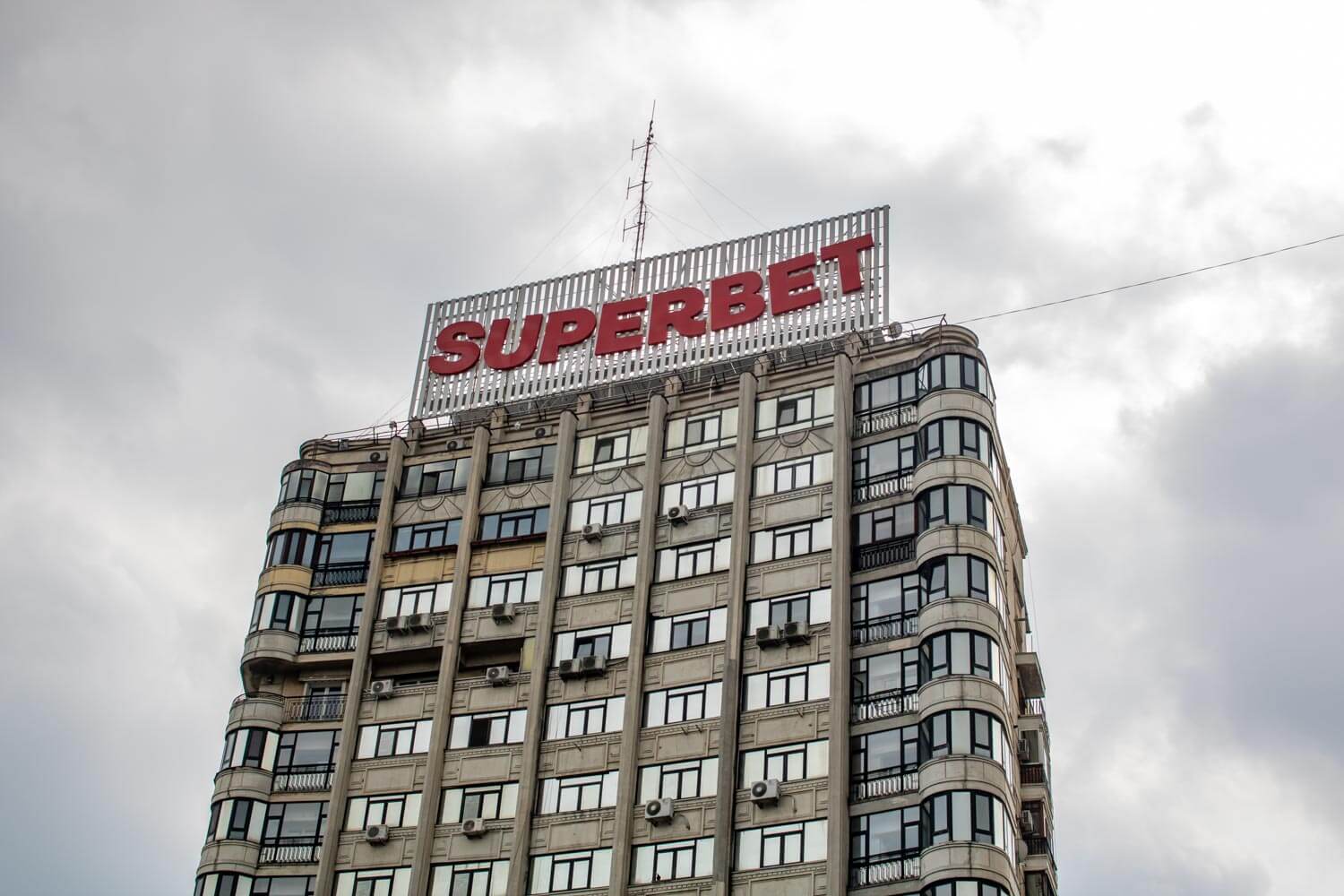
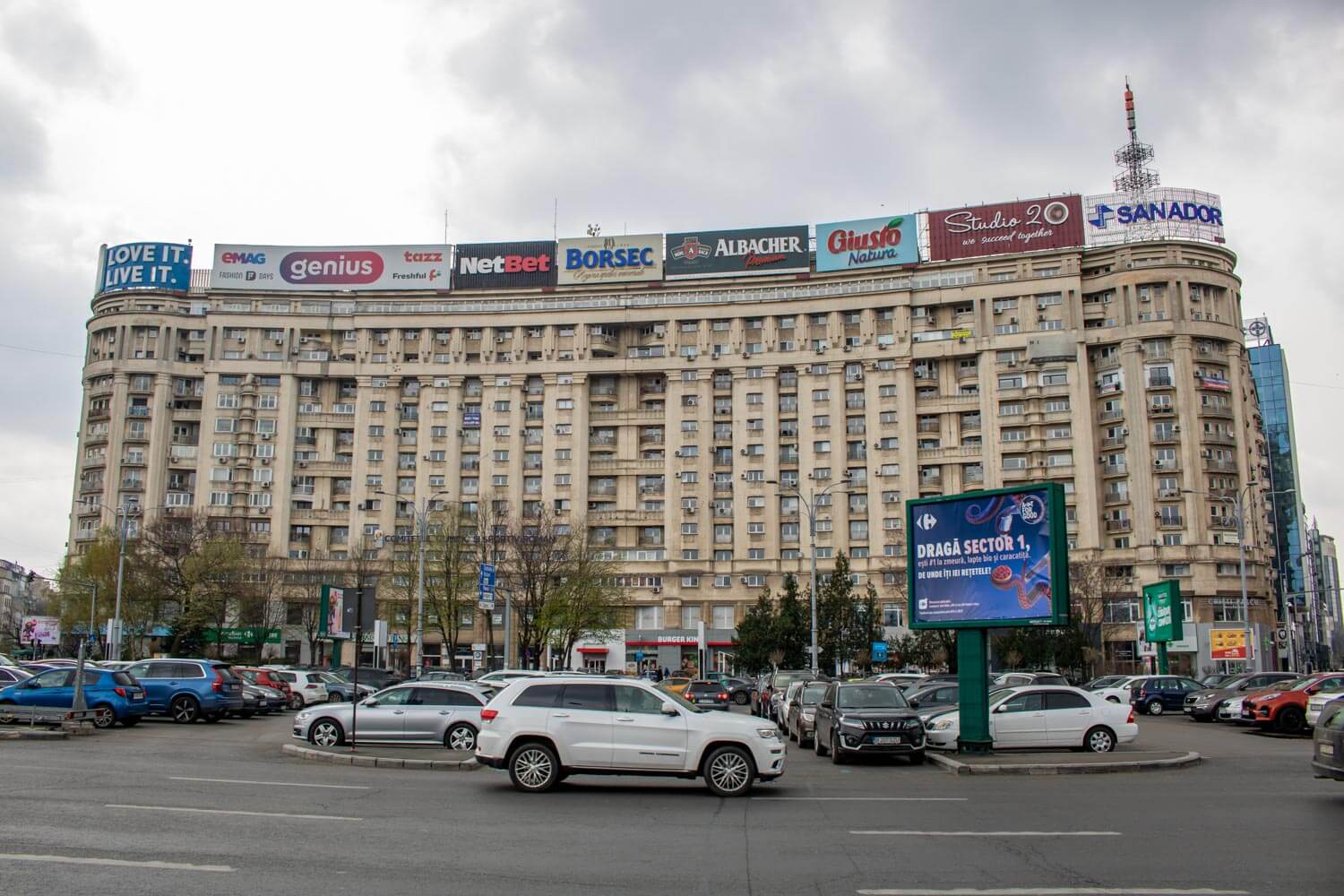
After the 1977 earthquake, new buildings were erected on the southern side of Victory Square as part of Nicolae Ceaușescu‘s systemization plan for the redevelopment of Bucharest. The buildings resemble architectural similarities with the buildings of the Civic Center around Union Boulevard.
Transportation Hub
Victory Square is a major transportation hub for traffic and public transport. The square has a metro station called Piața Victoriei, which is served by the M2 line. More information about the Bucharest Metro can be found here.
Victory Square also has multiple tram and bus stops which connect the square via a large number of routes to other parts of the city. More information about the buses in Bucharest can be found here, or you can find more information about getting around in the capital in our Bucharest Transportation Guide.
Victory Square is an important traffic intersection which connects the following major roads:
- Nicolae Titulescu Road (Șoseaua Nicolae Titulescu) in western direction.
- Ion Mihalache Bouelvard (Bulevardul Ion Mihalache) in northwestern direction.
- Pavel D. Kiseleff Road (Şoseaua Pavel D. Kiseleff) in northern direction.
- Pilots Boulevard (Bulevardul Aviatorilor) in northern direction.
- Iancu of Hunedoara Boulevard (Bulevardul Iancu de Hunedoara) in eastern direction.
- Lascăr Catargiu Boulevard (Bulevardul Lascăr Catargiu) in southeastern direction.
- Victory Avenue (Calea Victoriei) in southern direction.
- Buzești Street (Strada Buzești) in southwestern direction.
Sights And Landmarks On Victory Square
Victory Square itself is not very interesting to visit as it is merely a chaotic traffic intersection and the entire square is asphalted. There are however several sights and other interesting landmarks in its proximity.
On the eastern side of the square stands the Victoria Palace which has a classical appearance combined with modern simplicity. The building currently houses the Prime Minister of Romania and his cabinet.
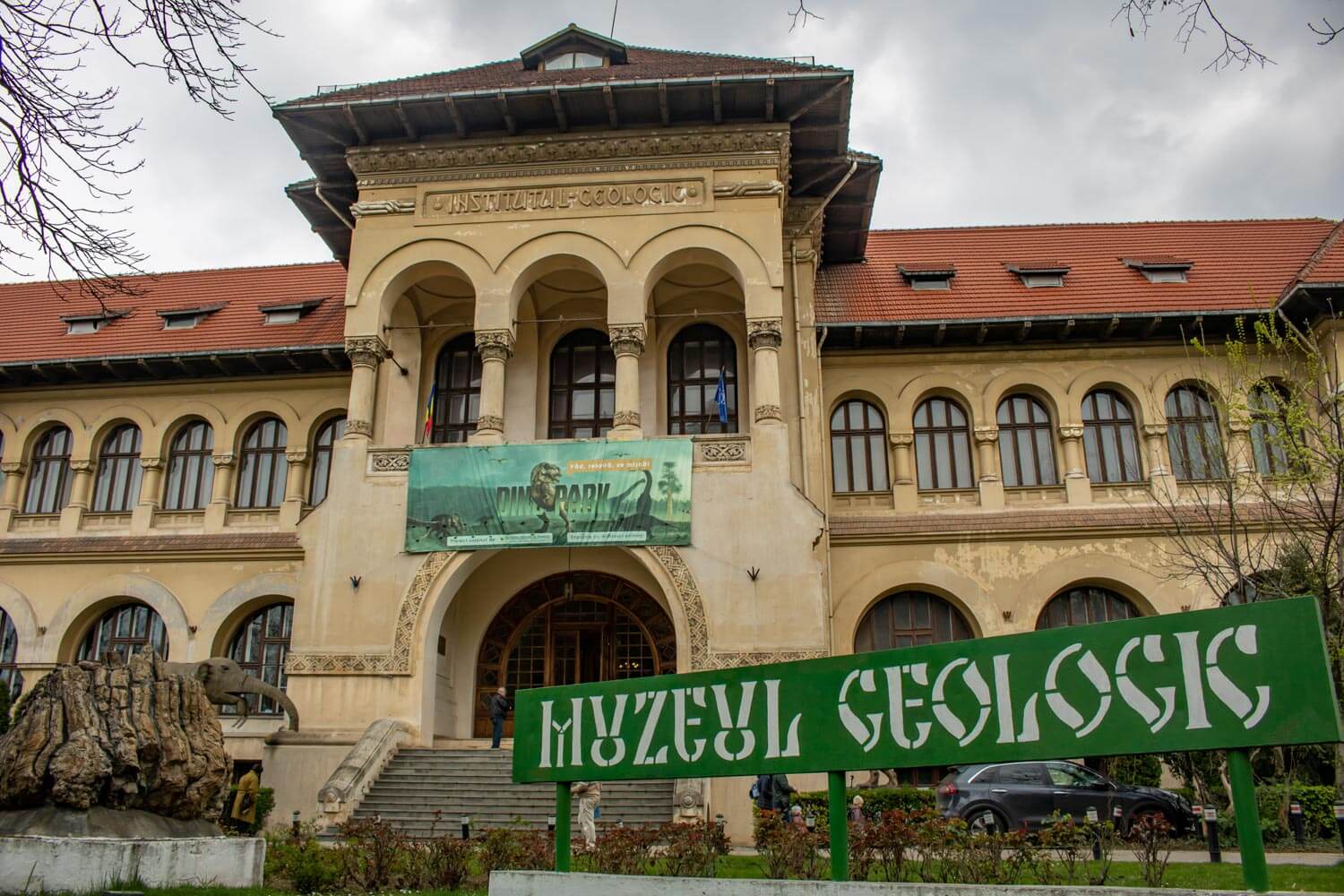
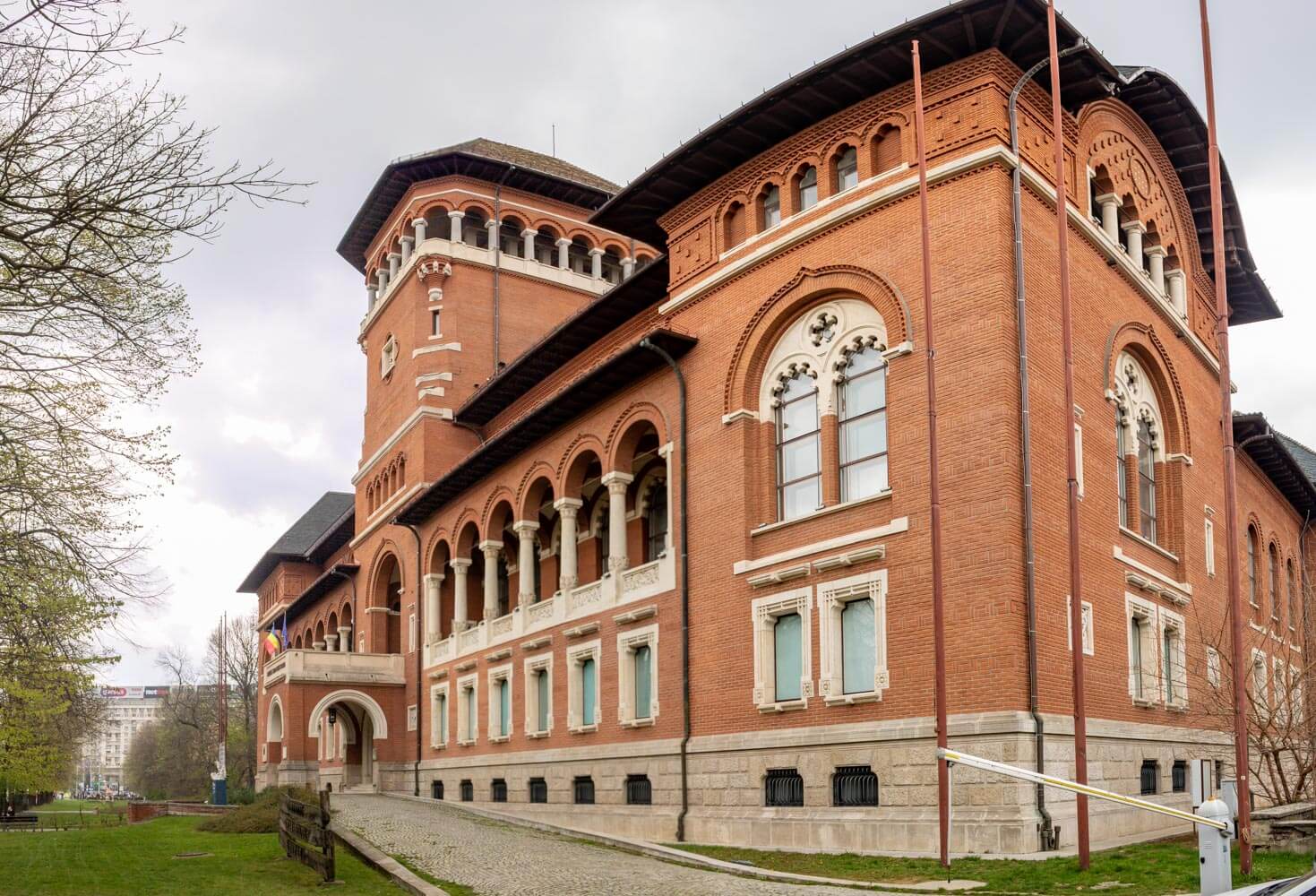
The oldest surviving building on Victory Square is the Grigore Antipa National Museum of Natural History from 1908 on Pavel D. Kiseleff Road on the northern side of the square. A bit further down on Kiseleff Road are the National Museum of the Romanian Peasant and the National Geology Museum.
Victory Square is also the starting point of Victory Avenue, which runs in southern direction all the way to the old town. The is the most famous street in Bucharest which is full of historic buildings, museums, and other landmarks.