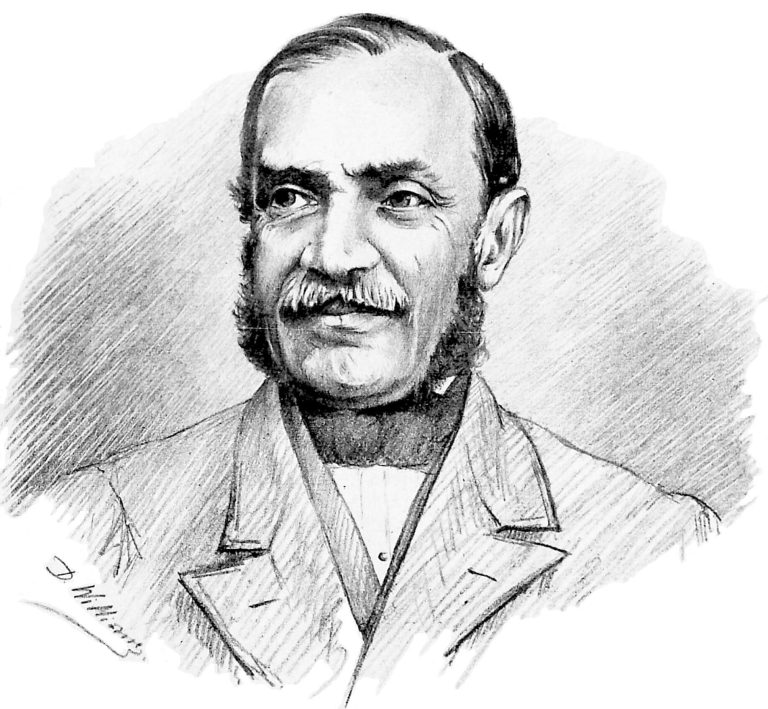
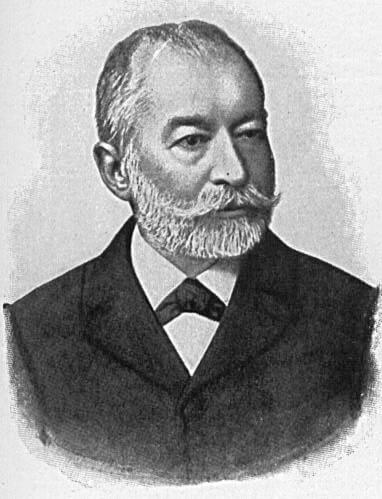
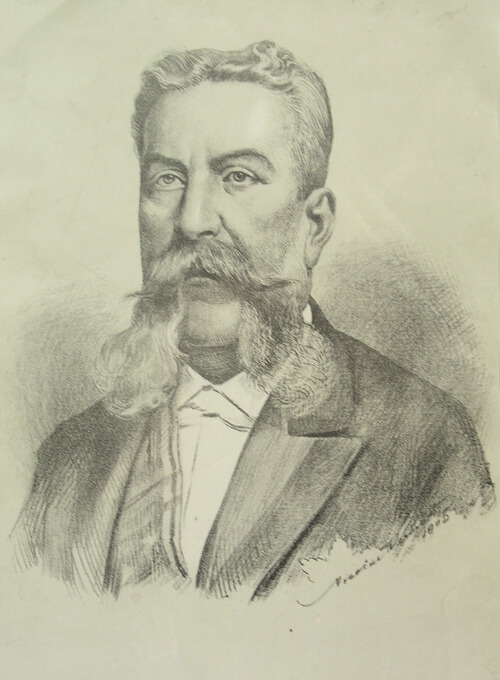
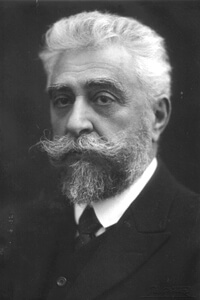
Nicolae Kretzulescu (1812-1900) was a Romanian physician, politician, diplomat, and reformer who became one of the pioneers of modern medical education in Wallachia and later served twice as prime minister of Romania. His career stretched from the first attempts to organize Romanian-language medical teaching to the political and cultural institutions of the newly united Romanian state.
Born in Bucharest into an old boyar family, Kretzulescu received a broad education before leaving for Paris to study medicine. He graduated as a doctor in 1839 and returned to Wallachia at a time when most formally trained physicians had been educated abroad and modern medical institutions were still limited.
Kretzulescu soon became closely involved with Colțea Hospital in Bucharest, one of the oldest medical institutions in the country. In 1842 he opened a small school of surgery there, providing systematic instruction for practitioners who had previously learned much of their work through apprenticeship. He also prepared the first Romanian-language manual of descriptive anatomy, helping establish a Romanian medical vocabulary based largely on French terminology.
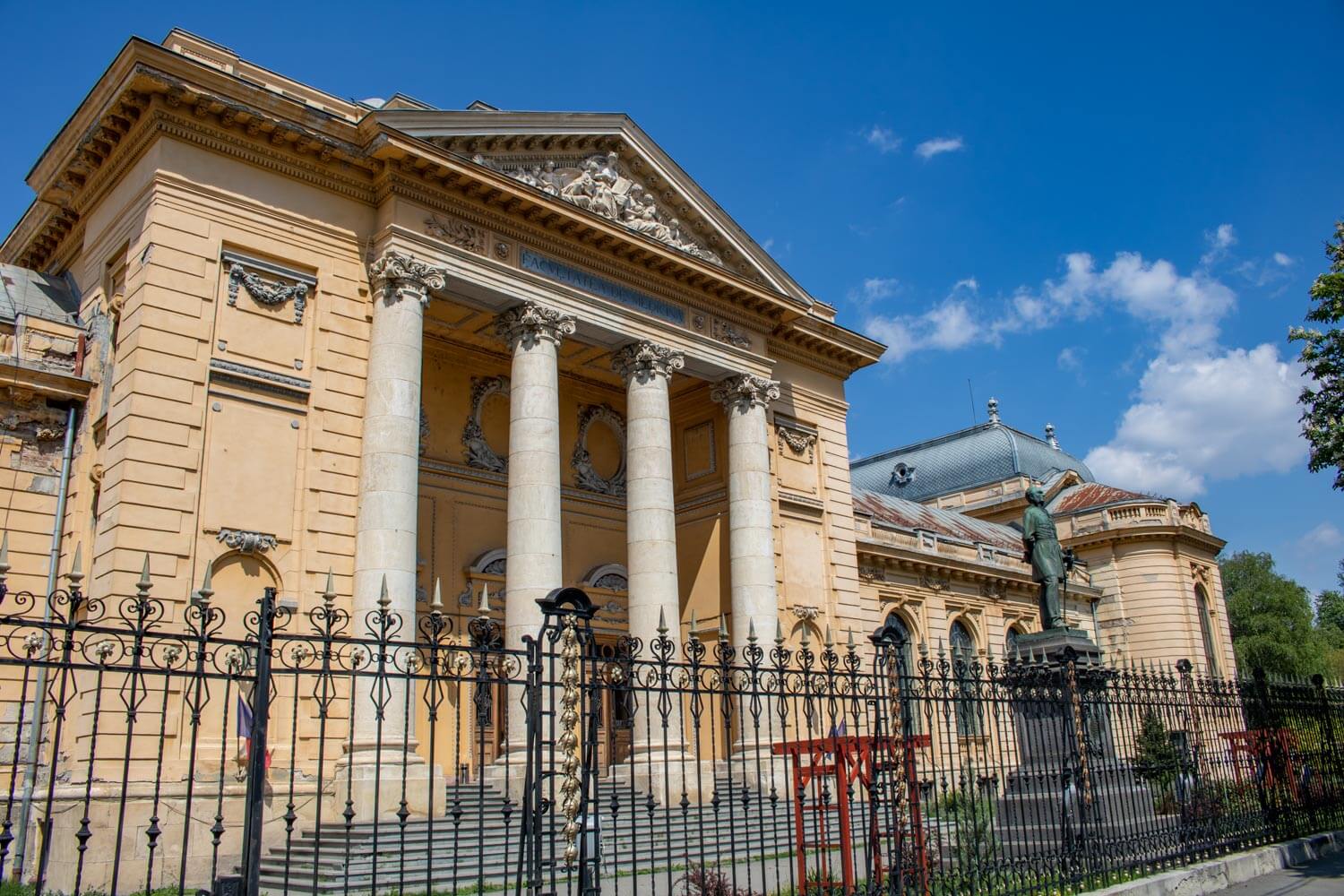
These efforts made him one of the early organizers of medical education in Wallachia. He later worked with Carol Davila and other physicians in the development of the National School of Medicine and Pharmacy, founded in 1857 and eventually transformed into the Carol Davila University of Medicine and Pharmacy in Bucharest. Kretzulescu also helped establish the Romanian Medical Association, one of the country’s earliest scientific societies.
Medicine did not keep him away from politics. Kretzulescu supported the reform movement of 1848 and later became involved in the campaign for the union of Wallachia and Moldavia. After the election of Alexandru Ioan Cuza in both principalities in 1859, he held several senior positions in the new state and became prime minister in 1862. He returned to the office for a second term from 1865 until shortly before Cuza’s abdication in 1866.
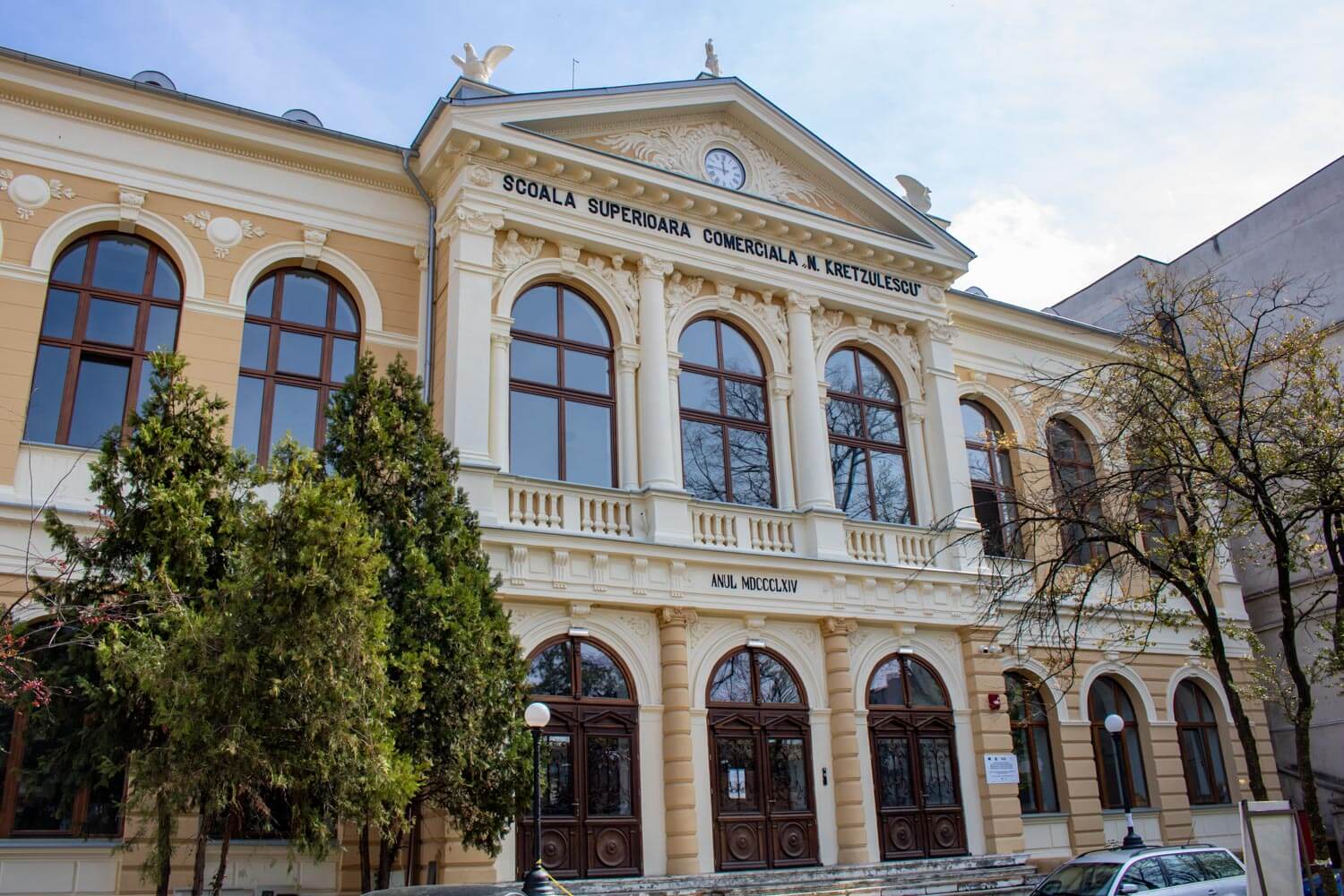
His governments operated during a period of rapid institutional change. Kretzulescu supported education, public administration, and the creation of modern state structures, while also serving as minister in several portfolios. As minister of education in the 1860s, he played a direct role in establishing Bucharest’s first commercial school, part of a broader effort to provide the new country with professionally trained administrators, merchants, and specialists.
After Carol I came to power, Kretzulescu remained active in public life but increasingly turned toward diplomacy. He represented Romania in several major European capitals, including Berlin, Rome, Saint Petersburg, and Paris, helping the young state develop its international position during the decades surrounding independence.
He was also deeply involved in Romania’s emerging scientific and cultural institutions. Kretzulescu became a member of the Romanian Academic Society and later served twice as president of the Romanian Academy, first in 1872-1873 and again from 1895 to 1898. His work there reflected the same interest in institution-building that had shaped his medical and political career.
Kretzulescu remained active into old age and also served as president of the Romanian Senate at the end of the 1880s. He died in 1900 at Leordeni in Argeș County and was buried at Bellu Cemetery in Bucharest.
His legacy is especially visible through institutions rather than a single monument. Colțea Hospital preserves the strongest direct link with his work as a physician and educator, while the Romanian Academy reflects his later role in the country’s scientific and cultural life. His name is also carried by the Nicolae Kretzulescu Economic College in Bucharest, which traces its origins to the commercial school he helped establish in 1864. Together, these institutions reflect a career spent building the professional, educational, and administrative foundations of nineteenth-century Romania.