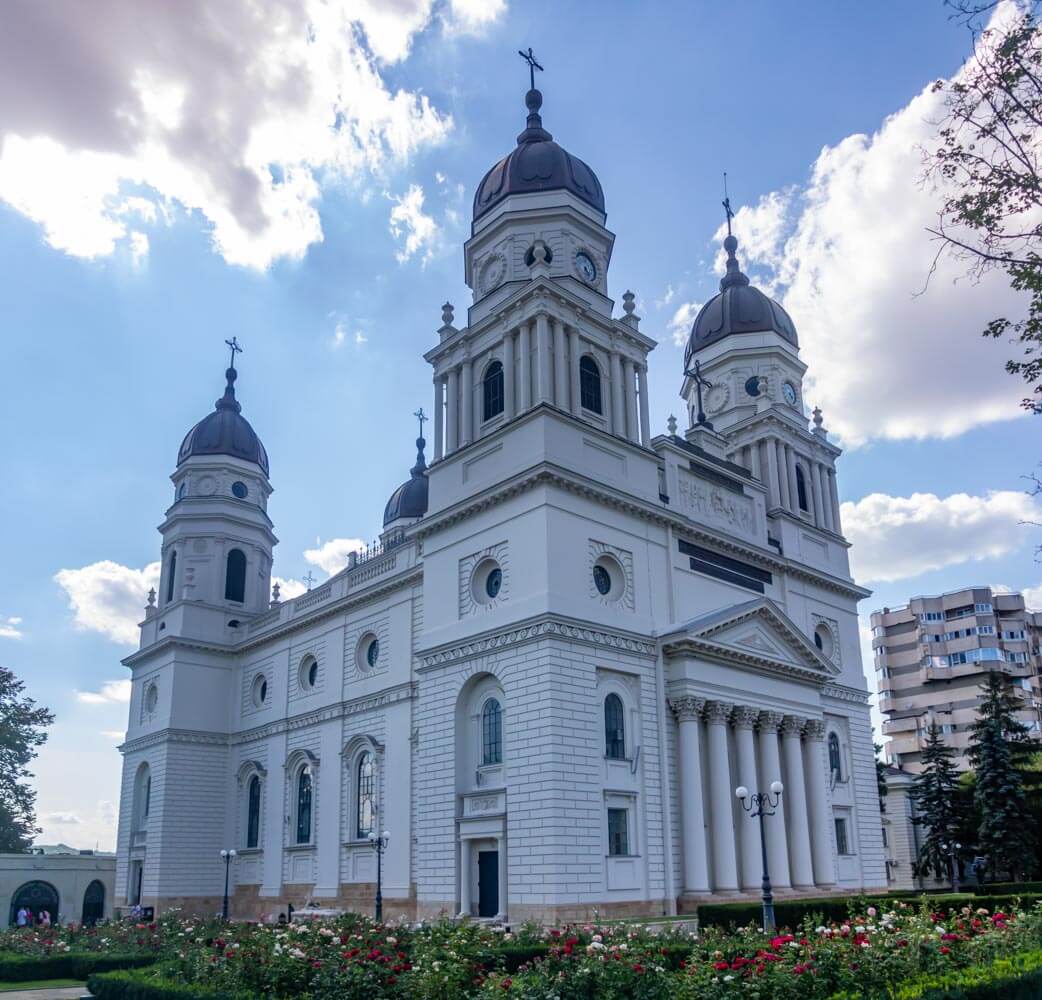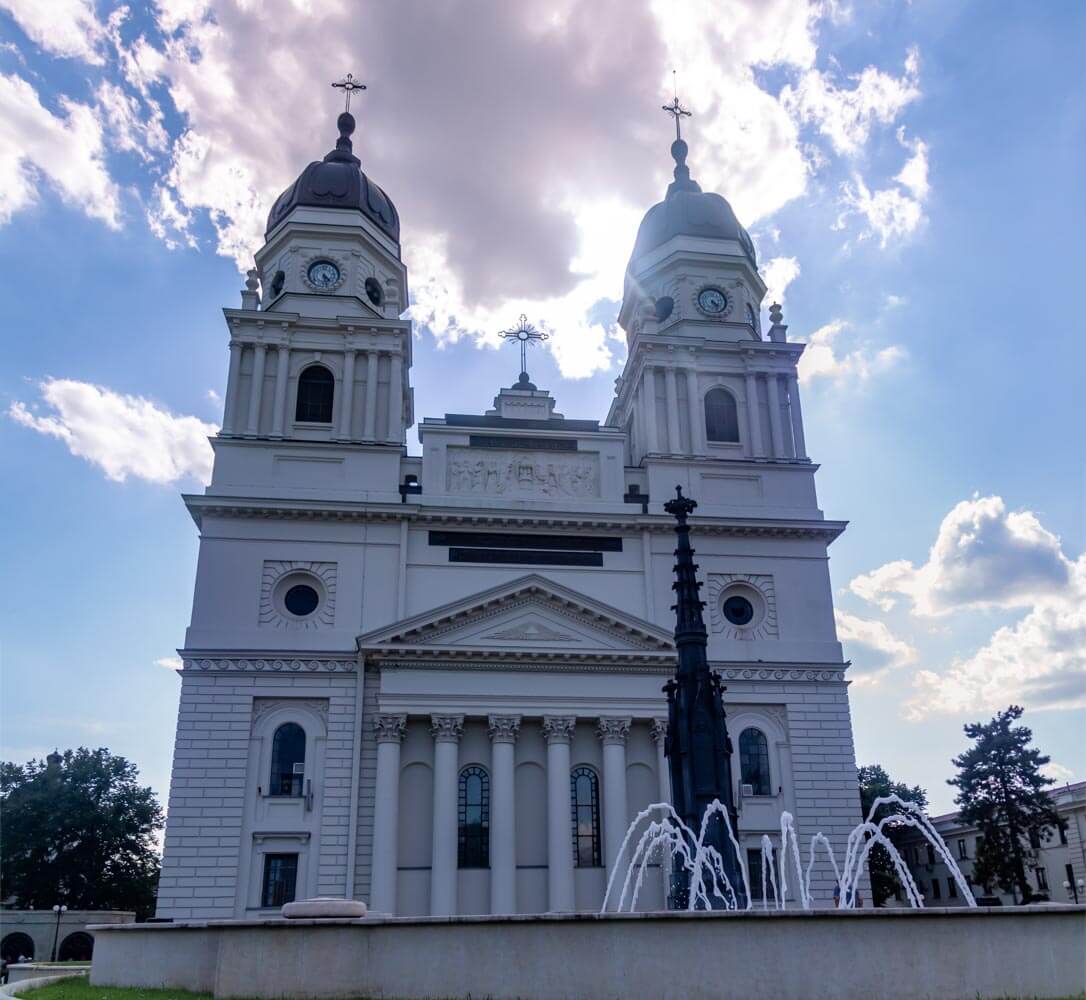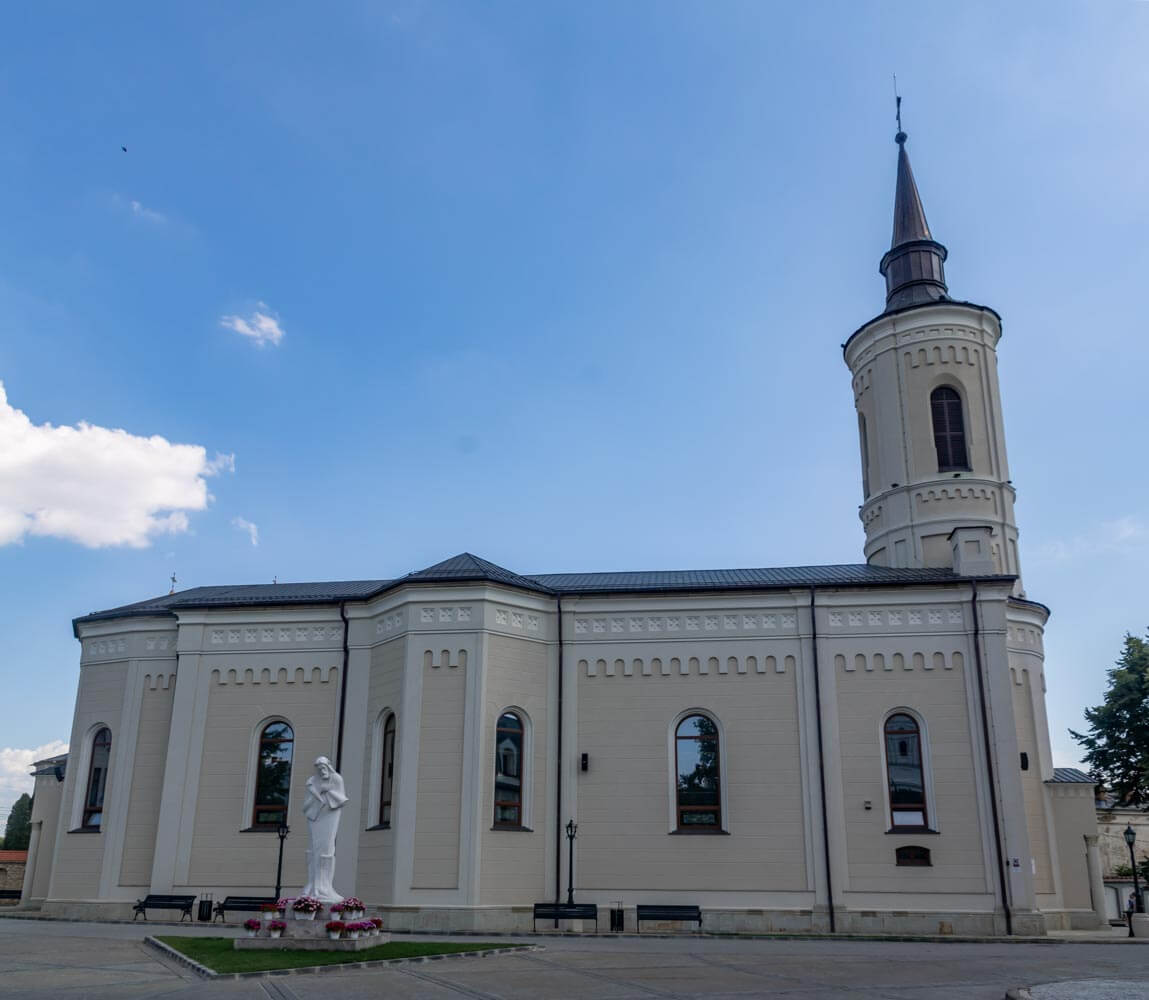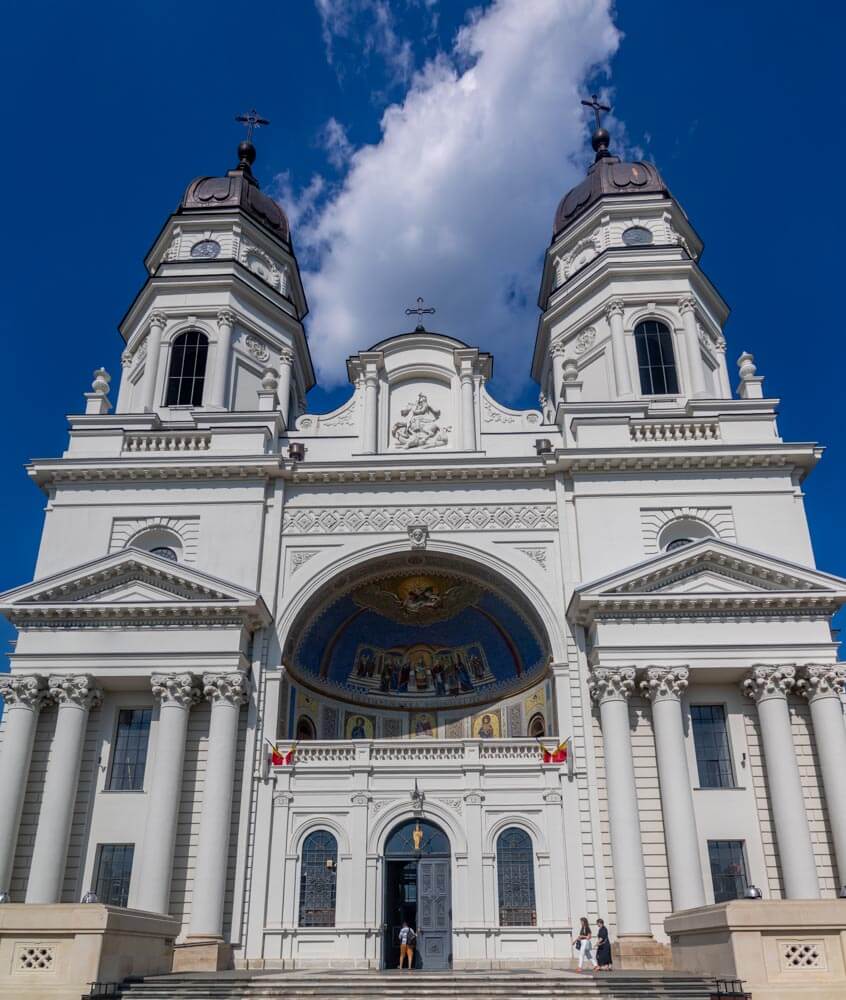
The Metropolitan Museum of Iași (Muzeul Mitropolitan Iași) is an ecclesiastical art and history museum beneath the Metropolitan Cathedral, at the heart of the Metropolitan Complex of Iași. Its collections bring together icons, liturgical metalwork, vestments, old books, manuscripts, and other objects reflecting the religious and artistic heritage of Moldavia.
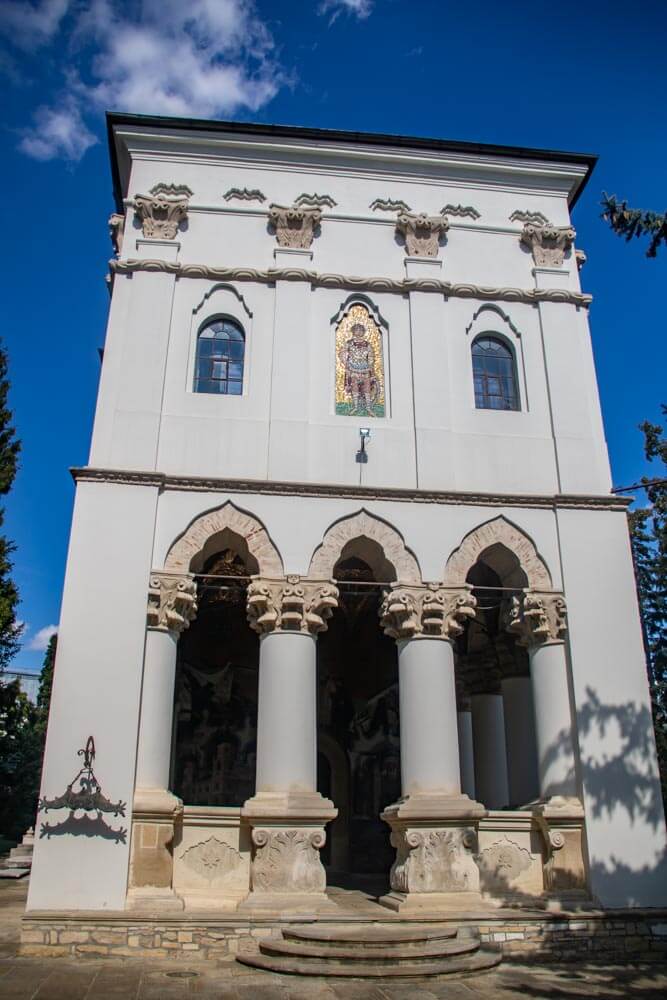
The museum opened in 2016, but its collections developed over a much longer period. Religious artworks belonging to the metropolitan institution were already being inventoried around the beginning of the 20th century, and in 1930 a collection of ecclesiastical art was presented in the Metropolitan Palace during a visit by the Romanian royal family. Further works were acquired during the 1950s, when plans were made for a historical church museum, while collections were also established in monasteries throughout the region and in the Old Metropolitan Cathedral of Saint George. The present museum brought material from these different holdings together within the restored Metropolitan Complex.
The museum itself was created beneath the Metropolitan Cathedral as part of the large restoration of the complex completed in the 2010s. It is almost entirely underground and broadly follows the cathedral’s east-west orientation, extending beyond it at the eastern and western ends. Its exhibition spaces are arranged in a series of vaulted halls connected by corridors and a perimeter passage known as the Way of the Cross. Exposed brick arches, stone floors, and niches give the underground museum a distinctive architectural character.
The galleries were designed around different aspects of Orthodox religious life and Moldavian church history. The Ekklesia Hall, directly beneath the cathedral’s nave, contains part of the permanent exhibition, while another section explores the political and spiritual history of Moldavia. Elsewhere, halls such as the Synaxar, Offering, Founders, Baptistery, and Way of the Cross are used for changing exhibitions, allowing different parts of the metropolitan collections to be brought out of storage. The Baptistery is particularly unusual because it was designed both as an exhibition room and as an active liturgical space centered on a basin for adult baptism.
Across the museum, the displays include painted icons from Moldavian churches and monasteries, processional and altar crosses, chalices and other precious-metal liturgical objects, embroidered vestments, episcopal insignia, manuscripts, and old religious books. Many came from the cathedral and Metropolitan Palace, while others were drawn from monasteries including Golia, Secu, Văratec, and Agapia and from parish collections elsewhere in Moldavia. Because several galleries are devoted to temporary exhibitions, the precise objects on view change, while the permanent sections provide the broader account of the region’s Orthodox artistic and religious heritage.