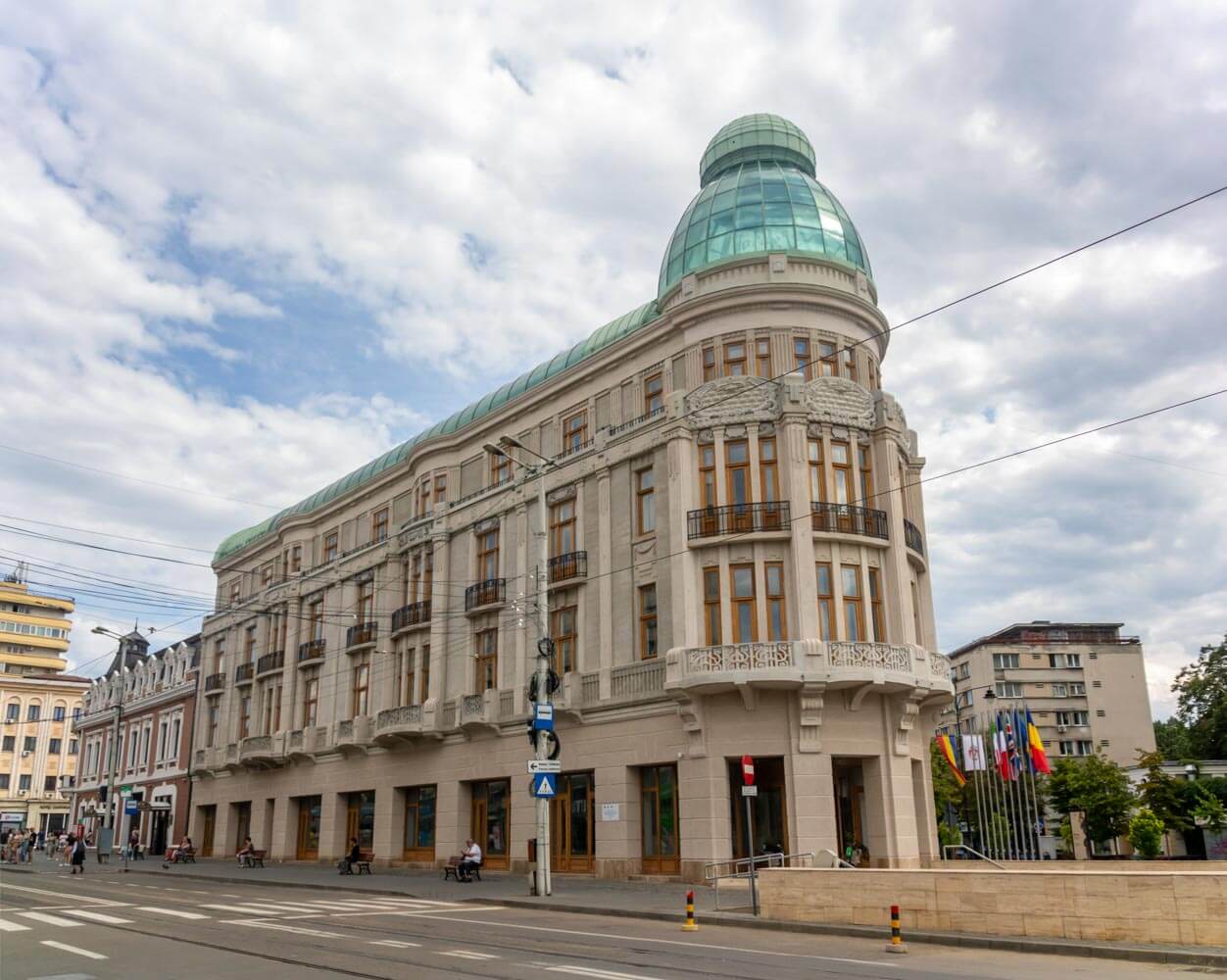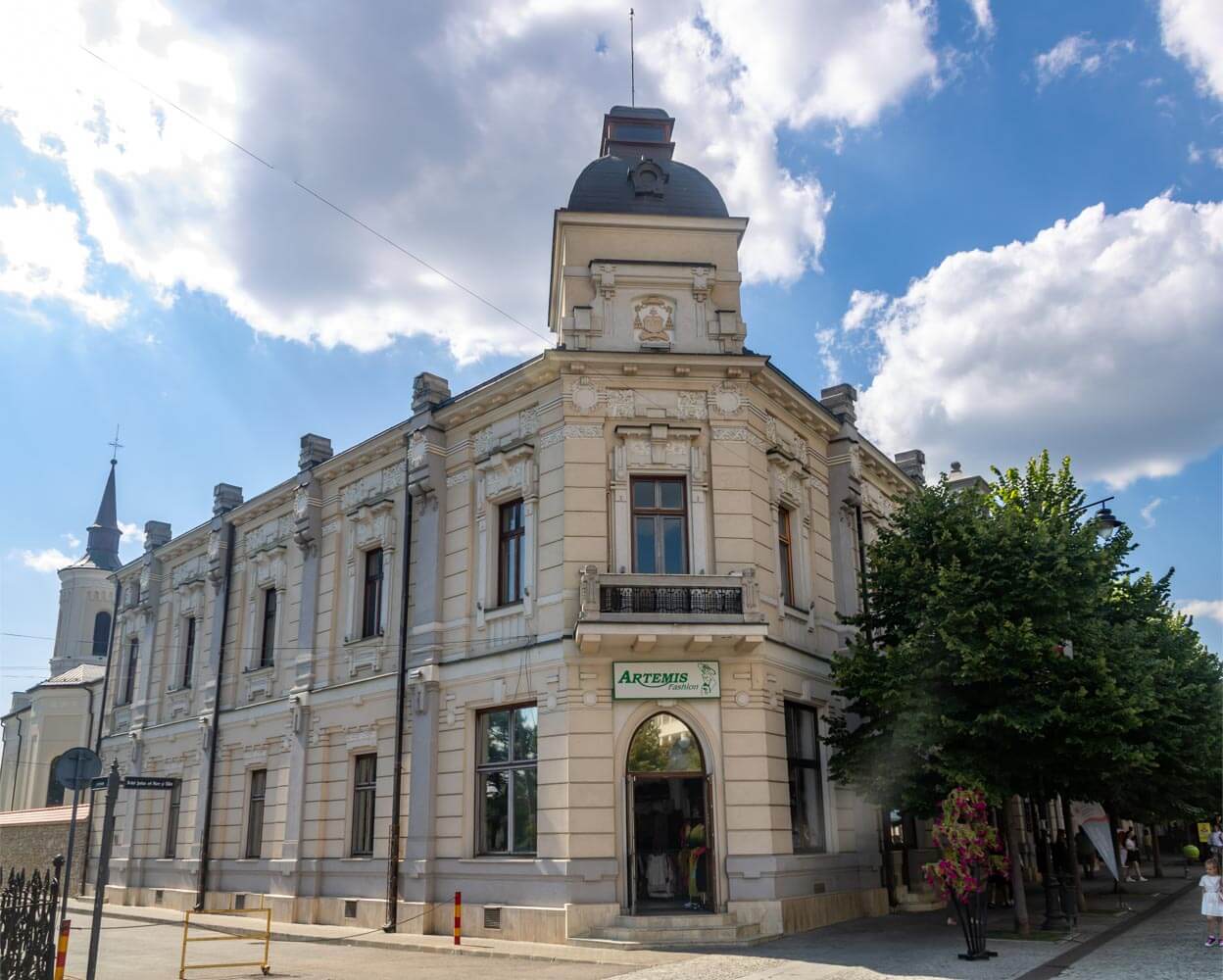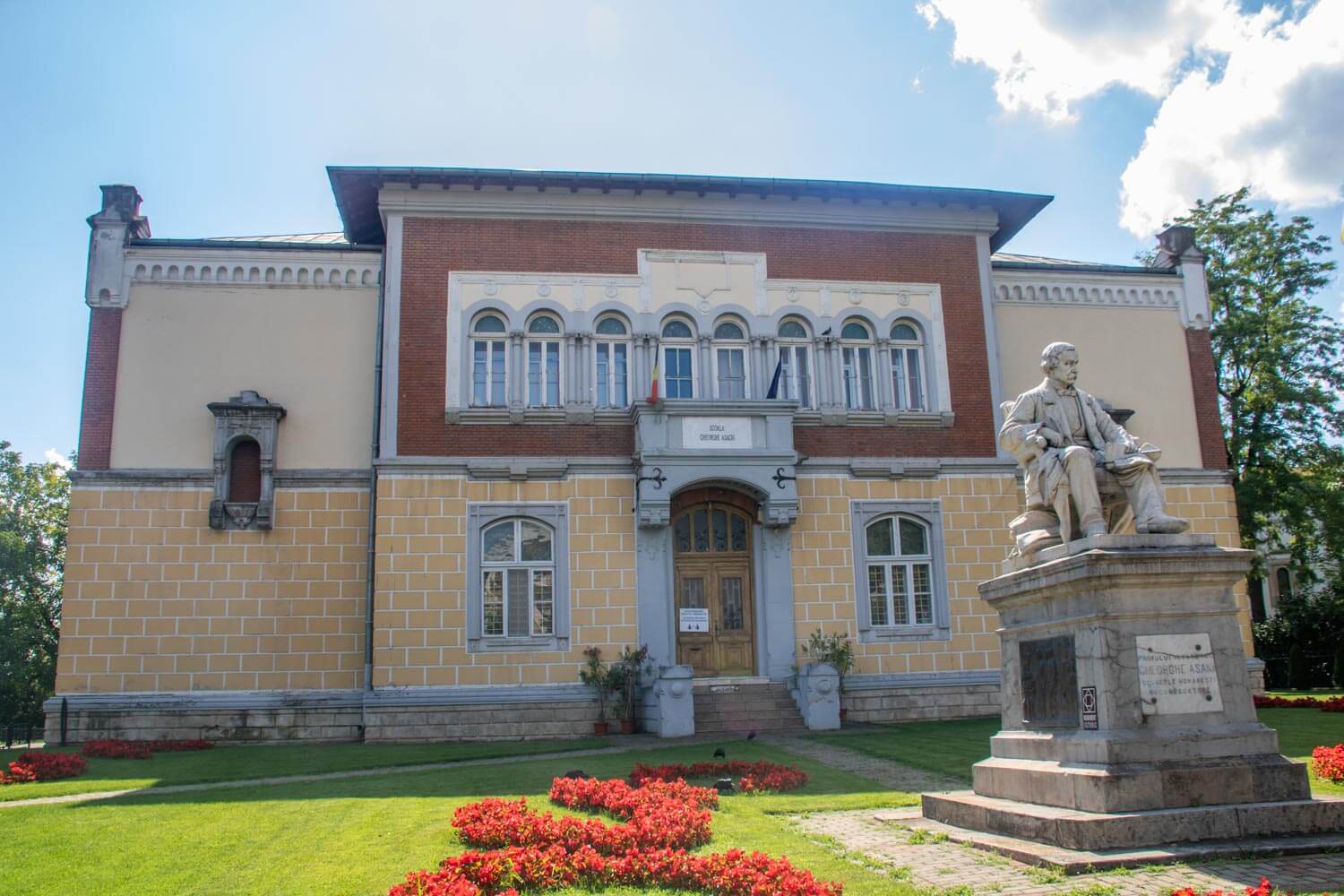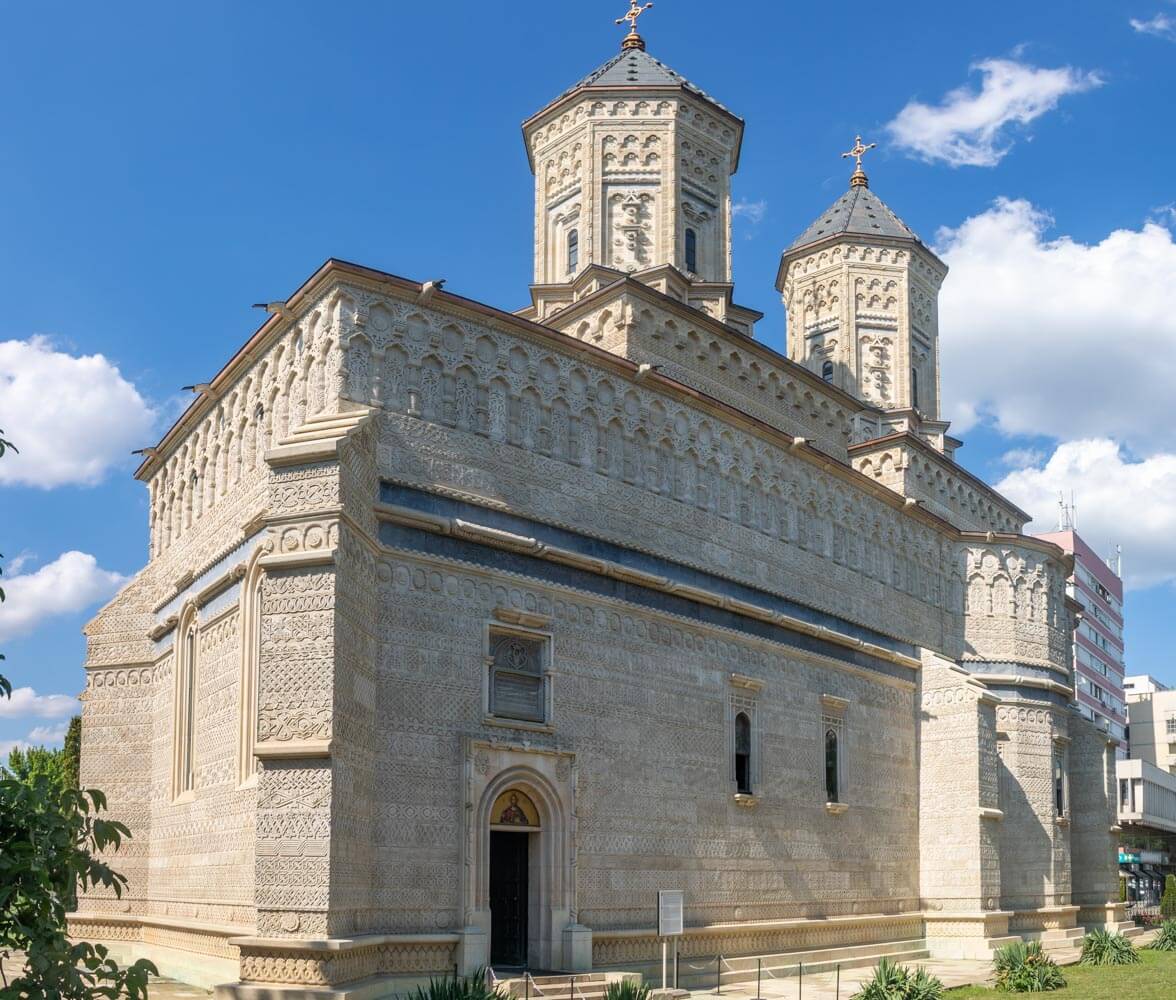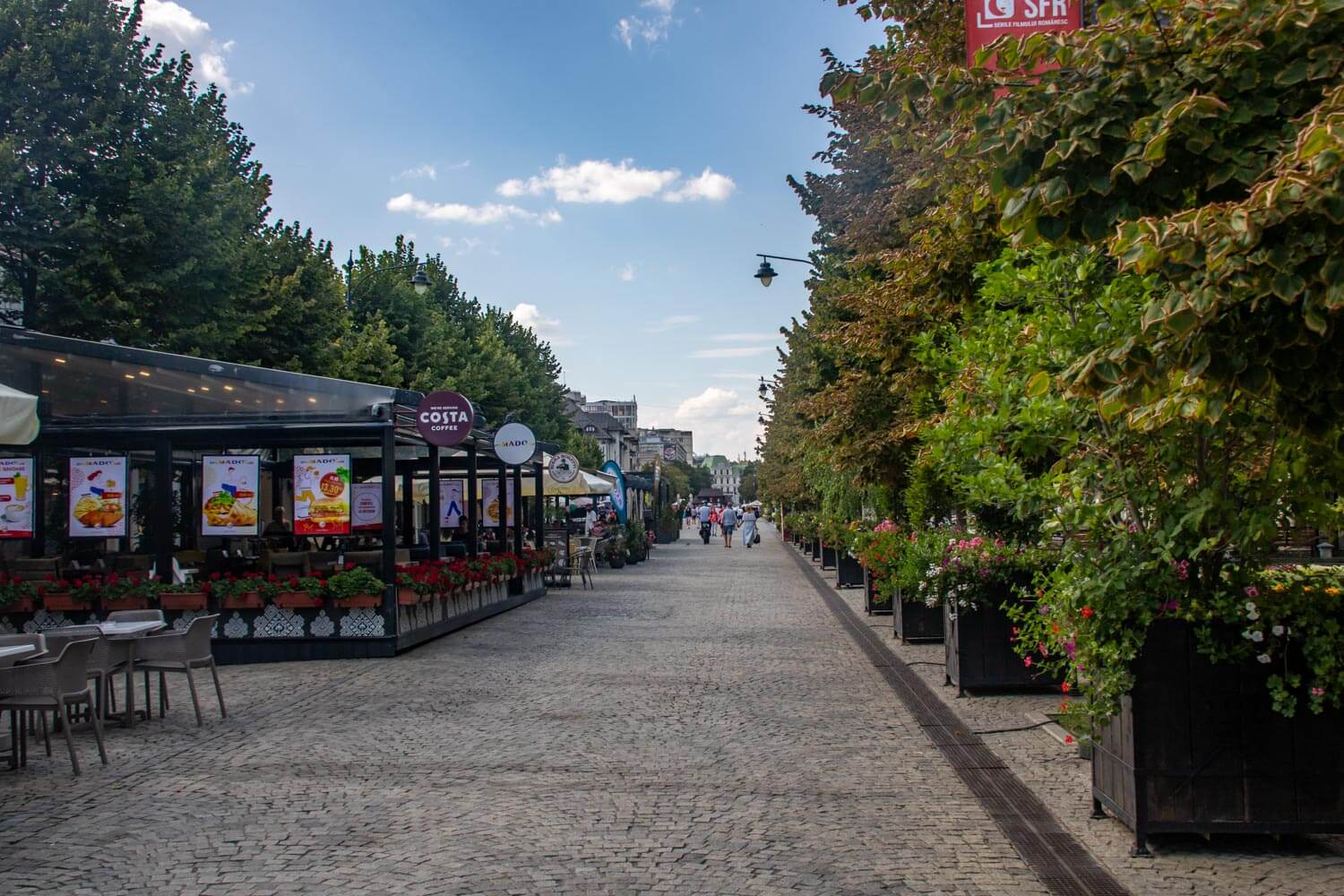
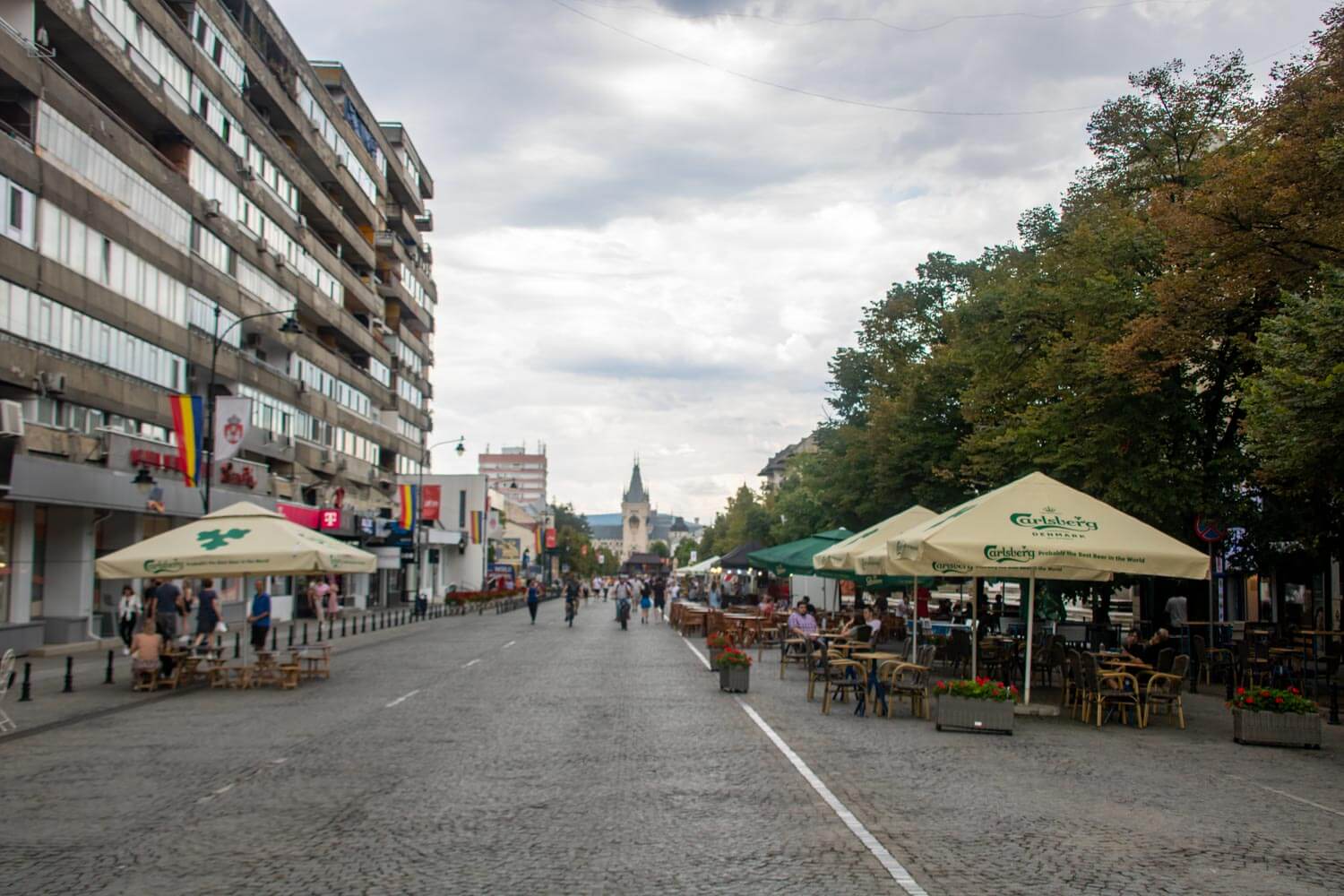
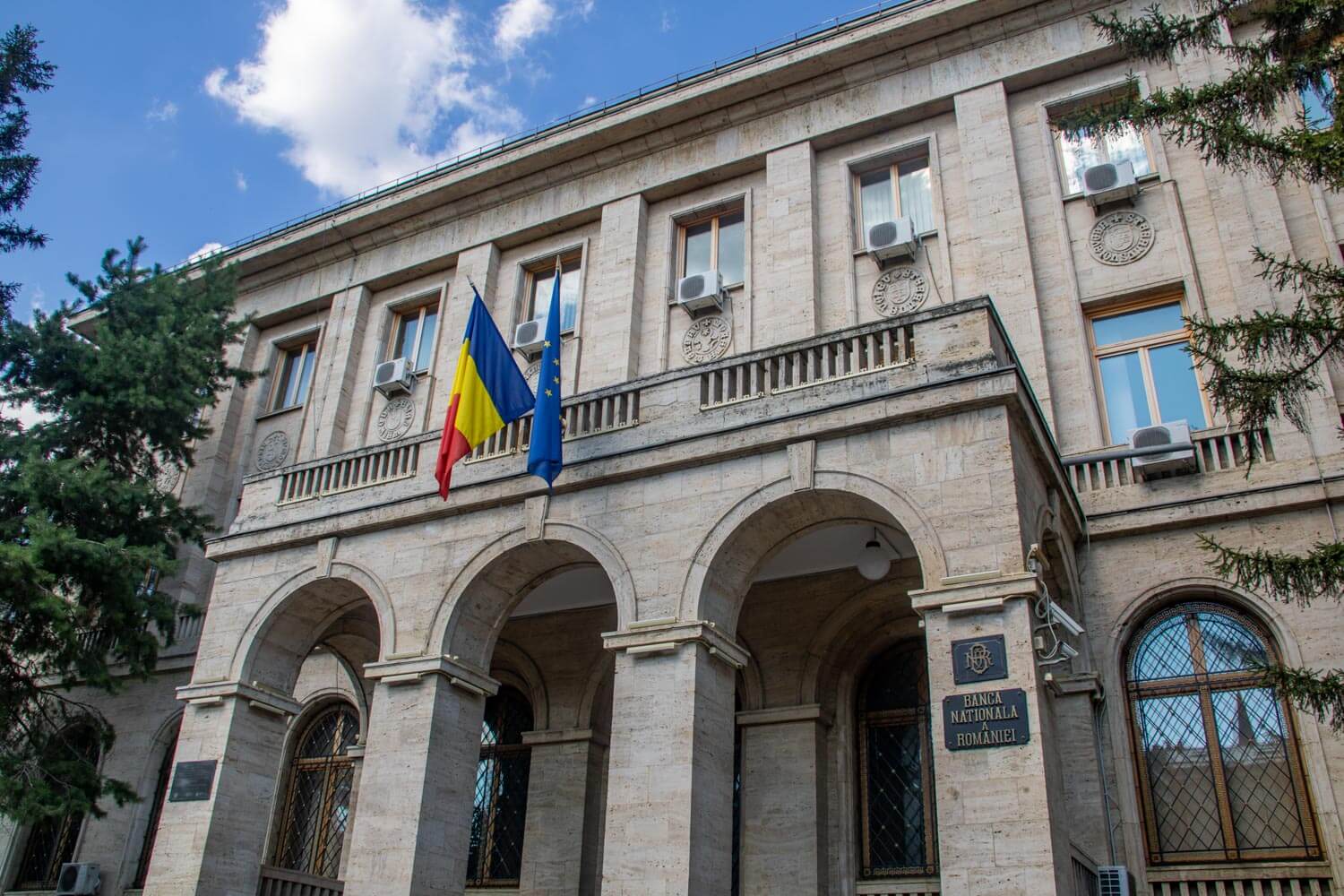
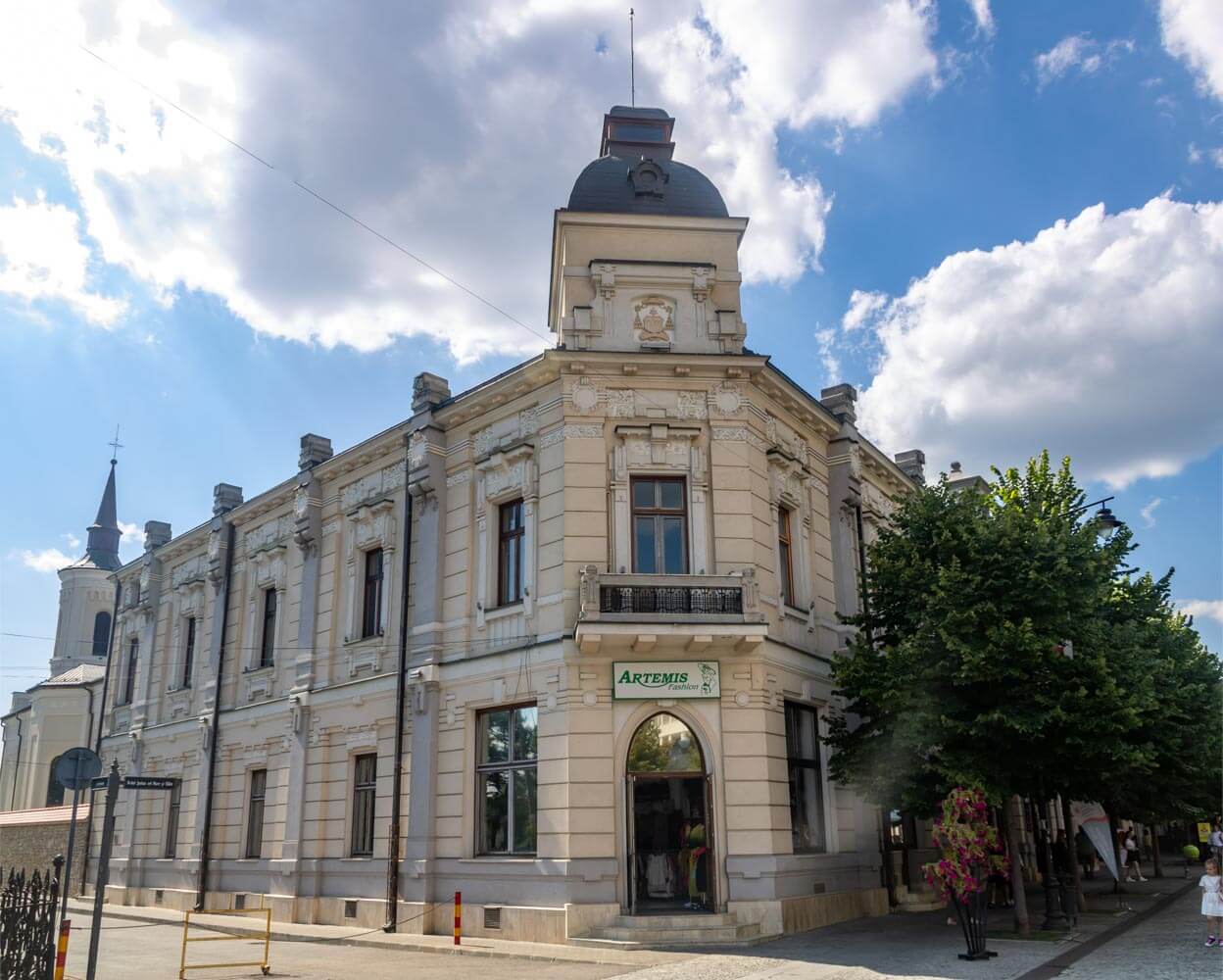
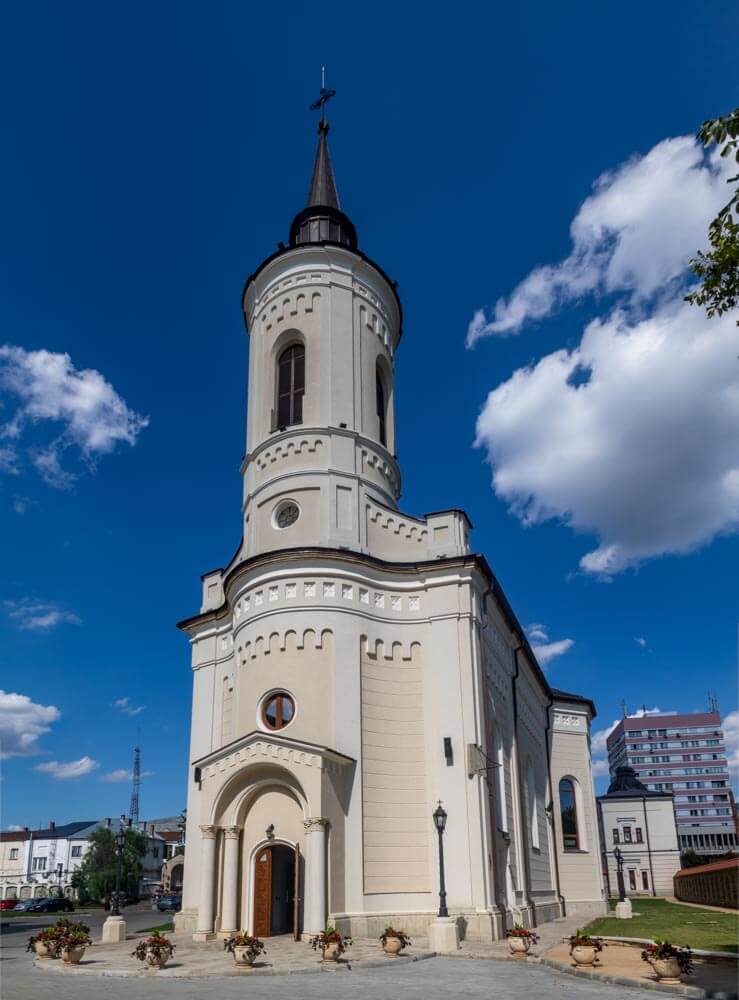
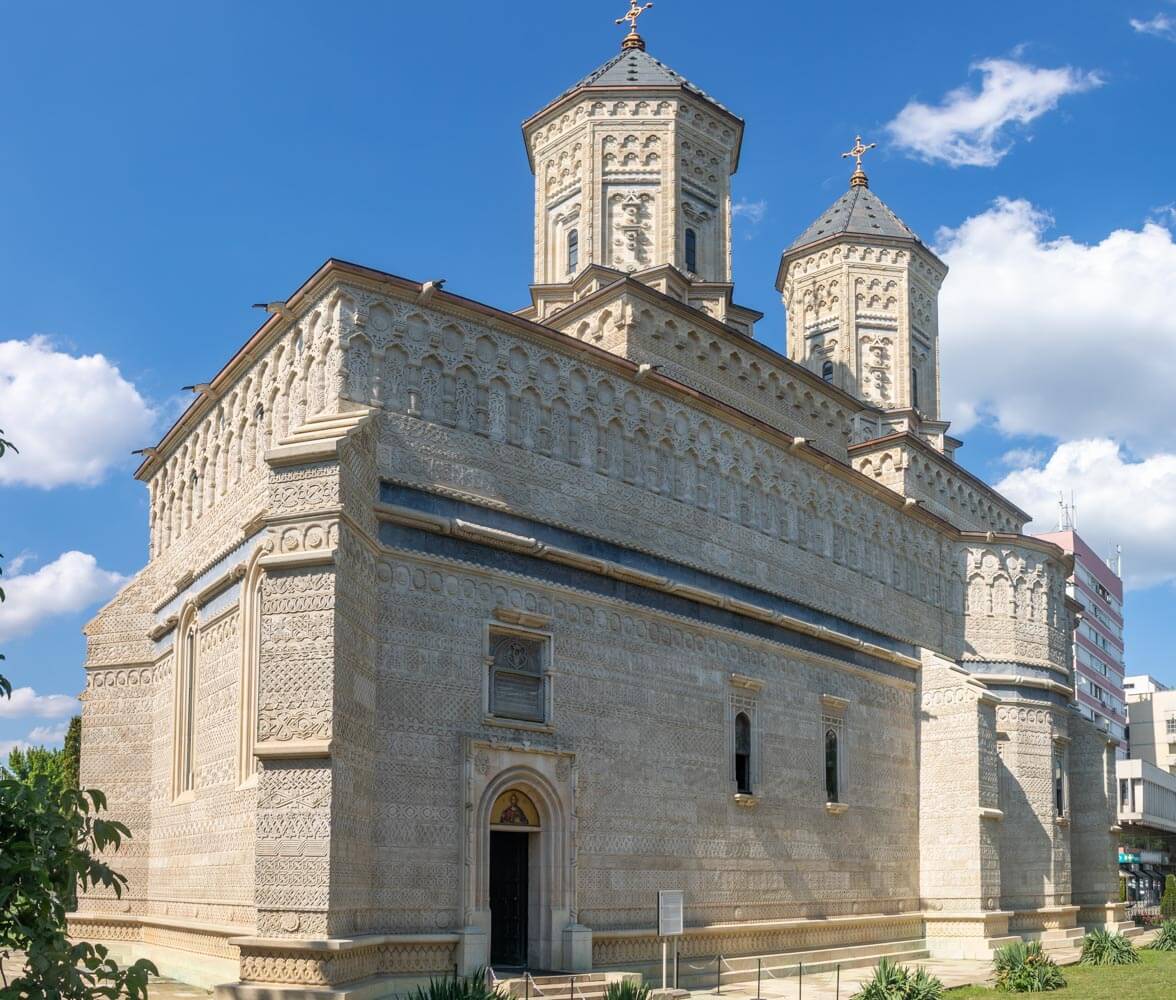
The Stephen the Great and Saint Boulevard (Bulevardul Ștefan cel Mare și Sfânt) is the main historic promenade through central Iași, running between the Palace of Culture and Union Square. Much of its central section is pedestrianized, creating a broad walking route past some of the city’s most important churches, civic buildings, monuments, shops, and public spaces.
The boulevard follows part of the former Ulița Mare, the principal street that once connected the Princely Court with the northern parts of Iași. Its surroundings changed considerably during the 19th century as older houses and commercial buildings were replaced, streets were widened, and monumental institutions increasingly shaped the center. The southern section took its present name after the Statue of Stephen the Great was unveiled in front of the former princely palace in 1883.
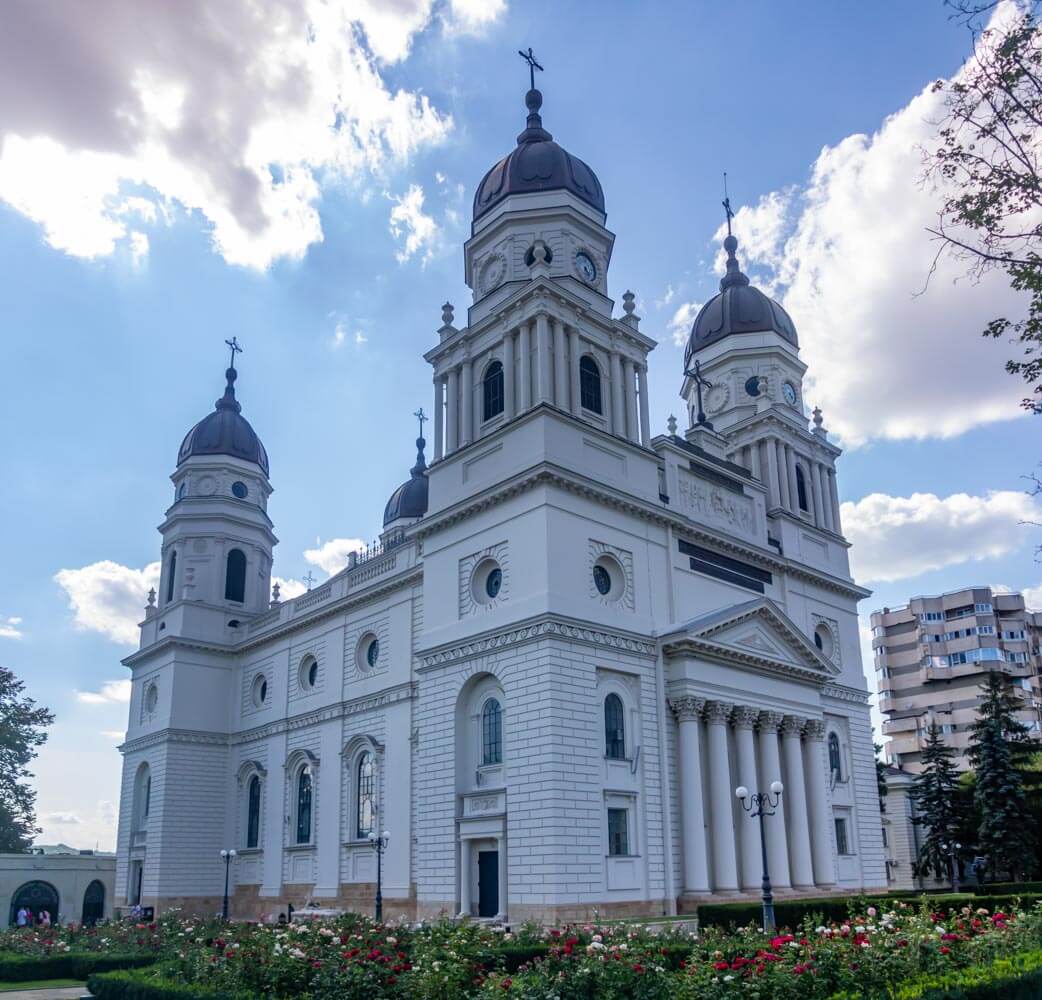
Further changes reshaped the street during the communist period, when extensive demolitions between the 1970s and 1980s were intended to create a wider and more uniform boulevard linking Palace Square directly with Union Square. Some historic buildings disappeared in the process, while surviving monuments such as the Metropolitan Cathedral became incorporated into a much broader civic axis. The central section was transformed again in the early 2010s, when most vehicle traffic was removed and the roadway was repaved as a pedestrian promenade.
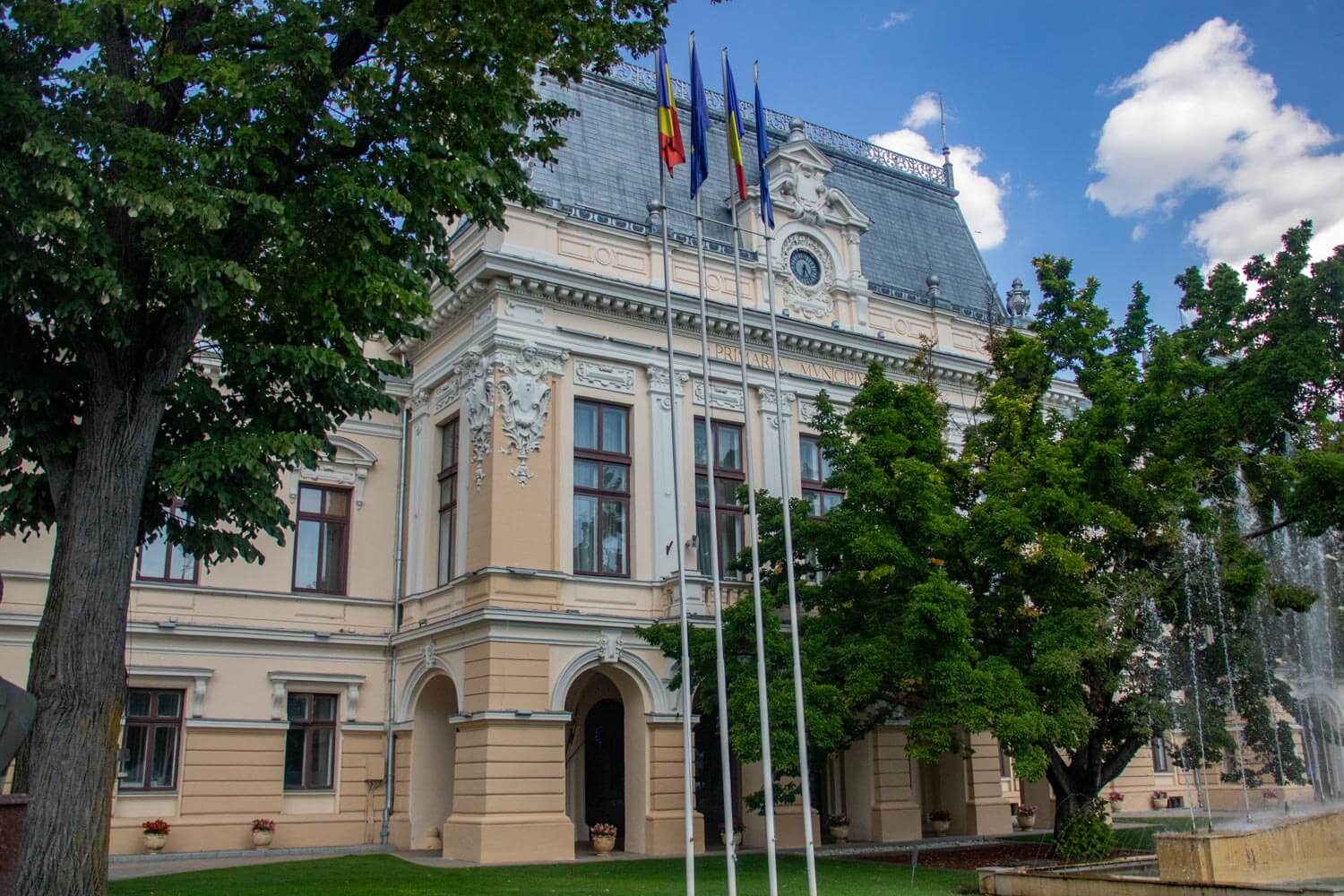
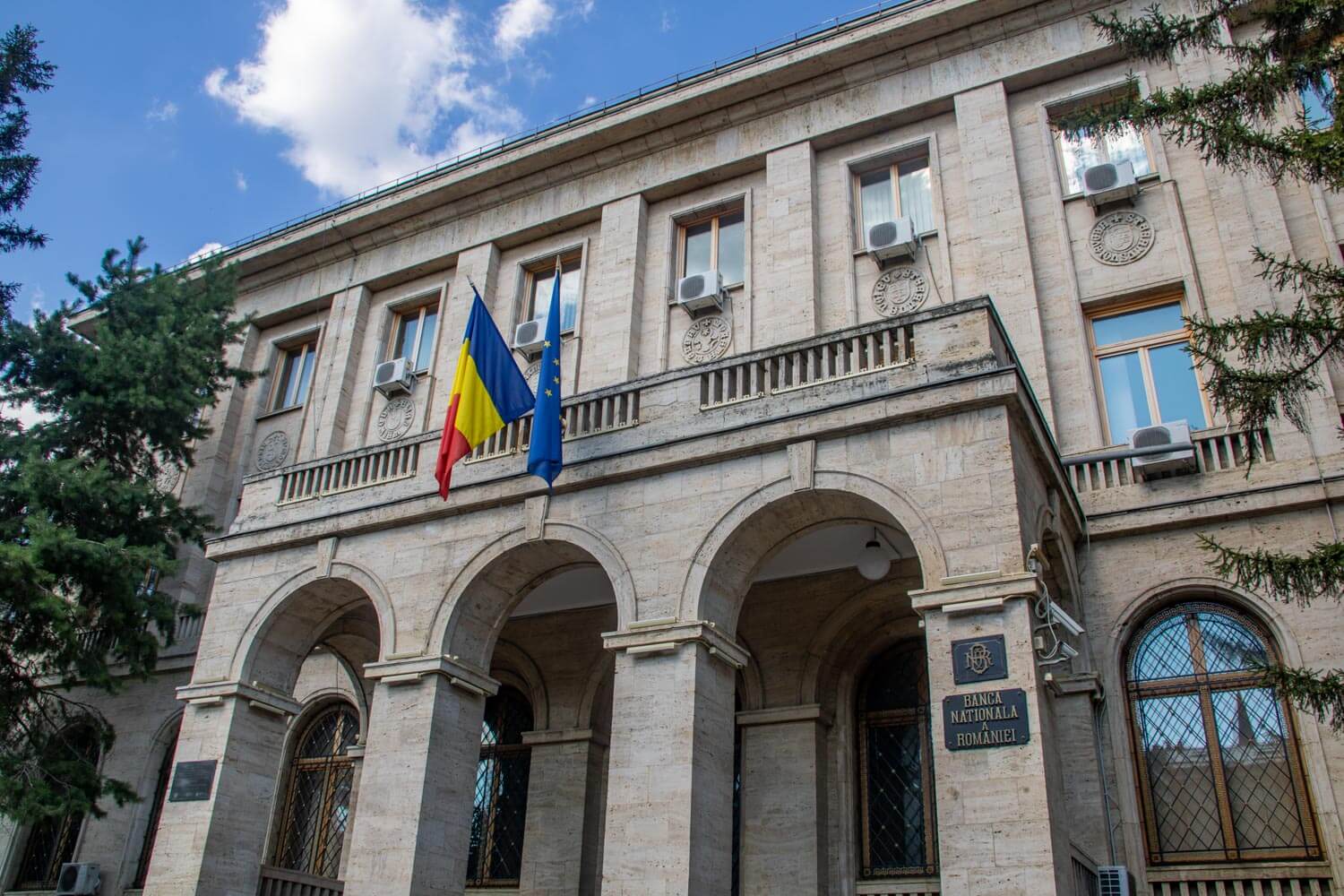
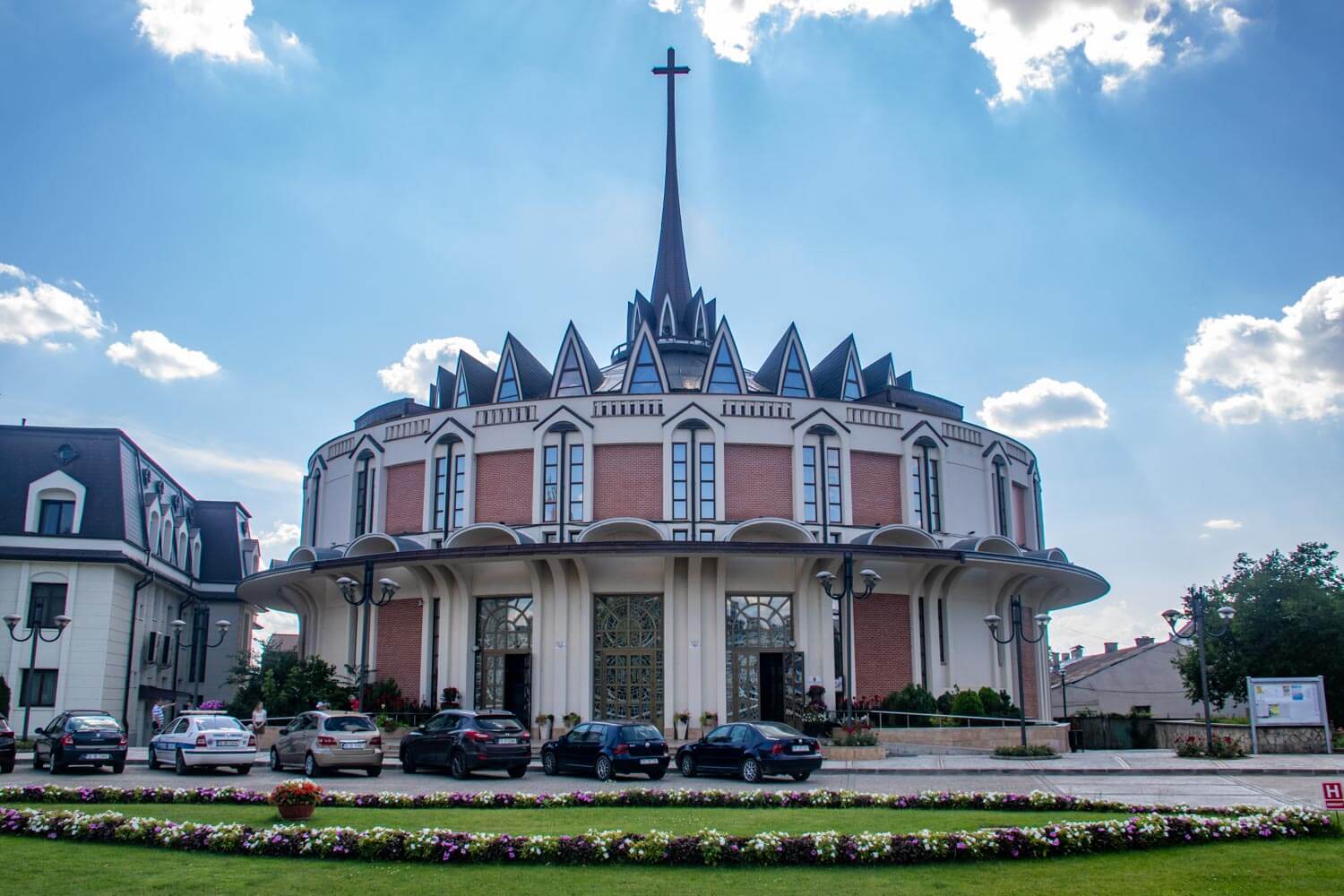
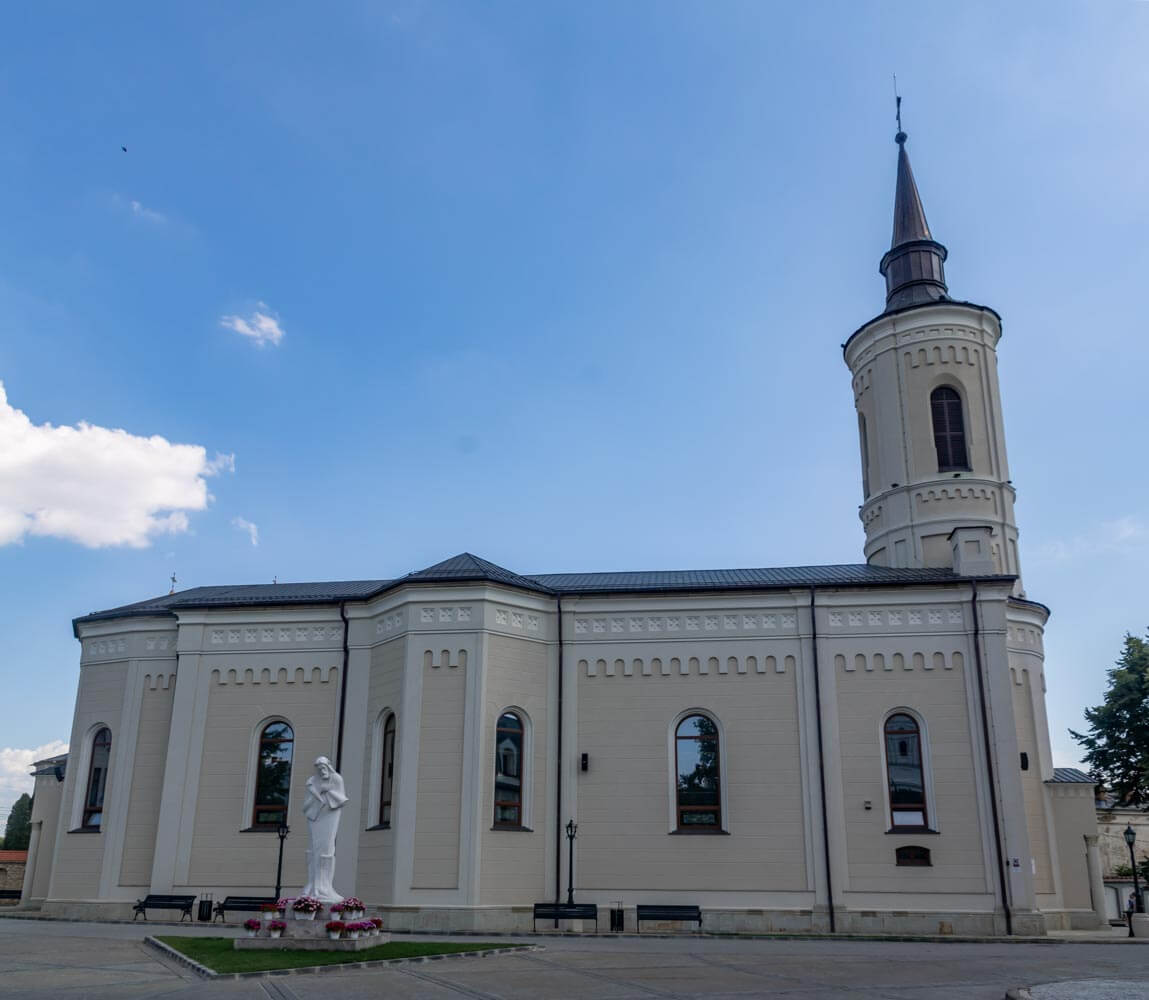
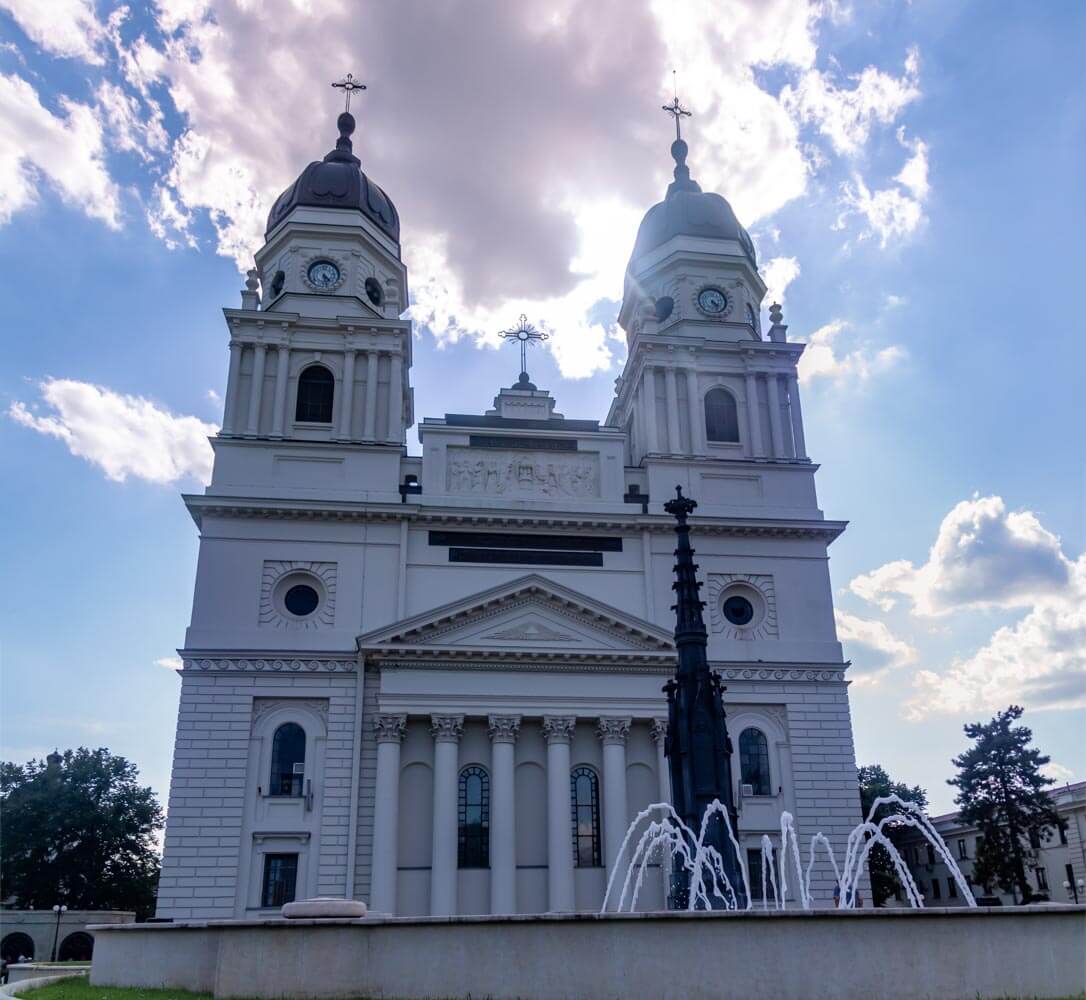
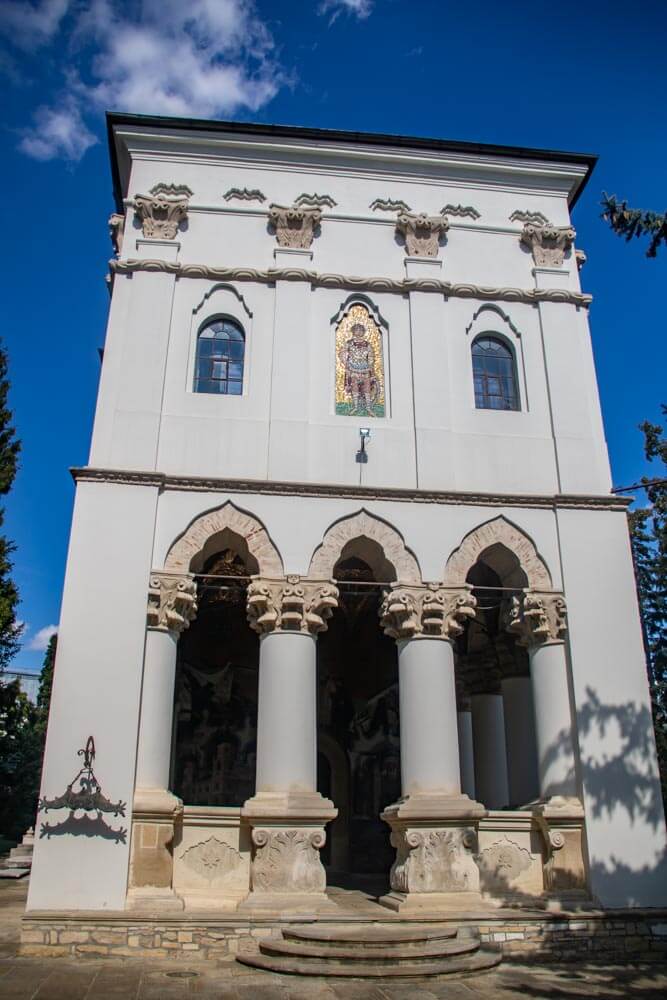
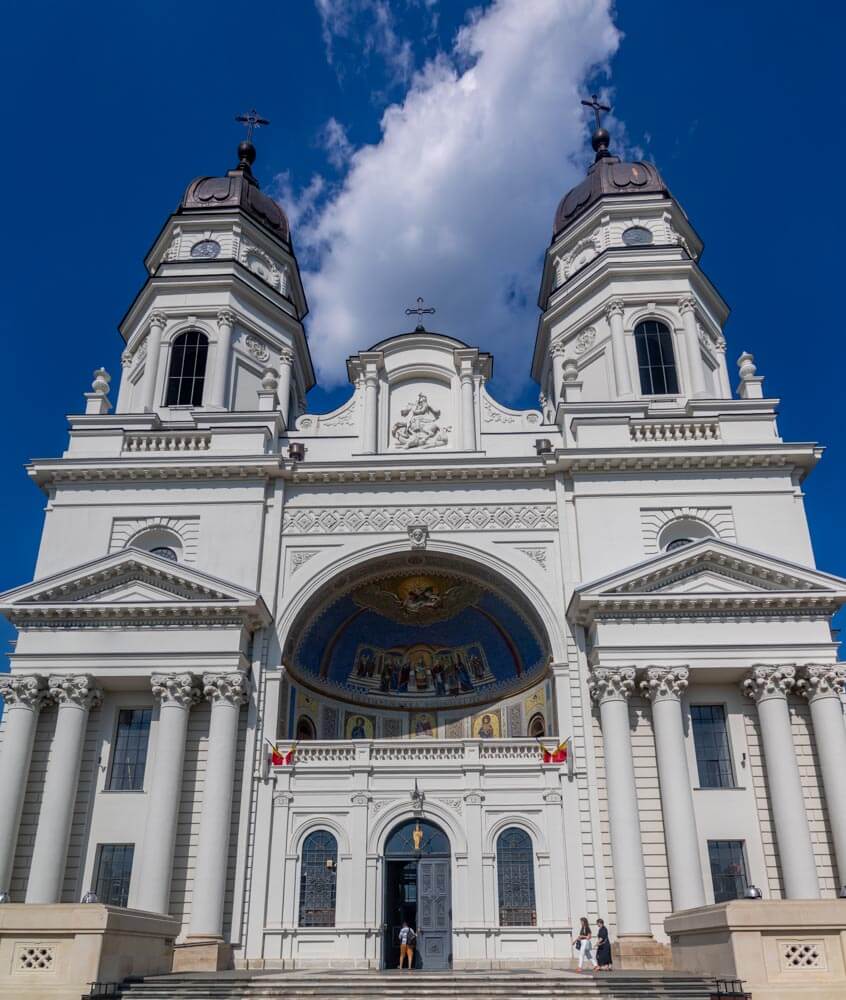
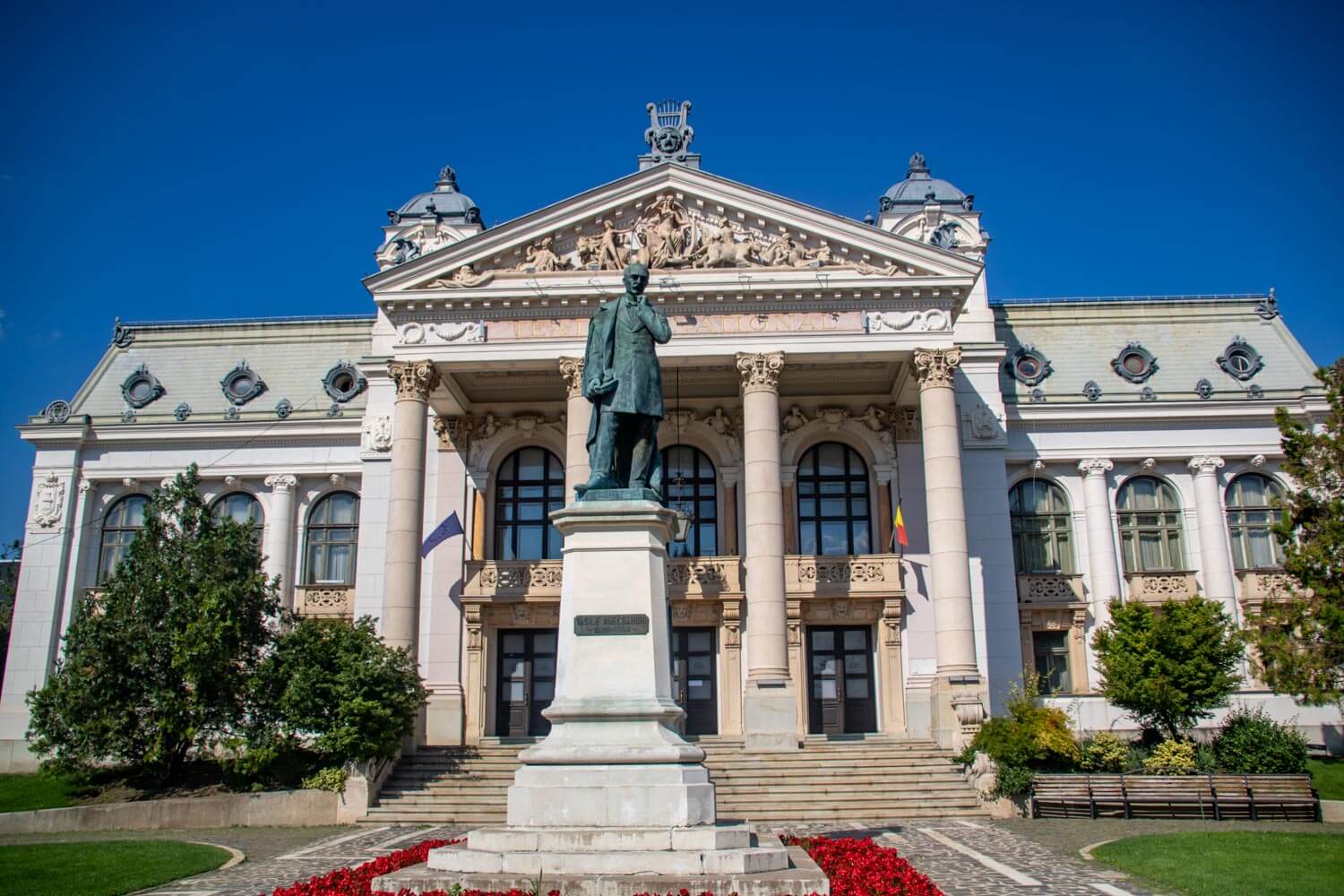
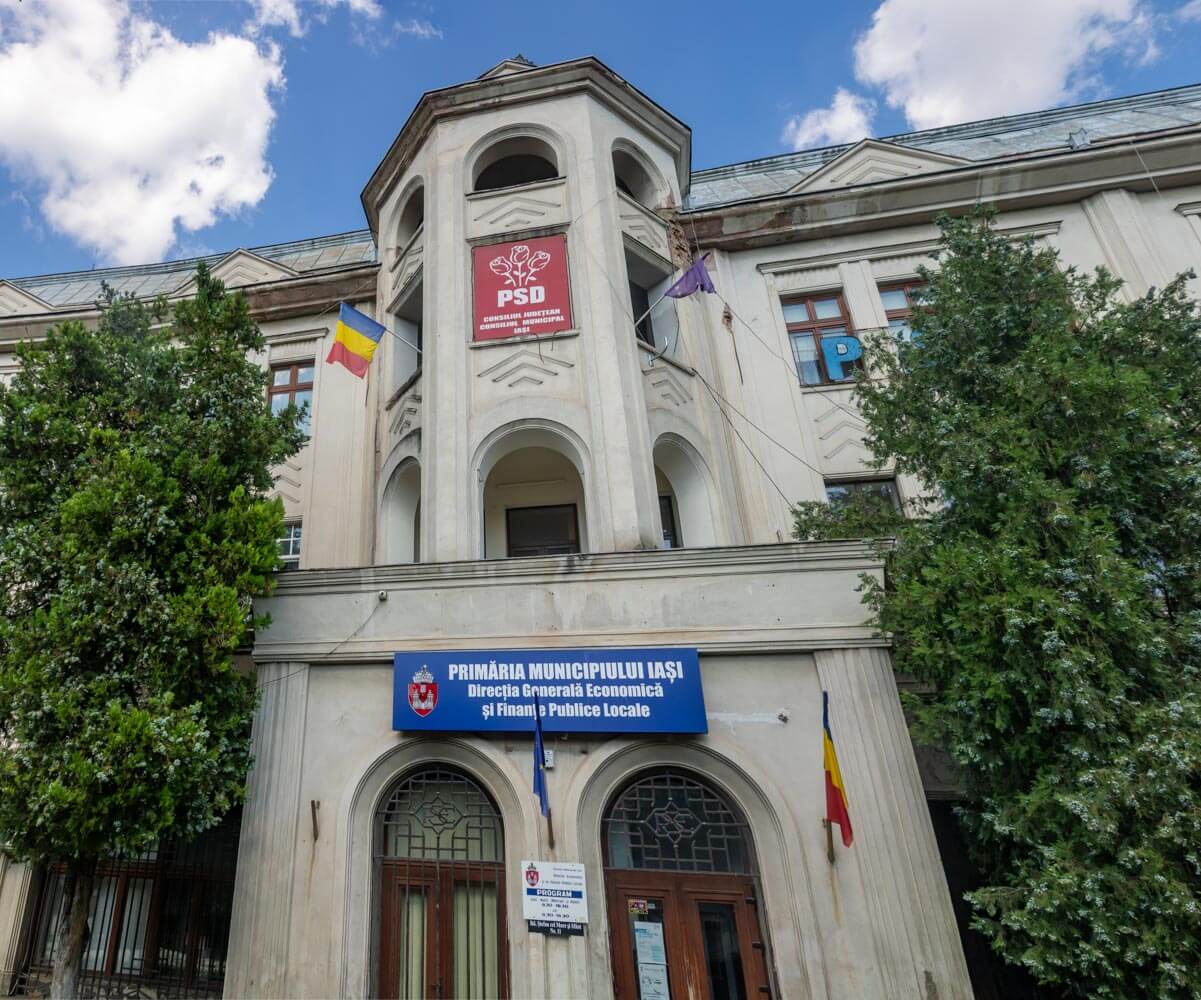
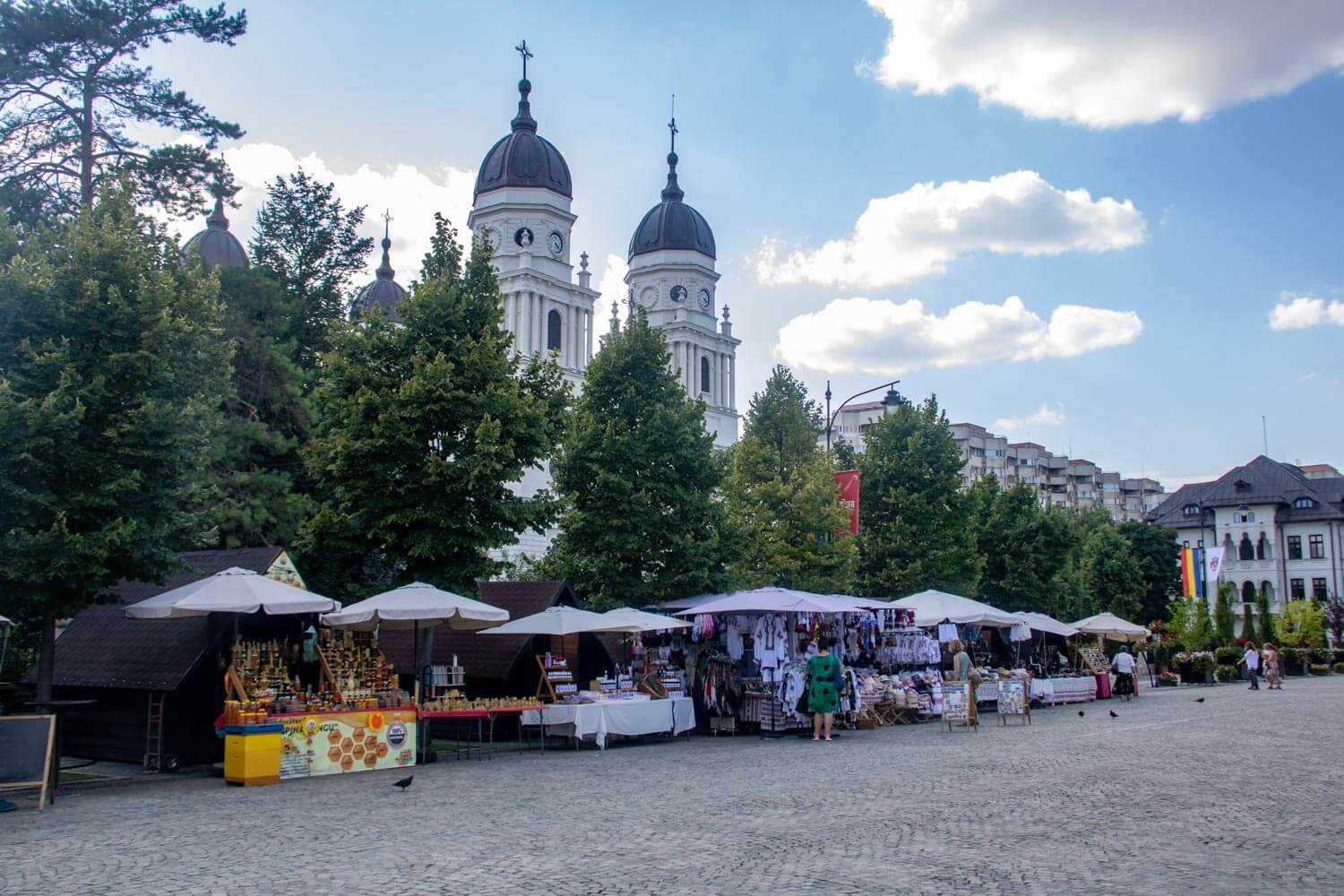
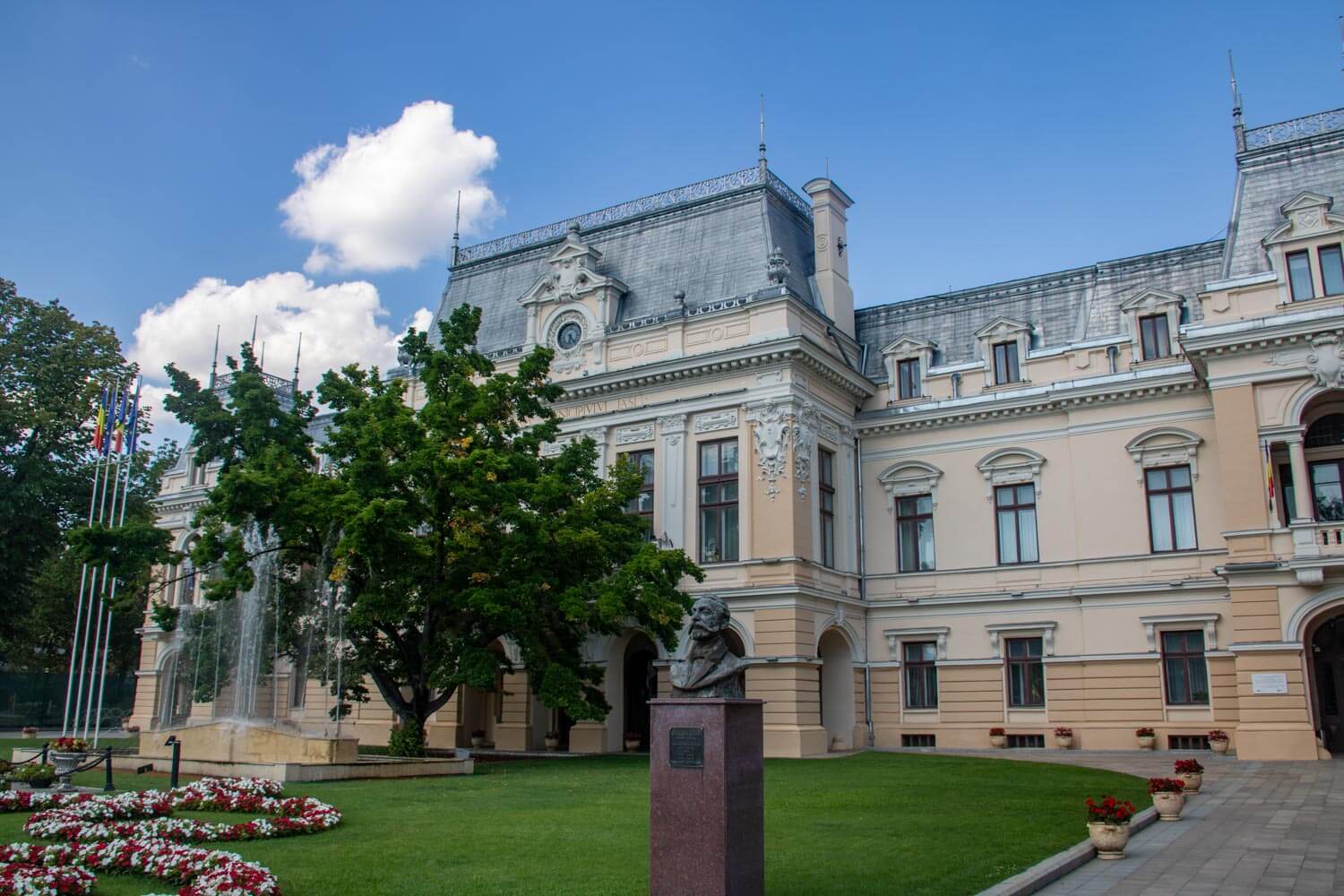
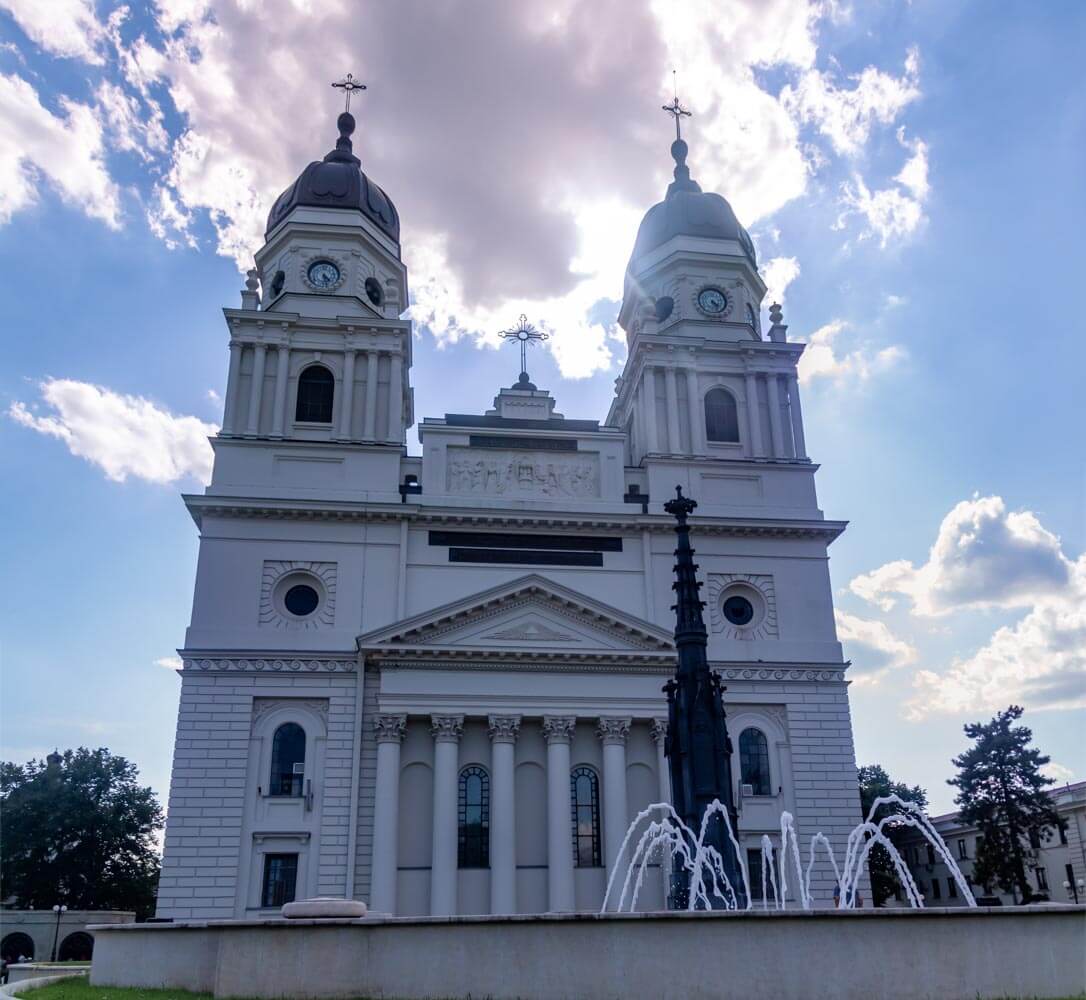
Starting at the Palace of Culture, the boulevard passes the Statue of Stephen the Great before continuing toward the Monastery of the Three Holy Hierarchs. Farther north are the Iași City Hall in the former Roznovanu Palace and the Metropolitan Complex, dominated by the Metropolitan Cathedral and its surrounding historic buildings. Churches, institutional buildings, smaller monuments, shops, and cafés fill the stretches between these major landmarks before the boulevard reaches Union Square, where it meets Strada Cuza Vodă and Strada Alexandru Lăpușneanu.
The pedestrian section is also used for fairs, religious gatherings, festivals, and other public events, so temporary stalls and installations regularly appear along the route. Outside larger events, the long open axis provides some of the clearest views toward the clock tower of the Palace of Culture and forms a natural walking route through the historic center.