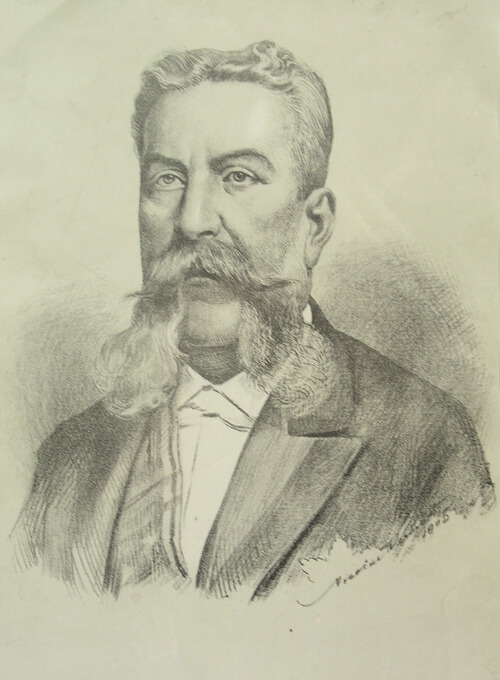
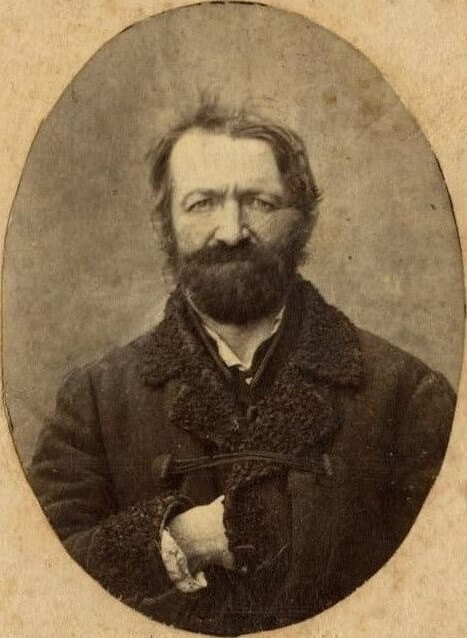
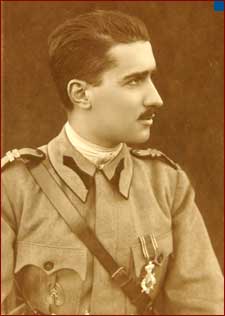
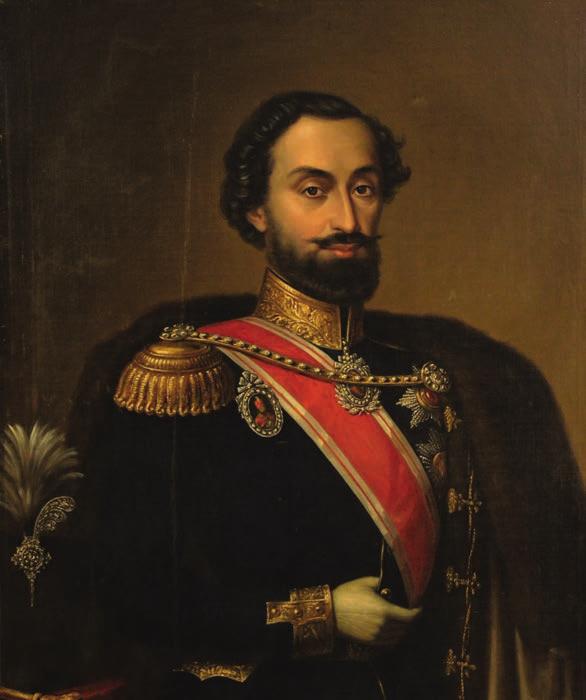
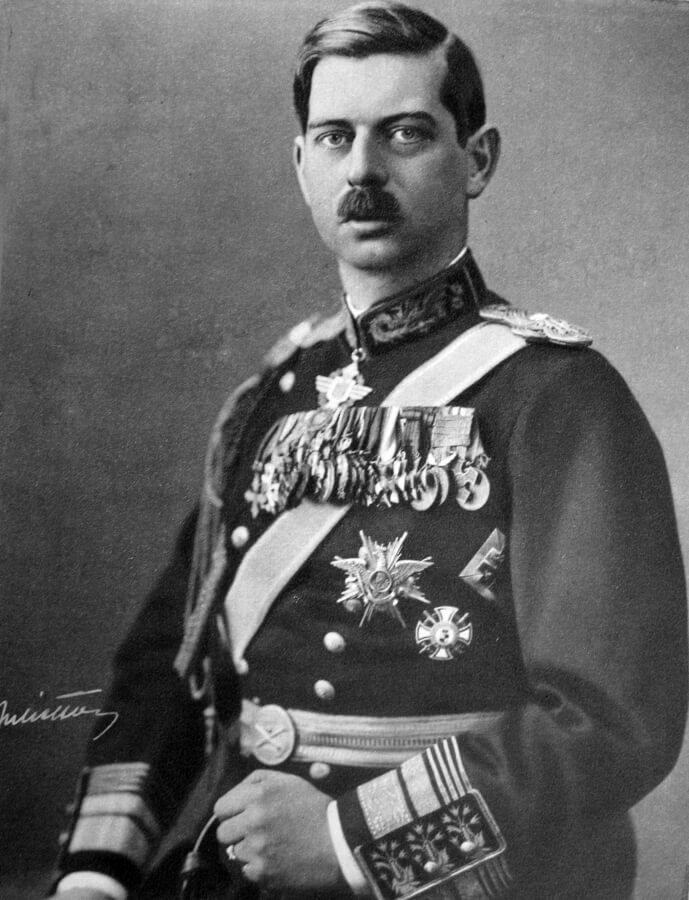
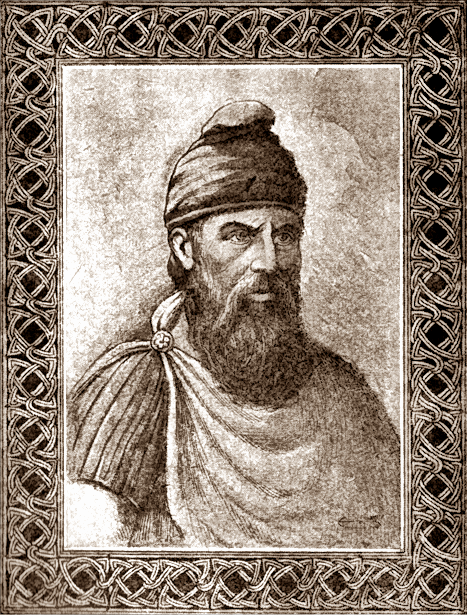
Gheorghe Grigore Cantacuzino (1832-1913) was a Romanian conservative politician, lawyer, and one of the wealthiest aristocrats of his generation, serving twice as prime minister under Carol I. Known by the nickname “The Nabob” (Nababul), because of his immense fortune, he became a leading figure of the Conservative Party while also leaving behind some of Romania’s most imposing aristocratic residences.
Cantacuzino was born in Bucharest into the old Cantacuzino family, whose members had played an important role in Wallachian and Romanian political life for centuries. He studied law in Paris and returned to Romania with a doctorate before beginning a career in the judiciary and administration. By the 1860s he had moved increasingly into politics, where he became one of the principal representatives of the conservative landed elite.
His political career developed during the reign of Carol I, as Romania was consolidating the institutions created after the Union and independence. Cantacuzino served in several ministerial positions, became president of both the Chamber of Deputies and the Senate, and emerged as one of the dominant figures of the Conservative Party. He represented a political current that favored gradual reform, strong state institutions, and the preservation of the influence of the traditional elite.
Cantacuzino first became prime minister in 1899, leading the government during a period of financial difficulty. His cabinet introduced measures intended to stabilize public finances, but political disagreements within the conservative movement weakened the government and brought his first premiership to an end the following year.
He returned as prime minister in 1904. During this second government, Romania continued to expand its infrastructure and institutions, but severe tensions in the countryside were becoming impossible to ignore. Large parts of the rural population remained poor and dependent on an unequal land system, while leaseholders and large estates controlled much of the most productive agricultural land.
Those tensions erupted in the Peasants’ Revolt of 1907, which began in Moldavia and spread rapidly across the country. Cantacuzino’s government struggled to contain the uprising and resigned as the crisis intensified, leaving Dimitrie A. Sturdza to form a new government and oversee the violent military suppression that followed. The revolt exposed the depth of Romania’s unresolved agrarian problems and marked the end of Cantacuzino’s second premiership.
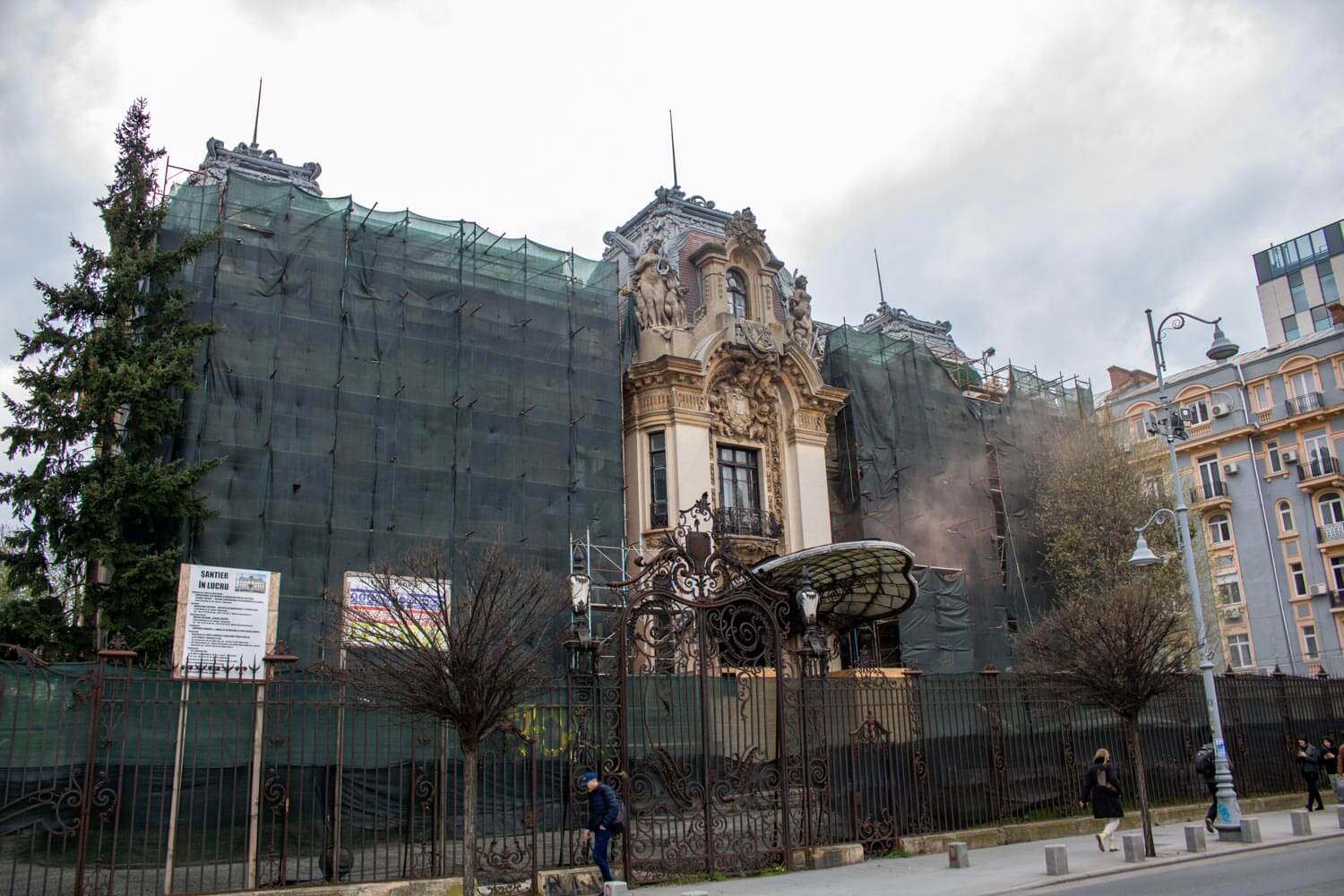
Politics was only one side of Cantacuzino’s public image. His enormous wealth allowed him to commission buildings on a scale few private individuals in Romania could match. In Bucharest, he hired architect Ion D. Berindey to design the Cantacuzino Palace on Calea Victoriei, completed in the early twentieth century as one of the capital’s grandest aristocratic residences. Its richly decorated interiors and monumental façade reflected both the family’s wealth and the cosmopolitan tastes of Romania’s upper class during the Belle Époque. The building later became home to the George Enescu National Museum.
Cantacuzino also commissioned the Cantacuzino Castle in Bușteni, built by architect Grigore Cerchez and completed in 1911. Unlike the French-inspired palace in Bucharest, the mountain residence drew strongly on Neo-Romanian and Neo-Brâncovenesc architecture. Its heraldic decoration celebrated the history of the Cantacuzino family, while the estate’s position beneath the Bucegi Mountains made it one of the most spectacular aristocratic residences of the period.
A third major residence was the Cantacuzino Palace at Florești in Prahova County, often nicknamed the “Little Trianon.” Conceived on an equally ambitious scale, it was never fully completed and survives today as a ruin. Together, the residences in Bucharest, Bușteni, and Florești reveal how closely Cantacuzino’s public identity was tied to both political power and aristocratic display.
Cantacuzino remained active in conservative politics into old age and returned to the presidency of the Senate shortly before his death. He died in Bucharest in 1913 and was buried at Bellu Cemetery.
His legacy is unusually tangible because so much of the world he created still survives. The Cantacuzino Palace in Bucharest and Cantacuzino Castle in Bușteni are among the clearest reminders of the wealth and confidence of Romania’s late nineteenth- and early twentieth-century aristocracy, while his political career reflects the conservative establishment that dominated much of the kingdom’s early parliamentary life. The contrast between those magnificent residences and the rural crisis that culminated in 1907 also captures something of the deep social inequalities that shaped Romania during his lifetime.