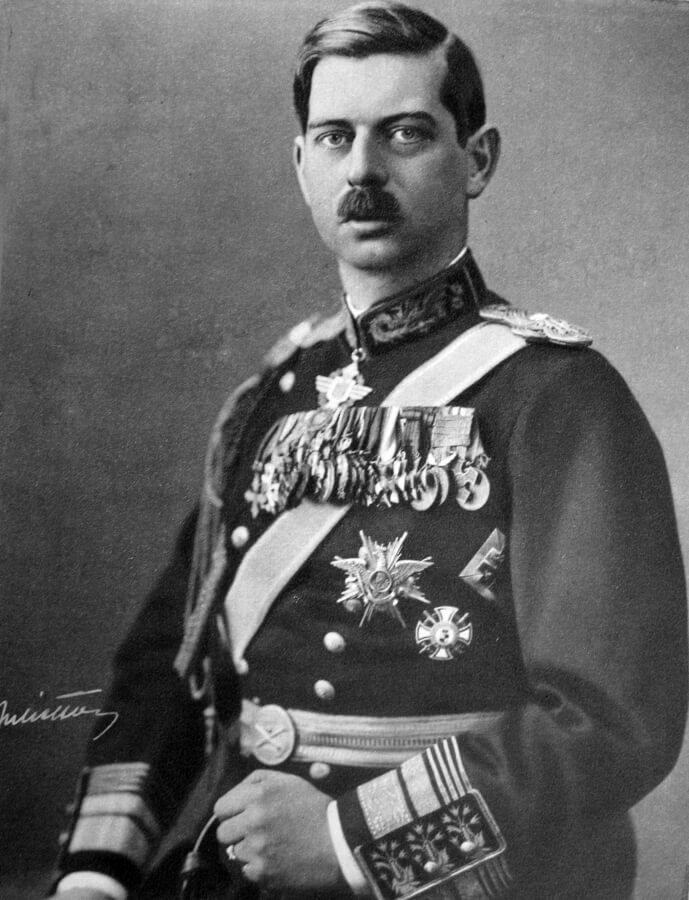
Carol II (1893-1953) was the King of Romania from 1930 until 1940 and one of the most controversial members of the Romanian royal family. His reign combined cultural patronage and ambitious royal building projects with increasing political interference, the destruction of parliamentary democracy in 1938, and the territorial crisis of 1940 that forced him to abdicate in favor of his son Michael I.
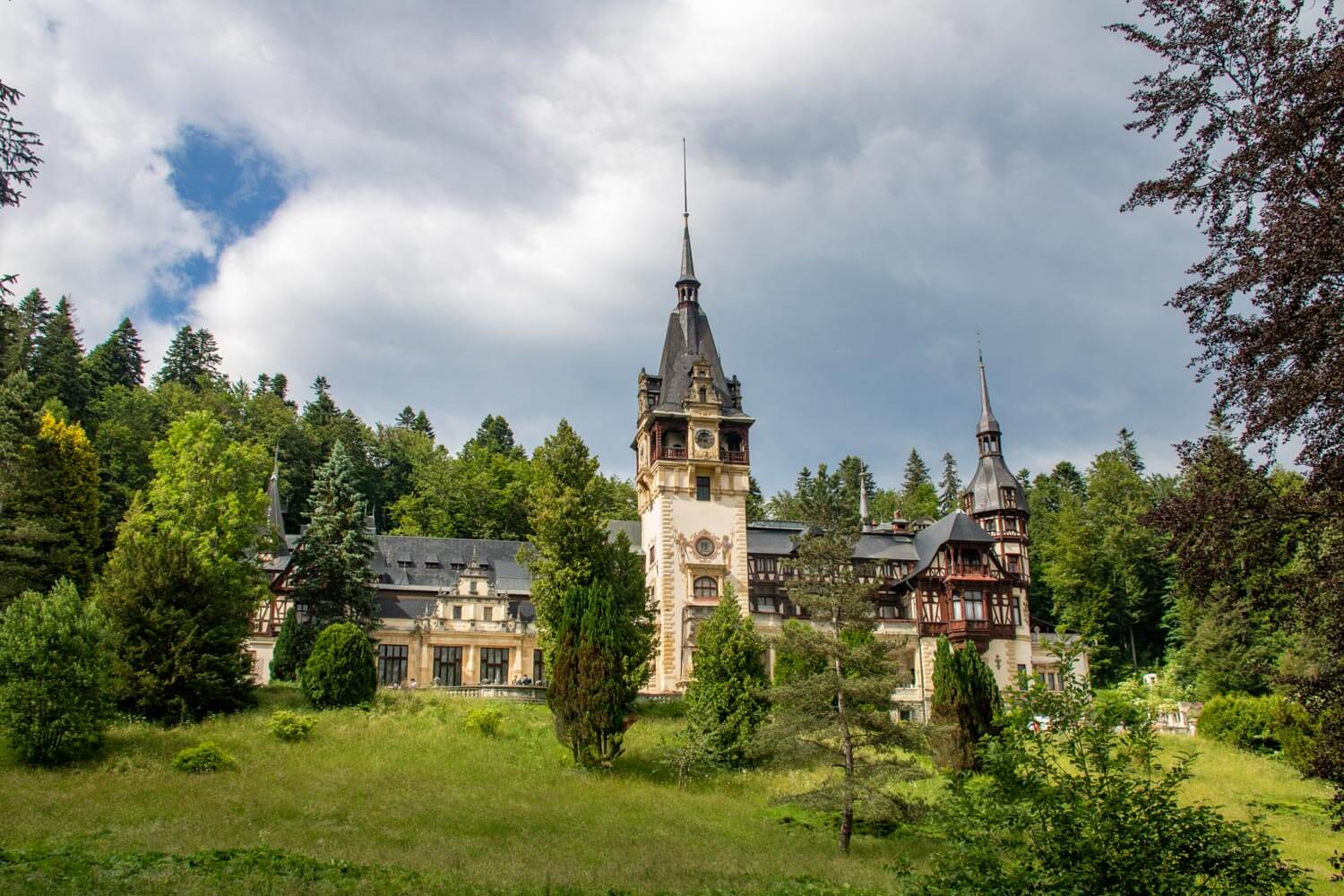
Carol was born at Peleș Castle in Sinaia in 1893, the eldest son of the future King Ferdinand I and Queen Marie. He was the first member of Romania’s Hohenzollern dynasty to be born in the country and was raised as the future heir to the throne. His private life, however, repeatedly created difficulties for the royal family. In 1918 he secretly married Zizi Lambrino without royal approval, a marriage that was later annulled. He subsequently married Princess Helen of Greece, with whom he had a son, Michael, but the marriage deteriorated as Carol resumed his relationship with Elena Lupescu.
In 1925, Carol renounced his rights to the throne and left Romania, allowing the succession to pass to the young Michael. When Ferdinand died in 1927, Michael therefore became king under a regency. Carol returned unexpectedly in 1930 with the support of politicians who regarded the regency as weak, and parliament proclaimed him king, ending Michael’s first reign. The return was initially welcomed by many who hoped that an adult monarch would provide greater political stability.
Carol soon became deeply involved in government. Rather than remaining above party politics, he cultivated his own network of politicians, businessmen and personal associates, commonly described as the royal camarilla, with Elena Lupescu at its center. His interventions contributed to the weakening of the parliamentary system at a time when Romania was already facing the effects of the Great Depression, intense party rivalry, political violence and the growth of the far-right Iron Guard.
The conflict culminated in 1938. Following an inconclusive election and a period of political crisis, Carol dismissed the government, assumed emergency powers and introduced a new constitution that greatly increased the authority of the crown. Political parties were abolished and later replaced by the National Renaissance Front, a single organization controlled by the regime. Parliament continued to exist, but effective power was concentrated around the king and his government. Romania had therefore moved from a constitutional parliamentary monarchy to a royal dictatorship.
The dictatorship also intensified Carol’s confrontation with the Iron Guard. Its leader, Corneliu Zelea Codreanu, was arrested in 1938 and later killed together with several other legionaries while in state custody, officially during an attempted escape. The killings formed part of a wider cycle of political violence between the regime and the Guard, which retaliated the following year by assassinating Prime Minister Armand Călinescu. Although Carol opposed the Iron Guard and its attempt to dominate Romanian politics, his own authoritarian system further dismantled the democratic institutions that might otherwise have constrained political extremism.
At the same time, Carol took a strong interest in culture and in projecting the monarchy as a patron of modern Romanian national life. Royal cultural foundations supported publishing, literature and scholarship, including major editions of Romanian writers and works by figures such as Lucian Blaga and Tudor Vianu. The Royal Cultural Foundation also helped finance the creation of the Village Museum in Bucharest, established by sociologist Dimitrie Gusti and opened in 1936. These initiatives form a more durable part of Carol’s legacy than his political institutions, most of which disappeared with his regime.
His reign also left an important architectural mark on central Bucharest. Carol oversaw the extensive rebuilding and enlargement of the Royal Palace on Calea Victoriei, creating much of the monumental building that survives today as the National Museum of Art of Romania. The central wing was completed during his reign, while further extensions continued until 1940. Several surviving ceremonial interiors also reflect his artistic patronage, including decorations commissioned from leading Romanian artists of the period.
Foreign policy became increasingly difficult as Europe moved toward World War II. Carol initially tried to preserve Romania’s traditional relationships with France and Britain while balancing the growing influence of Nazi Germany. That position collapsed rapidly after the defeat of France in 1940. Romania was then forced to surrender Bessarabia and Northern Bukovina to the Soviet Union, Northern Transylvania to Hungary, and Southern Dobrogia to Bulgaria. These losses dismantled much of the territorial settlement created after World War I and produced a severe domestic crisis.
Carol’s authority did not survive the shock. In September 1940 he appointed General Ion Antonescu as prime minister and transferred extensive powers to him. With public opposition mounting and the regime collapsing, Carol abdicated on September 6 in favor of nineteen-year-old Michael, beginning Michael I’s second reign. Carol left Romania soon afterward with Elena Lupescu and spent the remainder of his life abroad.
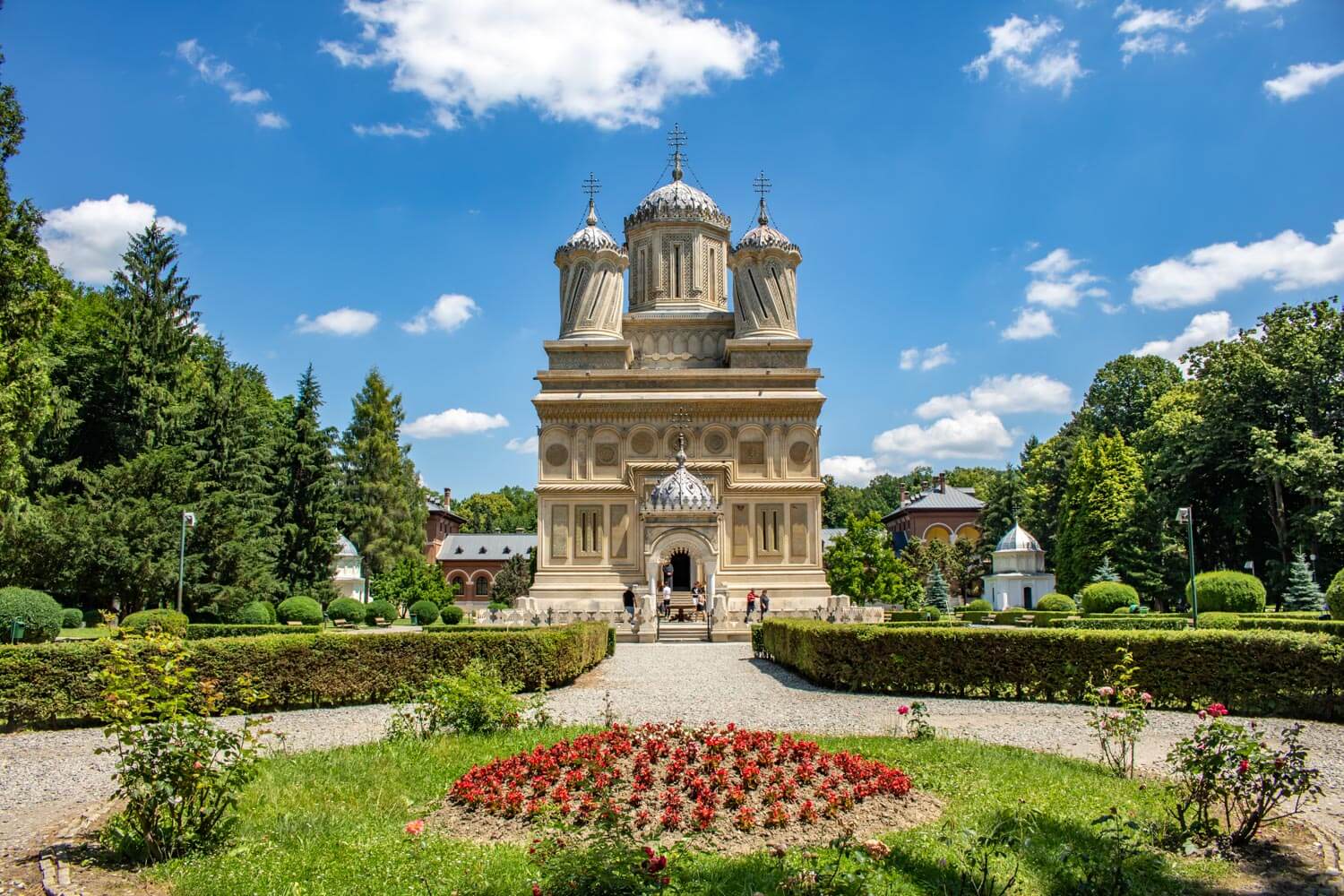
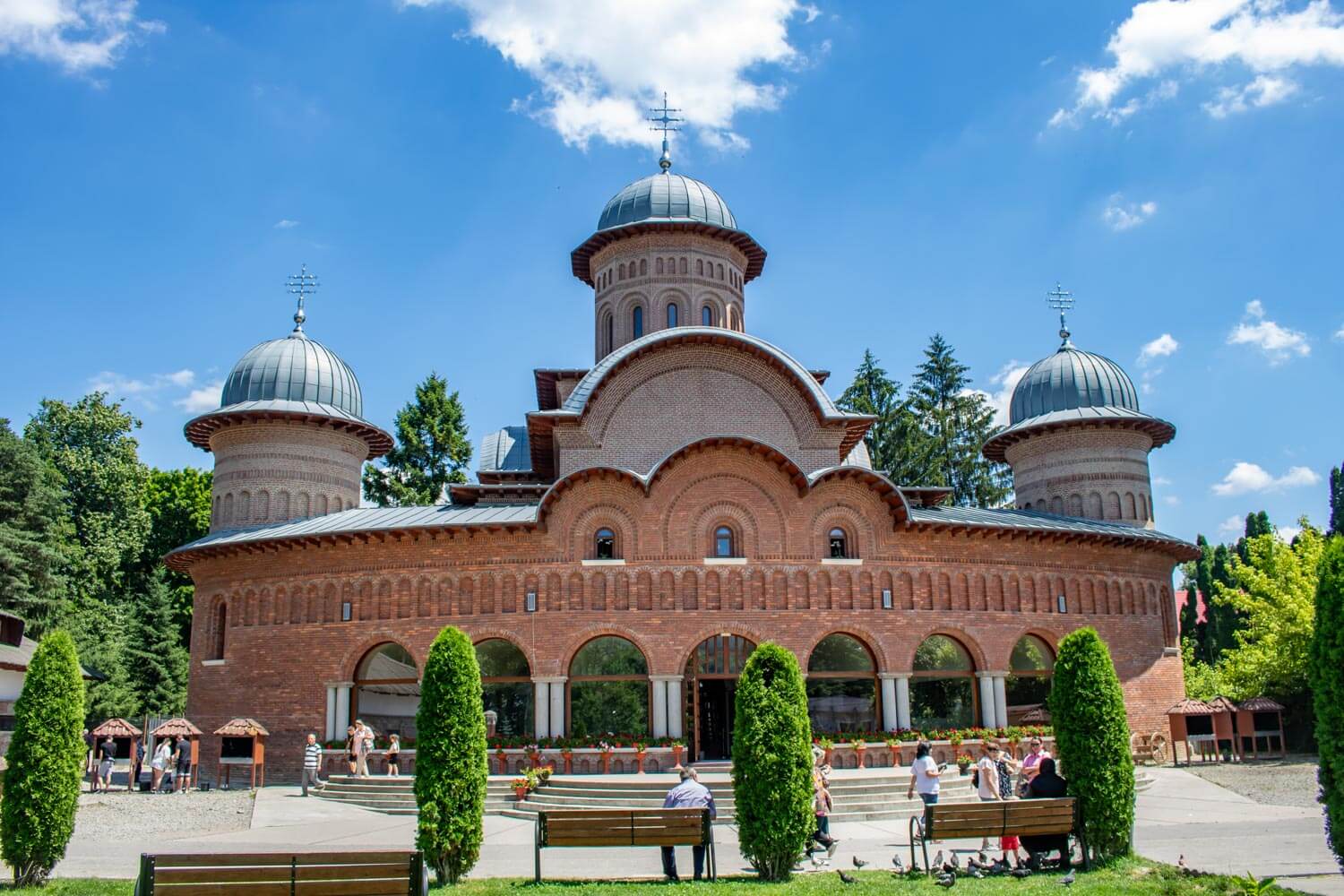
He eventually settled in Portugal, where he and Elena married in 1947. Carol died in Estoril in 1953. His remains were returned to Romania in 2003 and were later reburied at the Curtea de Argeș Monastery, placing him once again among the Romanian royal dynasty.
Carol II left a markedly different legacy from either his father or grandfather. He supported significant cultural institutions and reshaped the Royal Palace that still dominates Bucharest’s former royal quarter, but his political legacy is inseparable from the erosion of constitutional government, the royal dictatorship of 1938-1940 and the collapse of Greater Romania’s borders. His reign captures much of the instability of interwar Romania: cultural confidence and modernization existing alongside political extremism, authoritarianism and an increasingly dangerous international environment.