The Carol I Park (Parcul Carol I) is a public park in Bucharest that is named after King Carol I of Romania.
History Of Carol I Park
The park was designed by the French landscaping architect Édouard Redont in 1900 and inaugurated as part of the Romanian General Exhibition on the 40th anniversary of the reign of King Carol I in 1906. The exhibition included the Roman Arenas, Vlad Tepeș Castle, a pavilion that later hosted the Technical Museum, the 1906 Fountain, and several other structures that have disappeared over time.
What To See And Do In Carol I Park
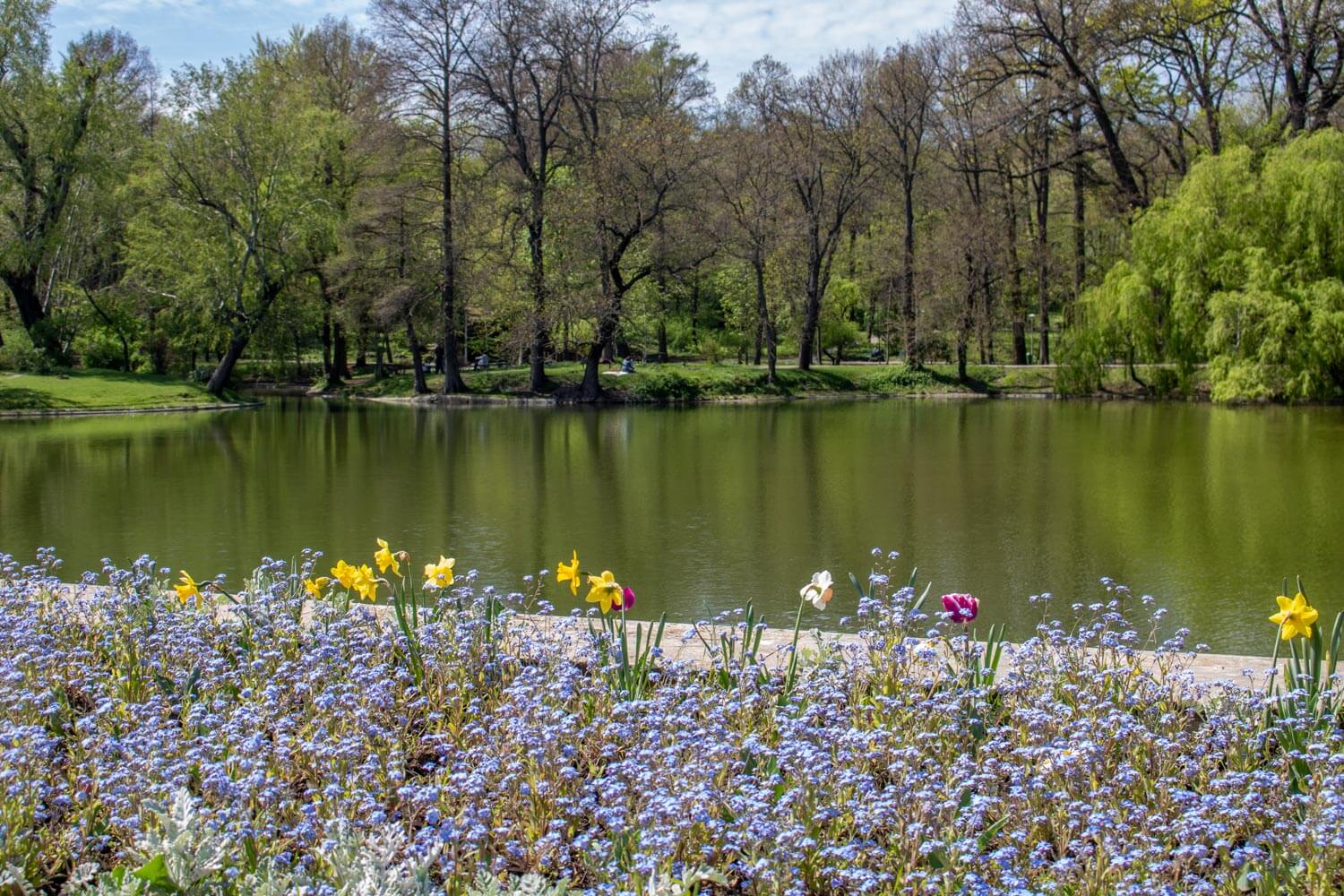
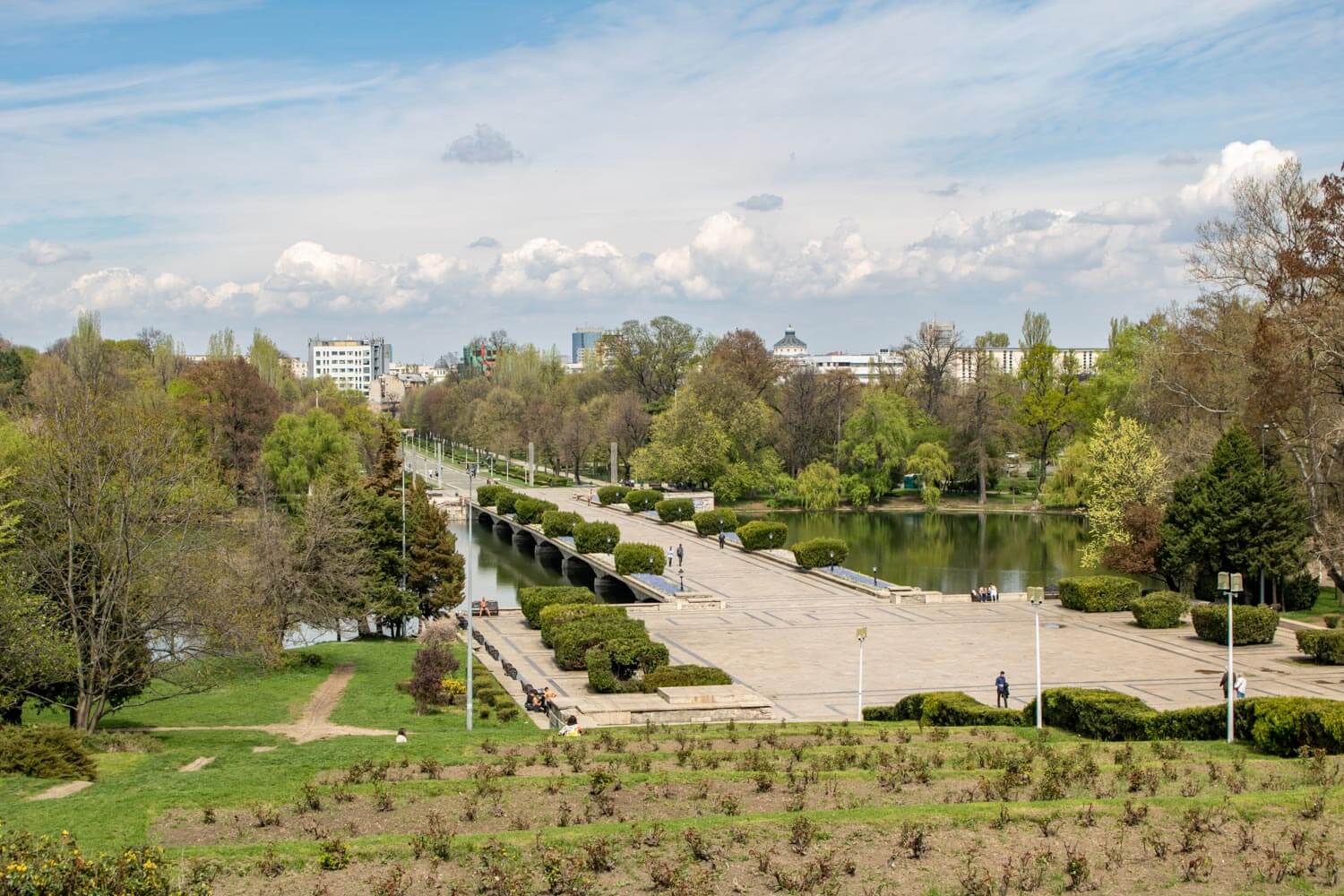
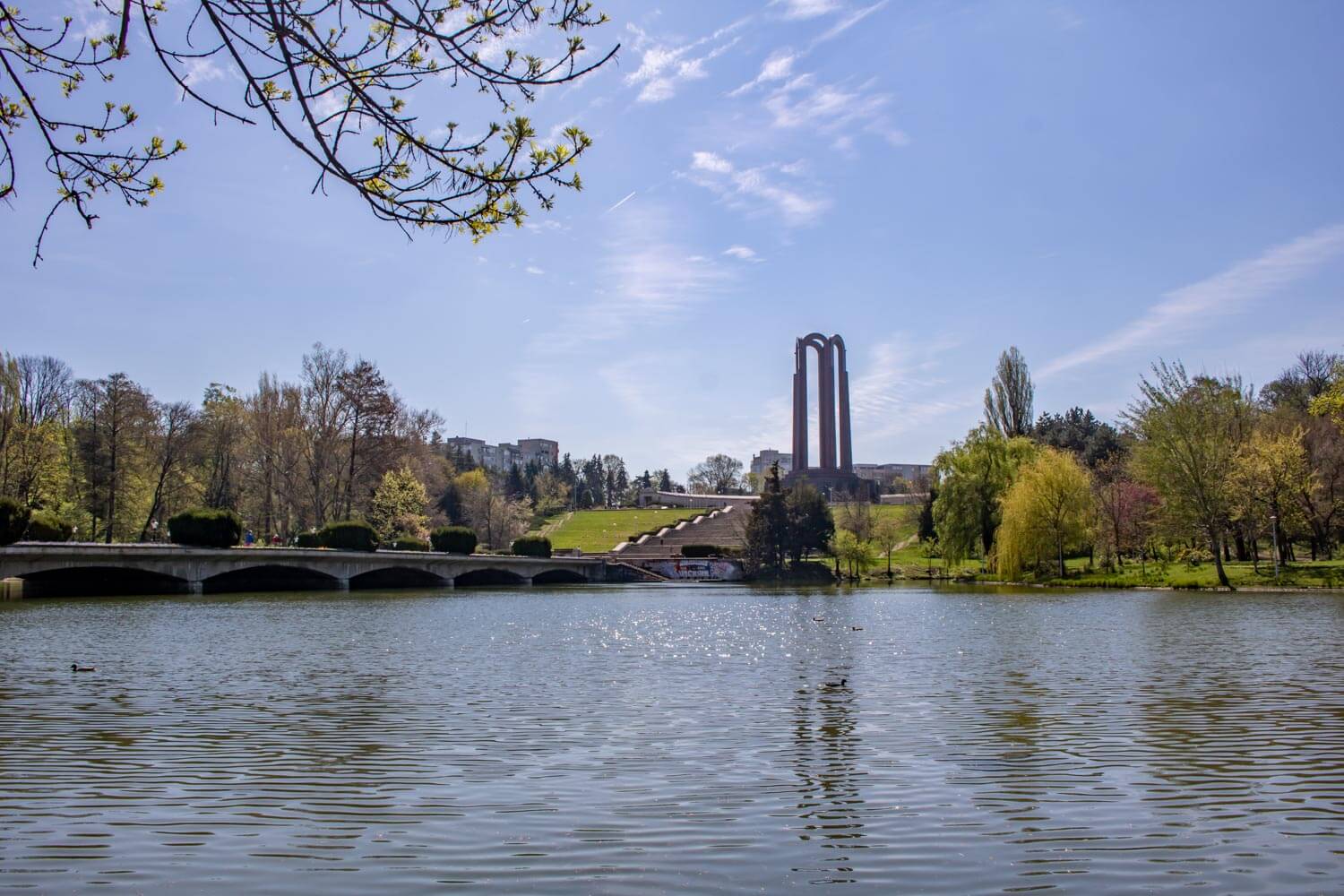
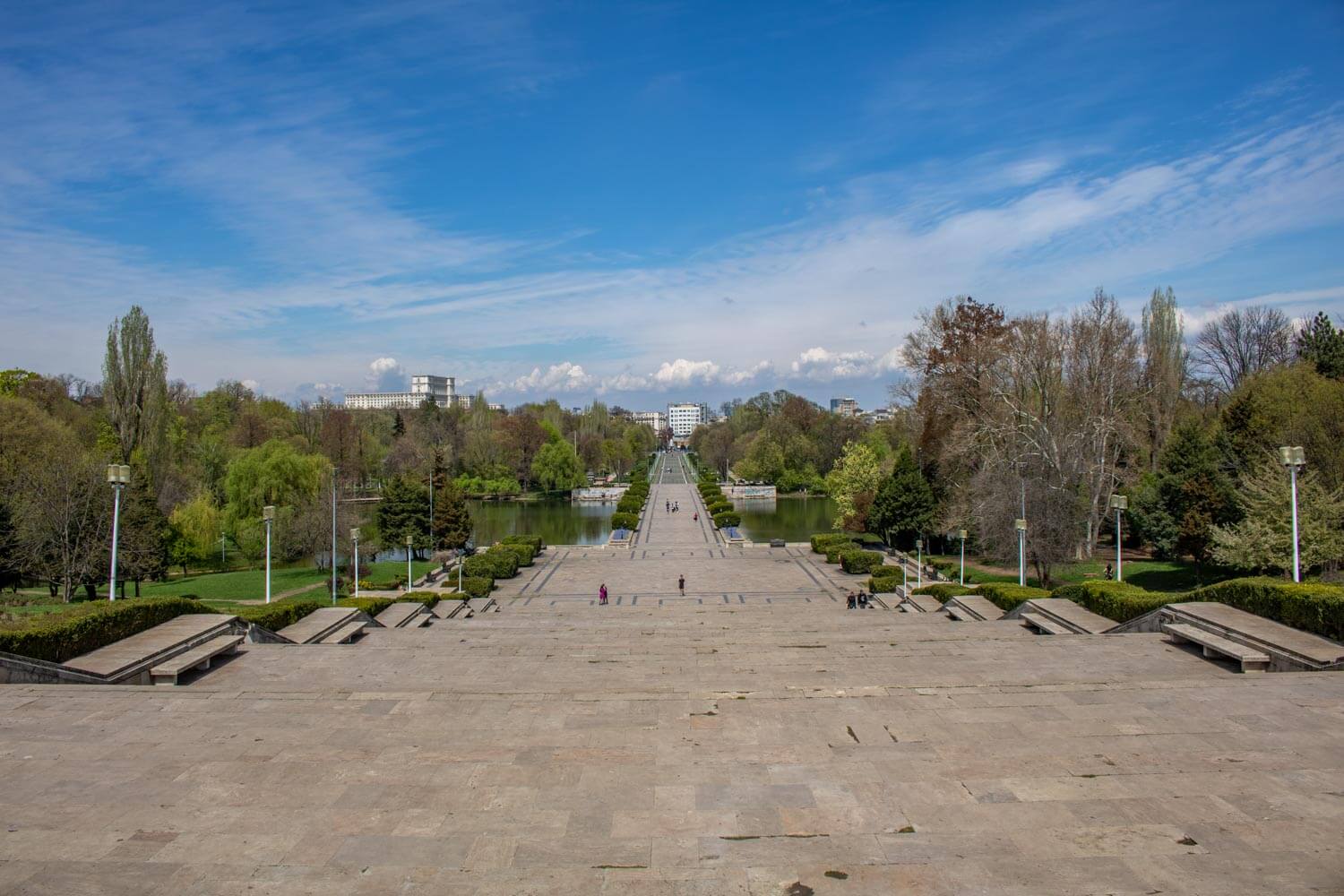
Carol I Park is one of the most important parks of Bucharest and the beautiful green space is a popular place for walking, running, or just relaxing with family or friends. The park has several walking paths, and one main alley which crosses the park from north to south with a bridge over the lake. While strolling around, you can discover several historic buildings and monuments across the park.
Zodiac Fountain
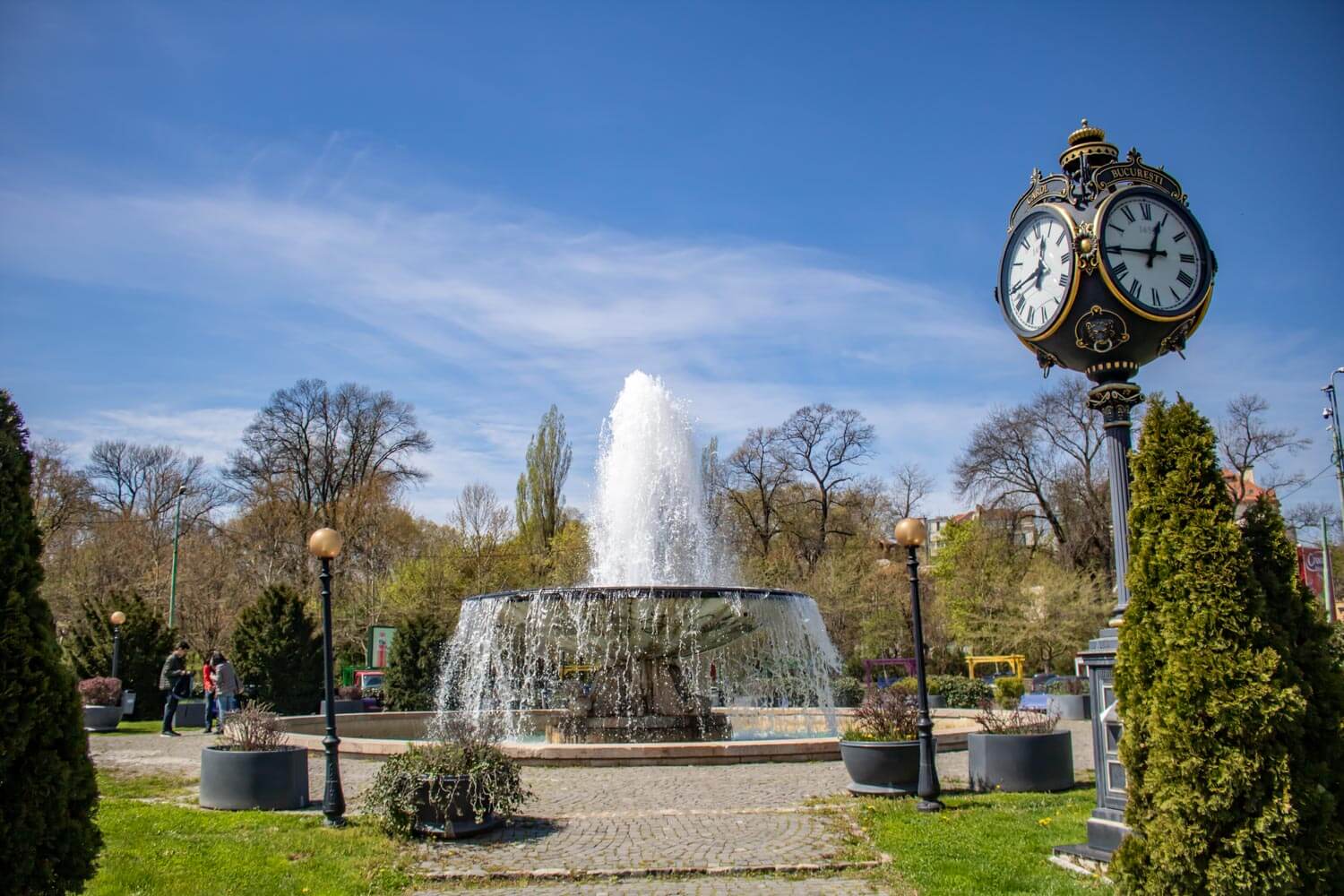
The Zodiac Fountain (Fântâna Zodiac) is a large fountain on Liberty Square in front of the northern entrance of the park. The fountain was inaugurated by King Carol I on the occasion of the Bucharest Month, an urban exposition in 1935. The fountain is the work of the architect Octav Doicescu and consists of a large round basin with a stone cup in the center. The black Art Deco-style mosaics in the back are the work of the sculptor Mac Constantinescu and represent the zodiac signs.
Monument to the Heroes of the Nation
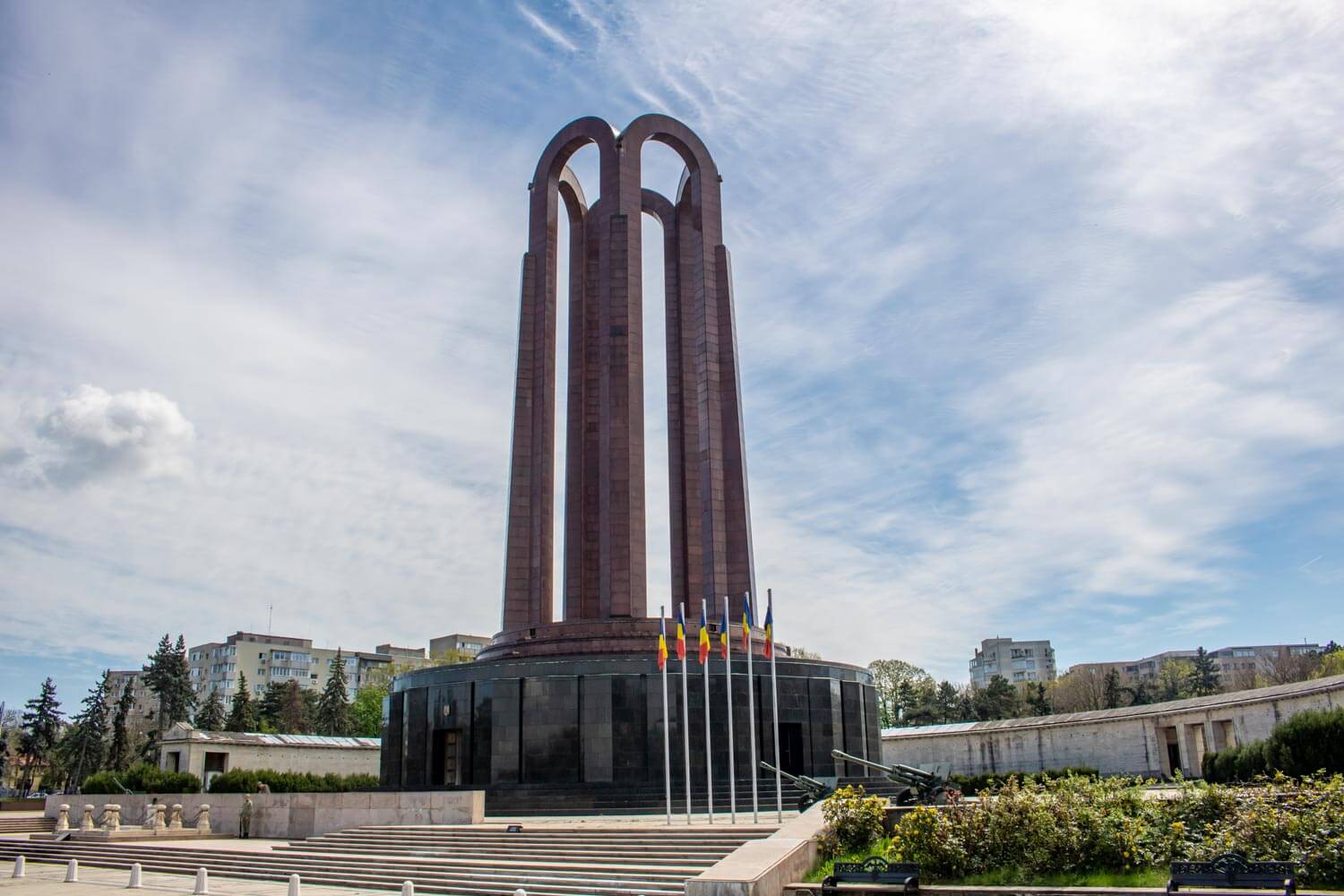
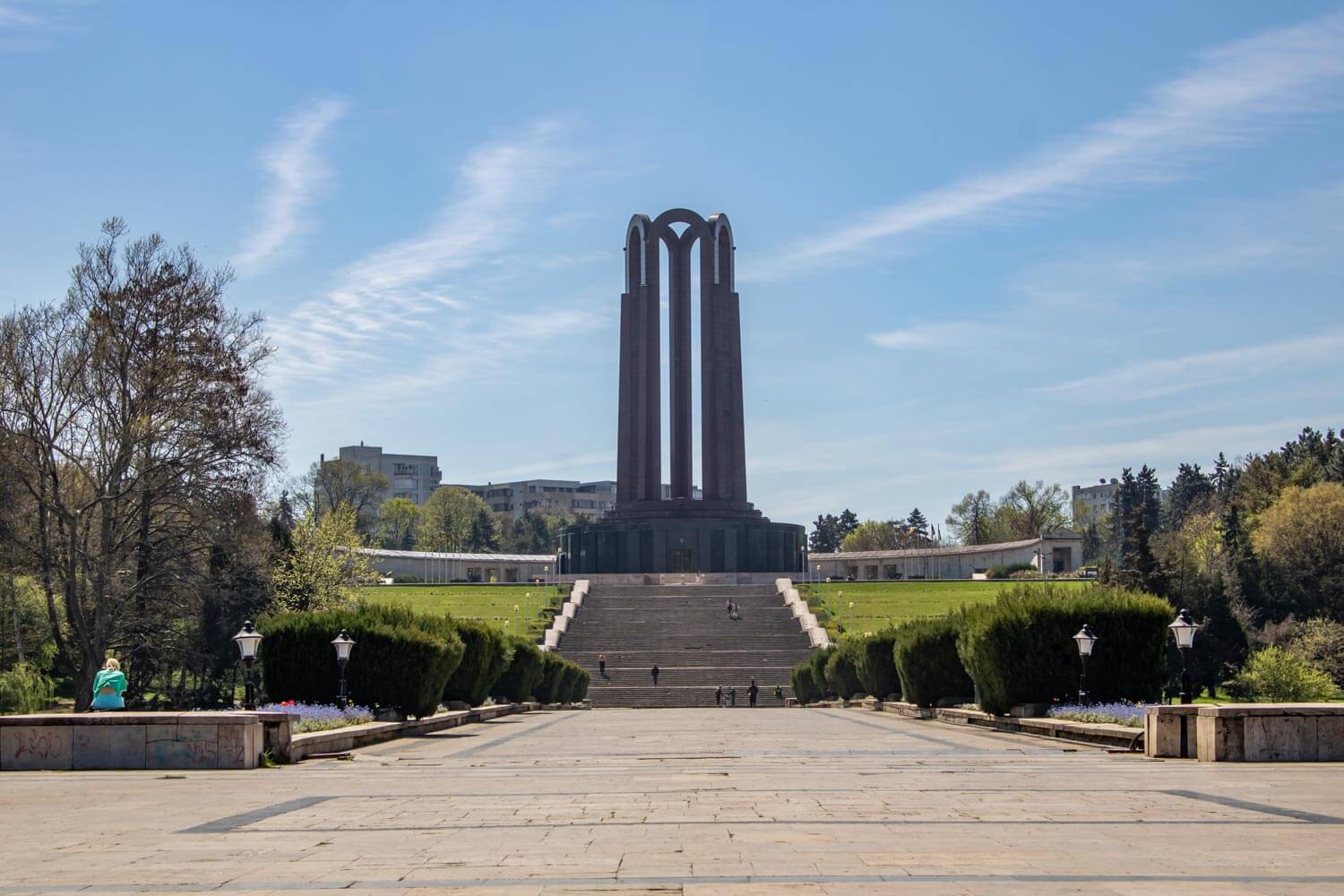
The central alley of the park leads up a large staircase to the Monument to the Heroes of the Nation. The controversial monument was built by the Communist regime in the 1960s and was almost demolished in 2004, but due to its cultural value it was saved and it is now protected heritage. The Tomb of the Unknown Soldier in front of the monument had already been installed in 1923 to commemorate the many soldiers who died during the First World War.
Vlad Tepeş Castle
Did you know that Bucharest has its own little Dracula castle? Vlad Tepeş Castle is a small replica of Poenari Castle, the castle of the medieval Wallachian ruler Vlad Tepeş, who is often referred to as Dracula. The replica castle was built to cover a water tower that King Carol I deemed too ugly to be seen from the park.
Roman Arenas
The Carol I Park also has its own Roman-style open-air amphitheater, the Roman Arenas. This is one of the original buildings in the park and hosted spectacular shows to entertain the guests of the Romanian General Exhibition in 1906.
Technical Museum Dimitrie Leonida
Near the northern entrance you can find the Technical Museum Dimitrie Leonida, which was founded in 1909 and moved to the park in 1928. The museum takes you through the evolution of technology in Romania over time.
Cantacuzino Fountain
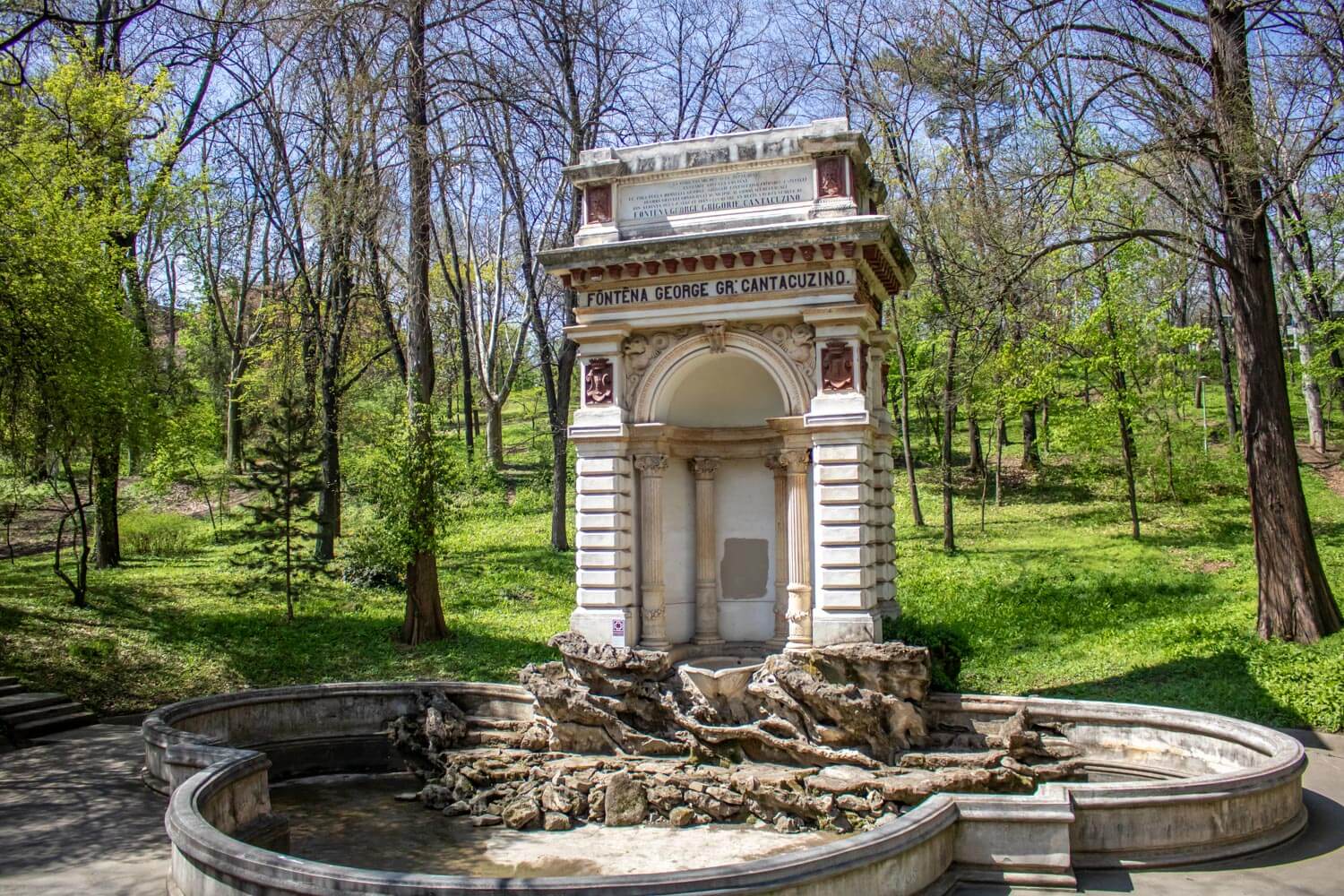
The Cantacuzino Fountain dates from 1870 and was built by the mayor of Bucharest of that time, George Grigore Cantacuzino. The Neoclassical design is the work of the architect Freiwald and the sculptor Karl Storck and many consider the fountain the most beautiful one in the city.
1906 Fountain
Another historic fountain can be found close to the Roman Arenas. The 1906 Fountain was built by the Mines and Quarries Service of the Ministry of Agriculture, Industry, Trade and Domains for the Romanian General Exhibition in 1906. The fountain is designed in an Italian style with marble and granite stones from quarries around Romania.
Giants’ Statues
In the center of the park, you can find two sculptures on the flanks of the main path, an ensamble called the Giants’ Statues built for the General Exhibition of 1906. Frederic Storck and Dimitrie Paciurea each created one of the statues depicting a story of two brothers who were in love with the same woman, the Sleeping Beauty. The woman who had to choose between the two brothers was depicted by a third statue by Filip Marin, but this was moved to the King Michael I Park during the Communist period. According to the legend the woman loved both of them and therefore decided she couldn’t give herself to either of them.
Statues And Busts
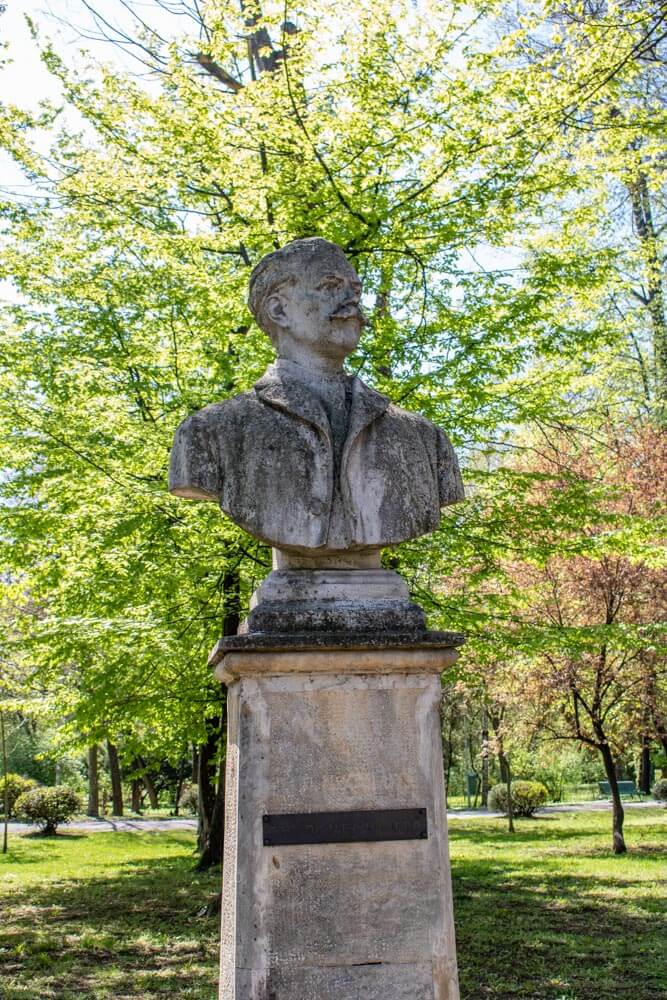
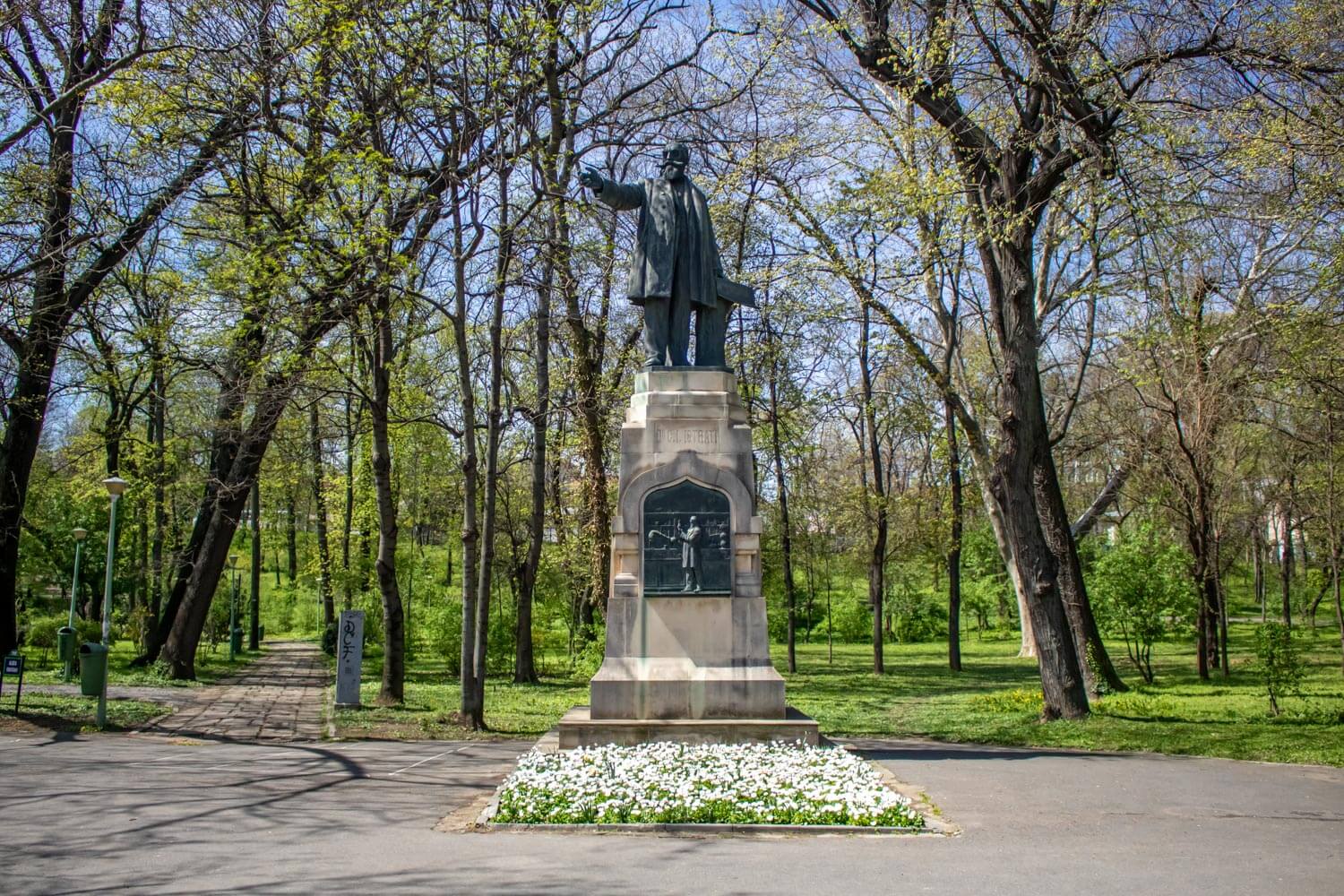
Inside the park you can also find statues and busts of several historic figures, including George Coșbuc, Alexandru Sahia, Nicolai Bălcescu, and Constantin Istrati.
Around The Park
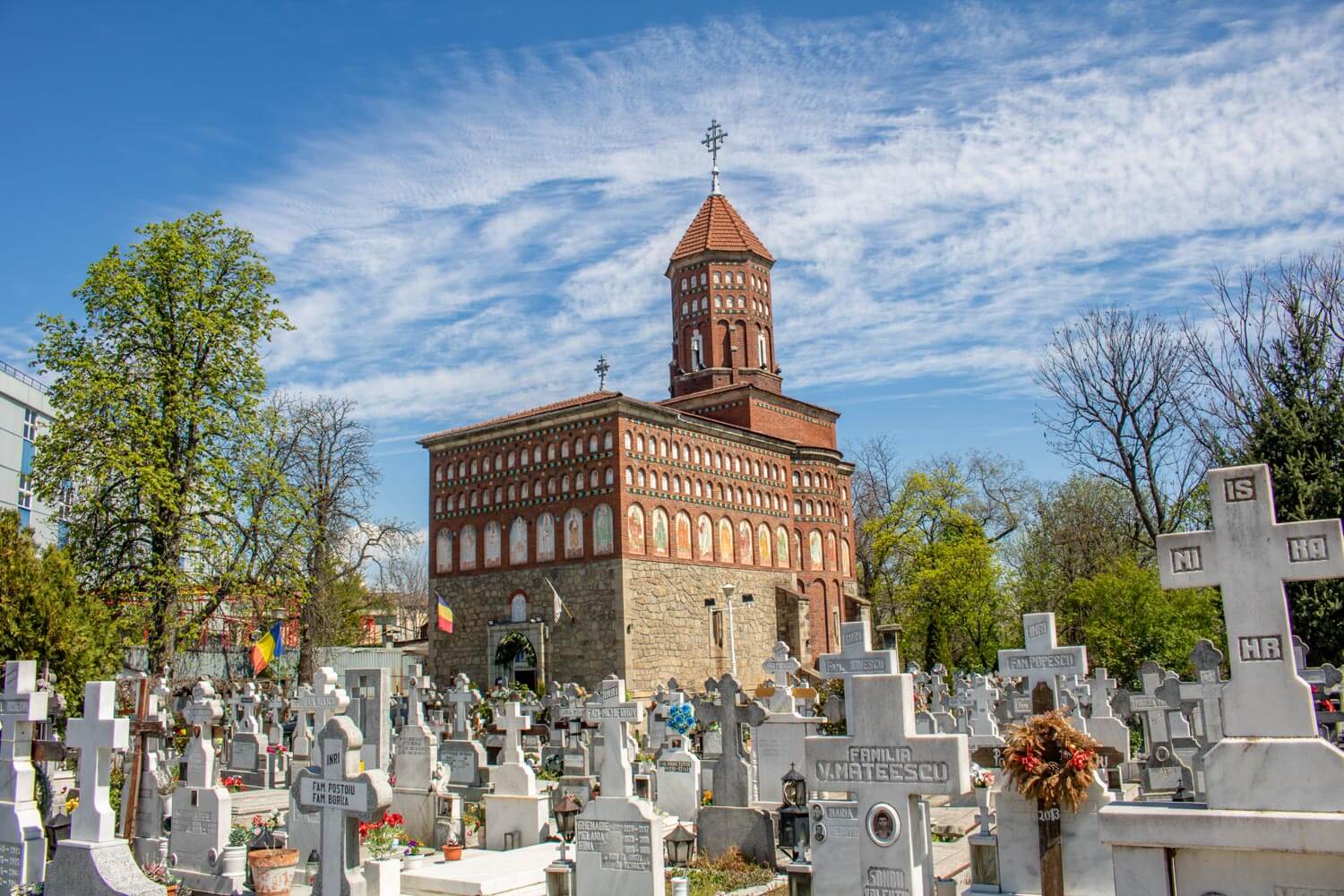
Just outside the park, near the Roman Arenas, you can find the Silver Knife Church which was also built for the festivities of the 40th anniversary of the coronation of King Carol I. Just south of the park you can visit the enormous Youth Park and the Bellu Cemetery where many famous Romanians are buried.
Facilities At Carol I Park
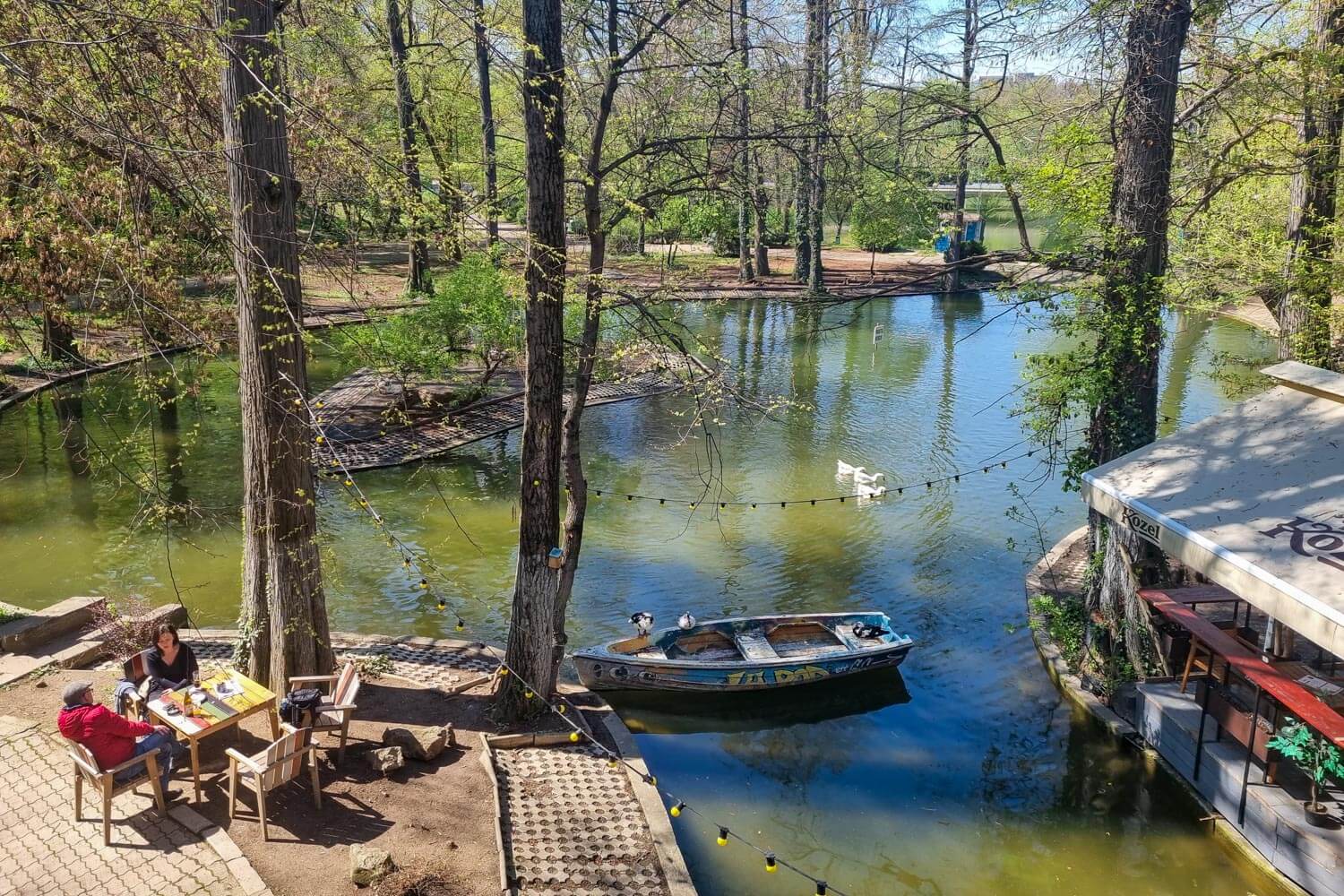
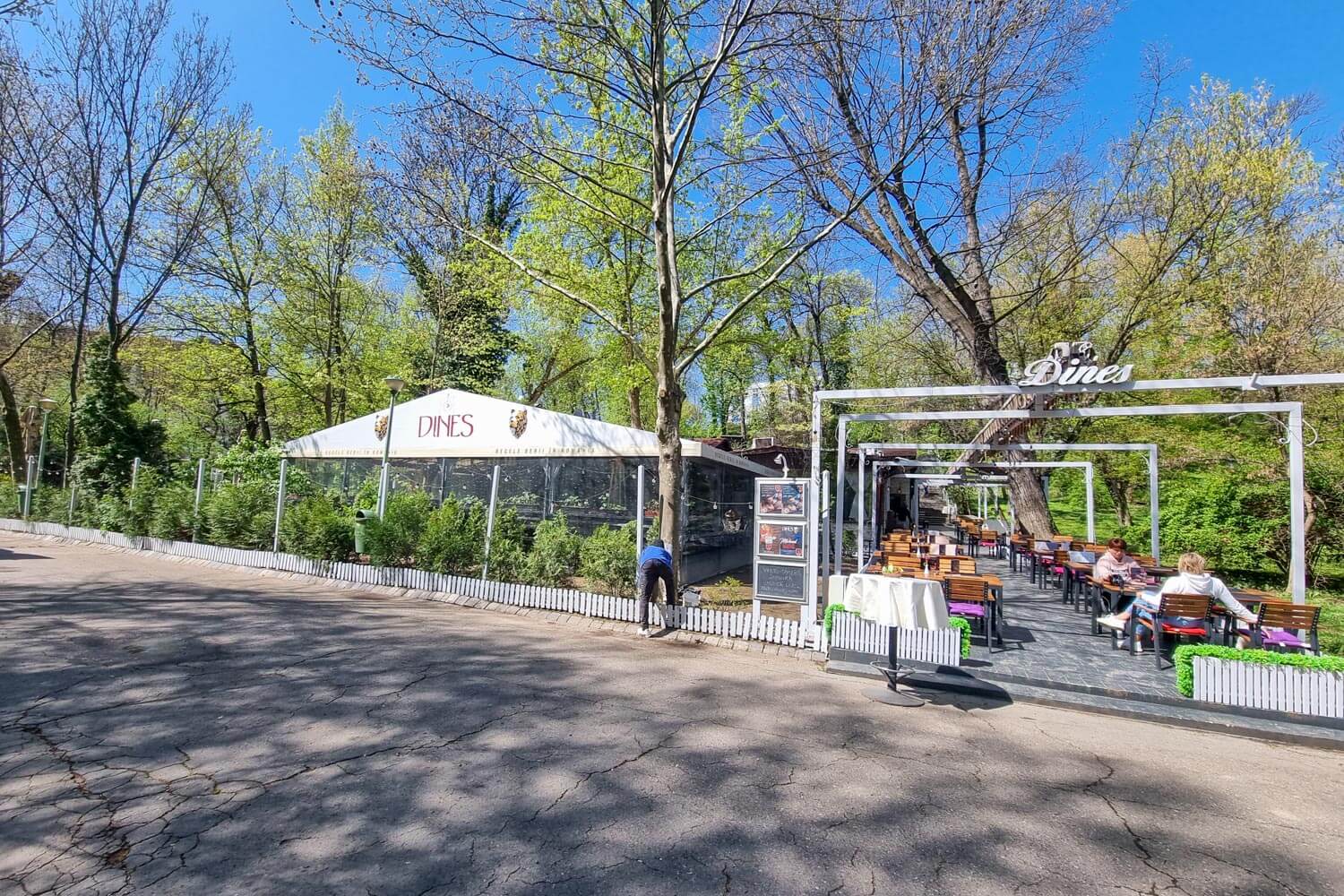
Inside the park there are several restaurants, kiosks, children’s playgrounds, public toilets, and a dog park.