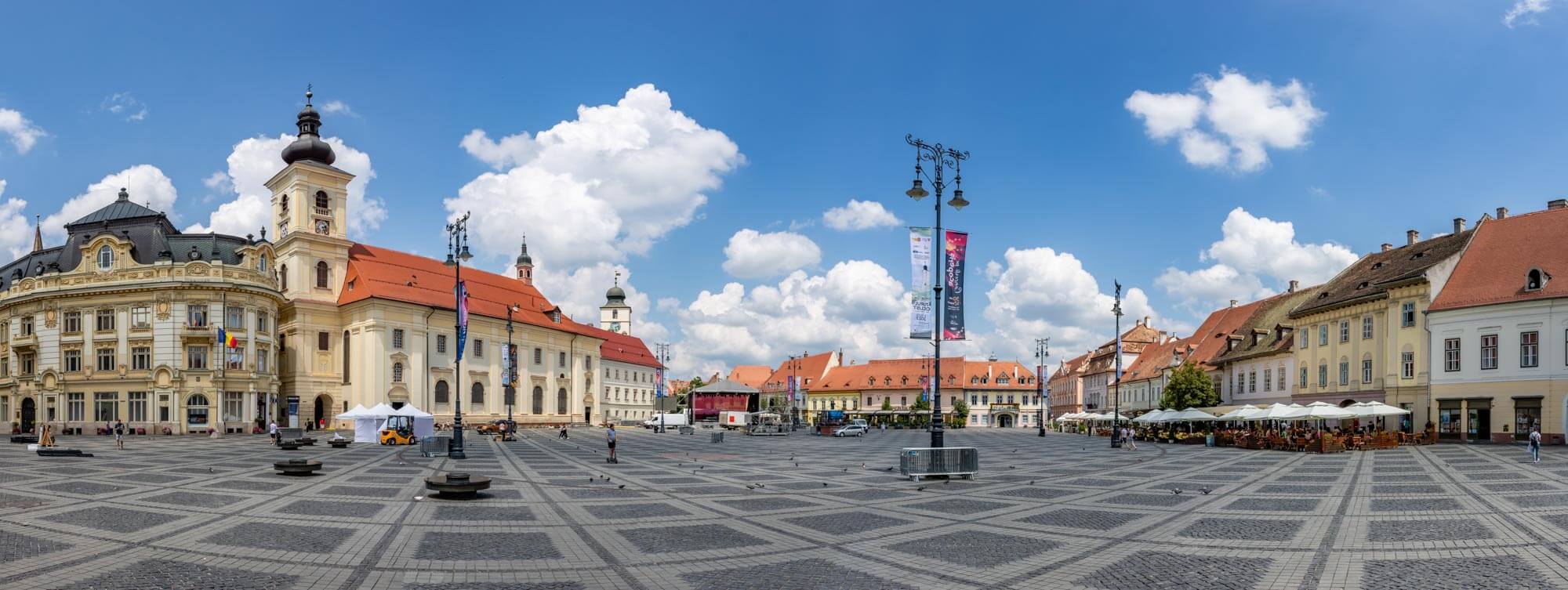
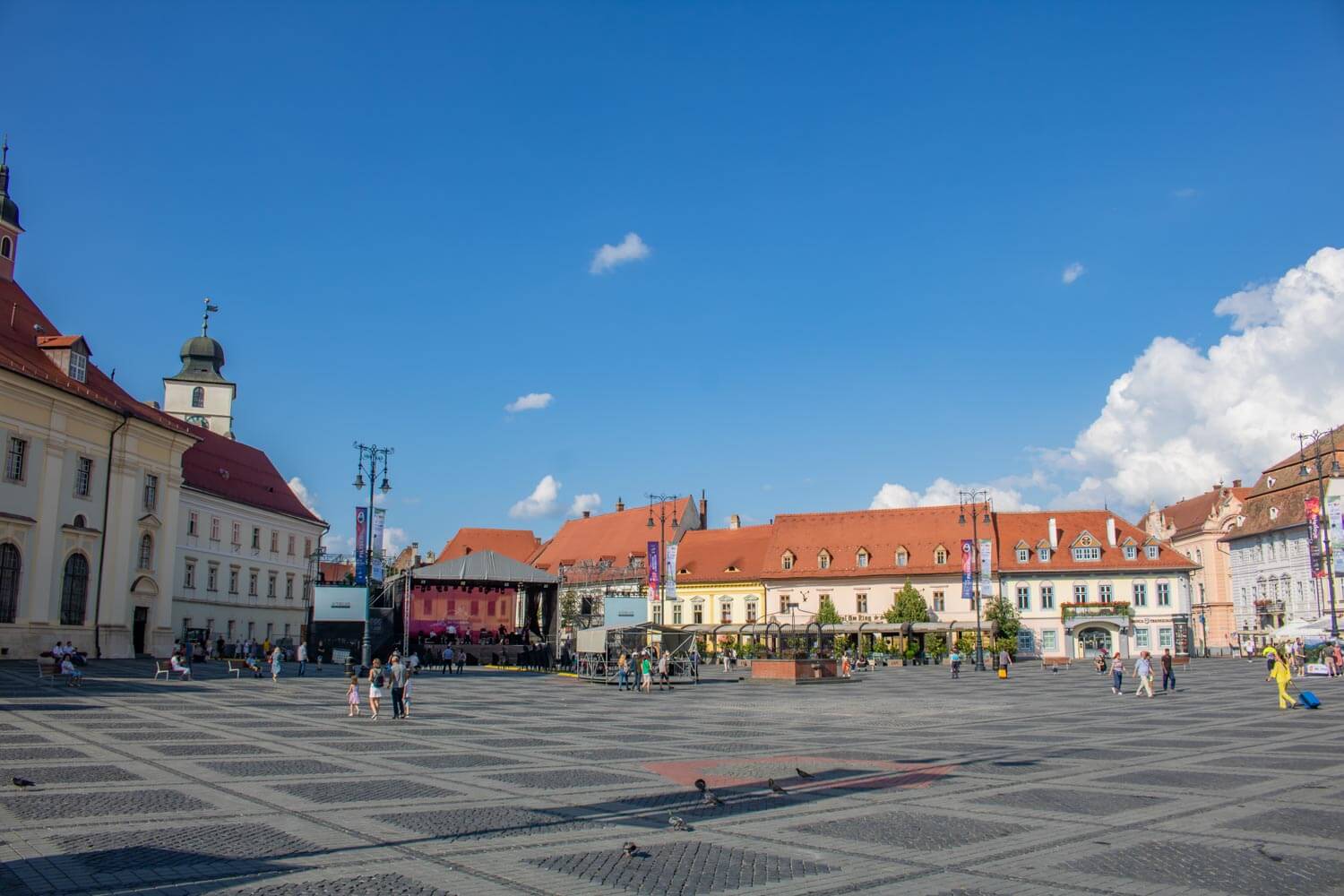
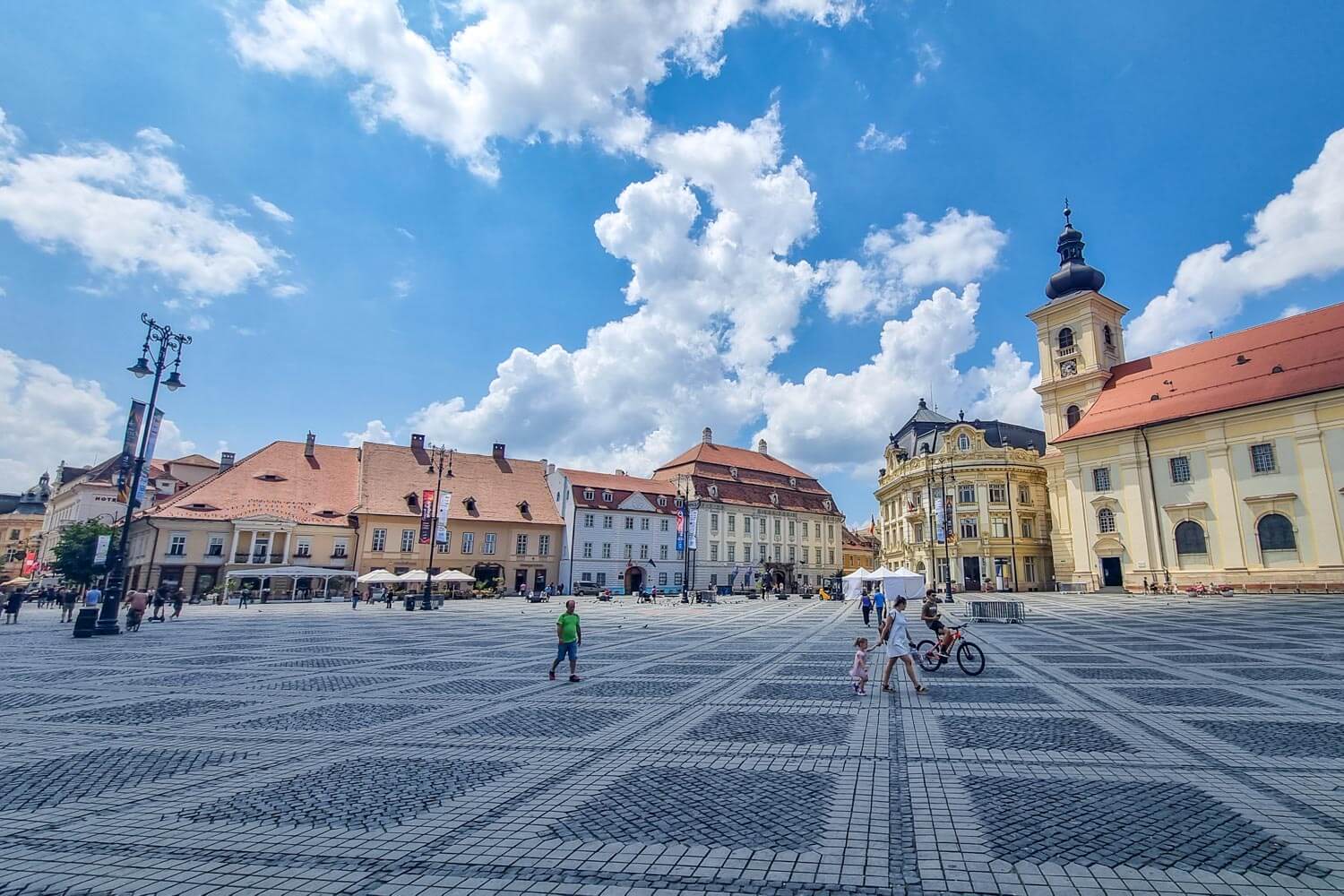
The Large Square (Piața Mare) is the main historic square of Sibiu and the central public space of the Upper Town. It took shape as the medieval city expanded within its third fortified enclosure in the 14th century and gradually became the principal place for trade, ceremonies, justice and public gatherings.
The square is documented as a grain market in 1411, although it had already existed for several decades by then. Its commercial importance grew together with Sibiu itself, bringing merchants, guilds and townspeople into the open space while wealthy families built increasingly substantial houses around its edges. By the 16th century, the Large Square had become the center of everyday public life in the city, used not only for markets but also for official announcements and major gatherings.
Justice was carried out just as publicly. A pillory topped by a statue of Roland stood on the eastern side from the 16th century, while a scaffold remained in use until 1783. One of the best-known executions was that of Johann Zabanius Sachs von Harteneck in 1703. Between 1724 and 1757, people who disturbed the peace at night could also be displayed during the day in the so-called “lunatics’ cage,” showing how punishment and public spectacle formed part of the same square used for commerce and celebrations.
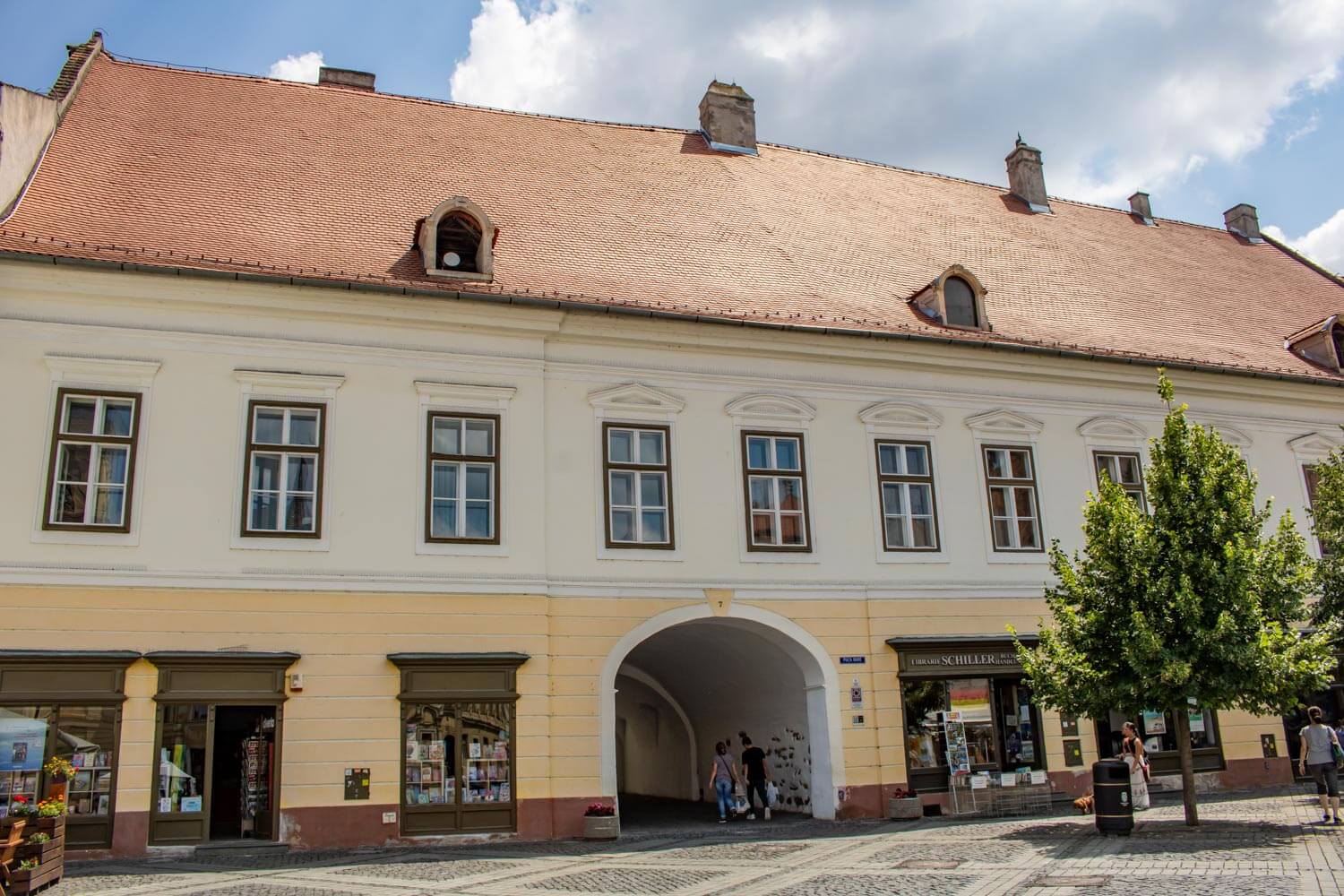
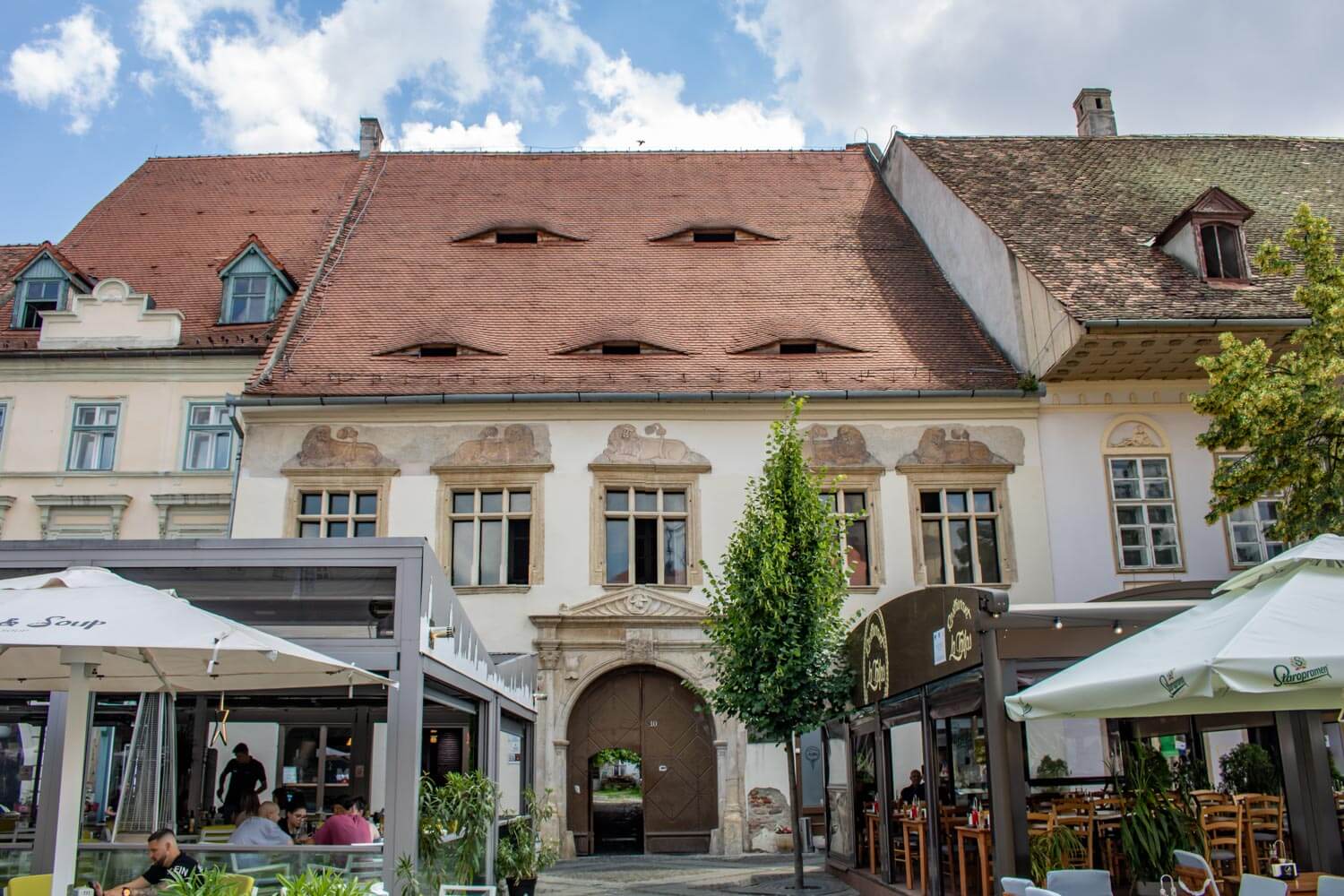
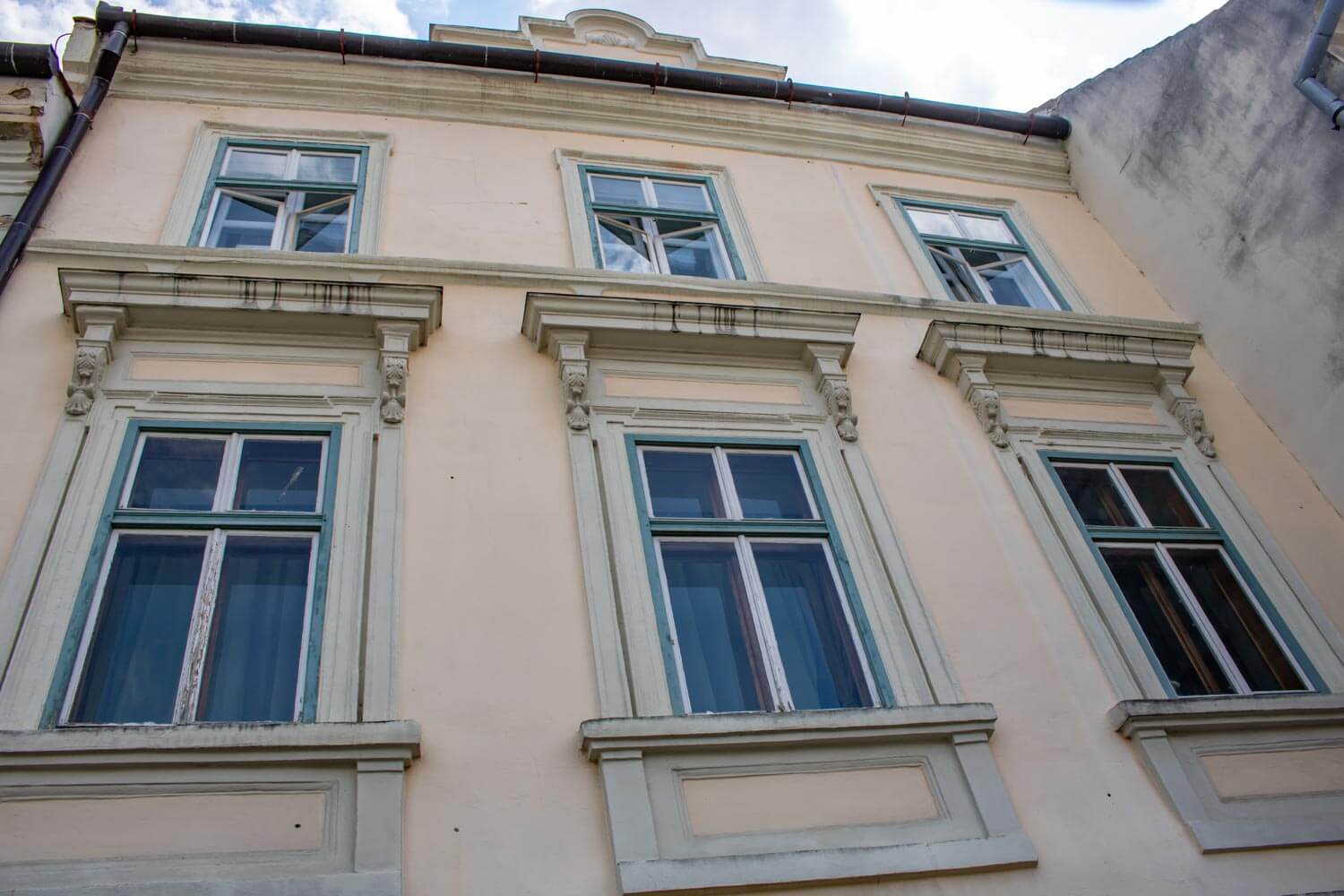
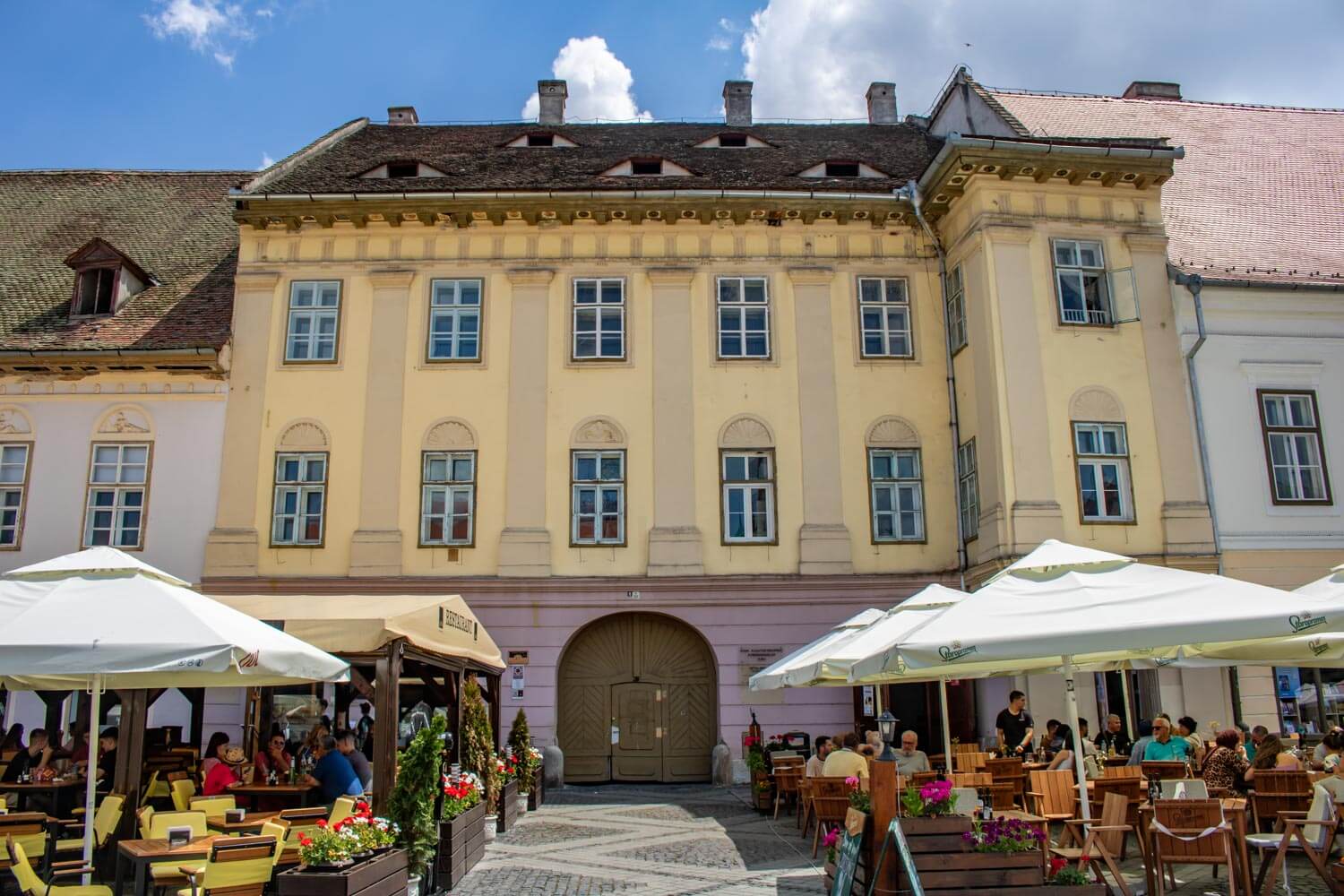
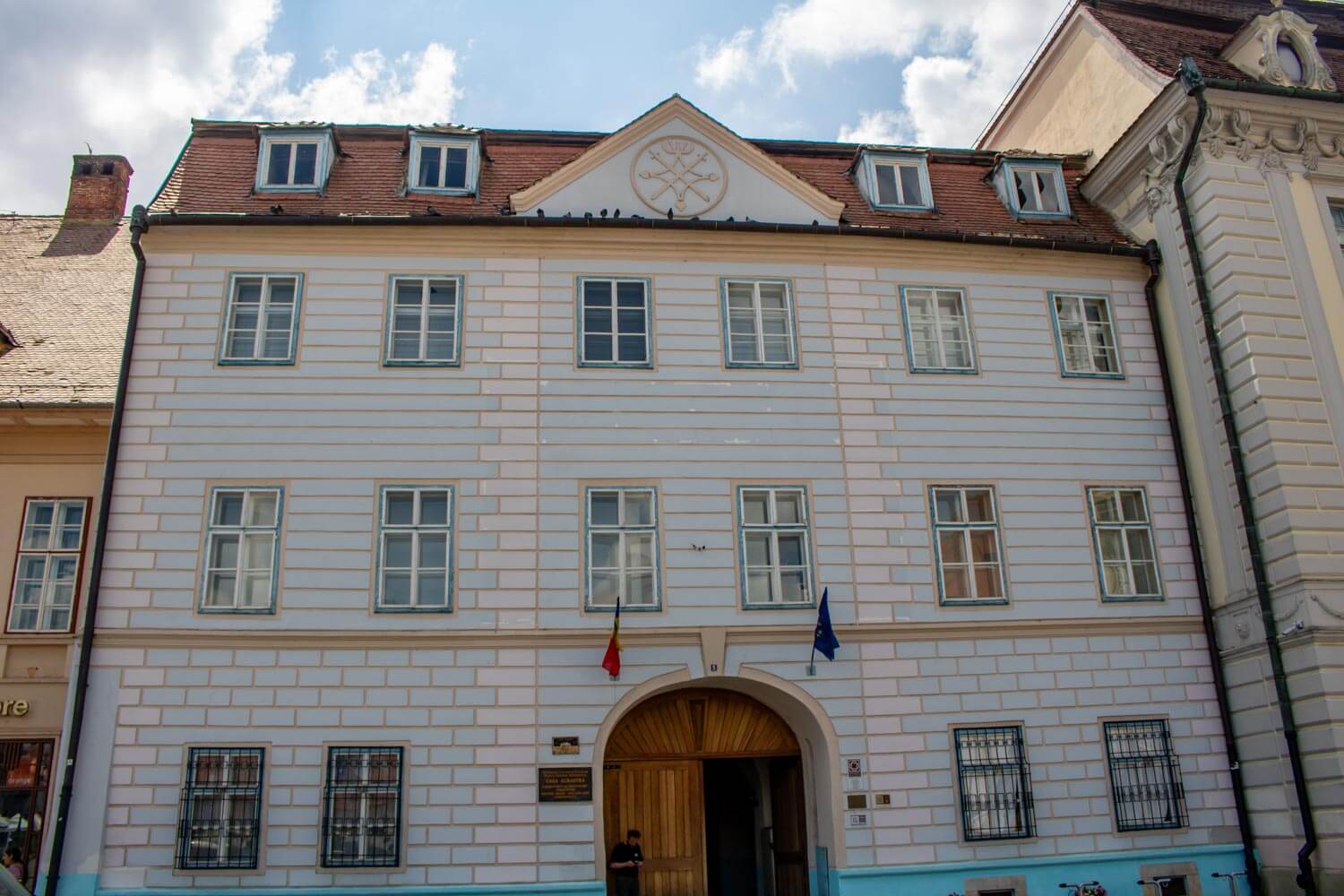
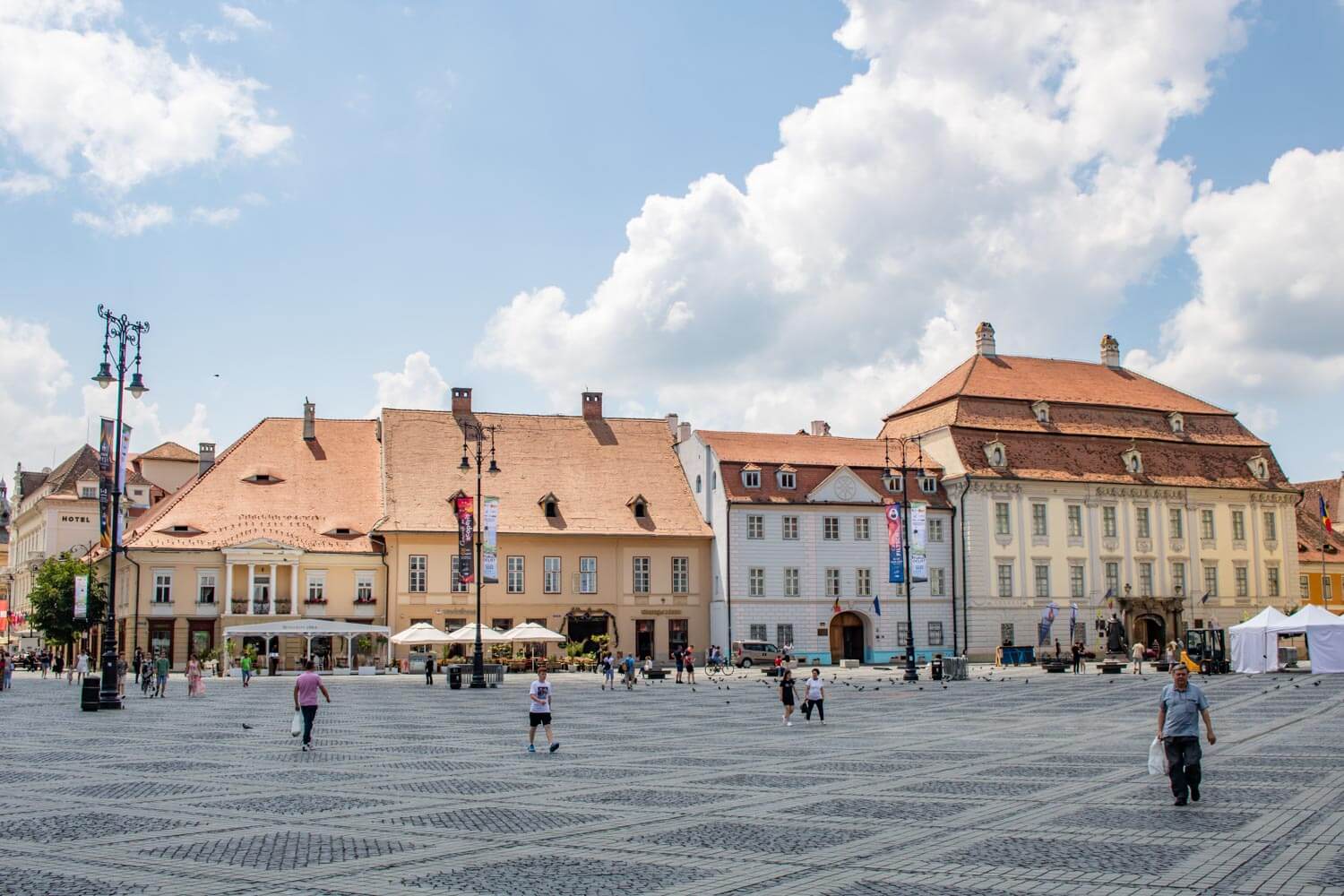
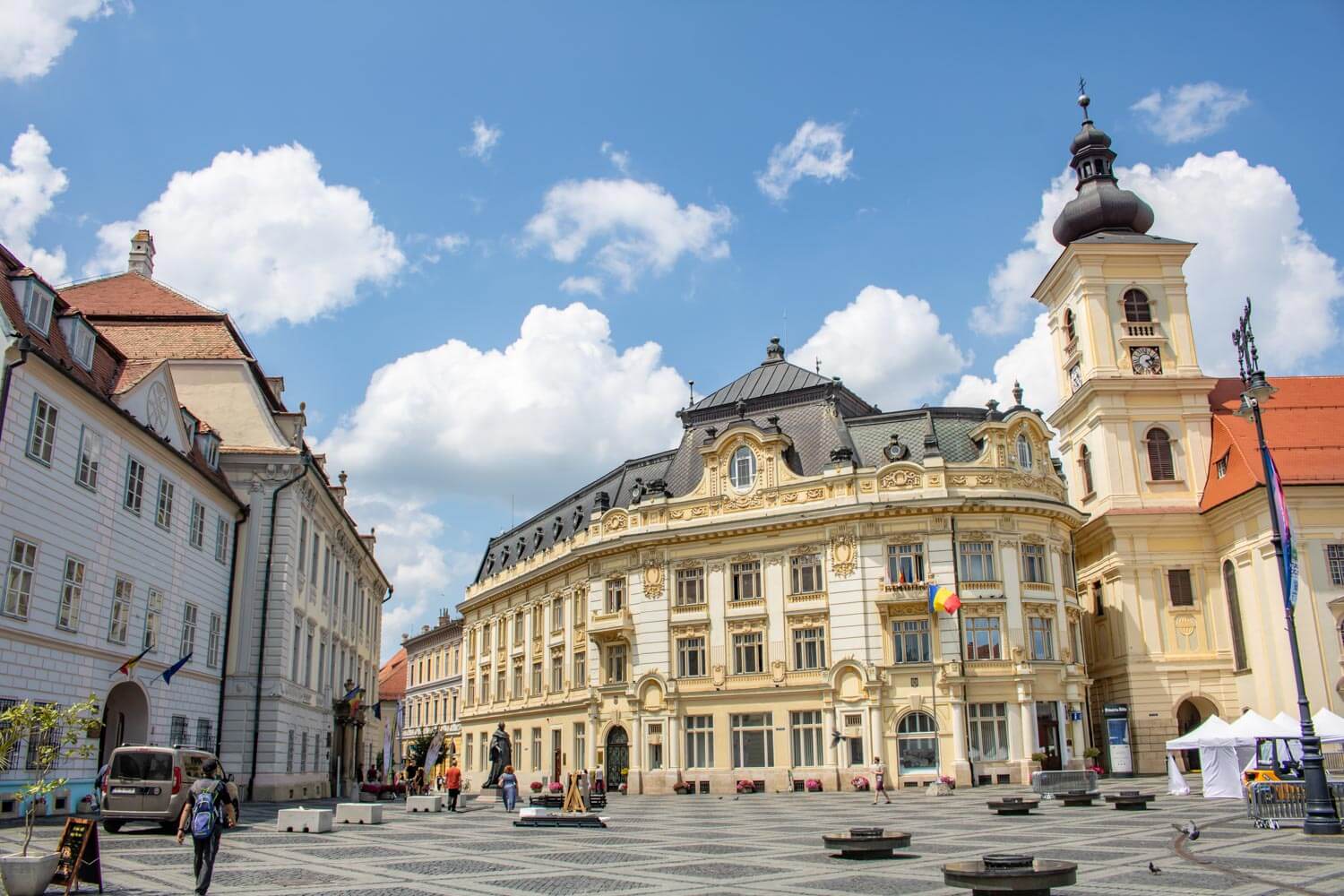
The open space changed repeatedly as those older functions disappeared. A public fountain is documented from 1538 and was later rebuilt and decorated several times, while the 18th century brought the statue of Saint John of Nepomuk and new Baroque architecture around the square. Brukenthal Palace later transformed the western side, while older medieval houses continued to be enlarged and remodeled rather than being replaced altogether. The resulting mix of Gothic, Renaissance, Baroque and later façades is one of the defining features of the square today.
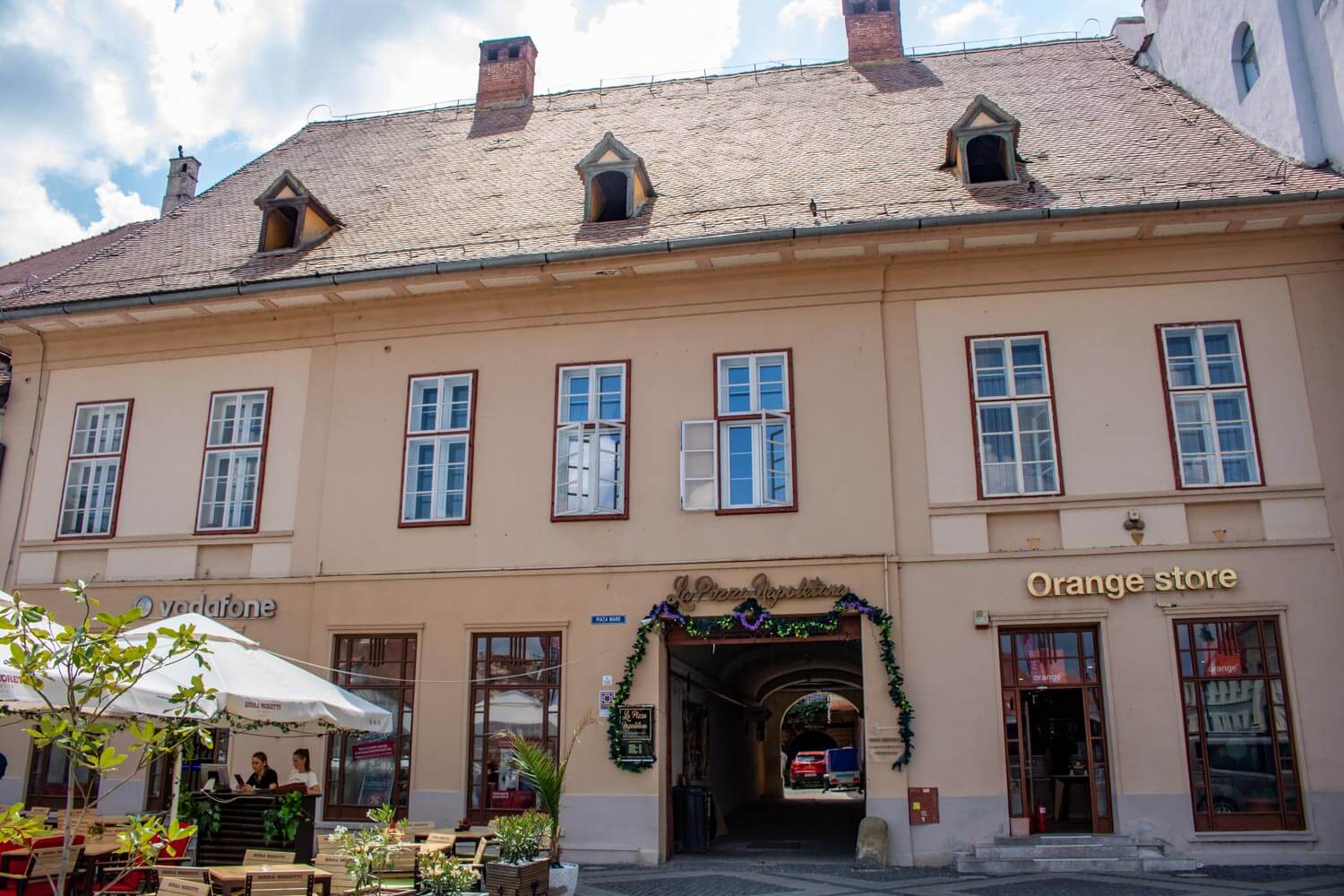
During the 19th century, granite paving, street lighting and hackney carriages changed both the appearance and everyday use of the square. Lime trees were planted along parts of its edge, while shops, cafés and other businesses increasingly occupied the ground floors of the surrounding houses. After World War II, the Saint John of Nepomuk statue and historic fountain were removed and the center of the square was turned into a planted park in 1950. The greenery was cleared again in the 1980s, reopening the broad central space, before a major rehabilitation in 2005-2006 introduced the present paving and reconstructed fountain.
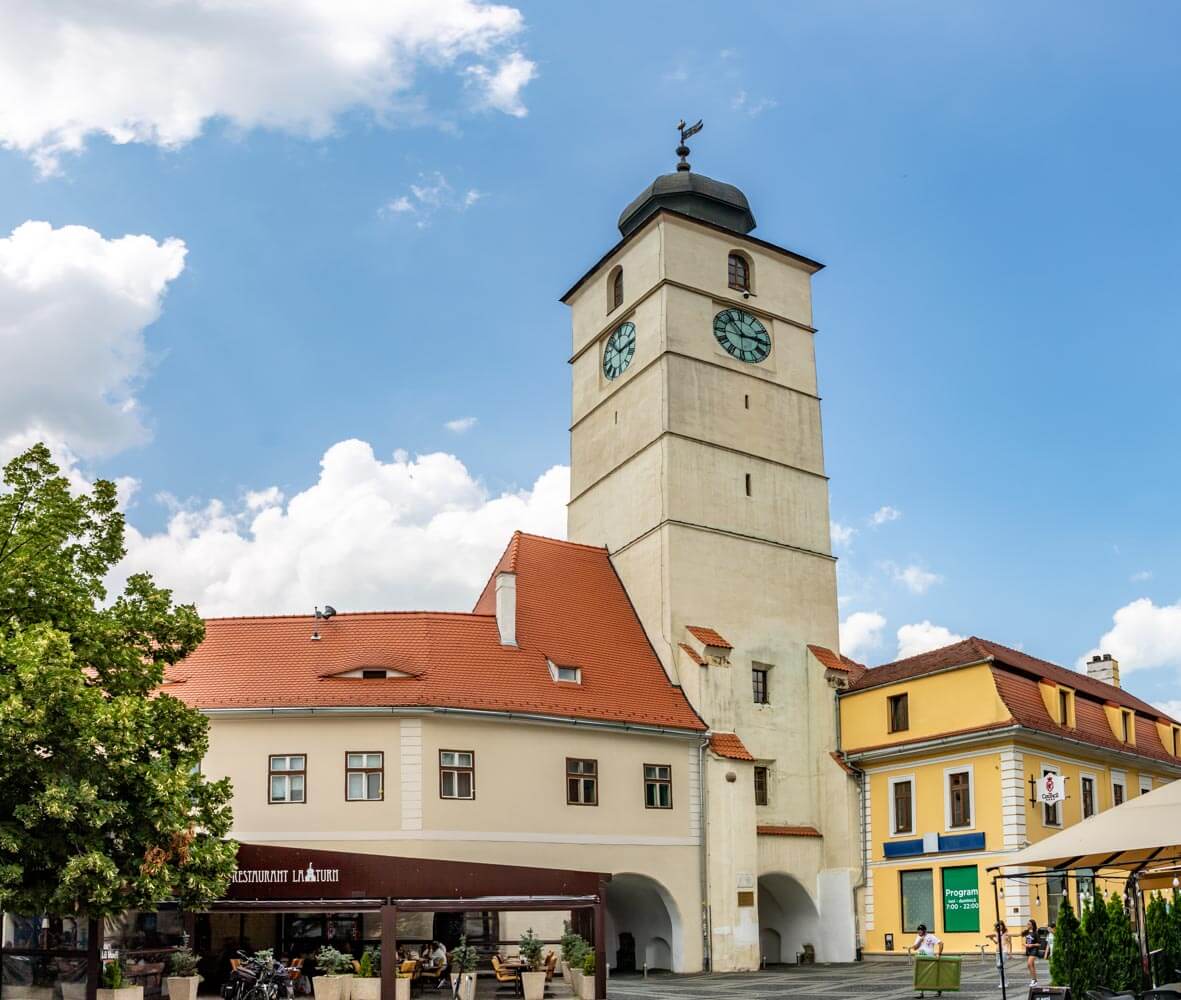
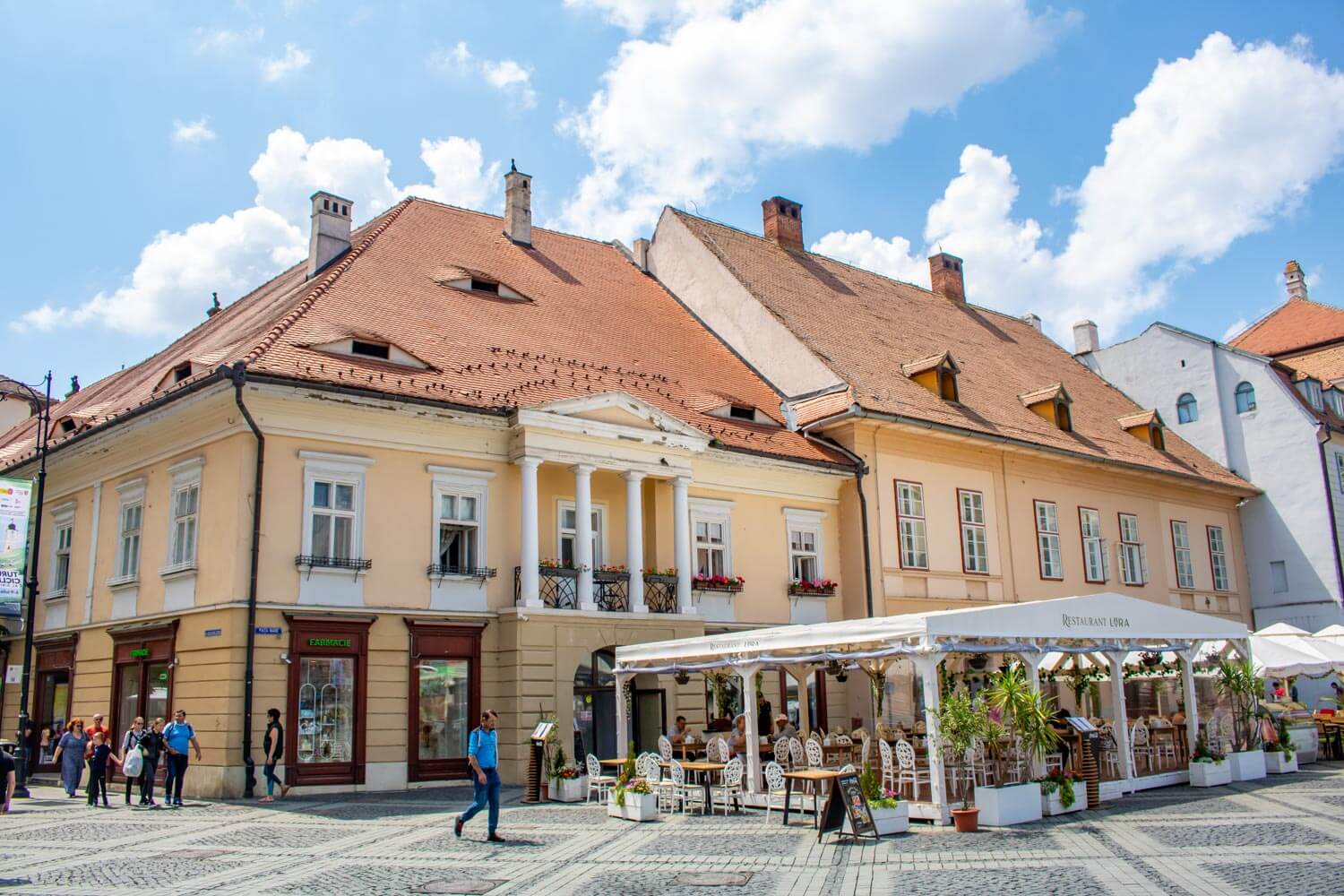
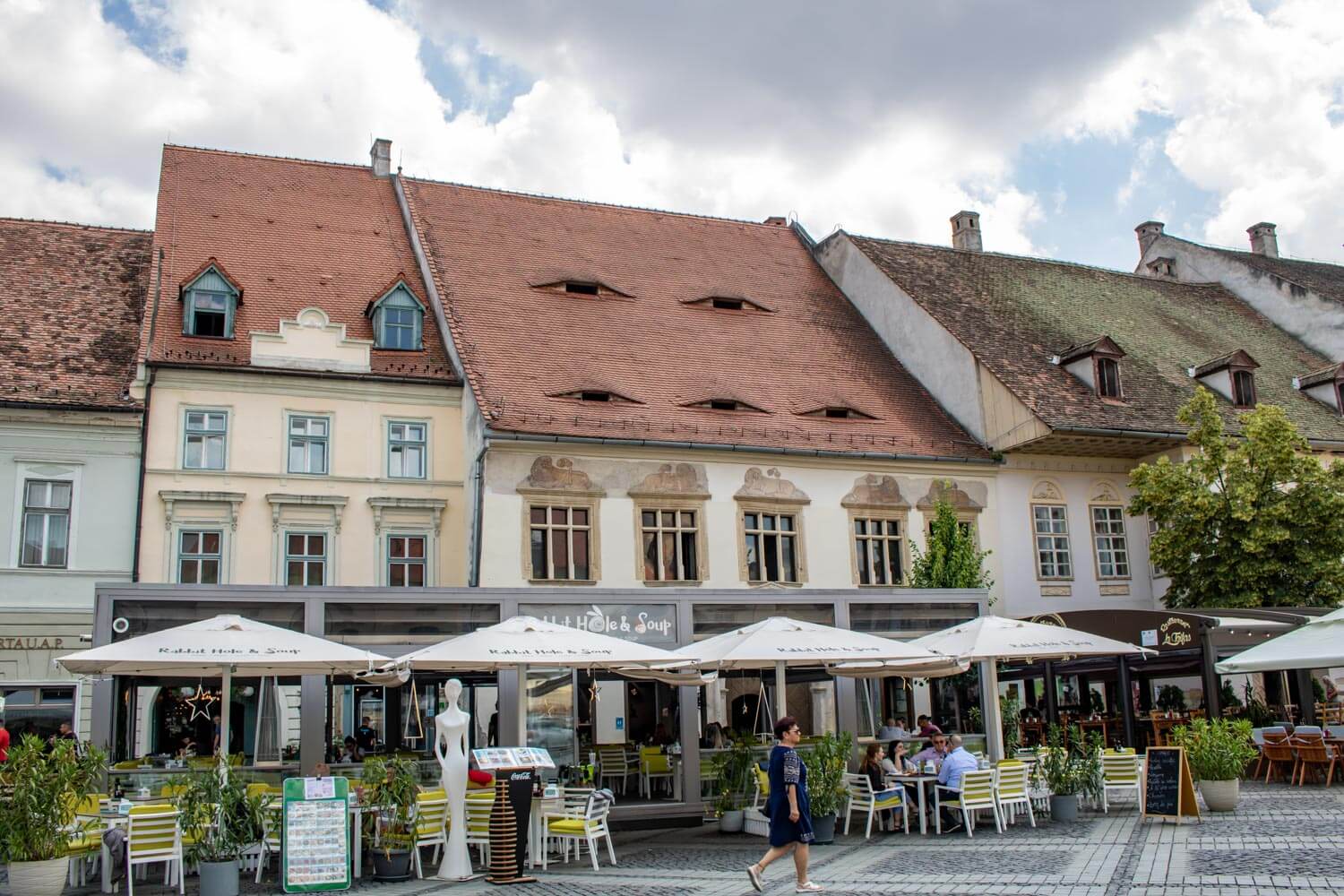
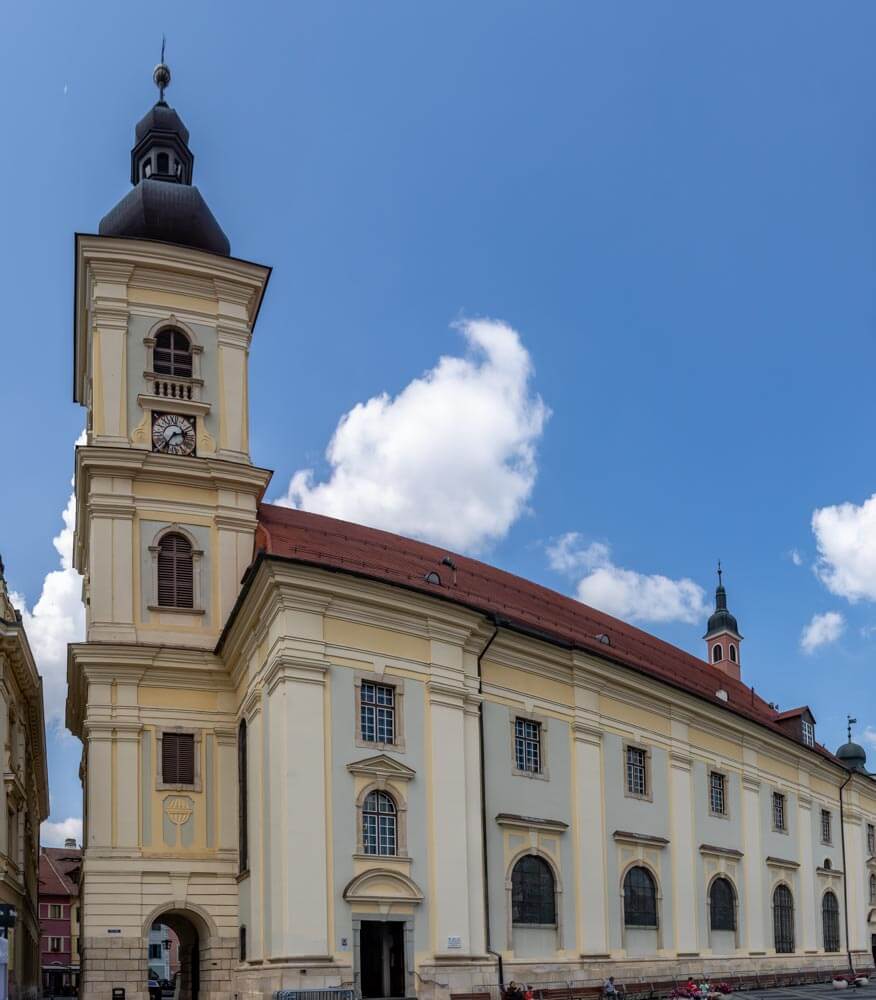
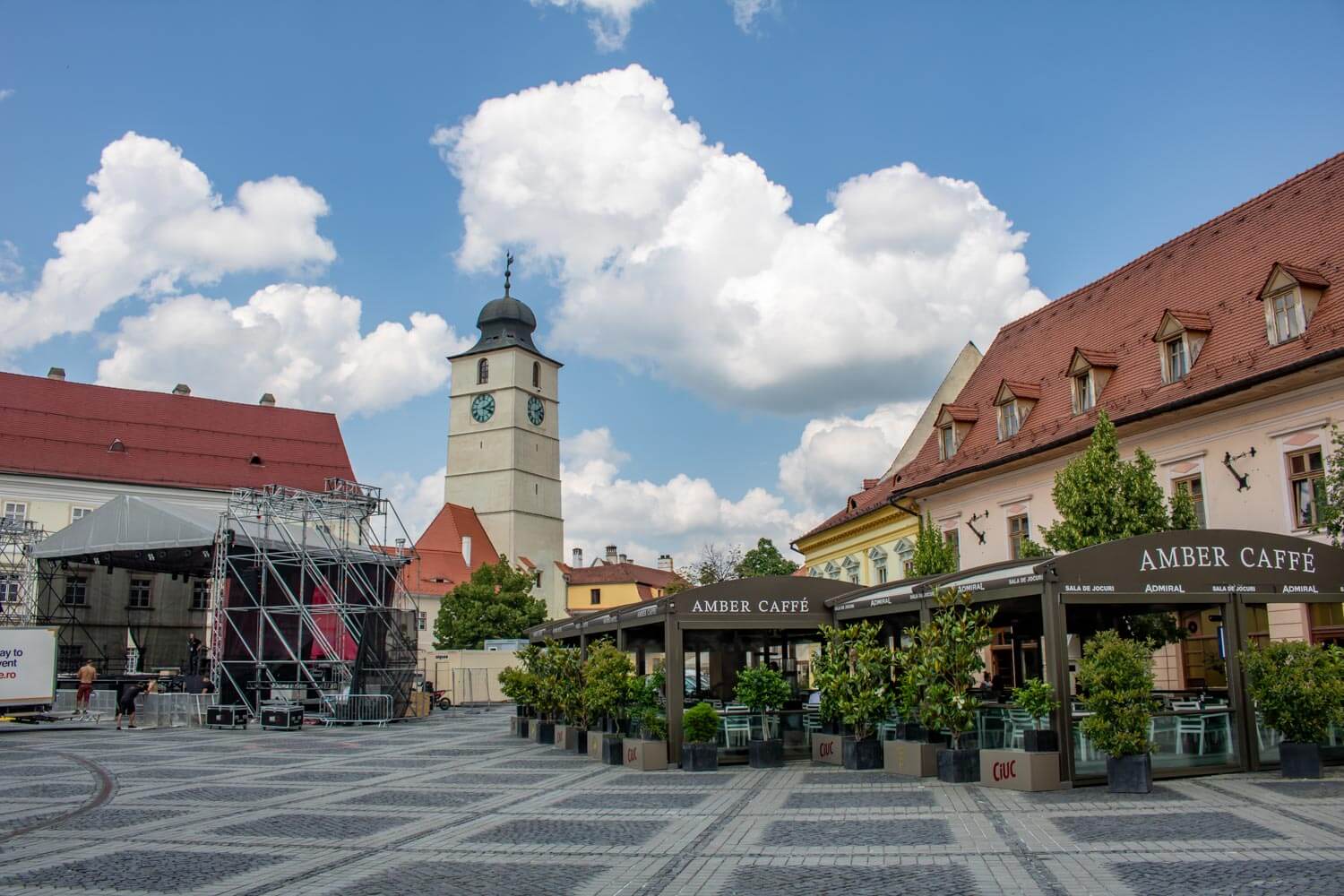
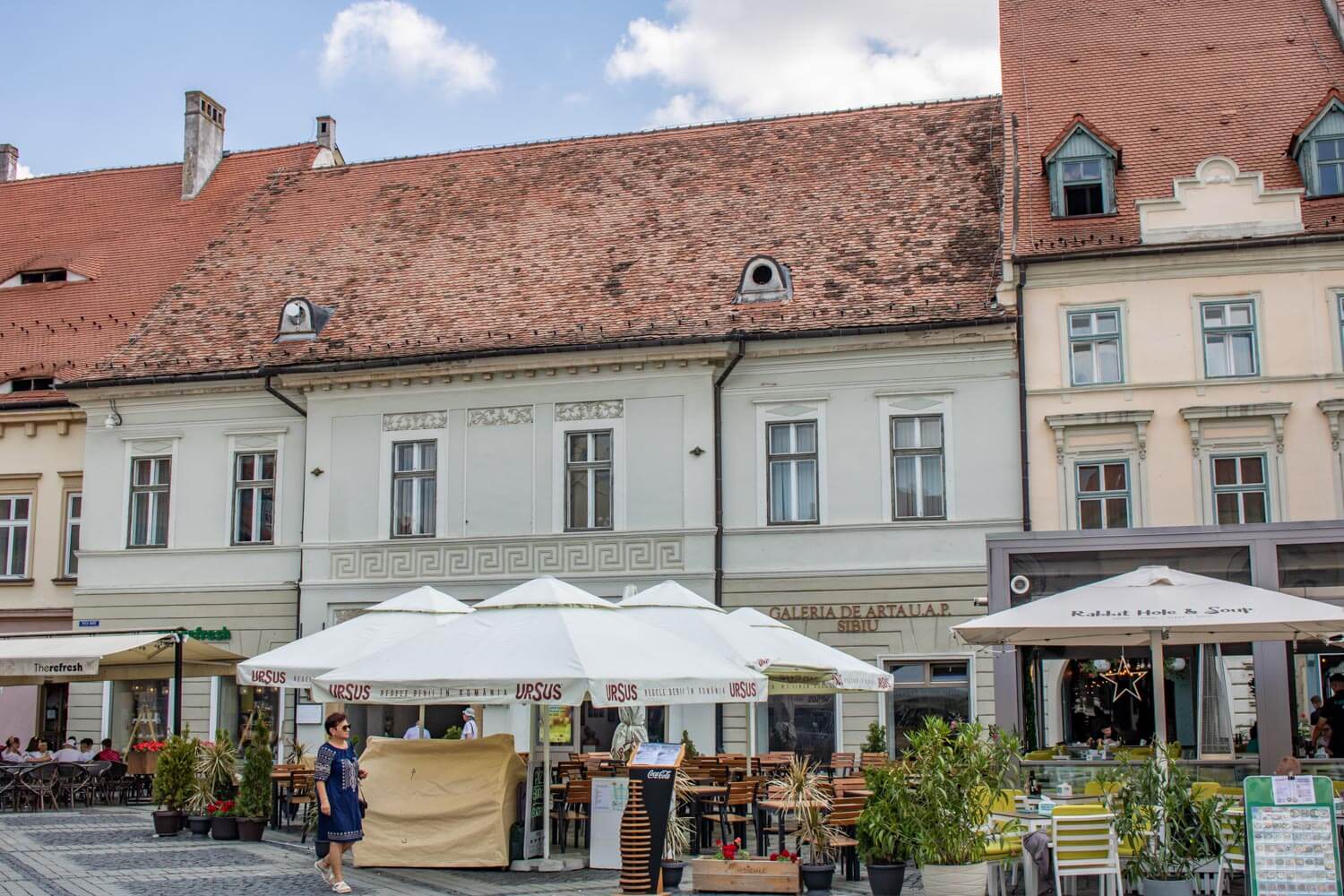
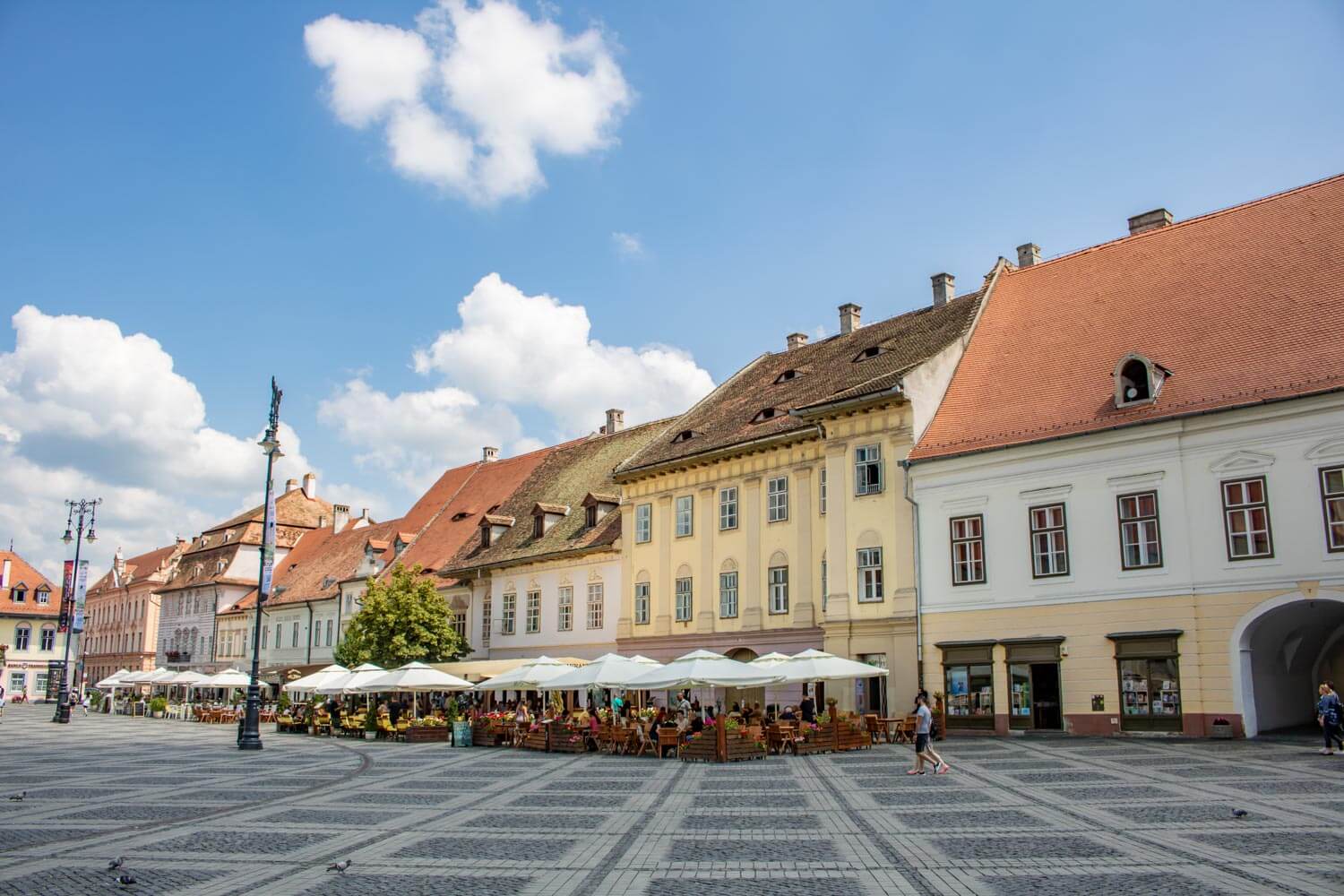
That open layout now accommodates many of Sibiu’s largest public events, from concerts and festivals to fairs and seasonal markets, while restaurant and café terraces spread around the edges during the warmer months. Brukenthal Palace, the Holy Trinity Roman Catholic Church and the Sibiu City Hall are among the major landmarks facing the square, while the Council Tower marks the entrance to the Small Square.
Nicolae Bălcescu Street continues south from the Large Square as the main pedestrian shopping street, while passages and adjoining streets lead toward the Small Square and Albert Huet Square. The characteristic eye-shaped roof windows seen throughout central Sibiu are particularly noticeable here, where they appear above many of the houses surrounding the open space.