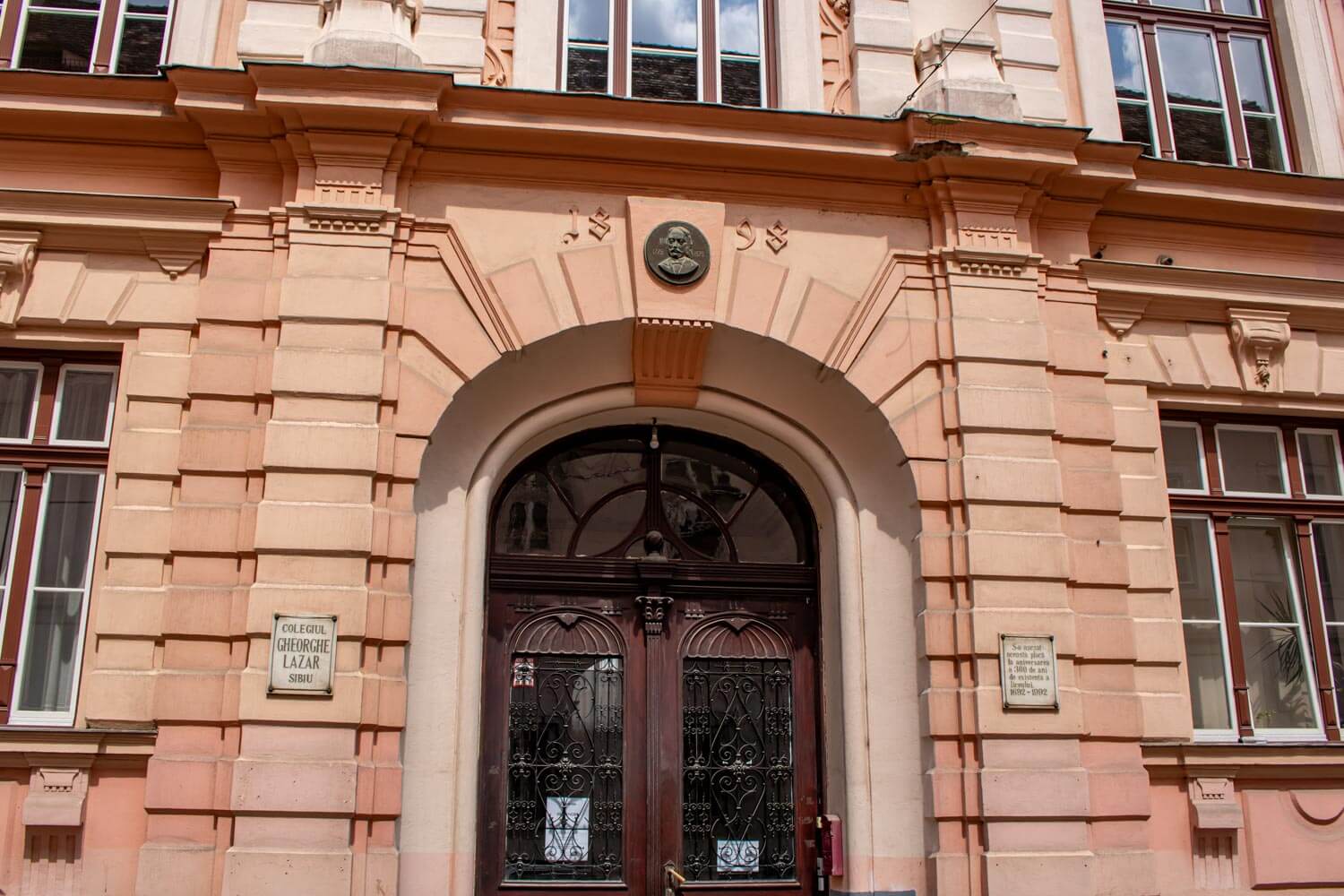
The Gheorghe Lazăr National College (Colegiul Național Gheorghe Lazăr) is one of Sibiu’s oldest secondary schools, with roots going back to a Jesuit gymnasium founded in 1692. The school has occupied its present monumental building since 1899, while its long history reflects the changing political and cultural life of Transylvania.
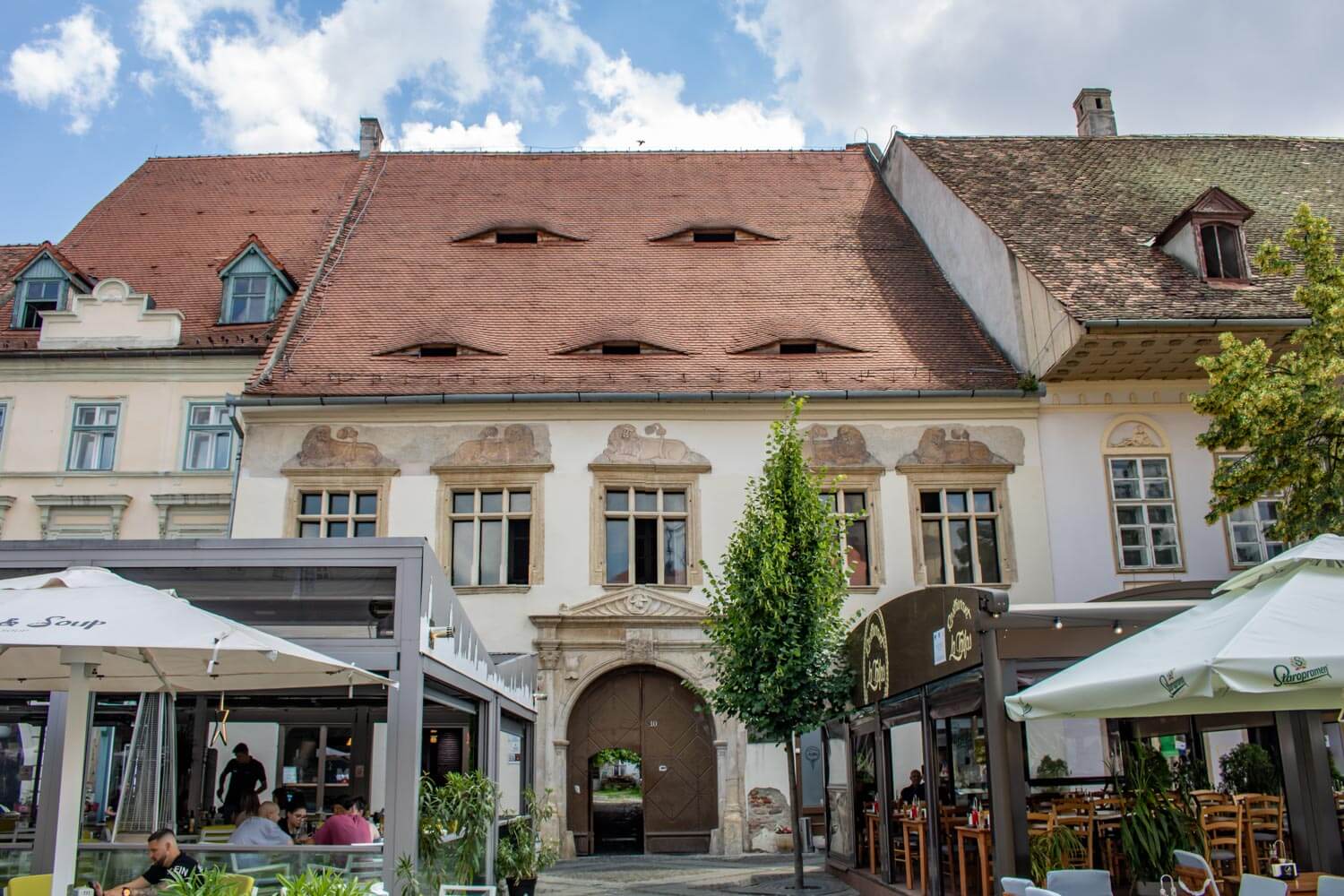
The first Jesuit school taught in Latin and moved between several locations in the center of Sibiu before settling beside the Roman Catholic Church on the Large Square. After the Jesuit Order was dissolved in 1773, teaching was interrupted for several years, then reorganized under Emperor Joseph II as the Gymnasium regium Cibiniensis. During the 19th century the school gradually became a state institution, Romanian was introduced as a subject in 1850, and Hungarian became the main language of instruction from 1868 until the end of Austro-Hungarian rule. Even during that period, Romanian students made up a substantial part of the enrollment.
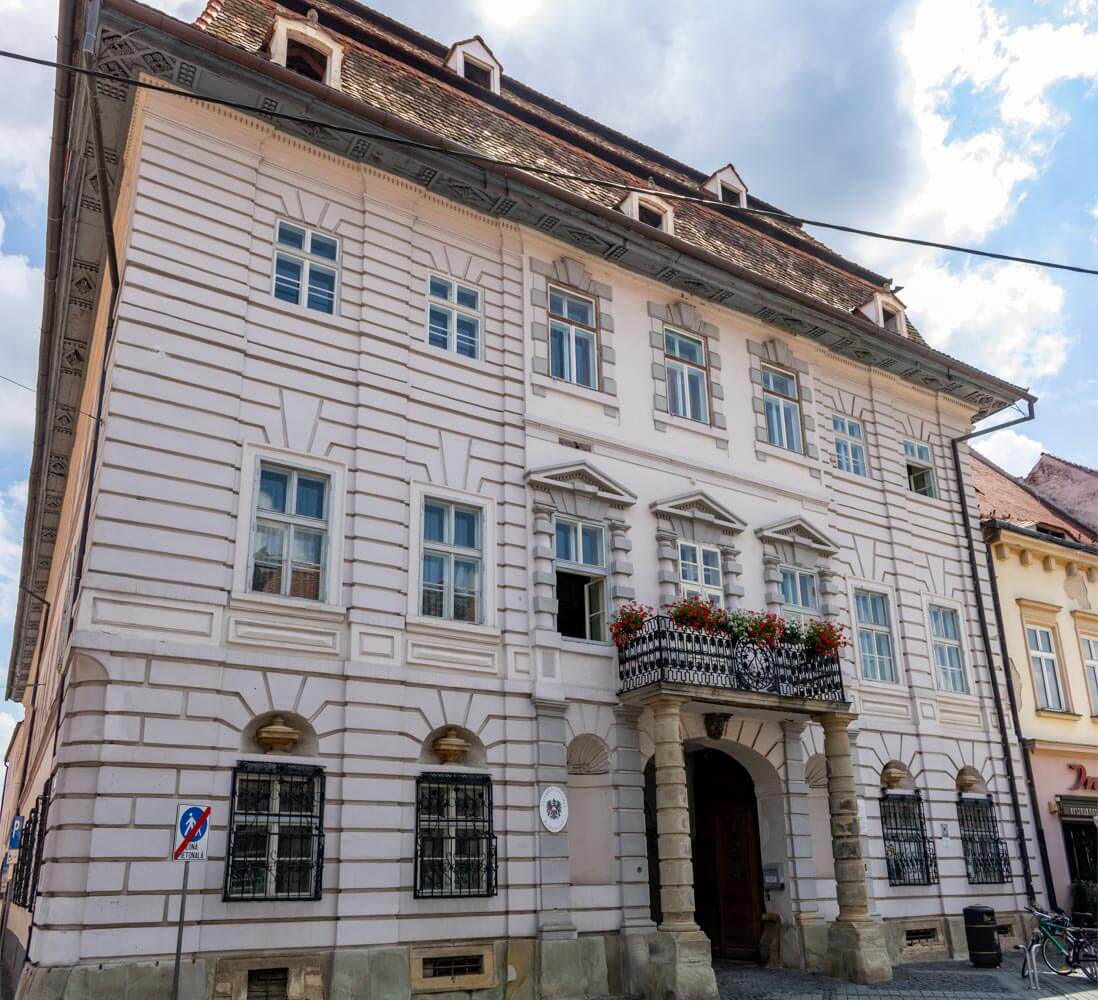
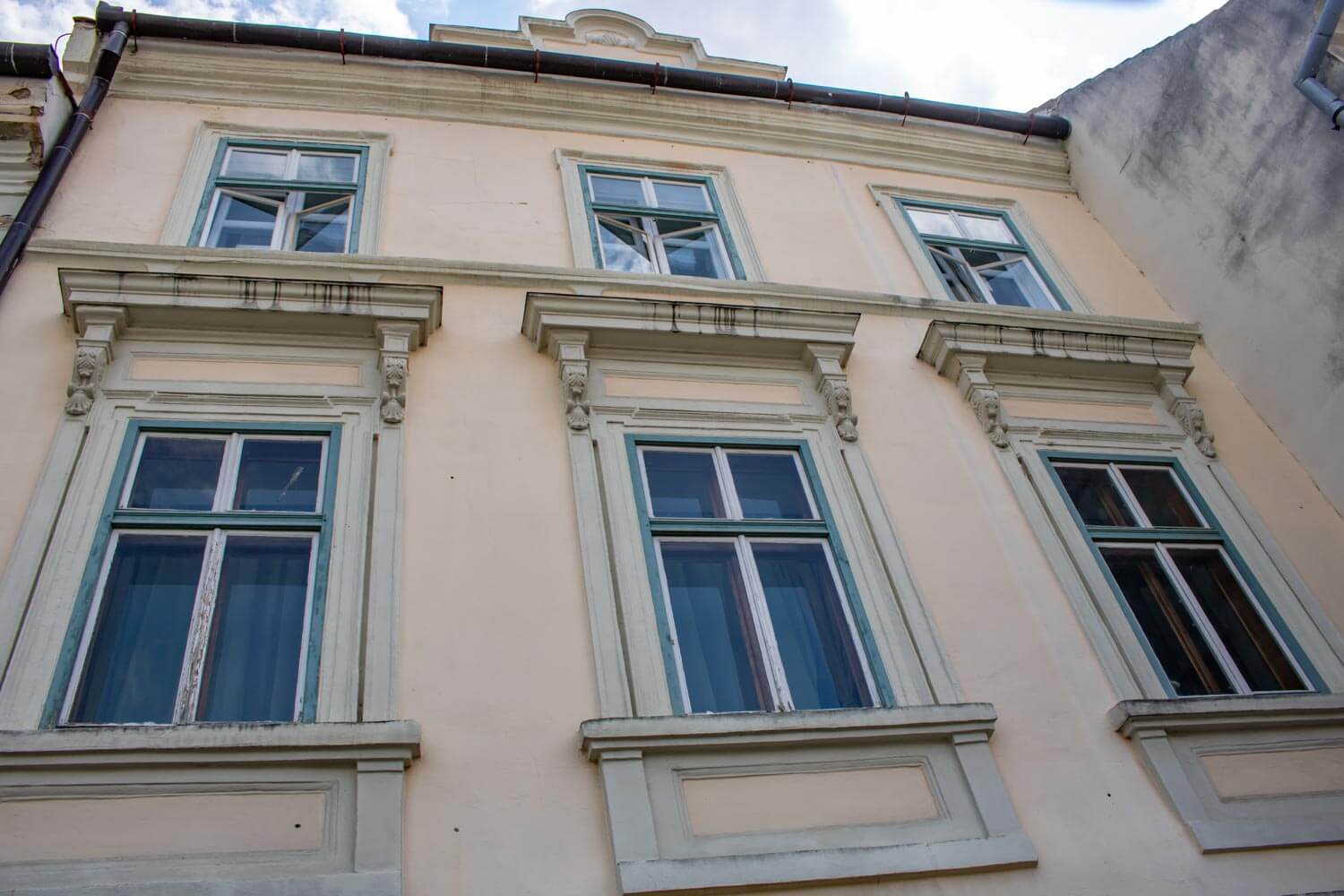
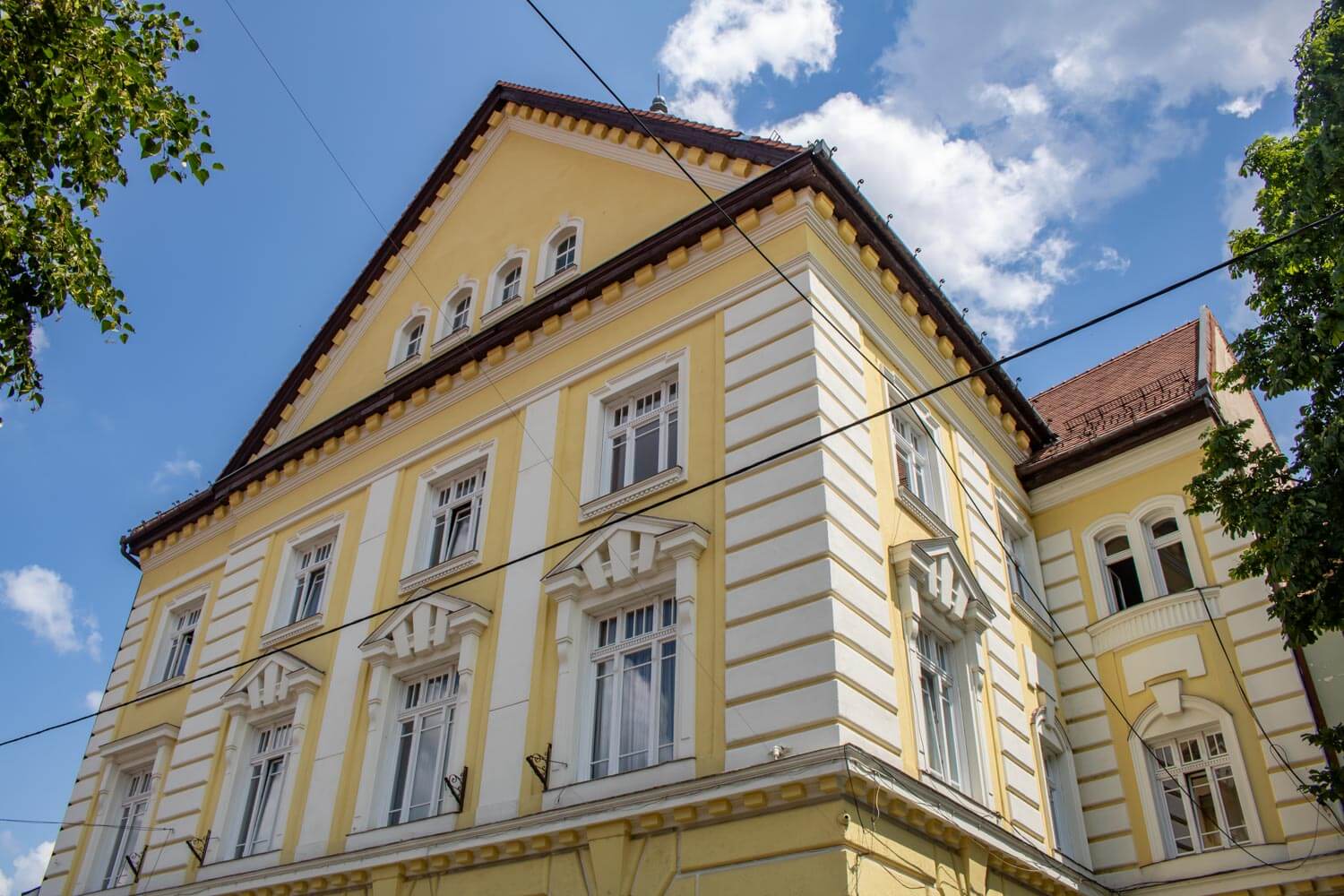
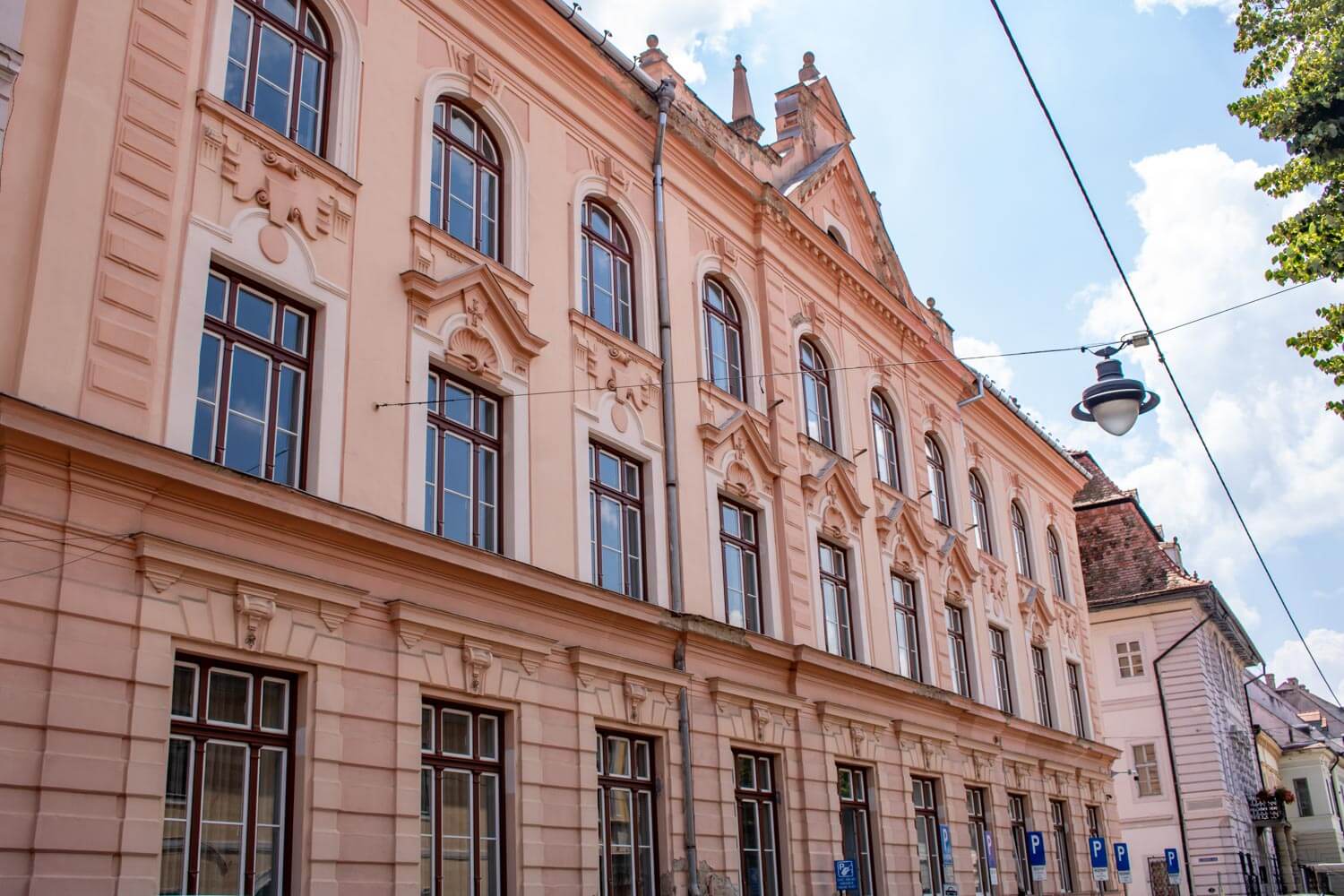
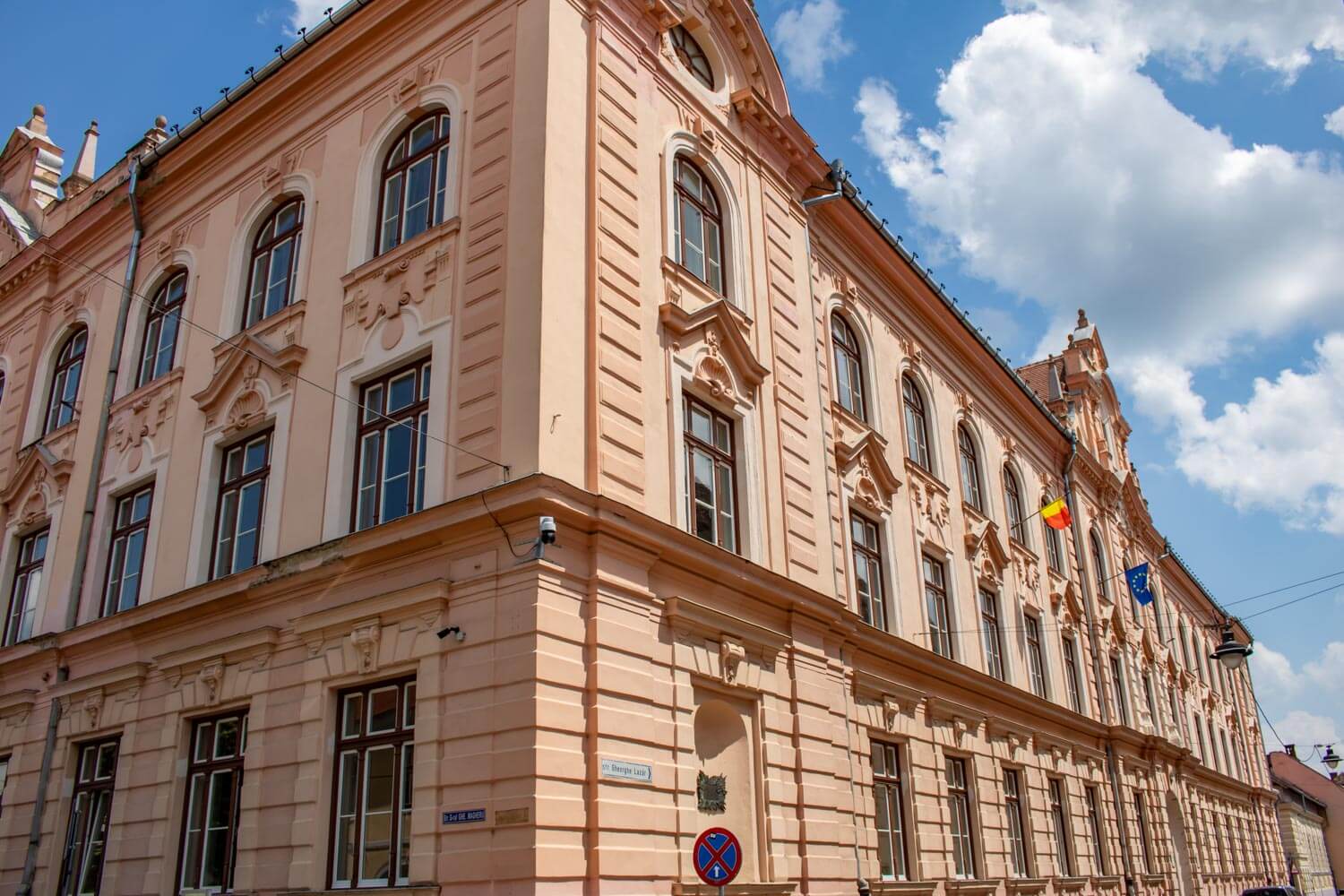
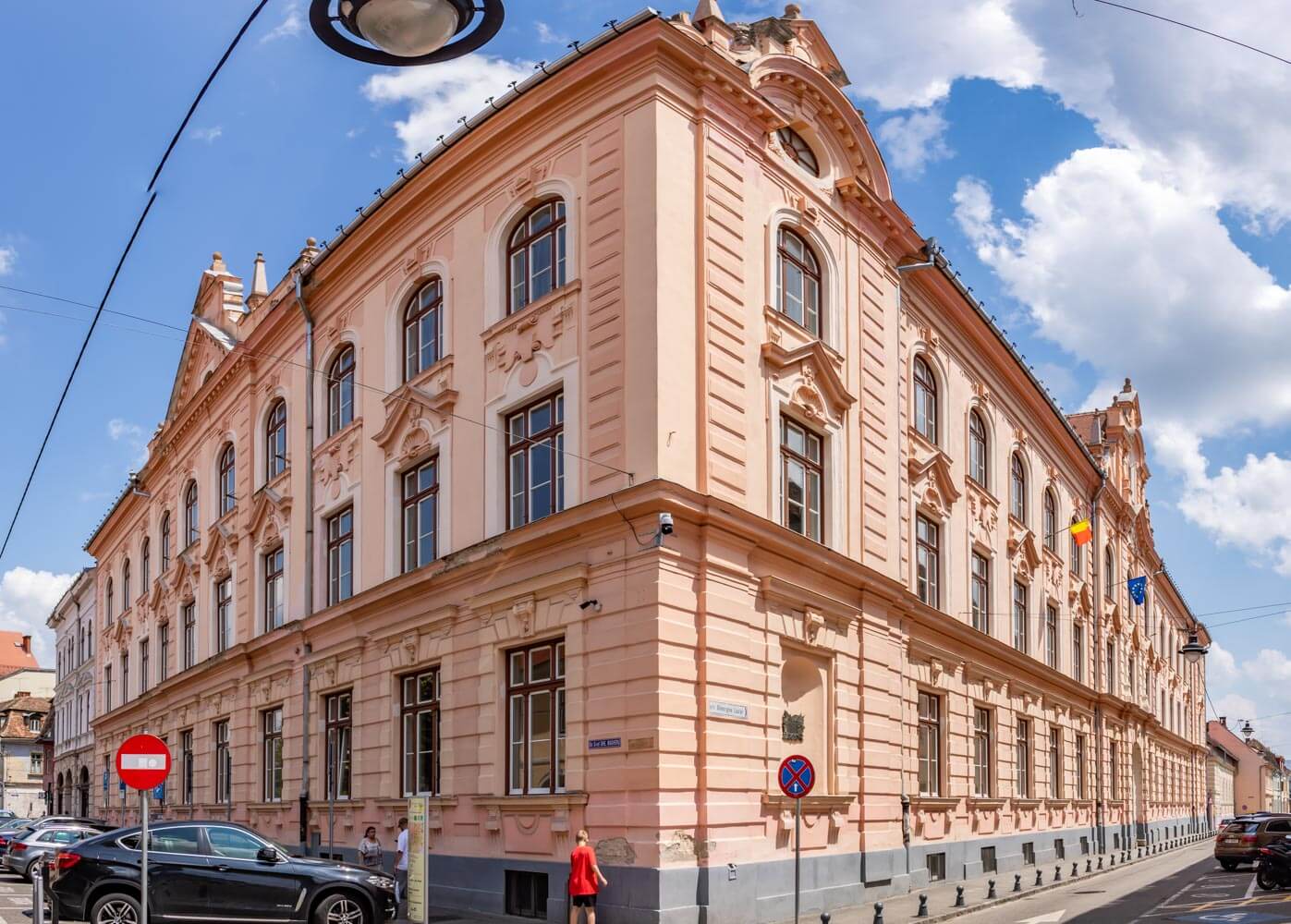
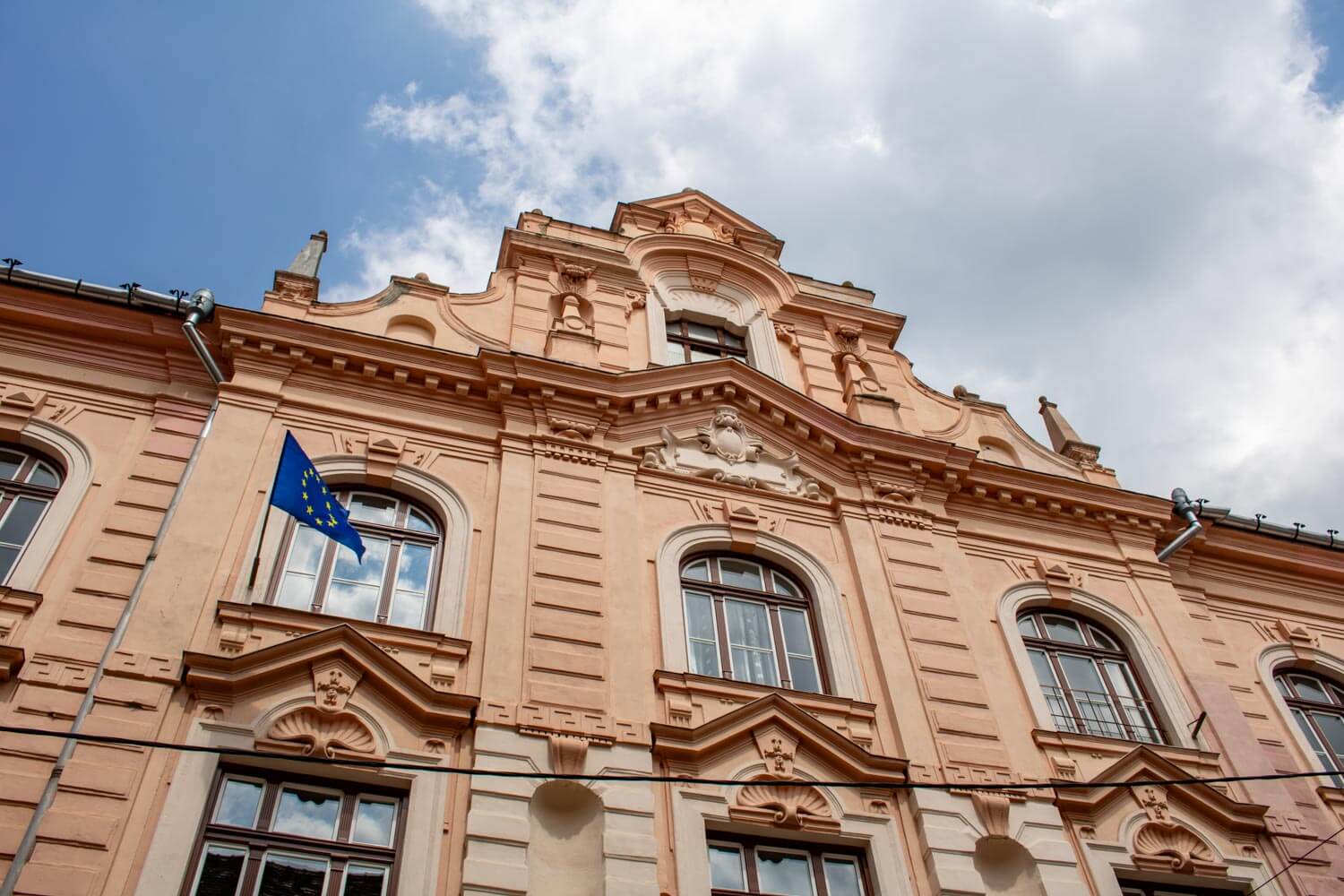
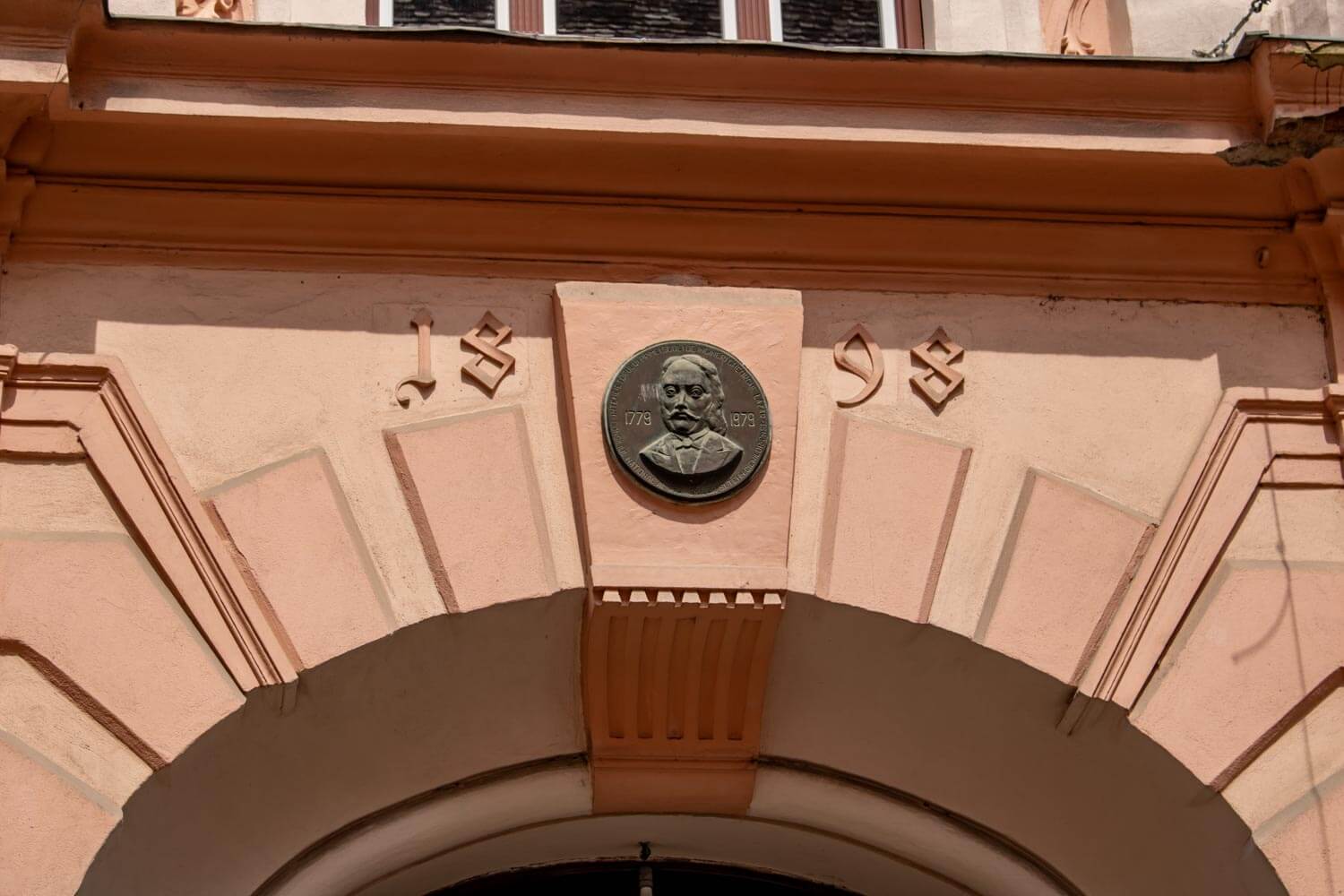
By the end of the century, the old premises on the Large Square had become too limited, and four houses were demolished to make space for a purpose-built school. Construction began in 1897 to plans by Budapest architect Ignác Alpár, and the new building was inaugurated on March 23, 1899. Designed in an eclectic historicist style, it rises over three levels around a monumental entrance hall, with a richly decorated symmetrical façade, rusticated ground floor, sculpted window surrounds and a stepped central attic above the main entrance. The original entrance door also incorporates Art Nouveau details.
After Transylvania became part of Romania, Romanian replaced Hungarian as the language of instruction in 1919 and the school received the name of Gheorghe Lazăr, the Transylvanian educator who had helped lay the foundations of Romanian-language education in the early 19th century. The institution later became Gheorghe Lazăr College in 1992 and received the title of National College from the 1999-2000 school year.
The college continued to function through major disruptions of the 20th century, including World War II, when educational institutions and archives from Cluj were temporarily moved into the building. Today it remains an active secondary school, and its imposing 19th-century headquarters continues to reflect the long educational tradition that began in Sibiu more than three centuries ago.