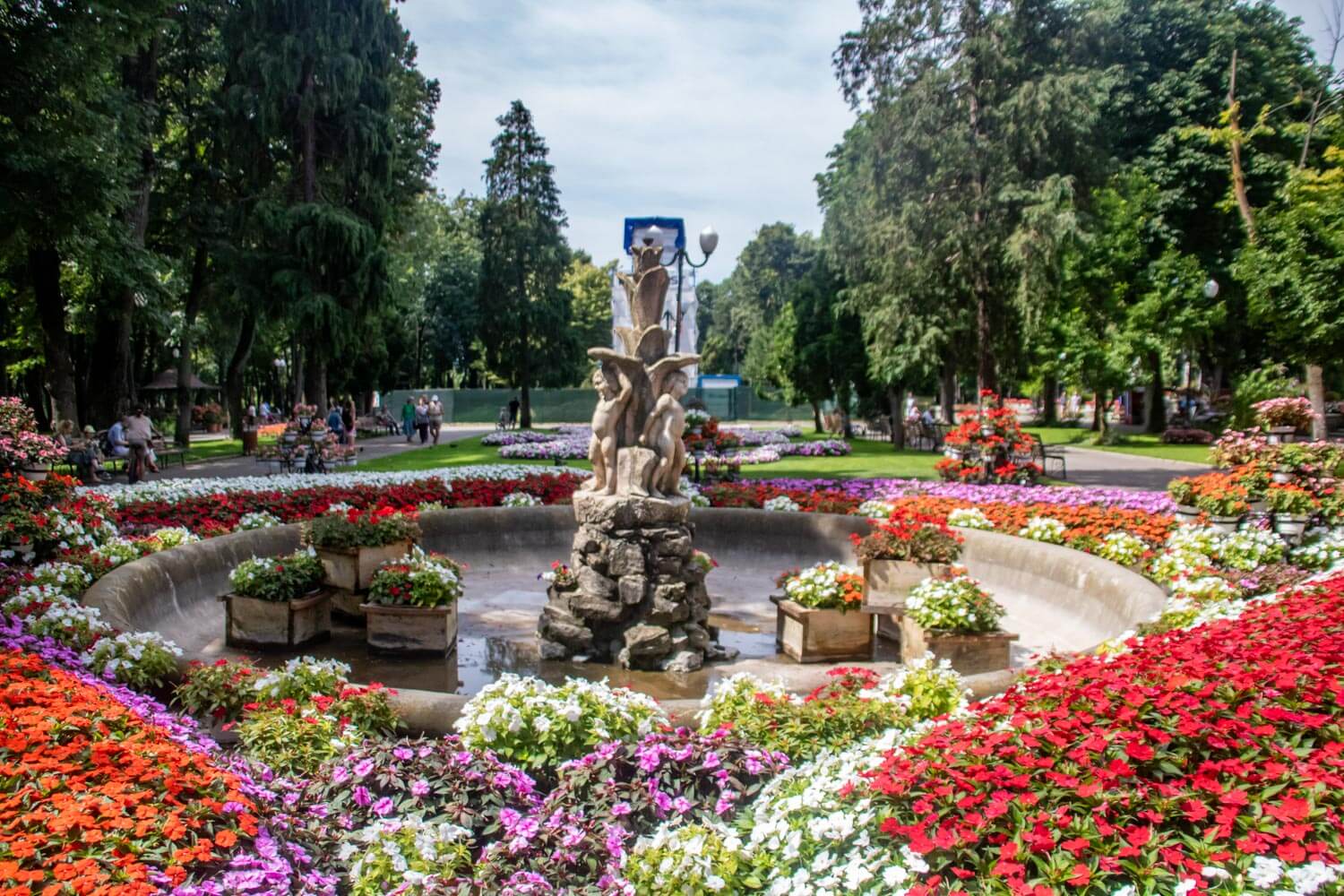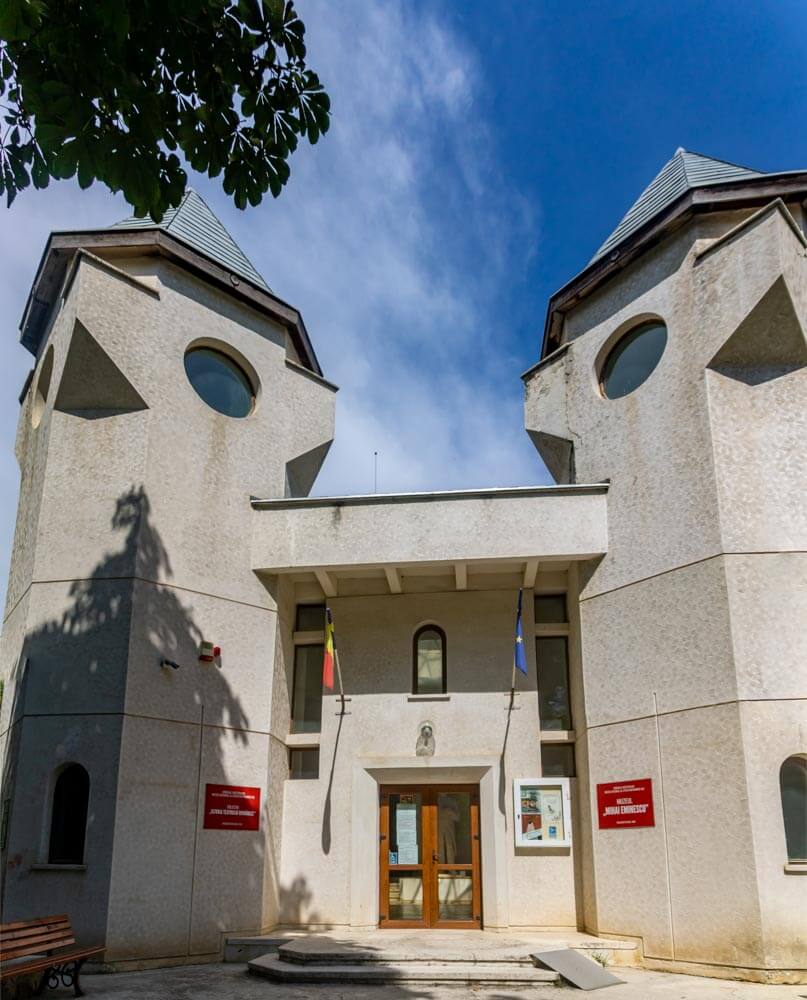
The Mihai Eminescu Museum (Muzeul Mihai Eminescu) is a literary museum in Copou Park in Iași, dedicated to the life, work, and legacy of Mihai Eminescu. Opened in 1989 for the centenary of the poet’s death, it stands close to Eminescu’s Linden Tree, where he often spent time during his years in Iași.
Eminescu lived and worked in Iași during an important period of his career, contributing to Convorbiri literare, taking part in the meetings of the Junimea literary society, and forming his close friendship with Ion Creangă. Although he never owned a house in the city, he stayed at places including Vasile Pogor’s home and the Trei Ierarhi establishments, while Copou became part of the landscape later remembered through his poetry and biography.
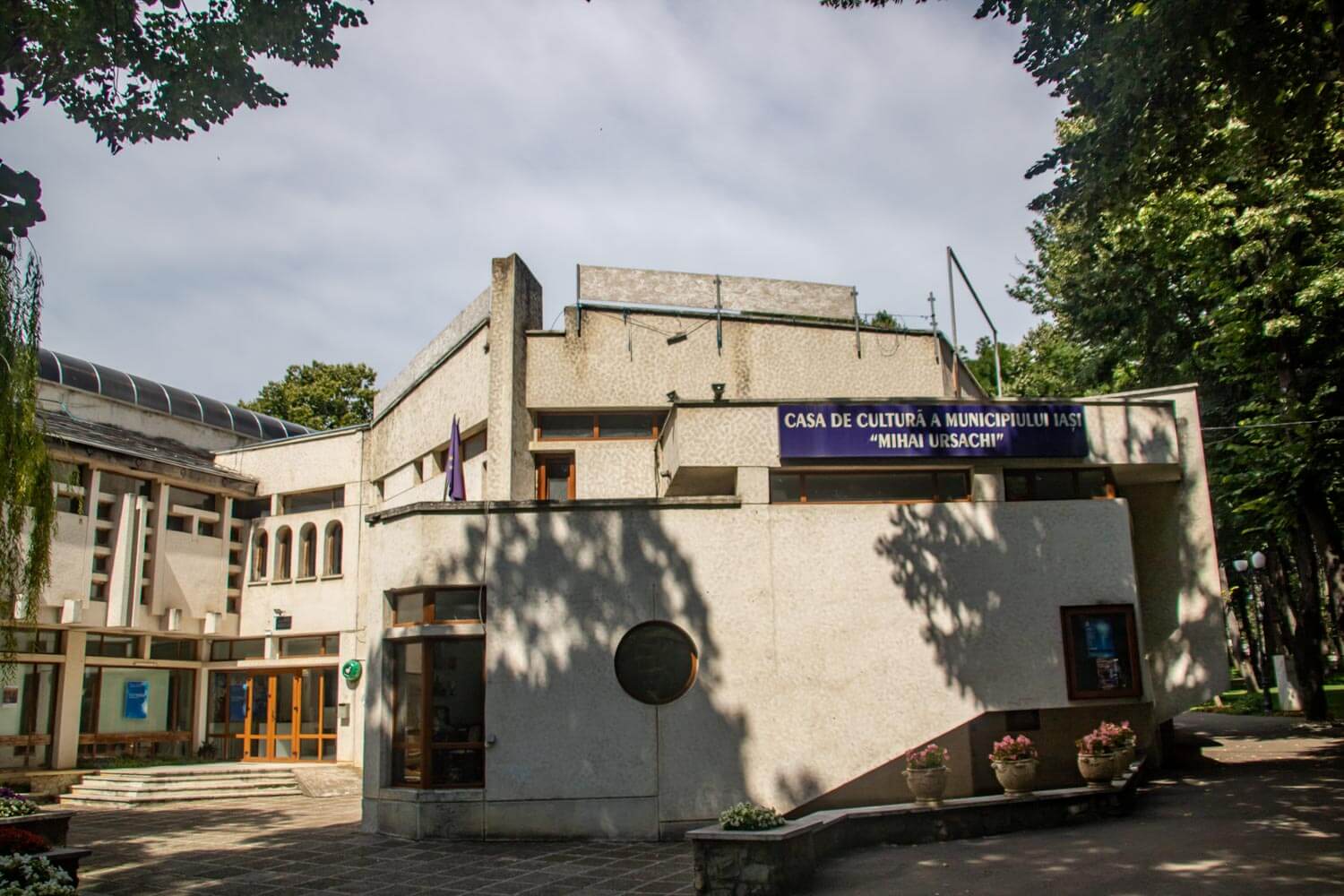
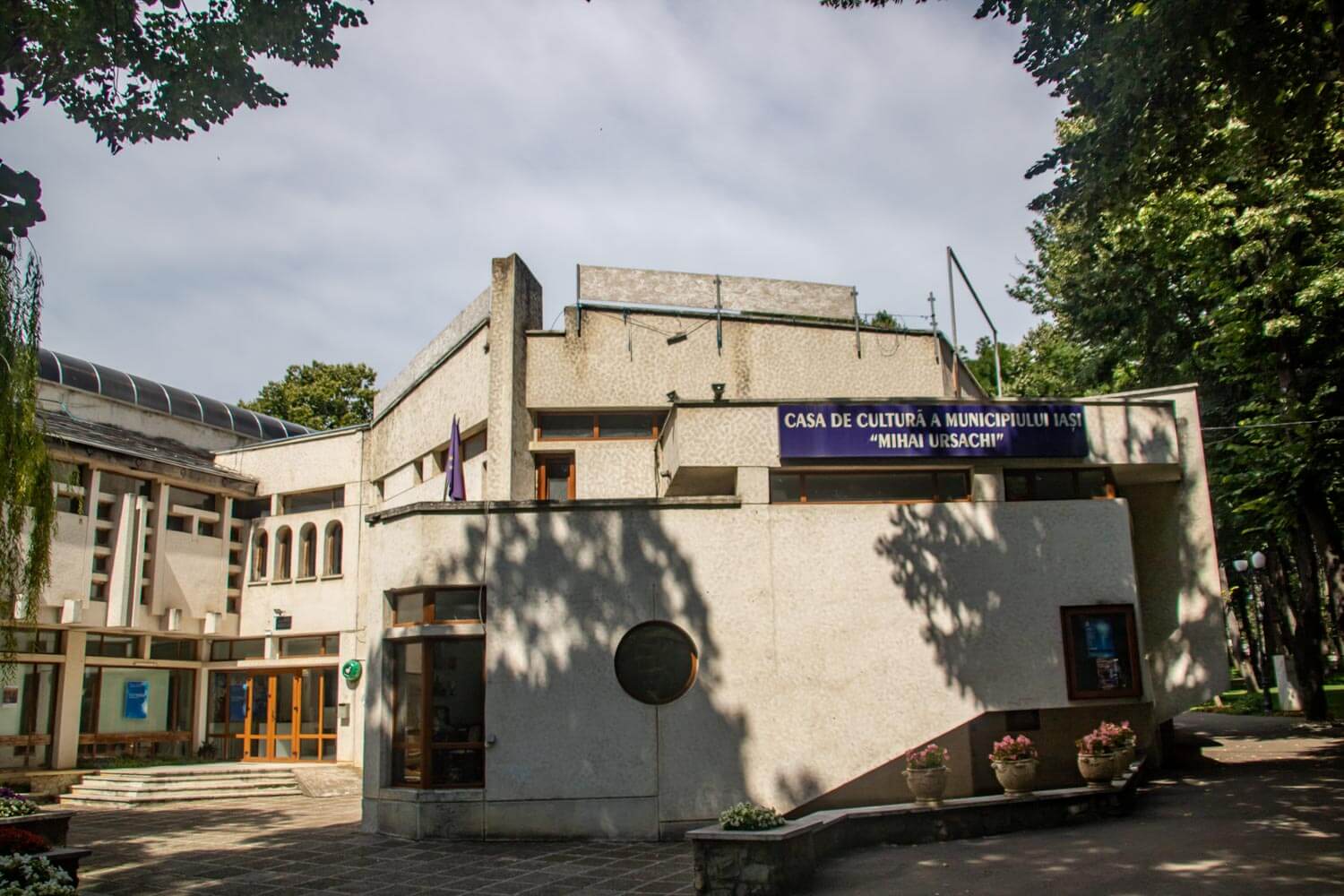
A permanent Eminescu exhibition had already been created on this site in 1984 inside an older building that had previously served several other functions. Five years later, that structure was replaced by the present museum, designed by architect Virgiliu Onofrei and opened in 1989 for the centenary of Eminescu’s death. The building was originally created for the museum, but its use later broadened: the Mihai Ursachi Culture House moved into part of the premises in 2003, and the History of Romanian Theater Collection was installed here in 2009. The building now functions as a shared cultural venue within Copou Park rather than exclusively as the Eminescu Museum.
The collection includes first editions, early critical studies, photographs, medals, old books, and a large group of facsimiles reproducing Eminescu’s manuscript notebooks, whose originals have been held by the Romanian Academy since 1902. Original photographs include images of Eminescu, Veronica Micle, and other people from his circle, while letters and documentary material place his work within the broader literary world of the period.
Painting, sculpture, and graphic art inspired by Eminescu form another important part of the museum, with works by Romanian artists including Octav Băncilă, Sabin Bălașa, Dan Hatmanu, Liviu Suhar, and Dan Covătaru. Furniture and decorative objects help evoke the cultural atmosphere of the 19th century alongside the more documentary displays.
The museum is part of the network of museums administered by the National Museum of Romanian Literature Iași, headquartered in the House of Museums.