Copou Park (Parcul Copou) is the oldest public park in Iași, laid out in the 1830s on Copou Hill and now one of the city’s main green and cultural spaces. Its shaded avenues contain some of Iași’s best-known literary landmarks, including Eminescu’s Linden Tree, the Lions’ Obelisk, the Mihai Eminescu Museum, and a series of monuments to Romanian writers and artists.
The Copou area had already been used for walks and recreation by Iași’s elite before a formal public garden was created. Work on the park began in 1833-1834 during the reign of Prince Mihail Sturdza, transforming the hilltop into a landscaped promenade with paths, trees, and an oriental-style pavilion where military bands could perform. The park later expanded and was enclosed in the mid-19th century, gradually becoming one of the established leisure spaces of the growing city.
At its center stands the Lions’ Obelisk, also known as the Monument of the Organic Regulation. Completed in the 19th century under the direction of Gheorghe Asachi, it commemorates the Organic Regulations introduced in Moldavia and Wallachia and is among the earliest major public monuments in the Romanian principalities. The monument became one of the defining features around which the formal park developed.
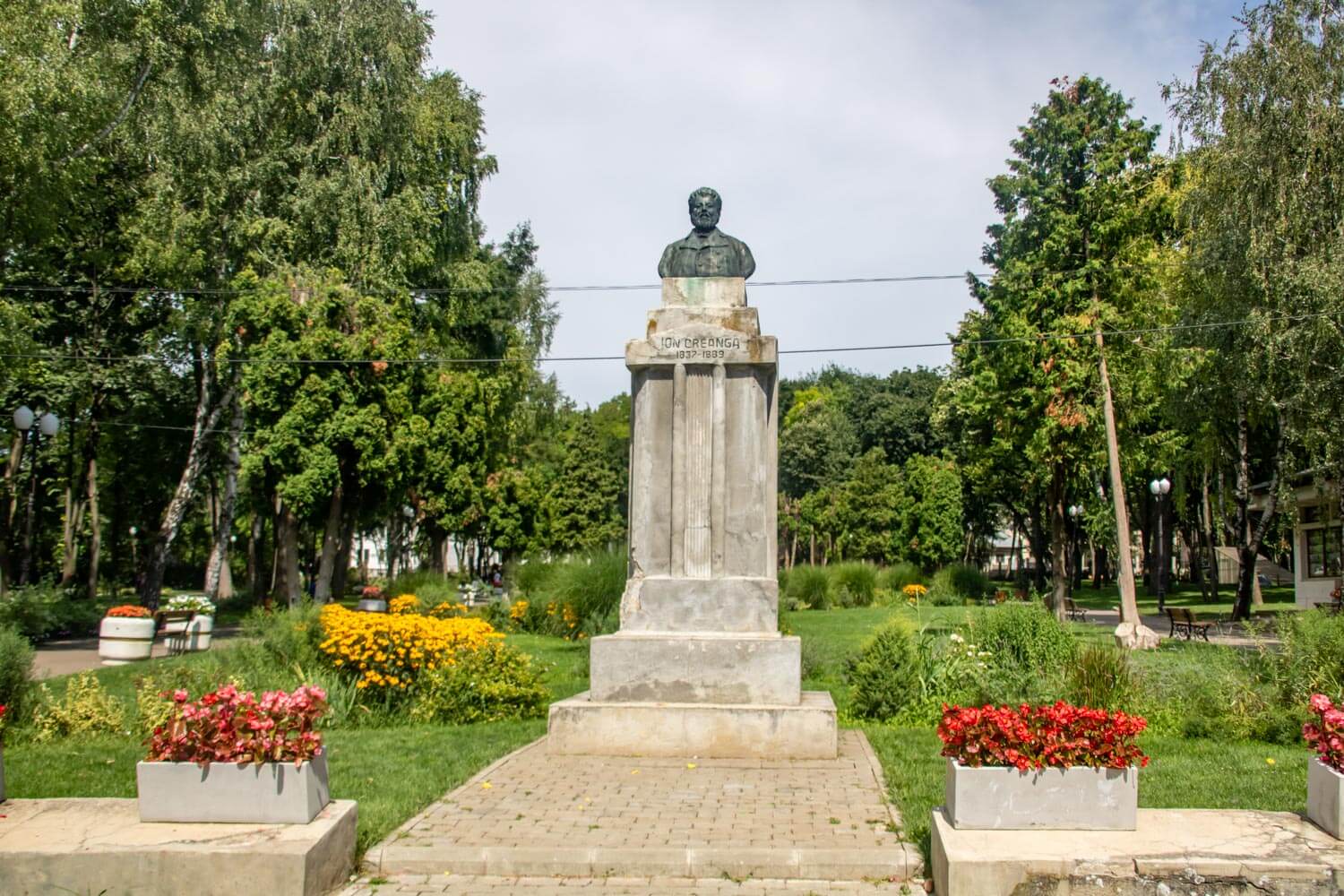
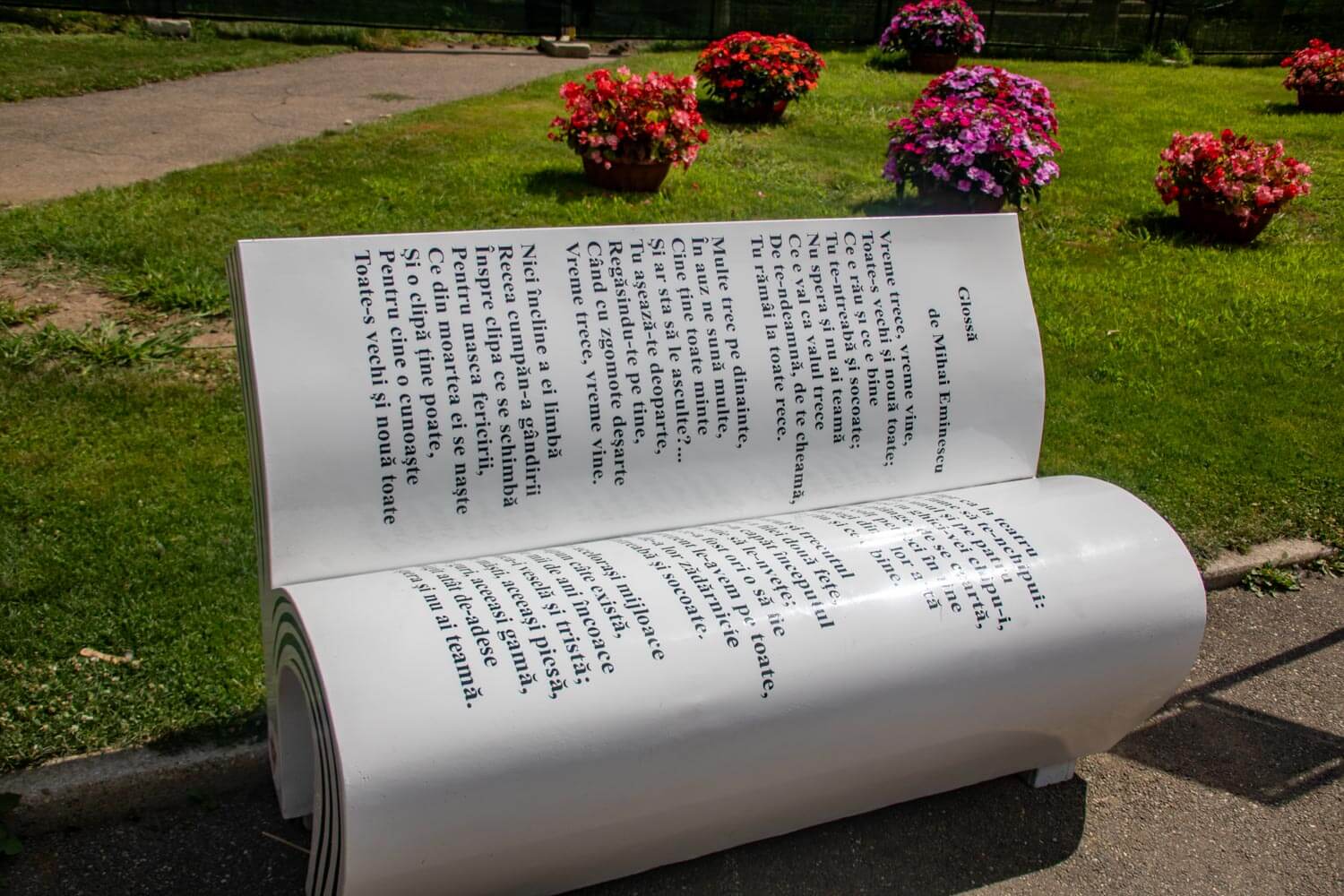
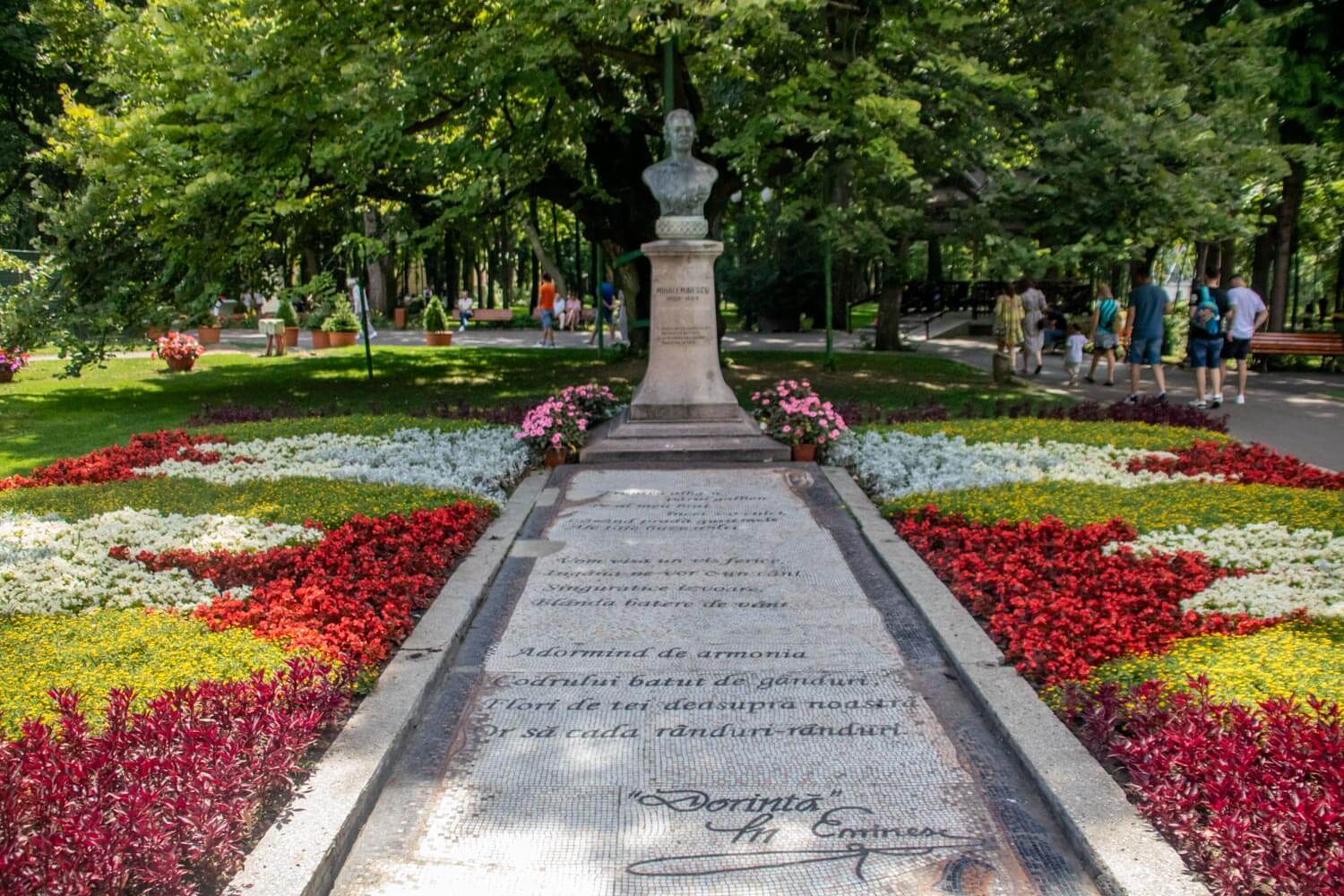
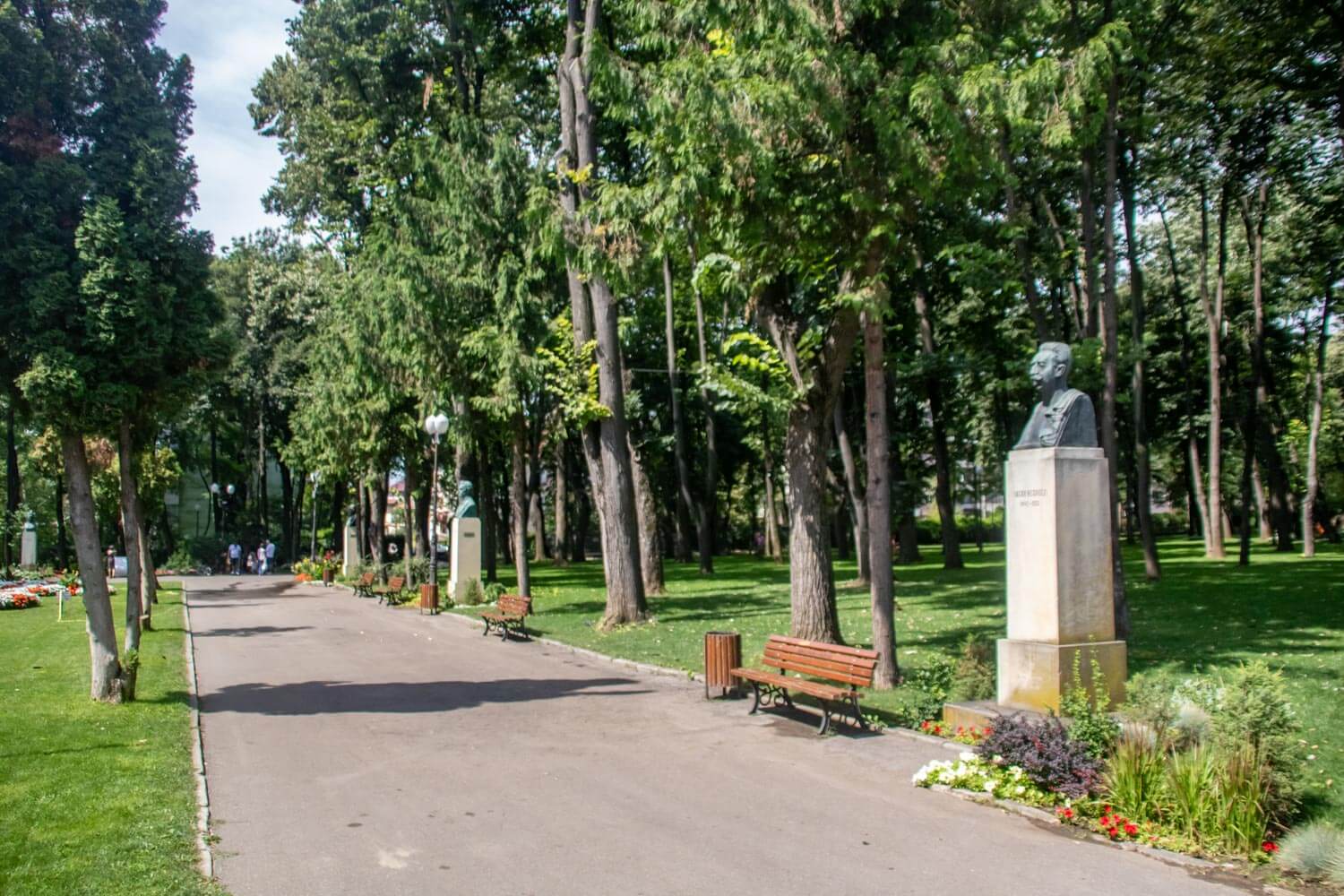
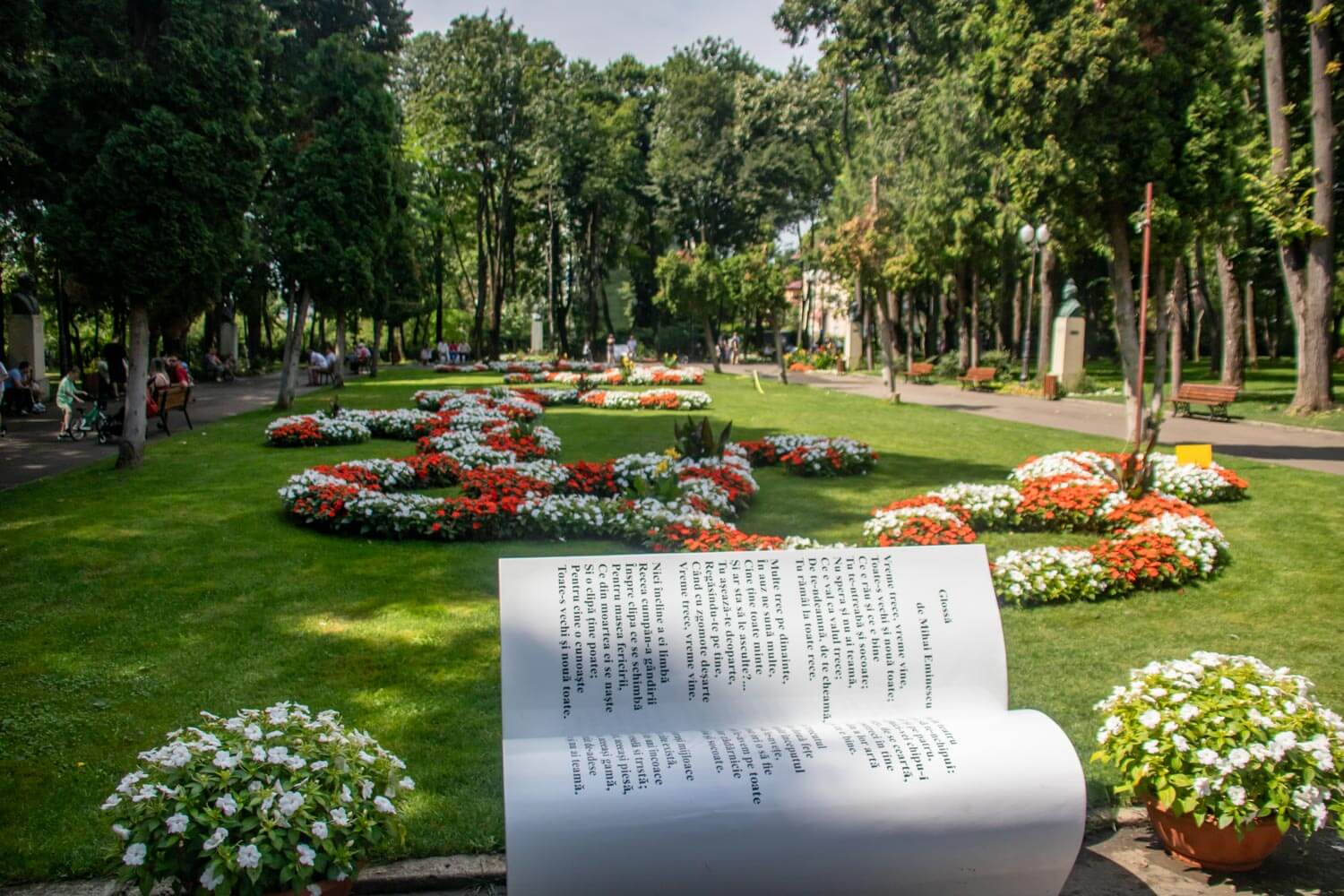
Copou later acquired an even stronger literary identity through Mihai Eminescu. The centuries-old linden tree traditionally known as Eminescu’s Linden became famous as a place where the poet spent time during his years in Iași, sometimes with Veronica Micle or Ion Creangă. A bronze bust of Eminescu stands nearby, while the surrounding avenues contain monuments to writers and cultural figures including Ion Creangă, Veronica Micle, Costache Negruzzi, Nicolae Gane, I.L. Caragiale, and Grigore Vieru.
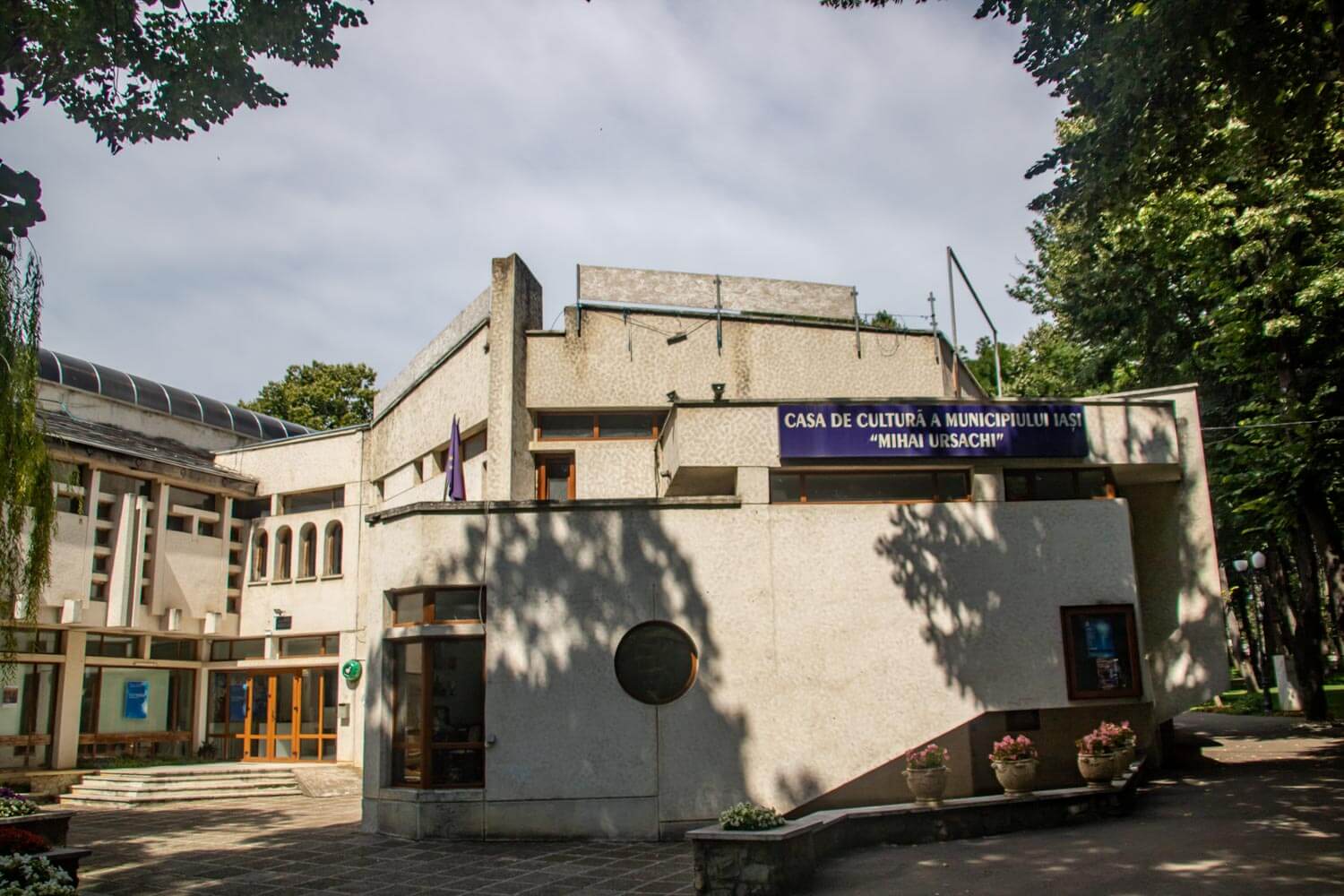
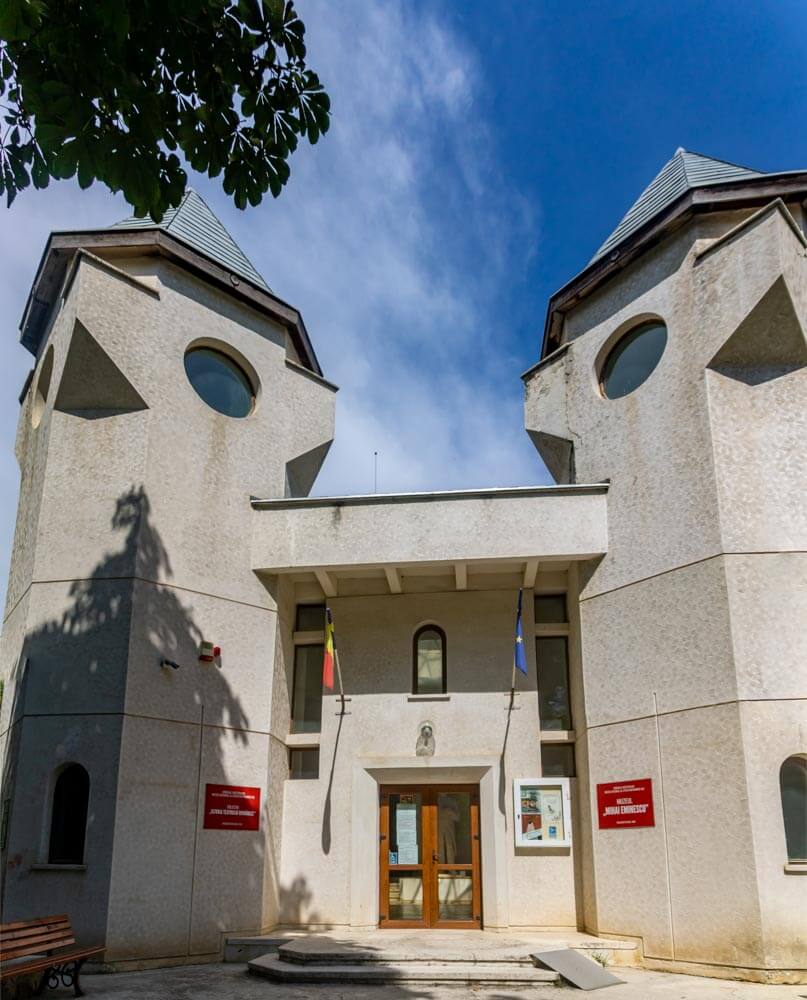
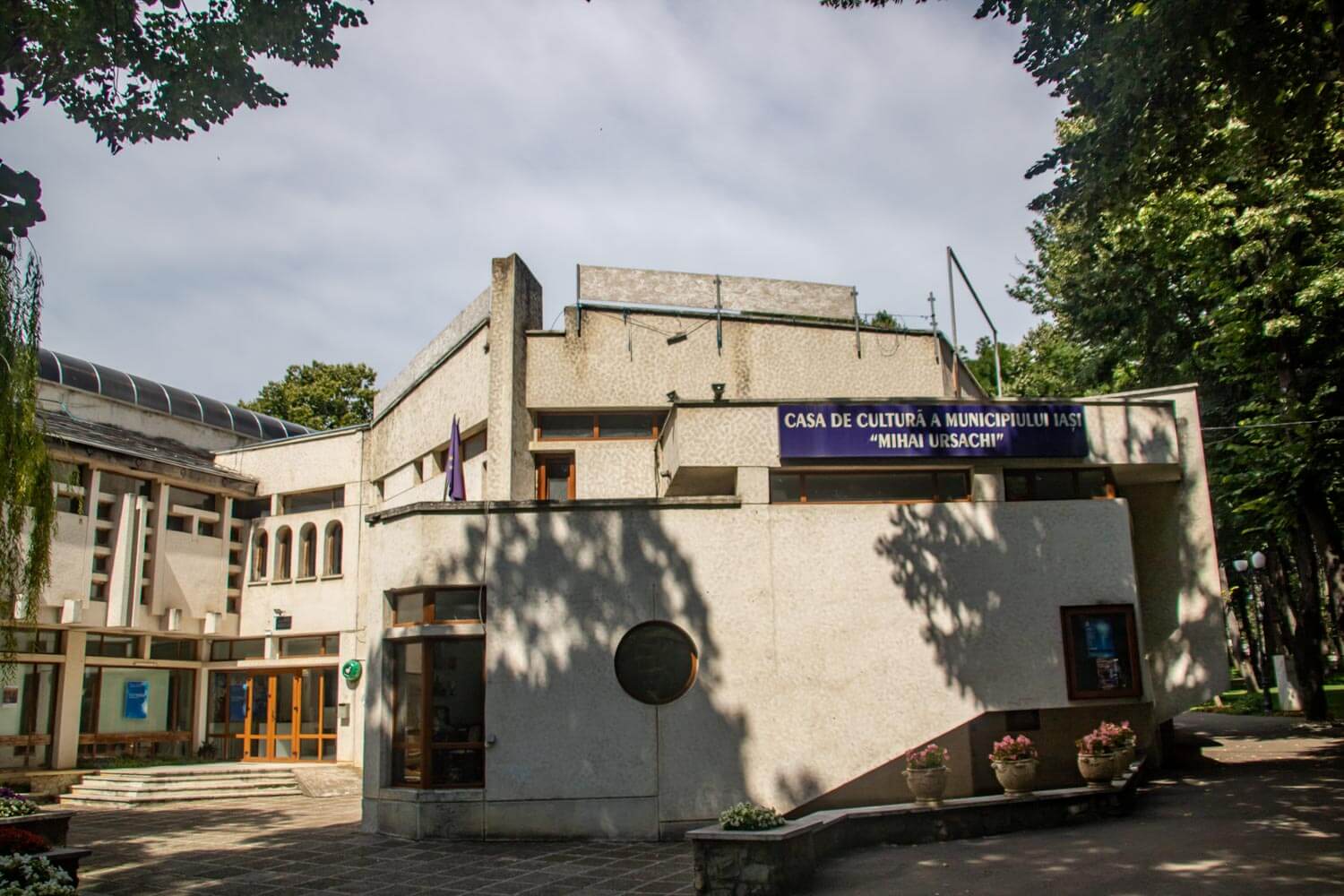
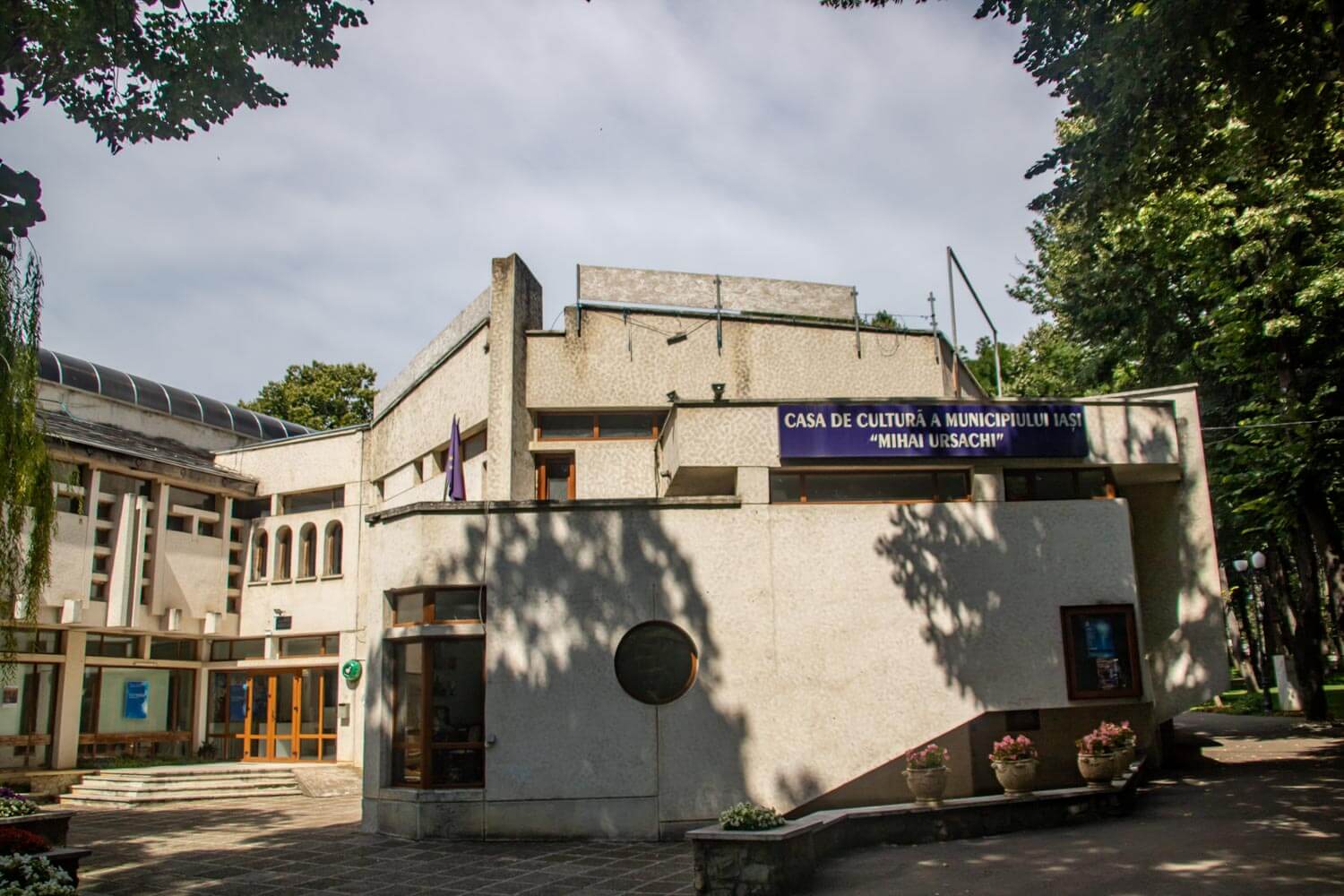
That literary character continued to develop in the 20th century. The Mihai Eminescu Museum opened in the park in 1989, and the same building now also contains the History of Romanian Theater Collection and part of the Mihai Ursachi Culture House. Exhibitions are also displayed along the park boundary, while cultural events, concerts, literary programs, and the annual Cucuteni 5000 ceramics fair regularly use the park’s open spaces.
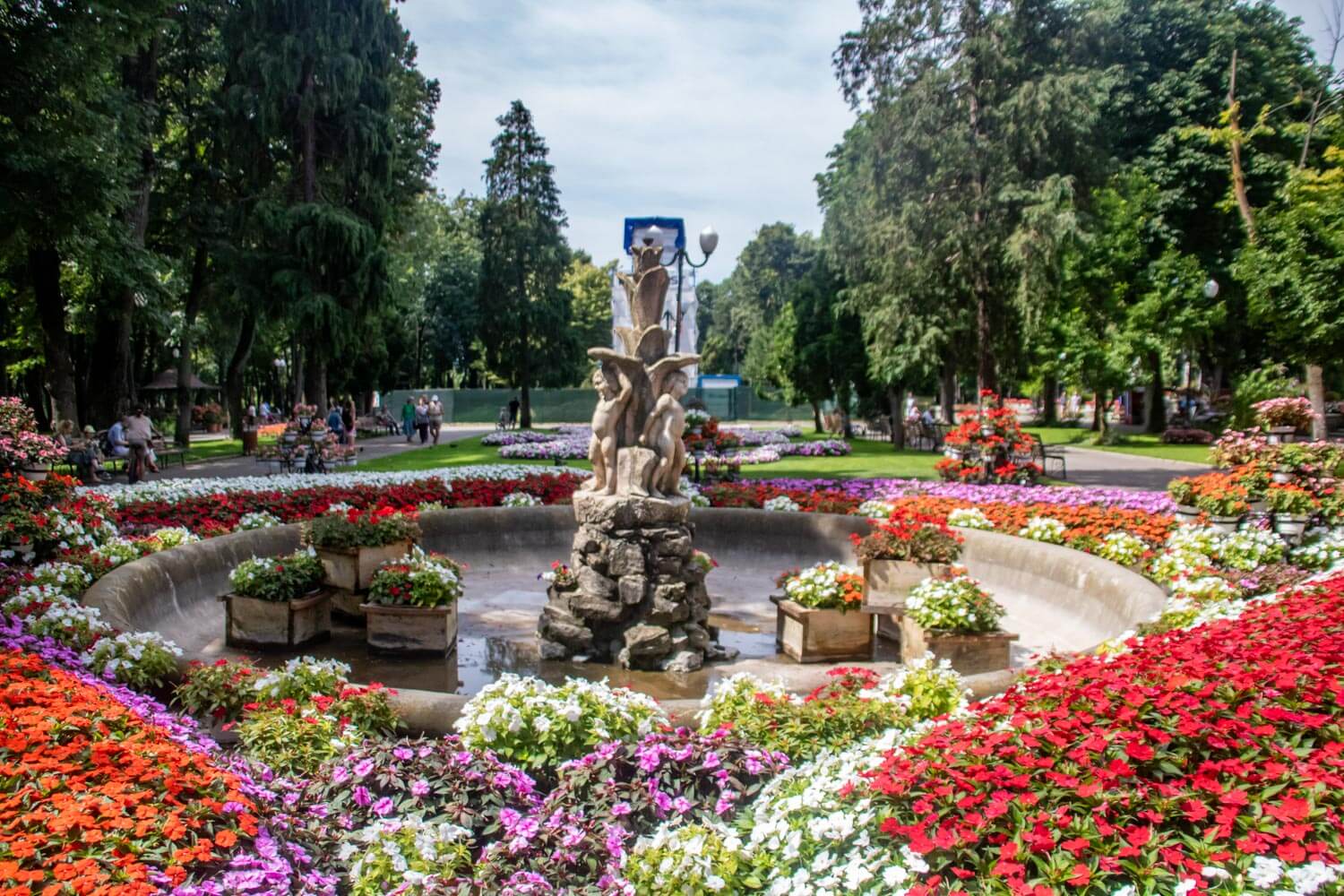
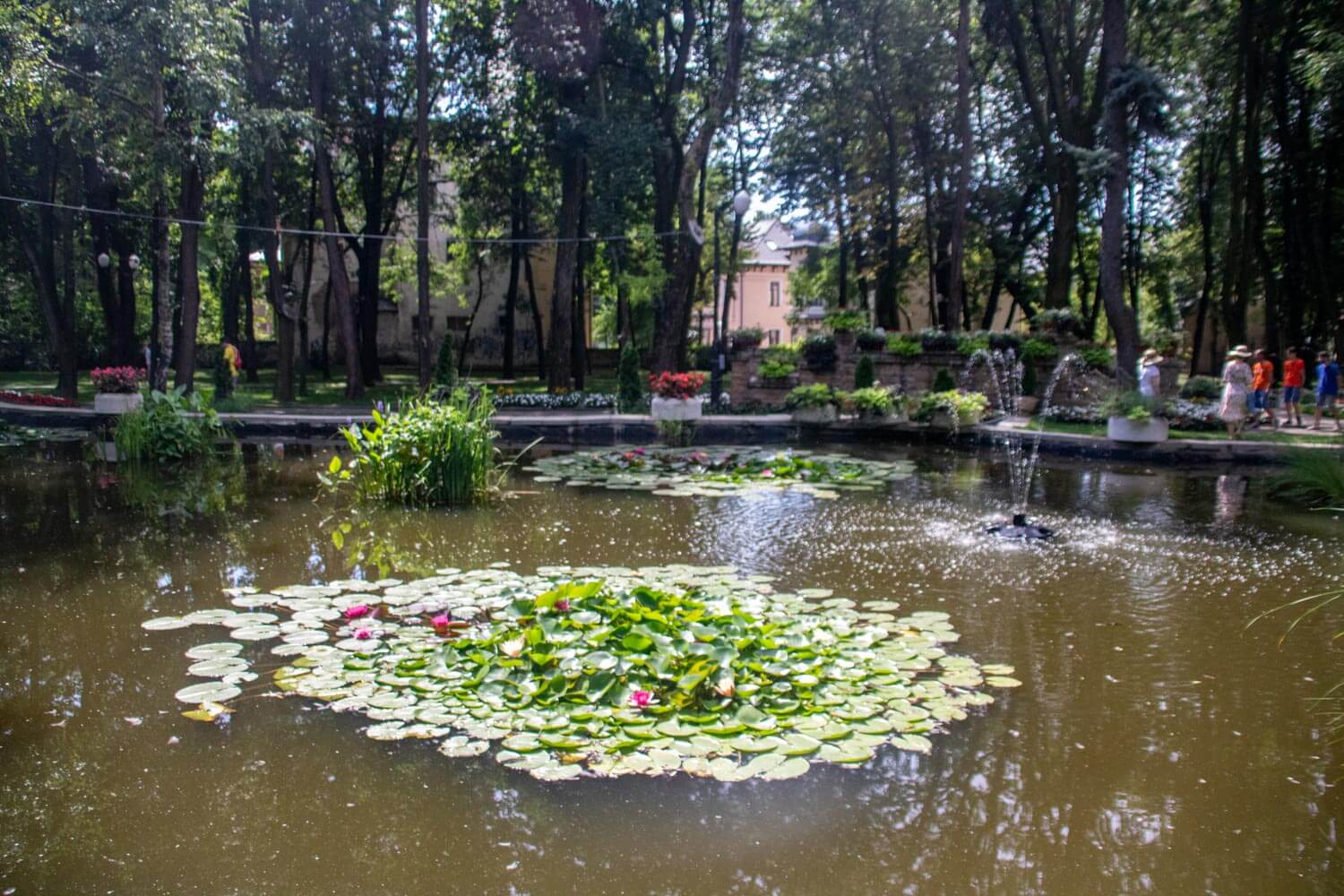
With mature linden, maple, and ash trees, broad paths, benches, flowerbeds, monuments, and museum spaces, Copou Park functions both as a neighborhood park and as one of the main cultural landscapes of Iași. Its mix of greenery, literary history, and active cultural venues gives it a role that extends well beyond that of a conventional city park.