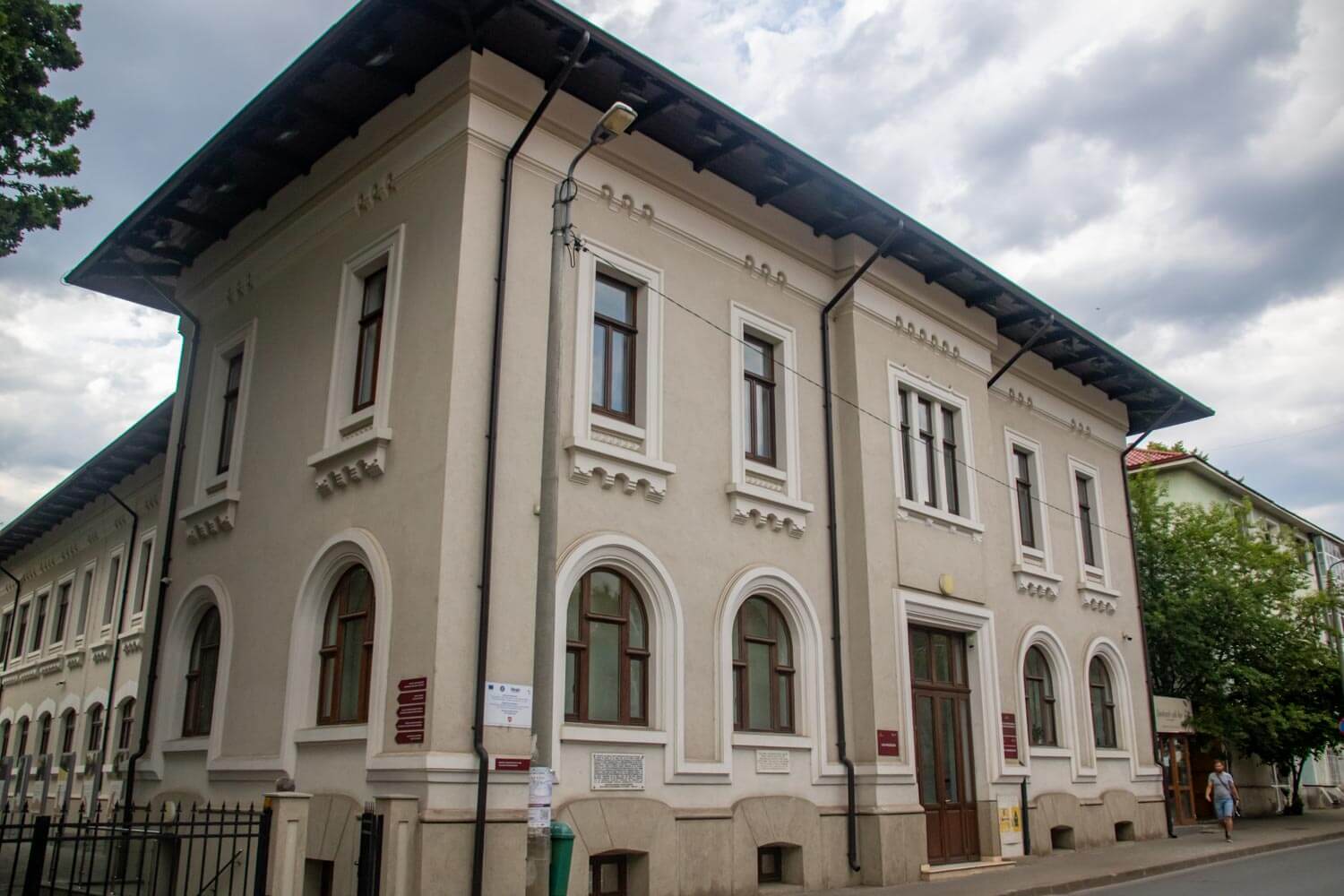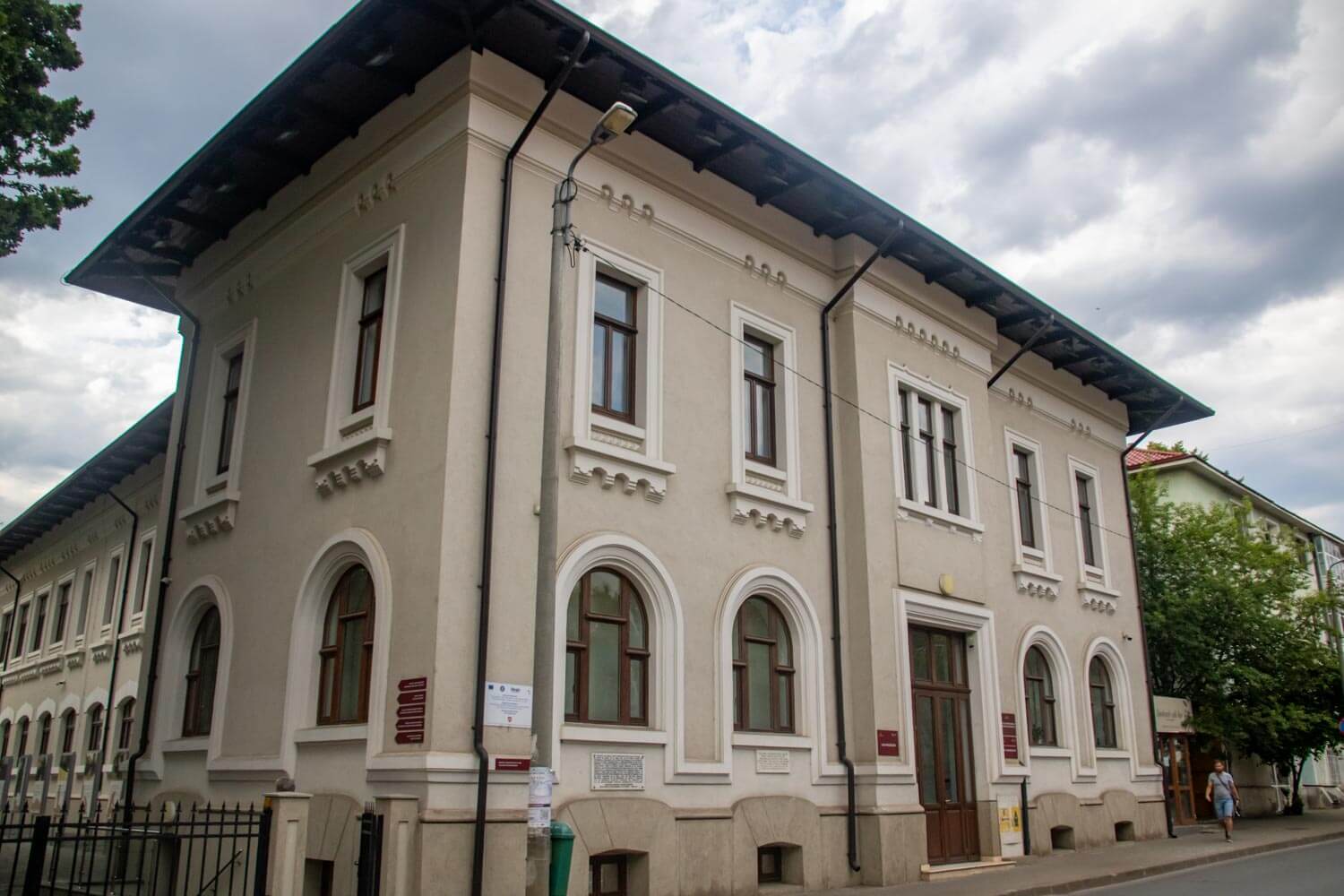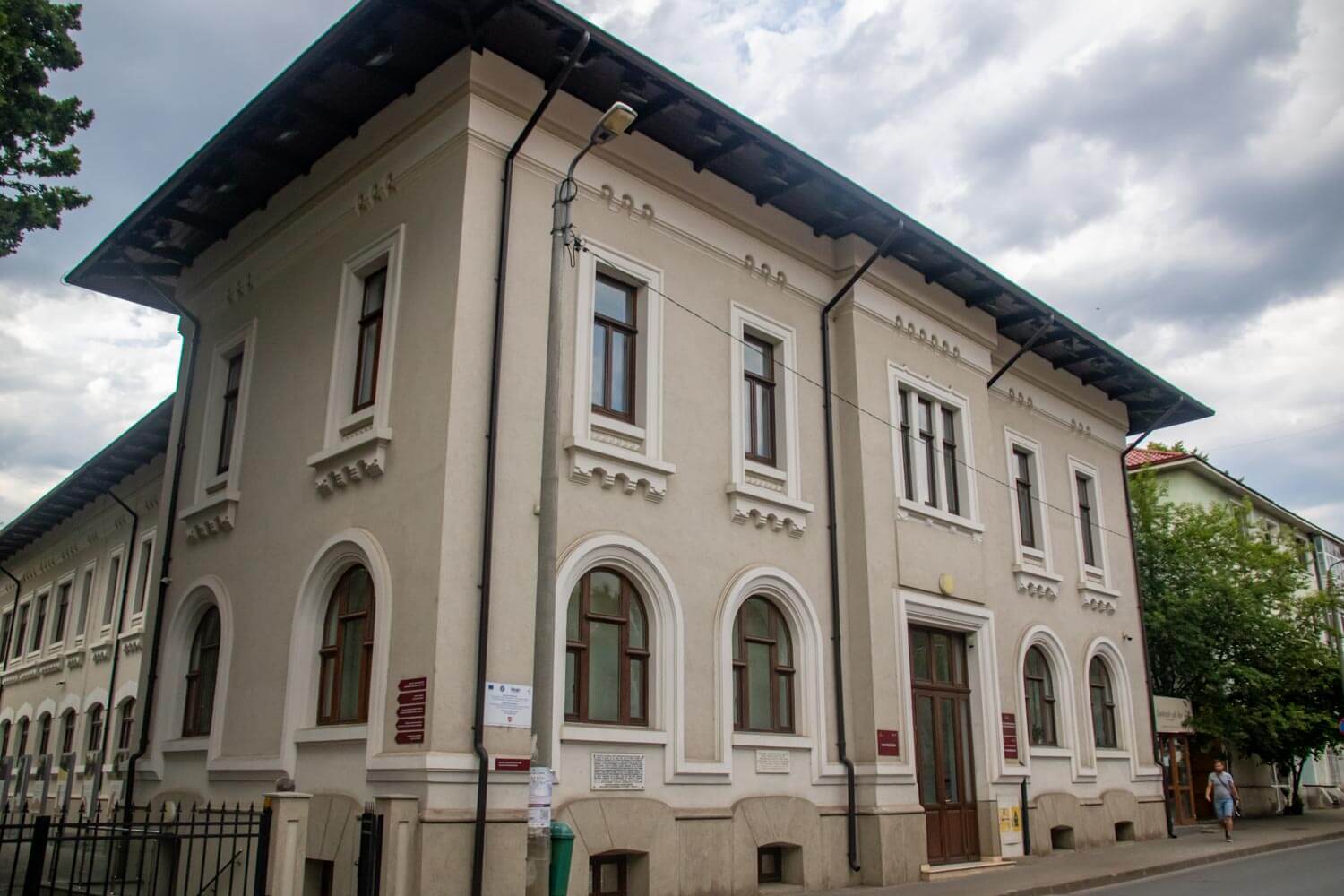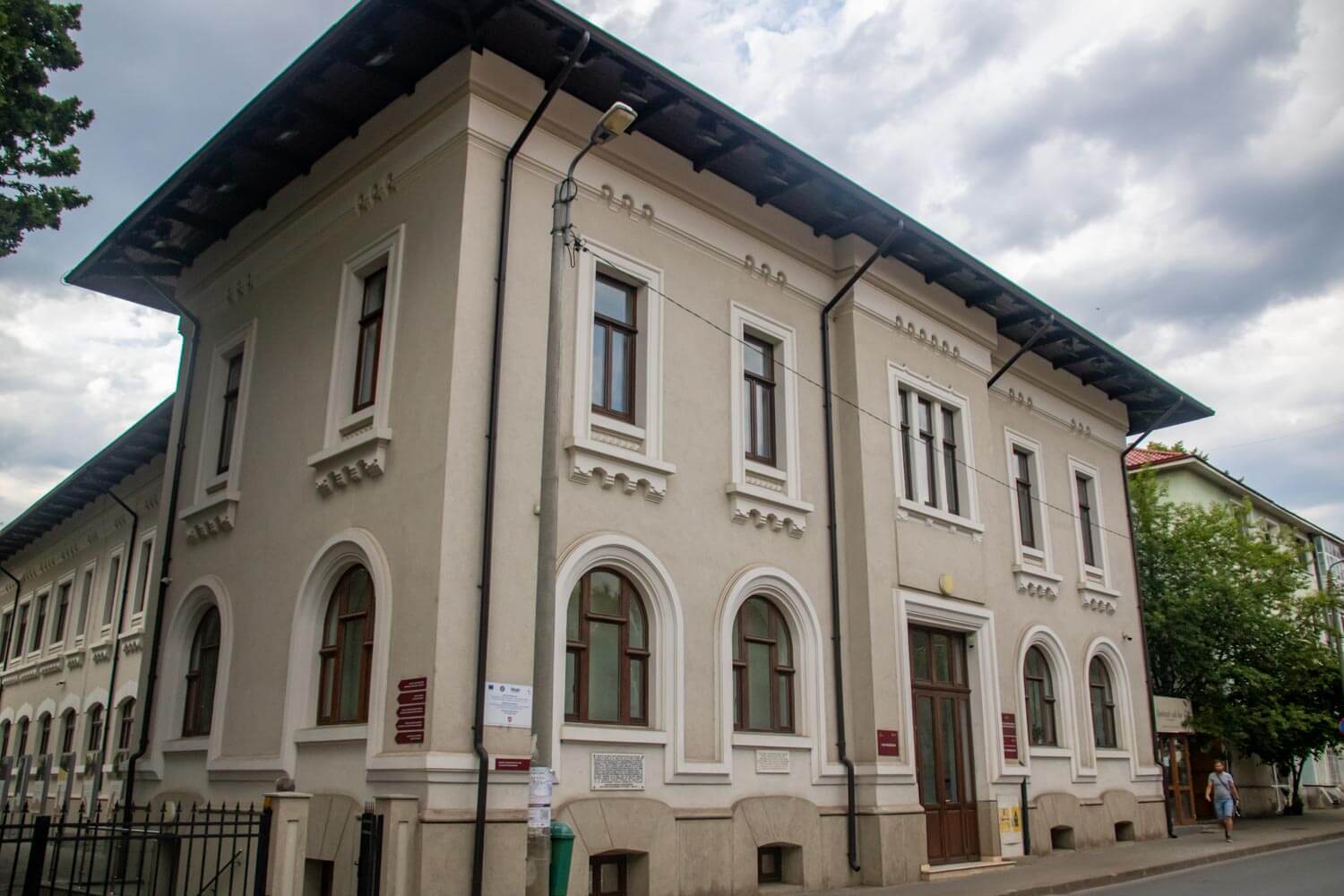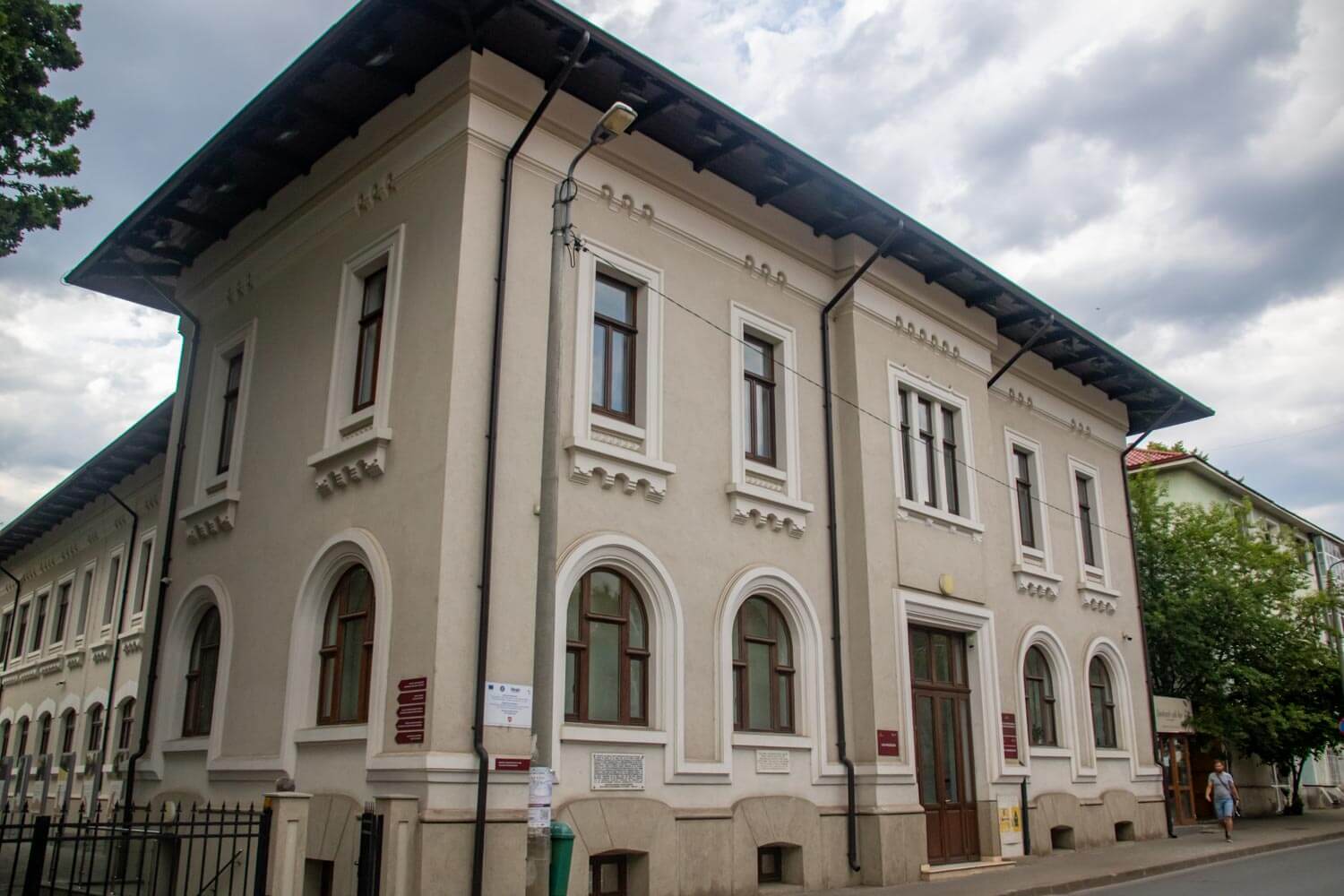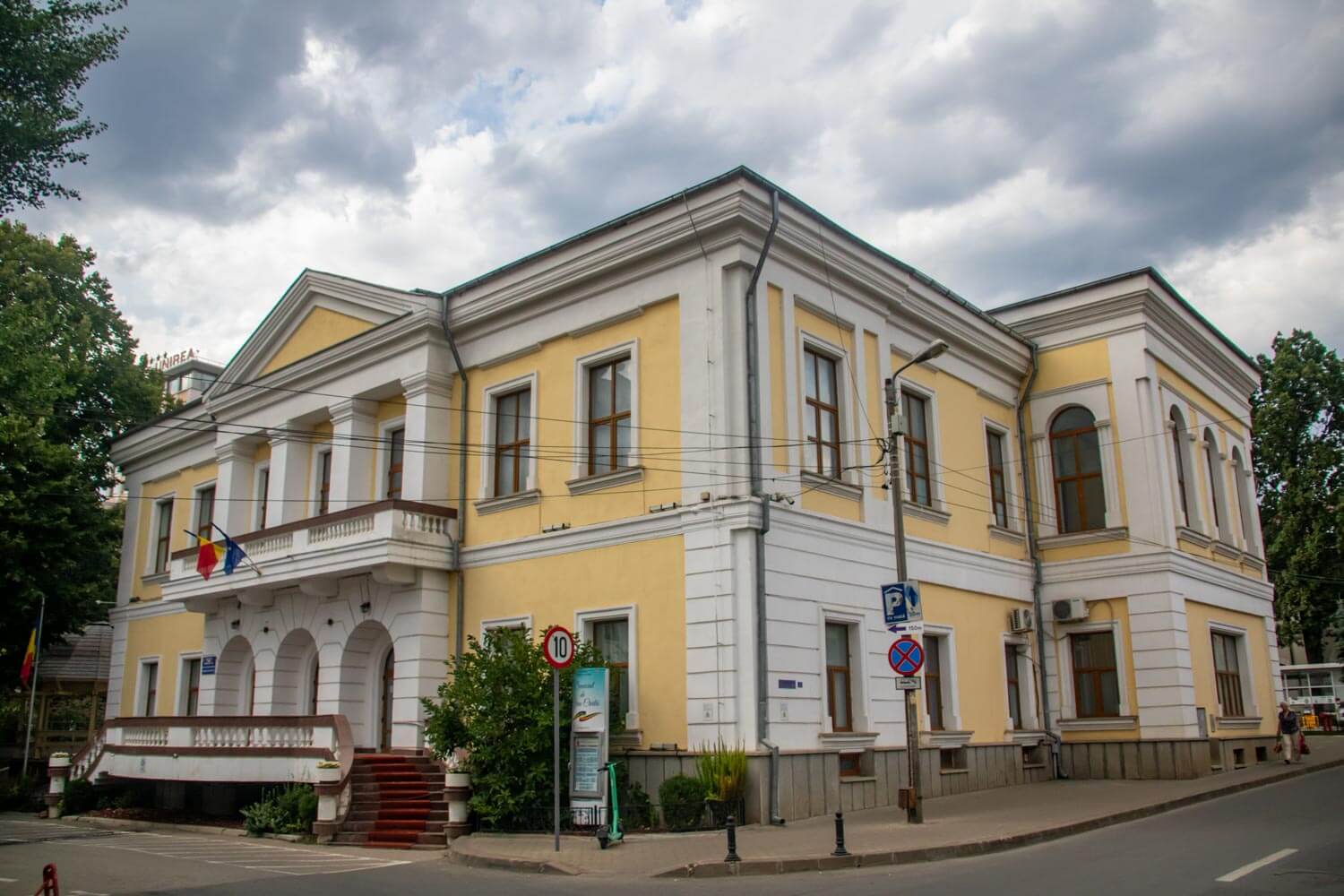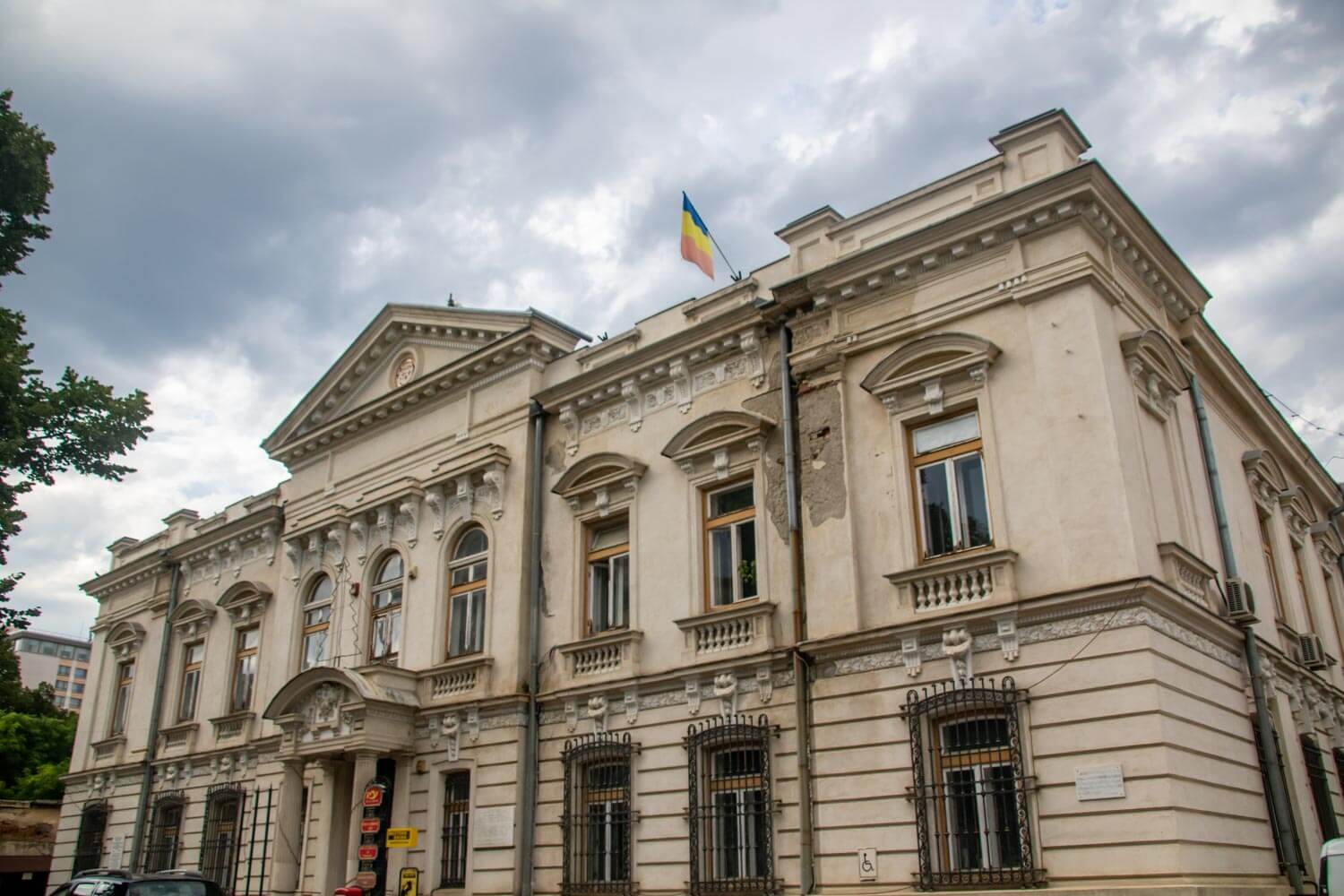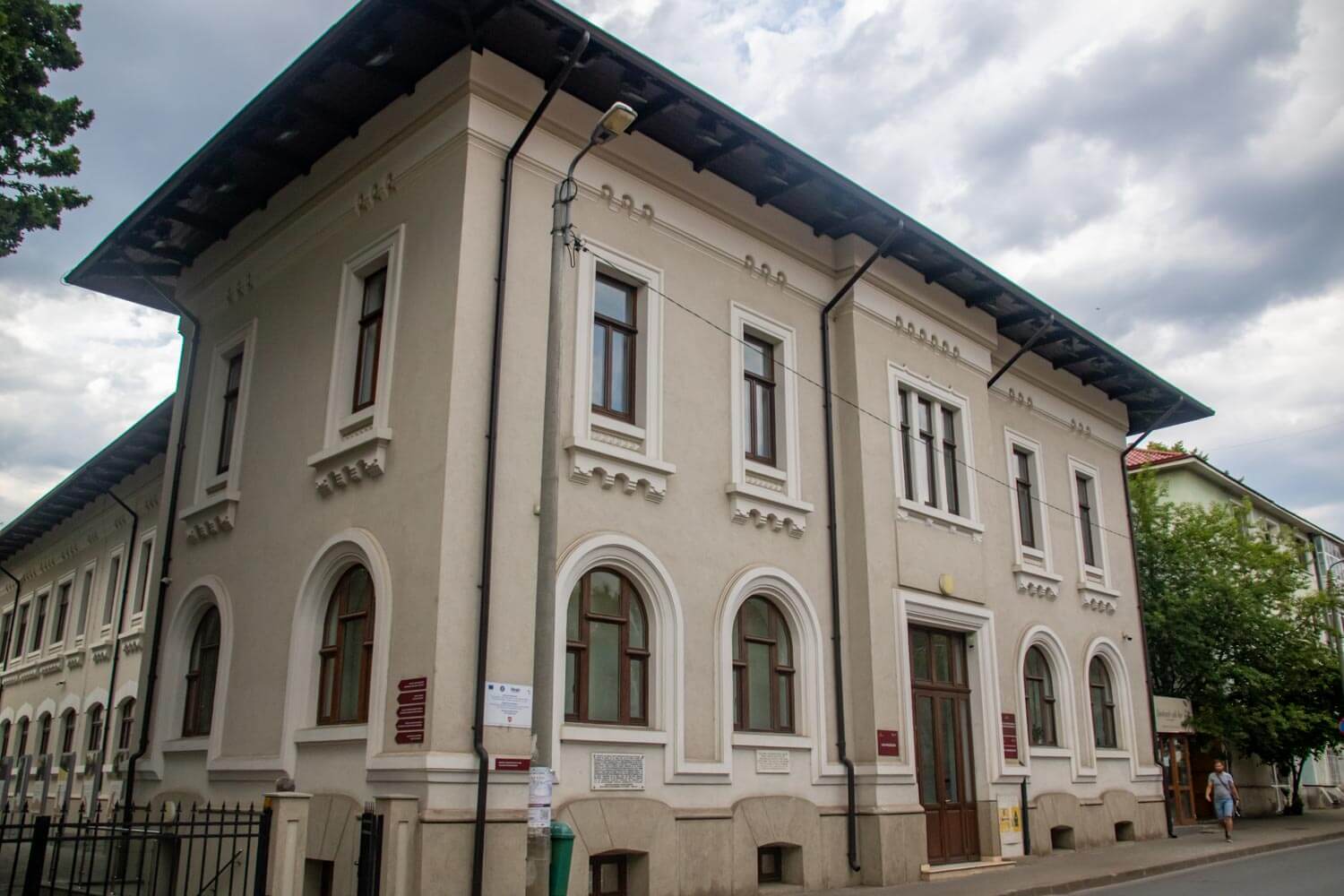
The House of Museums (Casa Muzeelor) is a historic building and museum complex in central Iași, housing five separate museums and the administrative headquarters of the National Museum of Romanian Literature Iași. Its present cultural role sits on top of a much more complicated history that includes literary publishing, police administration, and one of the darkest episodes in the city’s 20th-century past.
During the early decades of the 20th century, the building became the home of the influential literary journal Viața Românească, whose editors and contributors included figures such as Garabet Ibrăileanu and Mihail Sadoveanu. Editorial meetings held here brought together writers who played an important role in Romanian literary life, giving the building an intellectual significance long before it became a museum.
That chapter ended when the Ministry of the Interior acquired the property in the 1930s and converted it into the headquarters of the Iași Police and Gendarmerie. In June 1941, during the Iași Pogrom, thousands of Jewish residents were brought to the police headquarters and its courtyard, where many were beaten or killed before others were forced onto the death trains. The building itself therefore forms part of the history presented by the Museum of the Iași Pogrom now housed inside it.
After the war, the property passed through a succession of state and commercial uses and gradually deteriorated. Restoration and structural work began in stages during the 2010s, eventually transforming the former administrative building into a cultural complex. Casa Muzeelor opened on 22 July 2021, when the National Museum of Romanian Literature Iași also moved its central administration here.
Five museums operate inside the building: the Museum of Romanian Literature, the Museum of Poetry, the Museum of Jewish Theater in Romania, the Museum of Childhood in Communism, and the Iași Pogrom Museum. Each can be visited separately, while a combined Casa Muzeelor ticket gives access to all five.