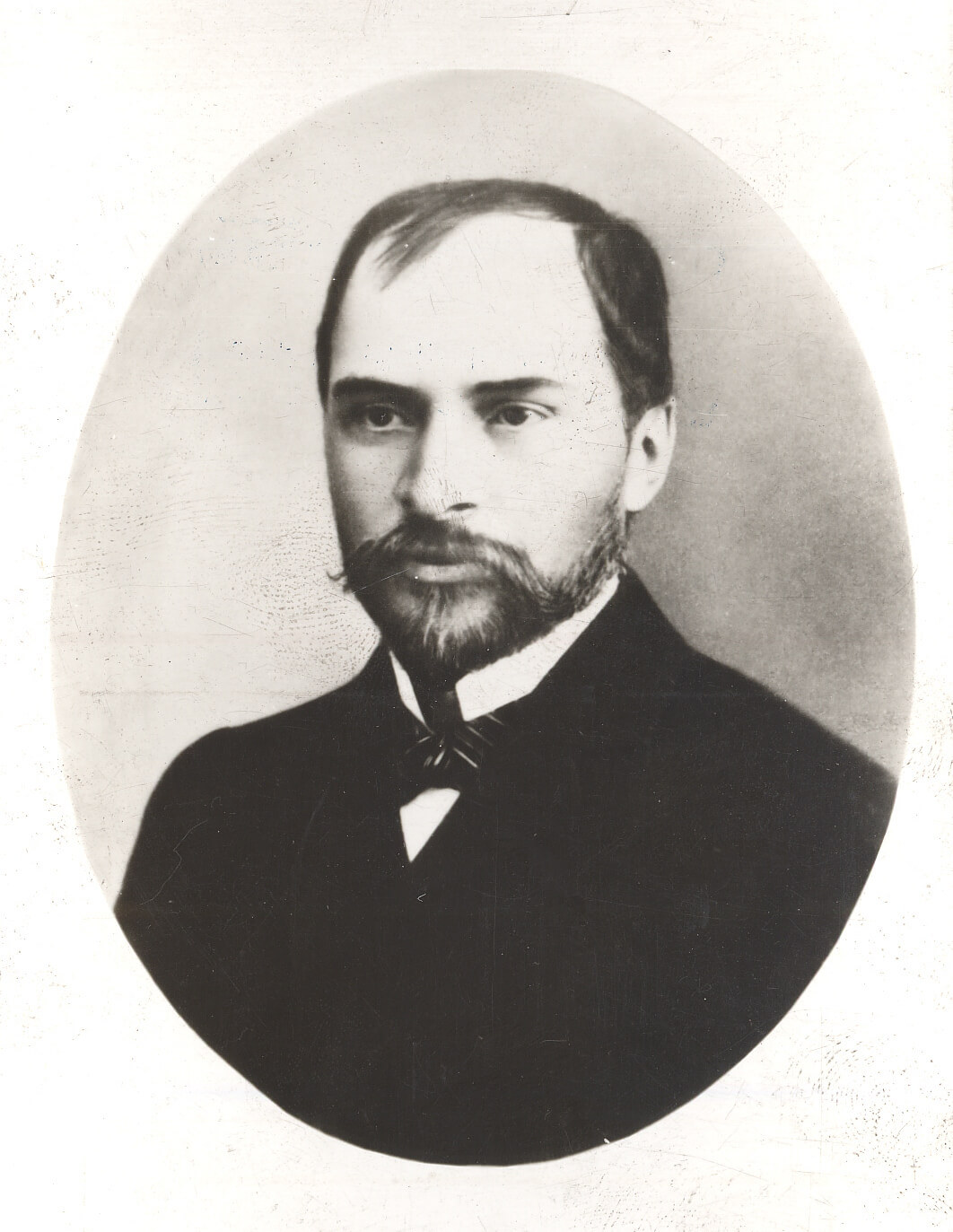
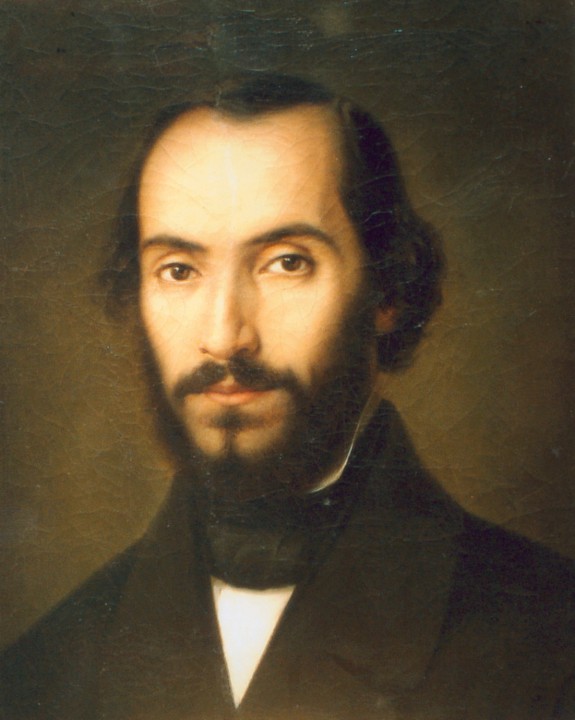
Mihai Eminescu (1850-1889) was a Romanian poet, journalist, and writer who became the most influential literary figure in modern Romanian culture and is widely regarded as Romania’s national poet. His work helped shape the modern Romanian literary language, while his journalism placed him at the center of the political and cultural debates of the late nineteenth century. Poems such as Luceafărul, the Scrisori, Doina, and his many works about love and nature became part of the country’s literary canon, and his birthday on January 15 is now celebrated as Romania’s National Culture Day.
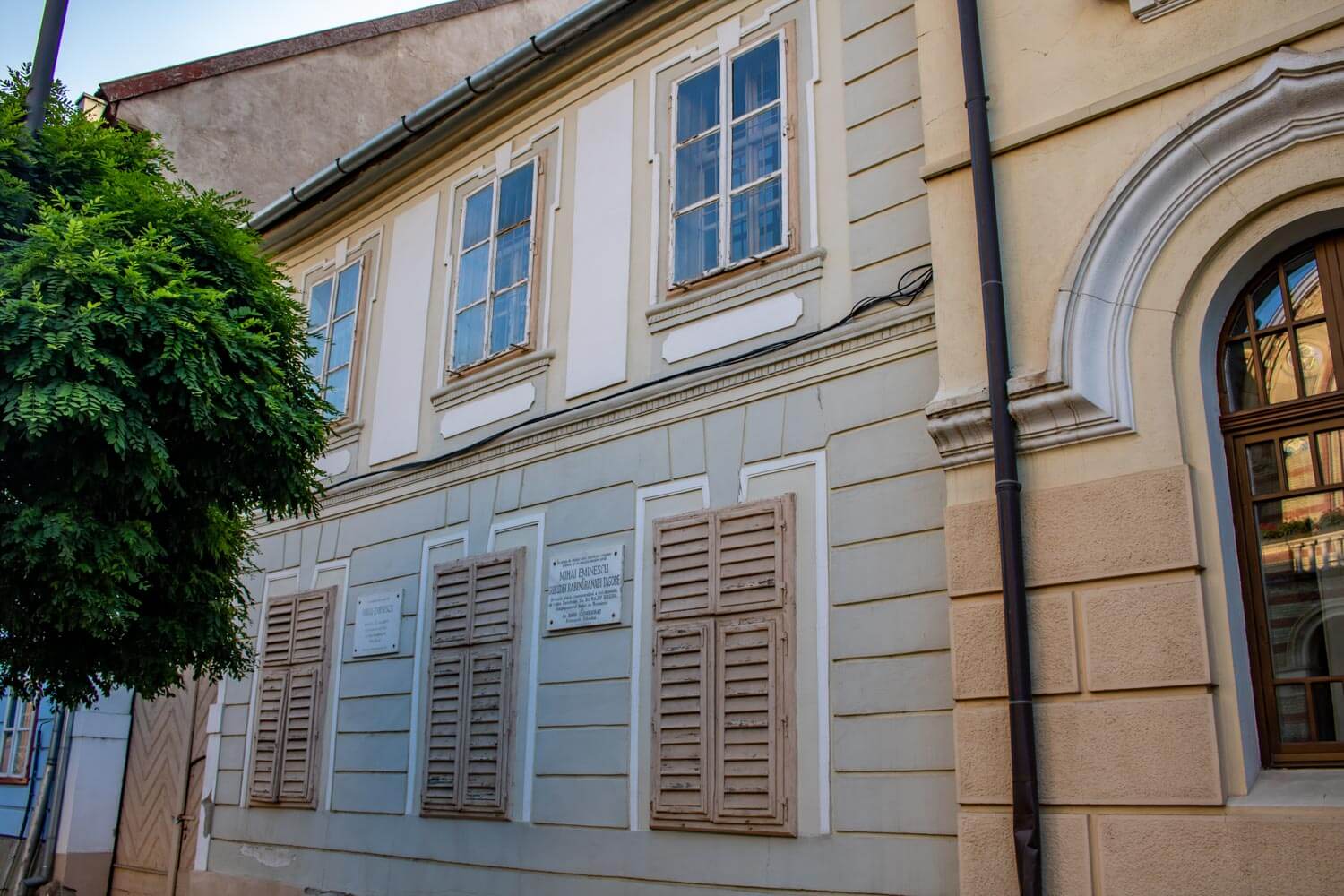
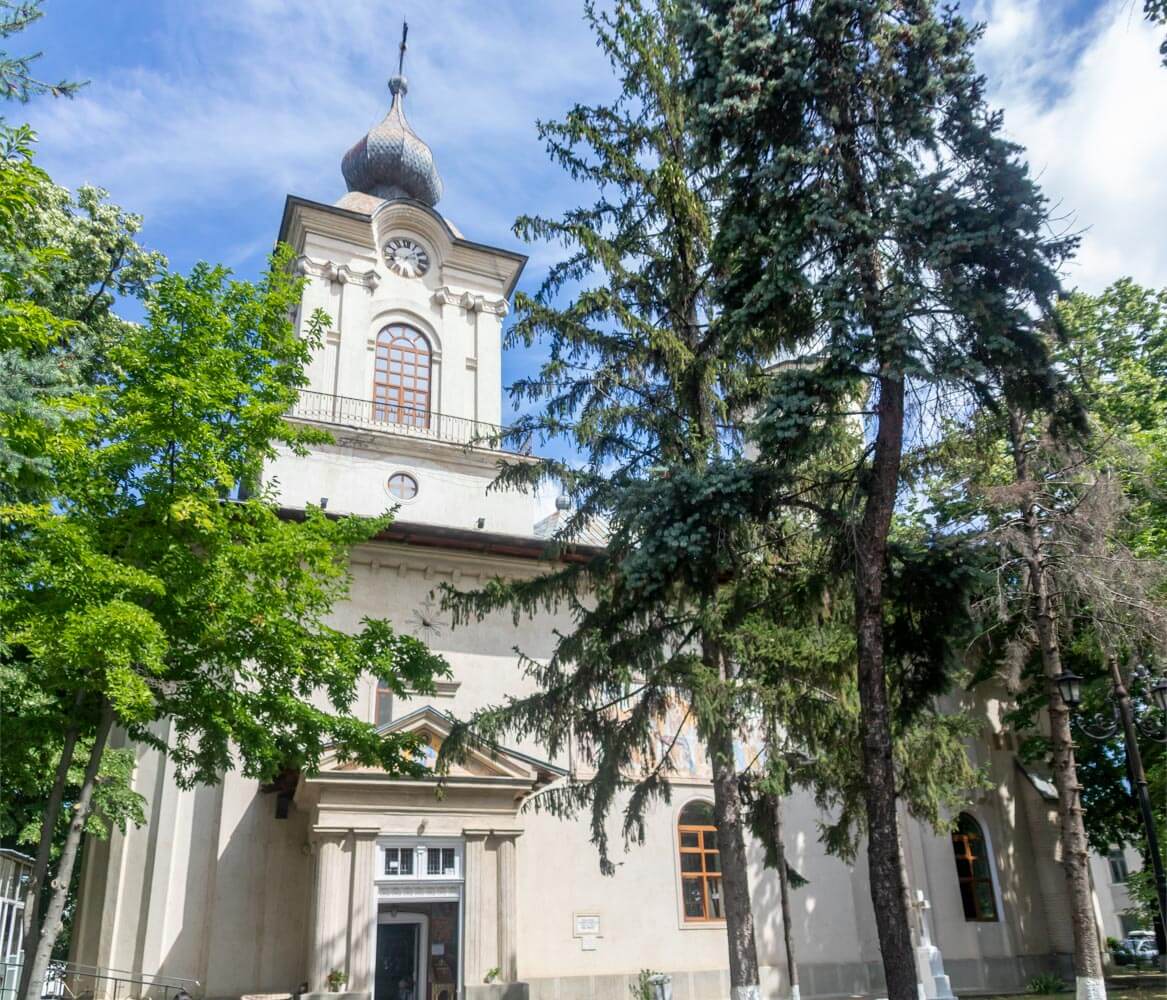
Eminescu was born in Botoșani as Mihail Eminovici, in a family home that once stood on what is now 1 December 1918 Street. After being baptized at nearby Uspenia Church, he spent much of his childhood outside the city at the family estate in Ipotești, where the forests, fields, and lakes left a much deeper mark on his imagination. That landscape would later return repeatedly in his poetry and help shape the intensely personal way in which he wrote about nature, memory, and longing.
As his education progressed, Eminescu moved away from the rural world of Ipotești and into a much wider intellectual and cultural environment. He studied in Cernăuți, began publishing poetry while still a teenager, and then followed a restless path that took him through theatrical companies, backstage work, and travel across Transylvania before he eventually reached Bucharest. By the end of the 1860s he had continued on to Vienna, where studies in philosophy, literature, history, economics, and politics broadened the range of ideas that would later appear in both his poetry and journalism.
Those years in Vienna also shaped his adult life through the people he met there. He became close to writer Ioan Slavici and met Veronica Micle, beginning a long and complicated relationship that would inspire some of his most personal writing. After further study in Berlin, he returned to Romania and settled for a time in Iași, where his literary career finally found a more stable setting.
That stability came largely through Junimea, one of the most influential cultural societies of the period. Its meetings and its journal Convorbiri literare brought Eminescu into the circle of writers and critics who were redefining Romanian literature, while Titu Maiorescu became one of the strongest early supporters of his work. In Iași he also formed a close friendship with Ion Creangă, and the two men developed one of the best-known literary friendships of nineteenth-century Romania.
Because Eminescu never separated literature from public life, his years in Iași were filled with much more than poetry. He worked as a librarian, teacher, school inspector, and journalist, and those roles kept him closely engaged with education, history, politics, and the rapid changes taking place in Romanian society. The same writer who could turn a forest, a star, or an impossible love into poetry was also constantly thinking about how the country was being governed and how its culture was developing.
That public engagement eventually drew him to Bucharest in 1877, when he joined the newspaper Timpul. Journalism soon became the center of his daily working life, and he wrote extensively about political corruption, foreign policy, education, economic dependence, and national identity. His articles were often sharp and confrontational, revealing a much more combative public figure than the romantic image created by many of his poems.
While journalism occupied much of his time, his poetry was also reaching its greatest maturity. Eminescu moved easily between intimate love poems, rural landscapes, folklore, history, philosophy, mortality, and questions about the place of the individual in the universe. Luceafărul, published in 1883, brought many of those themes together in the story of an immortal being drawn toward a human world he can never fully enter, and it became both his best-known work and one of the defining poems of Romanian literature.
The scale of his later reputation is striking because relatively little of his work appeared in book form during his lifetime. Most of his poems were first published in journals and newspapers, and his only major poetry collection was assembled by Titu Maiorescu in 1883. Behind those published works, however, Eminescu left an enormous archive of drafts, notes, translations, political writing, and unfinished texts, much of which was later donated to the Romanian Academy and became essential to the study of his work.
By the time that collection appeared, his health had already begun to deteriorate badly. From 1883 onward, periods of treatment and recovery repeatedly interrupted his work and took him between Bucharest, Iași, Botoșani, and clinics abroad. Although he occasionally returned to journalism and writing, he never regained the sustained rhythm of his earlier years, and he died in Bucharest in 1889 at the age of thirty-nine. He was buried at Bellu Cemetery, where his grave later became one of Romania’s best-known literary places of remembrance.
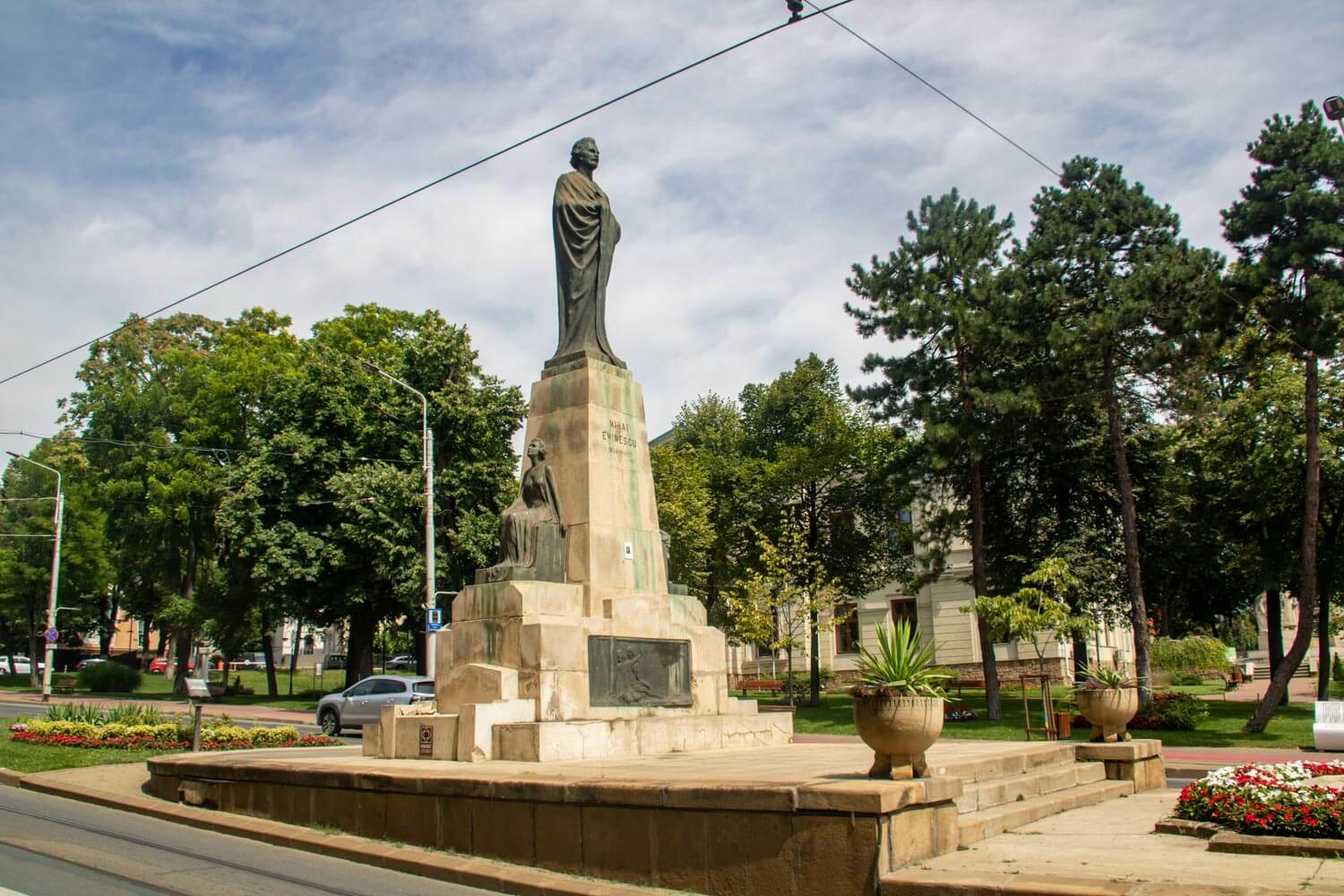
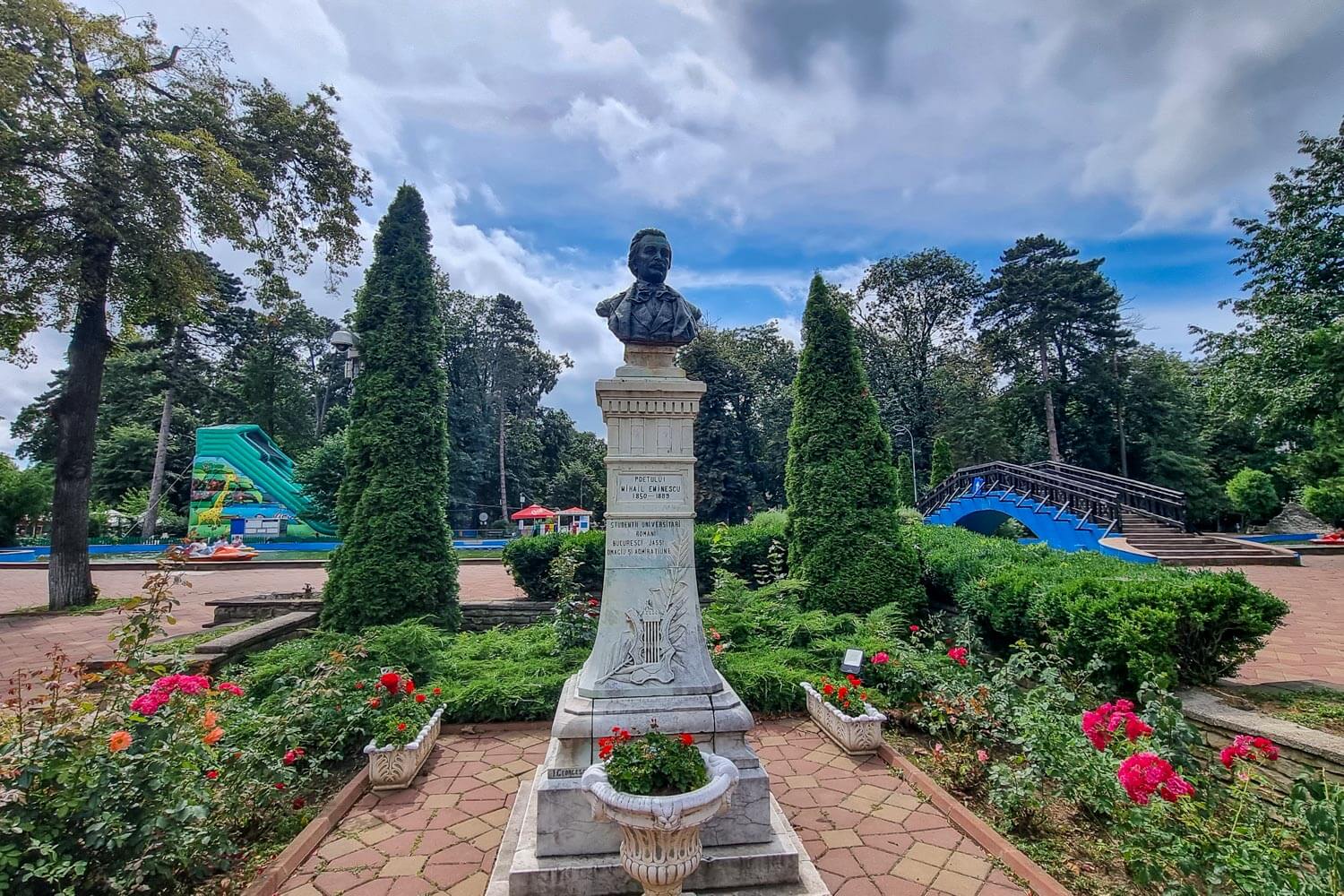
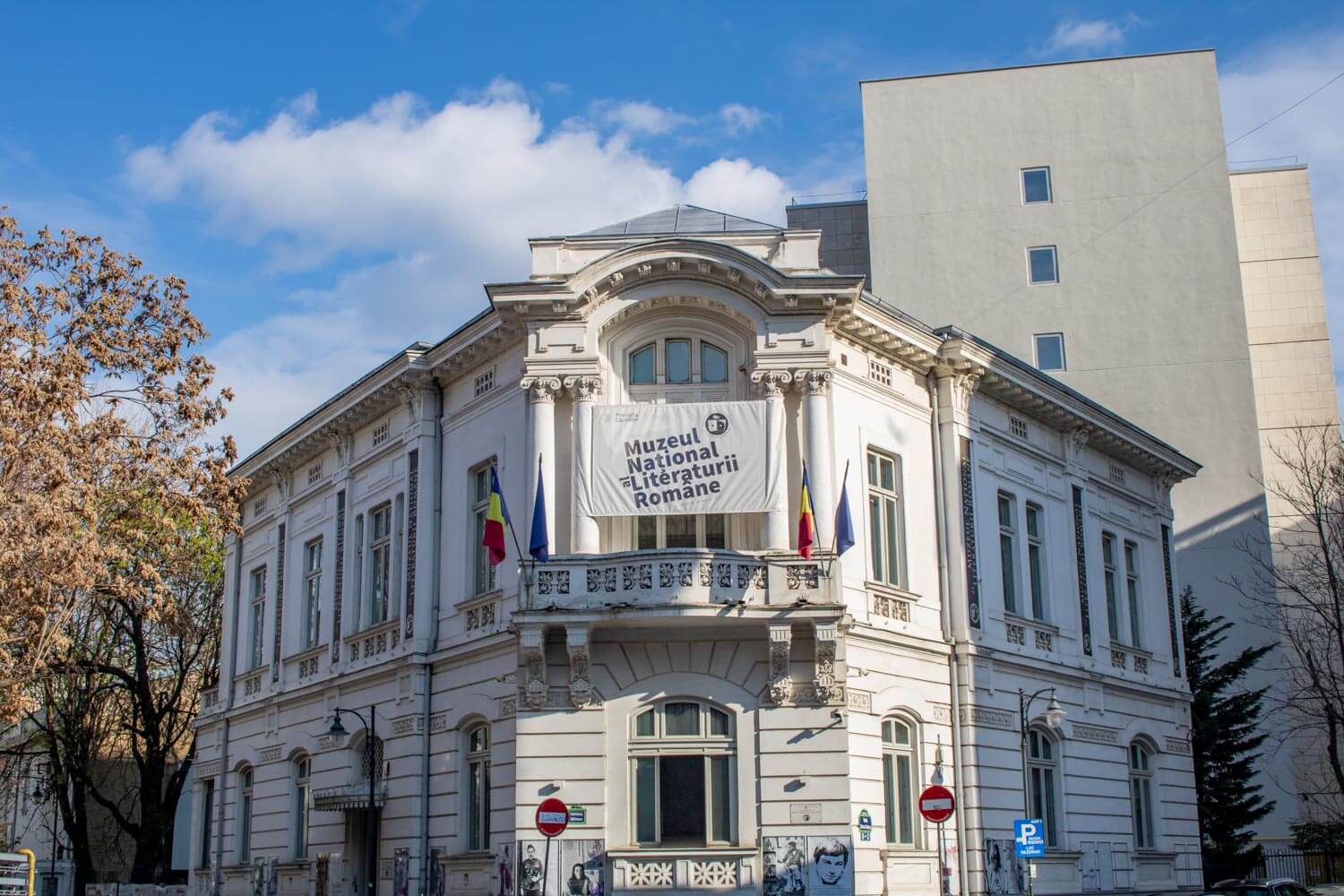
His reputation grew enormously after his death because later generations turned his poetry into a central part of Romanian literary education and cultural identity. His works entered school curricula, public ceremonies, anthologies, and everyday cultural memory, while critics and institutions increasingly described him as Romania’s national poet. That status helps explain why his name is now found so widely on schools, libraries, theaters, streets, squares, parks, cultural institutions, and monuments throughout the country.
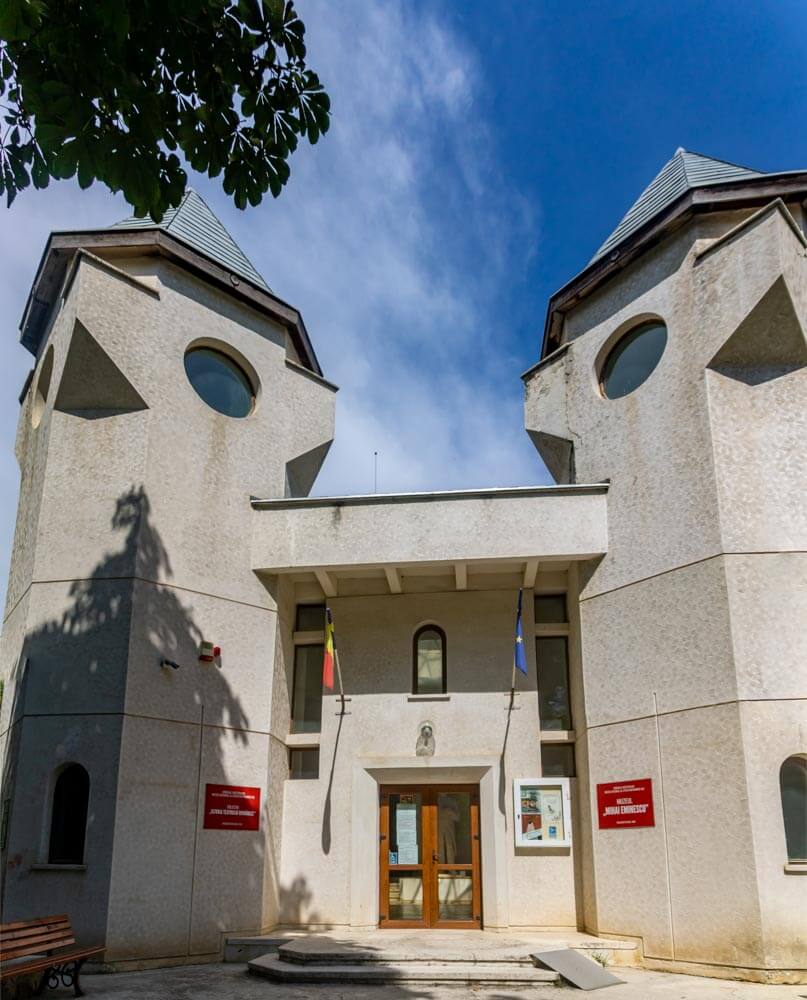
The places that preserve his life today follow the same path as his biography. In Botoșani, the marked birthplace on 1 December 1918 Street and Uspenia Church recall the beginning of his life, while the Mihai Eminescu Memorial at Ipotești brings visitors into the landscape that shaped his childhood imagination. In Iași, the Mihai Eminescu Museum in Copou Park focuses on the literary world in which his career developed, and in Bucharest his grave at Bellu marks the end of a life spent moving between poetry, journalism, study, and public debate.
Eminescu’s lasting importance comes from the way those different parts of his life fed into one another. His poetry gave Romanian literature some of its most enduring images and rhythms, while his journalism captured the tensions of a society trying to define itself politically and culturally. The figure remembered today as Romania’s national poet was therefore not only a writer of love, nature, and philosophy, but also a restless public intellectual whose short life left an unusually deep mark on the language and culture of the country.