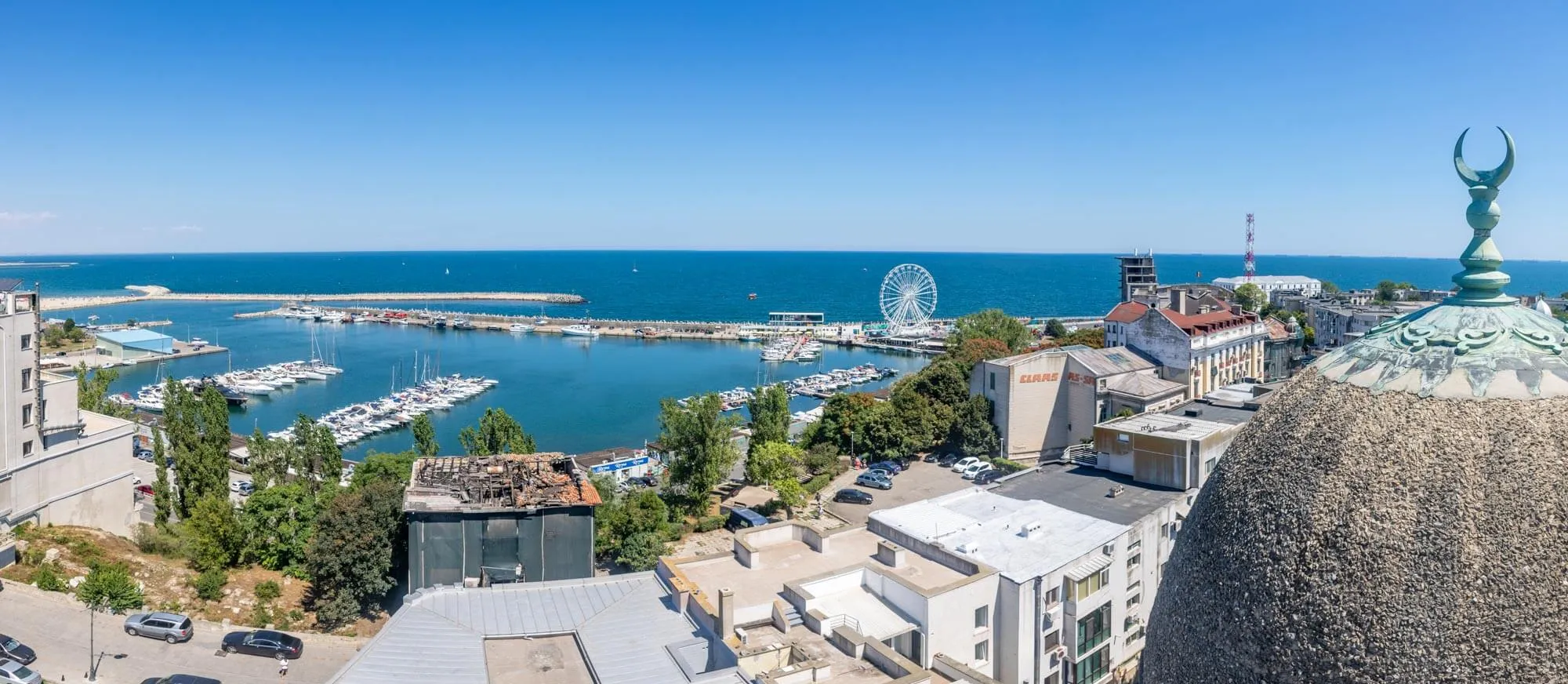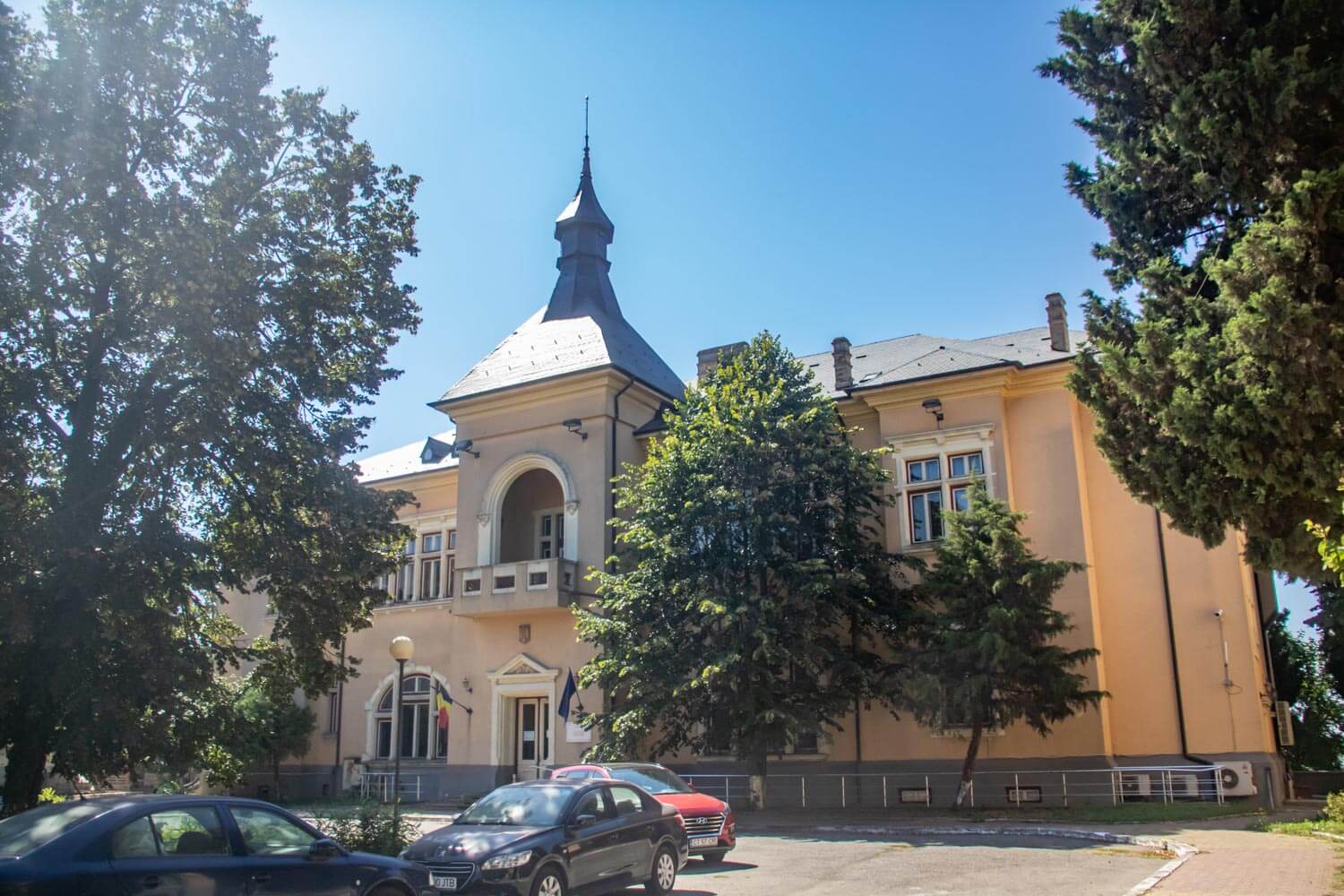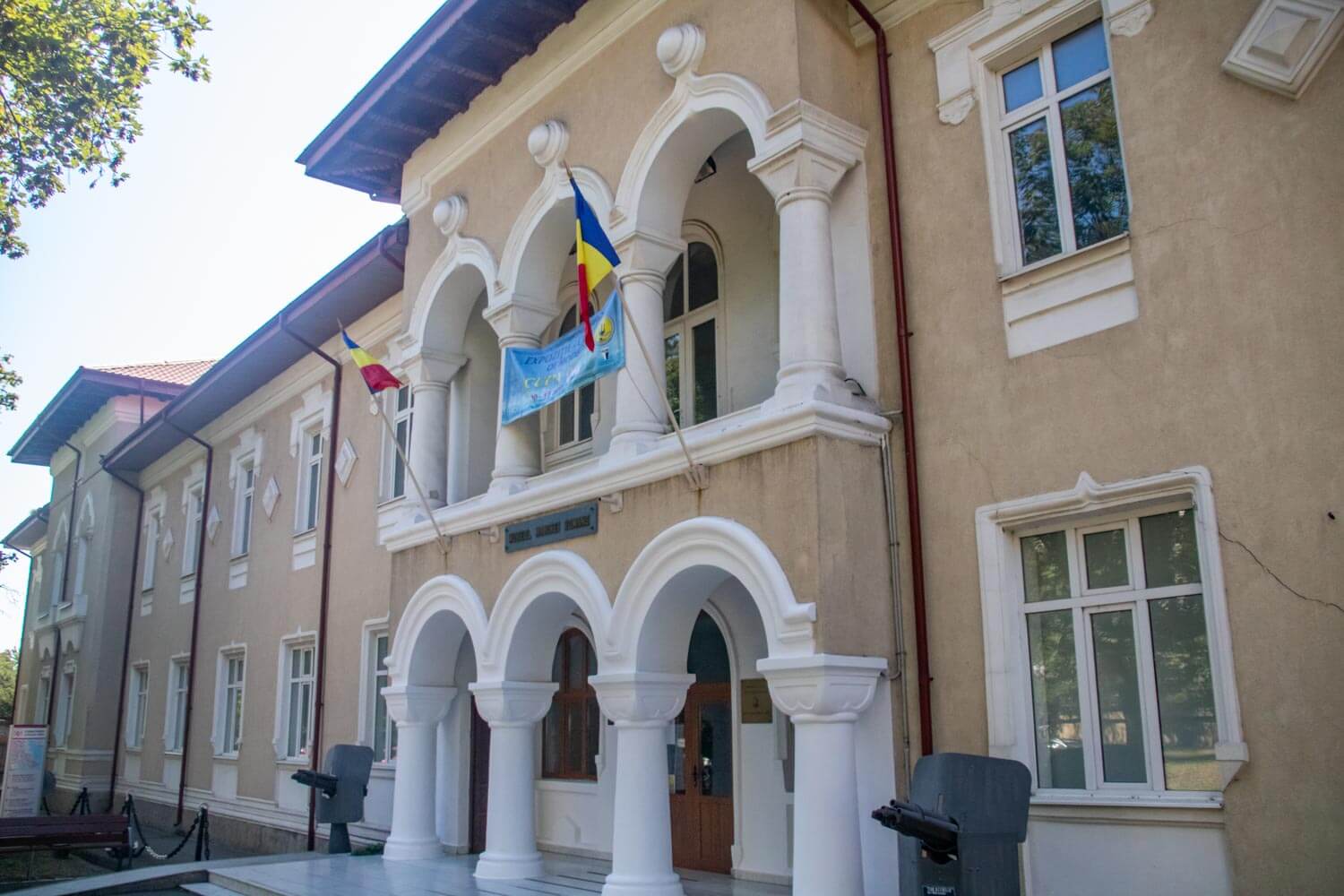


The National Museum of the Romanian Navy (Muzeul Național al Marinei Române) is a naval history museum in Constanța, housed in the former Naval School overlooking the Constanța Port. Its extensive collections trace navigation and maritime activity from antiquity through the development of Romania’s modern military and commercial fleets, with ship models, weapons, uniforms, navigation equipment and several large exhibits displayed outside.
History
Efforts to create a museum devoted to the Romanian Navy began well before the present institution opened. When several naval vessels were withdrawn from service after World War I, weapons, navigation instruments and other equipment were deliberately preserved for a future museum, with part of this material later displayed by the National Military Museum in Bucharest. A separate naval exhibition eventually opened in Mangalia in 1965, forming the nucleus of the Romanian Navy Museum established in Constanța in 1969.
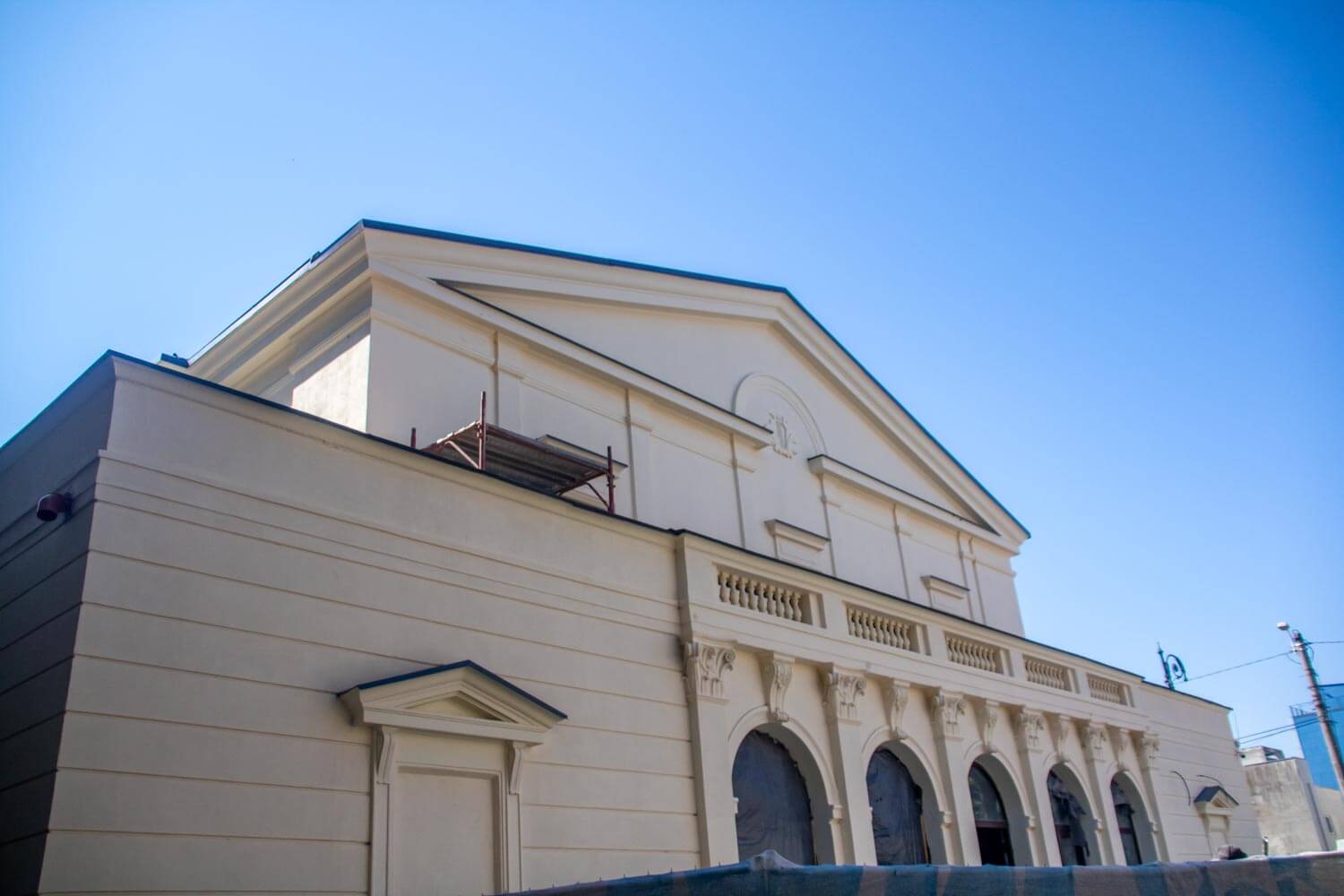
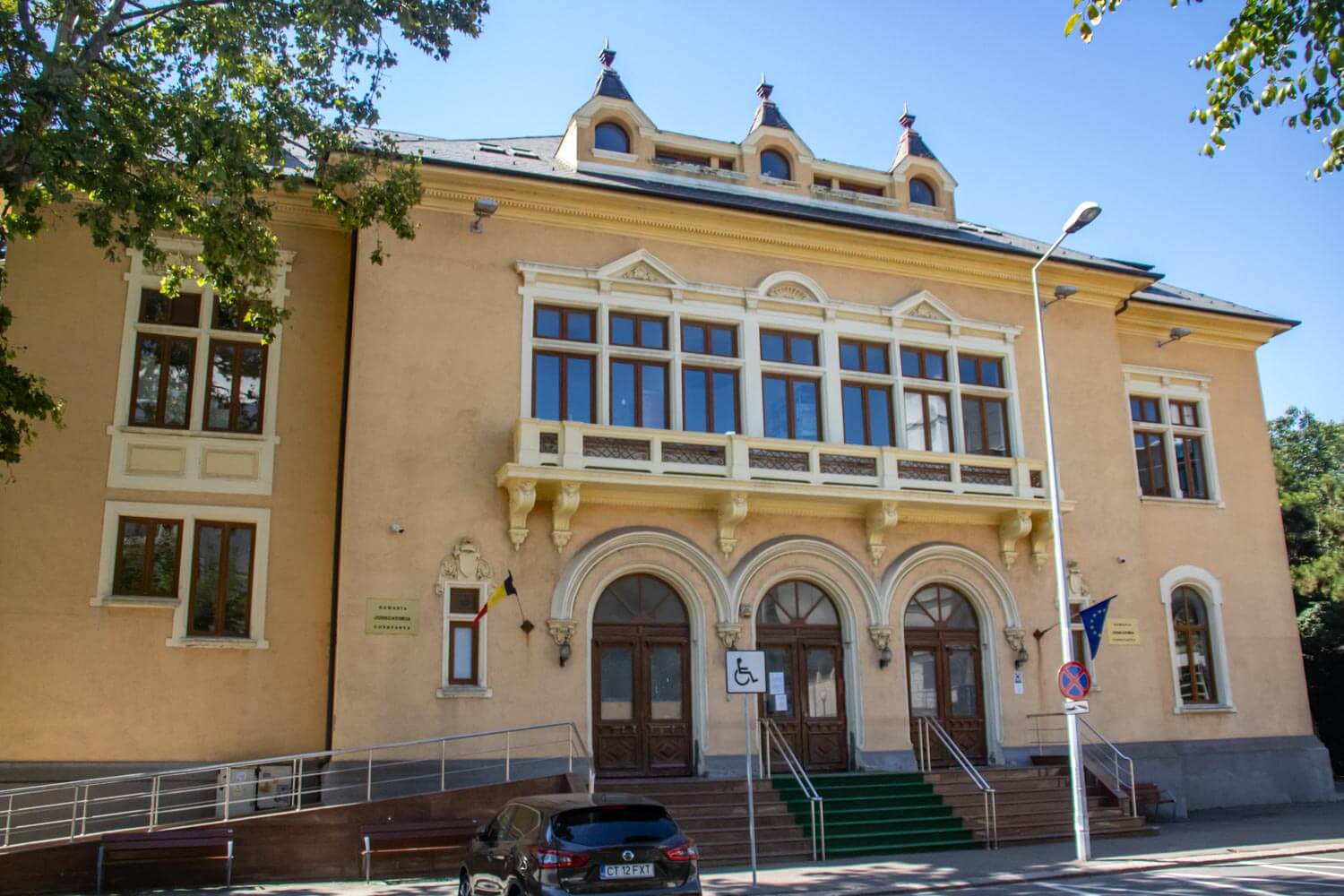
The new museum was installed in the former Schools of the Navy, built between 1908 and 1909 for the training of naval officers and other maritime personnel. Designed by architect Ion Socolescu in the Neo-Romanian style, the building originally consisted of a central section and was enlarged with additional wings during the 1930s as the school expanded.
Naval education continued here for several decades. During World War II, the school was evacuated because of bombing, and after the war the building was occupied for a period by Soviet troops. It later housed the Naval Command and several civilian institutions before being adapted for the museum in 1969.
Museum Collections
The permanent exhibition follows the history of navigation and the Romanian Navy broadly chronologically, beginning with ancient seafaring on the western Black Sea. Early galleries cover the Greek colonies of Histria, Tomis and Callatis and include amphorae, anchors, coins, inscriptions and models of ancient vessels alongside material illustrating Roman and Byzantine navigation.
Later sections follow the development of shipping and naval warfare through the medieval and modern periods and into the formation of the Romanian naval forces. Ship models are particularly prominent, showing military and commercial vessels from different periods, while the wider collection includes uniforms, flags, firearms and edged weapons, naval mines, navigation and communications equipment, engines, anchors, propellers, photographs and personal objects connected with sailors and naval officers.
The 19th and 20th centuries form a substantial part of the exhibition, tracing the creation of Romania’s modern fleet, the expansion of commercial shipping and the role of naval forces during the two world wars. Original equipment and surviving fragments from vessels are displayed alongside models and archival material, allowing the development of ships and naval technology to be followed alongside the people who operated them.
The visit traditionally continues into the grounds behind the museum, where exhibits too large for the galleries are displayed in the open air. These include naval artillery, anchors, propellers, engines, mines and decommissioned vessels or sections of vessels, with the elevated site also opening views toward the Constanța Port.