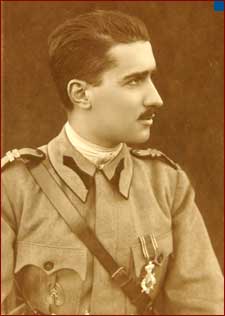
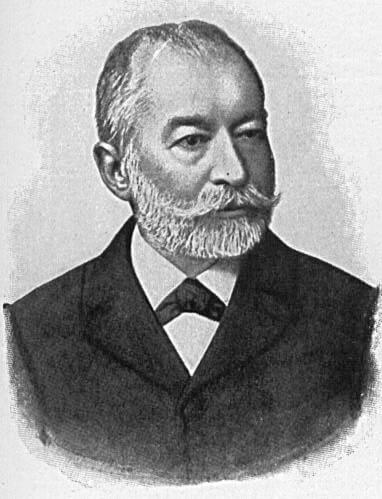
Barbu Alexandru Știrbey (1872-1946) was a Romanian aristocrat, politician, diplomat, and royal adviser who became one of the most influential figures around King Ferdinand I and Queen Marie. Although he held relatively few prominent elected offices himself, his position at court placed him close to many of the major political decisions surrounding Romania’s entry into the First World War and the creation of Greater Romania, while his later diplomatic work helped prepare the country’s break with Nazi Germany in 1944.
Born at Buftea, Știrbey was the grandson of former Wallachian prince Barbu Dimitrie Știrbei and belonged to one of the country’s wealthiest aristocratic families. After studying in France, including law at the University of Paris, he returned to Romania and combined management of the family estates with extensive business interests. Agriculture became a particular focus at Buftea, where he modernized wine production and developed other agricultural and industrial enterprises rather than treating the estate simply as a country residence.
His growing reputation as an administrator brought him much closer to the royal family when Carol I appointed him administrator of the Crown Domains in 1913. After Ferdinand became king the following year, Știrbey developed into one of his most trusted personal advisers and also became exceptionally close to Queen Marie. Their surviving correspondence reveals that this relationship went beyond ordinary court friendship, but politically his importance lay above all in the access it gave him to both monarchs and in the discreet role he played between the royal household and the government. His sister Elisa was married to Ion I. C. Brătianu, further placing Știrbey at the intersection of the court and the dominant Liberal political network.
That position became especially important after the outbreak of the First World War. Știrbey supported Romania joining the Entente rather than the Central Powers and remained beside the royal family after the German advance forced the court and government to retreat to Iași in 1916. During the crisis that followed, he continued advising Ferdinand and Marie and helped draft the royal promise of agrarian and electoral reform intended to maintain support among soldiers and the wider population.
Romania’s eventual victory and territorial expansion strengthened the political world in which Știrbey had operated, but he generally continued to exercise influence without seeking the leading public role for himself. Only in June 1927, when Ferdinand was seriously ill and political tensions were increasing, did the king ask him to form a government. Știrbey attempted to create a broader coalition, but his premiership lasted barely two weeks before Liberal ministers withdrew and Ion I. C. Brătianu returned to power. Ferdinand died the following month, bringing to an end the period in which Știrbey had enjoyed his greatest influence at court.
His political importance nevertheless resurfaced dramatically during the Second World War. With Romania allied to Nazi Germany but searching for a way out of the conflict, opposition leaders sent Știrbey to Cairo in 1944 for discussions with representatives of the Allied powers. The negotiations did not immediately remove Romania from the war, but they formed part of the diplomatic efforts that preceded King Michael’s coup of August 23, 1944. After the change of sides, Știrbey was also included in the Romanian delegation that signed the armistice with the Soviet Union, Britain, and the United States in Moscow on September 12.
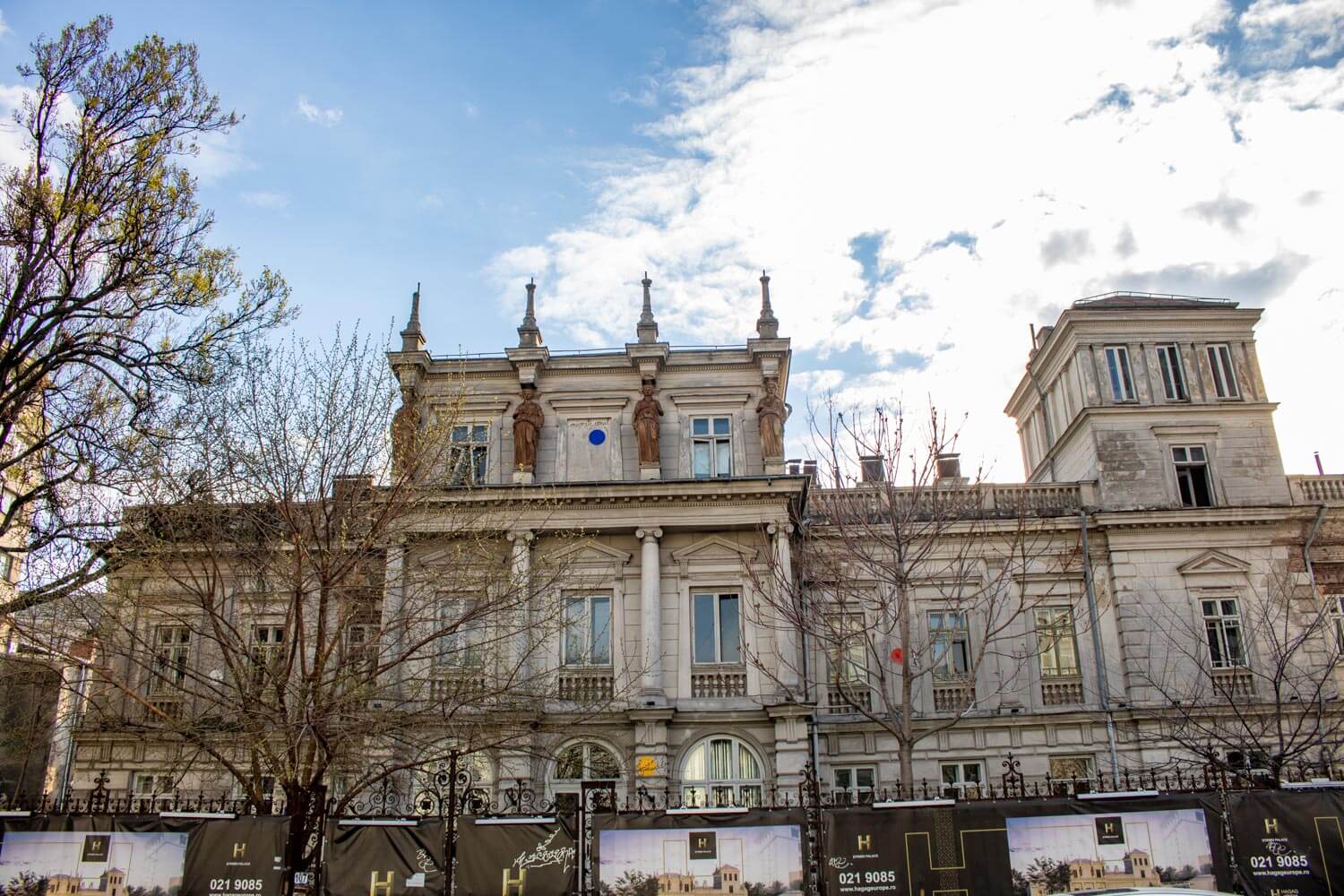
Between these political roles, Știrbei Palace and the estate at Buftea remained the center of his private and business life. The property had belonged to the family since the nineteenth century and developed under Barbu Alexandru into a productive estate as well as a meeting place for members of Romania’s political and royal elite. His close friendship with Ferdinand and Marie made Buftea part of the informal social world surrounding the monarchy, while the agricultural enterprises he developed there reflected the less visible commercial side of his career.
Știrbey died in Bucharest in 1946, having lived through the reigns of Carol I, Ferdinand I, Carol II, and Michael I and through both world wars. His career is unusual because much of his influence came not from long periods in government but from personal trust, family connections, diplomacy, and his position close to the monarchy. From the wartime court at Iași to the Allied negotiations of 1944, Barbu Alexandru Știrbey repeatedly appeared at moments when Romania was making some of the most consequential political choices of the first half of the twentieth century.