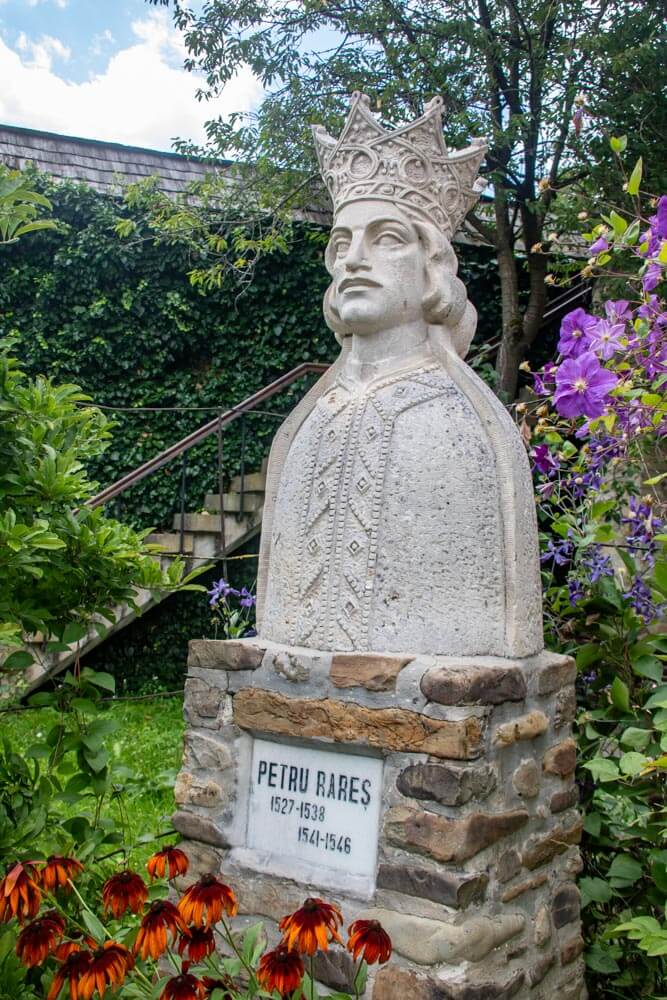
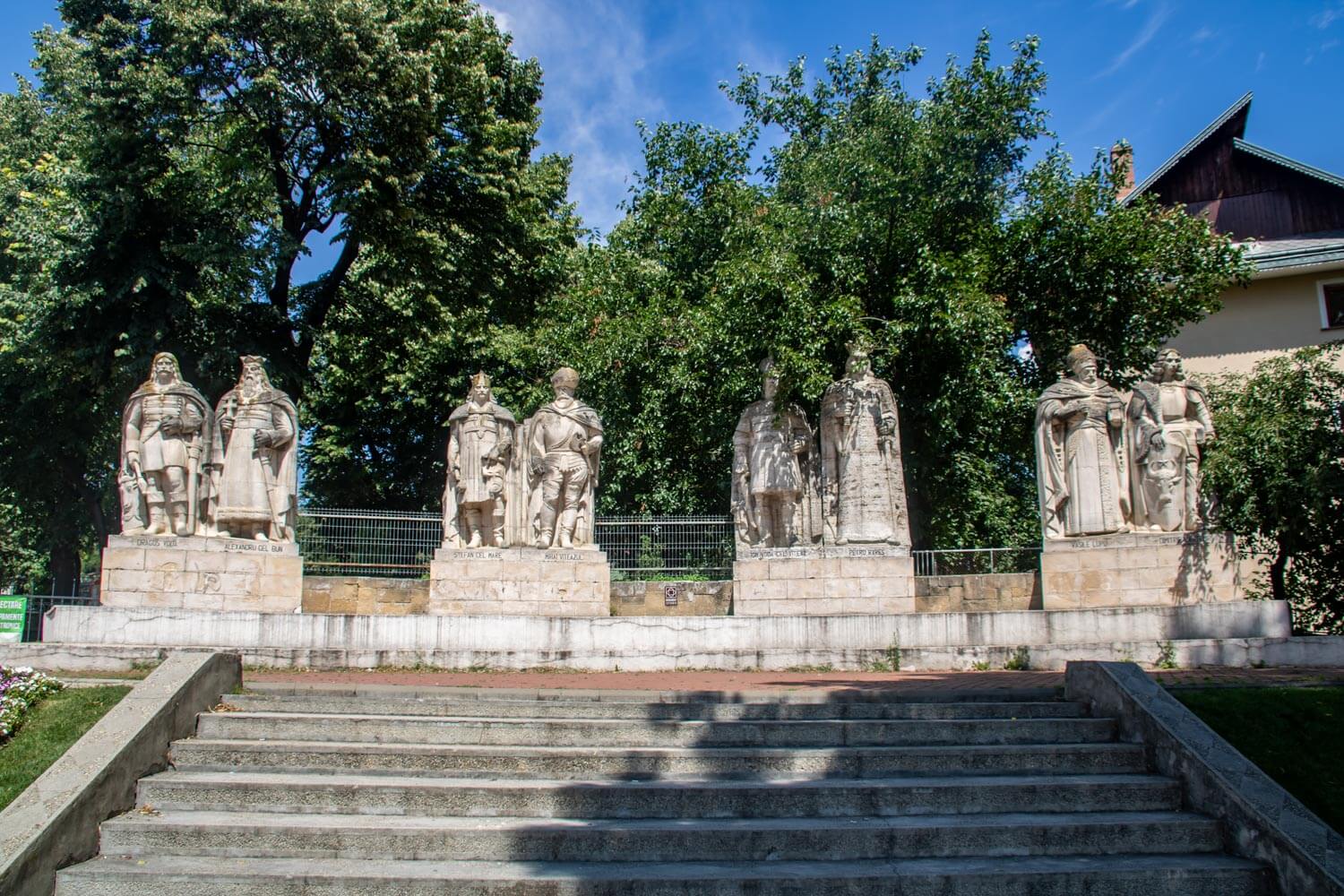
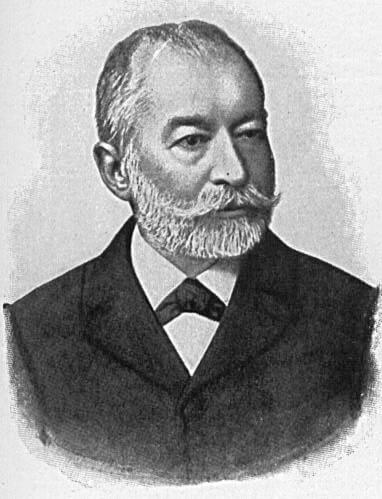
Petru Rareș (c. 1483-1546) was the Prince of Moldavia from 1527 to 1538 and again from 1541 until his death, and one of the most important successors of Stephen the Great. A son of Stephen, he inherited much of his father’s ambition and pursued an active foreign policy in Transylvania and against neighboring powers, but his reign was also marked by a dramatic fall from power and eventual restoration. His most enduring legacy today is visible in the churches and monasteries of northern Moldavia, where the tradition of exterior fresco painting reached one of its great periods under his rule.
Petru came to the throne in 1527 after the death of Ștefăniță Vodă. Unlike Stephen the Great, whose long reign had given Moldavia unusual continuity, Petru ruled in a much more unstable regional environment. The Ottoman Empire under Suleiman the Magnificent was at the height of its power, while Poland, Hungary, and the competing factions of Transylvania all influenced Moldavian politics.
Petru quickly became involved in Transylvania, where the struggle for the Hungarian crown after the Battle of Mohács had divided the region between rival claimants. He supported John Zápolya and campaigned repeatedly across the Carpathians, winning influence and possessions there while trying to strengthen Moldavia’s position in the wider power struggle. His ambitions, however, also drew him into conflict with Poland over Pokuttia and made Moldavia increasingly difficult to manage diplomatically.
The crisis came in 1538. Sultan Suleiman led a major campaign into Moldavia while Petru found himself politically isolated and abandoned by many of his boyars. Rather than face the Ottoman army alone, he fled the country, and the sultan installed Ștefan Lăcustă as prince. Petru escaped into Transylvania, where he spent the following years working to regain both Ottoman approval and the Moldavian throne.
He succeeded in 1541. After reconciling with Suleiman and accepting Moldavia’s subordinate position within the Ottoman political system, Petru returned for a second reign. This period was less adventurous abroad and more focused on consolidating authority at home. He remained prince until his death in 1546.
The most visible legacy of Petru Rareș lies in the extraordinary development of Moldavian religious architecture and painting during his reign. He continued the tradition of church building established by Stephen the Great, but the artistic language of the period changed dramatically as monumental frescoes spread from church interiors onto entire exterior walls. These painted façades became one of the defining achievements of medieval Moldavian art and are now among Romania’s best-known UNESCO-listed monuments.
Probota Monastery was one of Petru’s most important foundations. The present church was built between 1528 and 1530 and was intended as a dynastic burial place for his family. Its interior and exterior frescoes belong to the artistic movement that flourished during his reign, and the monastery later became his own burial place after his death in 1546.
He also rebuilt Moldovița Monastery, where the present Church of the Annunciation was completed in 1532 and later covered with exterior frescoes in 1537. At Humor Monastery, the present church was erected in 1530 by the logothete Toader Bubuiog and his wife with Petru’s support, while the prince and his family appear in the votive painting inside. These sites show how princely patronage, high-ranking officials, clergy, and teams of painters together created the distinctive artistic landscape of sixteenth-century Moldavia.
The painted churches of Petru’s era did not simply decorate religious buildings. Their large exterior scenes transformed monastery walls into public religious narratives visible to communities gathered outside the churches. Themes such as the Last Judgment, the Siege of Constantinople, and elaborate processions of saints gave the architecture a visual character unlike that of the earlier foundations of Stephen the Great. Probota became one of the earliest fully developed examples of this new exterior painting program.
Petru Rareș died in 1546 and was buried at Probota Monastery, beside the dynastic foundation he had created. His political career had been turbulent, with military ambition, exile, and restoration all packed into two relatively short reigns, but the cultural flowering of the period proved far more durable. The painted monasteries of Bucovina and northern Moldavia remain the clearest expression of his legacy and one of the most remarkable surviving chapters of medieval Romanian art.