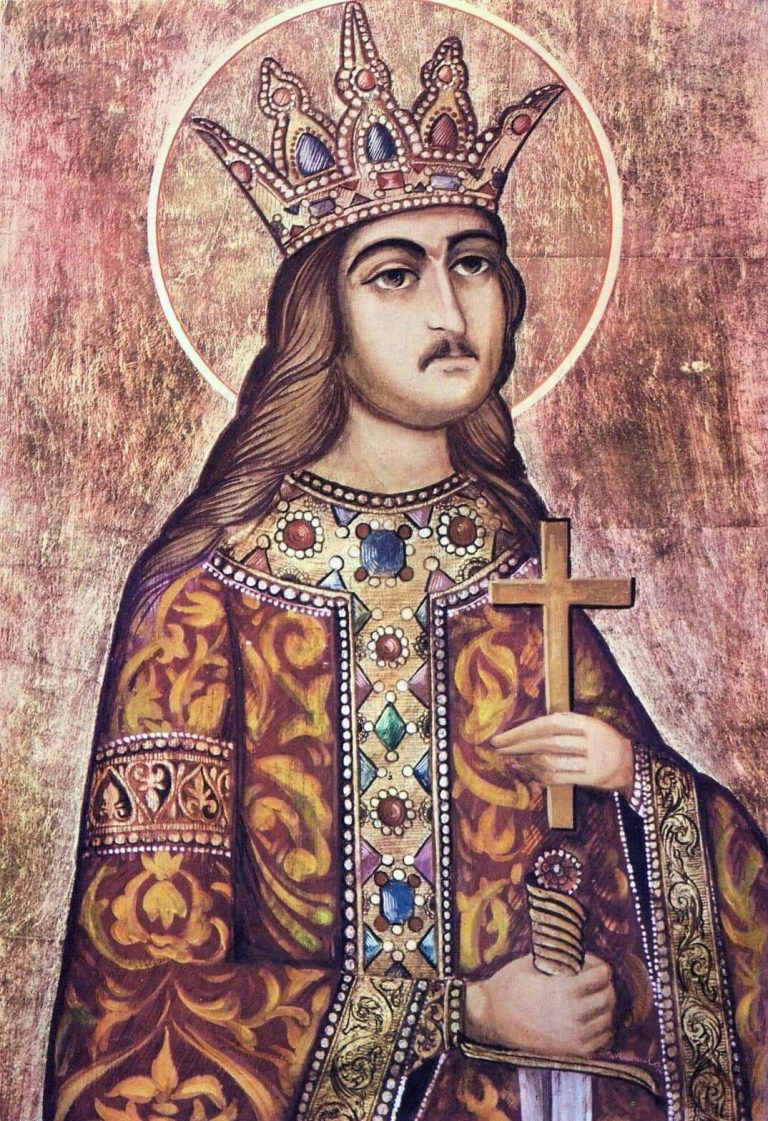
Stephen III (1433-1504), commonly known as Stephen the Great (Ștefan cel Mare), was Prince of Moldavia from 1457 until his death and one of the most celebrated rulers in Romanian history. During a reign of almost half a century, he strengthened the Moldavian state, fought major campaigns against the Ottoman Empire and neighboring powers, expanded and rebuilt its system of fortresses, and founded numerous churches and monasteries. His military victories, religious patronage, and long rule gave him an exceptional place in Moldavian historical memory.
Stephen was the son of Bogdan II, who was killed in 1451 during the violent struggles for the Moldavian throne. Stephen spent several years in exile before returning in 1457 with military support from Vlad the Impaler. He defeated the reigning prince Petru Aron and was proclaimed ruler of Moldavia near Suceava. The principality he inherited had been weakened by repeated succession disputes and was already paying tribute to the Ottoman Empire.
Once in power, Stephen worked to strengthen princely authority and reduce the ability of powerful boyars to challenge the throne. He expanded the princely estates, reorganized administration, encouraged trade, and relied increasingly on smaller landowners and free peasants as part of the military and political base of his rule. He also invested heavily in Moldavia’s defenses, improving fortresses and maintaining a network of strongholds across a principality caught between Poland, Hungary, the Crimean Tatars, and the expanding Ottoman Empire.
The Ottoman threat eventually became the defining military challenge of his reign. Stephen initially continued paying tribute, but relations deteriorated as he tried to keep Ottoman influence out of Moldavia and intervened in neighboring Wallachia. In January 1475, an Ottoman army invaded Moldavia and met Stephen’s forces near Vaslui. Using difficult winter conditions, terrain, and a carefully prepared battlefield, Stephen won a major victory that became one of the most famous episodes of his reign.
The victory at Vaslui brought Stephen widespread recognition in Christian Europe, but it did not end the conflict. Sultan Mehmed II personally invaded Moldavia the following year and defeated Stephen at Valea Albă, also known as Războieni. Stephen survived the defeat, withdrew, and continued resisting while Moldavian fortresses held out against Ottoman attacks. Mehmed eventually abandoned the campaign without removing him from power.
Stephen spent much of the rest of his reign balancing warfare with diplomacy. Moldavia’s position required constant adjustment between Poland, Hungary, and the Ottomans, and his relationships with all three changed repeatedly. He fought the Polish army of King John I Albert in 1497 and defeated it during its retreat through the forests of northern Moldavia, while later agreements restored more stable relations. By the end of Stephen’s reign, Moldavia still paid tribute to the Ottoman Empire, but it retained its own ruler, institutions, and considerable freedom of action.
The military history of Stephen’s reign is inseparable from the fortresses that defended Moldavia. Suceava Fortress remained one of his principal strongholds and was substantially strengthened under his rule. Fortresses at Neamț, Hotin, Chilia, and Cetatea Albă formed part of the wider defensive system, although the latter two eventually fell to the Ottomans in 1484. These strongholds were not simply symbols of his reign but practical defenses repeatedly tested during the wars that shaped it.
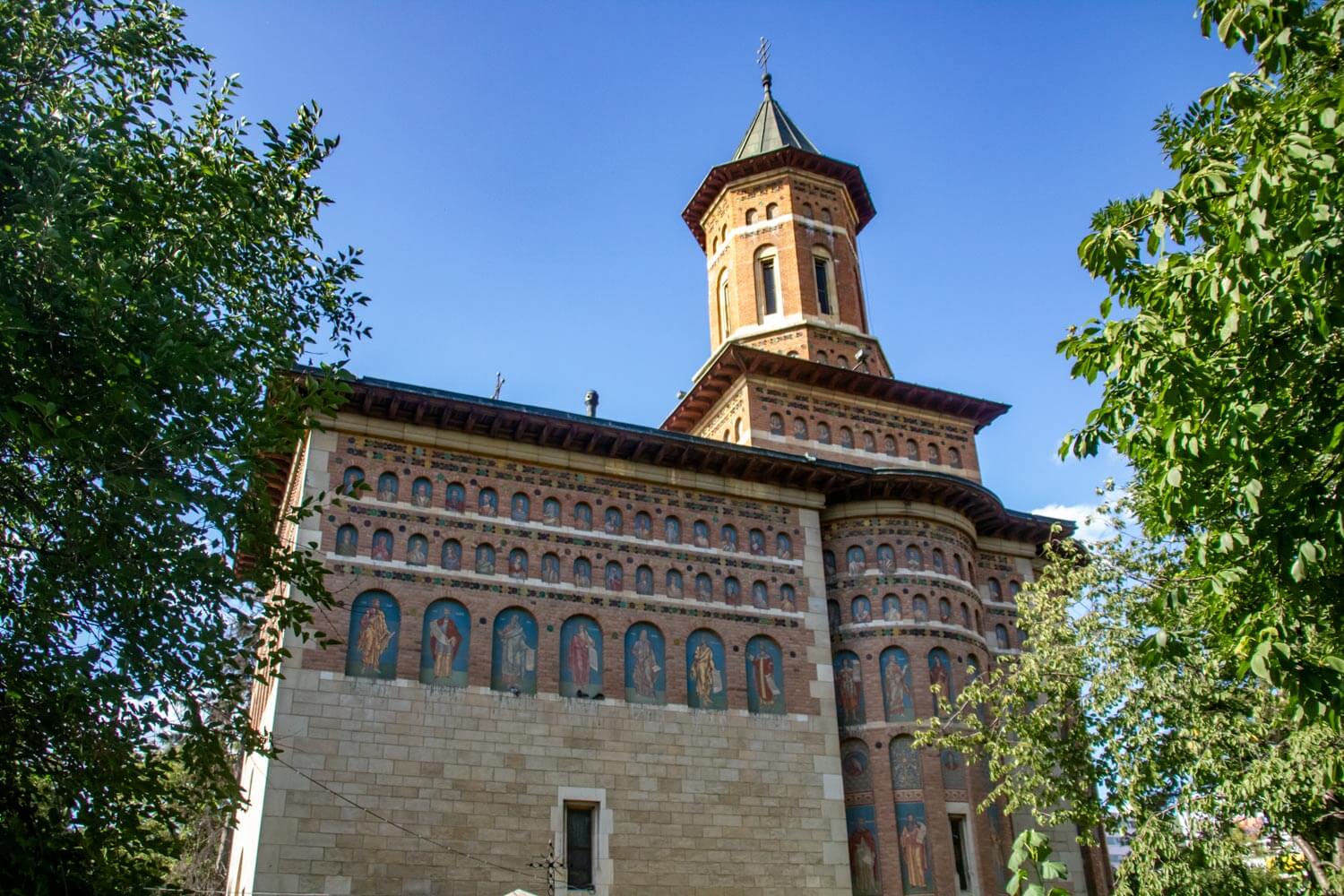
Stephen also transformed Moldavia’s religious landscape. He founded or rebuilt a large number of churches and monasteries, particularly during the later decades of his reign. Some commemorated victories or the dead from particular campaigns, while others strengthened important religious centers and expressed the close relationship between princely authority and the Orthodox Church. Surviving inscriptions securely identify dozens of foundations connected with him.
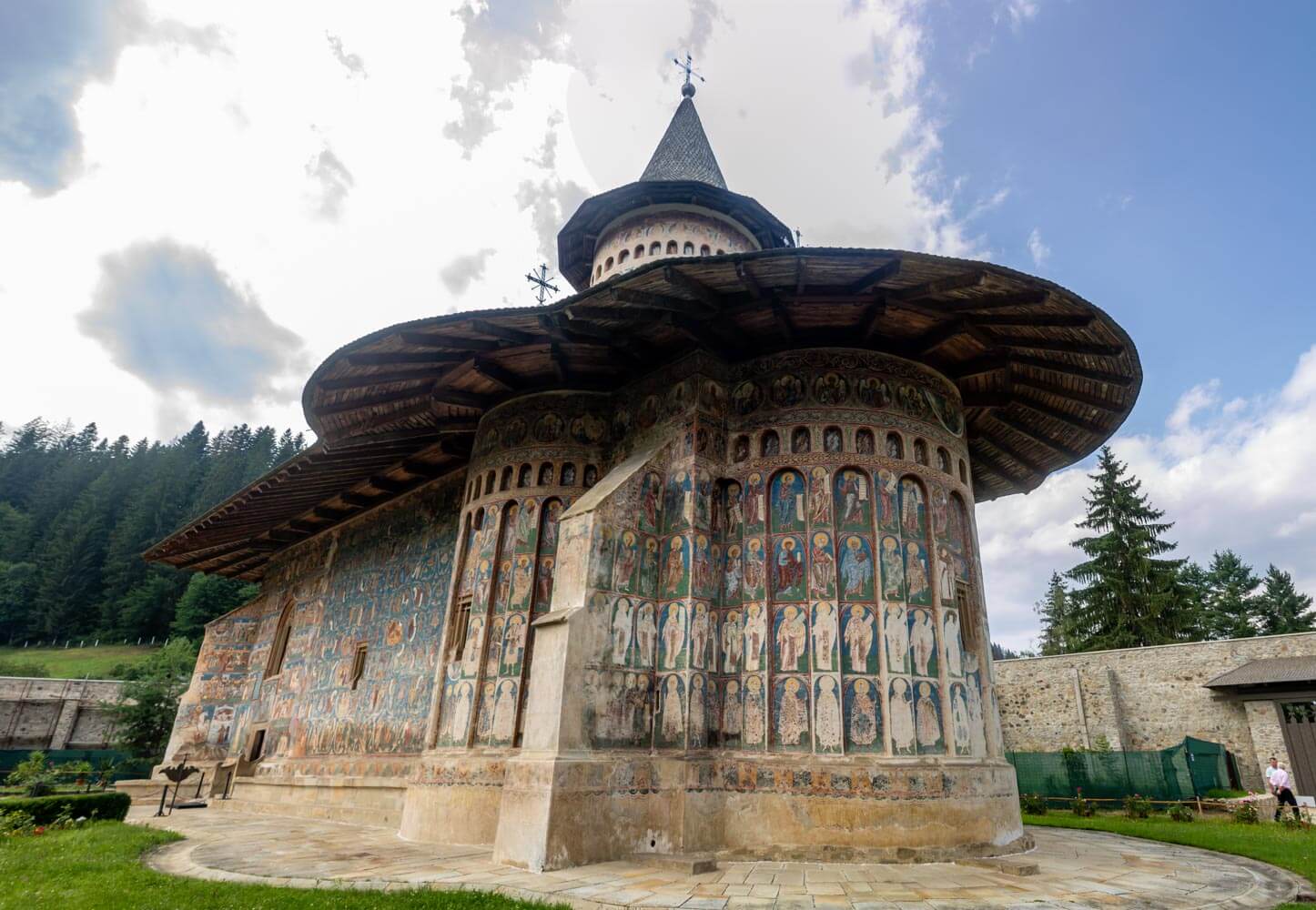
The most important was Putna Monastery, begun in 1466 and consecrated in 1470. Stephen intended Putna as a major religious foundation and dynastic burial place, and it developed into an important center of manuscript production, education, and church culture. He also founded churches at places including Pătrăuți, Borzești, Vaslui, Iași, Hârlău, Dorohoi, and Piatra Neamț, while Voroneț Monastery was built during his reign in 1488. The later painted exteriors that made several Bucovina monasteries famous generally belong to subsequent generations, but Stephen’s foundations created an important part of the architectural tradition they inherited.
Stephen died on July 2, 1504, after ruling Moldavia for 47 years, and was buried at Putna Monastery. His tomb remains one of the principal places of remembrance connected with him. Chroniclers writing within decades of his death already referred to him as “the Great,” and his victories and foundations remained central to Moldavian historical memory.
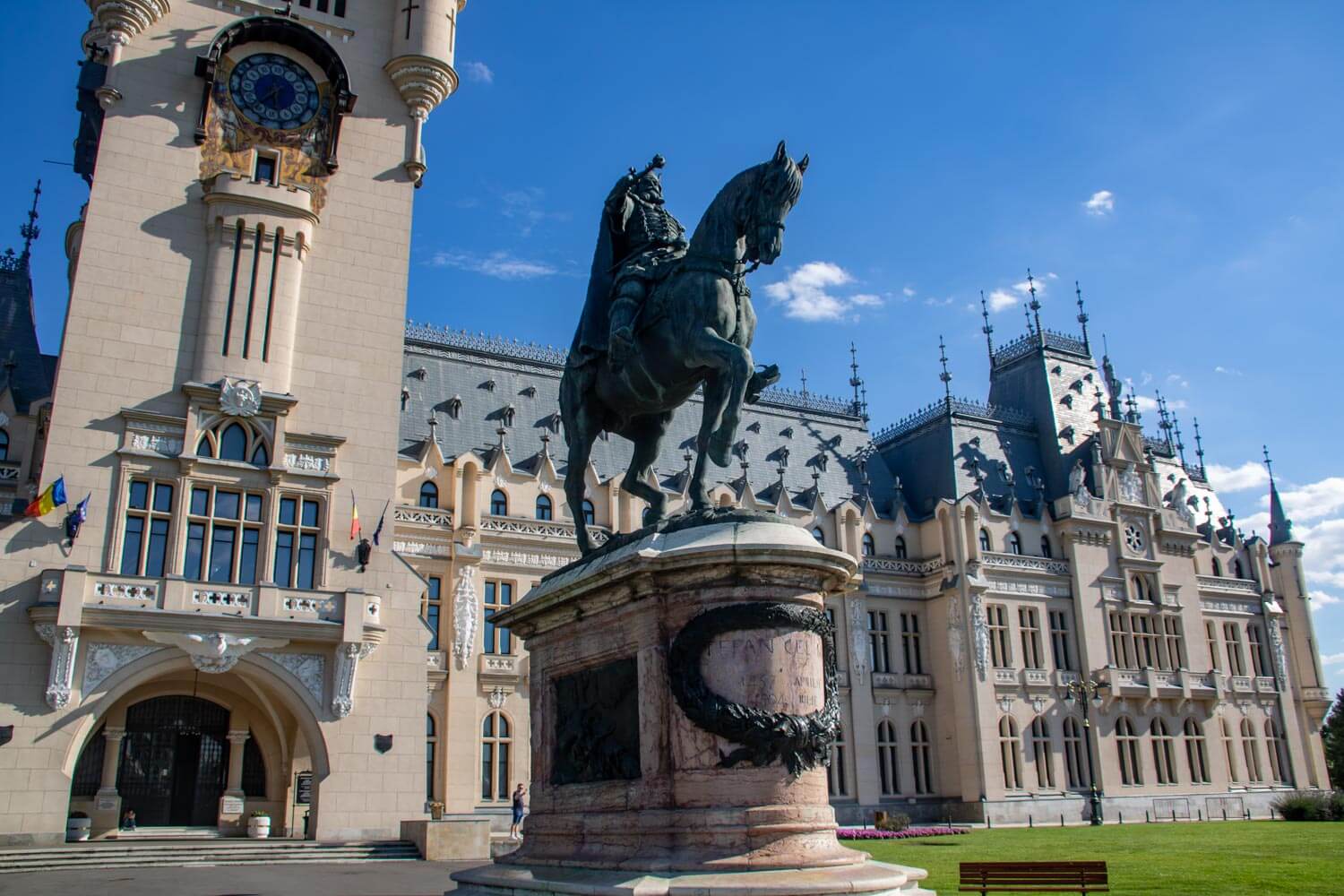
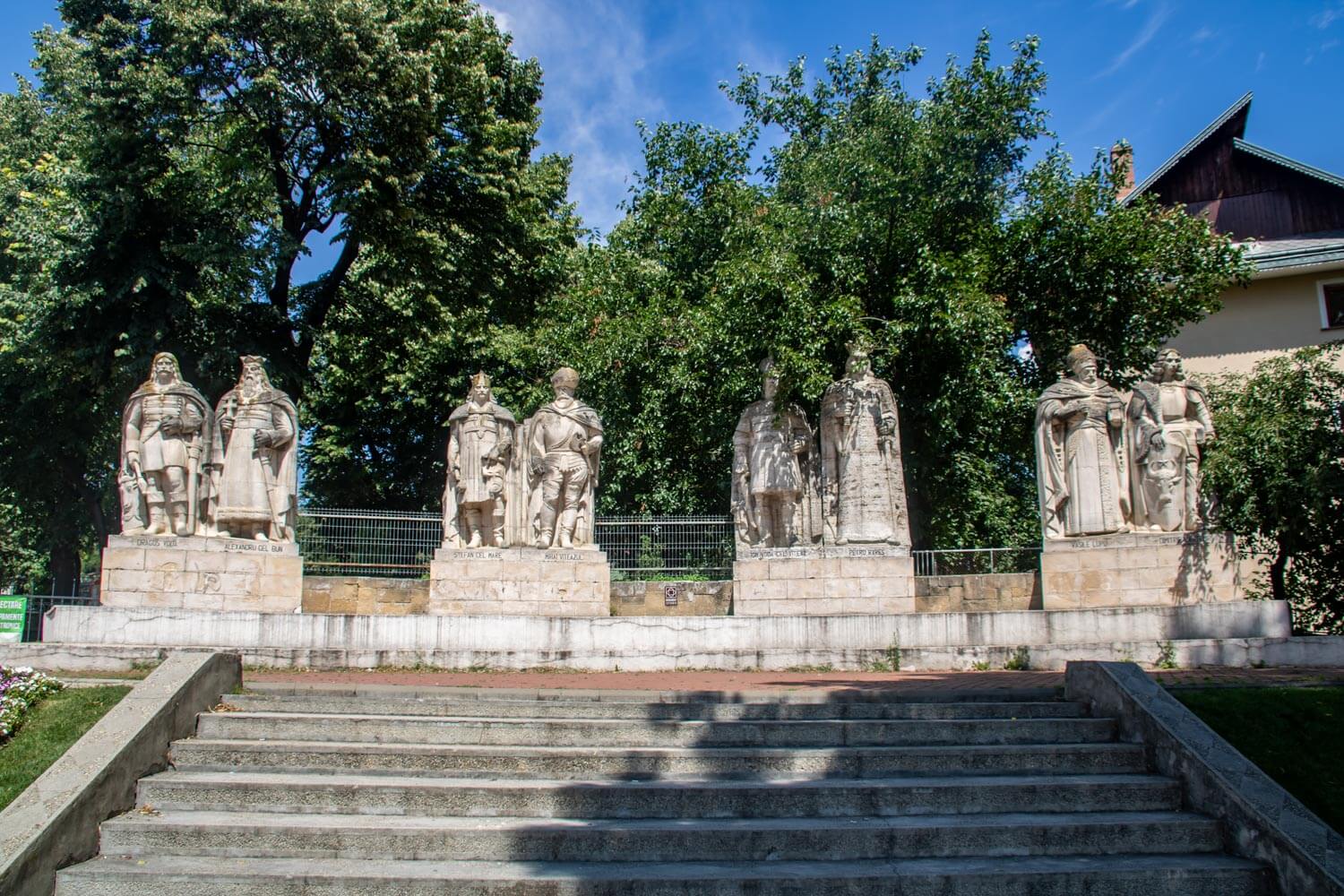
His religious reputation also grew over the centuries. The Romanian Orthodox Church canonized him in 1992 as Stephen the Great and Holy, and his feast day is observed on July 2. Churches, monuments, streets, squares, and institutions across Romania and the Republic of Moldova carry his name, while statues frequently depict him holding a sword, cross, or model of a church.
Stephen’s enduring prominence comes from the combination of an exceptionally long reign, repeated military resistance, and a physical legacy that remains visible across the former lands of Moldavia. Visitors still encounter his name at fortresses he strengthened, churches he founded, monuments raised in his memory, and above all at Putna, where his tomb became a lasting focus of both historical and religious remembrance.