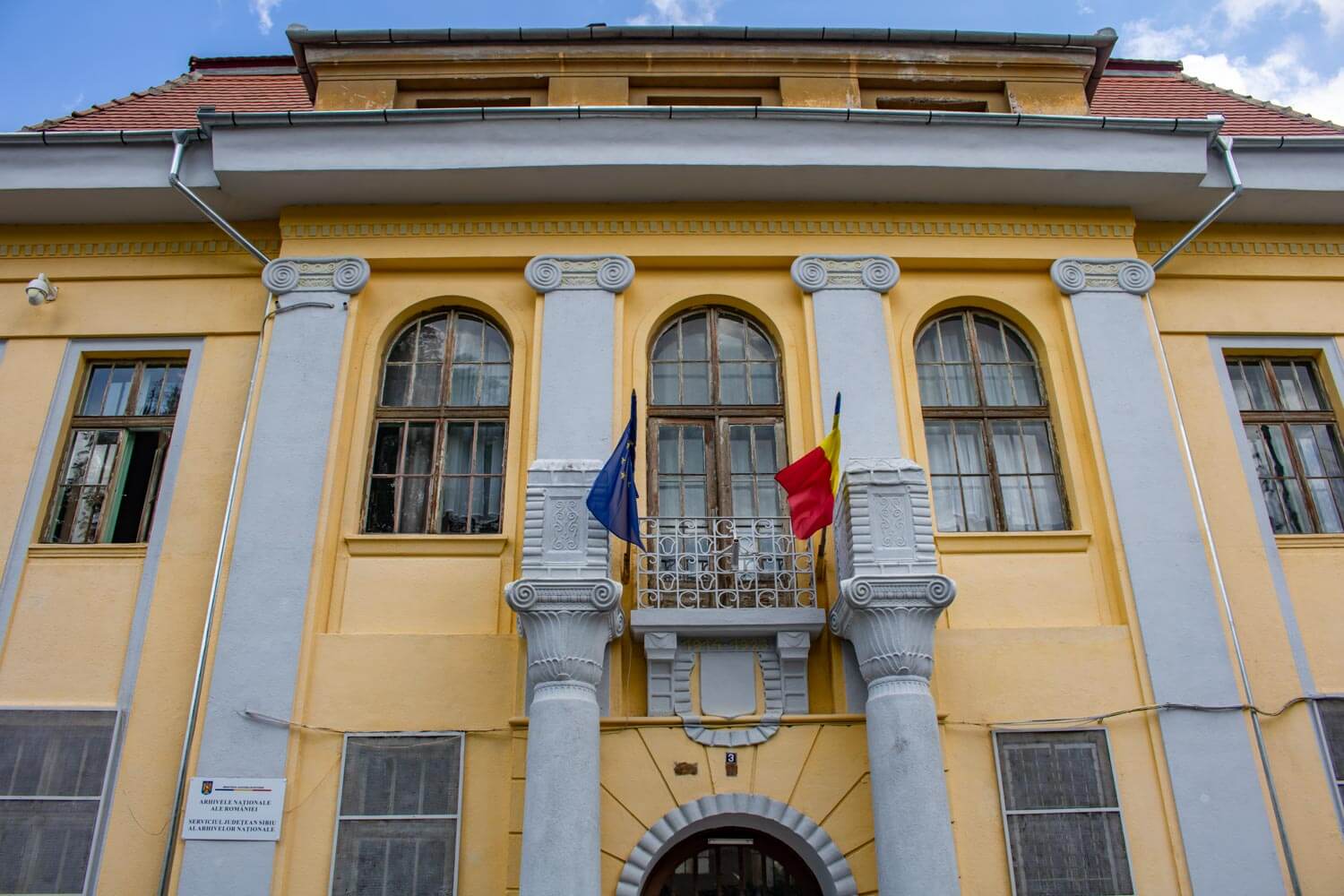
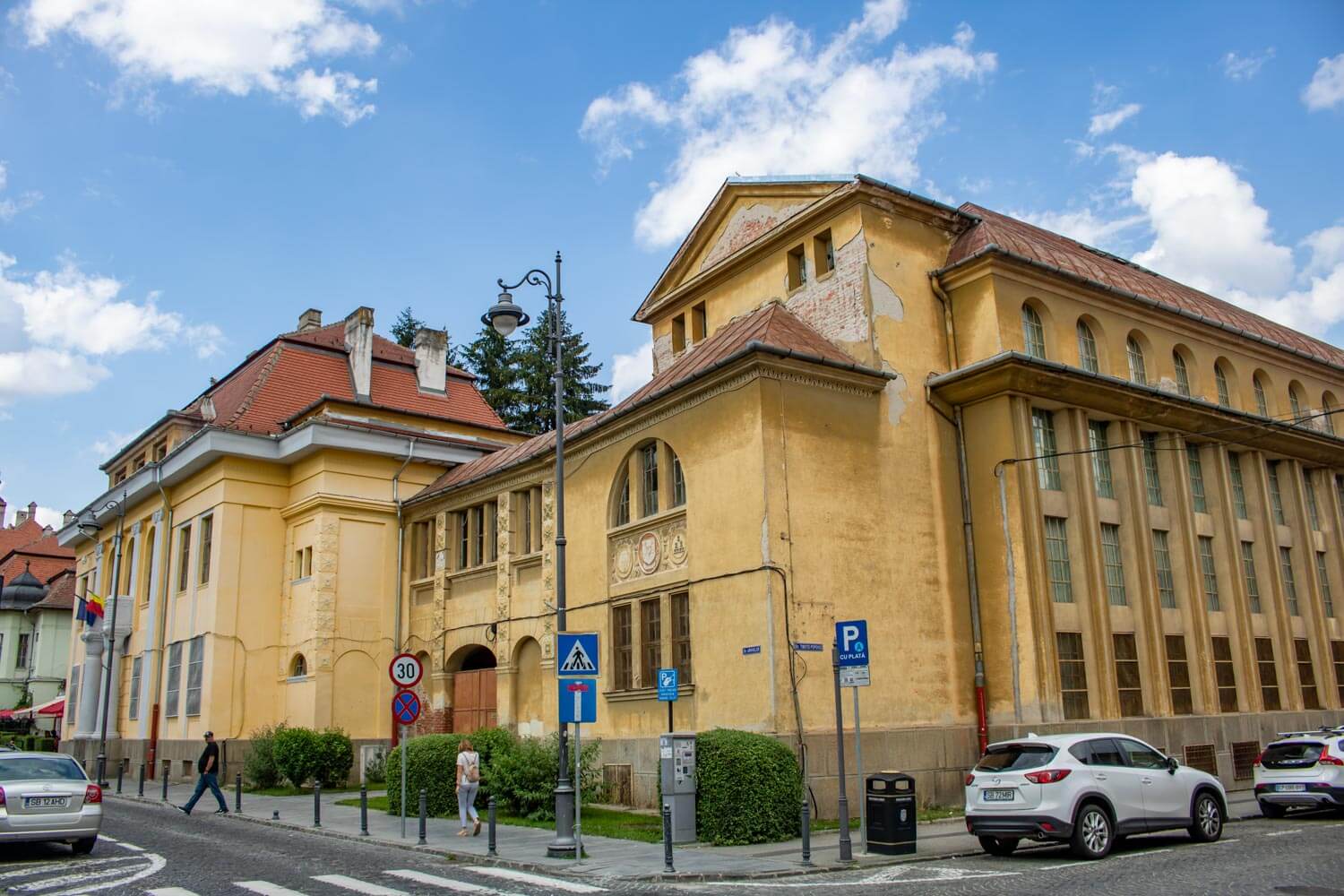
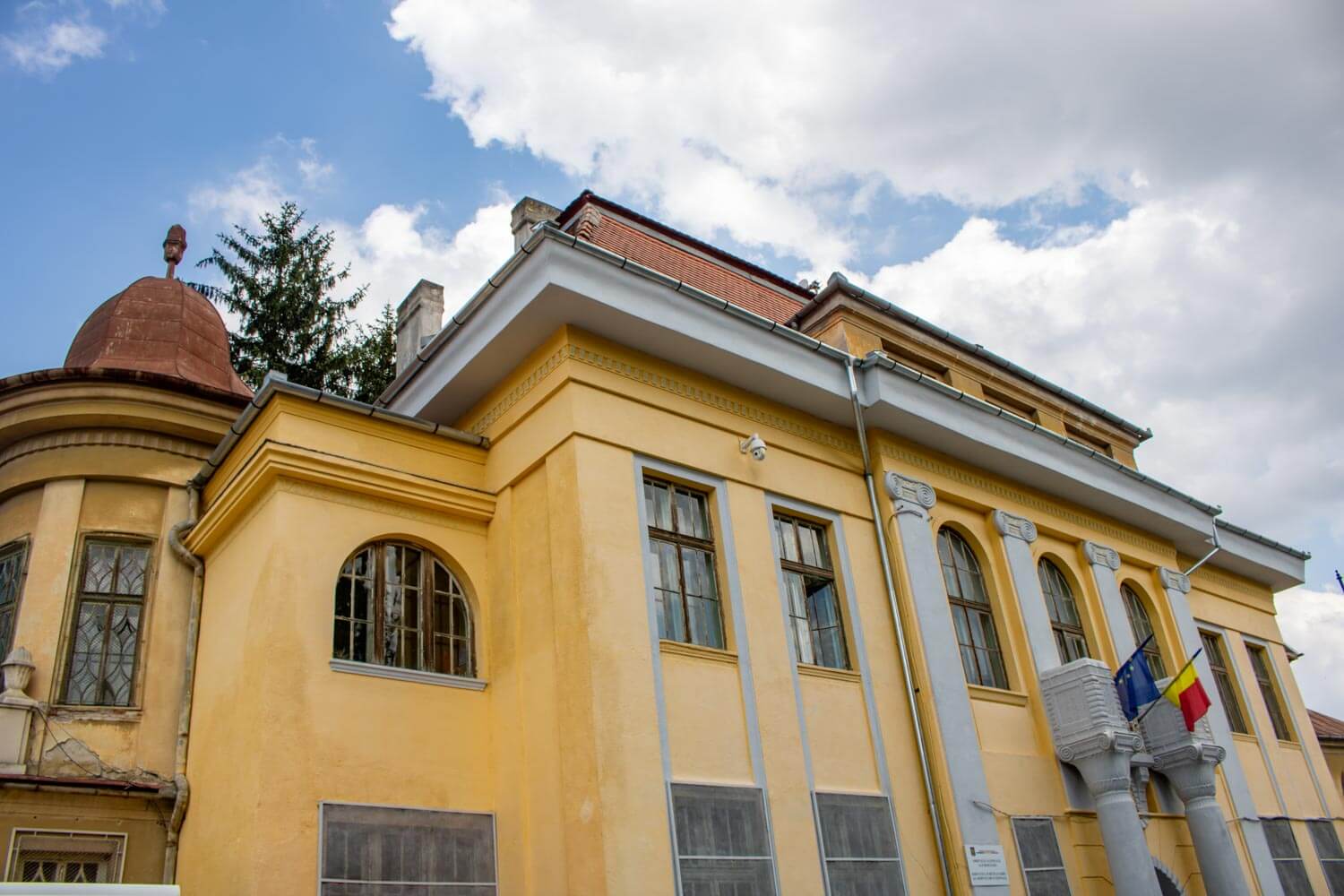
The Sibiu branch of the National Archives of Romania (Arhivele Naționale ale României) is housed in a historic purpose-built archive building in the historic center of Sibiu. Completed in 1923, it was the first building in Romania constructed specifically for the preservation of archival collections.
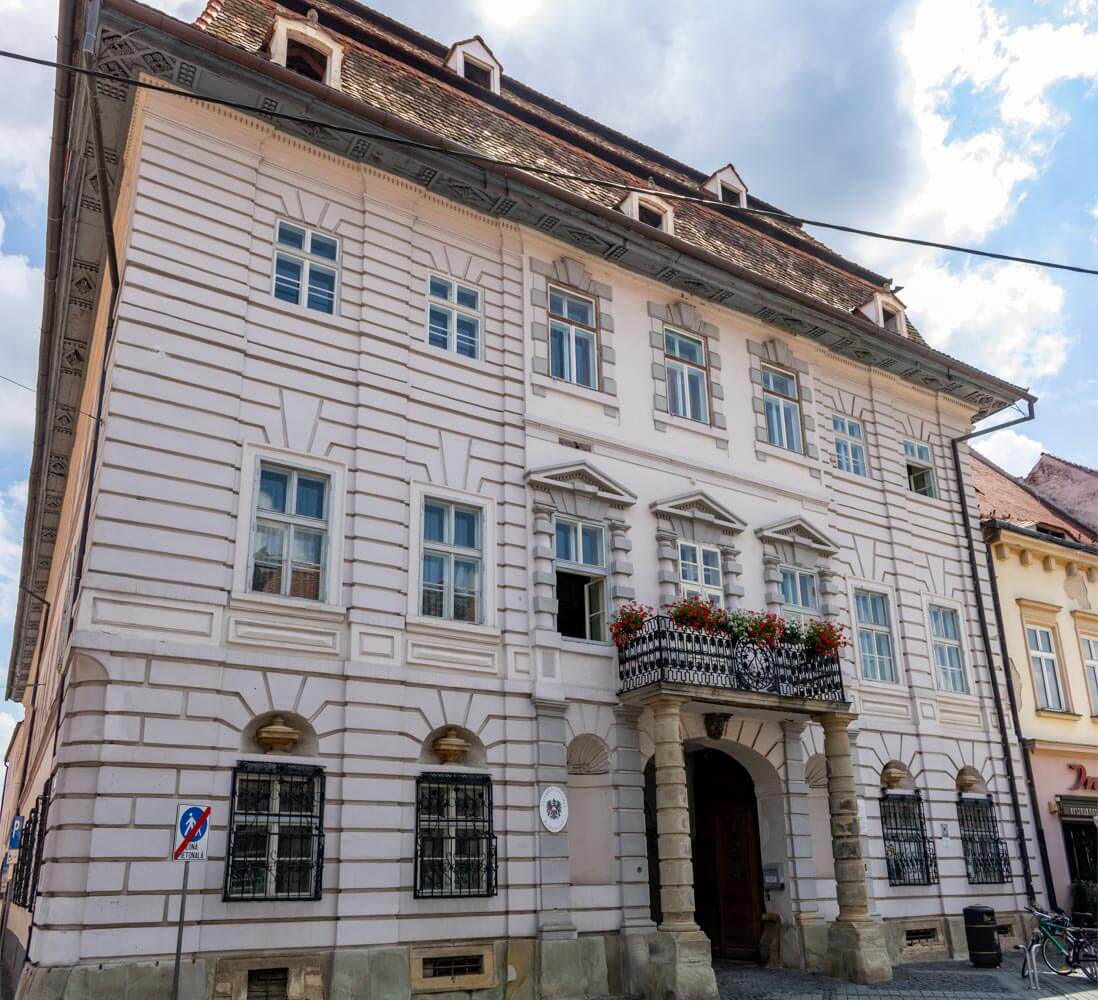
Sibiu’s municipal archives have a much longer history, with records of their organization going back to at least the 15th century. For centuries the documents were kept in the buildings used by the city administration, including the Altemberger House, but by the early 20th century the growing collections required a dedicated home. Archivist Georg Eduard Müller campaigned for a modern archive institution, and in 1914 the Saxon University and the Sibiu City Hall agreed to construct a new building for the purpose.
Sibiu architect Josef Bedeus von Scharberg designed the complex with the State Archives building in Schwerin as an important reference. Construction began shortly before World War I and was interrupted by the conflict, delaying completion until 1923. The archives of the city and the Saxon University were then transferred into the new premises, giving collections accumulated over several centuries a building designed around their conservation from the outset.
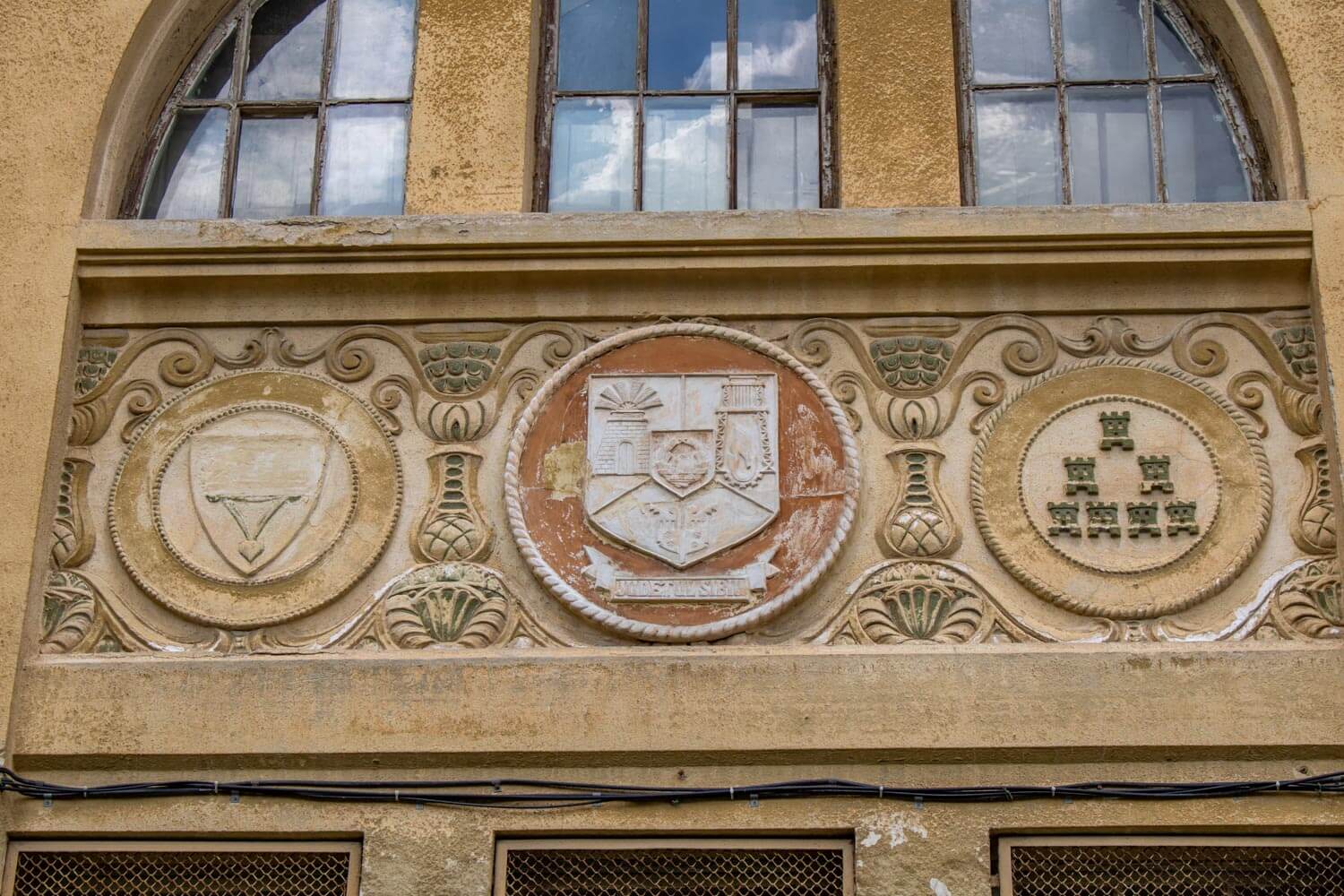
That purpose shaped the architecture as much as appearance. The administrative section facing Strada Arhivelor was separated from the main storage wing and connected by a corridor, reducing the danger of fire spreading directly into the repositories. Large windows provided natural light to the storage rooms along Timotei Popovici Street, while the main façade was treated more monumentally with Ionic pilasters, a columned entrance and a central balcony. The corner decoration also incorporates the coats of arms of Sibiu and Transylvania.
The building briefly served another function after World War II, when it housed the regional militia headquarters between 1945 and 1952, before returning to archival use. Its collections preserve documents spanning centuries of Sibiu and Transylvanian history, continuing an archival tradition that began long before the construction of the present headquarters.