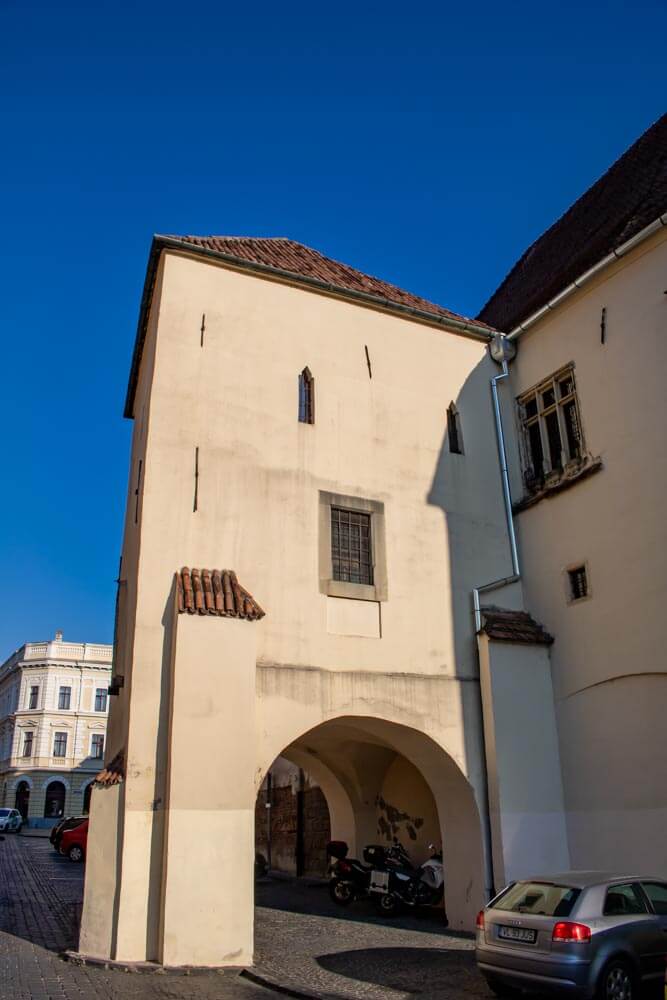
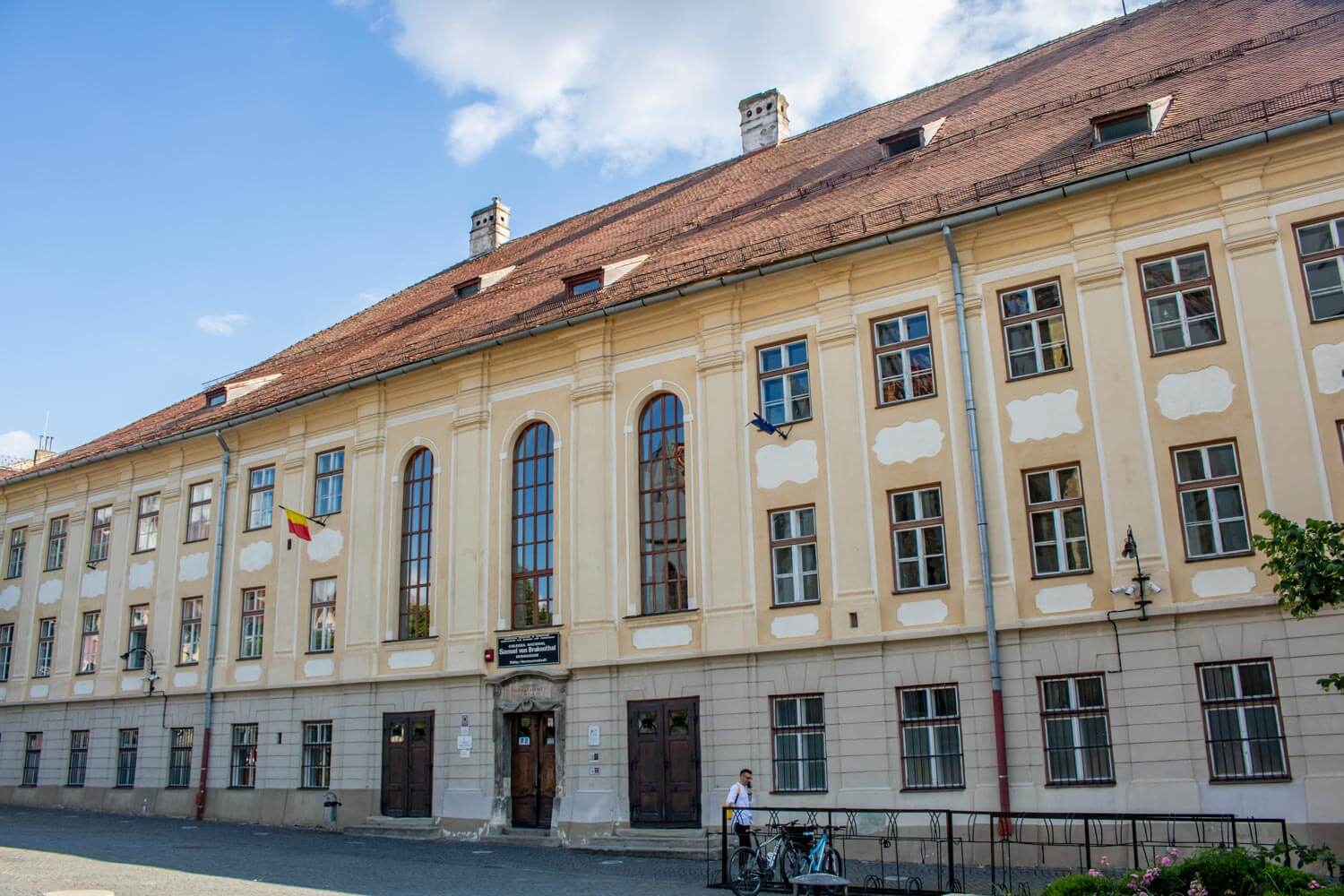
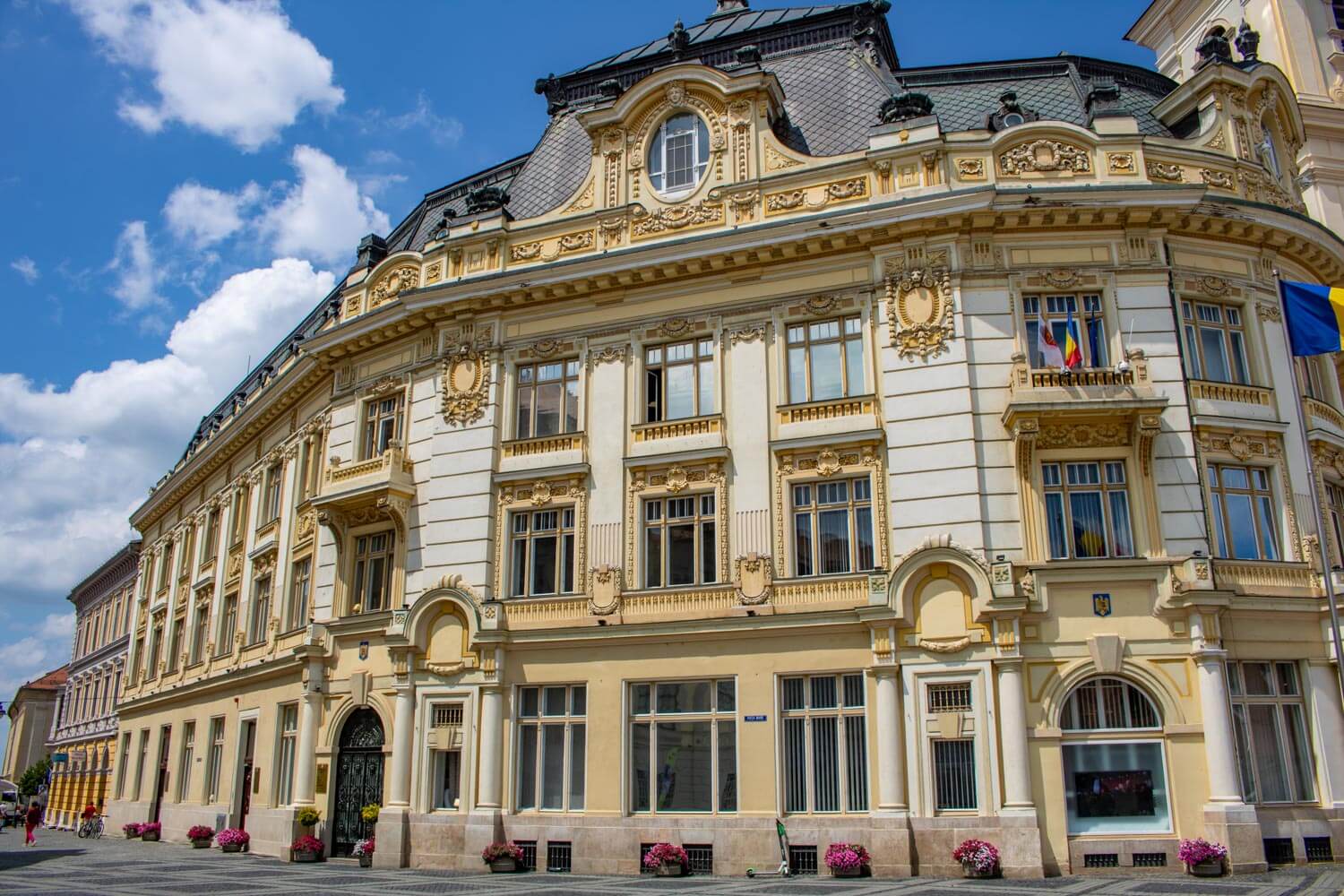
Altemberger House History Museum is the history museum of the Brukenthal National Museum, housed in a large medieval complex in the historic center of Sibiu. The building developed from the residence of mayor Thomas Altemberger and later served as Sibiu’s town hall for around four centuries before becoming home to collections devoted to the history of the city and southern Transylvania.
History And Architecture Of The Altemberger House
The oldest part of the complex is a dwelling tower dating to the late 13th century, but its present identity is largely rooted in the late 15th century, when Thomas Altemberger transformed the property into an imposing Gothic residence. Altemberger was one of the leading Saxon politicians of his generation and served as mayor of Sibiu, building a house that reflected both his wealth and his position in the city. Much of this late-medieval structure survives, including vaulted rooms, Gothic stonework and the arrangement around several courtyards.
The residence remained in private hands after Altemberger’s death until the city magistrate purchased it in 1545 and converted it into the town hall. Municipal administration then remained here until the late 1940s, while the tower housed the city archives and the archives of the Saxon University for centuries. The building therefore evolved gradually from a patrician home into the administrative heart of Sibiu rather than being rebuilt for a completely new purpose.
That long development is especially visible in the courtyards, where Gothic architecture is mixed with later Renaissance details. One of the most distinctive features is the open loggia in the rear part of the complex, where pointed arches are combined with sculpted stone decoration. The courtyard behind it, traditionally known as the Martyrs’ Garden, contains further pieces of figurative sculpture and preserves the enclosed character of the former civic complex.
Museum Collection
The Brukenthal National Museum opened its history section here in 1988, using the former town hall to present the development of Sibiu and southern Transylvania over a much longer period. The permanent exhibitions begin with prehistoric communities and continue through the Bronze and Iron Ages, Dacian and Roman settlement, the Middle Ages and later urban history.
Several reconstructed settings help make the archaeological sections easier to understand, including prehistoric dwellings, workshops and domestic interiors. As the exhibition reaches medieval and early modern Sibiu, the focus shifts toward the city itself through collections connected with guilds, crafts, trade, weapons and armor, coins, seals, clothing and municipal government.
Some of the strongest displays have a direct relationship with the building around them. Objects connected with Sibiu’s magistrate and civic administration are shown in the former town hall, while the wider collections explain how the city developed socially, economically and politically within southern Transylvania. This makes the museum both a history of the region and a way of understanding the building that housed Sibiu’s government for centuries.