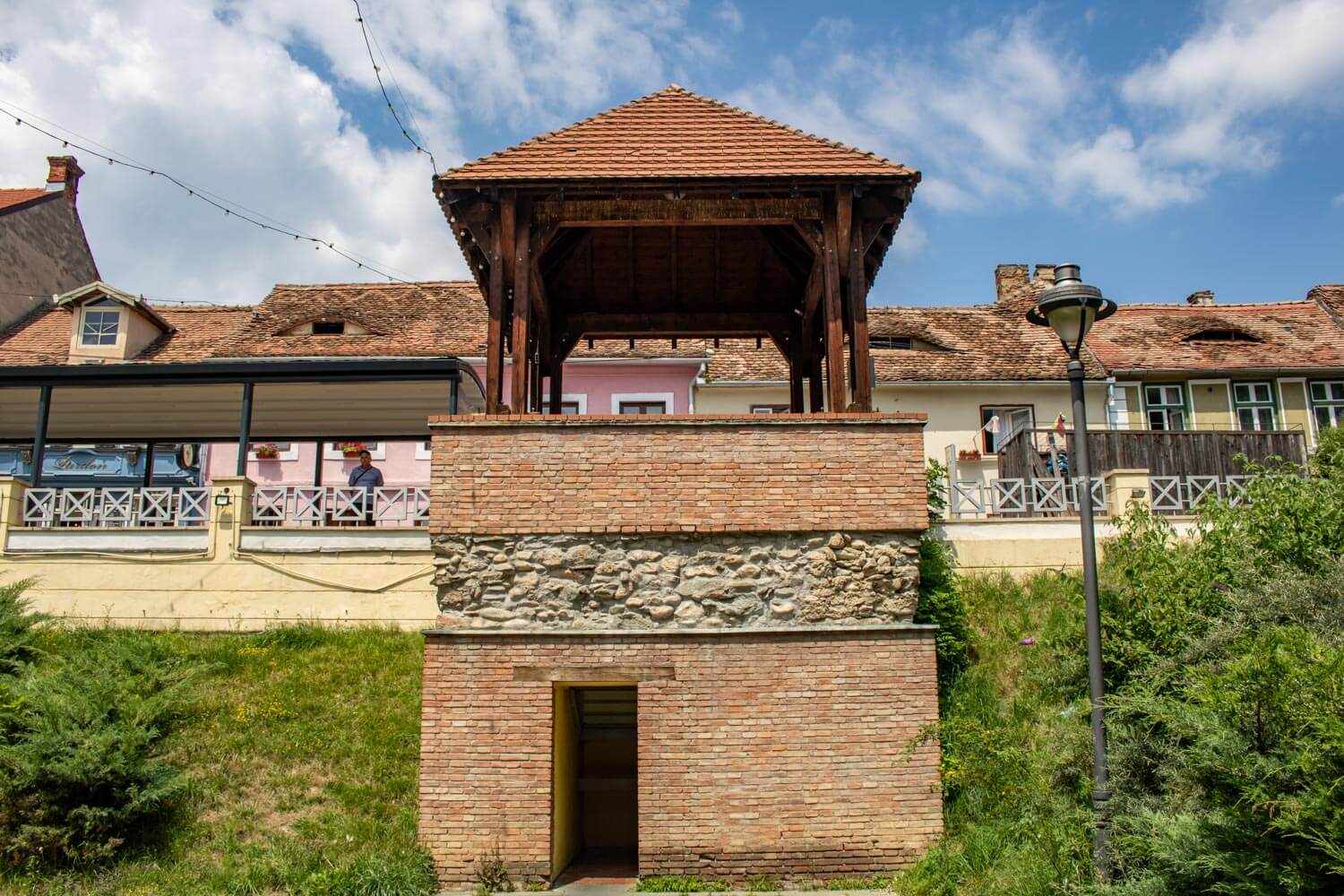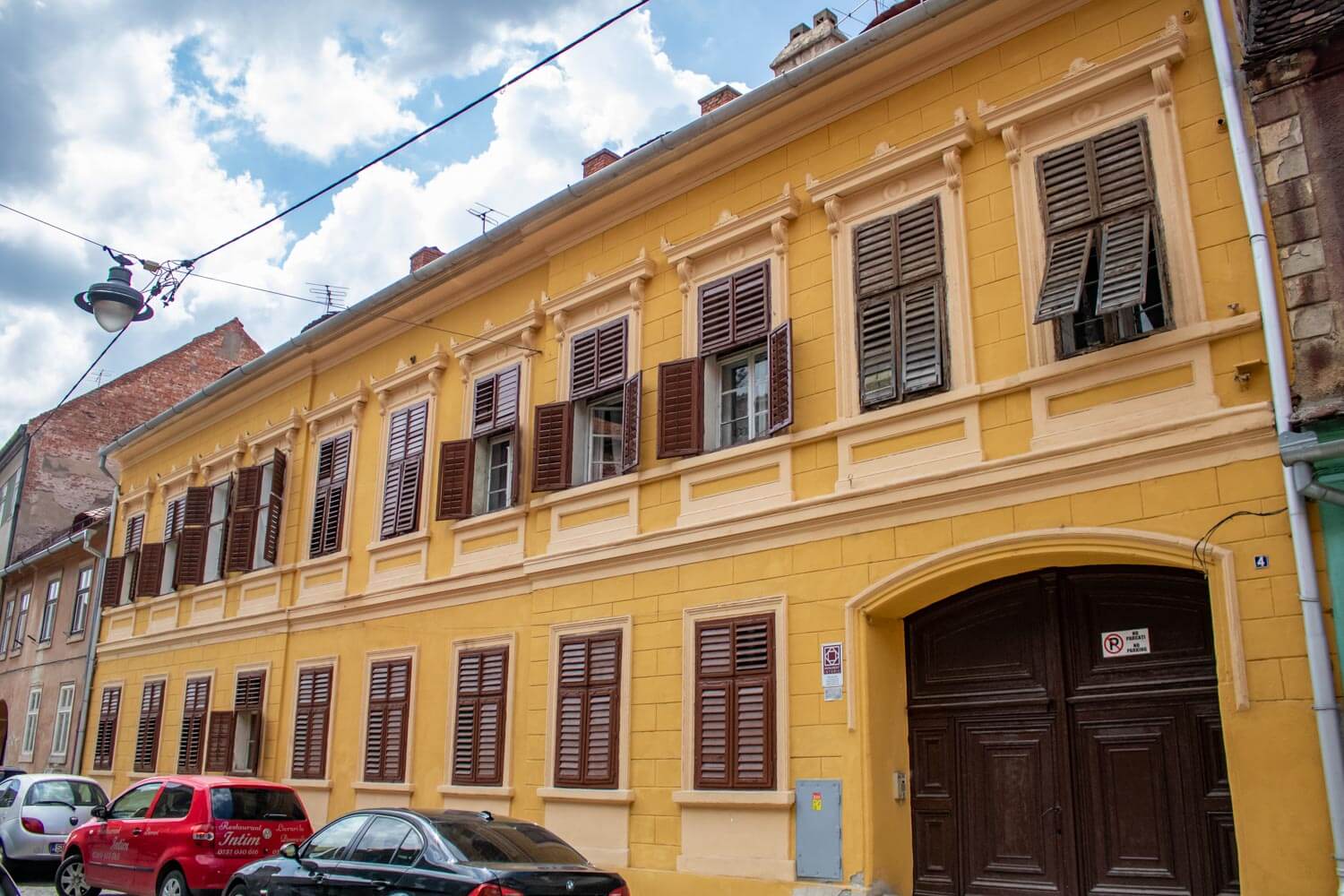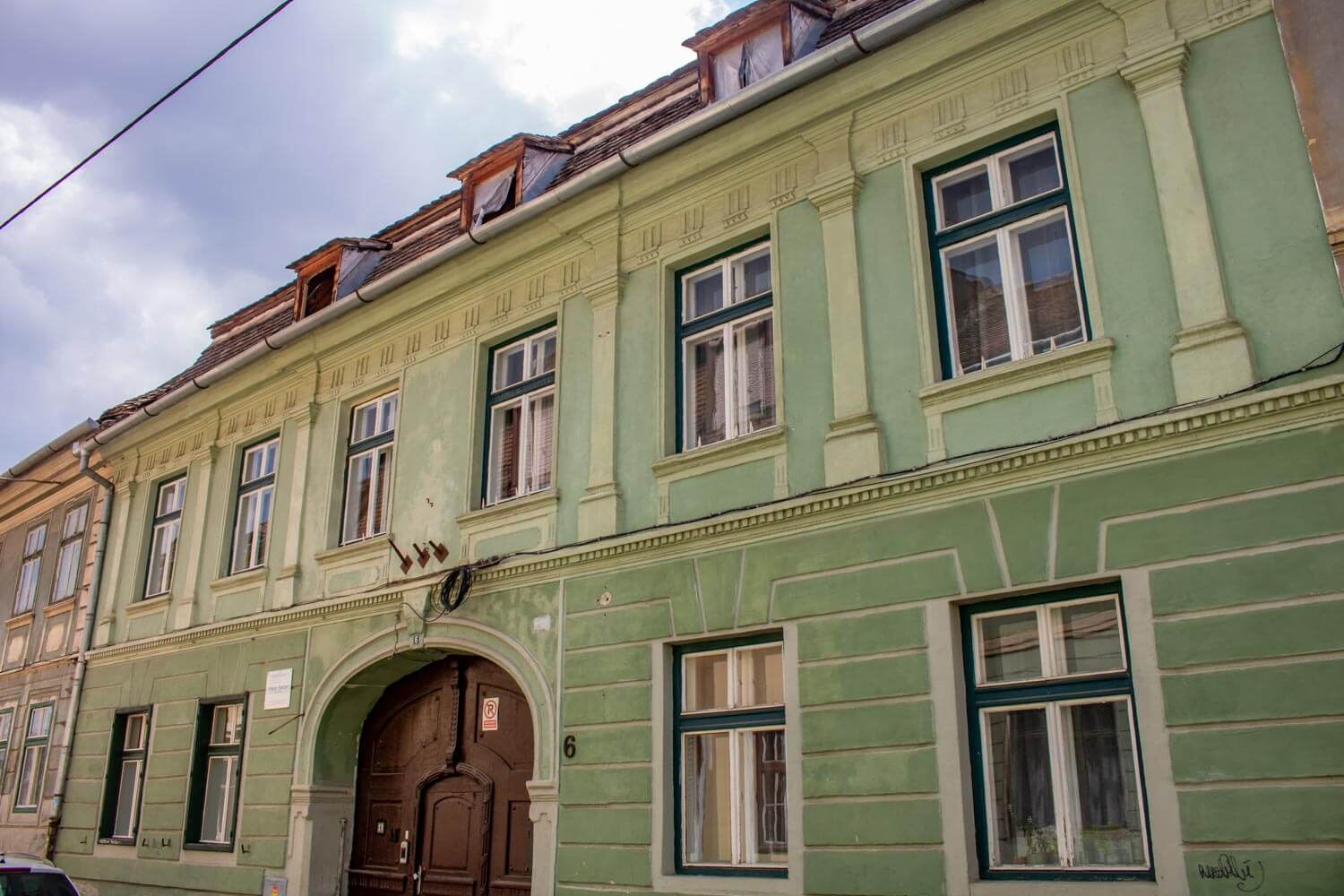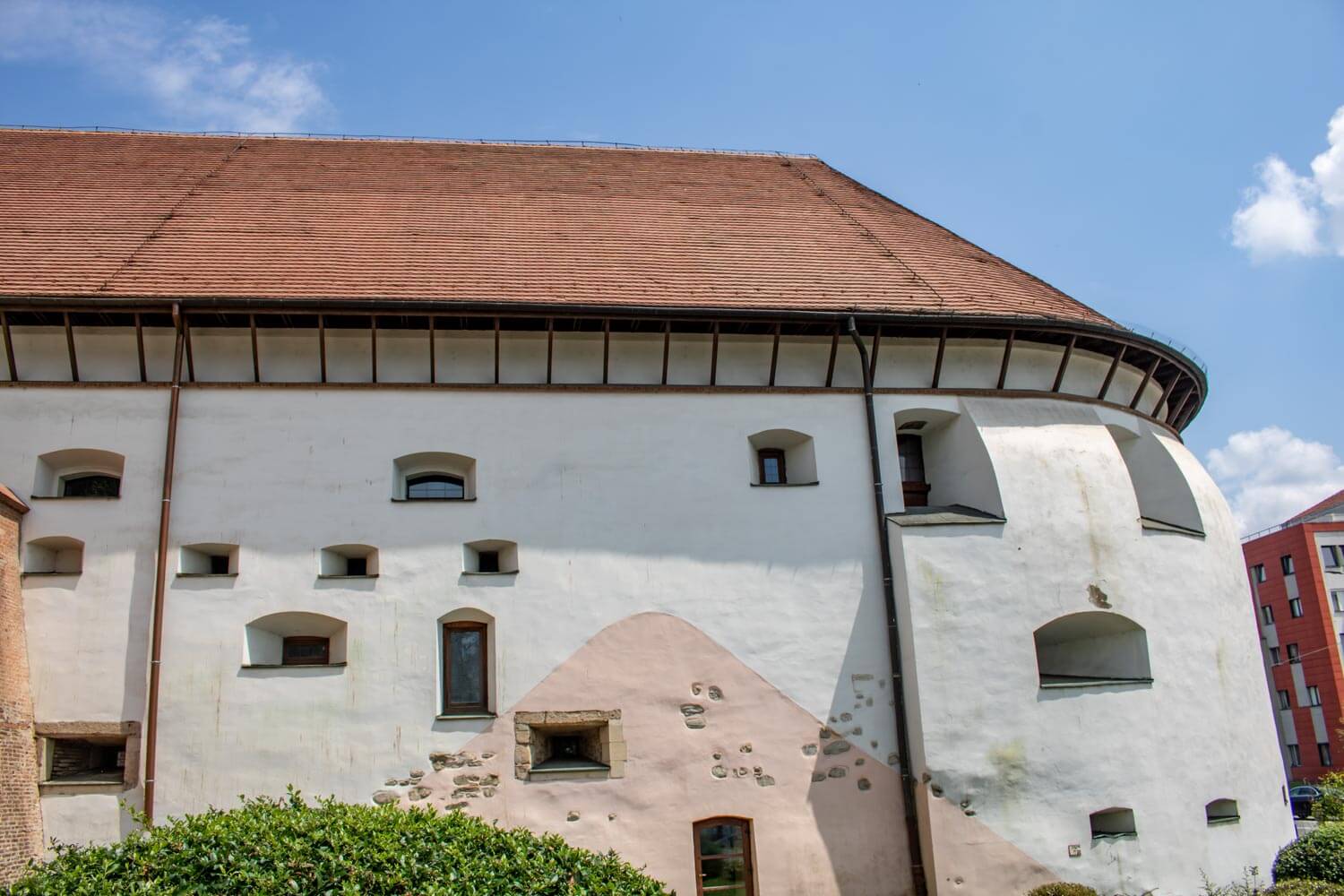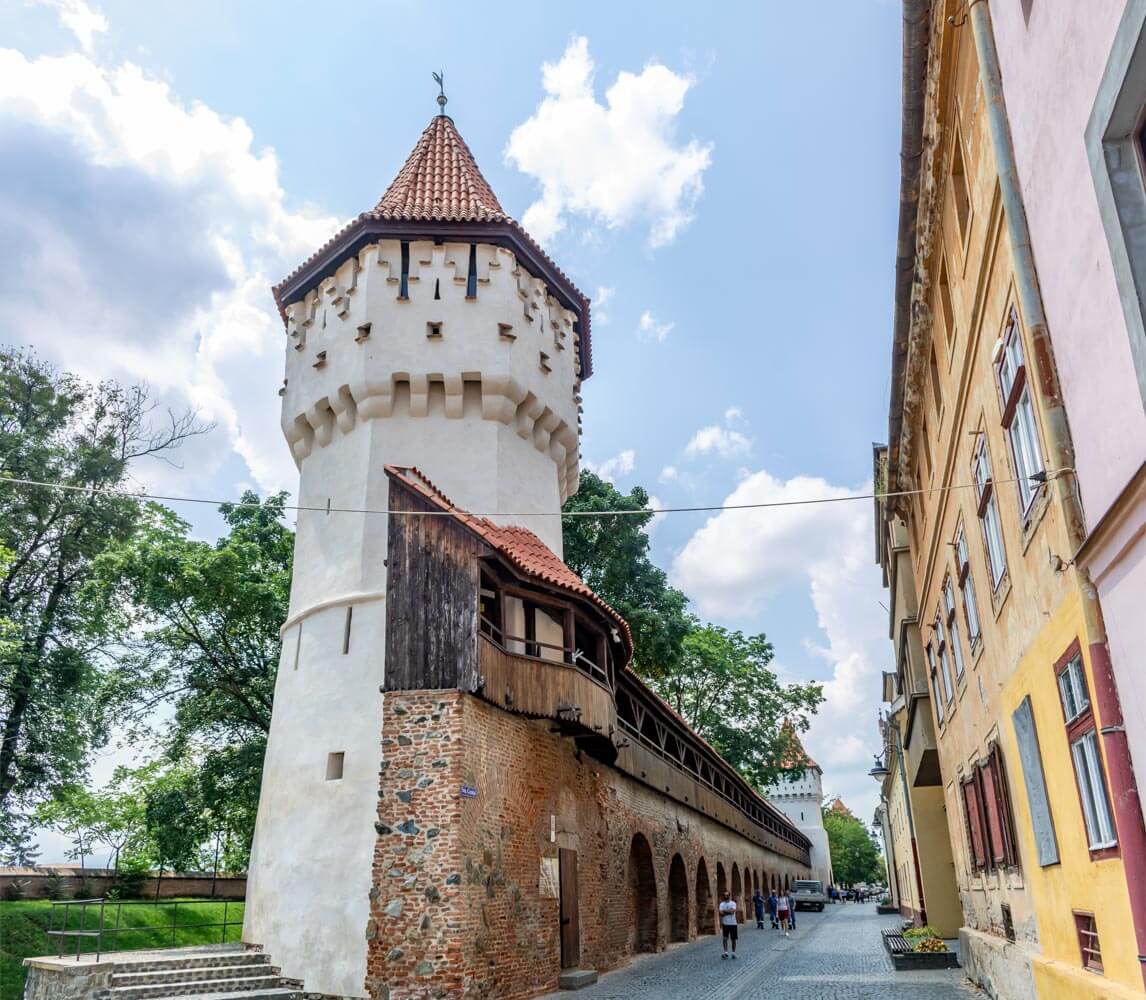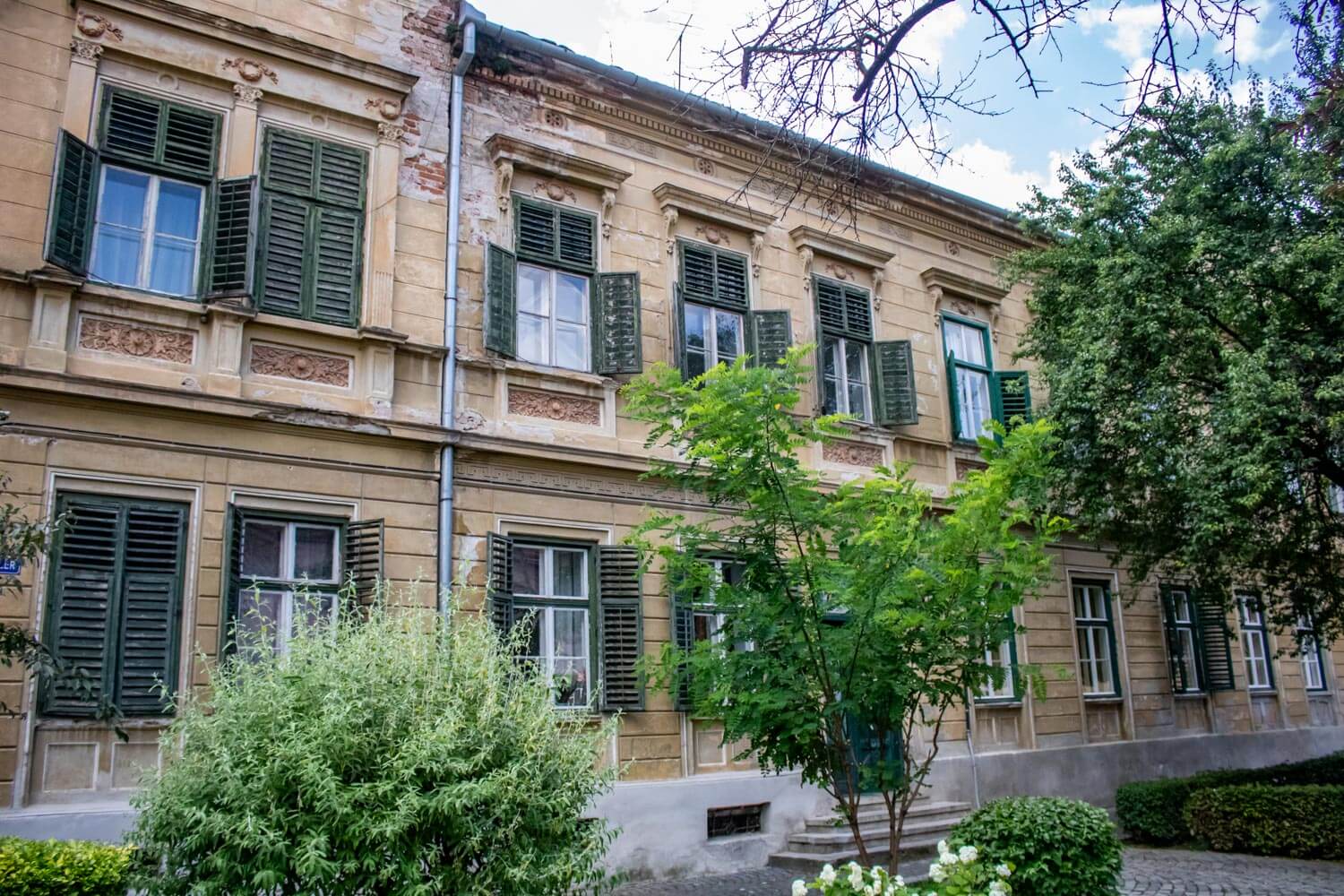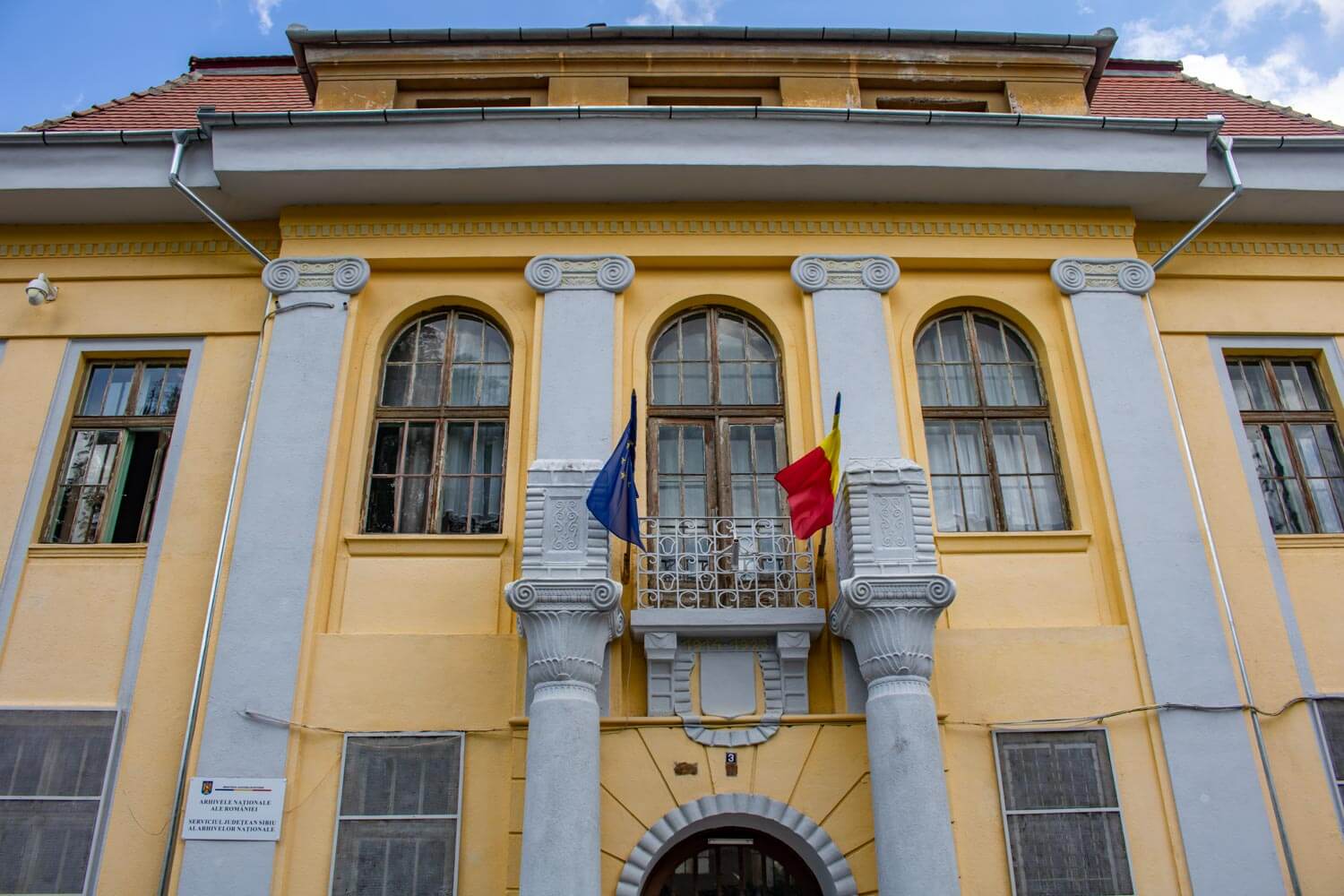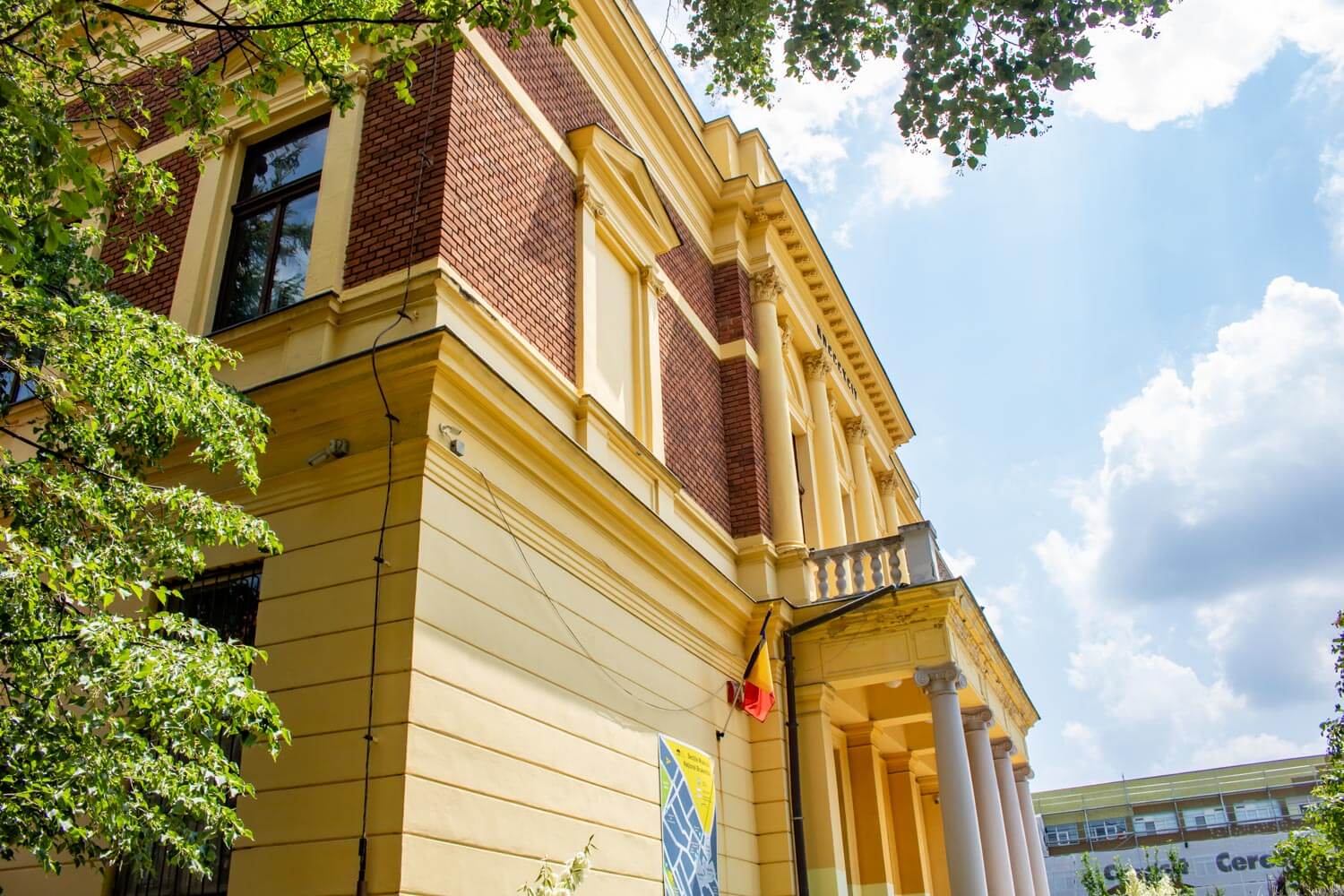
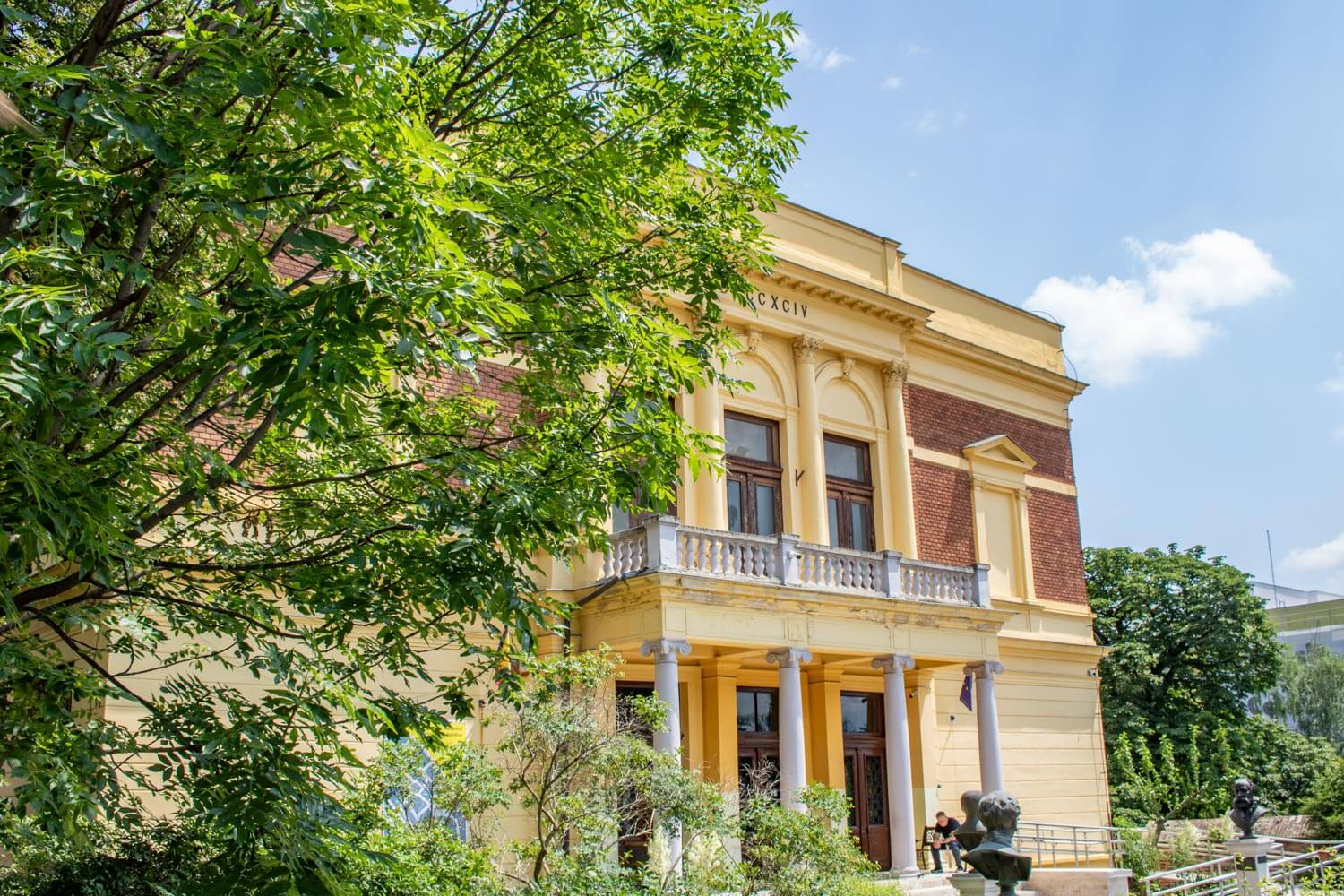
The Natural History Museum (Muzeul de Istorie Naturală) is a natural sciences museum in the historic center of Sibiu, housed in a purpose-built late-19th-century museum building beside the old city walls.
The museum grew out of the Transylvanian Society for Natural Sciences, founded in Sibiu in 1849 by Saxon naturalists who collected and studied the flora, fauna, geology and fossils of Transylvania. As those collections expanded, the society commissioned a permanent museum building from architect Carl Wilhelm Friedrich Maetz. Construction began in 1894, and the new museum opened in 1895, becoming the first building on the territory of present-day Romania designed specifically to house a museum. Since 1957, the institution has formed part of the Brukenthal National Museum.
The permanent exhibition follows the development of life and the diversity of natural environments through zoological specimens, fossils, minerals and other objects from collections that now number more than one million pieces. Dioramas recreate different ecosystems with mounted animals, vegetation and atmospheric lighting, while the paleontology section includes remains of mammoths, woolly rhinoceroses, cave bears and a complete skeleton of a steppe bison discovered near Sibiu.
The museum building is also worth noticing in its own right. Its late-Renaissance and Neoclassical design includes a columned entrance, a broad internal staircase and a decorated ceiling in the main hall, while the names of early naturalists and donors are incorporated into the interior decoration. Behind the museum, a small garden beside the historic fortification wall contains ornamental trees and shrubs as well as several rarer plant species.