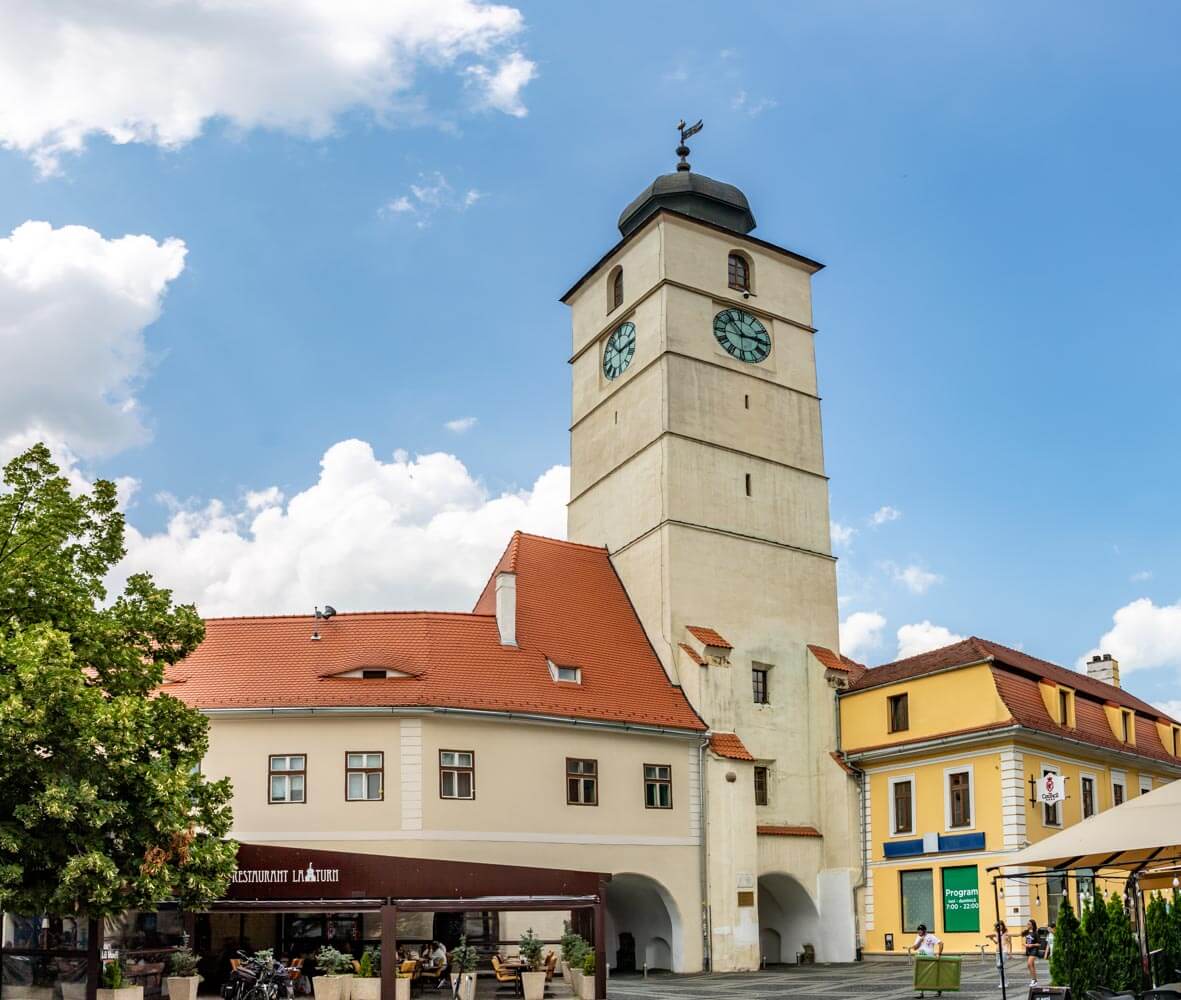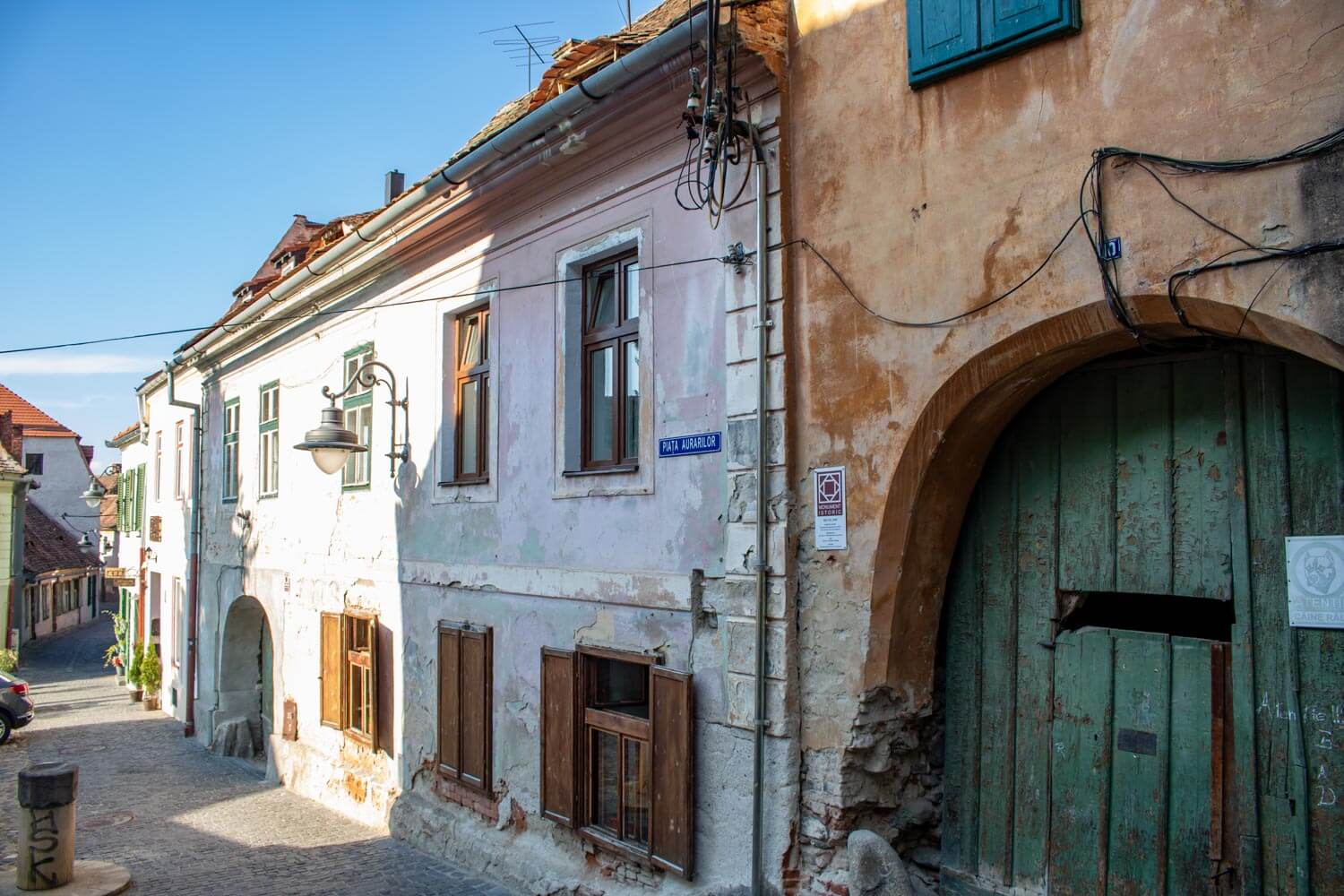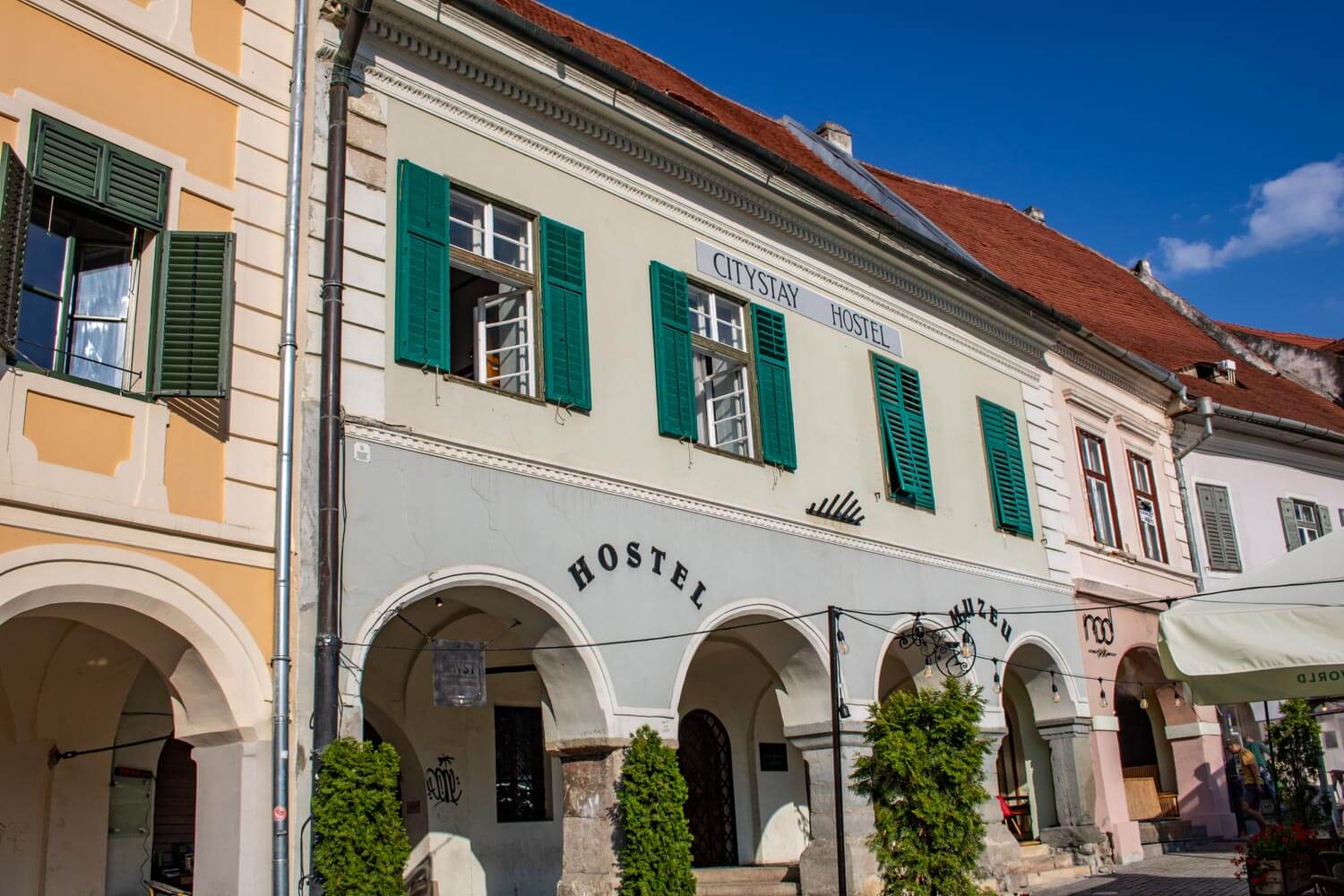
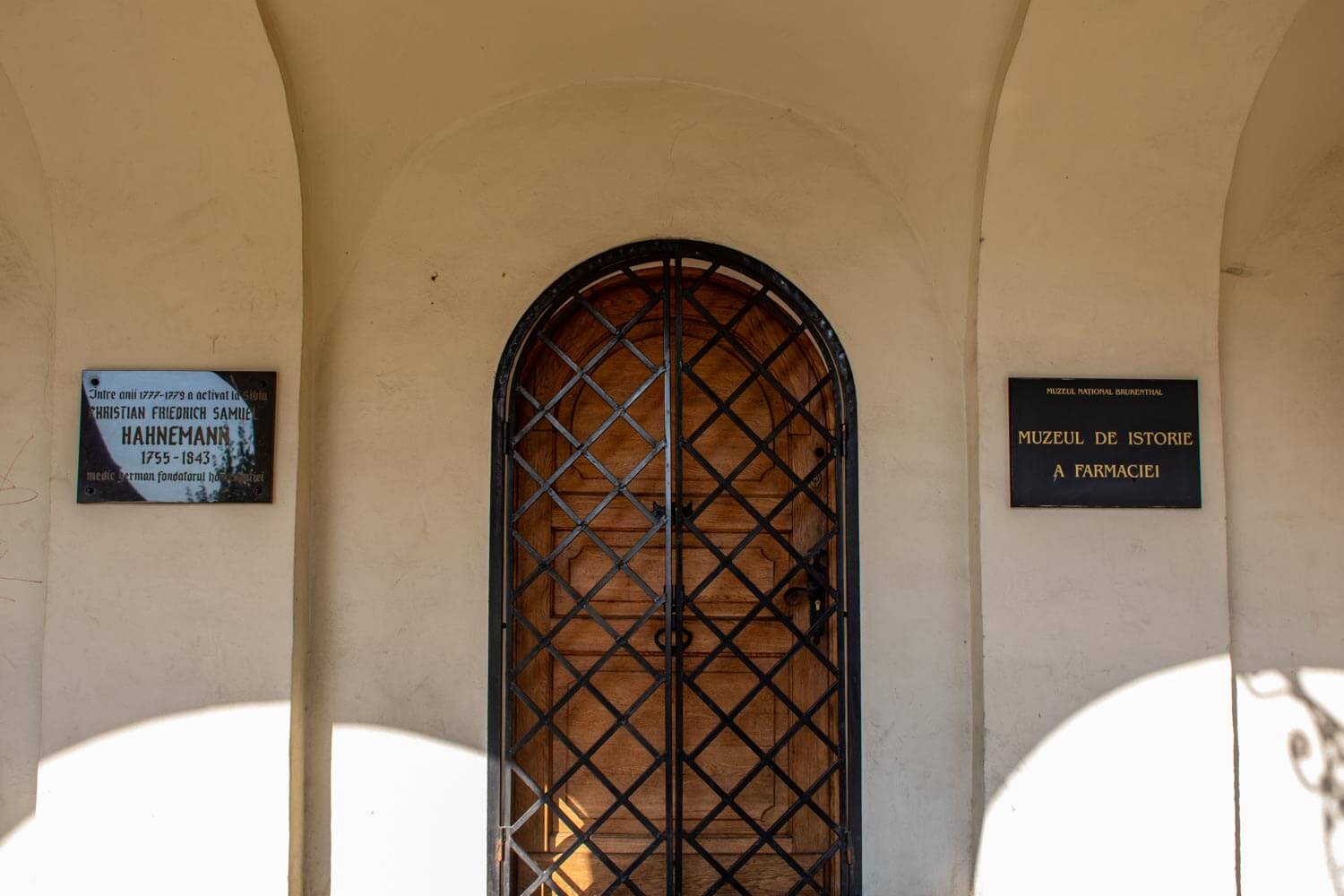
The Museum of Pharmaceutical History (Muzeul de Istorie a Farmaciei) is a branch of the Brukenthal National Museum dedicated to the development of pharmacy and medicine, housed in a historic former pharmacy on the Small Square in Sibiu. The museum opened in 1972 and draws on Sibiu’s unusually long pharmaceutical tradition, which can be traced back to the first documented pharmacy in the city in 1494.
History Of The Building And Pharmacy
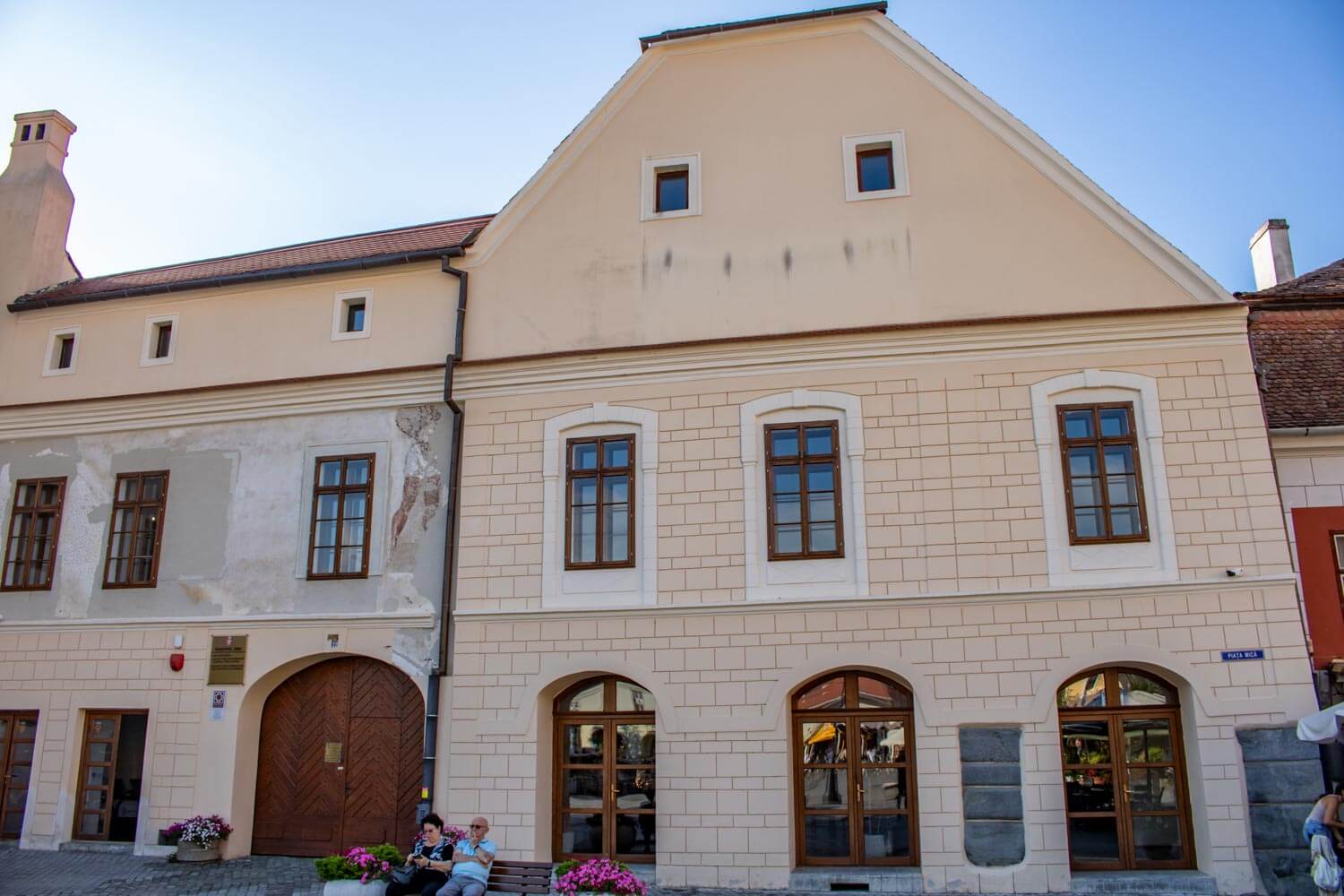
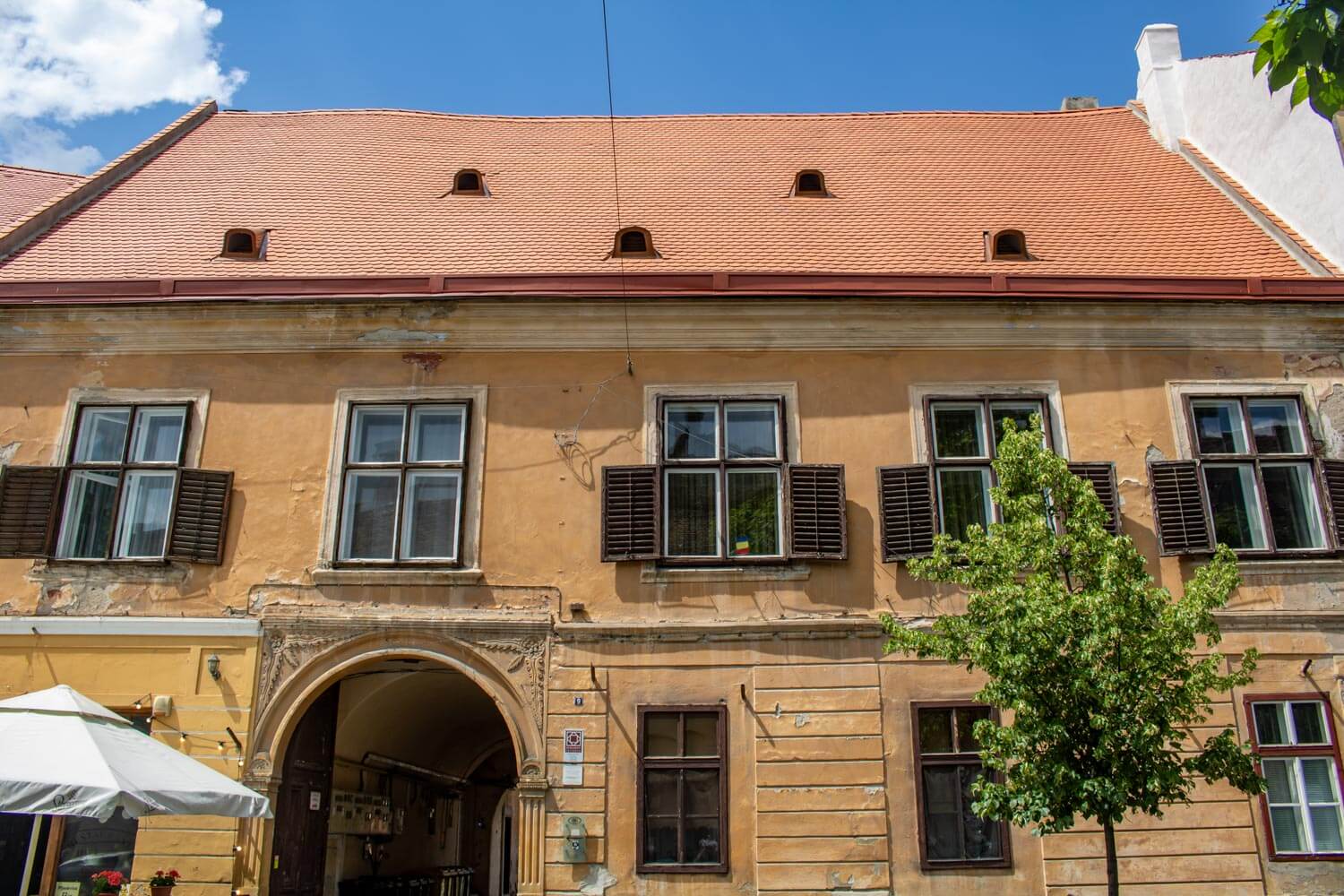
The museum occupies a house dating from 1568, with Gothic and Renaissance elements still visible in its architecture. A pharmacy known as the Black Bear (La Ursul Negru) was established here around 1600, making it one of the oldest pharmacies in Sibiu. The business continued under successive pharmacists for centuries and remained in operation even after nationalization in 1949, finally closing as a working pharmacy toward the end of the 1960s.
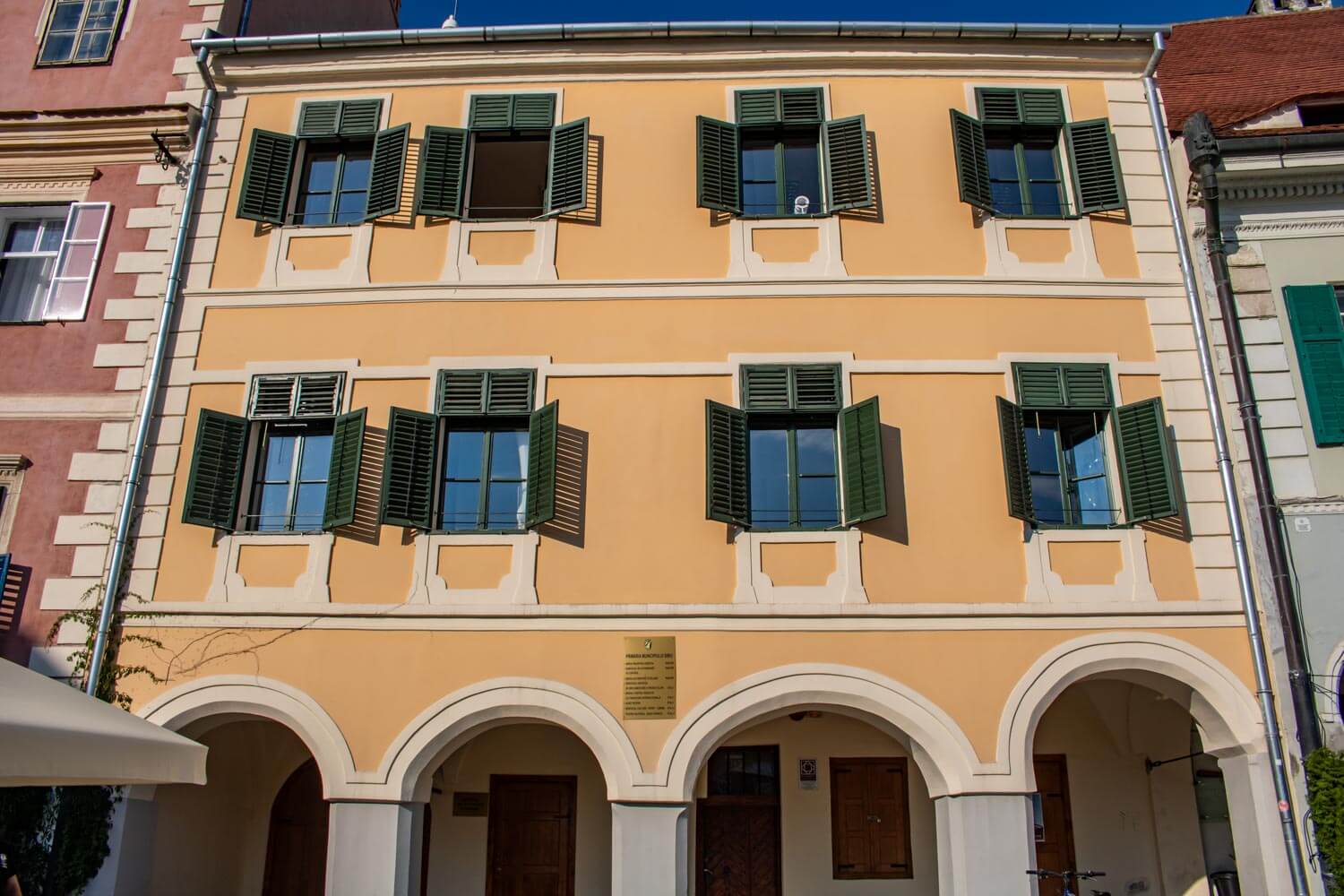
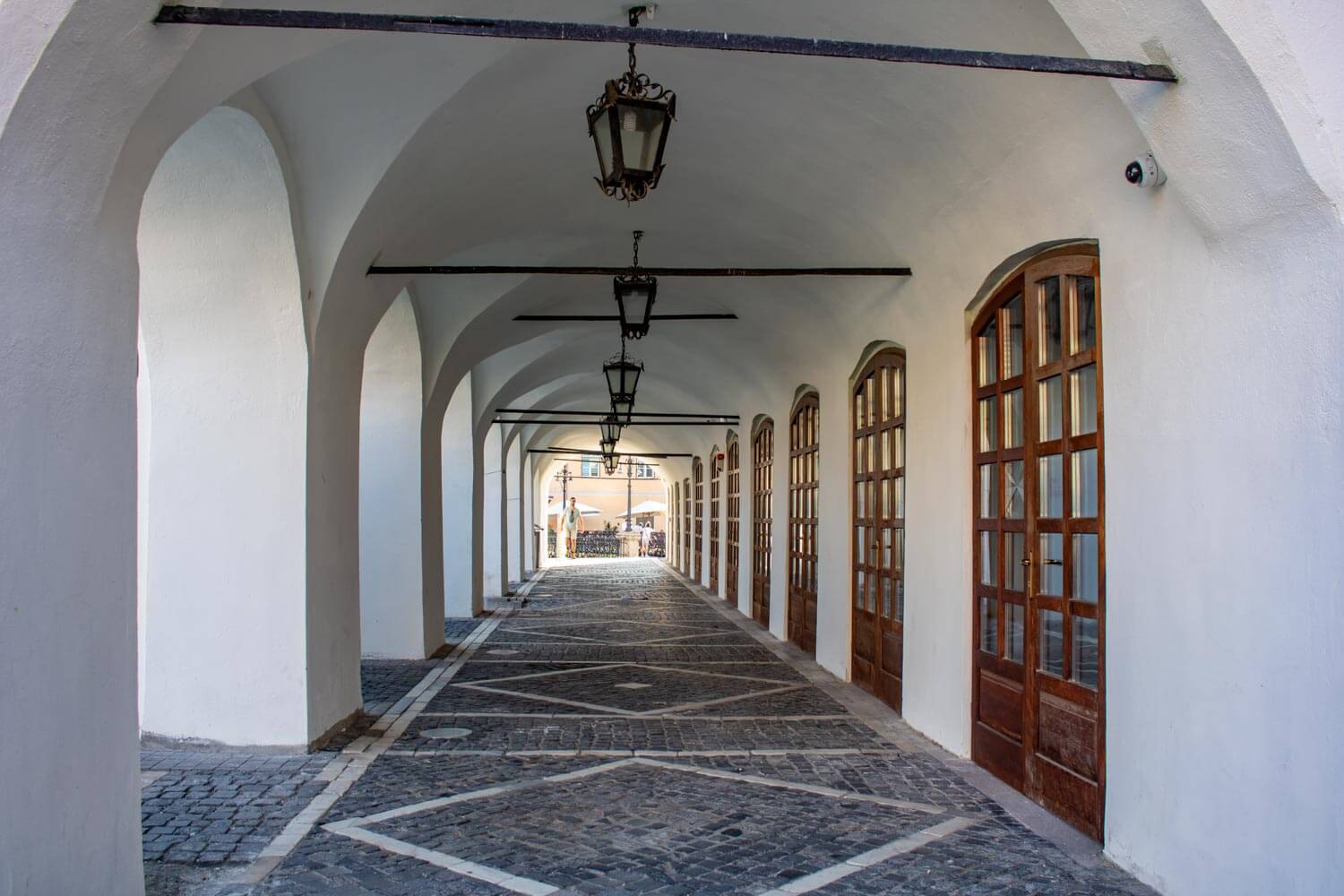
The building itself preserves much of the character of a traditional house on the Small Square, including an open ground-floor loggia with four arches and vaulted interior spaces. One of the stone supports of the loggia carries the date 1568, while the cellars and passage retain earlier structural features beneath the later pharmacy rooms.
Sibiu was a particularly appropriate place for such a museum because pharmacy had developed here earlier than in most parts of present-day Romania. The city’s first documented pharmacy appeared in 1494, and over the following centuries a network of pharmacies, medical institutions and trained pharmacists helped make Sibiu an important regional center for pharmaceutical practice.
Museum Collection
The museum collection contains more than 6,900 objects from pharmacies, medical institutions and private collections across Romania. Rather than arranging them only by date, the exhibition follows the layout of a traditional pharmacy, moving through the public sales room, laboratory, medical-instrument displays and a separate section devoted to homeopathy.
The first room recreates the oficina, where medicines were stored, displayed and sold. Its wooden furniture was made in Vienna in 1902 for the former Black Eagle Pharmacy and is lined with jars, bottles and containers once used for pharmaceutical ingredients and prepared medicines. Among the oldest objects in the museum is a bronze mortar dated 1597, used for crushing and mixing ingredients during the preparation of remedies.
The laboratory shows how medicines were actually produced before industrial manufacturing became standard. Mortars, balances, grinders, filters, distillation equipment, ceramic vessels and laboratory glassware illustrate the many stages involved in preparing powders, tinctures, ointments and other treatments. Nearby displays of surgical kits, microscopes and medical instruments broaden the story beyond the pharmacy counter itself.
A substantial part of the collection is devoted to homeopathy, with around 2,900 bottles, kits and preparations originating largely from Sibiu’s former Angel Pharmacy. This section also connects the museum with Samuel Hahnemann, the founder of homeopathy, who spent more than a year in Sibiu during the late 18th century while working as librarian and secretary to Samuel von Brukenthal. Documents and pharmaceutical publications complete the display, including an early edition of the Romanian Pharmacopoeia.