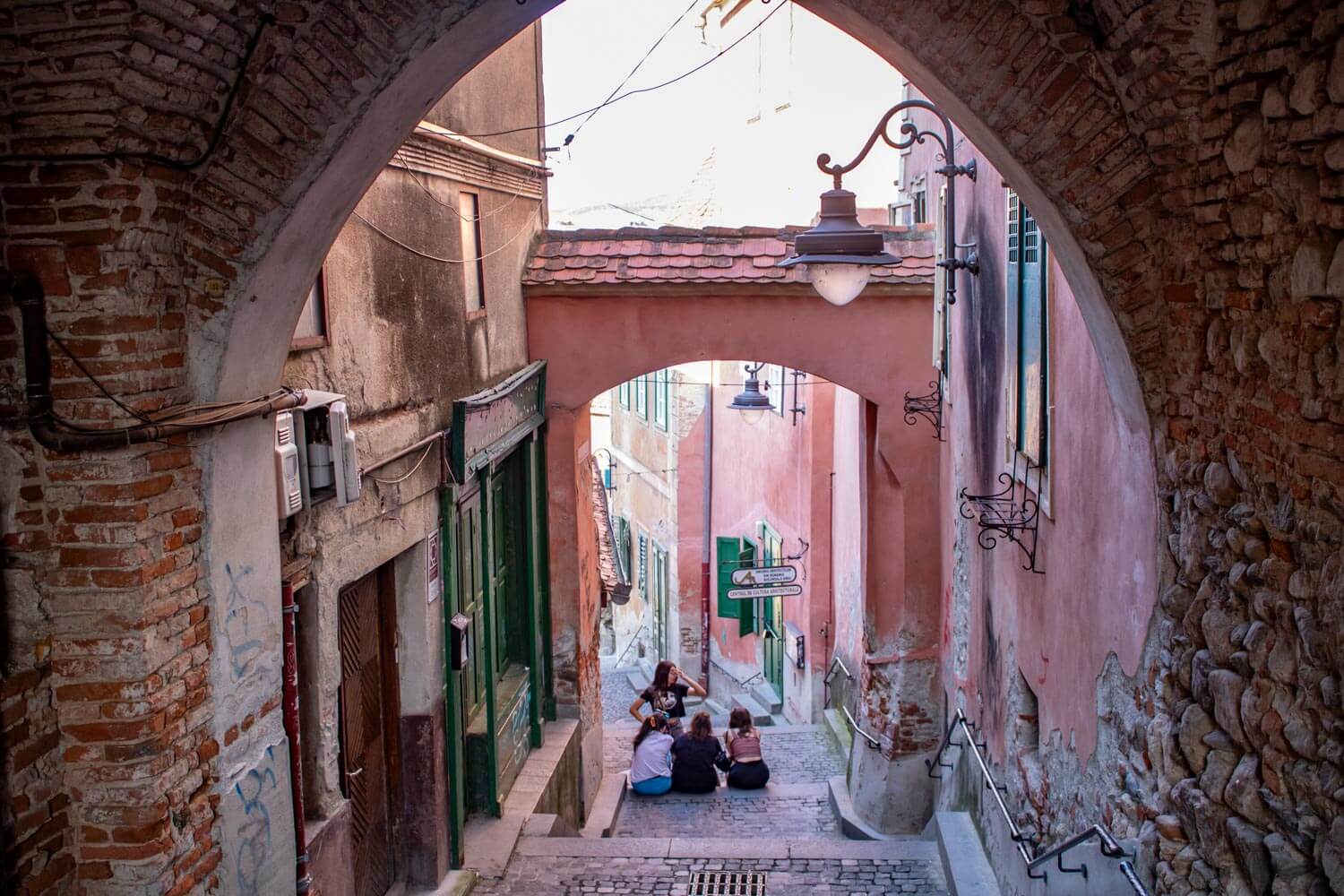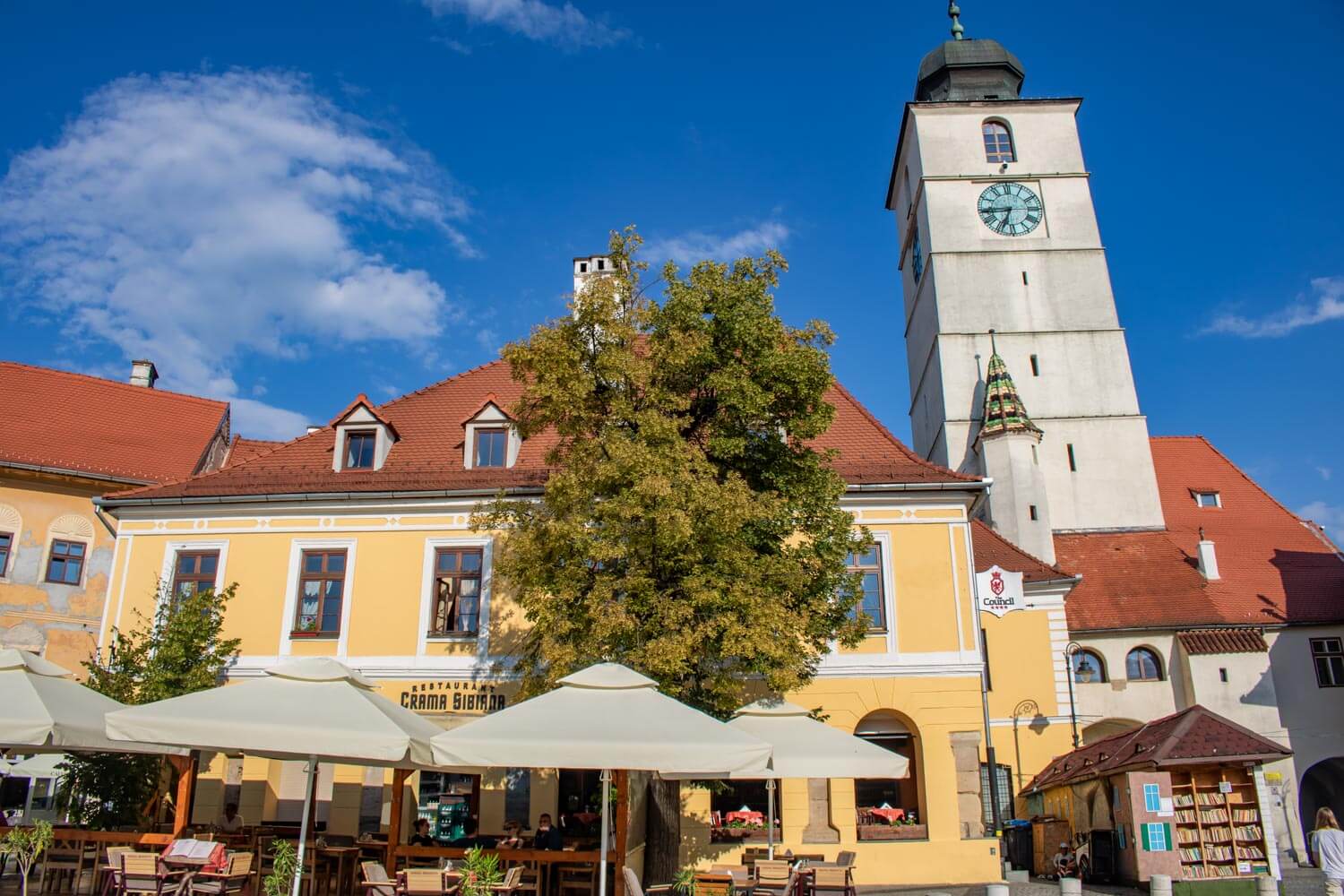
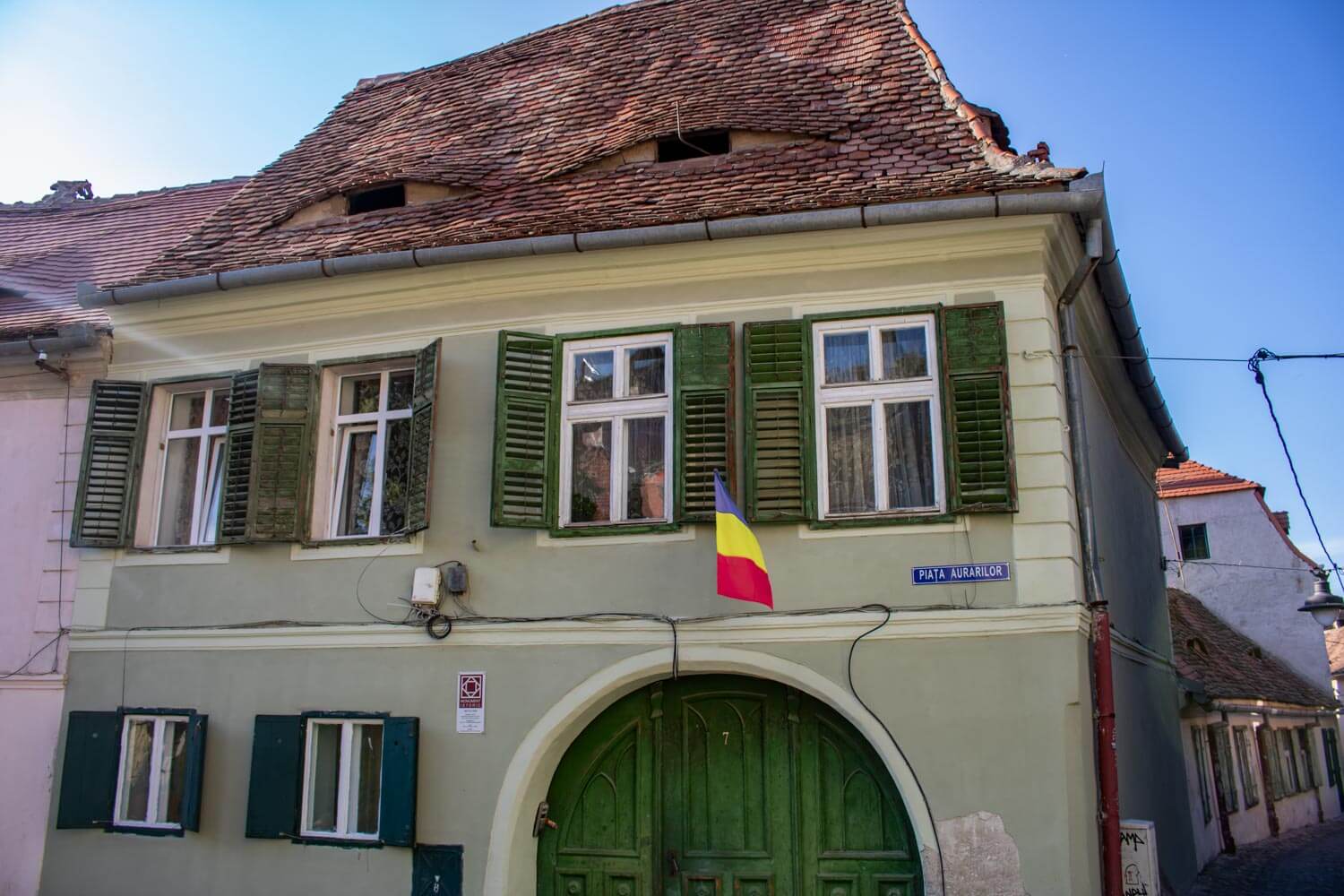
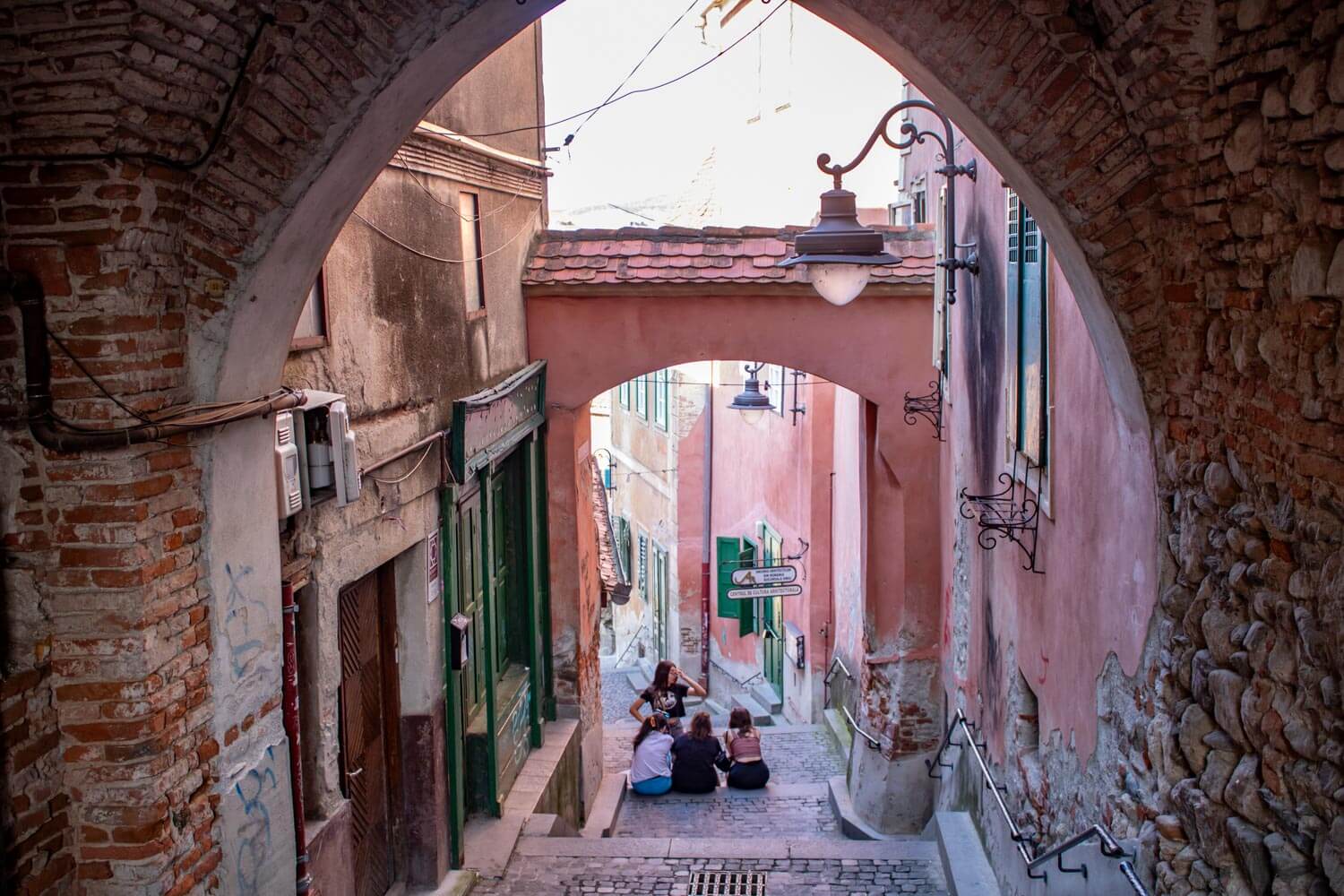
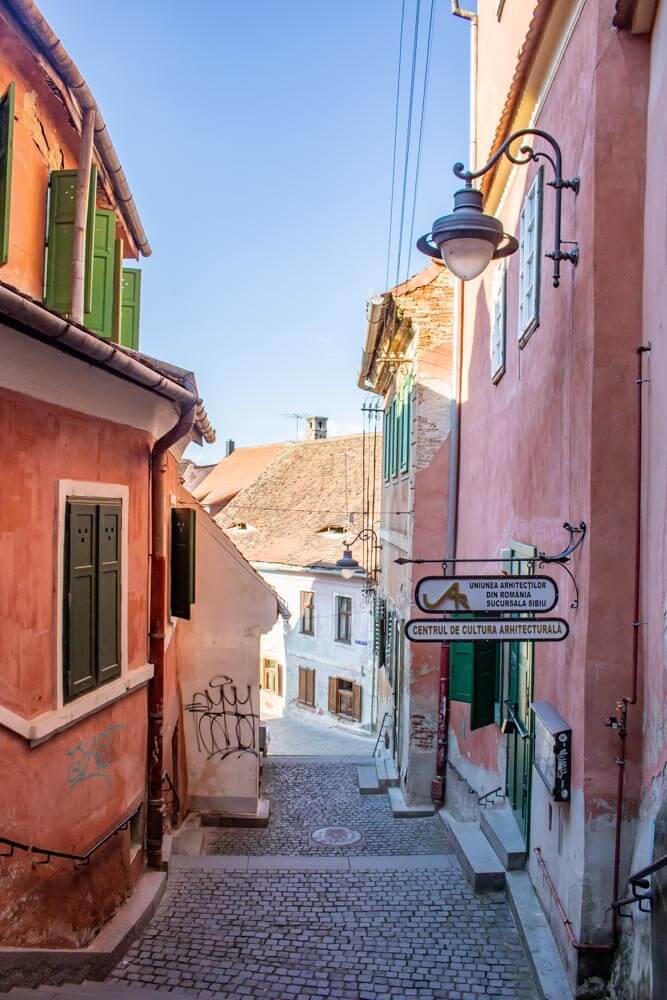
Goldsmiths’ Square (Piața Aurarilor) is a small historic square in Sibiu’s Lower Town, reached from the Small Square by the Goldsmiths’ Stairs. Its irregular shape follows the sloping terrain below the medieval Upper Town, where several streets and old pedestrian routes came together beneath the city’s fortified center.
The square developed along one of the main connections between the Upper and Lower Town, with the staircase and passage beneath the Goldsmiths’ Stairs Tower providing direct access through Sibiu’s second fortified enclosure. A fountain is documented here from 1496, while houses and workshops gradually filled the surrounding plots as the Lower Town expanded around the routes leading toward the markets above.
Goldsmiths gave the square the name it still carries. Workshops belonging to the trade operated in this part of the city, close to the route leading up to the Small Square and the Goldsmiths’ Guild House. Older German names such as Fingerlingsplatz and Unter der Fingerlingstreppe likewise referred to the goldsmiths and the stairs, showing how closely the identity of the square was tied to the craft and the passage above it.
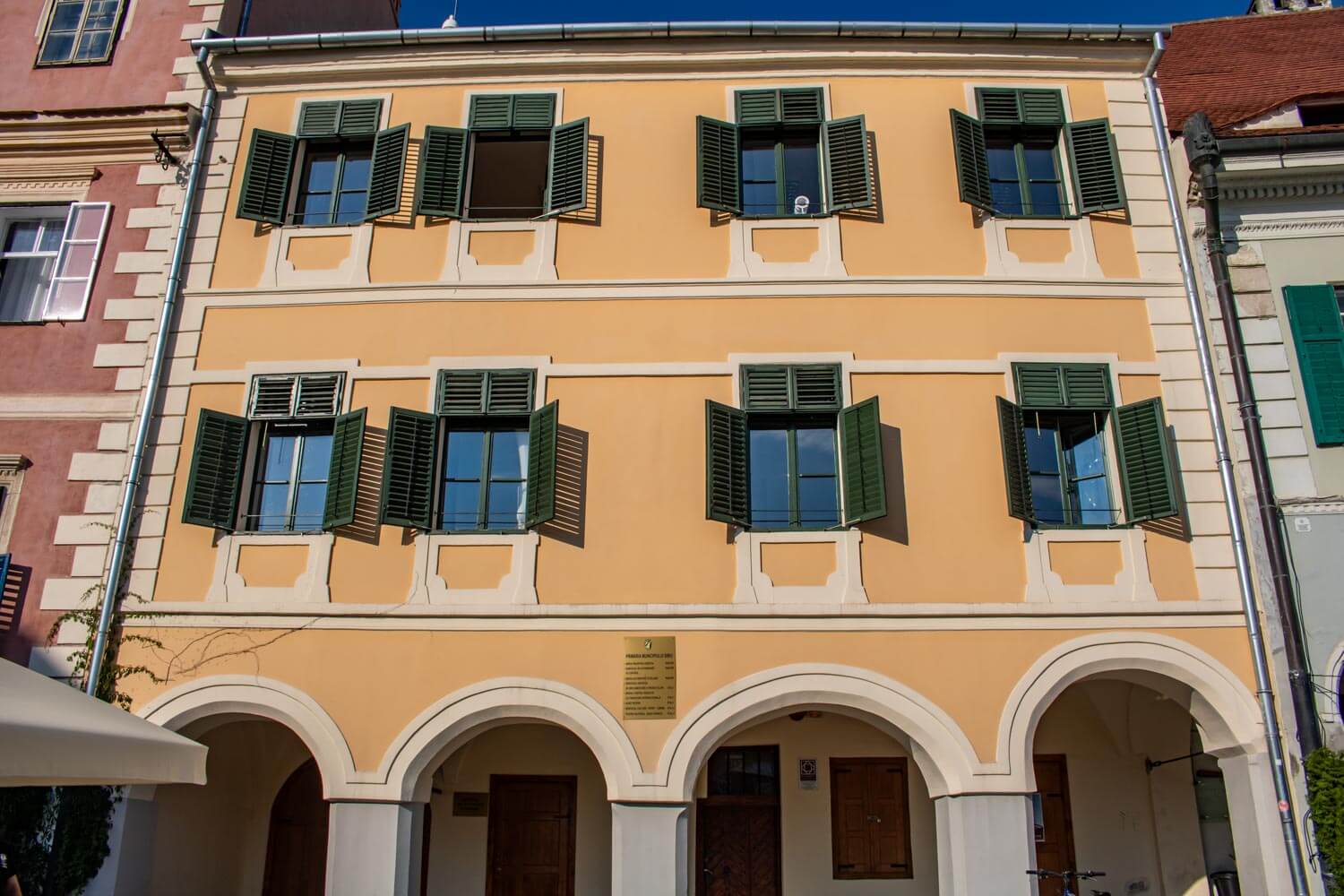
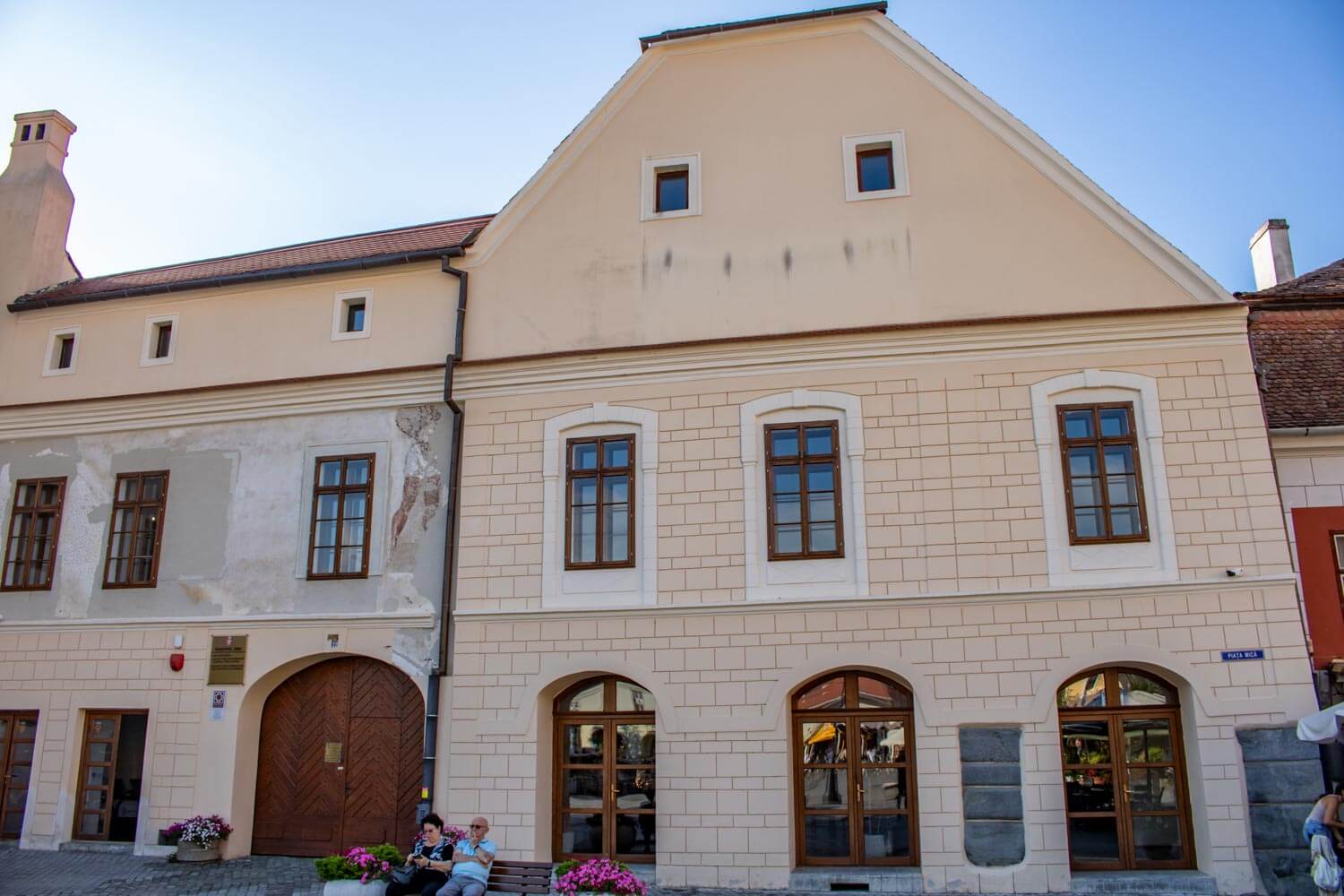
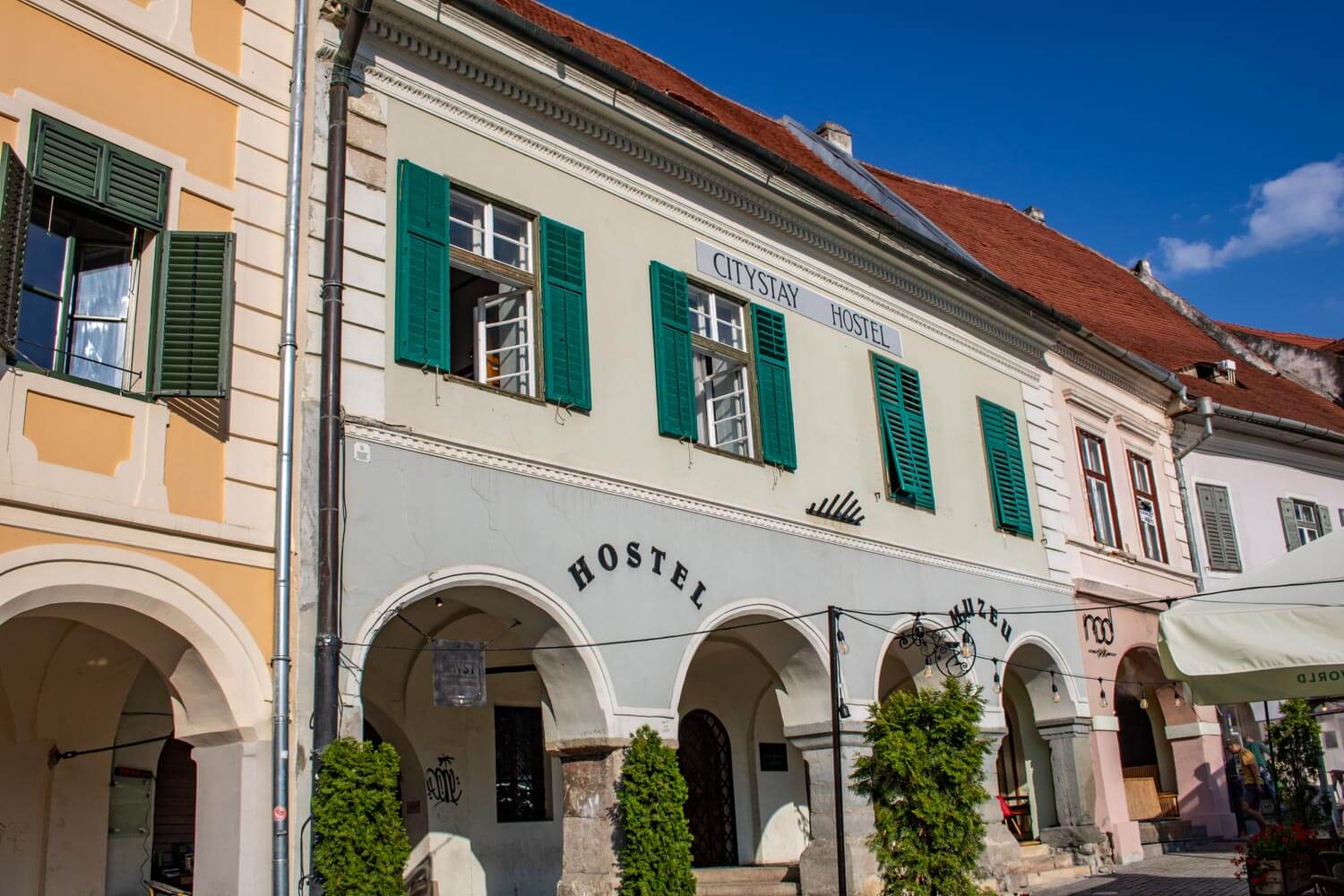
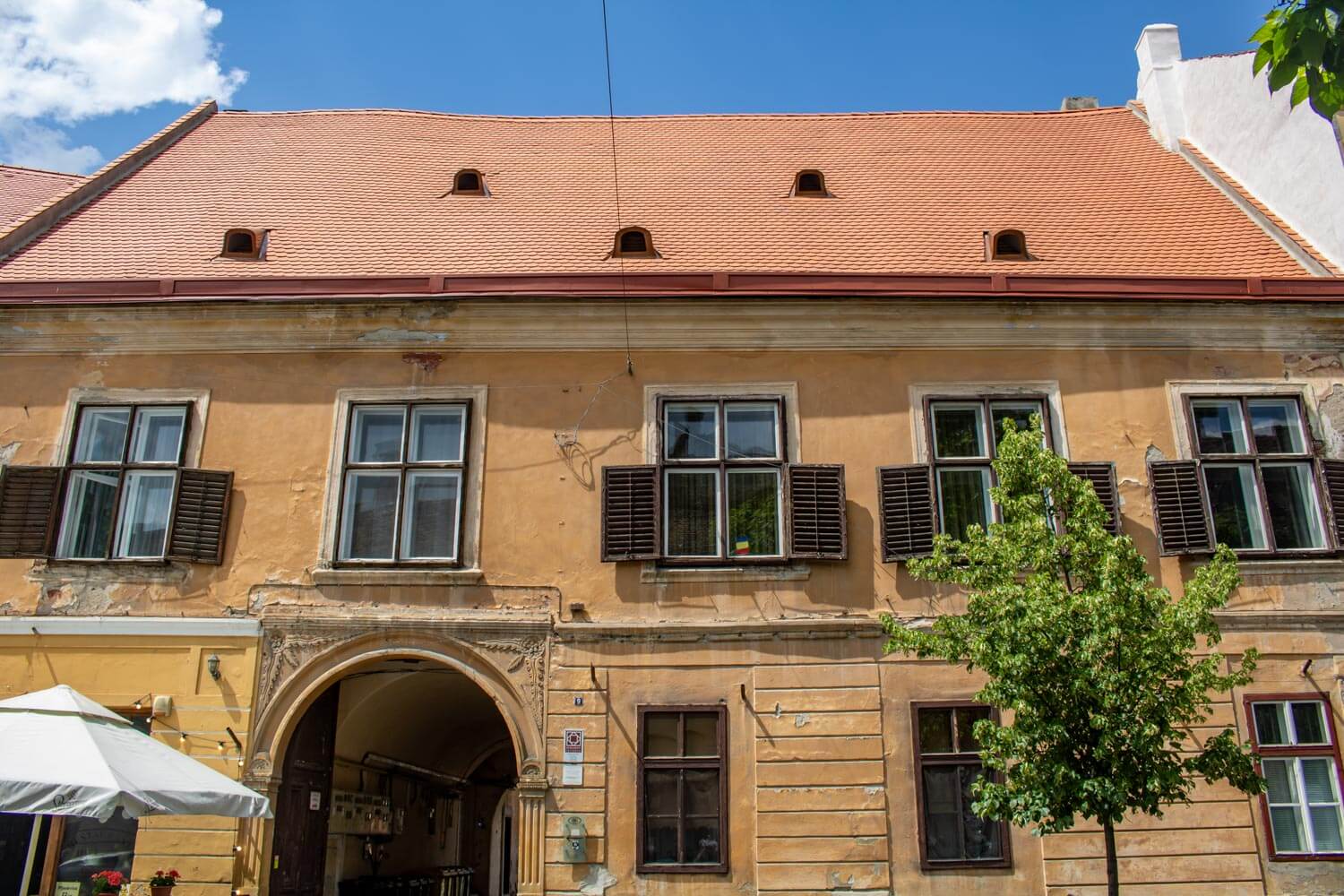
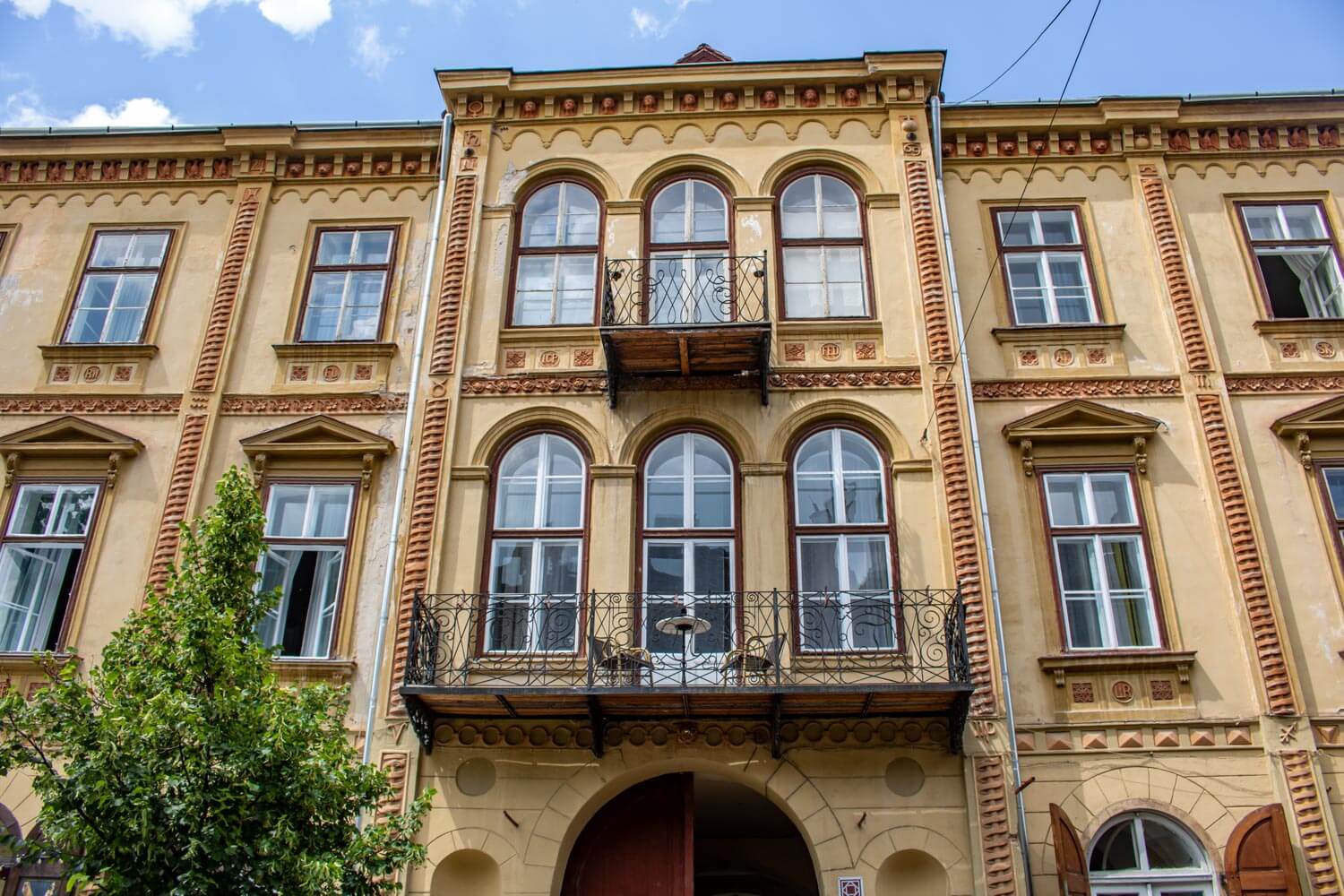
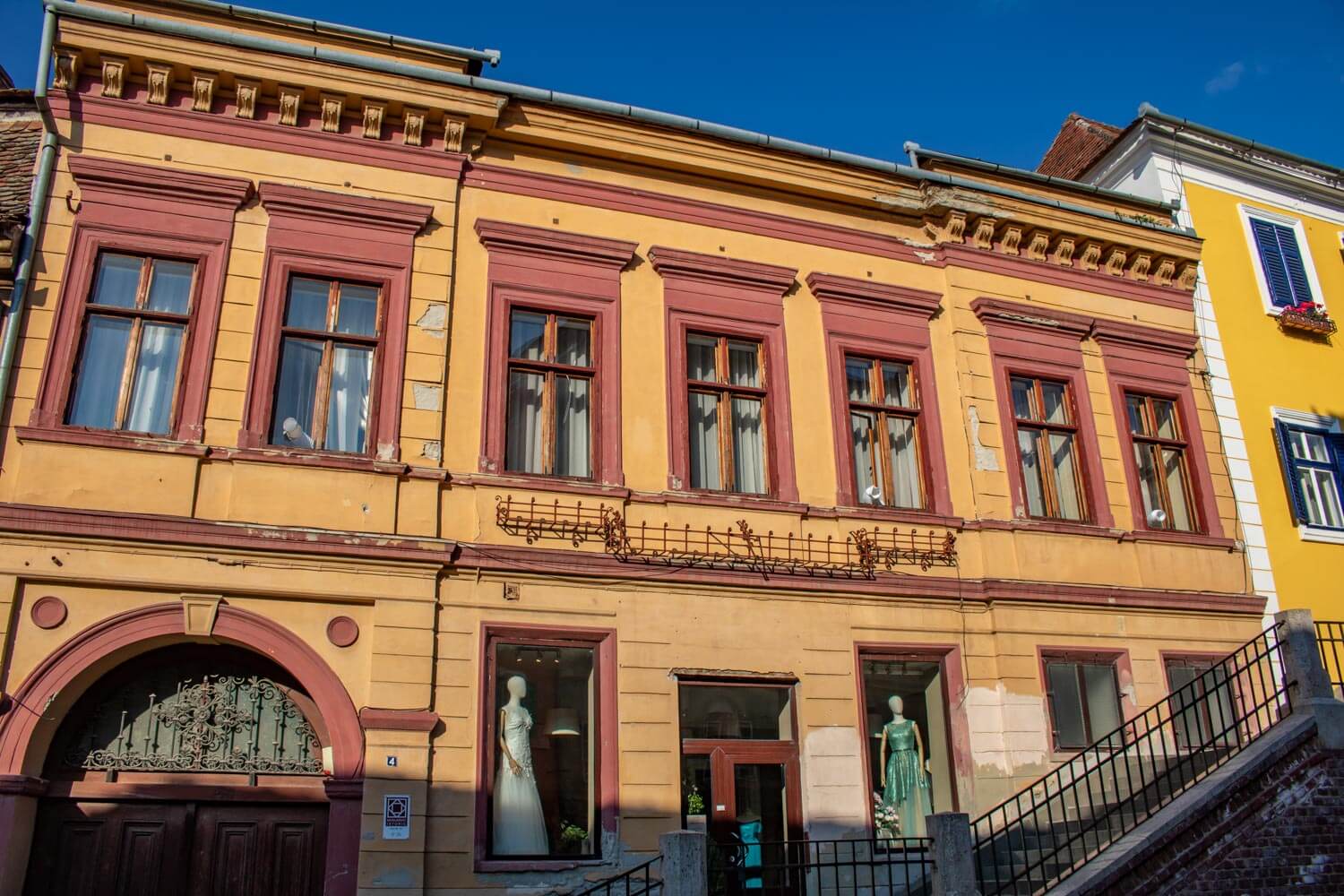
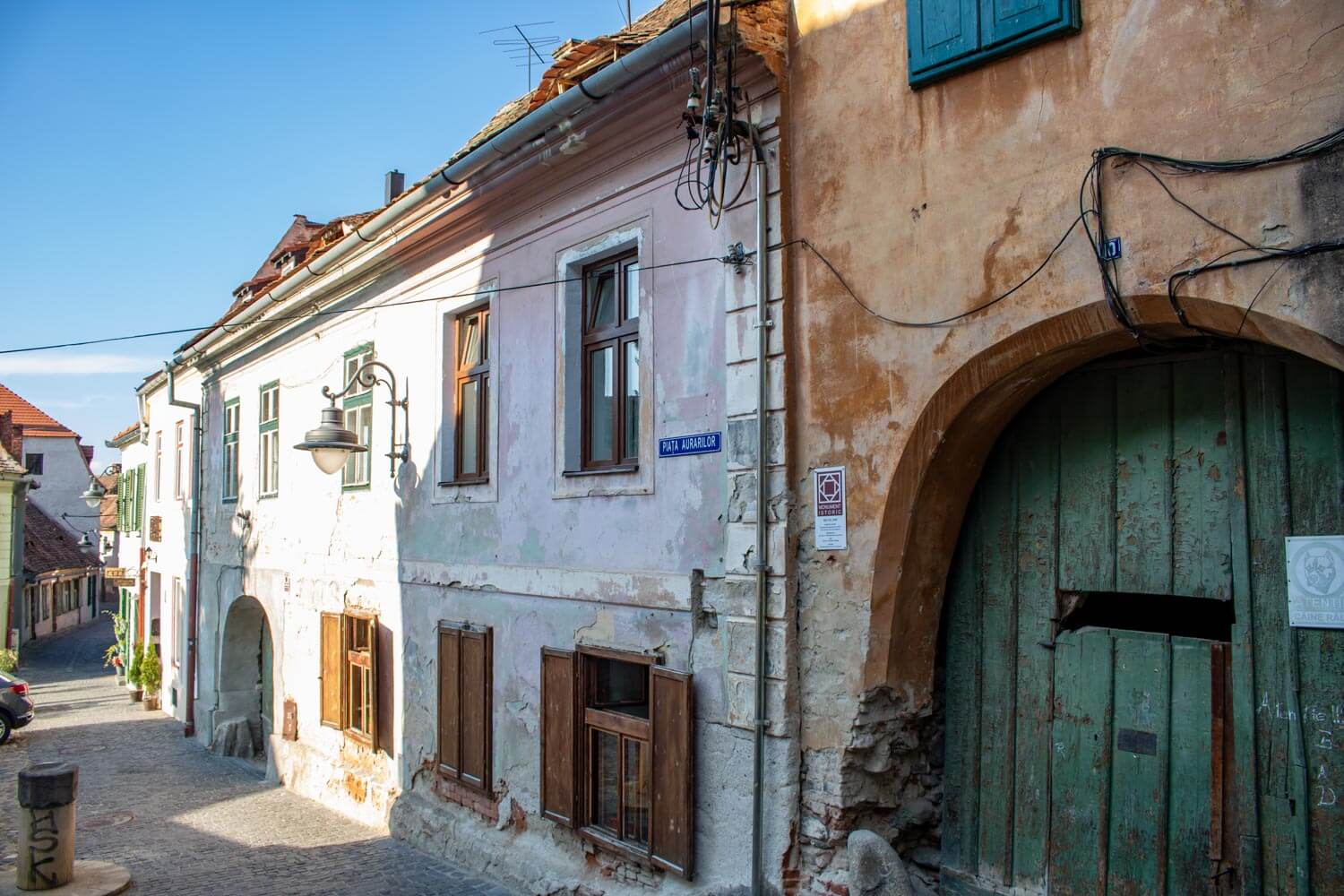
The surrounding buildings are generally modest compared with the larger merchant houses of the Upper Town, but together they preserve the enclosed character of an old residential and workshop quarter. Narrow façades, irregular rooflines and the steep rise toward the staircase emphasize the difference in level between the two parts of the historic center.
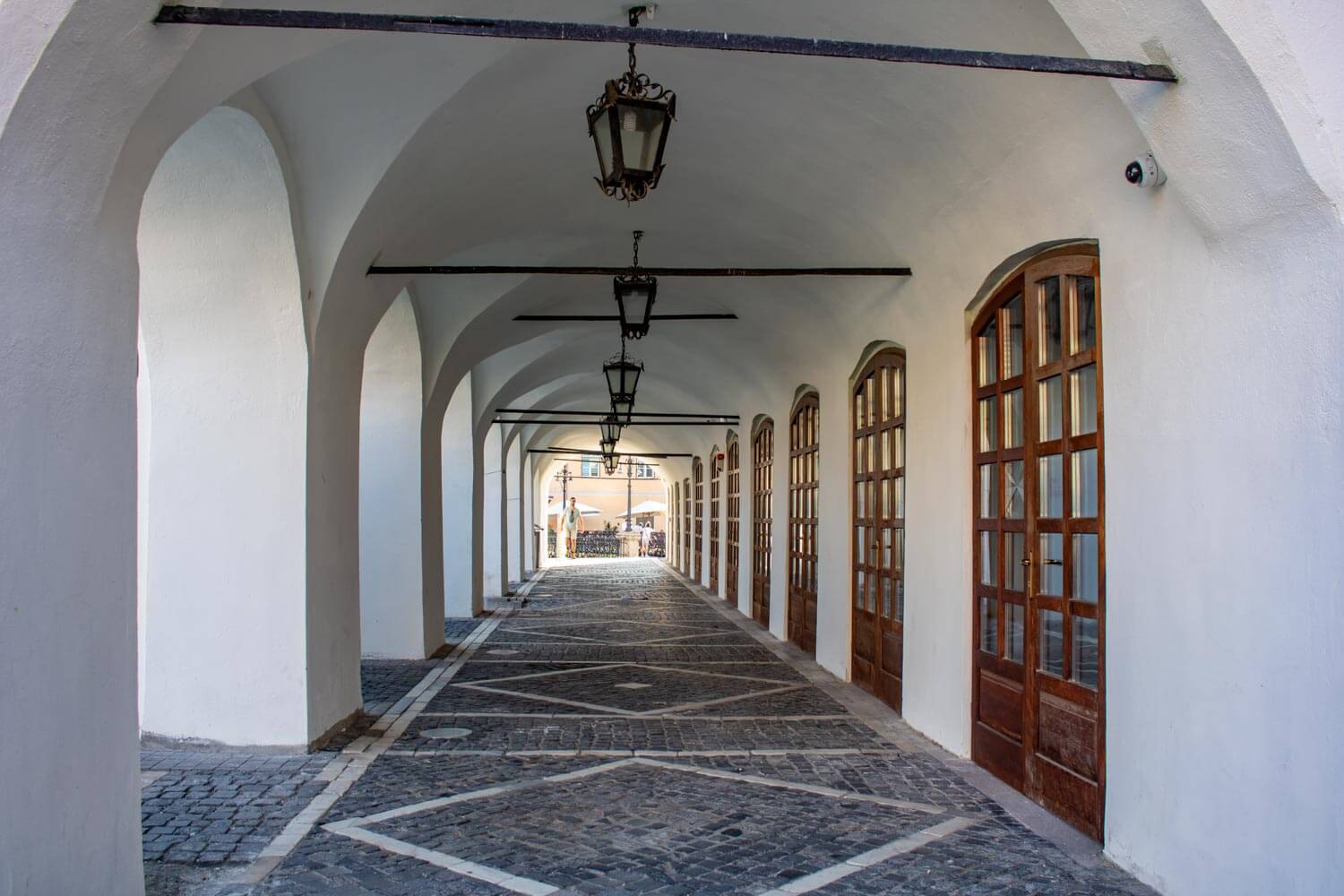
The Goldsmiths’ Stairs remain the most distinctive feature of the square, climbing beneath the former medieval gate tower before emerging onto the Small Square above. From below, the route gives a particularly clear impression of Sibiu’s layered street plan, with the quieter Lower Town connected directly to the busy squares of the Upper Town through a narrow passage that has been used for centuries.
Goldsmiths’ Square (Piața Aurarilor) is a small historic square in Sibiu’s Lower Town, reached from the Small Square by the Goldsmiths’ Stairs. Its irregular shape developed around the old pedestrian route between the Lower and Upper Town, where several streets met below the medieval fortifications.
A fountain is documented here from 1496, when the area was known as beim Fingerligsbrunnen. The name later changed to Unter der Fingerlingstreppe in 1637 and Fingerlingsplatz in 1872, before becoming Piața I. C. Frimu in 1947 and receiving its present name, Piața Aurarilor, in 1970. The goldsmith name also reflects the old route to the Upper Town, where the stairs passed beneath the gate tower maintained by the goldsmiths’ guild, whose guild house stood beside it on the Small Square.
Several of the houses around the square have medieval origins, with surviving 15th-century masonry beneath later rebuilding. Much of what visitors see today dates from the 18th and 19th centuries, when façades, upper floors and roofs were altered while older vaulted rooms and sections of Sibiu’s fortification walls were retained within the properties.
Today, Goldsmiths’ Square is a quiet paved residential space, with historic houses lining its edges and narrow streets continuing through the Lower Town.