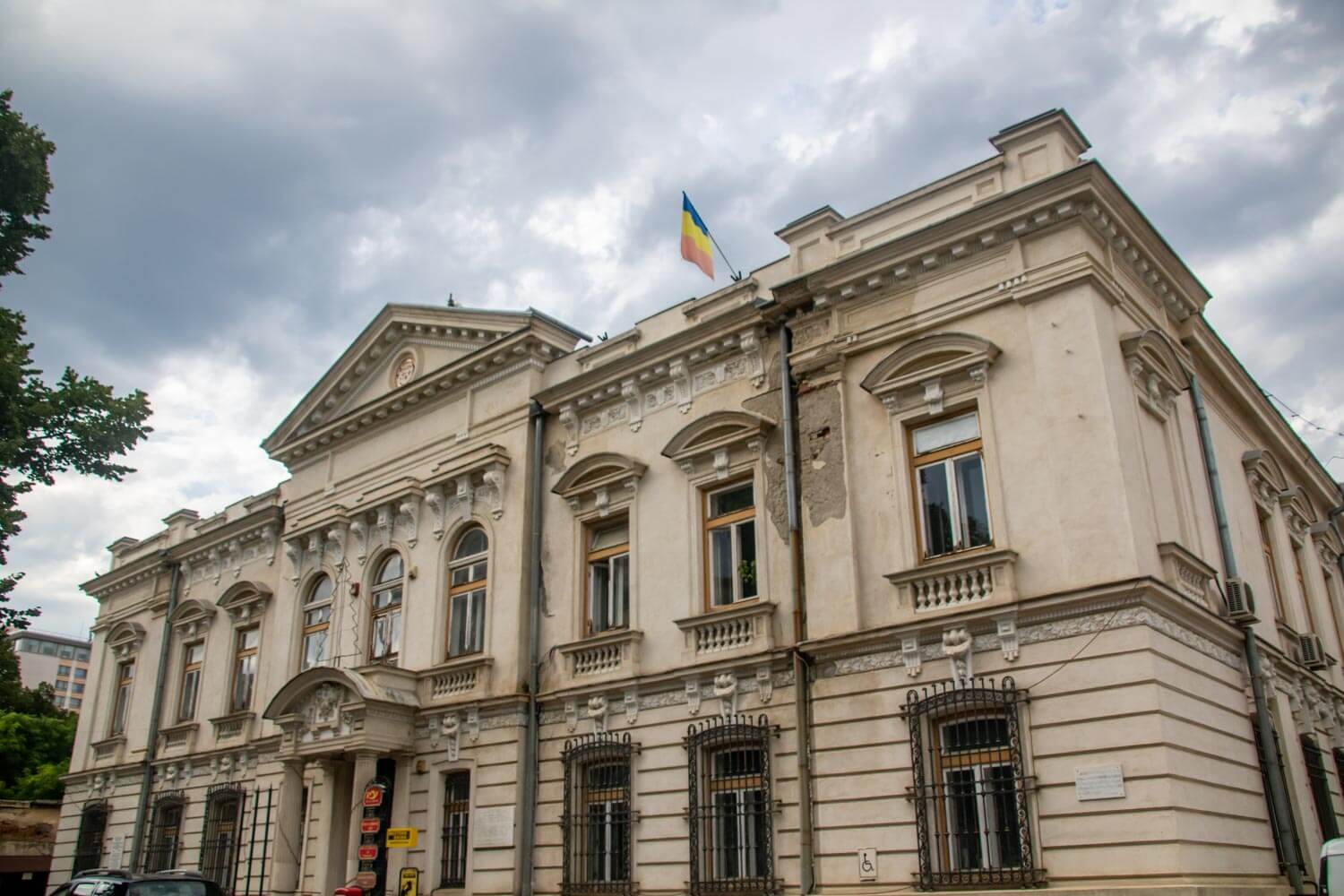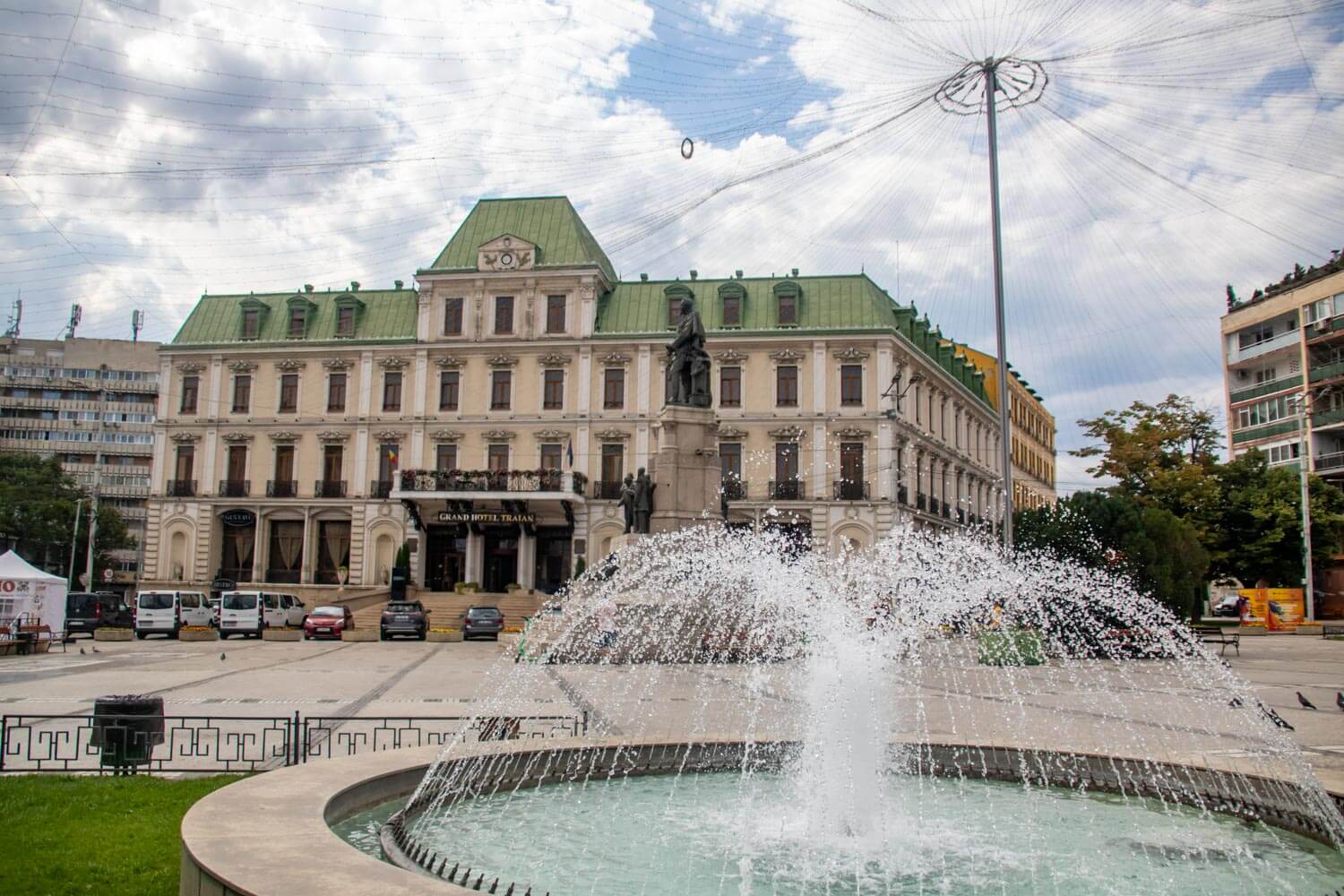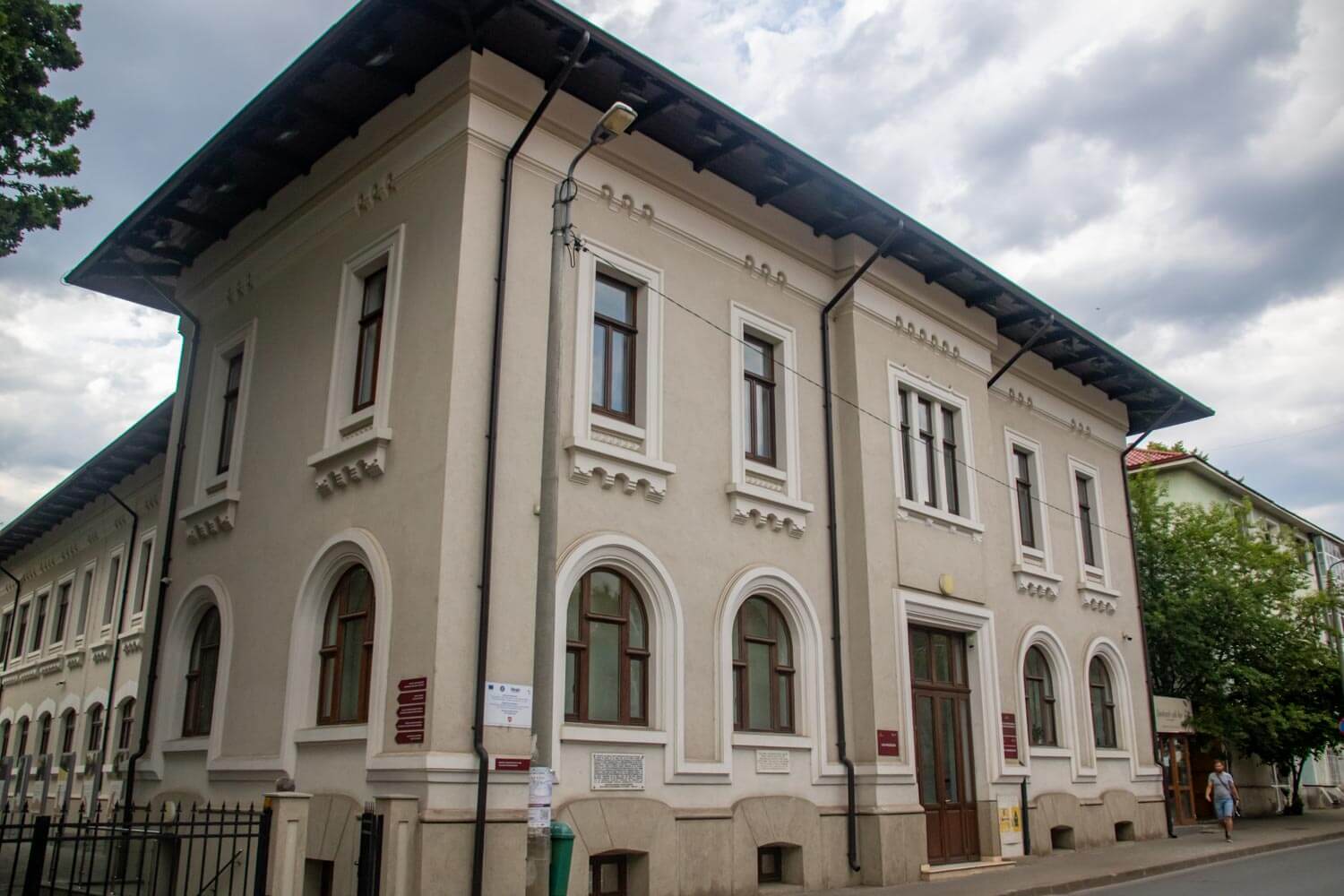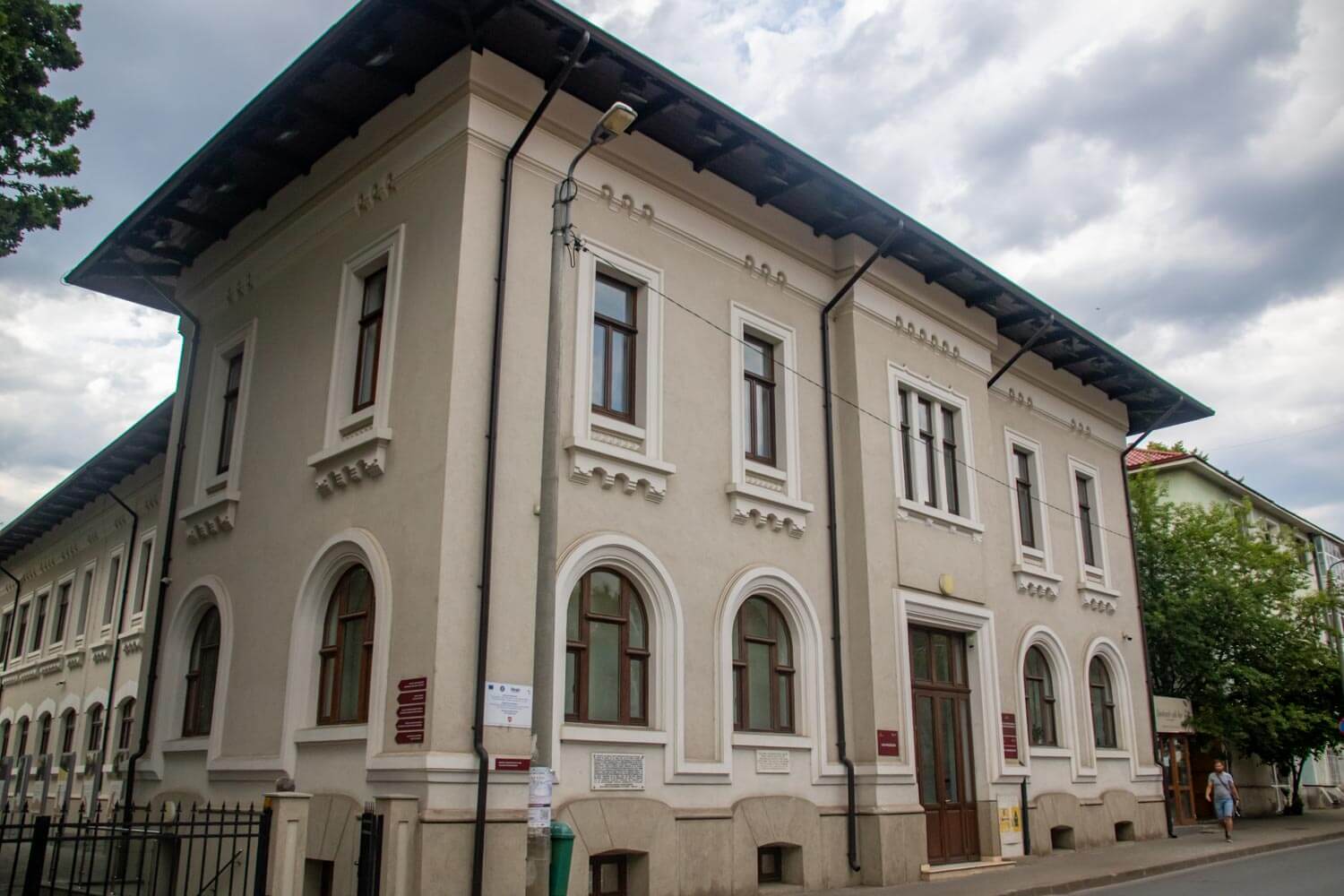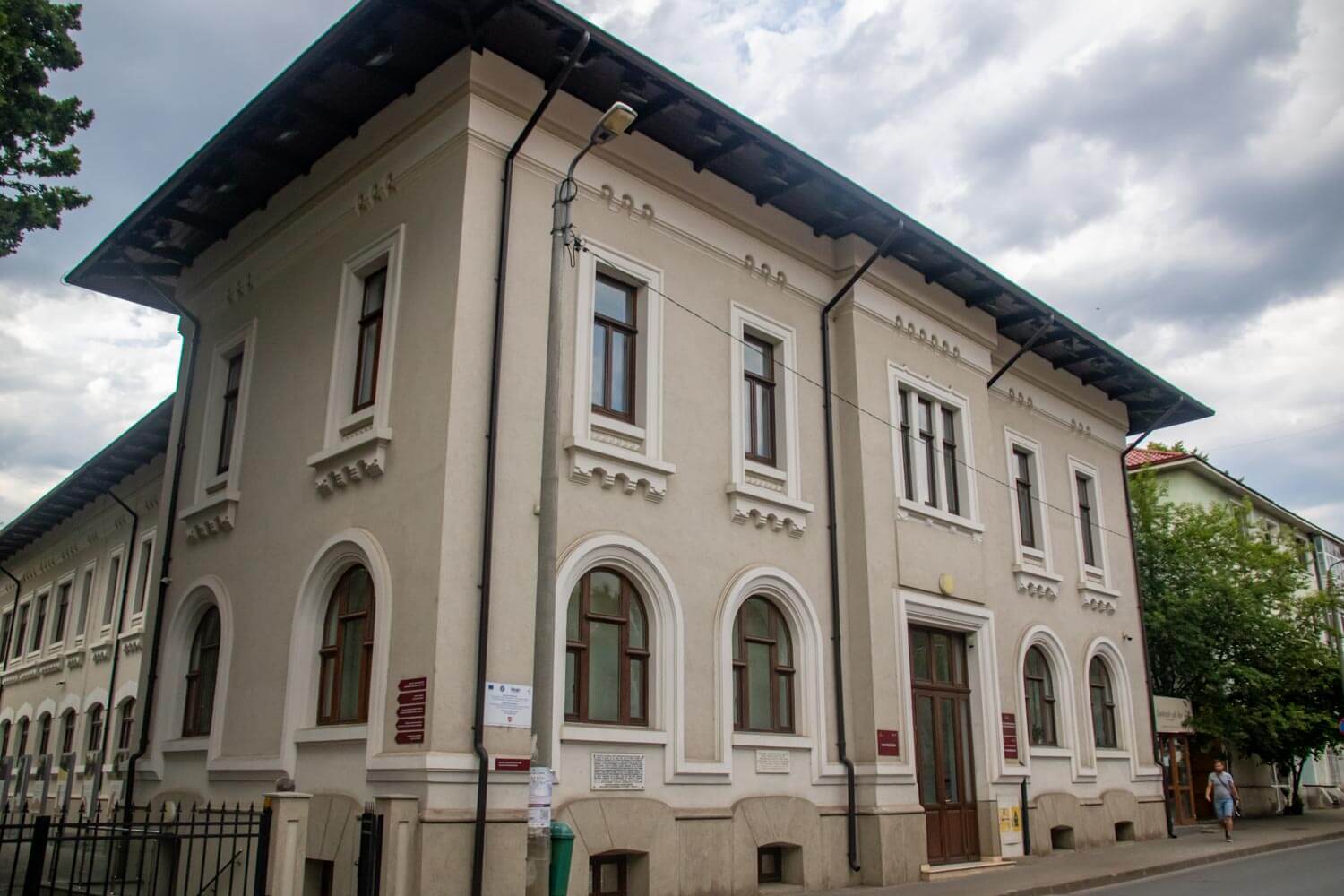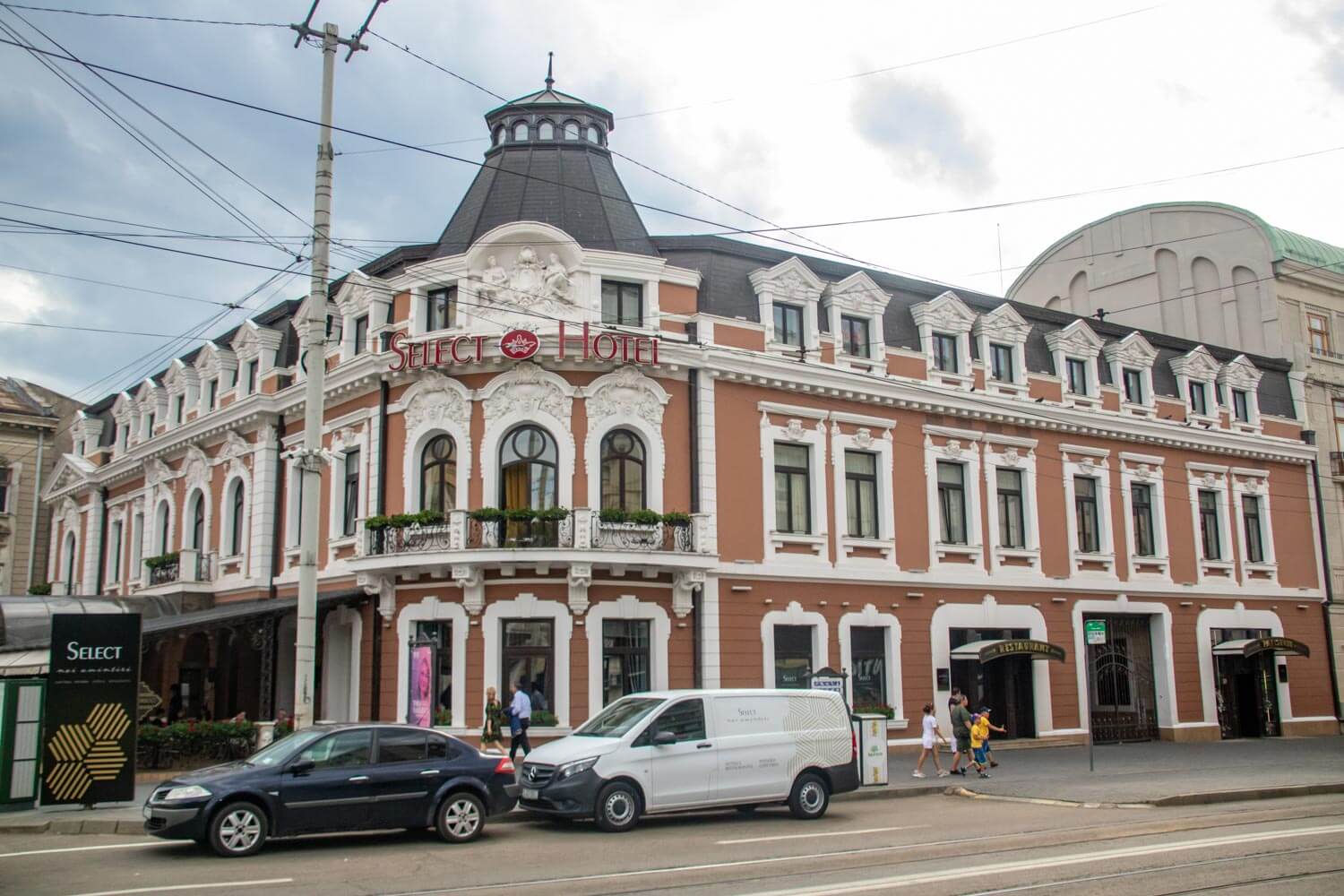

The Jacob de Neuschotz Palace (Palatul Neuschotz) is a 19th-century historic building near Union Square in central Iași, formerly the residence and business premises of banker and philanthropist Jacob de Neuschotz. Its richly decorated French Eclectic façades, rounded corner, and mansard roof make it one of the most distinctive buildings along this part of Strada Cuza Vodă, while the restored palace now houses Hotel Select.
Neuschotz rose to prominence after the middle of the 19th century as one of Iași’s leading bankers and businessmen, while also becoming a major benefactor of the city’s Jewish community. His banking offices operated on the lower level of the property, with residential rooms above, combining business and domestic functions in the same urban residence.
Between 1865 and 1867, Neuschotz founded the Beth Iacob Temple in the courtyard of his property. The synagogue became an important center of Reform Judaism in Iași and was visited by Prince Carol I in 1867. After Neuschotz’s death, the palace gradually passed into institutional use, housing the financial institution Creditul Agricol from 1905 and the Financial Administration from around 1910. During World War I, when the Romanian government relocated to Iași, the Ministry of Finance was accommodated here between 1916 and 1918. The Beth Iacob Temple survived beside the palace until it was damaged during World War II and later demolished.
The palace is built around two perpendicular façades meeting at a rounded corner, emphasized at roof level by a group of sculpted human figures. Large arched windows with broad decorative surrounds line the high ground floor, while smaller windows in the mansard level are framed by geometric and vegetal ornament. White plaster reliefs contrast with the reddish wall surfaces and brown metal roof, creating the strong color pattern that characterizes the restored exterior. The overall design belongs to the French-influenced Eclectic style found in several prestigious Romanian urban residences of the late 19th century.
After later commercial uses and restoration, the palace became part of the Select hospitality complex. The upper floors now contain Hotel Select, while a restaurant, pastry shop, and event spaces occupy other parts of the building.