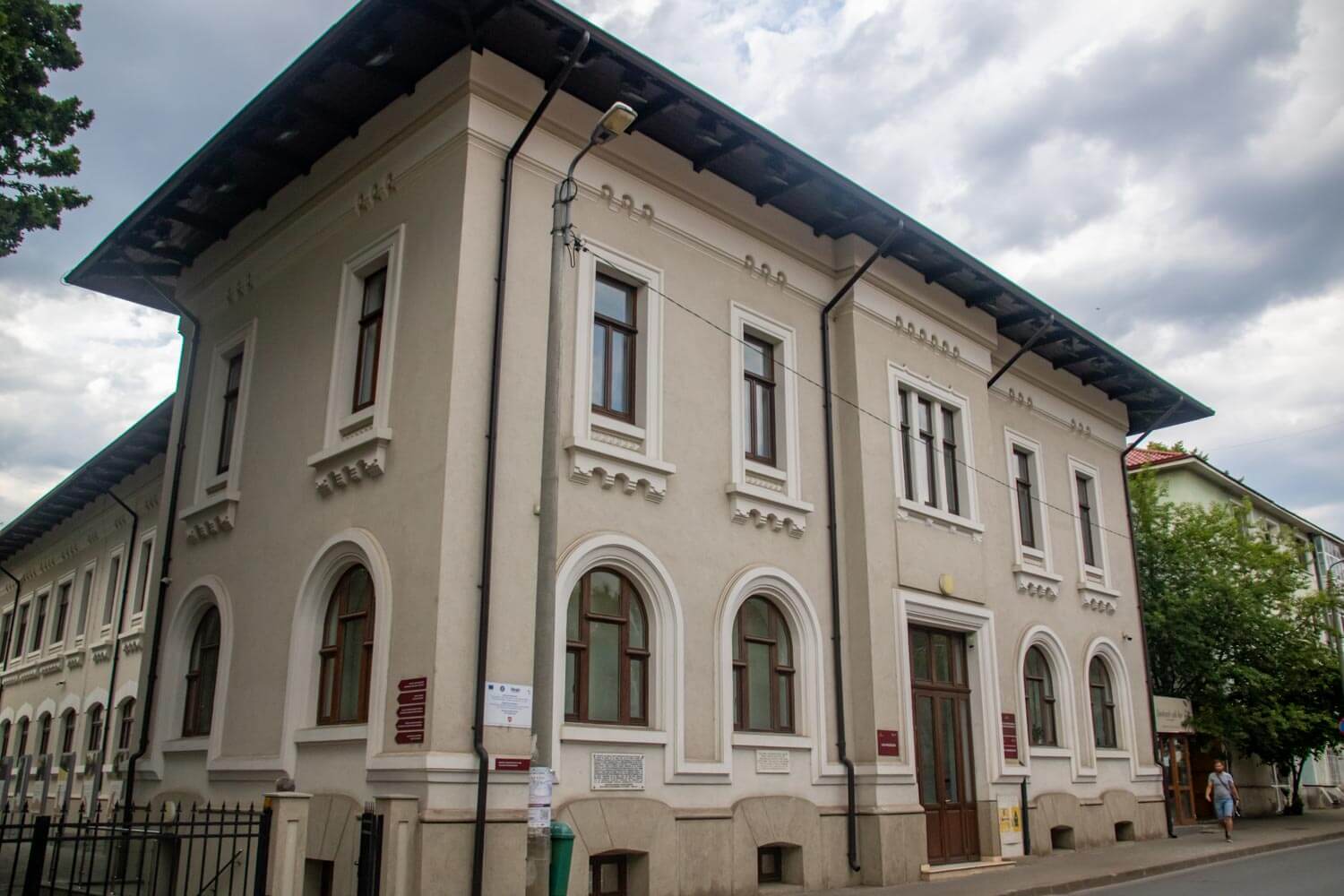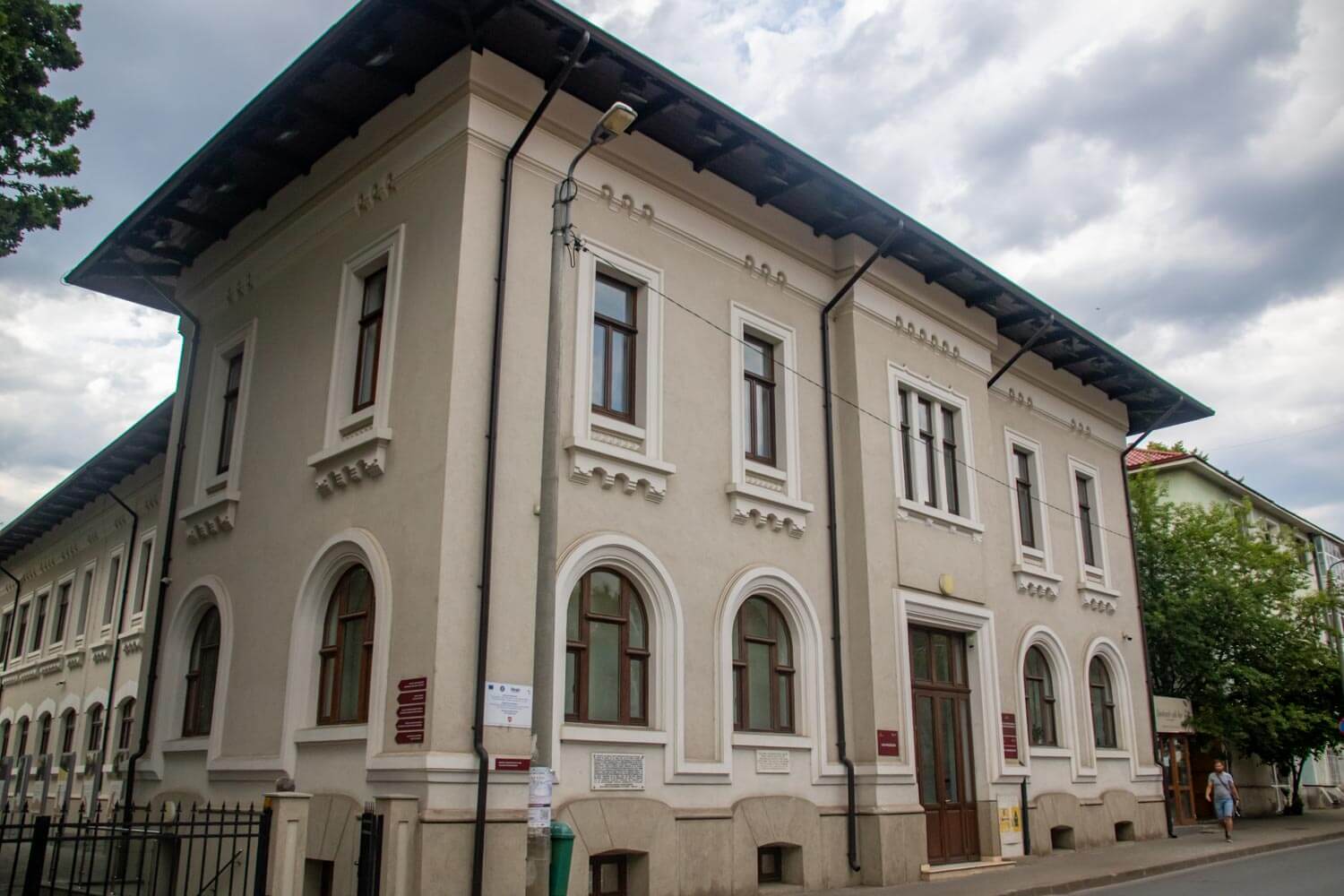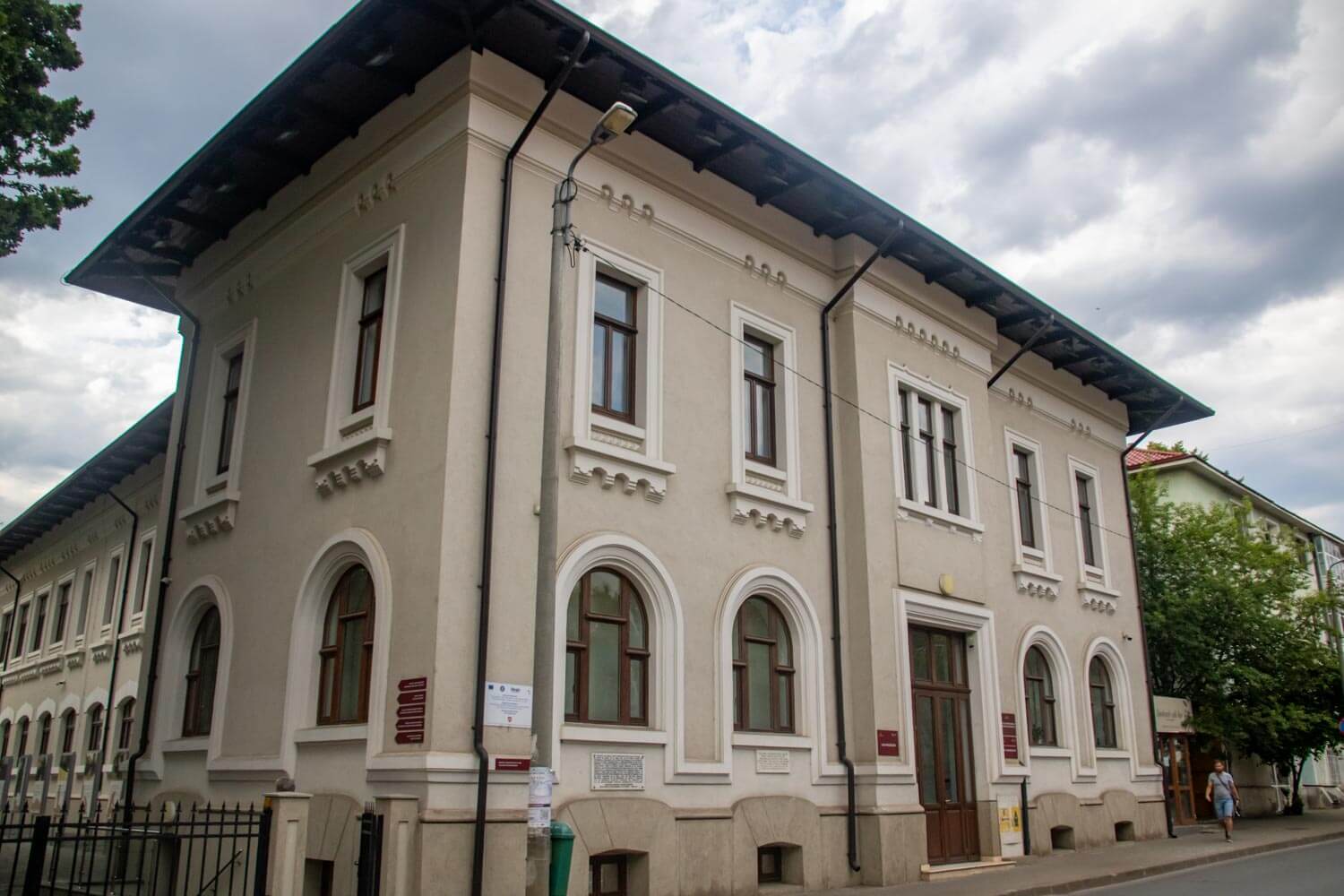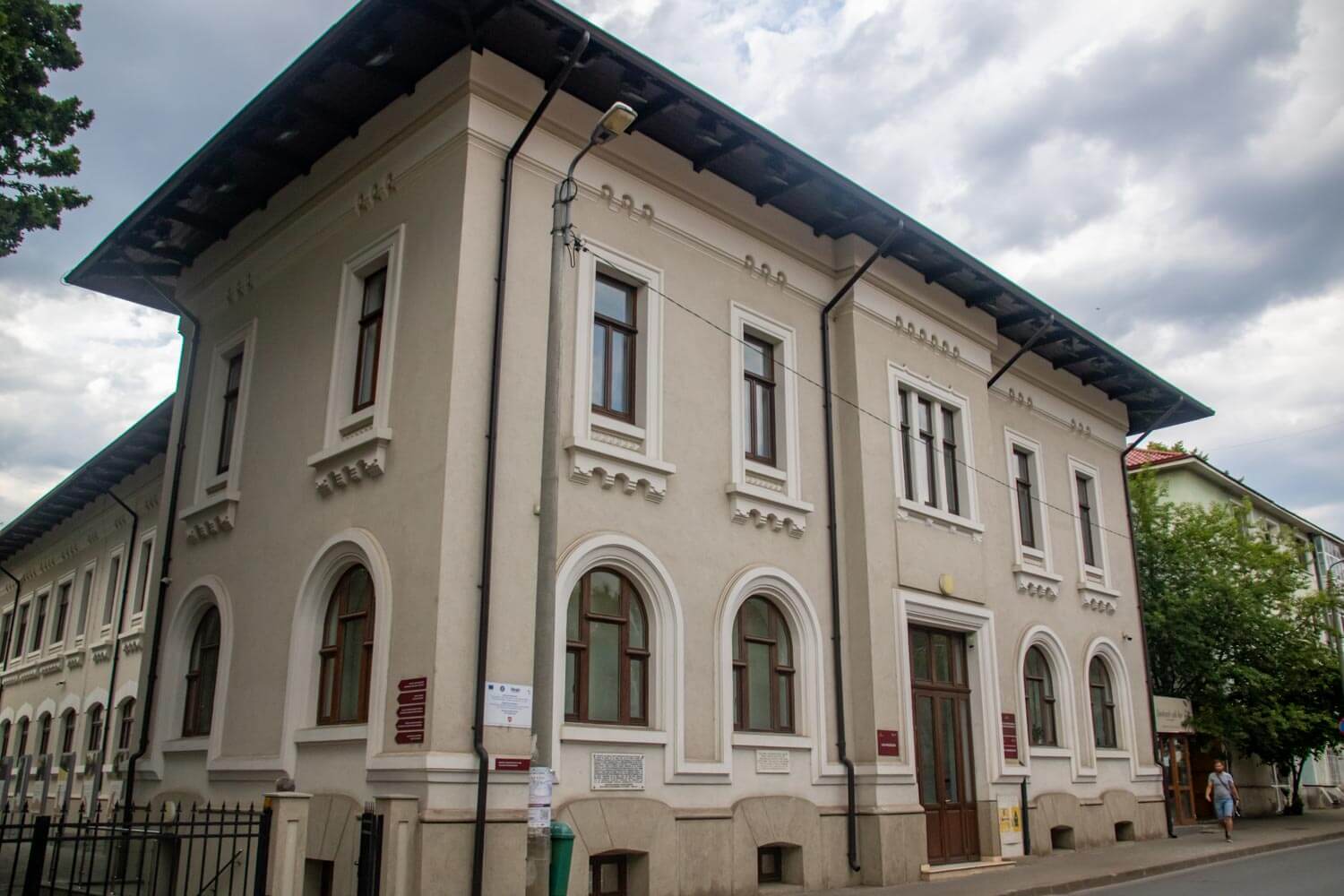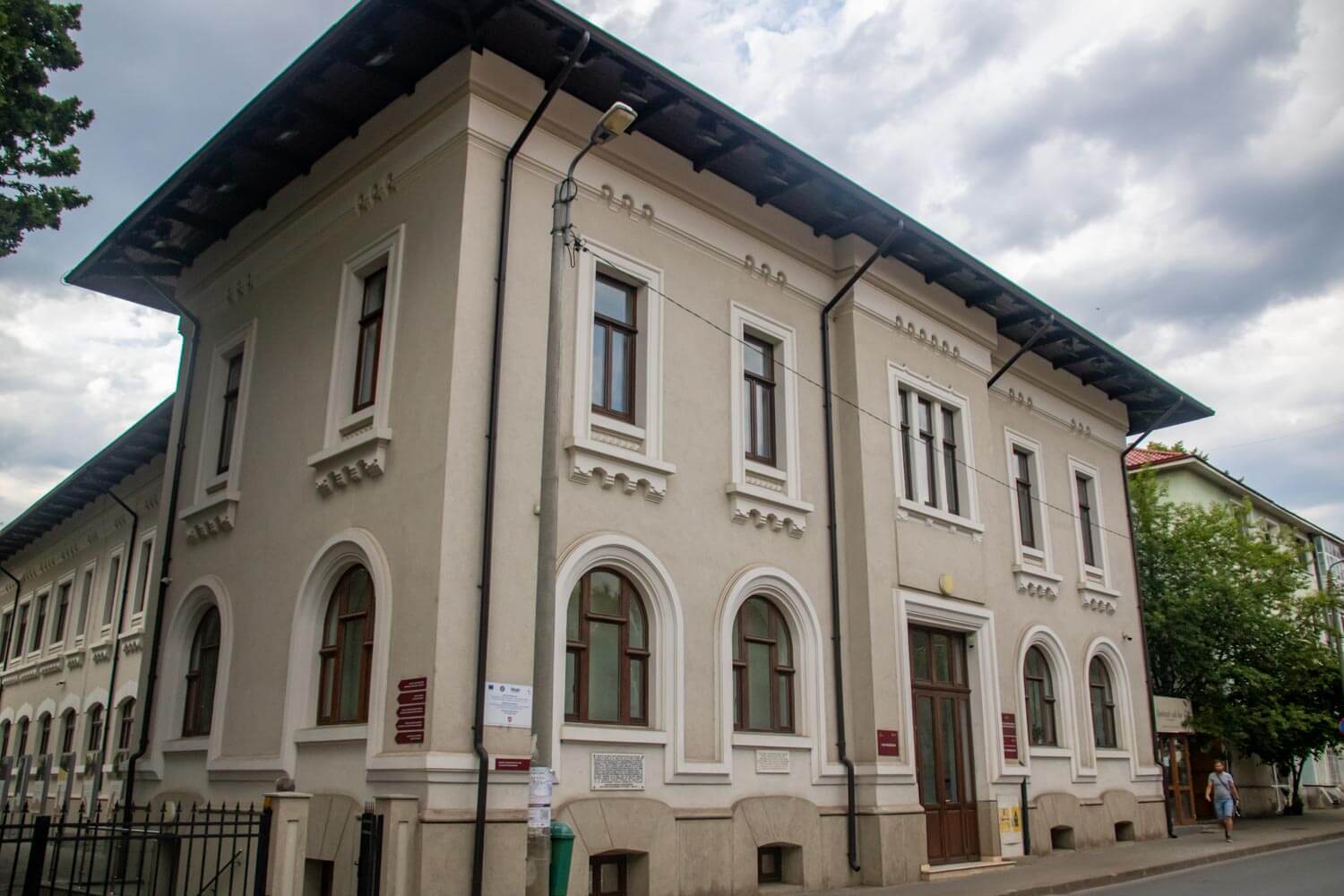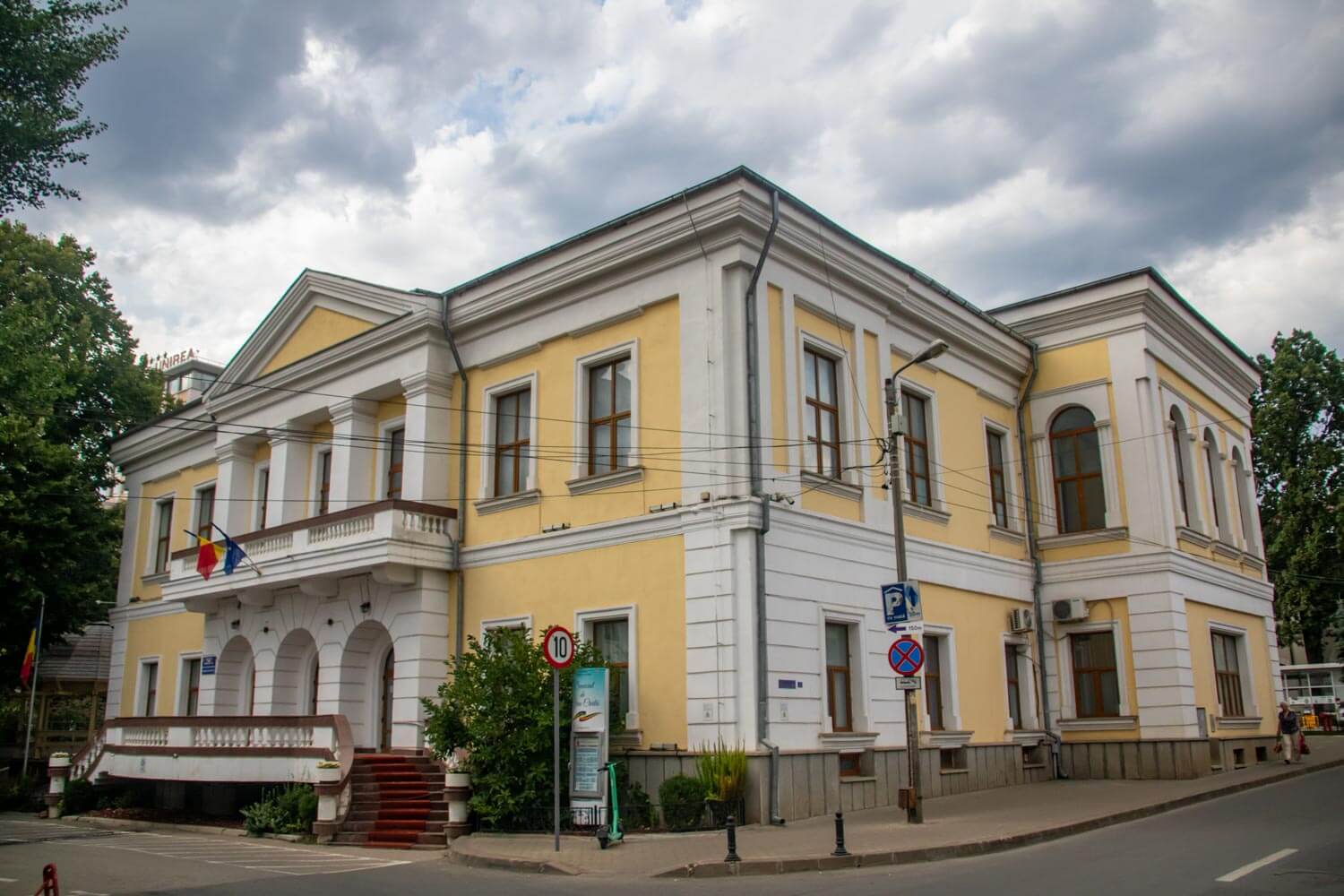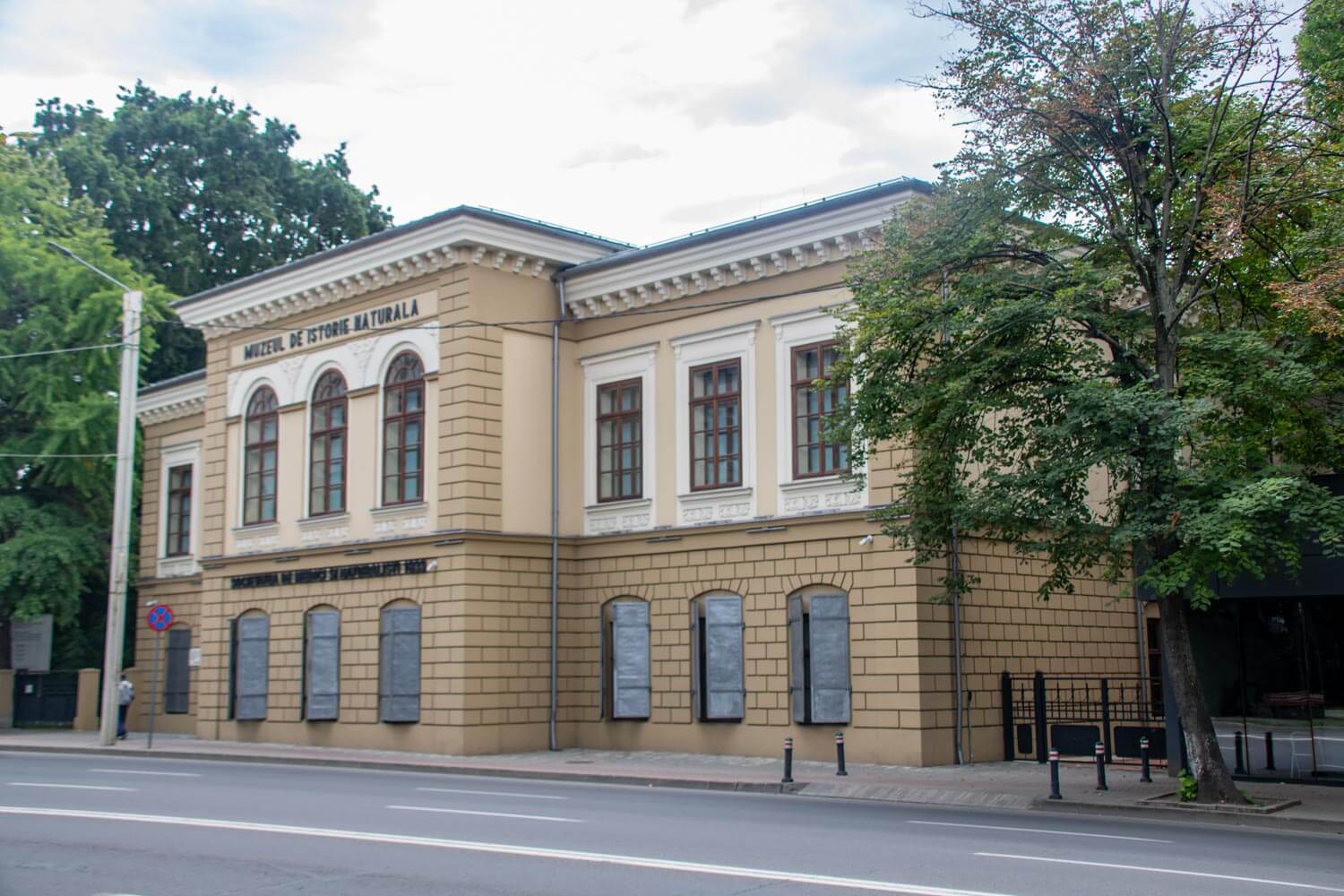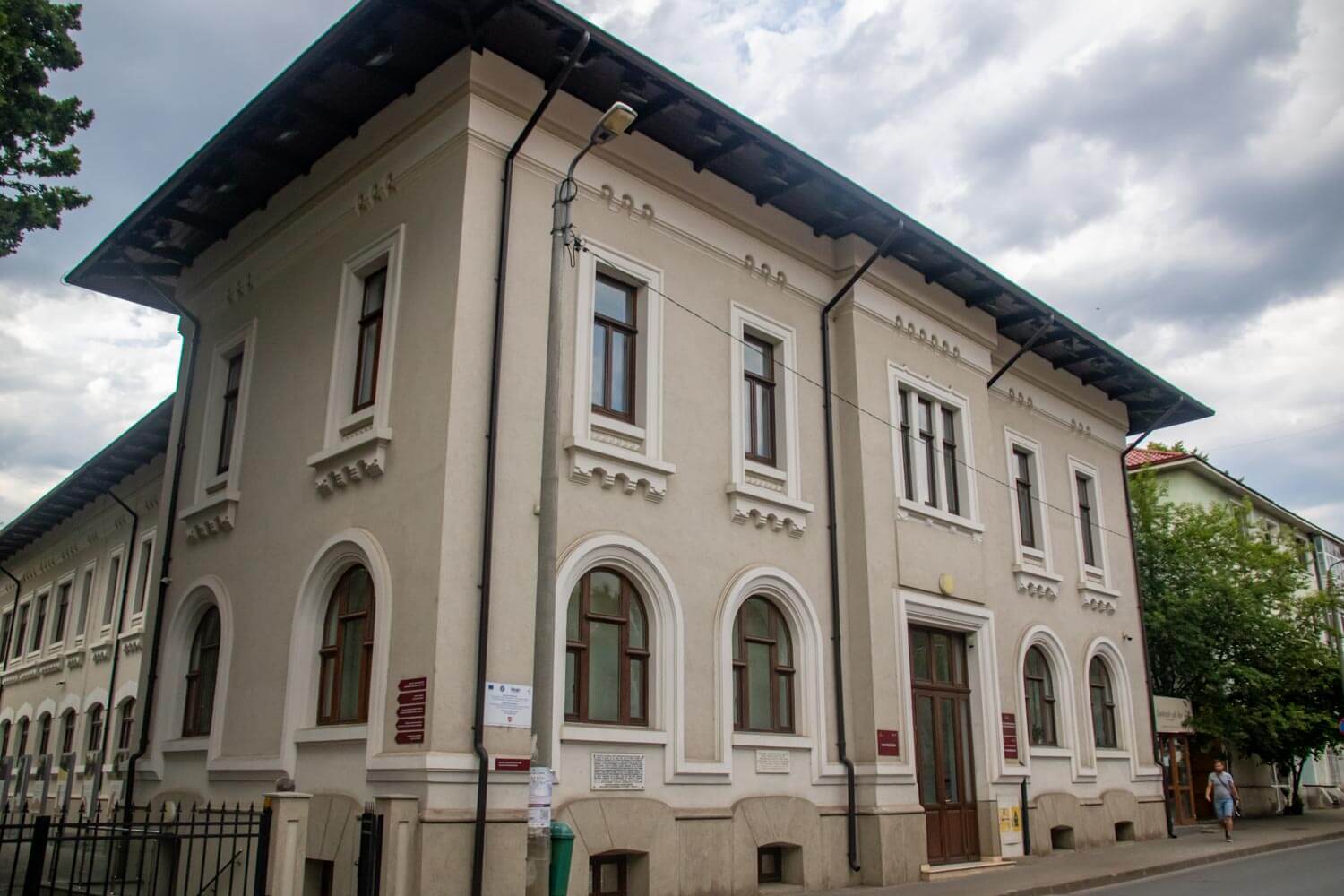
The Museum of Jewish Theater in Romania (Muzeul Teatrului Evreiesc în România) is an 11-room museum inside the House of Museums (Casa Muzeelor) in Iași, dedicated to the history of Jewish theater in Romania. Iași is an especially fitting setting for it: in 1876, Abraham Goldfaden founded what is widely regarded as the world’s first professional Yiddish-language theater company in the city.
The exhibition begins with Goldfaden and the birth of professional Yiddish theater, using photographs, posters, manuscripts, and other documents to explain how his troupe emerged in Iași and then performed elsewhere in Romania. Further rooms follow the development of Jewish theater into the 20th century, showing how performances, companies, and audiences expanded beyond the first productions at the Pomul Verde garden.
A large part of the museum is devoted to the State Jewish Theater of Iași, which operated from 1949 until 1963. Posters, programs, props, photographs, stage models, and a reconstructed costume workshop present the life of the company, while a model recalls its former theater building, demolished after the institution closed.
The story then moves to Bucharest, with rooms on the Barascheum Theater, active during World War II, and the State Jewish Theater of Bucharest, founded in 1948 and still operating. Costumes, playbills, photographs, props, and filmed performances show how Jewish theatrical life continued under very different political and social conditions.
The final room is interactive and is used for activities, temporary displays, and projects connected with Jewish theater. The museum also develops annual exhibitions on actors and other figures from the Iași stage, extending the permanent display with more personal stories from the city’s theatrical history.
The museum is administered by the National Museum of Romanian Literature Iași, and is one of five museums inside the House of Museums. It can be visited with an individual ticket, or with a combined ticket for all five.