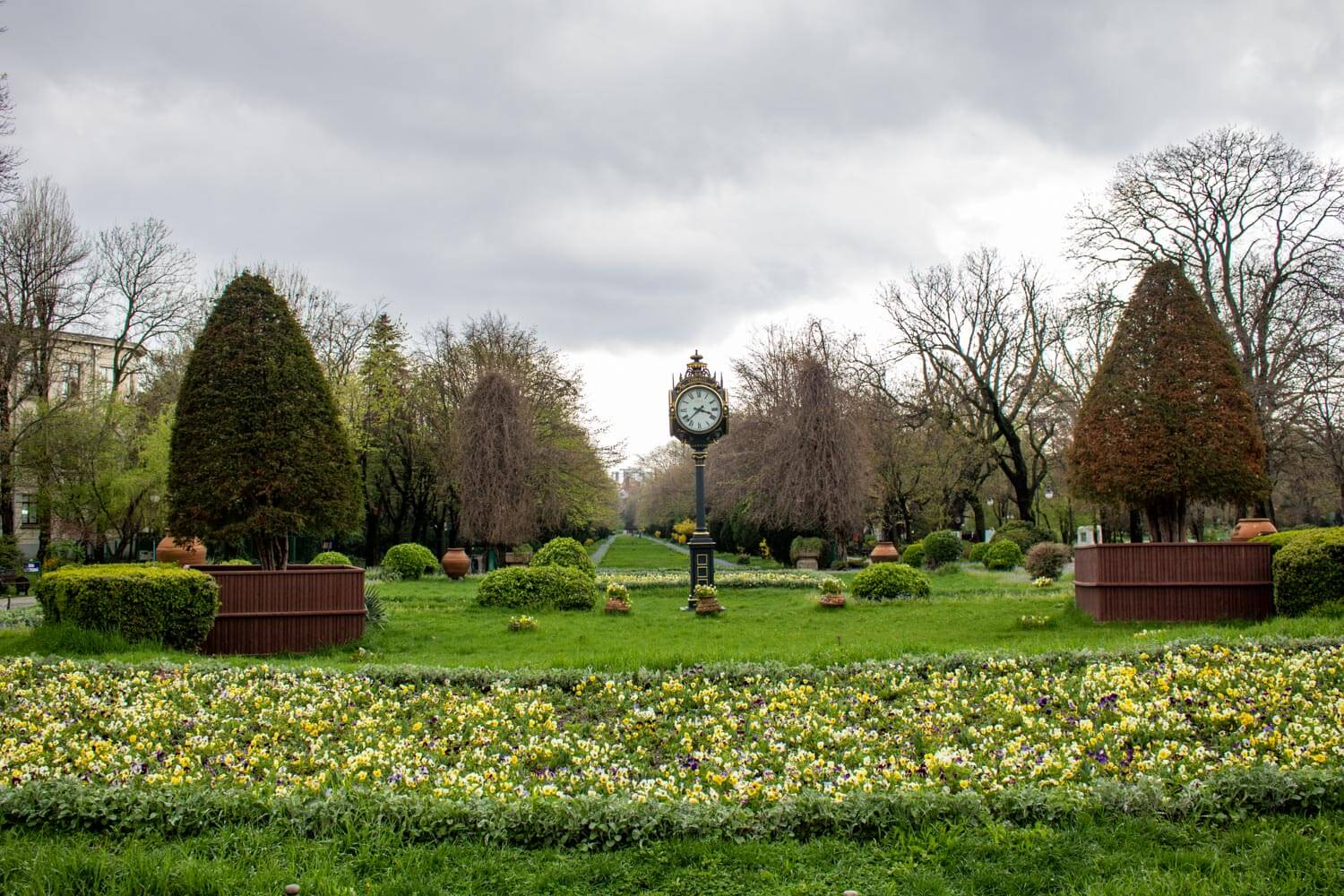
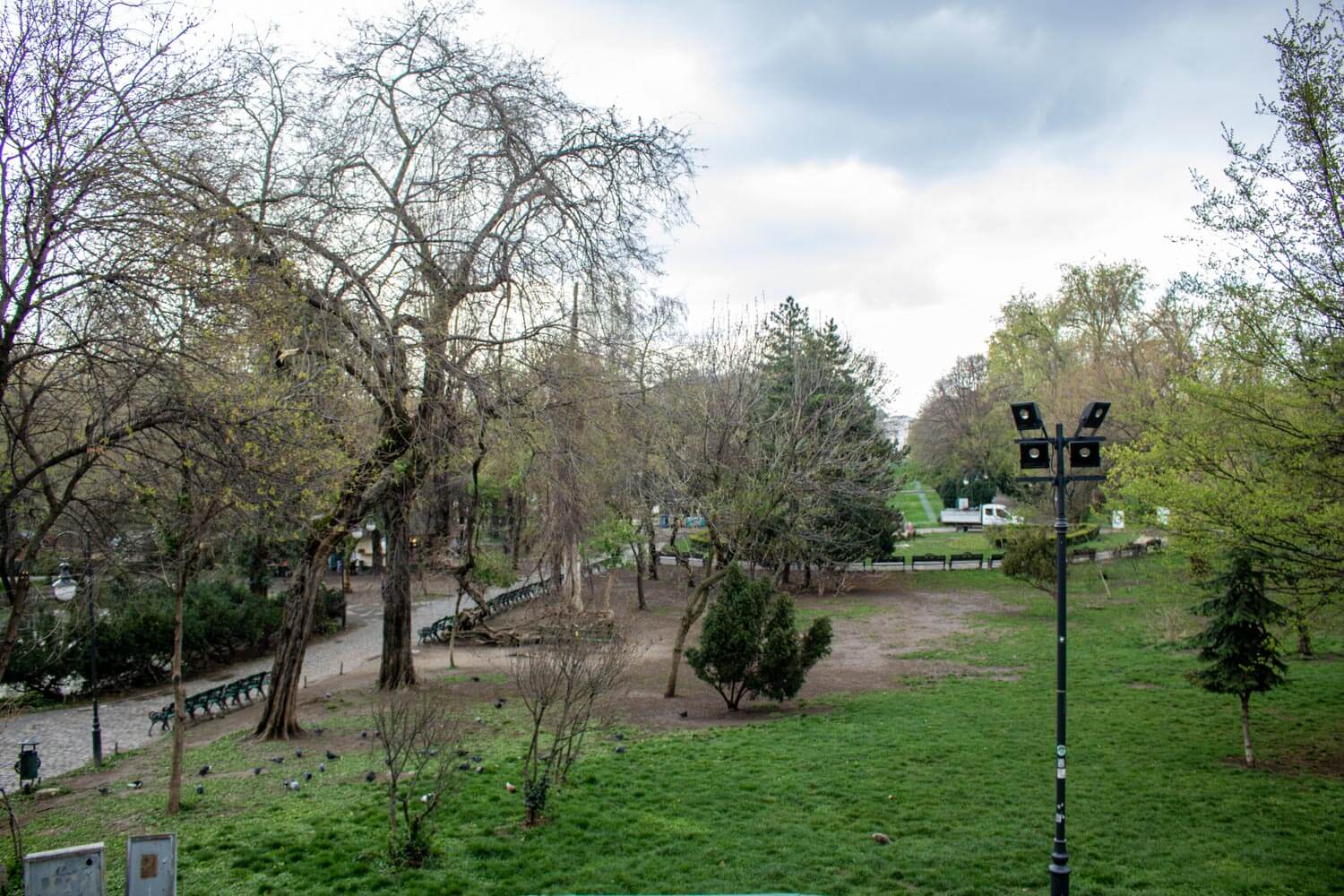
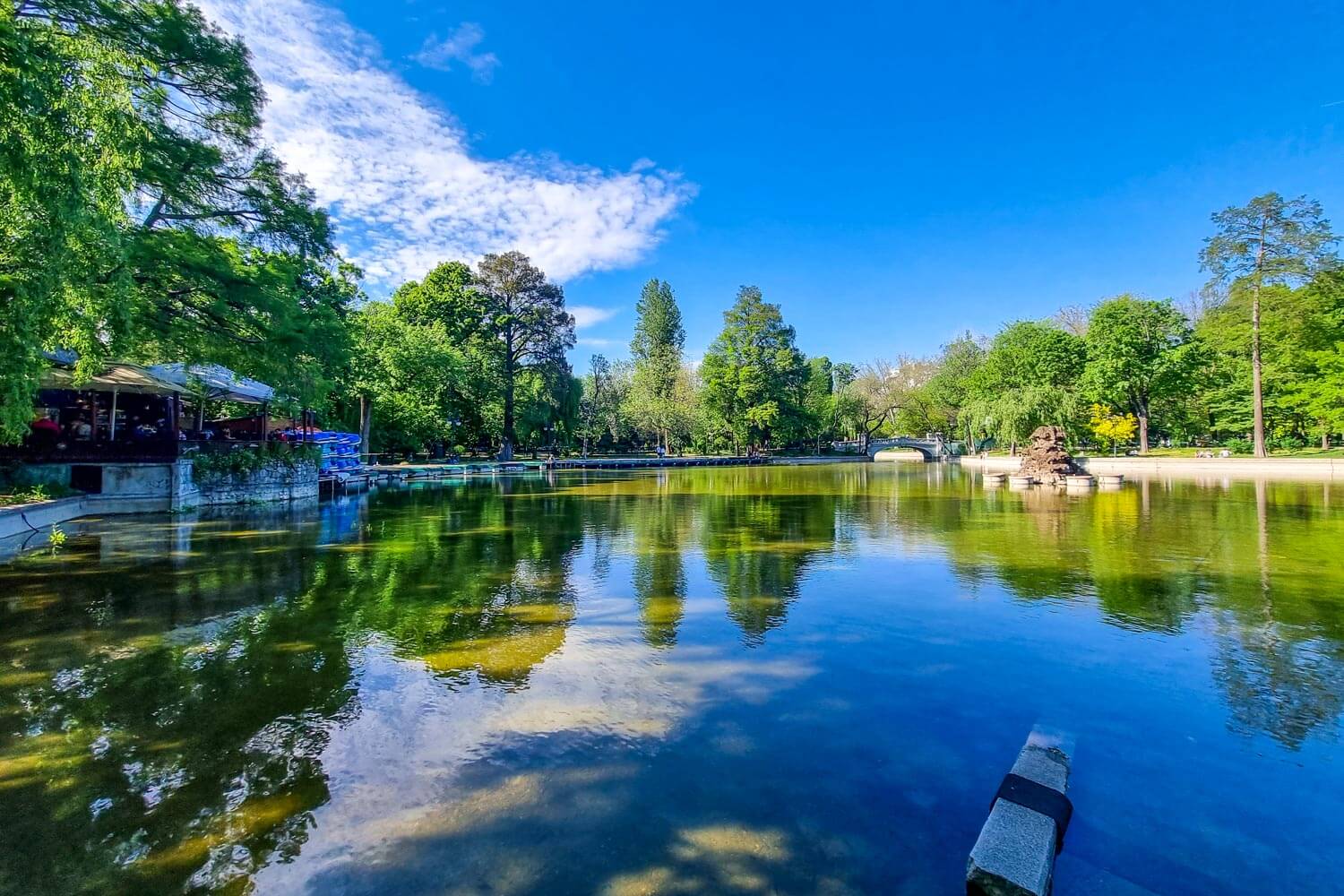
Cișmigiu Garden (Grădina Cișmigiu) is an urban park in the center of Bucharest, located near the old town. It is the oldest park in the capital city.
History Of Cișmigiu Garden
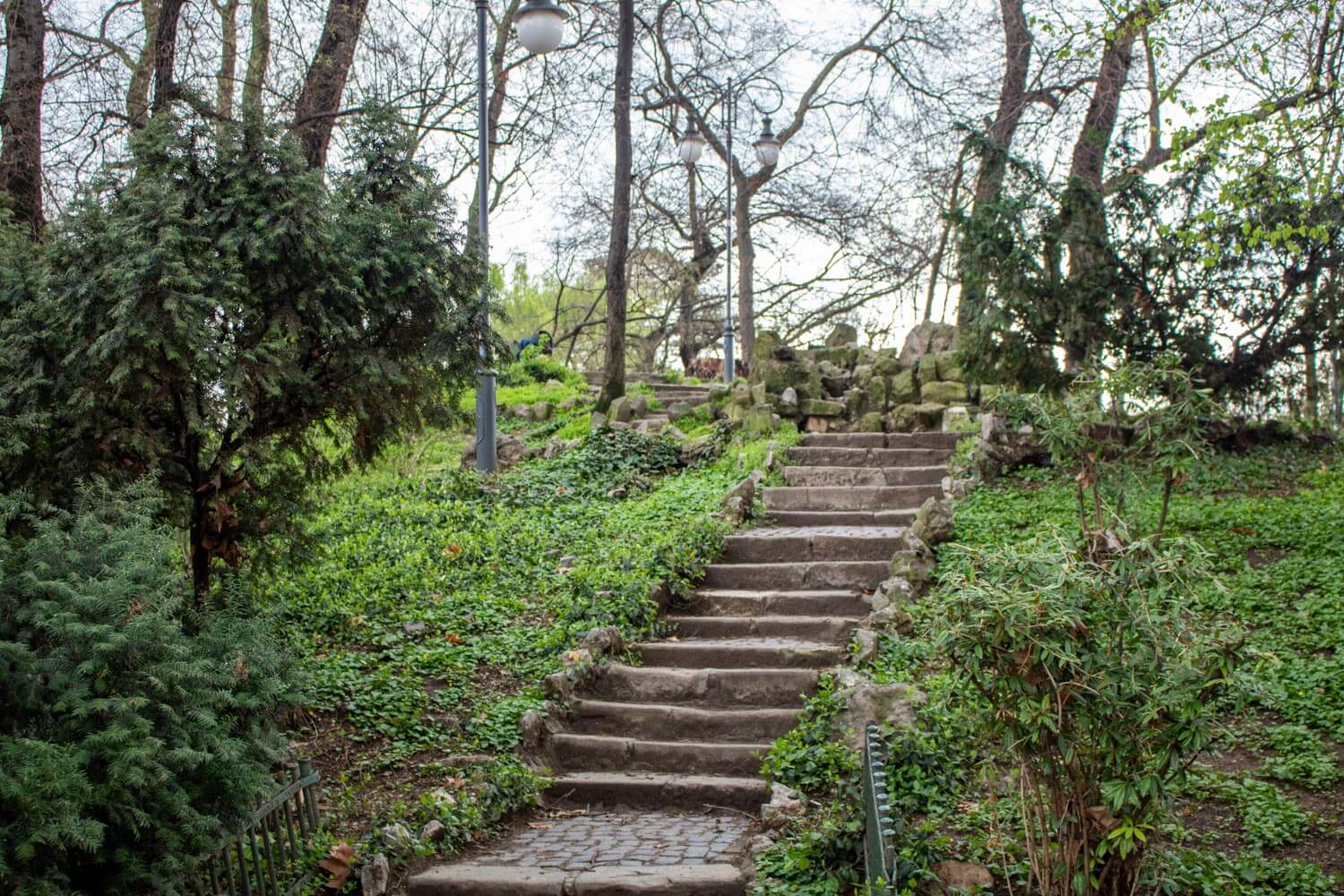
The park was created in 1847 on the site of the Lake of Dura the Merchant, a popular site for fishing, which was surrounded by a vineyard. The Viennese horticulturist Wilhelm Friedrich Carl Mayer was responsible for the redevelopment of the area with the help of the gardener Franz Hörer. The central lake was connected to the Dâmbovița River, walking paths were created, and new floral species were introduced. The official inauguration took place on 23 September 1847 and in 1848 Mayer was appointed as the administrator of the park.
The gardens continued to be developed with new species of trees and plants, a kiosk for an orchestra and in 1882 the park was fitted with electrical lighting. Because Bucharest continued to grow when it became the capital of the Kingdom of Romania in 1871 the park was delimited by the construction of new buildings and roads. Nevertheless, the Cișmigiu Garden continued to be a popular meeting place for the population of the city who admired its beauty.
The name cișmigiu comes from the Turkish word ceșme which means ‘public fountain’ and a cișmigiu is the person who builds and maintains it. At that time, the administrator of the park was living on the site which is why the public adopted this name.
What To See And Do In Cișmigiu Garden
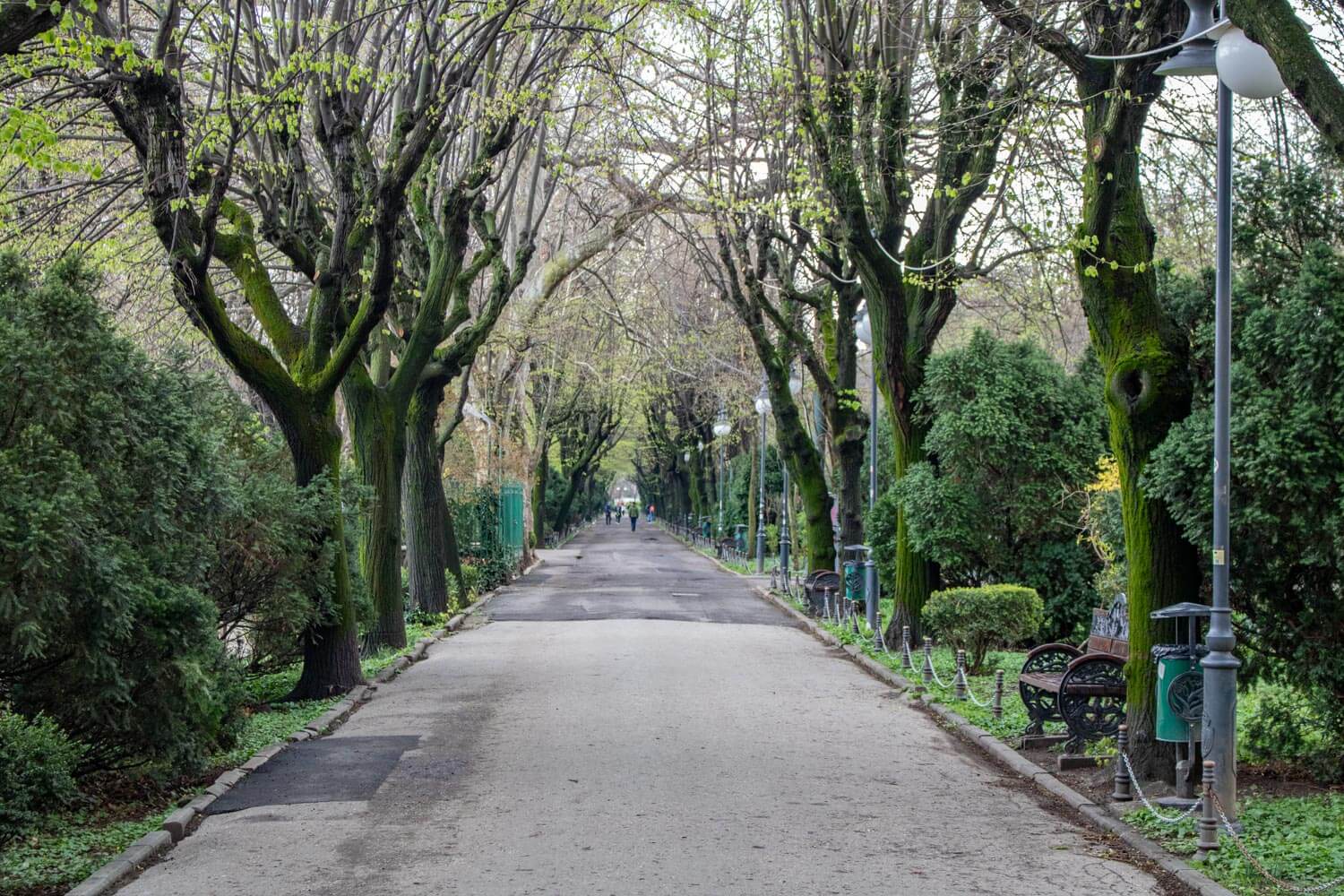
With its central location the Cișmigiu Garden is the perfect place escape from the busy streets of the city with a stroll along the artificial lake. There are many trees providing shades on sunny days and benches to relax while enjoying the environment. In the summer you can also rent (pedal) boats on the artificial lake.
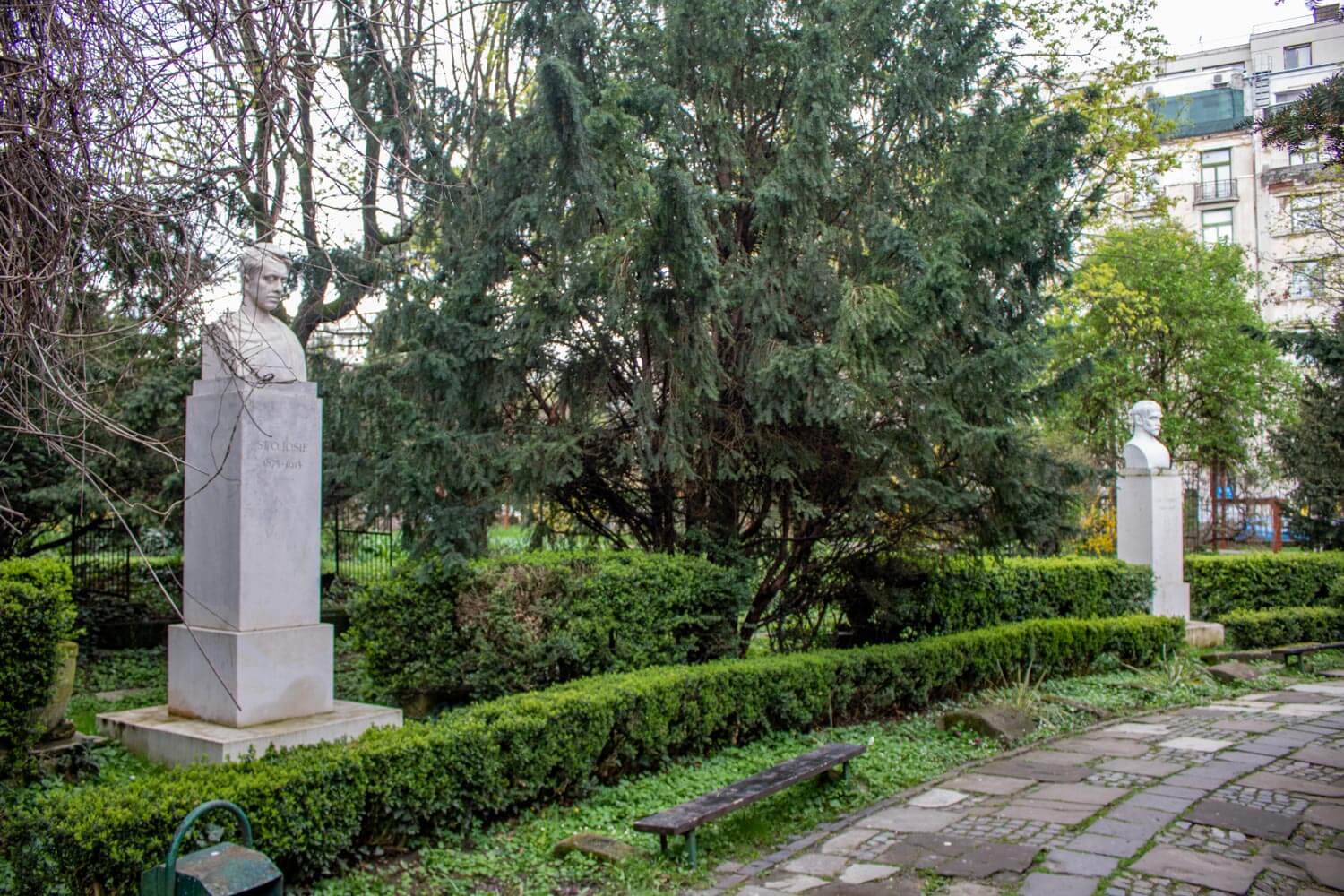
There are several statues and monuments located in the park. The most remarkable is probably the Writer’s Roundabout (Rotonda Scriitorilor) with the stone busts of 12 important Romanian writers, including Nicolae Bălcescu, Mihai Eminescu, George Coșbuc, and Ion Luca Caragiale who referred to Cișmigiu Garden in several of his works.
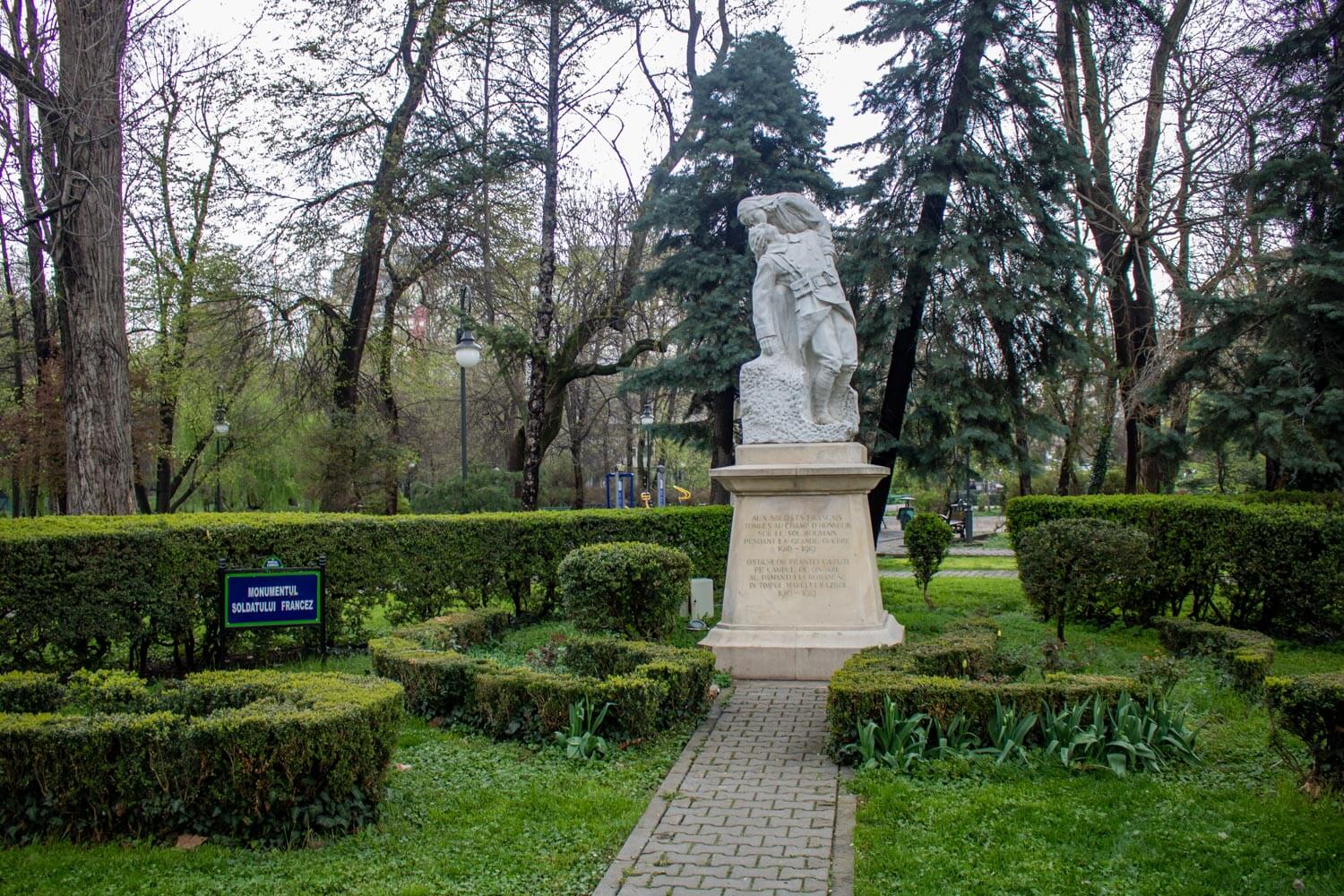
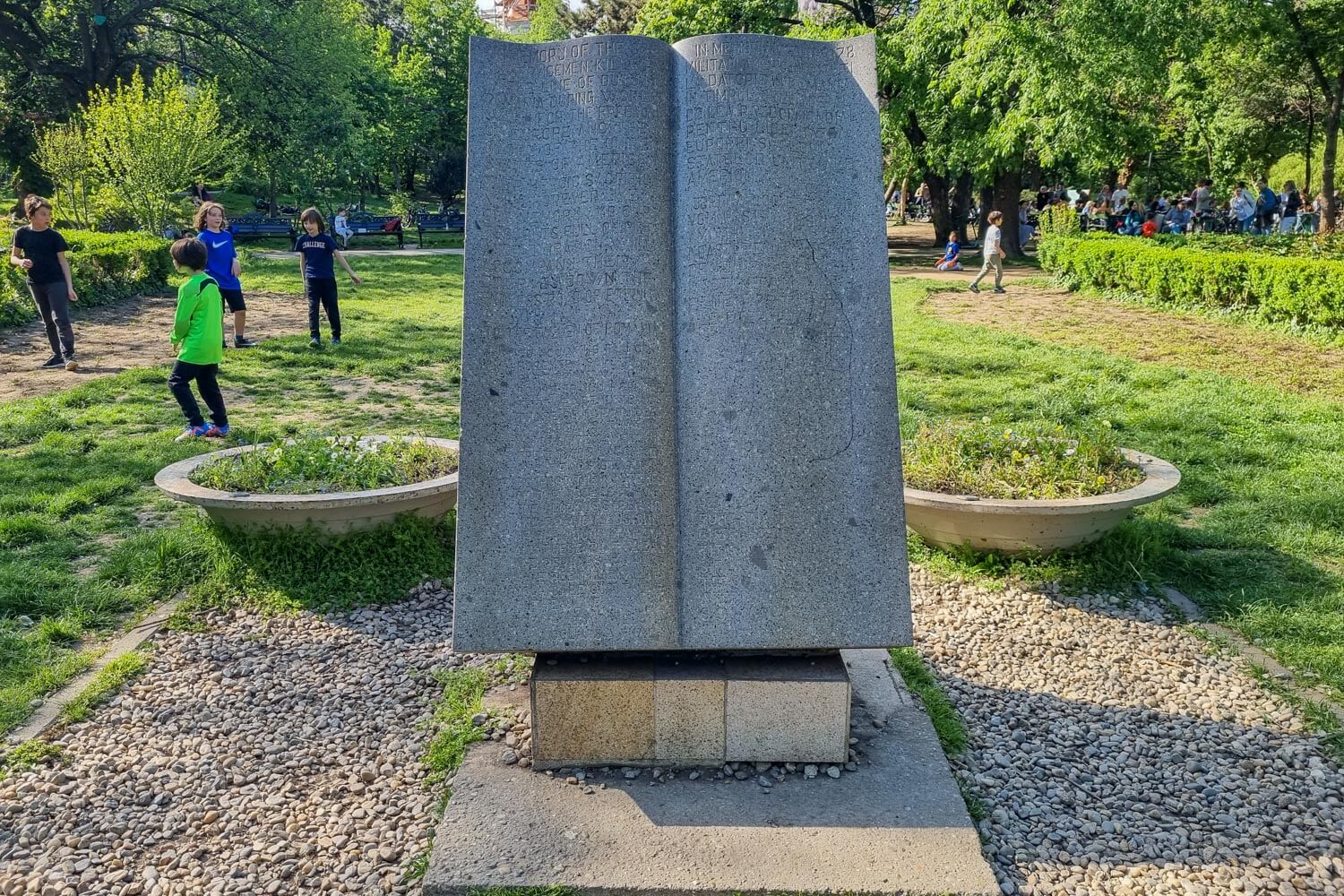
Other monuments include the Monument of the French Heroes (Monumentul Eroilor Francezi) which commemorates the French soldiers who died in Romania during the World War I and the Monument of the American Heroes (Monumentul Eroilor Americani) which commemorates the US soldiers who died in Romania during World War II.
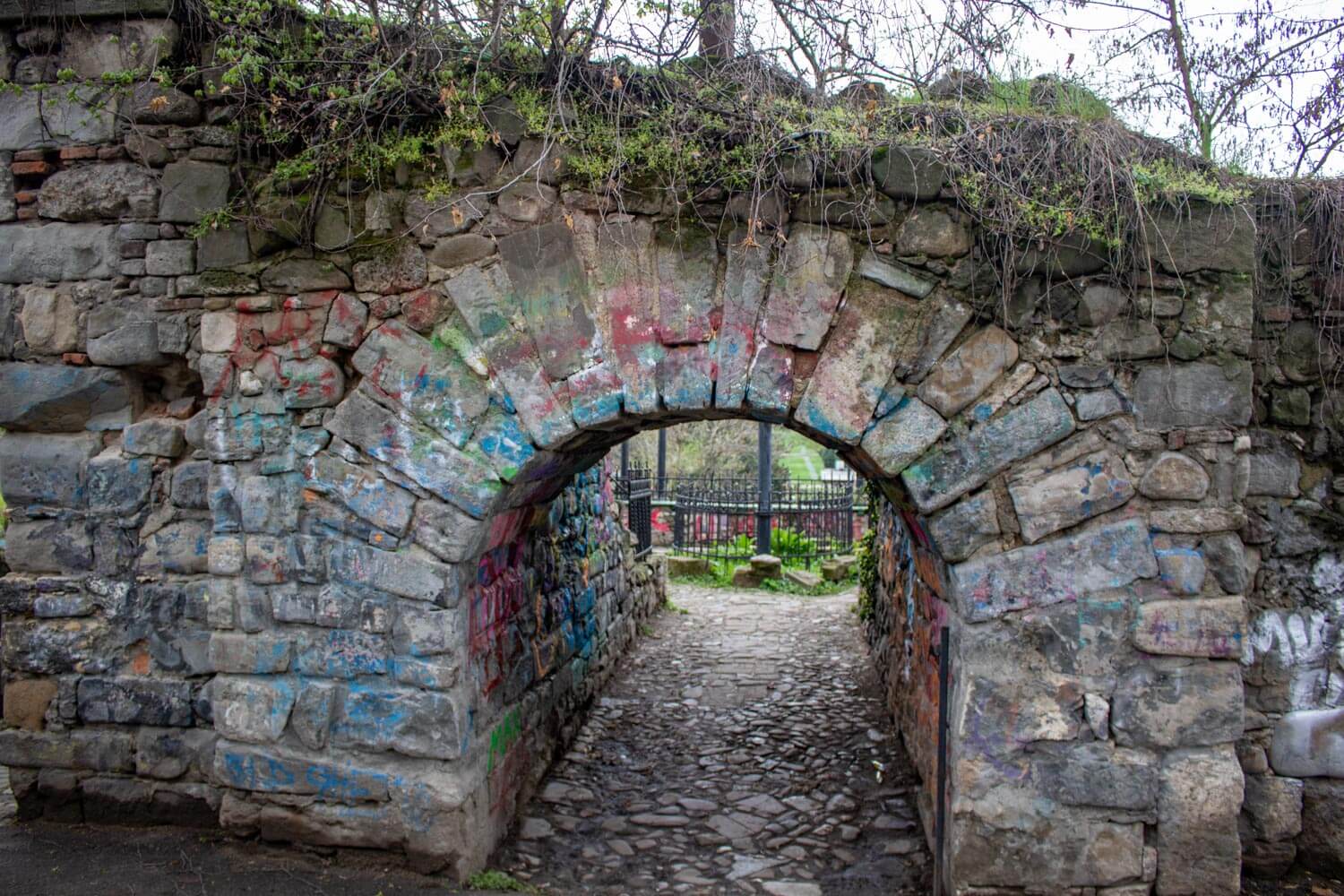
In the northwestern corner of the park you can find The Citadel (La Cetate), the ruins of a monastery from 1756. Here you can also find the Kretzulescu Palace just outside the park.
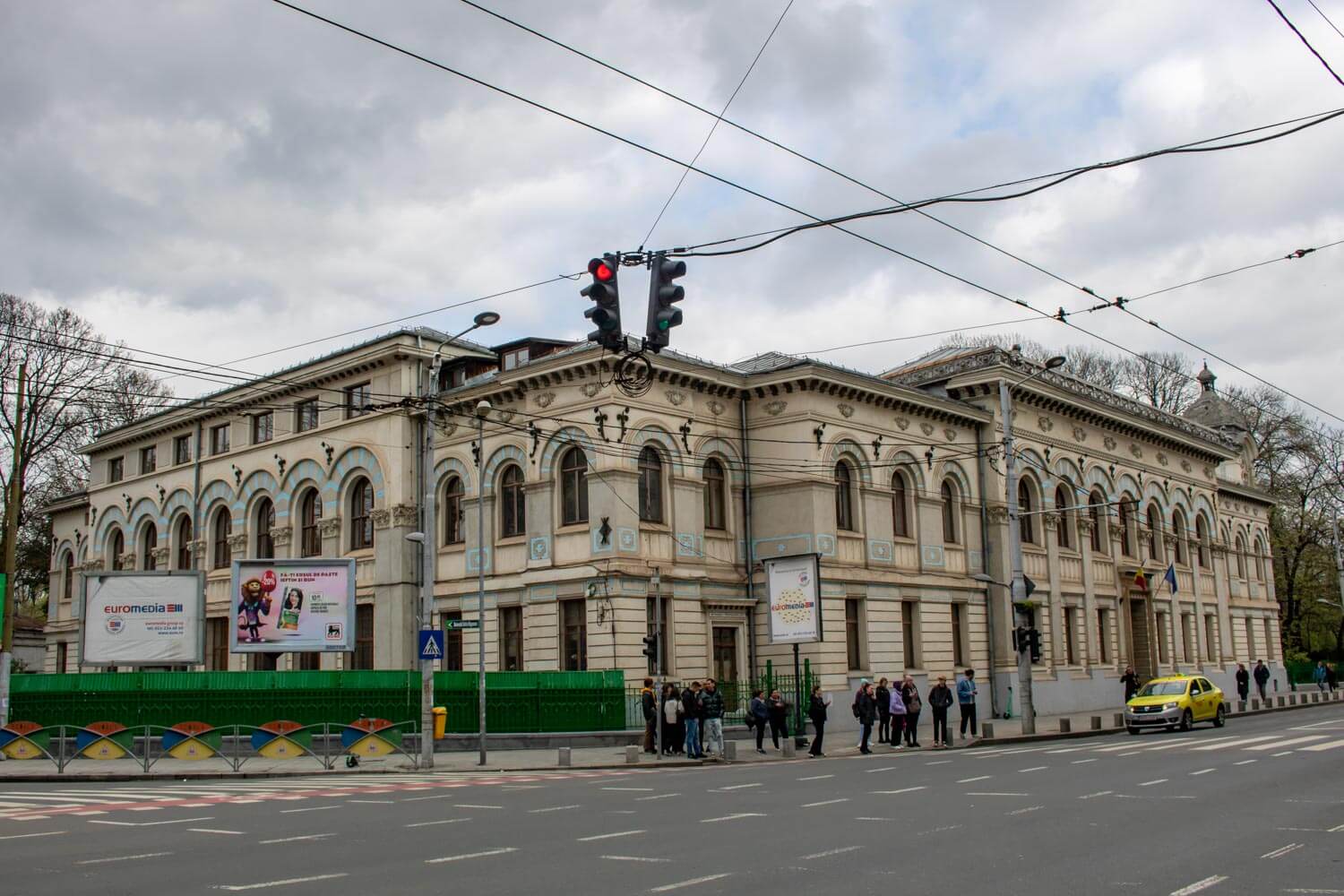
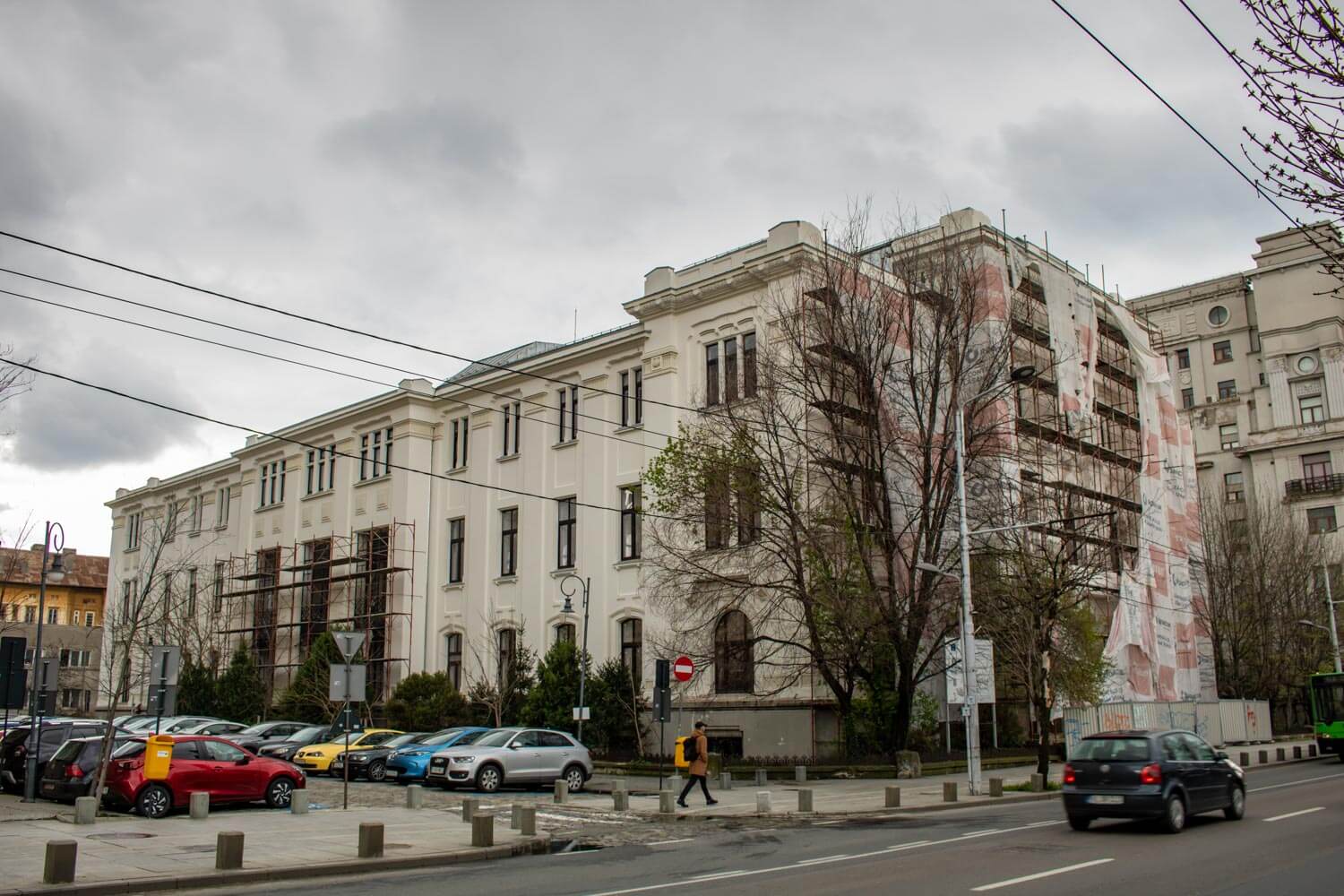
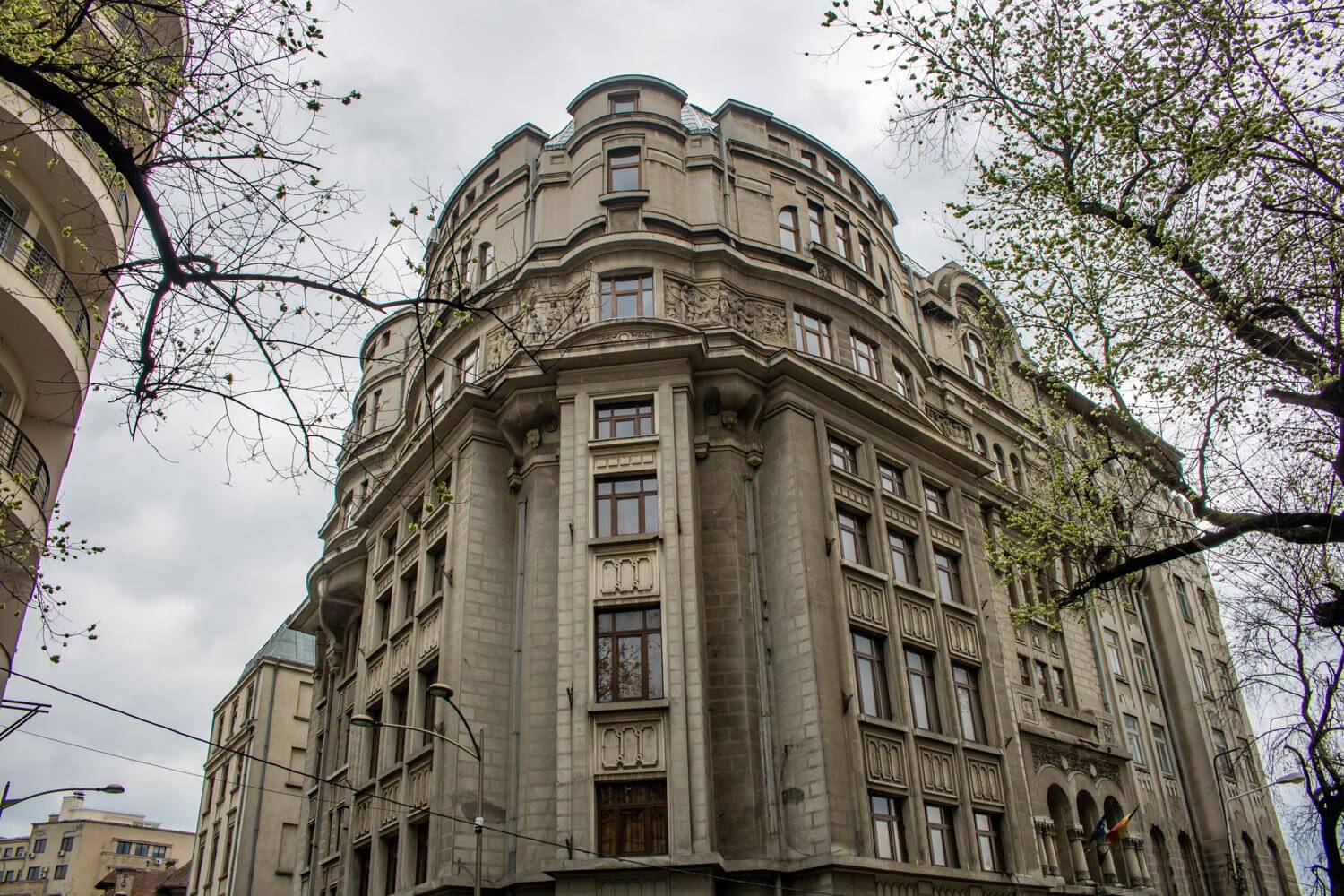
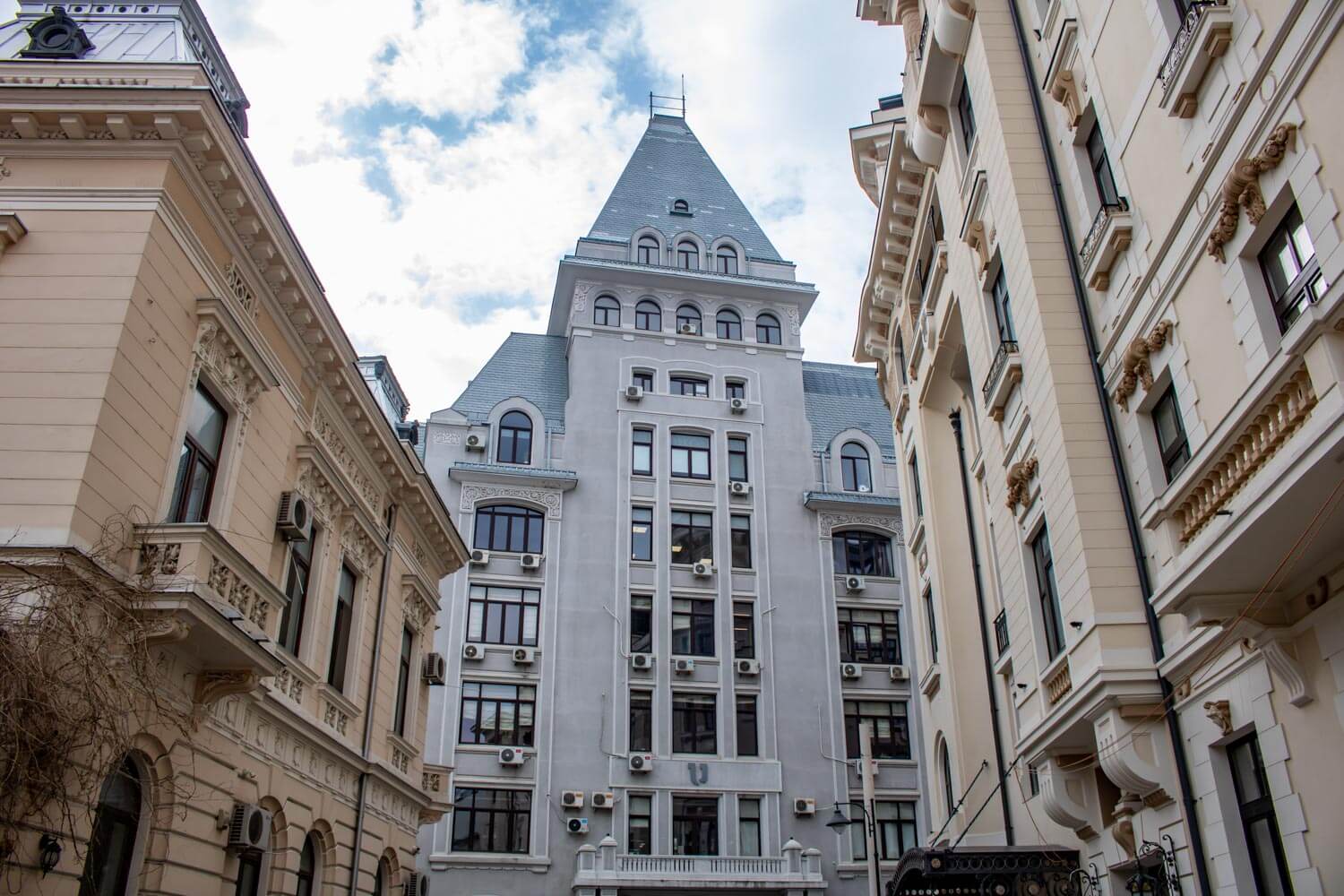
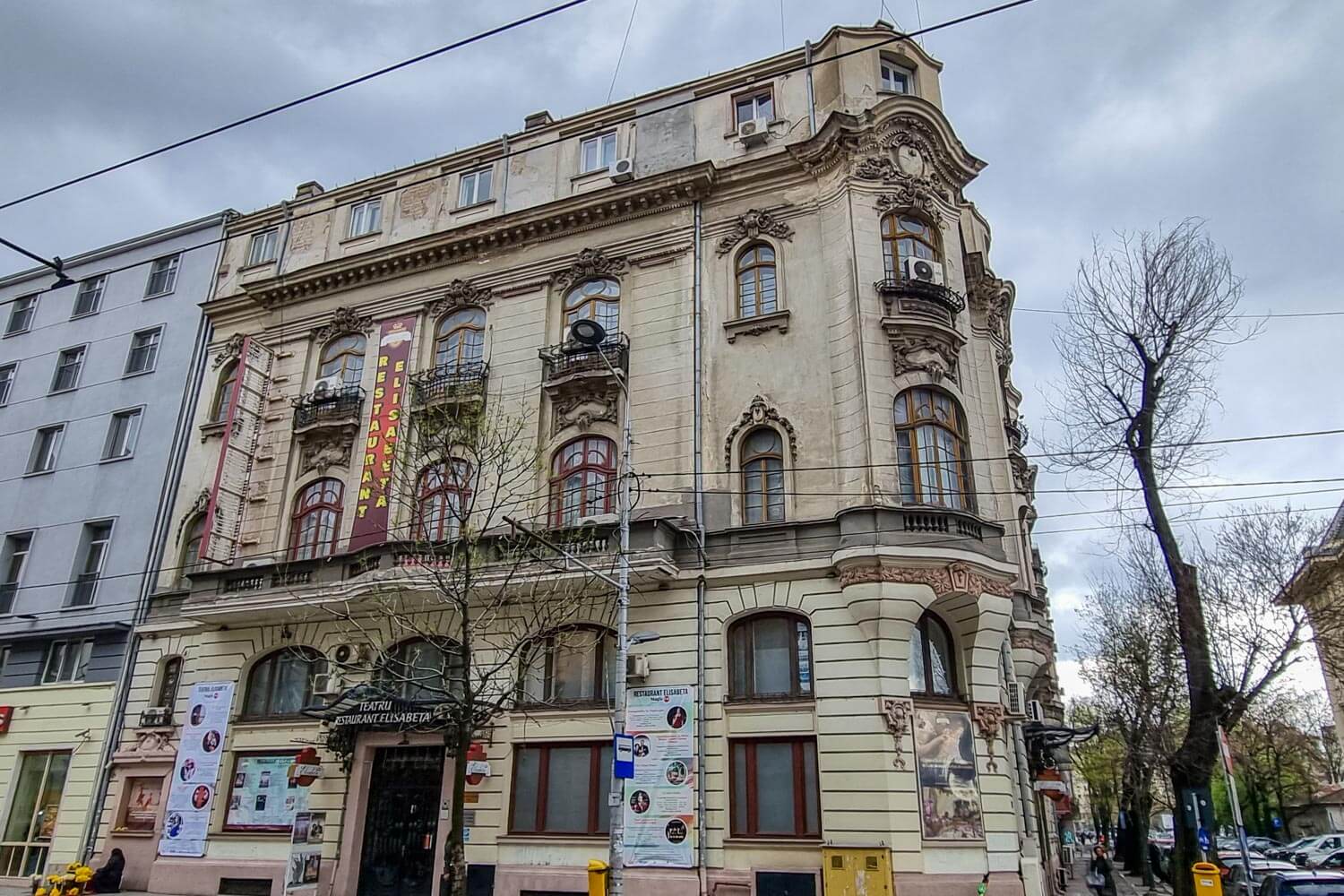
The Gheorghe Lazăr National College is located in the southwestern corner of the park. Here you can also see the beautiful buildings of the Bucharest City Hall and the National Archives of Romania on the opposite site of Queen Elisabeth Boulevard.
Facilities In Cișmigiu Garden
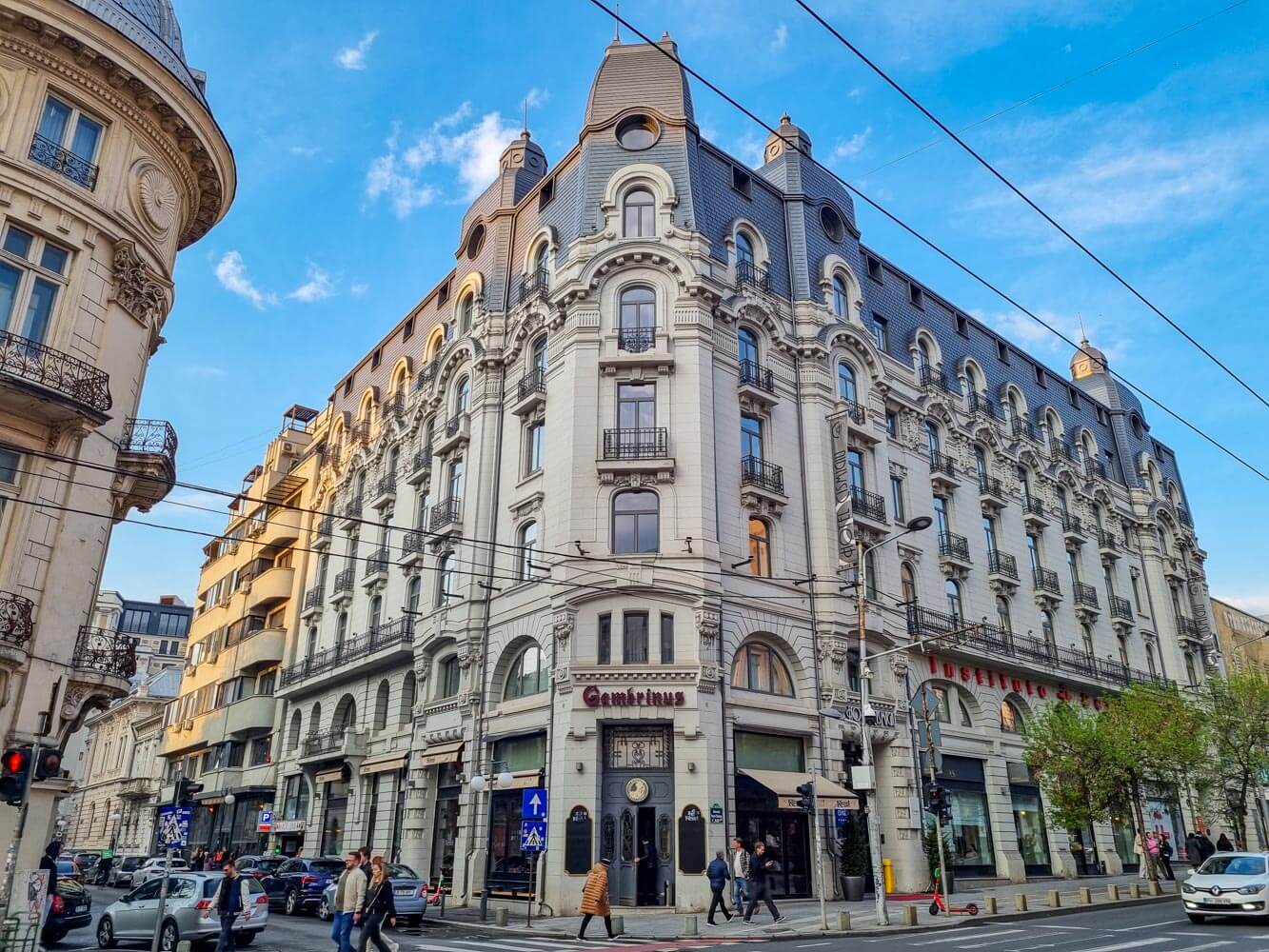
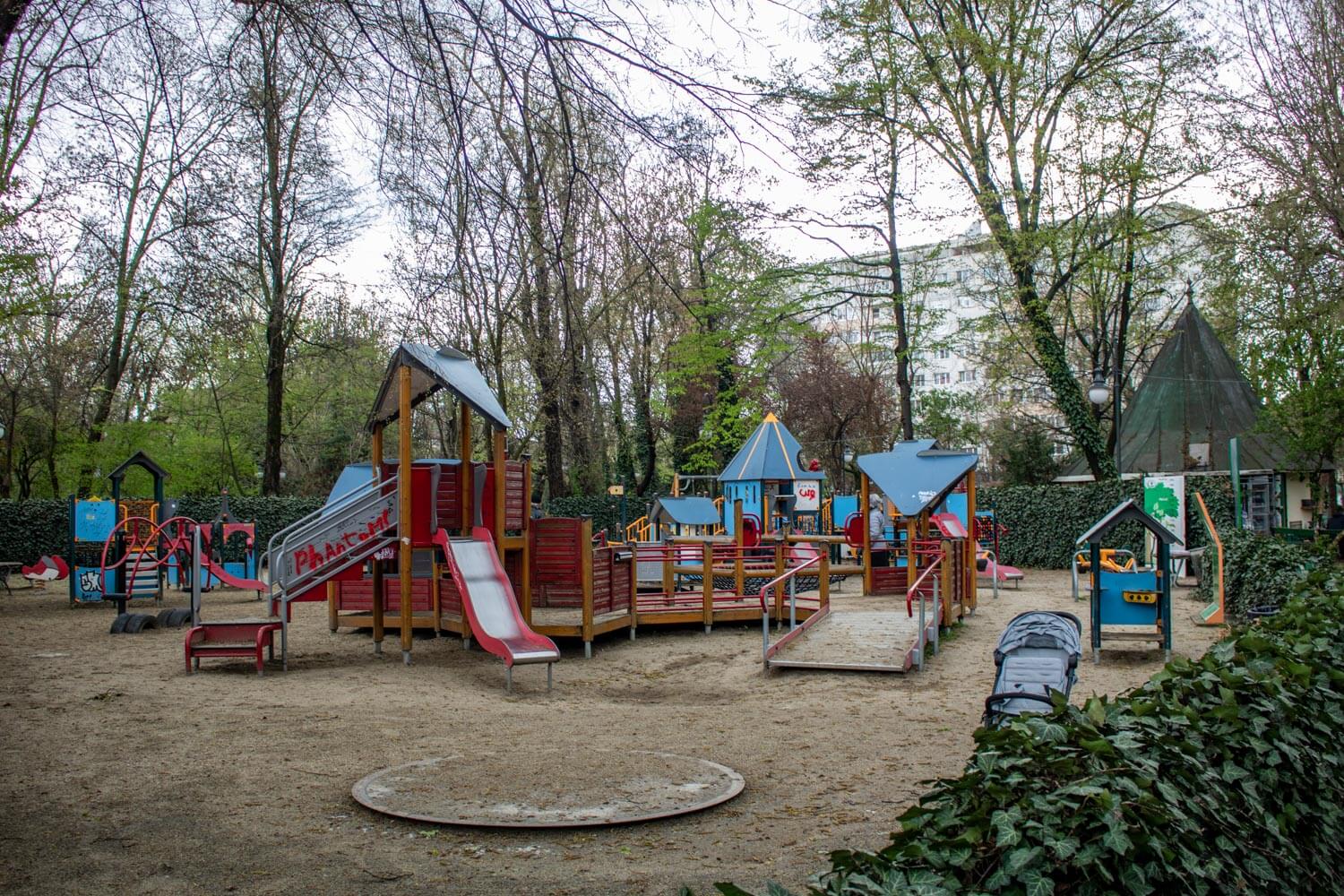
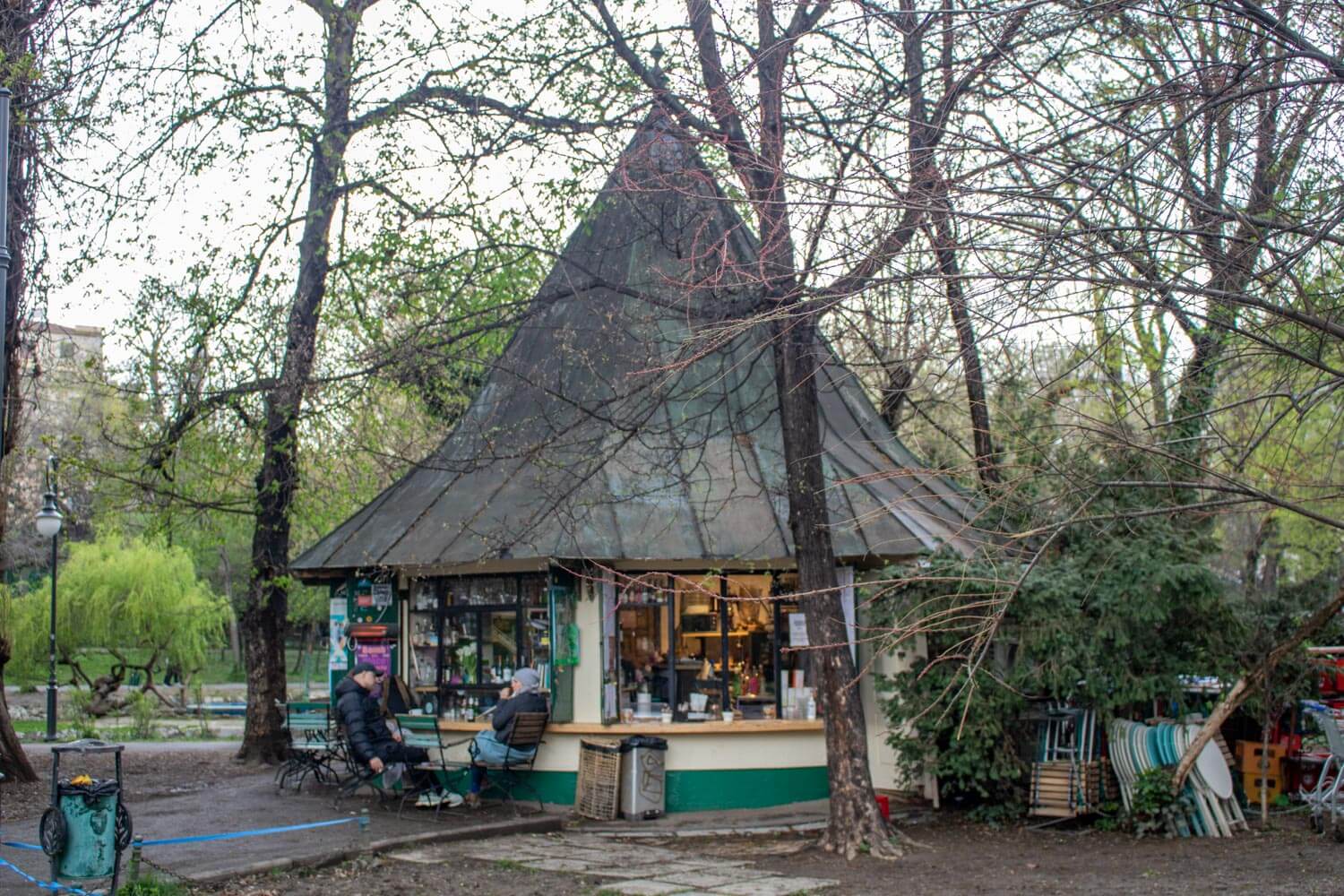
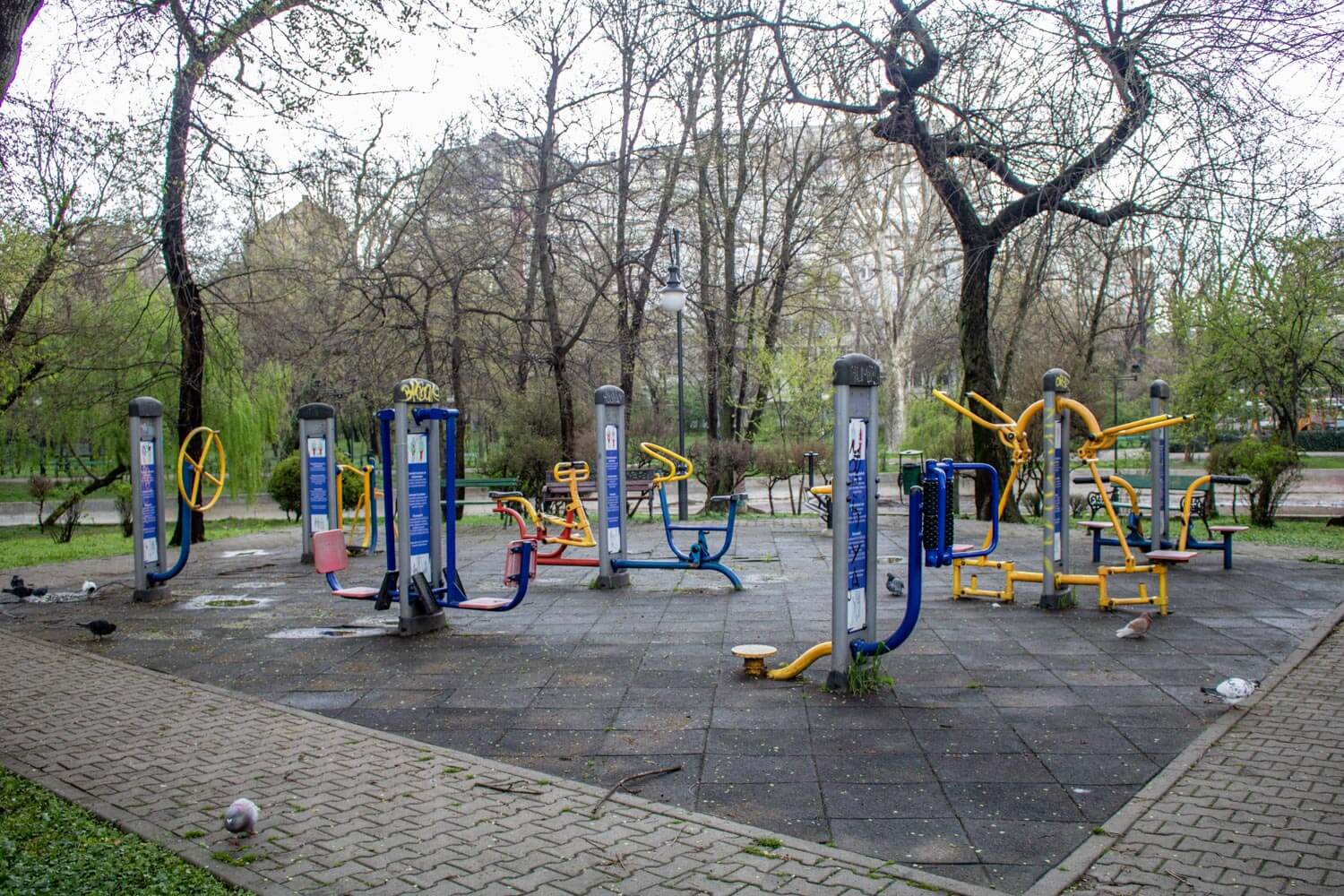
With its central location, there are many shops, bars, and restaurants nearby the park. Inside the park there are also several kiosks selling snacks, drinks, and ice cream, and there are a few restaurants. There are also several children’s playgrounds, an outdoor fitness area and public toilets.