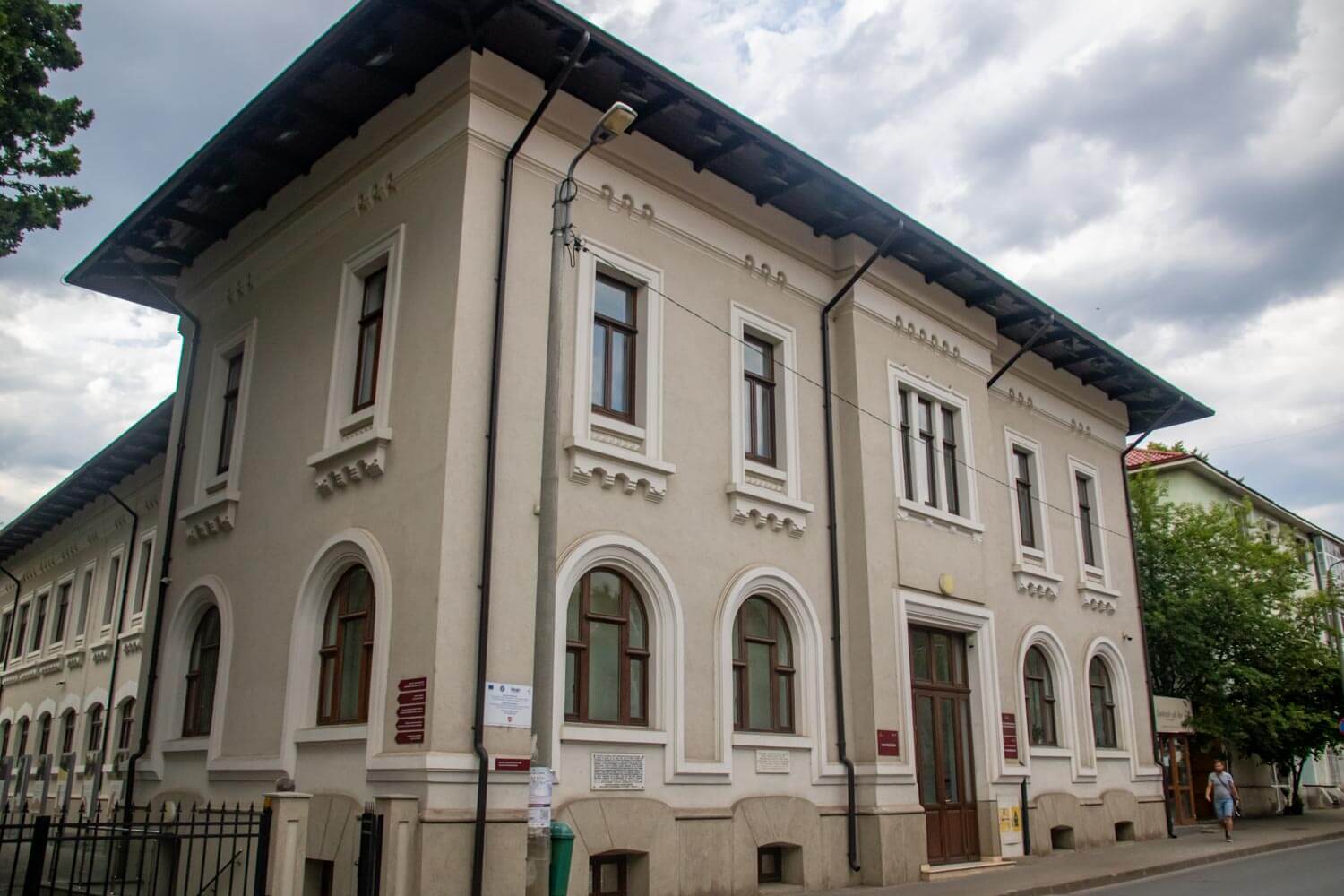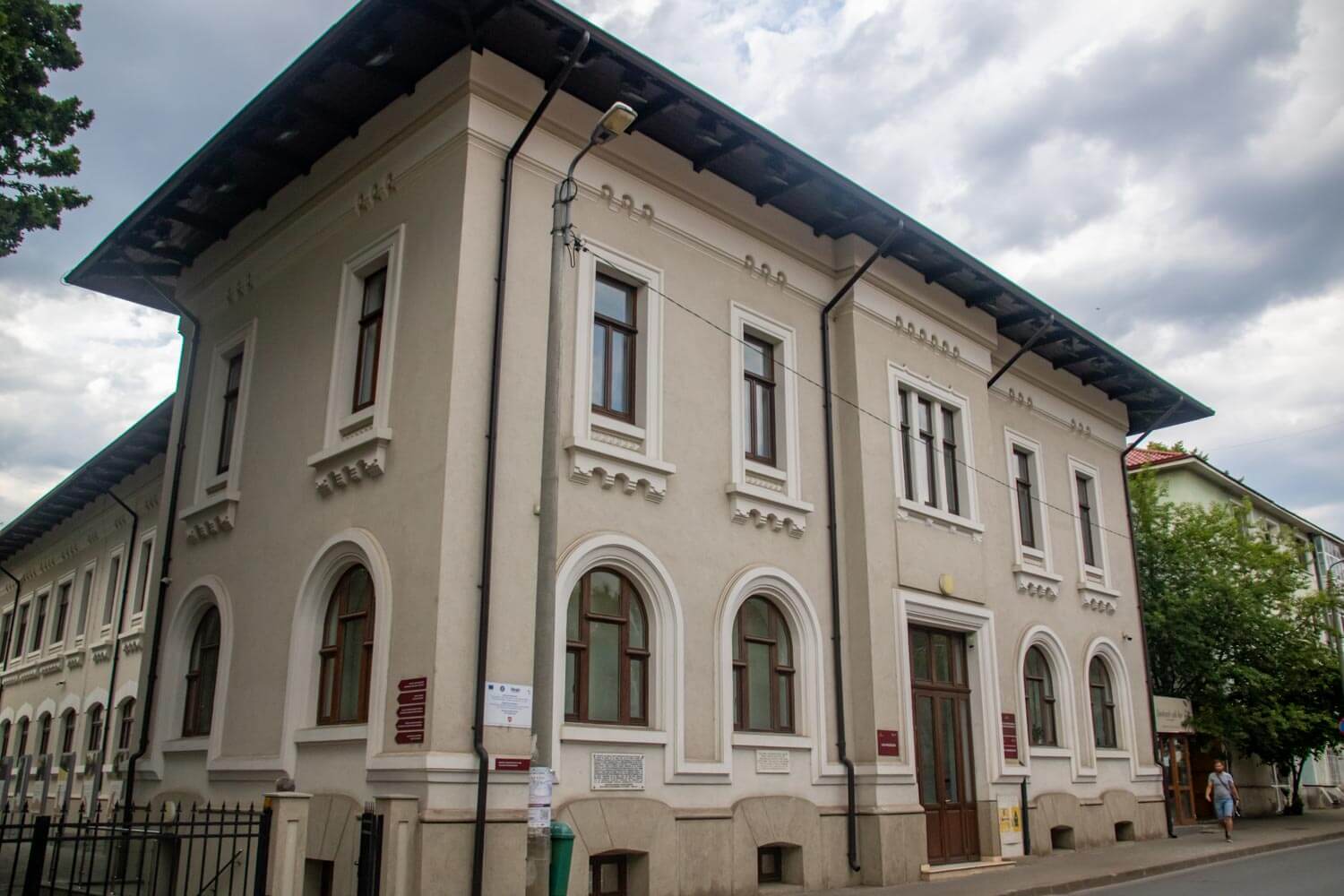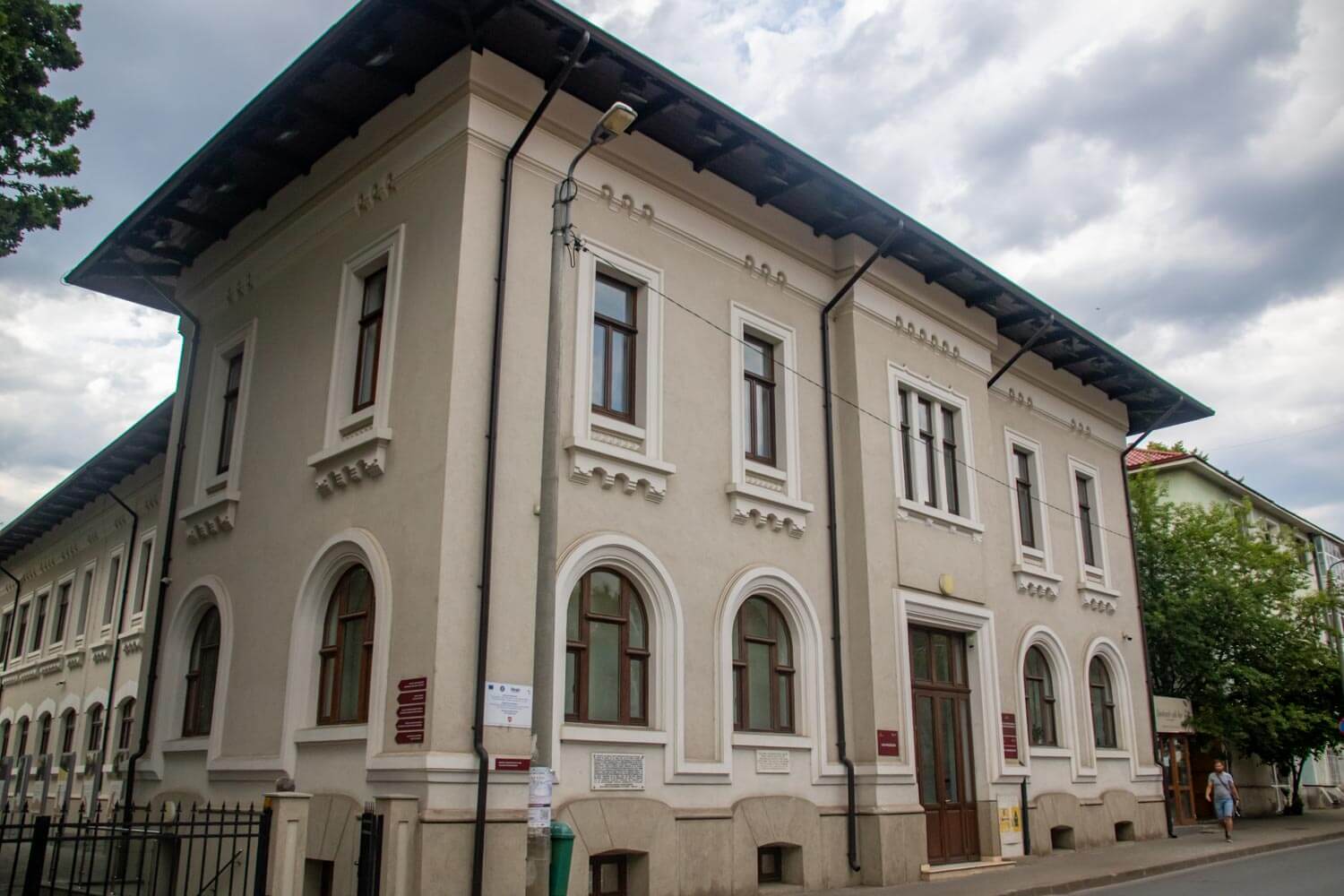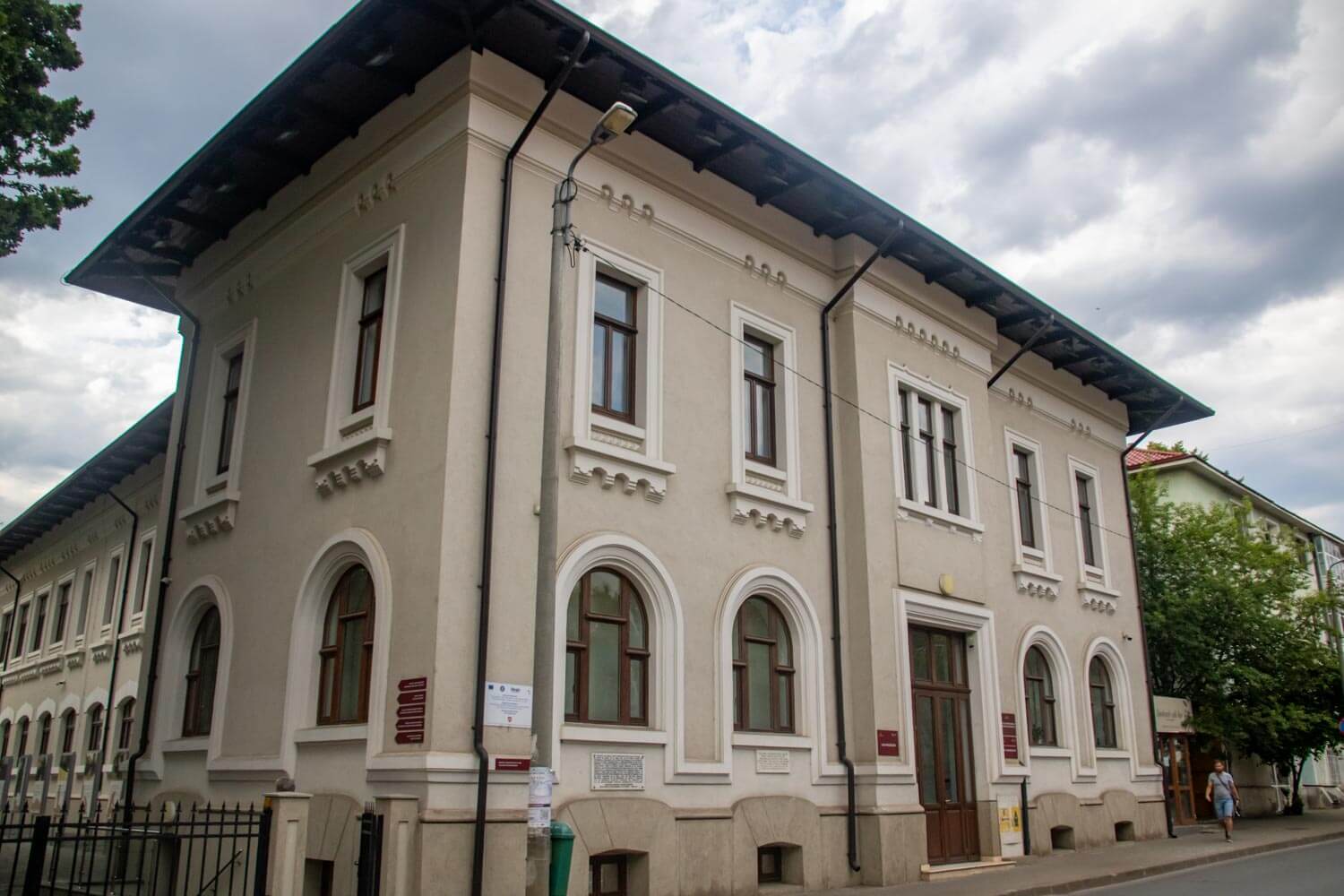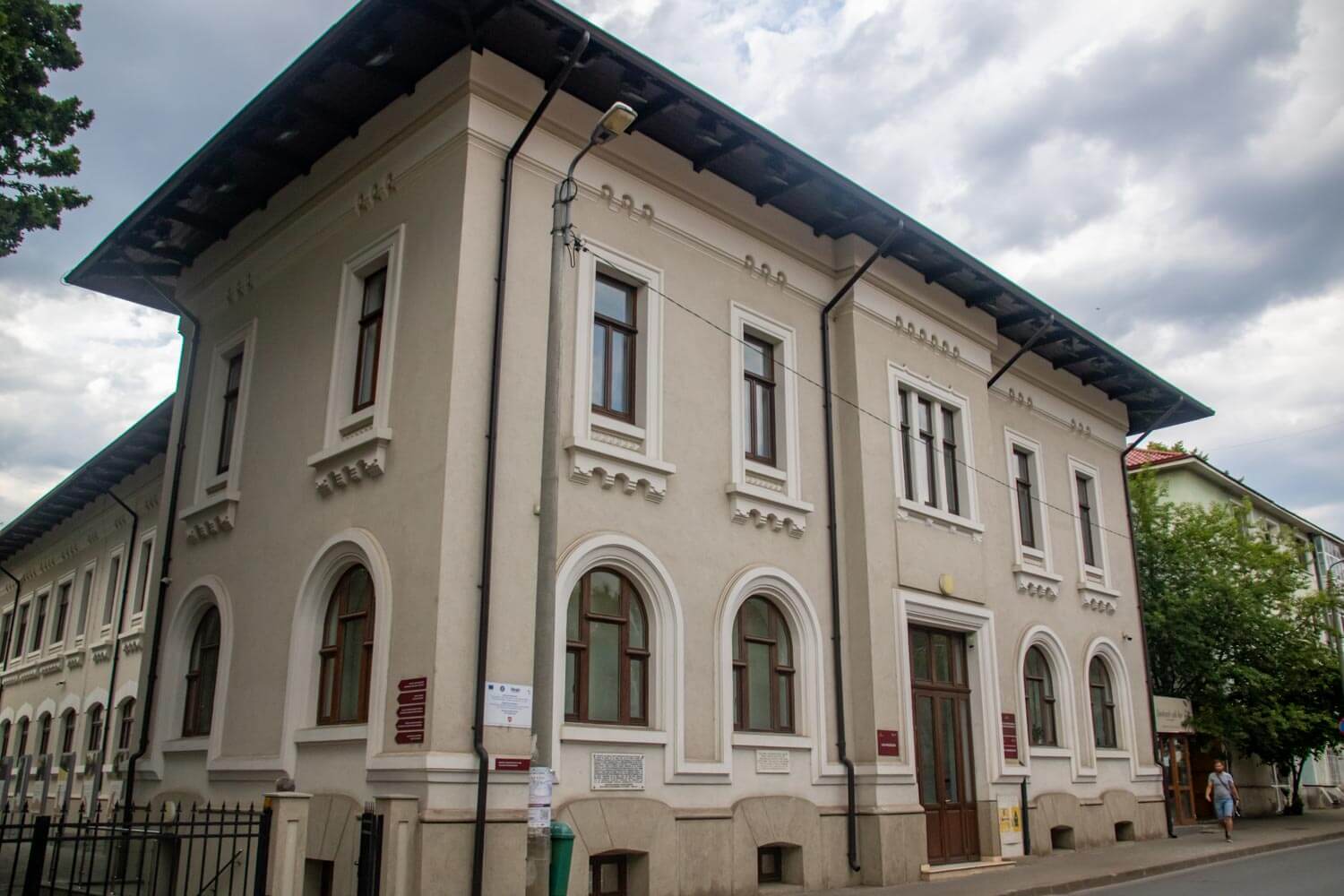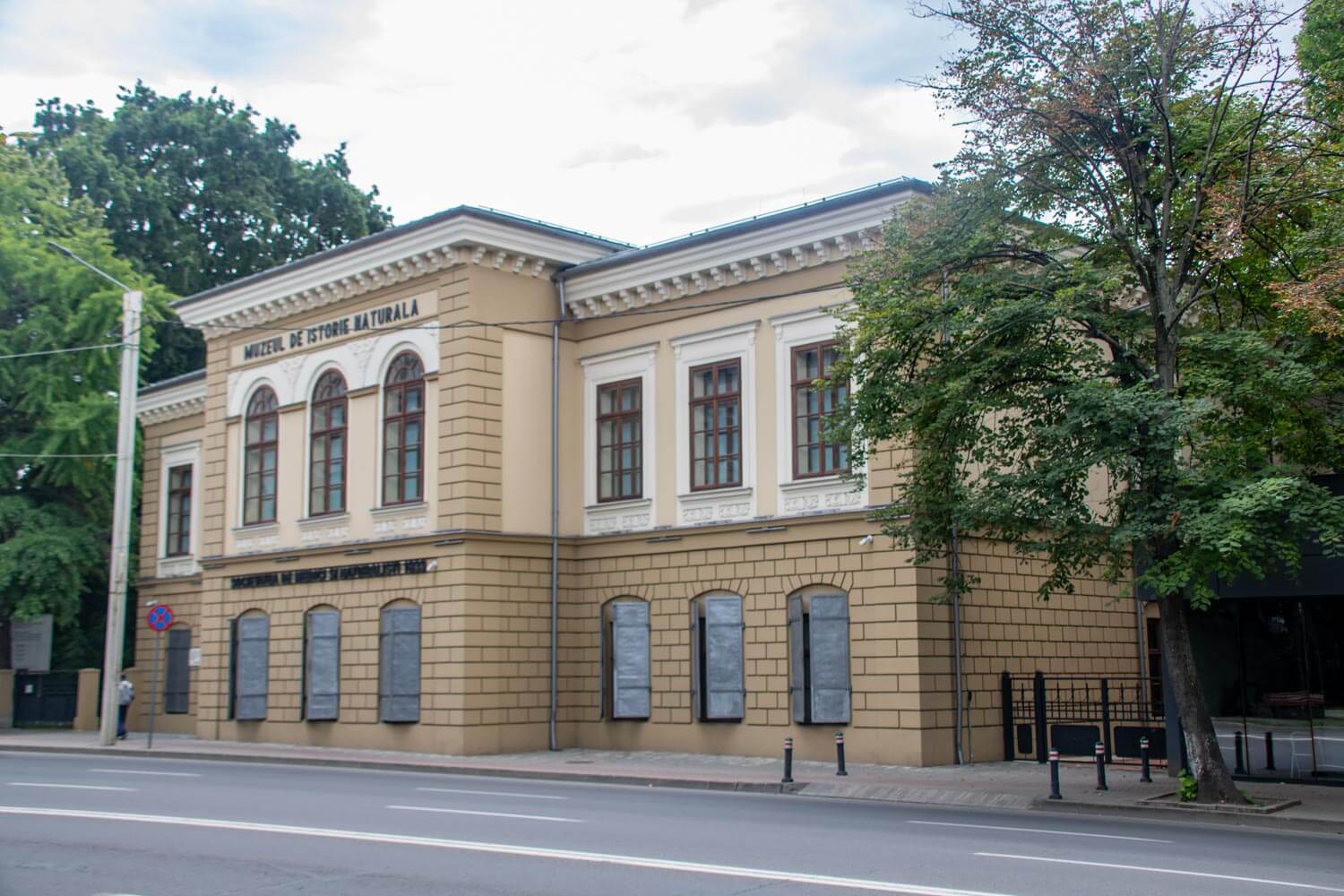
The Museum of Natural History (Muzeul de Istorie Naturală) is a natural-history museum in central Iași, founded in 1834 as the first institution of its kind in the Romanian Principalities. It is housed in the historic Roset-Sturdza House and preserves collections covering zoology, botany, paleontology, geology, and mineralogy.
The museum was created by members of the Society of Physicians and Naturalists of Iași, led by Iacob Cihac and Mihail Zotta together with figures including Gheorghe Asachi, Constantin Sturdza, and Costache Negri. Its purpose was both scientific and educational, and the collections were already being used for public lectures and natural-history teaching during the 1830s. After first operating in the Alecu Balș House and then at the Mihăileană Academy, the museum moved into its present home around 1840.
The Roset-Sturdza House is an early 19th-century Neoclassical residence that became permanently owned by the Society of Physicians and Naturalists in 1844. Its spacious rooms allowed the museum collections to expand, while the courtyard later gained a botanical garden in 1873. Several mature trees from that garden still survive around the property.
One room also entered Romanian political history in January 1859. In the so-called Elephant Cabinet, members of the National Party agreed to support Alexandru Ioan Cuza as candidate for the throne of Moldavia, shortly before his election and the subsequent union with Wallachia. The room takes its name from Gaba, an Indian elephant acquired for the museum in 1835 whose skeleton became one of its best-known exhibits.
The museum now holds more than 250,000 specimens, with important collections of insects, mollusks, amphibians, reptiles, birds, mammals, plants, minerals, and fossils. The exhibitions present themes ranging from the formation of the Earth and the evolution of life to biodiversity, animal behavior, and urban ecosystems, while Gaba and the historic Alexandru Ioan Cuza room remain distinctive features of the visit.